Project-1: Powertrain for aircraft in runways
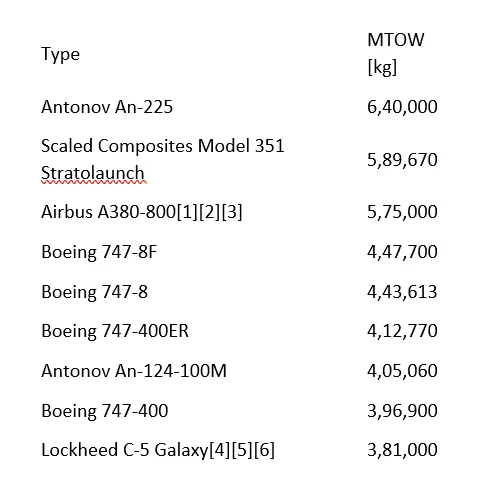
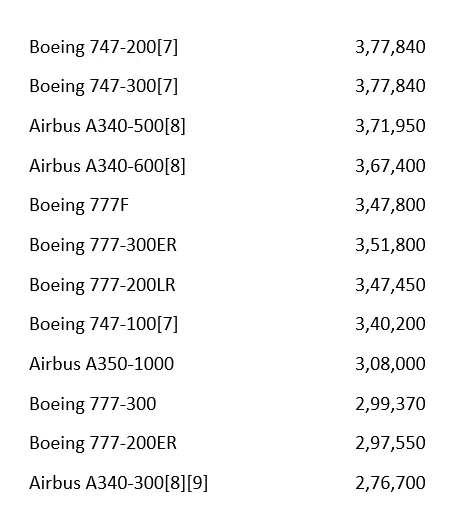
1. Search and list out the total weight of various types of aircrafts.
ans -
Aircraft -
An aircraft is a vehicle or machine that is able to fly by gaining support from the air. It counters the force of gravity by using either static lift or by using the dynamic lift of an airfoil, or in a few cases the downward thrust from jet engines.
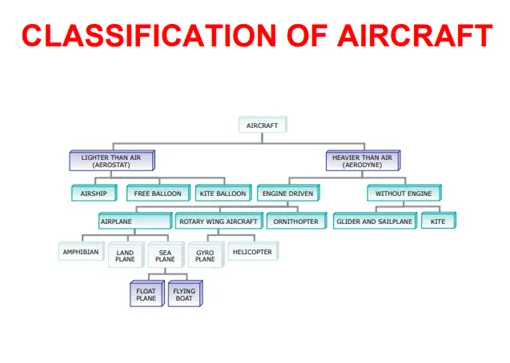
Before we get to know and study the different types of aircraft, let us understand how these aircraft are classified. In most general terms, there are two types of classifications for aircraft. One is lighter than the aircraft, known as aerostats, and the other is heavier than the aircraft, known as aerodynes. Aerostats (lighter than air): Aerostats are much lighter in weight than or airplanes.
These types of light aircraft typically use buoyancy, like ships, to help them float through the air. Low-density gas such as hydrogen, heliums, or hot air balloons is used to fill the aircraft. This low-density gas is lighter than air, & hence the name.
The most common types of aerostats known to us are hot air balloons & sky lanterns. Aerodyne (Heavier than Air): Alternatively, other aircraft, which are heavier than air or Aerodyne, as we understand it, is much greater in weight & size.
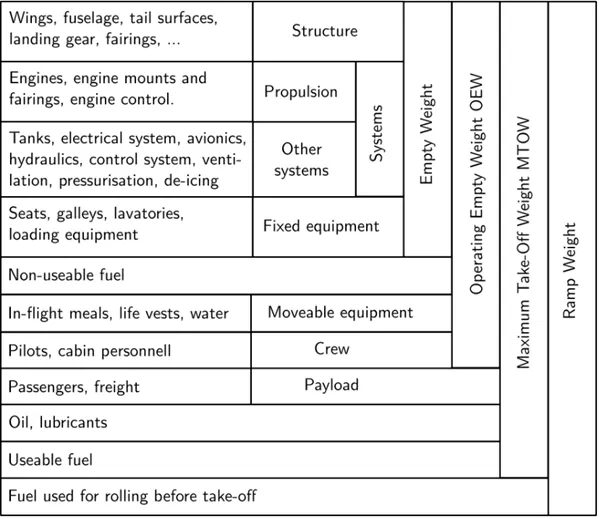
Basic Empty Weight (BEW) - is the weight of the aircraft "as built" and includes the weight of the structure, power plant, furnishings, installations, systems and other equipment that are considered an integral part of an aircraft before additional operator items are added for operation.
Dry Operating Wieght (DOW) - BEW + Weight of Crew (Pilot + Cabin including their bags) + Pantry
Operating Weight (OW) - DOW + Takeoff fuel (i.e. Ramp Fuel - Taxi fuel)
Maximum Zero Fuel Weight (MZFW) - DOW + Payload (anything put on the aircraft that generates revenue to the company, e.g. passenger, baggage, cargo, mail and fret)
Maximum Taxi Weight (MTW) - MZFW + Ramp fuel
Maximum Takeoff Weight (MTOW) - MZFW + Takeoff fuel, or MTW - Taxi fuel
Maximum Landing Weight (MLW) - MTOW - Trip Fuel
2 - Is there any difference between ground speed and air speed
ans -
True airspeed is the speed at which the aircraft flies in zero wind. Ground speed is the speed at which it travels across the ground, and it varies to differing degrees depending on its true airspeed and the velocity and direction of the wind.
An aircraft's true airspeed tells us how fast it moves relative to the surrounding air, while the ground speed is its horizontal speed relative to the earth's surface. In still air, an aircraft's ground speed is equal to its true airspeed.
True airspeed tells the pilots whether the plane is moving fast enough to take off or continue in the air. Ground speed informs the pilots how long they have to fly to reach their destination.
True airspeed increases with altitude because of less drag, while ground speed does not depend upon how high a plane fly.
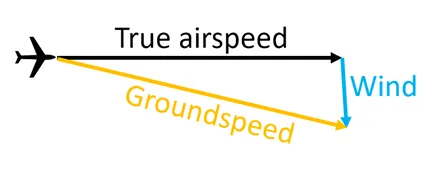
Groundspeed is a vector sum of True Airspeed (TAS) and wind velocity.
If an aircraft maintains IAS, TAS (and therefore groundspeed) increases when an aircraft climbs. This is because air density decreases with altitude and consequently, higher speed is required to obtain the same dynamic pressure. As a result, if two aircraft are maintaining the same IAS and tracks at different levels and the wind is the same, the higher aircraft will fly faster in terms of groundspeed.
As a rule of thumb, TAS would change by 7 kt per 1000 ft, e.g. an aircraft that is flying 4000ft above would be about 30 kt faster in terms of TAS/groundspeed.
Additional factor here is that usually (but not always) windspeed also increases with altitude, generally reaching its highest at the tropopause. As a result, in case of tailwinds higher aircraft move significantly faster and in case of head winds it is possible that aircraft at different levels maintaining the same IAS would also fly at similar groundspeeds.
Ground speed and wind direction –
The impact of wind speed on ground speed is obvious but wind direction is equally important. There are two situations to be considered:
The wind direction changes (either with altitude or with the position)
The wind direction remains the same but the aircraft heading changes. As a result, the crosswind and headwind/tailwind component also change, impacting the groundspeed.
3 . Why is it not recommended to use aircraft engine power to move it on the ground at Airport?
Ans –
Taxiing (rarely spelled taxying) is the movement of an aircraft on the ground, under its own power, in contrast to towing or pushback where the aircraft is moved by a tug. The aircraft usually moves on wheels, but the term also includes aircraft with skis or floats (for water-based travel).
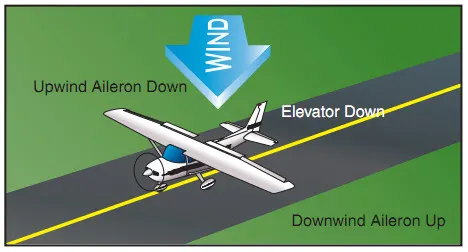
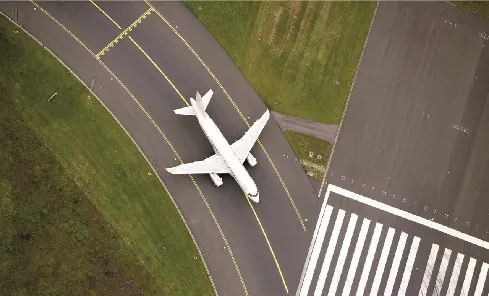
Steering is achieved by turning a nose wheel or tail wheel/rudder; the pilot controls the direction travelled with their feet. Larger jet aircraft have a tiller wheel on the left side of the cockpit that acts as a steering wheel allowing the nosewheel to be turned hydraulically. Braking is controlled by differential toe or heel brakes. Not all aircraft have steerable wheels, and in some cases steering is solely by means of differential braking (all Van's aircraft for instance) or solely by means of the rudder (including all floatplanes).
Although many aircrafts are capable of moving in backward using reverse thrust, as result the jet blast or prop wash might cause damage to the terminal building or equipment. Engine close to ground may also blow sand and debris forward and then suck them into the engine, causing damage to the engine.
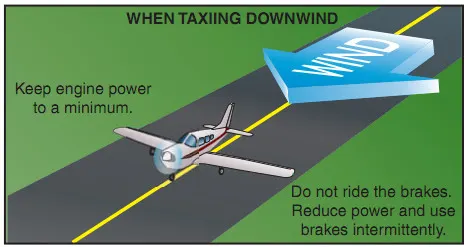
When taxiing, aircraft travel slowly. This ensures that they can be stopped quickly and do not risk wheel damage on larger aircraft if they accidentally turn off the paved surface.
4 How an aircraft is pushed to runway when its ready to take off
Ans –
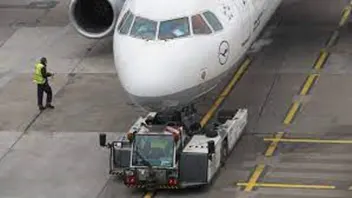
The plane pushed back from the gate before the pilots start the engines. There must be a reason for this as some airports always push planes back, but yet others just seem to let the aircraft turn away from the gate.
Airplanes get towed or pushed by tractors and tugs when jet blast from their engines or prop wash from their propellers will create a hazard to nearby buildings, ground crew, other aircraft & ground handling equipment. Moving aircraft from hangers to aprons does not require pilots if being towed.
Depending on the airport, some aircraft movements have to be made with assistance to ensure the safety of all those working in the area or when the need to start the engines is overkill for the maintenance task required.
5 Learn about take off power, tyre design, rolling resistance, tyre pressure, brake forces when landing.
Ans –
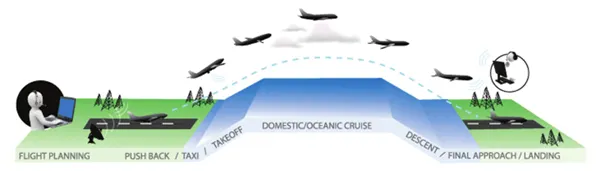
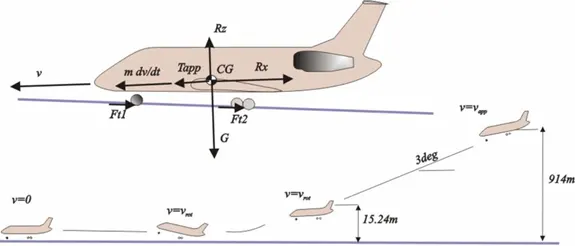
A normal takeoff is one in which the airplane is headed into the wind, or the wind is very light. Also, the takeoff surface is firm and of sufficient length to permit the airplane to gradually accelerate to normal lift-off and climb-out speed, and there are no obstructions along the takeoff path.
There are two reasons for making a takeoff as nearly into the wind as possible –
1 - Aircraft speed will be less, therefore reducing wear and stress on landing gear.
2 - Shorter ground roll and therefore much less runway length.
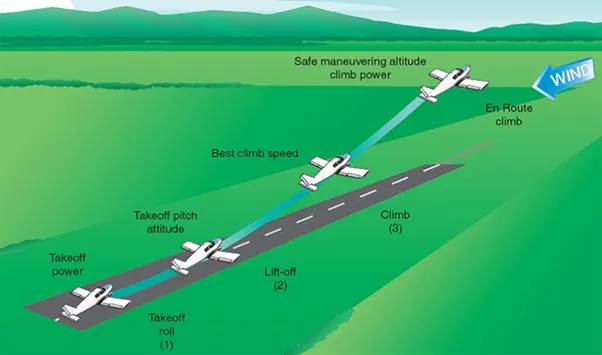
Take Off Roll
After taxiing onto the runway, the airplane should be carefully aligned with the intended takeoff direction, and the nose wheel positioned straight, or centered. After releasing the brakes, the throttle should be advanced smoothly and continuously to takeoff power. An abrupt application of power may cause the airplane to yaw sharply to the left because of the torque effects of the engine and propeller. This will be most apparent in high horsepower engines. As the airplane starts to roll forward, the pilot should assure both feet are on the rudder pedals so that the toes or balls of the feet are on the rudder portions, not on the brake portions. Engine instruments should be monitored during the
takeoff roll for any malfunctions.
Initial Climb
Upon lift-off, the airplane should be flying at approximately the pitch attitude that will allow it to accelerate to VY. This is the speed at which the airplane will gain the most altitude in the shortest period of time.
Center Line Control
Always keep the Aircraft on the centerline of the Taxiway and Runway. It's important to maintain control over the aircraft during taxi, take off roll, and initial climb out. You can do this by using the centerline as your primary reference point
Power Required –
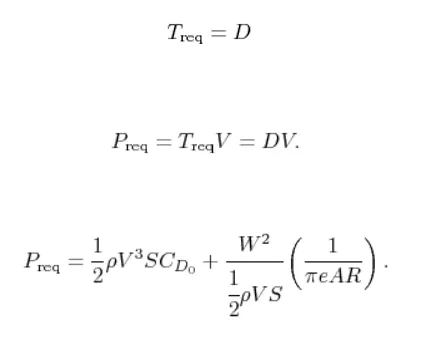
Thus the power required (for steady level flight)
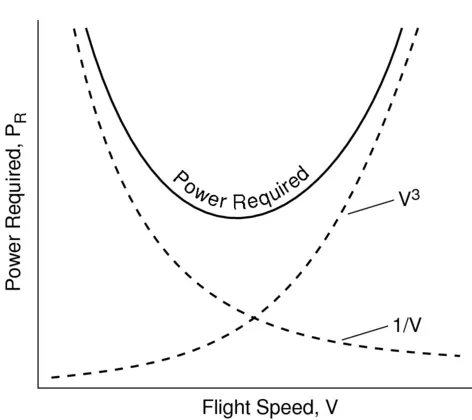
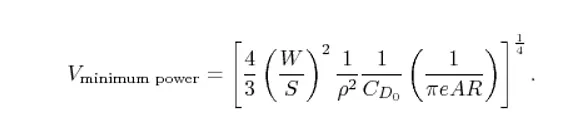
The velocity for minimum power is obtained by taking the derivative of the equation for Preq with respect to V and setting it equal to zero.
Tyre Design –
An aircraft tyre is designed to withstand extremely heavy loads while landing, take off, taxing, and parking. The number of wheels required for aircraft increases with the weight of the aircraft, as the weight of the aeroplane needs to be distributed more evenly.
Design and Construction of Aircraft tyre -
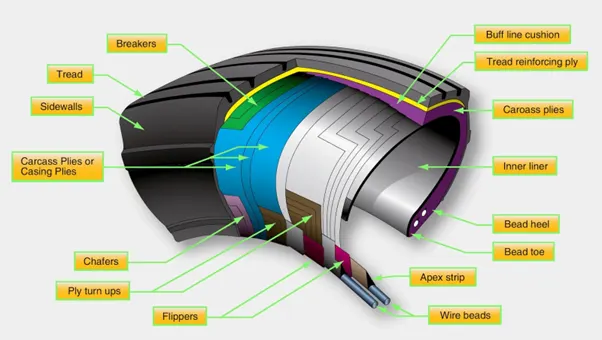
Carcass plies are used to form the tire. They are sometimes called casing plies. An aircraft tyre is constructed for the purpose it serves.
1 -They support the weight of an aircraft while it is on the ground.
2 - It also provides the necessary traction for braking and stopping of an aeroplane.
3 - Tyre also helps to absorb the shock of landing and provide cushioning the roughness of takeoff, roll-out, and taxi operations.
Unlike an automobile or truck tyre, it does not have to carry a load for a long period of continuous operation. However, an aircraft tyre absorbs the high impact loads of landing, and also it’s operating at high speeds for a short time when required.
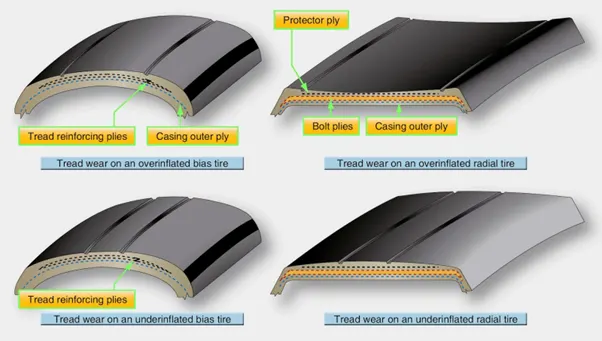
Retreading – Retreading is methods of restoring a worn tyre by renewing the tread area or by renewing the tread area plus one or both sidewalls. Repairs are included in the tyre retreading process.
Load Rating – Load rating is the maximum permissible load at a specified inflation pressure.
Ply Rating – Ply Rating is used to identify the maximum recommended load rating and inflation pressure for a specified tyre. It is an index of tyre strength.
Speed Rating – The speed rating is the maximum takeoff speed to which the tyre has been tested.
Skid Depth – Skid depth is the distance between the tread surface and the deepest groove as measured in the mould.
Aircraft tyres must have an approved speed and load rating and have sufficient clearance when retracted through landing gear to allow for tyre growth. Tyre growth is the increase in the size of the tyre due to centrifugal forces at high speed.
Aircraft Tyre Standards –
Each tyre manufacturer produces their own designs of the tyre with different tread patterns, wear patterns, wear limits etc, and in some cases, different names for the same part of the tyre. But all tyres must meet the approved standards before being accepted by the FAA or CAA.
All commercial aircraft tyres approved under FAA Requirement Technical Standard Order (TSO) C62. A TSO is a minimum performance standard for specified materials, parts, and appliances used on civil aircraft.
Rolling Resistance -
Rolling resistance is the combination of forces that work against the forward motion of your vehicle. The weight of the vehicle, gravity and inertia, the amount of friction between the tires and the road surface, and air drag all play a part.
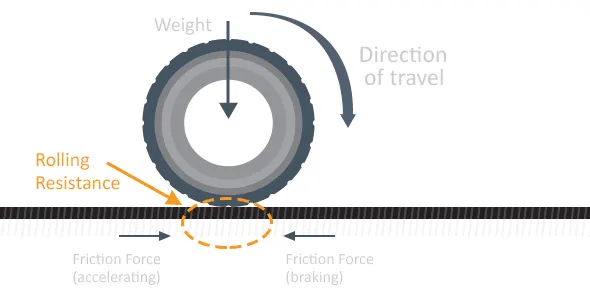
Rolling resistance can be expressed as Frr=μrr⋅m⋅gFrr=μrr⋅m⋅g (N).
Where
FrrFrris the Rolli resistance(N)
μrrμrr is coefficient of rolling resistance.
m is mass (kg)
g is acceleration due to gravity = 9.81m/s^2
Tyre Pressure –
Aircraft tyres operate at such high extremes of pressure, load, and speed, their care and service is critically important. The most important action an operator can take to prevent tyre-related events is to maintain proper tire inflation pressure. Failure to keep aircraft tires properly inflated can lead to very serious consequences. One relatively easy way to help avoid those consequences is to check tire pressures regularly and service them as necessary. Following these three actions is a good way to make sure you get the most value out of your tires and contribute to the safe operation of your aircraft.
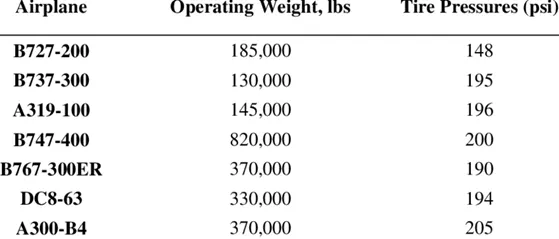
Aircraft tires are usually inflated with nitrogen to minimize expansion and contraction from extreme changes in ambient temperature and pressure experienced during flight. Dry nitrogen expands at the same rate as other dry atmospheric gases (normal air is about 80% nitrogen). but common compressed air sources may contain moisture, which increases the expansion rate with temperature.Also, the use of an inert gas for tire inflation eliminates the possibility of tire explosion.
Brake Forces When Landing –
In addition to the brakes, there are two other systems which help slow the aircraft down on landing. The spoilers and the reverse thrust.
1 - Spoilers
Have you noticed the large panels on the top of the wings raise up on touch down? These are the called the spoilers as they literally spoil the airflow over the wing. This dumps any remaining lift the wings are generating, allowing the wheels to take all the weight and achieve maximum efficiency from the brakes.
2 - Reverse thrust
The final part of the braking process comes from reverse thrust. Just after we have touched down, we pull two levers on top of the thrust levers to engage the reverse thrust, a sort of “reverse gear” for jet engines.
This causes blockers inside the engine to deploy and a door in the side of the engine to slide backward. The air which normally leaves the engine out the back is deflected forward by the blockers and out through the door.
6. A. With necessary assumptions, calculate the force and power required to push / pull an aircraft by a towing vehicle.
ans -
Given –
Total mass of the aircraft (including payload) for airbus a380 - 589,000kg.
Mass of the push back assumed - 1000kg
Rolling Resistance (Frr) -
Coefficient of rolling resistance (Crr) = 0.002 (on tarmac)
Rolling resistance force is given by Frr=Crr⋅m⋅g
For the aircraft: Frr=0.002*589000*9.81
Frr= 11556.18N
Frr= 11.5561kN
For the Towing Vehicle: Frrt=0.002⋅1000⋅9.81
Frrt=19.62N
It is very less compare to aircraft so its neglected.
Aerodynamic resistnace (Far) –
Drag coeffcient(Cd): 0.025
Air Density (ρρ) = 1.125kg/m^3
Frontal Area (A): 150m^2.
Velocity (v) = 15 kmph or 4m/s
Far=1/2⋅Cd⋅ρ⋅A⋅v^2
Far=1/2⋅Cd⋅ρ⋅A⋅v^2
Far=1/2⋅0.025⋅1.125⋅150⋅42
= 33.75N -
Runways are constructed flat so Gradient resistance/ hill climb force is neglected.
Hence Total resistance – Frr= 11.5561kN
Power = Ft + Far * v
= 11.58985 * 4 = 46.3594
Power is required 46.3594 kw in towing vehicle.
6 B. Develop the model for the calculated force and power using Simulink.
Ans –
When develop the model using parameter –
Rolling Resistance (Frr) -
Coefficient of rolling resistance (Crr) = 0.002 (on tarmac)
Rolling resistance force is given by Frr=Crr⋅m⋅g
For the aircraft: Frr=0.002*589000*9.81
Frr= 11556.18N
Frr= 11.5561kN
Aerodynamic resistnace (Far) –
Drag coeffcient(Cd): 0.025
Air Density (ρρ) = 1.125kg/m^3
Frontal Area (A): 150m^2.
Velocity (v) = 15 kmph or 4m/s
Far=1/2⋅Cd⋅ρ⋅A⋅v^2
Power = Ft + Far * v
= 11.58985 * 4 = 46.3594
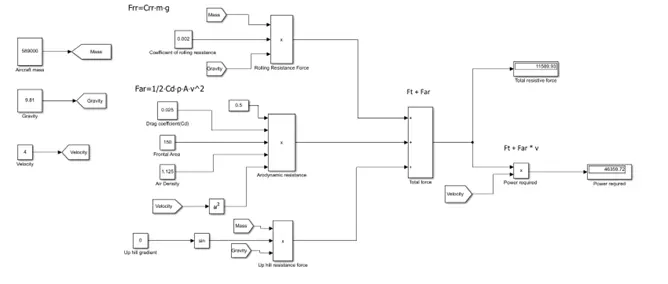
Result is show how much power are required
Step to develop the model –
1 – This model are required the constant block to set some parameter Coefficient of rolling resistance , mass , gravity ,velocity , drag coefficient , fontal area ect.
2 – Use product , sum block .
3 – Use go to and from block to set the gravity , mass , velocity value.
4 – Display are using to display the result.
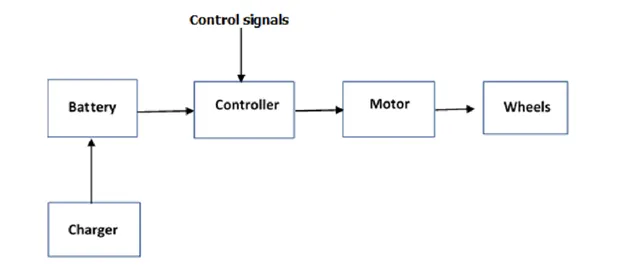
7 - A. Design an electric powertrain with type of motor, it’s power rating, and energy requirement to fullfill aircraft towing application in Simulink. Estimate the duty cycle range to control the aircraft speed from zero to highest. Make all required assumptions. Prepare a table of assumed parameters. Draw a block diagram of powertrain.
ans -
Design an electric powertrain with type of motor, it’s power rating, and energy requirement to full-fill aircraft towing application in Simulink. Estimate the duty cycle range to control the aircraft speed from zero to highest. Make all required assumptions. Prepare a table of assumed parameters. Draw a block diagram of powertrain.
Motor REX 90 is specialy designed for project EPOS ( Electric Powered Small Aircraft).
Working voltage is 250-360V and maximum power is 60Kw. Motor work at 1800-4000RPM.
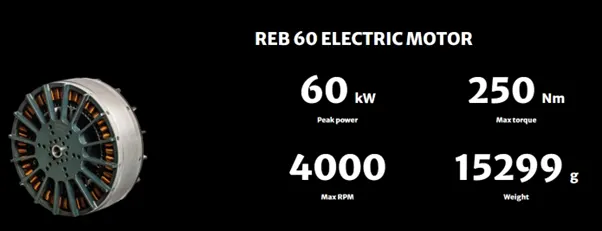
Considering 60kW as continous power, so the voltage will be 360V. Battery power is considered to be 550V. we know that duty cycle is given by
d=Vo/Vb
d=400/550
= 0.7272
As there will be losses due to the resistance of FET and Inductance.
Correction factor is considred to be 90%
As there is 10% loss, the voltafge demanded by the motor should be 10% more than required
d=0.7272*(1+0.1)= 0.799 It is equal to = 0.8
so the voltage demand should be around 400V to battery.
Mass of the aircraft 589000 Kg
Mass of towing vehicle 1000 Kg
Coefficient of rolling resistance 0.002
Drag coefficient 0.025
Air-density 1.125
Frontal area 150 m
Velocity 4 m/s
Uphill gradient 0 deg
Battery voltage 550v
Correction factor 0.8
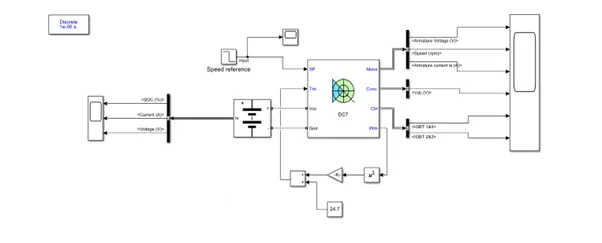
Simulink model –
This model are use in dc7 motor block , battery source , input signal , bus selector ,gain , square blocks
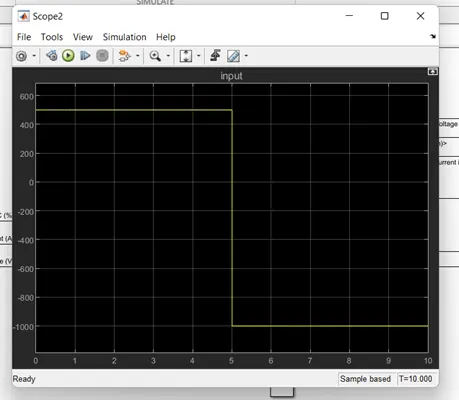
Input signal –
The Simulink model are set the input signal
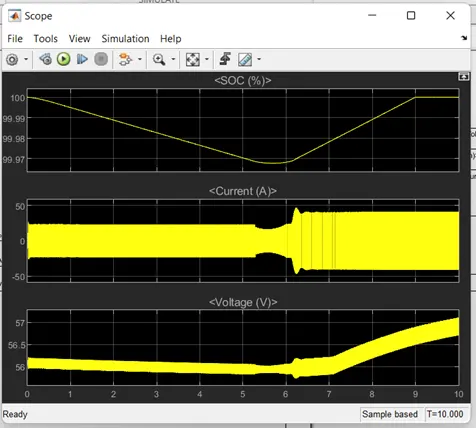
Output –
The output it shows the SOC , current , voltage from battery .
It shows the battery current and voltage level of battery and its performance.
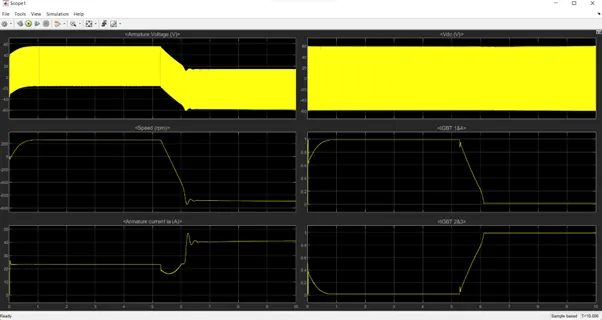
Start the simulation. You can observe the motor armature voltage and current, the four IGBT pulses, and the motor speed on the scope. The current and speed references are also shown.
The motor is coupled to a linear load, which means that the mechanical torque of the load is proportional to the speed.
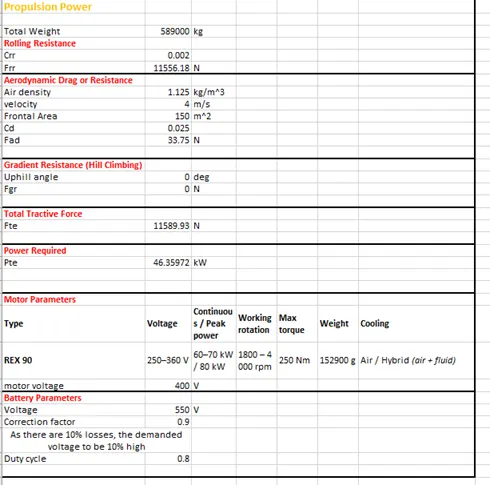
B. Also, Design the parameters in excel sheet.
ans -
links -
https://drive.google.com/drive/folders/1EvSbMVKp6Ea4F6qHcY5U0Nu5OfL9rFdN?usp=sharing