Project-1: Powertrain for aircraft in runways
1.
Aircraft:
An aircraft is a vehicle that is able to flyby gaining support from the air. It counters the force of gravity by using either static lift or by using the dynamic lift of an airfoil,or in a few cases the download thrust from jet engines. Common examples of aircraft include airplanes,helicopters, airships (including blimps), gliders, paramotors and hot air balloons.
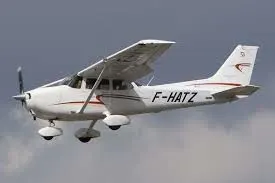
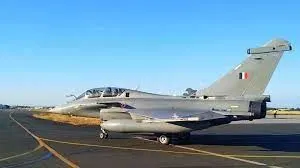
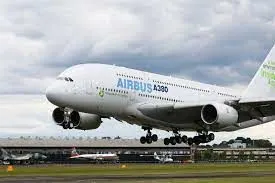
The human activity that surrounds aircraft is called aviation. The science of aviation, including designing and building aircraft, is called aeronautics. Crewed aircraft are flown by an onboard pilot, but unmanned aeiral vehicles may be remotely controlled or self-controlled by onboard computers. Aircraft may be classified by different criteria, such as lift type, aircraft propulsion, usage and others.
Types of aircrafts:
Aircraft are classified based on various parameters.
1.According to the basic design.
2.According to the propulsion through the air.
3.According to the design of the wings.
Commonly used aircrafts and their weights
|
Aircrafts |
Length (m) |
Weight (empty) (kg) |
Weight (max) (kg) |
|
Cessna 172 |
8.2 |
660 |
1110 |
|
Citation Jet M2 |
13 |
3170 |
4855 |
|
Boeing 767-300 |
56 |
88450 |
181436 |
|
Boeing 787-800 |
56 |
119975 |
227930 |
|
Boeing 777-300 |
74 |
160571 |
299370 |
|
Boeing 747-400 |
70 |
184612 |
412769 |
|
Airbus A320 |
38 |
37194 |
77110 |
|
IAF Rafale(military aircraft ) |
15 |
1000 |
2400 |
|
HAL Light combat Helicopter |
16 |
2250 |
5800 |
|
Airbus A330 |
64 |
124511 |
229971 |
2.
GroundSpeed Vs Airspeed:
Generally speaking, there are two different types of speed when talking about airplanes – ground speed and airspeed.
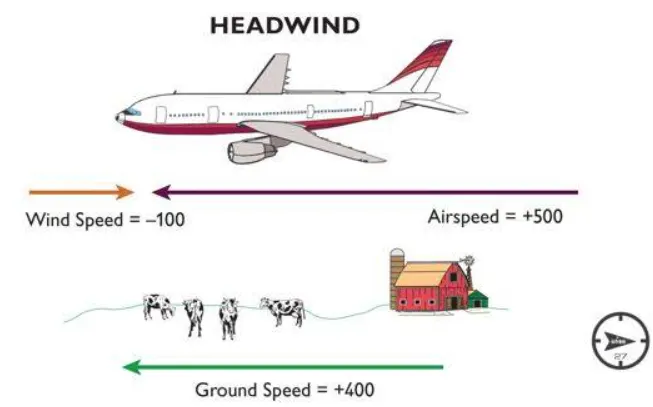
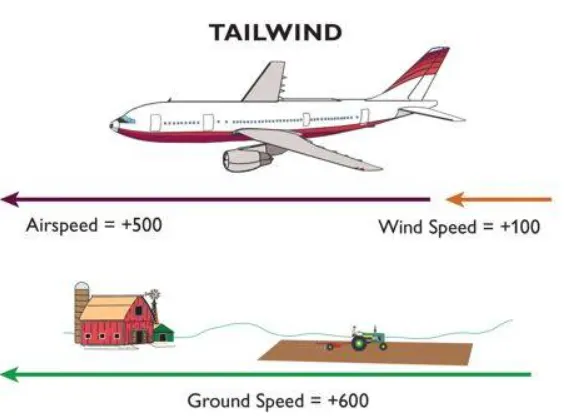
While ground speed is the airplane’s speed relative to the surface of the Earth, airspeed – at least true airspeed – is its speed relative to the air it is flying in.
As mentioned above, true airspeed is simply the speed at which an aircraft is moving relative to the air it is flying in. As such, it’s also the speed at which the air is flowing around the aircraft’s wings.
Ground speed, on the other hand, is the aircraft’s speed relative to the ground. One thing that should be noted here is that it’s its horizontal rather than vertical speed – an aircraft climbing completely vertically would have a ground speed of zero.
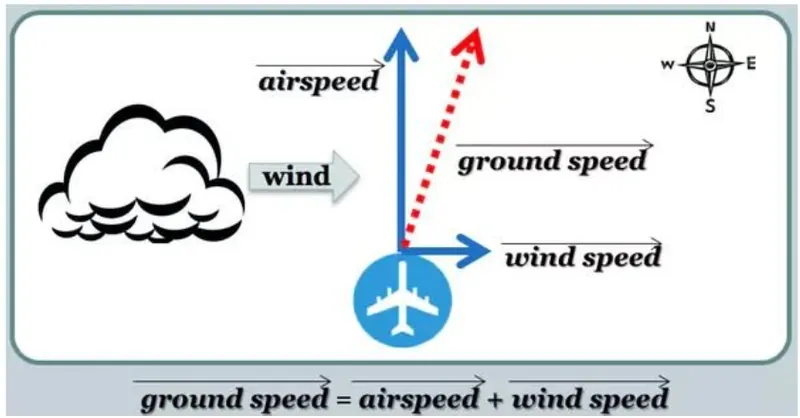
In other words, while airspeed is what determines whether there is enough airflow around an aircraft to make it fly, ground speed is what determines how fast an aircraft will get to its destination.
3.
It is not recommended to use aircraft engine power to move it on a ground airport.
For movement on the ground the aircraft uses its own engine power, which is called taxing.
Although many aircrafts are capable of moving in backward using reverse thrust, as result the jet blast or prop wash might cause damage to the terminal building or equipment.
The risks which may arise from engine ground running relate to the potential for loss of control of the aircraft by those persons occupying the pilot seats in the flight deck. In most cases, such persons will be maintenance personnel holding specific company issued approval for the required tasks. The consequences of loss of control during taxi or towing are the same as apply to these operations generally and this article is concerned only with the risks arising from the static running of one or more aircraft engines. Unwanted consequences from such static running are mainly related to those arising from the unintended movement of the aircraft during engine running - effectively a loss of control especially during high power engine running. Damage can occur to the aircraft itself, other aircraft nearby or to airside structures. In addition, there is a risk of injury to ground support personnel who may be in relatively close proximity to the aircraft.
4.
Towing:
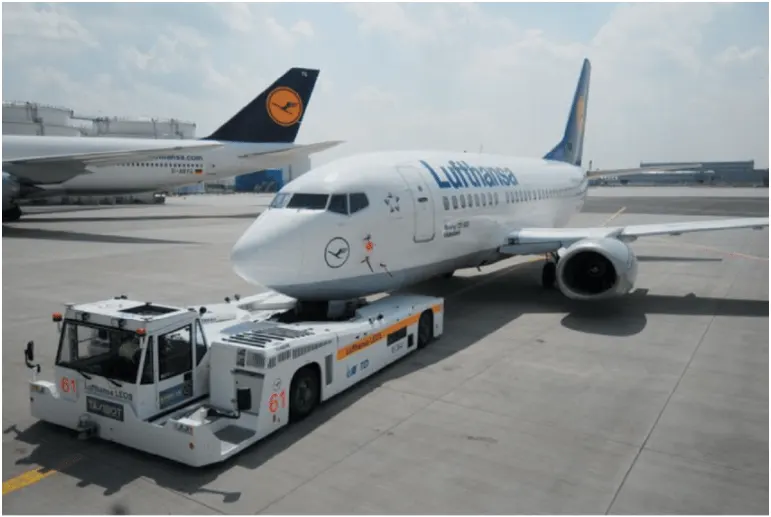
In the parking areas, where taxing the aircraft is not practical or is unsafe, such as moving aircraft in and out of maintenance hangars, or moving aircraft that are not under their own power or moving backwards, then towing of aircraft is performed using the power of a specialized ground vehicle attached to or supporting the nose landing gear. The traditional method of allowing the ground vehicle to move an aircraft is to attach it to the aircraft nose landing gear by means of towbar.
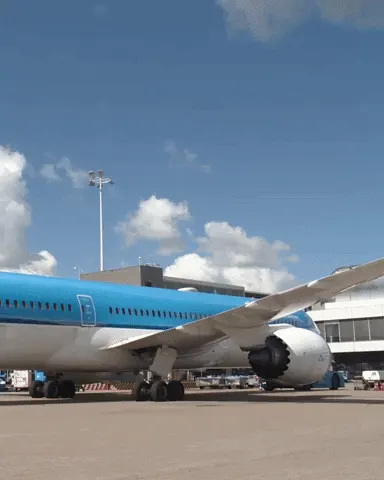
As a pilot can’t see what is behind the aircraft, steering is done by pushback tractor driver and depending on the aircraft type and airline procedure, a bypass pin may be temporarily installed into the nose gear to disconnect it from the aircraft’s normal steering mechanism. Once the towing is completed, the towbar is disconnected and the aircraft can taxiing forward under its own power.
Taxiing:
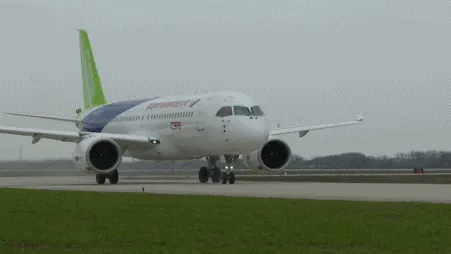
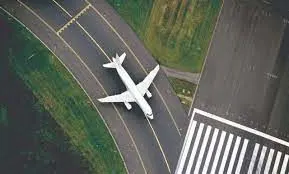
Taxiing is the movement of an aircraft on the ground under its own power while on the surface. The aircraft always moves following the yellow lines, to avoid collision with the surrounding buildings, vehicles or other aircrafts. The taxing motion has a speed limit. Before making a turn the pilot reduces speed further to prevent the tires skids just like other vehicles. The reason for taxing is to reach the vehicle into the runway or from the runway to the terminal.
5.Take-off Power:
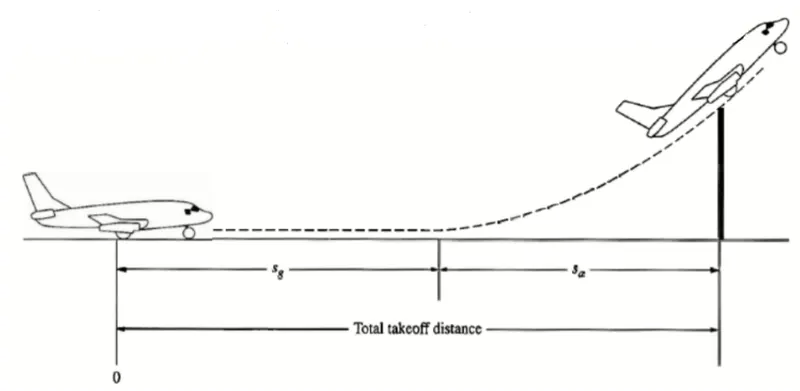
The amount of power that an engine is allowed to produce for a limited period of time for takeoff. The use of takeoff power is usually limited to 5 min for reciprocating engines and up to 2½ min for gas turbine engines. This may not always be the case. Specifically, with respect to reciprocating engines, it is the brake horsepower developed under standard, sea-level conditions and under the maximum conditions of the crankshaft rotational speed and the engine manifold pressure approved for the normal take-off. It is limited in continuous use to the period of time shown in the approved engine specifications. With respect to gas turbine engines, it is the thrust developed under static conditions at a specified altitude and atmospheric conditions of the rotor shaft rotational speed and gas temperature approved for the normal takeoff. It is limited in continuous use to the period of time shown in the approved engine specifications.
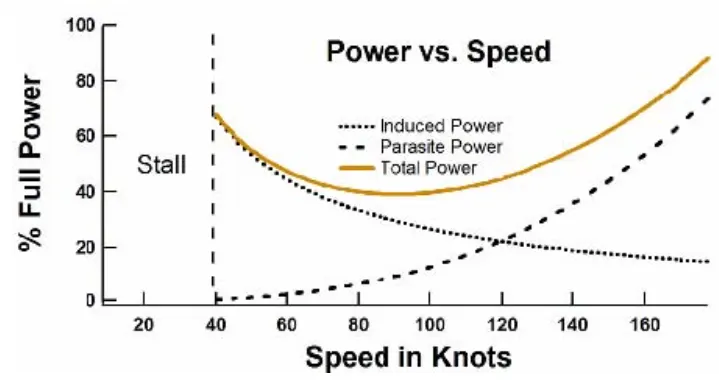
Tyre Design:
The tryes help to absorb the shock of landing and provide cushioning. It also provides the necessary traction for braking and stopping of an aircraft.
An aircraft tyre is designed to withstand extremely heavy loads while landing, take off, taxing, and parking. The number of wheels required for aircraft increases with the weight of the aircraft, as the weight of the aeroplane needs to be distributed more evenly.
Design:
Carcass plies are used to form the tire. They are sometimes called casing plies. An aircraft tyre is constructed for the purpose it serves.
- They support the weight of an aircraft while it is on the ground.
- It also provides the necessary traction for braking and stopping of an aeroplane.
- Tyre also helps to absorb the shock of landing and provide cushioning the roughness of takeoff, roll-out, and taxi operations.
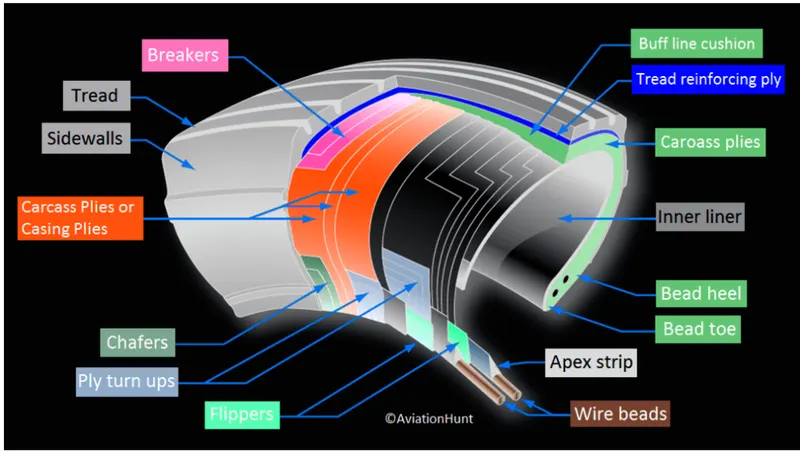
Unlike an automobile or truck tyre, it does not have to carry a load for a long period of continuous operation. However, an aircraft tyre absorbs the high impact loads of landing, and also it’s operating at high speeds for a short time when required.
Aircrafts tyres are manufactured with tread rubber with conducting compounds to permit earthing of static charges.
Rolling Resistance:
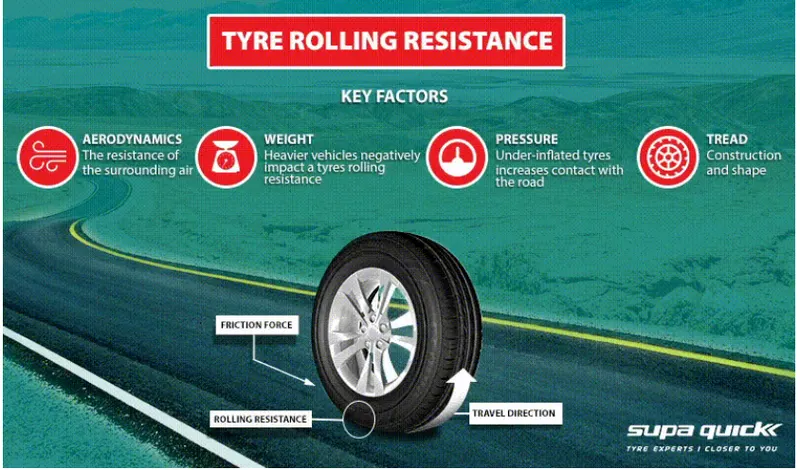
Rolling resistance, sometimes called rolling friction or rolling drag, is the force resisting the motion when a body rolls on a surface. It is mainly caused by non-elastic effects; that is, not all the energy needed for deformation of the wheel, roadbed, etc., is recovered when the pressure is removed. Two forms of this are hysteresis losses, and permanent (plastic) deformation of the object or the surface. Note that the slippage between the wheel and the surface also results in energy dissipation. Although some researchers have included this term in rolling resistance, some suggest that this dissipation term should be treated separately from rolling resistance because it is due to the applied torque to the wheel and the resultant slip between the wheel and ground, which is called slip loss or slip resistance.
Tyre Pressure:
Aircraft tires generally operate at high pressures, up to 200 psi (14 bar; 1,400 kPa) for airliners, and even higher for business jets. The main landing gear on the Concorde was typically inflated to 232 psi (16.0 bar), whilst its tail bumper gear tires were as high as 294 psi (20.3 bar).
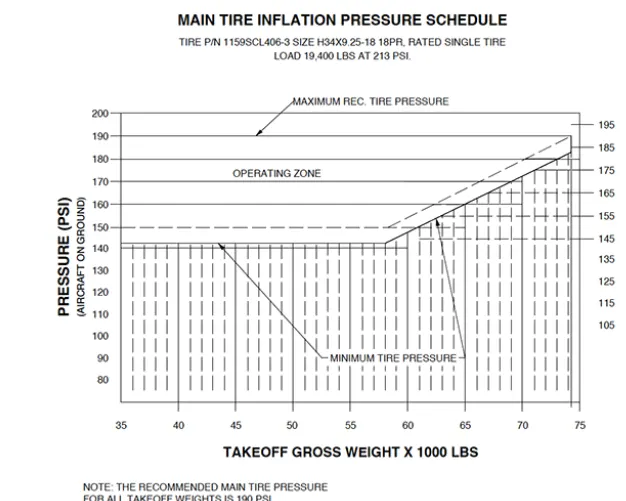
Aircraft tires are usually inflated with nitrogen to minimize expansion and contraction from extreme changes in ambient temperature and pressure experienced during flight. Dry nitrogen expands at the same rate as other dry atmospheric gases (normal air is about 80% nitrogen), but common compressed air sources may contain moisture, which increases the expansion rate with temperature.
Landing Brake Forces:
On other aircraft types, the brake units are powered by the hydraulics system. An electrical signal is sent from the flight deck to hydraulic actuators near the main landing gear. Here, hydraulic fluid at 3,000 pound per square inch is used to force the brake unit against the wheel, thus slowing it down.
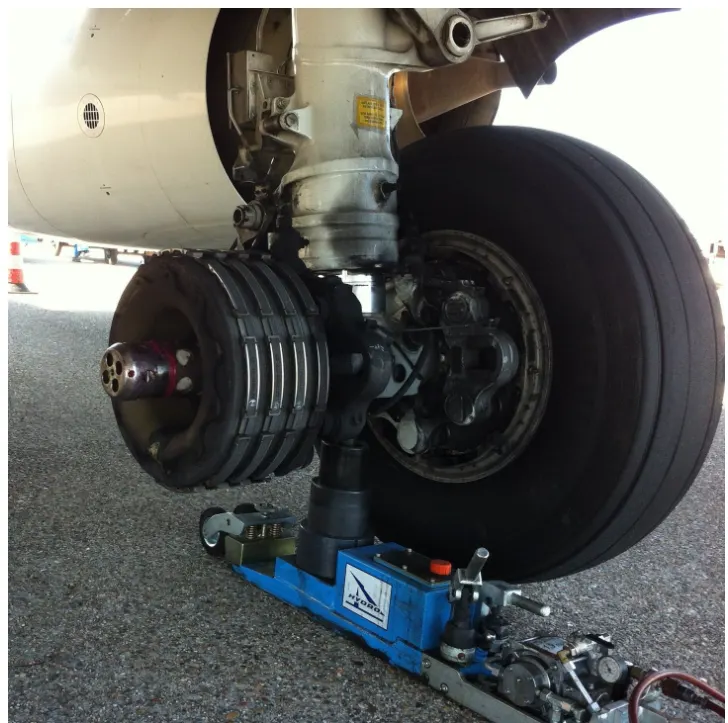
Aircraft braking systems include:
- Aircraft Disc Brake: In the landing gear it is used to brake the wheels while touching the ground.These brakes are operated hydraulically. In most modern aircraft they are activated by the top section of the rudder pedals (“toe brakes''). In some older aircrafts the bottom section is used instead (“hee brakes”). Levers are used in a few aircraft. Most aircraft are capable of differential braking.
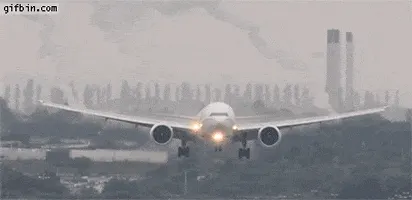
- Thrust Reverse: that allows thrust from the engines to be used to slow the aircraft.
- Air Brake: It is a dedicated flight control surface that works by increasing drag.
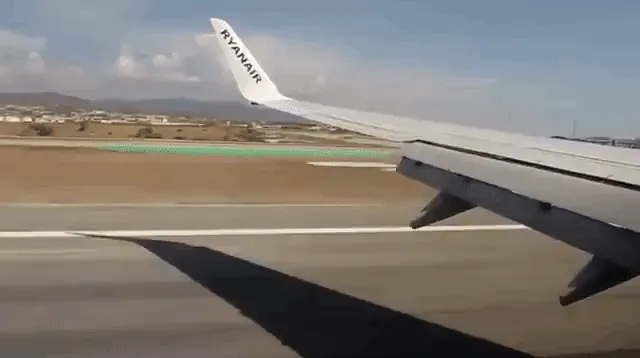
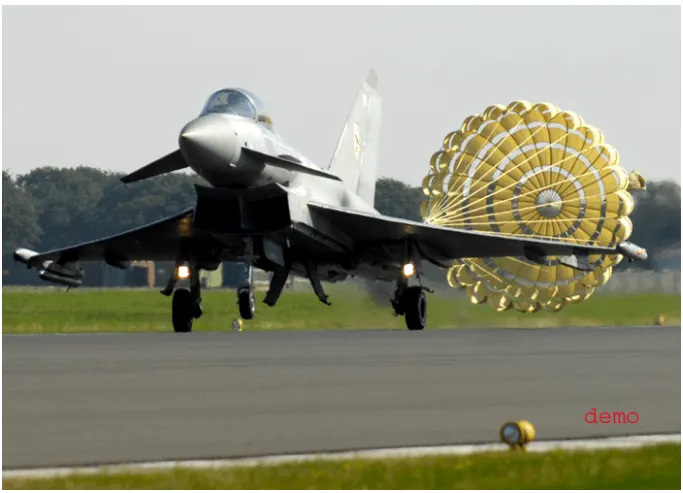
- Drogue Parachute: It is used by several former and current military and civilian aircraft (examples include the American B-52 and the sovient Tu-134 & 144).
6.Calculate the force and power required to push/pull an aircraft by a towing vehicle.
The forces acting on an aircraft during the push and pull of the towing vehicle are Rolling Resistance, Air drag force.
Assumptions:
Let us assume an Aircraft of Antonov An-225 plane.
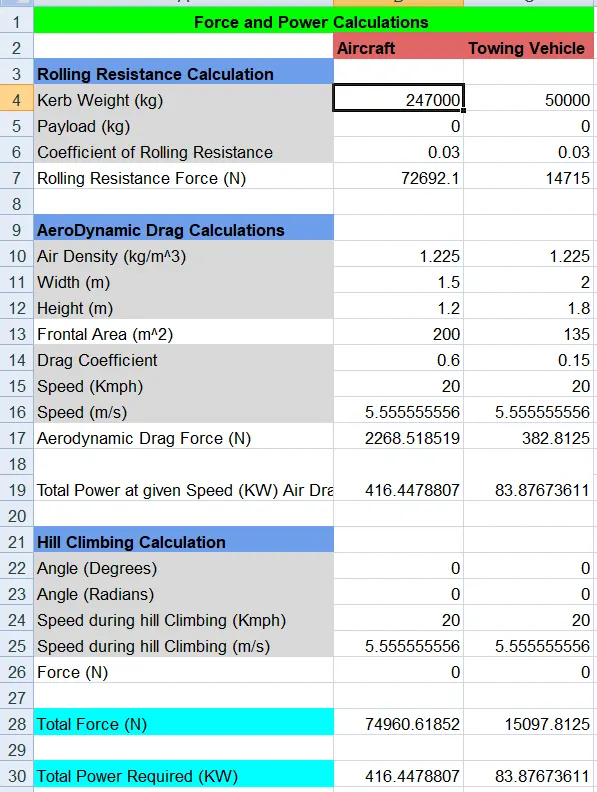
Mass of the Aircraft ‘m1’ = 247000 kg,
Mass of the Towing Vehicle m2 = 50000kg,
Coefficient of Rolling ground friction for Dry concrete or asphalt road rr= 0.03,
Frontal Area of the Vehicle A= 35m^2,
Drag coefficient of an aircraft Cd(Aircraft)= 0.6,
Drag coefficient of an Towing Vehicle Cd(Towing)= 0.15,
Density of air = 1.225 kgm^3,
Gravity g = 9.81ms^2,
Speed of an aircraft = 20kmph = 20*5/18= 5.556 m/sec,
Rolling Resistance Force:
For the Aircraft:
Frraircraft=rr×m×g
Frraircraft=0.03×247000×9.81
Frraircraft=72692.1 N
For the Towing Vehicle:
Frr(vehicle)=rr×m×g
Frr(vehicle)=0.03×50000×9.81
Frr(vehicle)=14,715 N
We need to add the mass of the Aircraft as the Towing Vehicle is pushing/ pulling the aircraft as well therefore, the total rolling resistance force will be:
Total Rolling Resistance force
Frr=Frraircraft+Frr(vehicle)
Frr=72692.1+14715
Frr=87407.1 N
Aerodynamic Drag force:
Fad=12×ρ×A×v2×(Cd(Aircraft)+Cd(Towing))
Fad=12×1.225×335×(5.556)2×(0.6+0.15)
Fad=4750.47N
Total Force of the Towing Vehicle,
F=Fad+Frr(vehicle)
F=4750.47+87407.1
F=92157.57 N
Power Required,
P= F×v
P= 92157.57×5.556
P= 512.027 KW
The Force and Power of the Towing vehicle carrying the Aircraft are 92.157KN and 512.027 KN.
6.B
Input data:
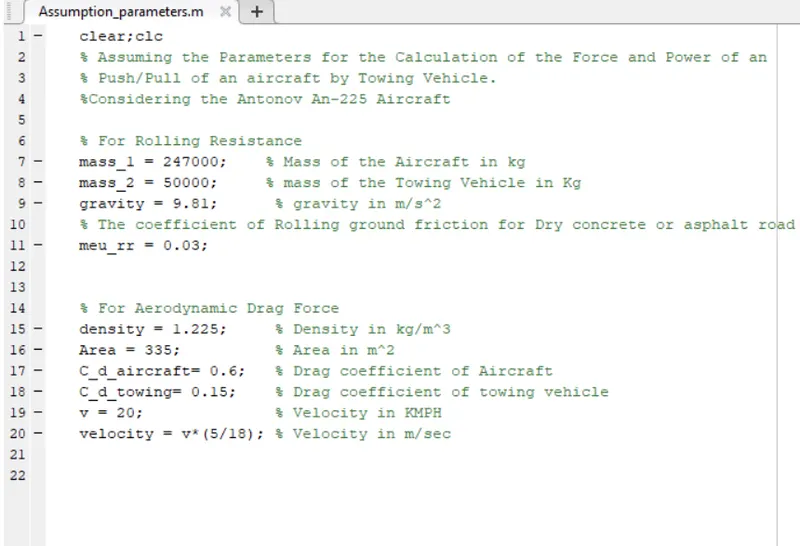
- To calculate the force, use the formulas above using the Constant, sum, and display blocks.
- Now, run the model and check the force and power values.
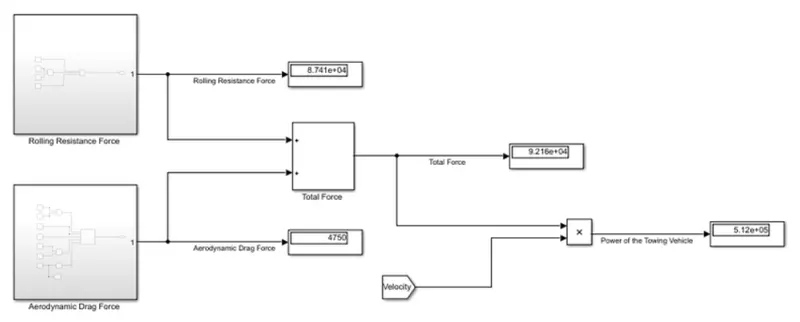
Rolling Resistance force = 87.41kN
Aerodynamic Drag force = 4750N
Total force = 92.16kN
Power = 512kW
7.A.
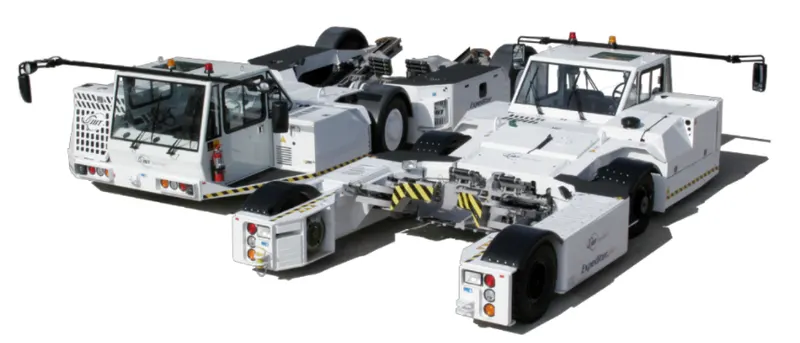
We can use the above parameters, and can use the Electric Powertrains.
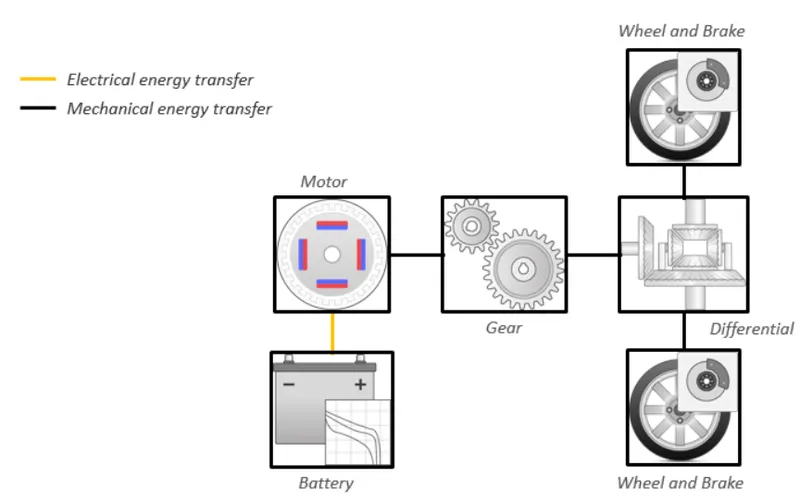
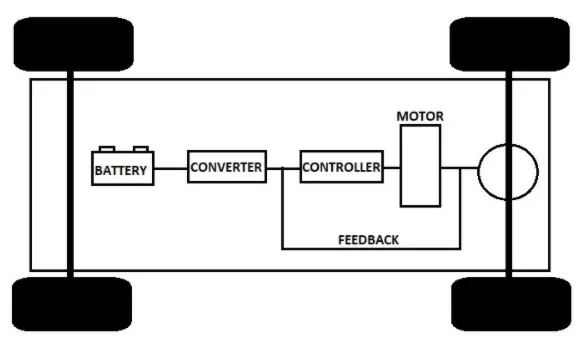
An aero plane pushback vehicle is required to move aeroplane away from airport terminals and tow them across the airfield for routine maintenance. The pushback vehicle must be able to generate a large towing force but it also have a high speed to travel quickly between pushback operations.
Let the Wheel Radius be 0.5m
Maximum torque on wheels
T=Wheel Radius×ForceT=0.592157.57
T=46078.785 N-m
Torque = Wheel radius x Force = 0.5×92157.57 = 46078.785 N-m.
Let us assume the Induction motor with the given parameters
Input power in term of Mechanical power be 560KW
Duty Cycle= Output PowerInput Power= 512560=0.91428≅91.428%
The heavy duty factor for an aircraft is designed for operating extreme local conditions.
7.B