Project-1: Powertrain for aircraft in runways
Question:1
Aim: To Search and list out the total weight of various types of aircrafts.
Answer:
So first of all while finding the total weight of the various types of air crafts we need to look into different specifications are different weights of the aircraft example: maximum takeoff,maximum landing weight,operating empty weight.
There are different terms are used to represent the weights or mass for each and every aircraft.
1) Manufacturers empty weight(MEW):
It is aslo called as the licensed empty weight,in this weight of the aircraft is built and includes the weight of the structure power plant systems and other equipment that are to be considered as an integral part of the aircraft this inculdes any baggage or passengers, are fuel
2) Zero fuel weight (ZFW):
It is the total weight of the aircraft and its contents but it eliminate the total weight of the usable fuel.as the aircraft is started and the fuel is consumed the total weight of the aircraft reduces but the ZFW remains same .
3) Operating empty weight (OEW):
It is mainly equivalent to the basic empty weight on the light aircraft and aslo basic weight of an aircraft including the crew i.e all the fluids required for the operation they are engine oil engine coolant water etc,the un usable fuel and all the operated items and the equpiment used for flight,but excluding the usable fuel and payload
4) Maximum takeoff weight ( MTOW):
It is definedas the the maximum amount of weight at which the pilot of the aircraft is allowed to attempt to take off is know as the maximum take off weight
5) Payload:
It is defined as the carring capacity of an aircraft which includes cargo, passengers extra fuel ,in this sistuation of the commerical airliner it may aslo refer only to revenue generating cargo or paying to the people
6) Regulated takeoff weight(RTOW):
It mainly depends on the different factors i.e flap seetings , air temperature,length of the runway and also alititude the RTOW or the maximu permissible takeoff weight changes for each takeoff .it should not be higher than the MTOW.
7) Maximum ramp weight (MRW):
It is aslo called as the maximum taxi weight (MTW) it is the maximum amount of the weight used for measuring an aircraft on the ground.
8) Aircraft gross weight:
It is the total weight of an aircraft at any moment during when the aircraft or ground operation this also decreases during flight due to fuel and oil useage.
9) Mximum landing weight (MLW):
It is the amount of maximum weight at which the aircraft is permitted to land the below figure shows the takeoff weight components.
Types of an Aircrafts and there weight:
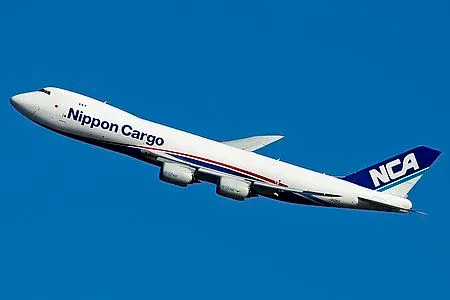
1) Boeing 747-8:
The boeing 747-8 is first devleoped by the boeing commercial airplanes and it is the largest variant of the 747.
MTOW(KG):443,613 MLW[Tonnes] : 306.175
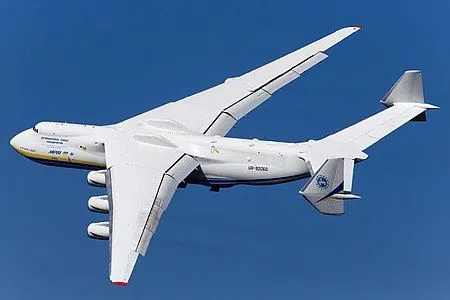
2) Antonov An-225 Mriya:
It was a strategic airlift cargo aircraft designed in the 1980s by the Antonov design bureau in the soviet union,after the succesfully fullfilling the military missions the aircrafts was not used for eight years
MTOW(KG): 640,000 MLW[Tonnes] : 591.7
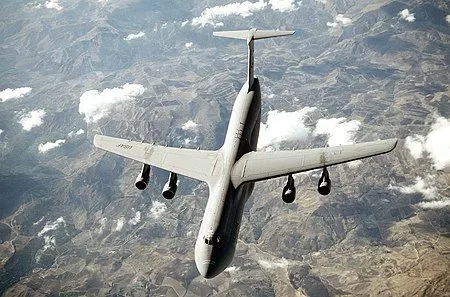
3) Lockheed C-5 Galaxy:
It is the larger military transport aircraft designed and built by the lockhead and now it is mainted by the lockheed martin it used in the united state air force (USAF) with a heavy range capability it has many similarities with the boeing c-17 aircraft.
MTOW(KG): 381,000 MLW[Tonnes] : 288.147
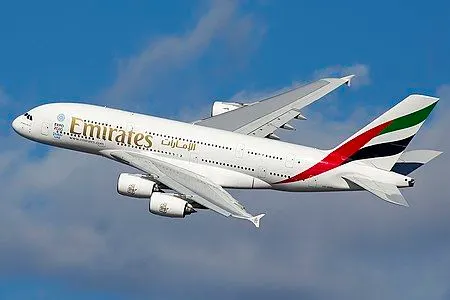
4) Airbus A380 :
It is the larger wide body airliner that was first developed by the airbus it is the worlds largest passenger airliner,it was first started in 1988 and luanched in the year 1990 as competet to boeing747 in the market
In the full lenth double deck air craft it has 525 seating capacity and the maximum certified capacity for 853 passengers
MTOW(KG): 575,000 MLW[Tonnes] : 394
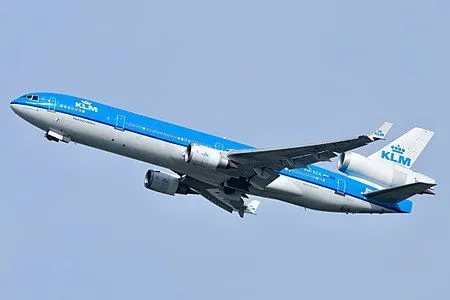
5) McDonnell Douglas MD-11:
It is an american trijet wide body airliner manufactured by the american Mcdonnell douglas and then by boeing it was first launched on the Dec 30, 1986 and its certfication is achieved on Nov 8 its first delivery was to finnair on dec 7,1990
MTOW(KG): 273,300 MLW[Tonnes] : 185
6) ATR 42:
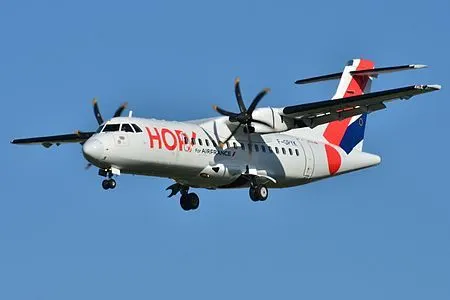
It is regional airline produced by the franco-italian manufacturer ATR with finsl assembly in toulouse,france it was lainched on 4 nov 1981 with ATR it was certification was permitted on september 1985.
MTOW(KG): 18,600 MLW[Tonnes] : 18.3
7) Saab 340:
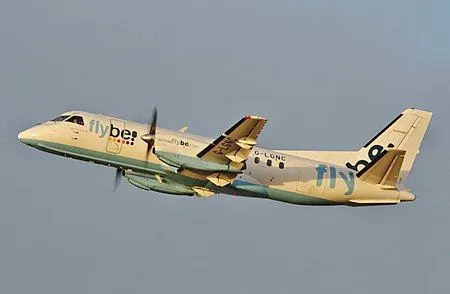
It is the swedish twin engine aircraft designed produced by the saab AB and fairchild aircraft it is designed upto the seating 30-36 passengers as of july 2018 there were 240 operational aircraft used by 34 different operators.
MTOW(KG): 13,150 MLW[Tonnes] : 12.930
8) Embraer EMB 120 Brasilia:
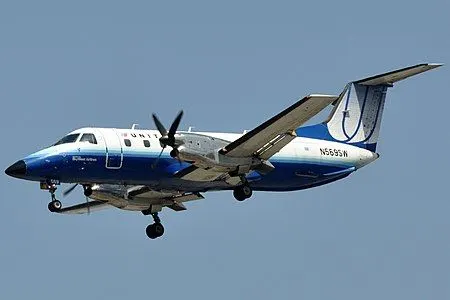
It was a twin turboprop commuter airliner produced by the embraer of brazil The Brasilia attracted immediate interest from many regional airlines, particularly in the US. The size, speed and ceiling allowed faster and more direct services around the US and Europe, compared to similar aircraft
MTOW(KG): 11,500 MLW[Tonnes] : 11.25
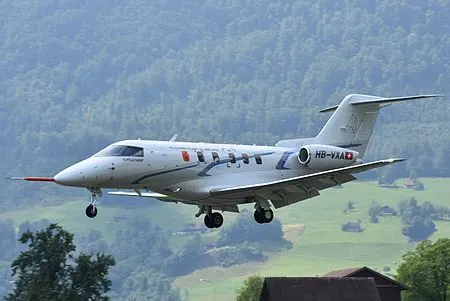
9) Pilatus PC-24:
It is the light bussiness jet produced by the pilatus aircraft of switzerland it mainly works on the twin engine jet began it was first introduce on 21 may,2013 and used on 1 aug,201 with maiden flight on 11may,2015
MTOW(KG): 8,300 MLW[Tonnes] : 7.665
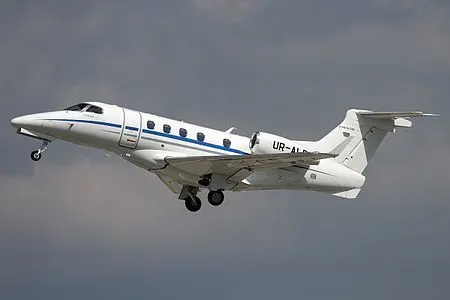
10) Embraer EMB-505
It is a single pilot certified light bussiness jet developed by the brazilian aerospace manufacturer embraer it can carry up to 11 passengers.
MTOW(KG): 8,150 MLW[Tonnes] : 7.65
Question:2
Aim: To find is there any difference between ground speed and air speed?
Answer:
Airspeed:
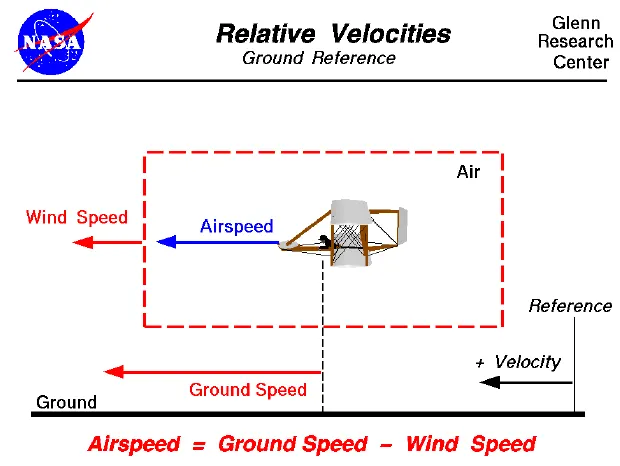
It is the difference in vector between the ground speed and the windspeed ,and airspeed=groundspeed-windspeed,still the day the airspeed is equal to the ground speed but in some cases the wind is blowing in the same direction which the aircraft is moving then the airspeed will be less than the groundspeed.
Ground speed:
It is defined as the speed of an airplane with the relation to the ground compare to the airspeed.
Example: for suppose when at critical altitude the aeroplanes may have a ground speed anywhere between the 300-600 m/hr when passenger jets usually critical at the same airspeed then the wind can make a big difference to that of speed at which the aircraft passes over the ground.
Difference between ground speed and airspeed:
In ground speed the airplanes speed is relative to the surfacr of the earth but in the air speed it is the speed relative to the air it is flying in.
As we discussed above the true airspeed is simply the speed at which an aircraft is moving relative to the air it is flying and aslo the speed at which the air is flowing around the aircrafts wings
On the other hand the ground speed is the aircrafts speed relative to the ground here we should know one thing that is its horizontal ratern than vertical speed of an aircraft climbing vertically would have a zero ground speed
In the other words were airspeed is what it determines whether there is enough airflow around an aircraft to make a fly ,but the ground speed is what it determines how fast an aircraft will get to its final destination.
Wind's effect on ground speed:
Here the relationship between the airspeed and ground speed is simple i.e ground speed is the sum of air speed and windspeed.
For example if the aircraft is flying in tha same direction of that of wind is blowing then the aircraft experiences a tailwind and its ground speed is higher then that of its airspeed ,in similar case if the wind is blowing against the direction of the aircraft is travelling the aircraft experiences a head wind and its ground speed is lower then that of the airspeed.
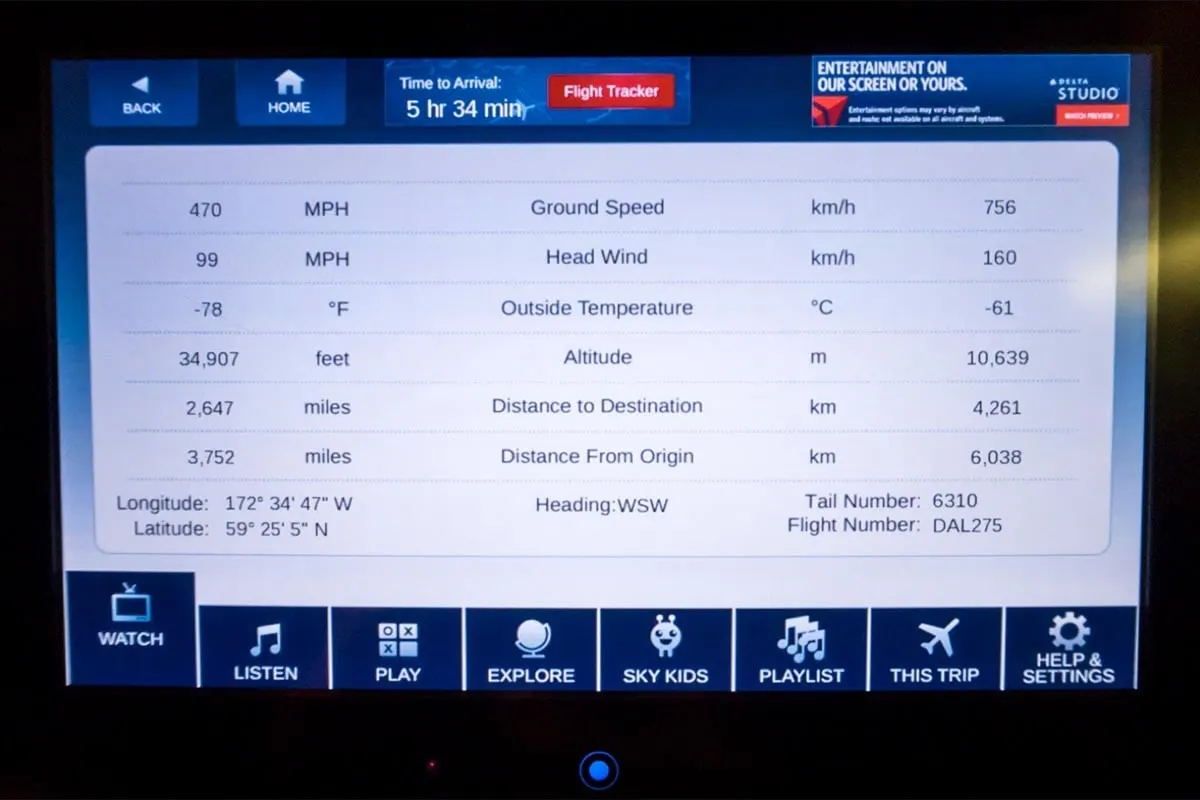
From the above figure consider as example image that the aircraft that cruises at an airspeed of 500m/hr that should has to be cover a ground distance of 2000miles.Soif there is no wind at all then the both aircrafts airspeed and ground speed would be the same 500miles/hr and the aircraft would reach its final destination in 4hours;
for suppose if there is 100m/hr headwind wind blowing against the aircraft direction of travel the aircraft would still be travelling at an airspeed of 500 m/hr however its ground speed would be the just 400m/hr
100 miles slower than that of its airspeed and it would take the aircraft 5hrs to reach its final destination.
so in conclusion if there is a 100 m/hr tailwind blowing in the same direction as the aircraft travel then the aircraft would still be travelling at an airspeed of 500 m/hr but the ground spedd would be 100m/hr faster and 600m/hr the aircraft would reach its destination in just 3hrs and 20min.
So for the pilots both the airspeed and ground speed are important which the first of those helps in them to make sure that they are flying fast enough to take off and so on,on the other hand it helps them to know how long it will take them to get from one place to another
similarily when the passenger you should only need to be concerned about the ground speed as that will tell you how fast are you flying from the intiall state to final destination how fast you will be able to get to the desitination.
Reference: https://knaviation.net/airspeed-and-ground-speed/
Question:3
Aim: To know why is it not recommended to use aircraft engine power to move it on the ground at Airport?
Answer:
Here for the movement of the aircraft in ground stage it uses its own engine power which is called as the taxing.
we already know that the many aircrafts are capable of moving to the backward using reverse option as this results in the jet blast or prpop wash may cause sever damage to the equpiment and also when the engine is close to the ground may also sand forward and then it suck them into the engine which causes the damge to the engine
So for this reason the pushback truck reverses the aircraft into the taxing position and then push it with the towbar which is attached to the nose wheel .so in the many airports the aircraft moves away from the parking place on the to taxing ways which is also called as the towing
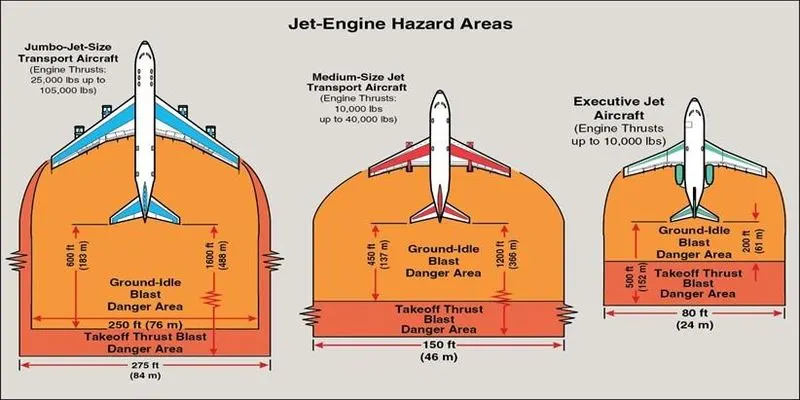
Problems caused if movement of aircraft during engine running:
1) Mainly the mechanical failures or engine failures may occur from leaks in turbine parts leaks in oil pump problems and either outside or inside the engine.
2)Loss of control can be happen during the high power engine running it results in damgaging the aircrafts its self
3) plane engine produces more unwanted sounds when more than one plane will move this will effect the passeangers .
4) There may aslo risk to the ground support staff which effect the aircafts very closely
5) If the ground stage engine power taxing is push back truck the aircraft will way to runway to save the fuel and reduces impact on the engine airccraft.
Question :4
Aim: To know how an aircraft is pushed to runway when its ready to take off?
Answer:
A push back truck reverse the aircraft into the taxing position pushing it with the towbar which is attached to the nose wheel strut now in most modern systems by the actuall lifiting the wheel .that the speeds up coupling and decoupling hence the aircraft taxis to the runway which is ready to depart at the prefered time.
Mainly they use two steps in runway when the aircraft is ready to take off they are:
1) Taxing
2)Towing
1) Taxing:
This can be desceribed by the movement of an aircraft on the ground which uses its own power in contrast to pushback while the aircraft is moved by the tug,as we all know most of the aircrafts moves on wheels but here it also includes floats mainly used to travel in the water based conditions
Mainly the air crafts uses the taxiways to move from one place to another place for example if we are moving from the station to runway the taxing is not used for accelrating for long run or the decelerating run instantly that taakeoff takes place after landing
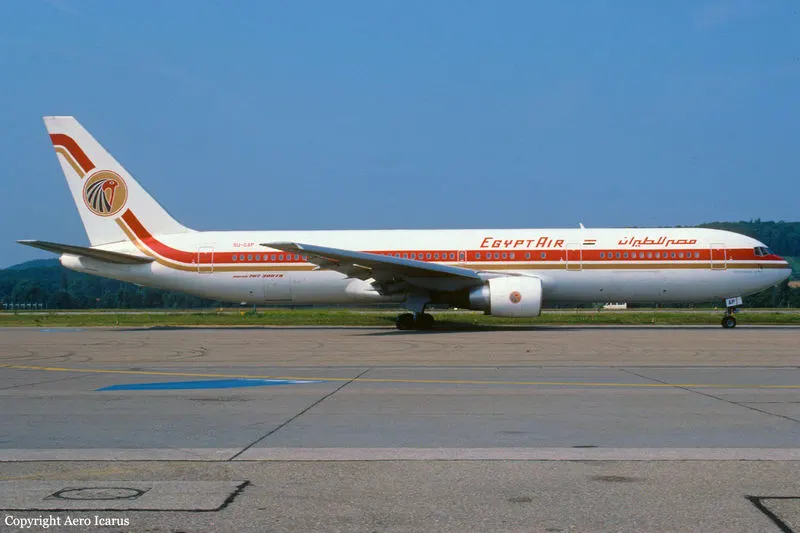
2)Towing:
Here the aircraft is mainly moved by the tow tractor it is aslo called as tag ,in similar case when the aircraft is small in size the moved by the hand pushing the aircrafte.
By this towing there is aslo a dangerous problems arised which cause the damge to the aircraft and injury to staff there is procedure for towing the aircraft but the manufactures already made a detailed insturctions how to operate .
When the aircraft is to be towed before is just moved a well known person should be in the flight to operate or control the plane if the tow bars becomes unhoked then the aircraft be stopped and its stops the damgage
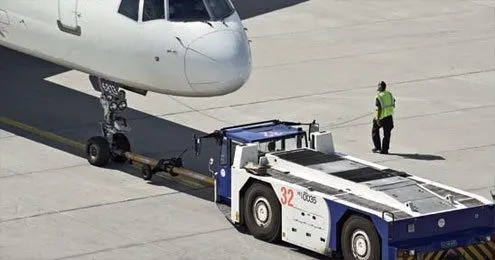
Here the towbars play key role in carrying the aircraft they are als avaliable for general use for many towing operations this bars are madeup of the high tensile strength which helps to pull the heavy aircrafts
most of the towbars consist of the small wheels which are used in towing the smaller aircrafts this towing is attched to the front part of the aircraft as shown in the figure below
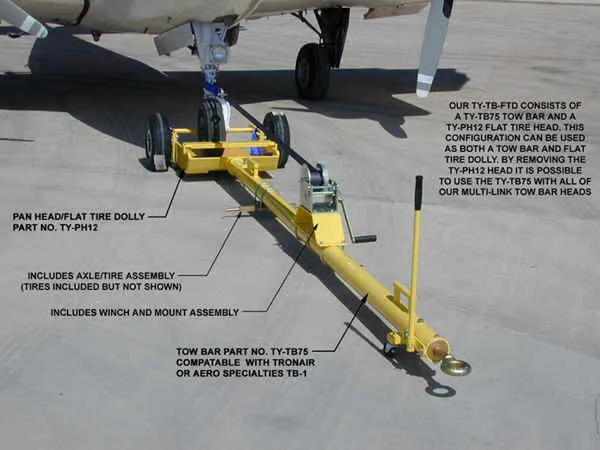
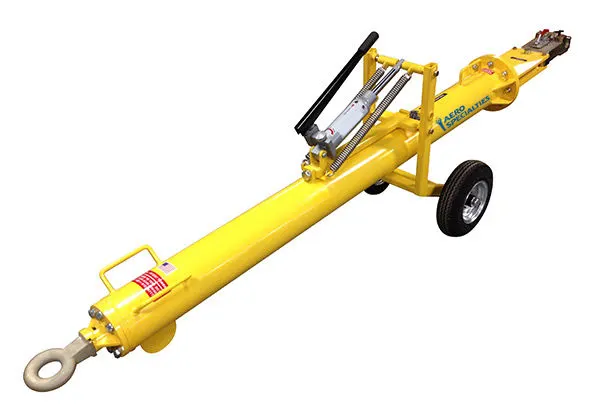
Here the attachement of the towbars are changed according to the different types of the aircraft used the tail wheel consist of wheel locking wich is hooked tightly by the bar .
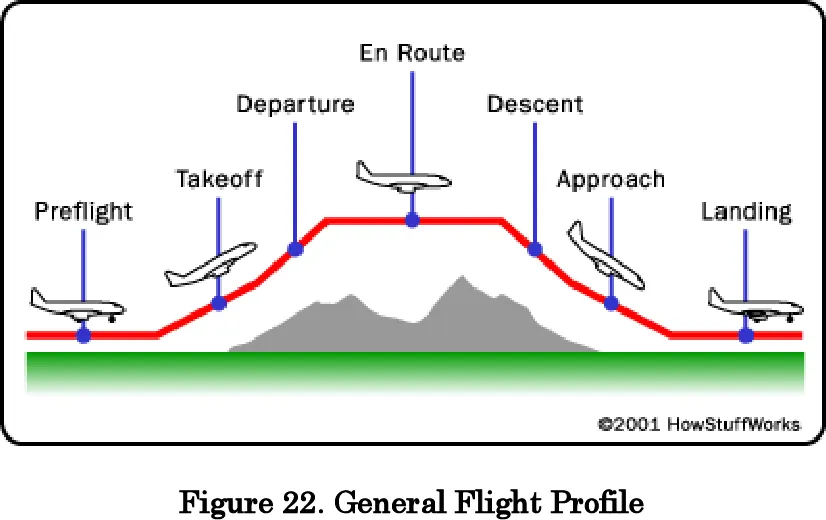
1)Preflight -This first step of the flight which starts on the ground and it also includes flight checks push-back from the gate and taxi to the runway.
2)Takeoff - In this stage the pilot powers up the aircraft and speeds down the runway.
3)Departure - In this the plane lifts off from the ground and climbs to a cruising altitude.
4)En route - In this the aircraft travels through one or more center airspaces and nears to the destination airport.
5)Descent - In this the pilot descends and the aircraft to the destination airport.
6)Approach - In this the pilot aligns the aircraft with to designated landing runway.
7)Landing - In this the aircraft lands on the designated runway which taxis to the destination gate and parks at the terminal.
Question:5
Aim: To learn about take off power, tyre design, rolling resistance, tyre pressure, brake forces when landing.
Answer:
1) Take off power:
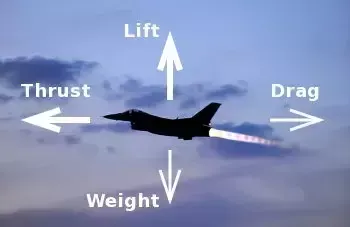
It is the amount of the power that an engine is used to produce for a particular period of time is know as the takeoff power here the takeoff power is mainly limited to 5 min and for reciprocating engines it is upto the 2min for gas turbine engines.for instant during takeoff it is always possible to increase to full power if the urgent situation arises here pilot always take the final decision whether to takeoff are to derate which imporves engine life.
Here pilot takes less time of thrust at the takeoff to decrease engine when it is takeoff here the reduced power or dreated takeoff are normal here the perfomance is calculated depends on the takeoff power and proper speed power setting and flaps are used for the take off on the runway and temperature is also consider during the takeoff. During the take off it shoild be always possible to increase the power if the plane requires.
Take of thurst : The maxium takeoff thrust is the highest amount of thrust of an aircraft is allowed to give in the first 5 min of take off and flight it is mainly used when the aircraft has heavy payload and when only a small runway for takeoff.
2) Tyre design:
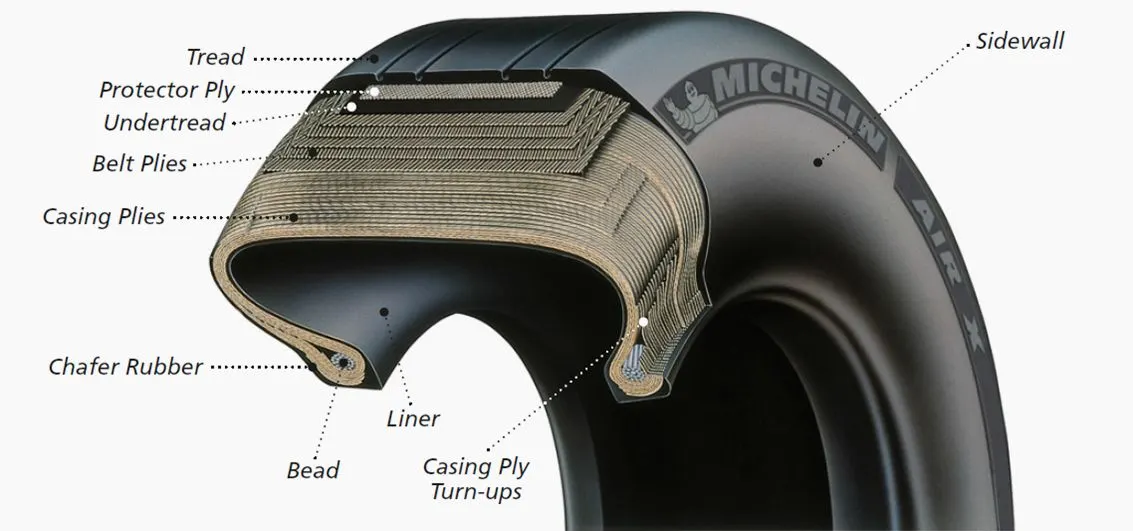
When it comes to the safety the tyre are one of the most important compoents of the aircraft.they are used to shock of landing and provide smooth landing it aslo provides the necessary tractive braking to stop the aircraft.The aircraft tyre is designed to withstand for the heavy loads when landing and takeoff or when parking
Here thenumber of wheels required for the aircraft increases with the increase in weight of the aircraft.
Some of the examples:
A Boeing 737NG & 737MAX uses 6 wheels Boeing 787 uses 10 wheels, Boeing 777 uses 14 wheels and Airbus A380 uses 22 wheels.
Aircraft tyres work mainly under the extreme conditions so it can carrying up to 340 tons and accelerating at over 250 km/hour at to takeoff, if there is varitions in environmental stress when in flight and taxiing.
In the construction the casing plies used to provide the follwing :
1) They are mainly used to support the weight of an aircraft when it is on the ground
2)It also helps in providing the required tractive braking and to stop the aircraft
3) The tyres are aslo useful to aborb the shock of landing and provides the roughness of takeoff operations
Here same like the automobile or truck tyre it does not carry a load for the long period of time and continuous operation as we already know that the aircraft tyre absorbs the higj impact loads on landing and aslo for its operation at high speeds for a short time when they required.
Some of the techincal terms used in constructing the tyre:
1)Retreading: It is the method of restoring a worn tyre by reuseing the tread area or by reusing the tread plus one or on both the sidewalls,The tyre repairs are comes under this retreading stage
2) Load Rating :It is is the maximum amount of permissible load at a particular inflation pressure.
3) Speed rating : It is the maximum takeoff speed to which the tyre has to be tested.
4) Ply rating: It is the rating used mainly to identify the maximum load rating and inflation pressure for particular tyre ,it is the index of tyre strength
5)Skid depth: It is the distance between the tread suface and the deep groove as measured in the tyre.
The aircrafts tyres must be have an approvel speed and loadrating for enough clearance if they reacted through the landing gear which allow for the tyre growth
Air craft tyre may be tube type or tubless:
The tubeless tyre has more adavantage compare the tubetype because there is no longer use of the tube type in recent days , in present days the use of tubeless tyres in aircrafts is increased the name itslef shows that the without tube it is made.
Reference: https://www.aviationhunt.com/aircraft-tyre-construction/
3) Rolling resistance:
It is defined as the tyre rolling resistance is a energy that the vehicle which needs send to the tyres to maintain at a regualr speed over the surface ,it is the effort required to keep the tire rolling .And the most contributor to rolling resistance is the process know as hysteresis.
In case aircraft the rolling resistance is consider between while the aircraft take off and take-landing,here the friction between the aircraft and the runway is proportional to that of the normal force experinced by the aircraft on the runway
It can be expressed as the F=urr*m*g,here urr is the coeffiect of rolling resistance, m is the mass g is the gravity=9.8
The factors which effect the rolling resistance are
1)Tire pressure 2)tire diamete r3) tire width 4)tire construction 5) tire tread and remaning other factors all have an effect on rolling resistance
4) Tyre pressure:
Here the tyre pressure is measured by using calculating the amount of air that has been pumped into the inner lining of tyre in pounds per square inch (PSI) or BAR pressure is know as the tyre pressure
Simple it is a measurement of how much air is present in the tyre If the tyres regularly losses the pressure to a significant degree we may have a slow puncture and it should consider tyre replacement
The aircraft has a typically inflated to 200 psi which is roughly six times what we put in an automobile tire, and the tires on some aircrafts like F-16 fighter are pumped to 320 psi.
5) Brake forces when landing:
In landing the aircraft the wing spoilers uses the disc brakes the disc brakes used in the aircraft are similar to that used in the automobiles it consist of caplipers that are engaged against the rotors the disc braks are designed to remain static at all the times
Here in the aircraft the same Anti locking braking system is used ABS similar to the auto mobiles which helps the tyres from sliding down on wet runway.the main adavnatge of this type of braking is that the passenger experinces a constant force that presses them to the seats because this braking system as the constant deceleration.the braking system applies automatically wheel brakes to creat a constant deceleration of the air resistance spoliers and reverse system. by pressing the both brakes pedals in last phase only which remove the automatic system instantly after the landing the aircraft is still moving then the it is enough aerodynamic force are more effiecnt in braking system.
In the aircraft the barking uints are produced by the hydralic system ,Firstly an siginal is sent from the poilt cabin to hydraulic acuators were near the main landing gear so hydraulic fuild at 3000pound/sqr inche is used to force the brake unit against the wheel hence it slow down immediately.
Question:6
Aim: To calculate the force and power required to push / pull an aircraft by a towing vehicle. . With necessary assumptions and aslo Develop the model for the calculated force and power using Simulink
Answer:
Here mainly the froces which required to push or pull the aircraft are 1) rolling resistance force and 2) aerodynamic force
For rolling resistance we get,
F=cn, = F= c*m*g
For aero dynamic force we get,
Fd=1/2pv^2CdA ,where Fd is the drag force, rho is the air density Cd is thr drag coefficient ,A is the area taken as reference
Calculation:
For instant we assume that
mass of towing vehicle = 30,000kg
mass of aircraft = 135,000kg
So here,the total mass(m)= 30000+135,000=165,000kg
Area=15m^2
Speed of the vehicle = 20kmph
Now here we need to convert the 20kmph into m/sec we get, 20*(1000/3600)=5.5m/sec
Drag coefficient cd = 0.55
Air denisty (p) = 1.155kg/m^3
By calculating the rolling resistance force Frr we get,
=Crr*m*g
0.01*165000*9.8 = 16.170N
Now by calculating aerodynamic drag force
Fd = 0.5*p Cd*A*v^2
=0.5*1.155*15*0.55*(5.55)2
=146.754N
Now the total force required to push/pull the air craft by the towing vehicle is Frr+Fd
16170+146.754
= 16316.75
now the power = force*velocity
16316.75*5.55
90.557kw
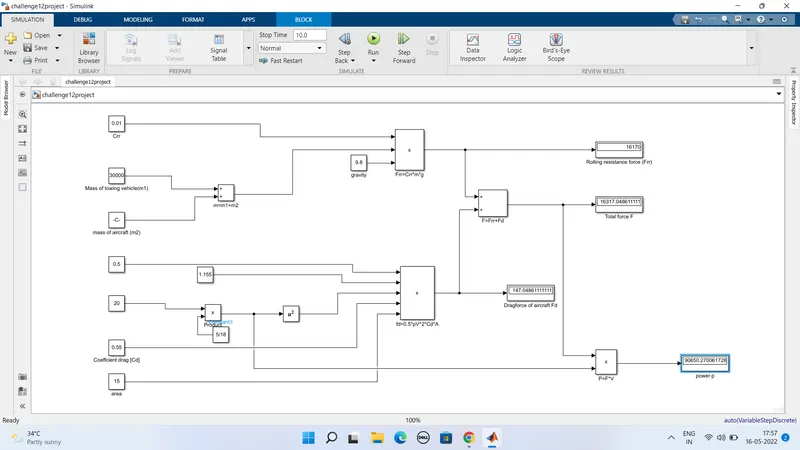
B) Developing model for the calculated force and power using Simulink
In the simulink model we used the blocks are:
1) constant 2) product 3) sum 4) display 5) square
simulink model:
Explaination:
1) Here for calculating the power we need to multiply both the force and velocity this can be done by using the product block
2) Now for calculating the total force we need to add the both the Frr and Fd by using the sum block which is shown in above figure
3) For finding the rolling resistance we used the product to multiply the values total mass and gravity which we have to give in constant block
4) Now in same way for calculating the drag force we have to multiply the velocity drag coefficient and area and constant value is 0.5 which we have to entire in the block
5) Here for converting the velocity from kmph to m/sec we have multiplied it with 5/18 should be given in the constant block
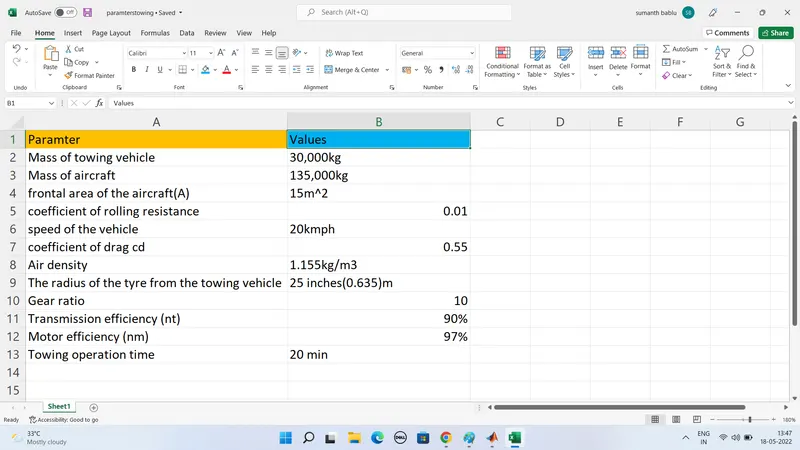
A. To Design an electric powertrain with type of motor, it’s power rating, and energy requirement to fulfill aircraft towing application in Simulink. Estimate the duty cycle range to control the aircraft speed from zero to highest. Make all required assumptions. Prepare a table of assumed parameters. Draw a block diagram of powertrain.
(Hint :DC7 Block)
B. Also, Design the parameters in excel sheet
Block diagram of power train:
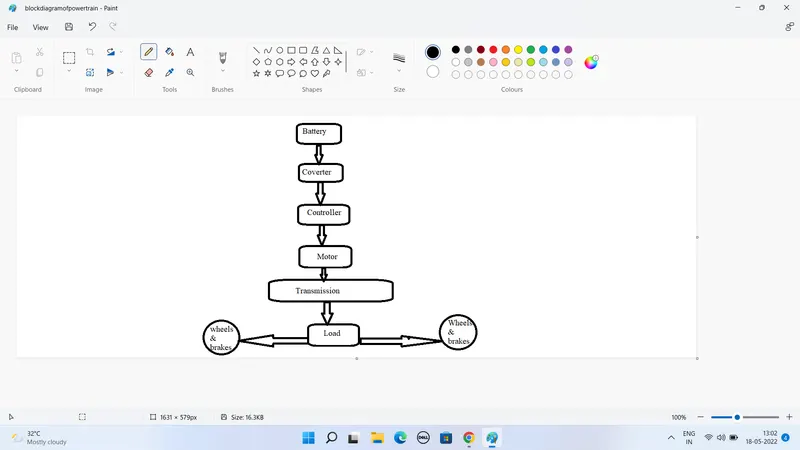
Here we are considering the calculations done in the above question i.e 6A
The force required to push/pill the aircraft = = 16.316KN
power required = 90.557kw
Now let us assume that the radius of the tyre of the tug is 25 inches=0.635
gear ratio = 10
efficency (nt)=90%
Motor efficiency =97%
Torque required for the wheels (Tw)= total force*radius
16.316*0.635
=10.360knM
Motor torque wheel torque/ (gear ratio nt)
10.360/(10* 0.90)
1.1511Knm
Now for nm= 97% then the required motor torque(Tm)=1.1511/0.97=1.186knm
Same the total power required by the motor consedring all the efficiences (pt) = 90.557/(0.90*0.97) = 103.73kw
Let assume the towing operations was done for 20 min (0.33hrs) duration
then the total energy consumed = 103.73*0.33 = 34.23kwh
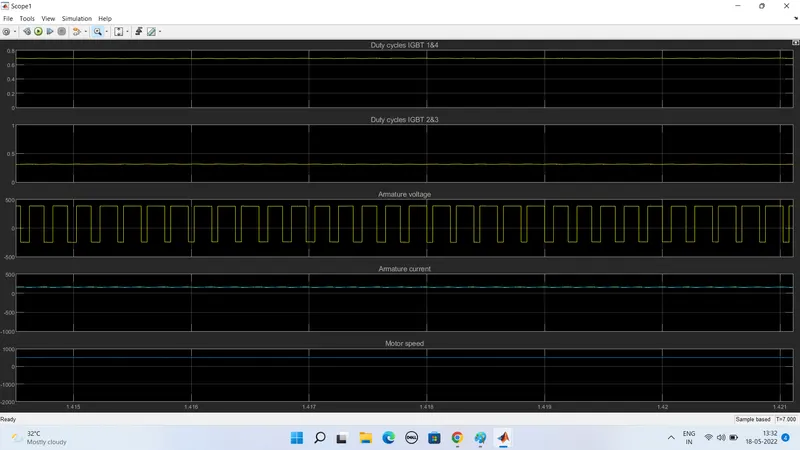
now if consider the batter capacity =240 kw is used by the towing vehicle then the duty cycle range to control the speed from 0 to max speed 3m/s is
duty cycle = 103.73/240 = 0.43
so here the controller will be able to provide a duty cycle ranging from 0 to 43% which to control the towing speed
Simulink diagram of power train:
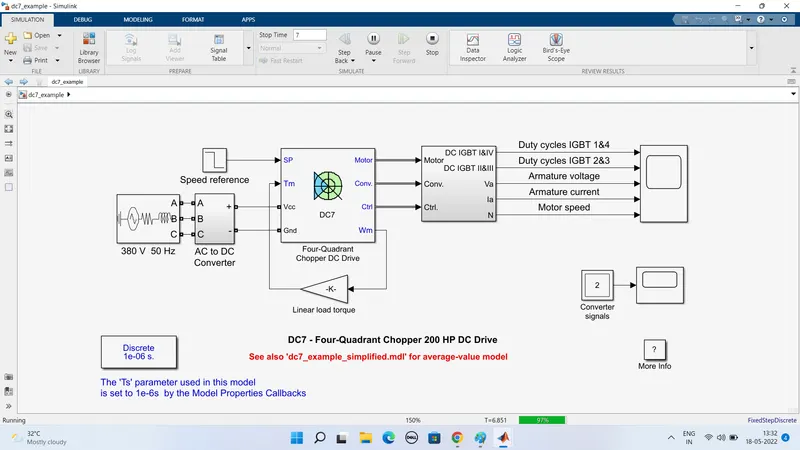
Output:
B.) Desiginingthe paramter in excel sheet:
Conculsion:
We have sucessfully complted the above given tasks
In case:1 we have finded and list out the total weight of various types of aircrafts.
In case:2 we have studied the difference between ground speed and air speed
In case:3 we have find why is it not recommended to use aircraft engine power to move it on the ground at Airport?
In case:4 we finded How an aircraft is pushed to runway when its ready to take off?
In case:5. we have Learn about take off power, tyre design, rolling resistance, tyre pressure, brake forces when landing.
In case:6 we have find the necessary assumptions, calculate the force and power required to push / pull an aircraft by a towing vehicle.
B. Develop the model for the calculated force and power using Simulink.
In case:7 we have Design an electric powertrain with type of motor, it’s power rating, and energy requirement to fulfill aircraft towing application in Simulink. Estimate the duty cycle range to control the aircraft speed from zero to highest. Make all required assumptions. Prepare a table of assumed parameters. Draw a block diagram of powertrain.
(Hint :DC7 Block)
B. Also, Design the parameters in excel sheet