Project-1: Powertrain for aircraft in runways
Question 1:
|
Type |
Weight[kg] |
|
640,000 |
|
|
589,670 |
|
|
575,000 |
|
|
447,700 |
|
|
443,613 |
|
|
412,770 |
|
|
Antonov An-124-100M |
405,060 |
|
396,900 |
|
|
381,000 |
|
|
377,840 |
|
|
377,840 |
|
|
371,950 |
|
|
367,400 |
|
|
347,800 |
|
|
351,800 |
|
|
347,450 |
|
|
340,200 |
|
|
308,000 |
|
|
299,370 |
|
|
297,550 |
|
|
276,700 |
|
|
273,300 |
|
|
270,000 |
|
|
270,000 |
|
|
256,280 |
|
|
254,000 |
|
|
254,000 |
|
|
253,500 |
|
|
251,000 |
|
|
250,000 |
|
|
242,000 |
|
|
242,000 |
|
|
231,300 |
|
|
228,000 |
|
|
211,400 |
|
|
208,000 |
|
|
204,000 |
|
|
192,000 |
|
|
187,000 |
|
|
185,000 |
|
|
163,000 |
|
|
159,000 |
|
|
157,000 |
|
|
152,000 |
|
|
151,000 |
|
|
151,000 |
|
|
147,000 |
|
|
142,000 |
|
|
141,000 |
|
|
140,000 |
|
|
125,000 |
|
|
124,000 |
|
|
117,000 |
|
|
116,000 |
|
|
106,000 |
|
|
104,000 |
|
|
104,000 |
|
|
104,000 |
|
|
87,500 |
|
|
85,000 |
|
|
85,000 |
|
|
84,000 |
|
|
Airbus A321-100[18] |
83,000 |
|
79,000 |
|
|
78,000 |
|
|
73,000 |
|
|
72,500 |
|
|
72,500 |
|
|
71,000 |
|
|
70,700 |
|
|
70,000 |
|
|
Airbus A320-100[18] |
68,000 |
|
68,000 |
|
|
68,000 |
|
|
67,000 |
|
|
66,000 |
|
|
65,000 |
|
|
65,000 |
|
|
64,000 |
|
|
63,000 |
|
|
60,000 |
|
|
59,000 |
|
|
59,000 |
|
|
55,000 |
|
|
55,000 |
|
|
54,000 |
|
|
50,000 |
|
|
50,000 |
|
|
48,600 |
|
|
48,500 |
|
|
48,000 |
|
|
46,000 |
|
|
46,000 |
|
|
44,000 |
|
|
42,000 |
|
|
39,000 |
|
|
37,500 |
|
|
36,500 |
|
|
36,000 |
|
|
33,000 |
|
|
33,000 |
|
|
30,400 |
|
|
28,000 |
|
|
23,000 |
|
|
22,800 |
|
|
22,800 |
|
|
22,000 |
|
|
18,600 |
|
|
13,150 |
|
|
11,500 |
|
|
10,890 |
|
|
9,752 |
|
|
8,300 |
|
|
8,150 |
|
|
7,765 |
|
|
7,761 |
|
|
7,000 |
|
|
4,800 |
Question 2:
- Ground speed is the aeroplane speed relative to the surface of earth the airspeed with its relative speed is flying the air in
- Ground speed and airspeed difference may vary upon the air blowing with the ground speed with airspeed and windspeed
- There is difference in the wind and well as ground speed
Question 3:
- We cannot use the aircraft engine during the runway because it has higher power
- Bigger the size of airplane there is not any wear and tear in it and pilot having any disturbance in landing
- It cause debris of the damaged surrounding with the engine failure
- Noise pollution caused by the propellers
- It can saves the fuel or white petrol
Question 4:
- Airplanes can be pushed in the runway by two methods that is taxiing and towing
- Taxing is the method by which the aircraft movement is in the yellow line of the aircraft by its own engine power
- Speed in this taxiing method is limiter to low speed for accuracy
- Towing is the method where the aircraft is moved with the help of a separate vehicle by turning off the aeroplane engines
- This method is to reduce the fuel and mostly the noise of landing gear
Question 5:
- Take off power is the amount of power where the engine produces limited low power during take off
- It is calculated by horsepower in the circuits of aeroplane
- Thrust developed in the wings with that of propeller gives the energy to take off the aeroplanes
- Tyre design is in which the is designed at high power during landing
- Tyres used here are tubeless tyre
- Tubeless tyre has high withstanding capacity as of compared to tube tyre
- Many heavy parts are manufactured with the aeroplane tyre manufacturing
- Rolling resistance is when there is no throttle to the vehicle the energy gas slows down
- Energy transferee to the tyre to maintain a consistent speed over any surfaces
- This contributes hysteresis loss in associated with rolling tyres
- It is very important to maintain the constant tyre pressure of rhe aircraft
- This will ensure the safety in addition all the ones are clear
- Here the landing gears are disc brakes
- Operated to design static all the time they have higher barking time
- The efficiency of the brakes are important
Question 6A:
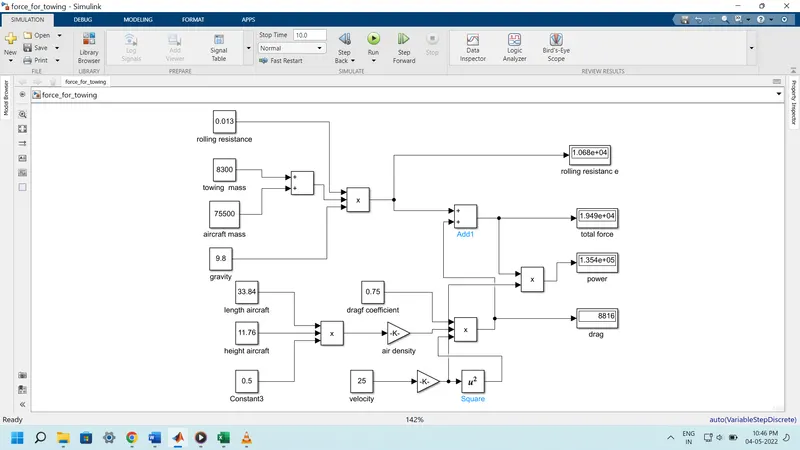
- The towing vehicle and aircraft airbus is TMX-150-9 and airbus A319
- Given data
- Truck mass = 8300 Kg
- Aircraft mass = 75500 kg
- Length=33.84m
- Velocity=25kmph
- Height=11.76m
- Air density=1.225 kg/m3
- Drag coefficient(cd)=0.75
- Rolling resistance coefficient=0.013
- Gravity(g)=9.8Nm
- Rolling resistance calculation
- Frr= urr*m*g
=8300+75500
=83800 Kg
- Sub value
- Frr=0.013*82800*9.8
- Frr=10676.12Nm
- Aerodynamic drag
- Fad=0.5*air density*Cd*Area*velocity^2
- Area=length*height
- Area=33.84*11.76=392.544
- Fad=0.5*1.225*0.75*392.544*6.9562
- Fad=8816N
- Total force
- Ftotal=Frr+Fad=10676.12+8816=19492.8N
- Total Power
- Power=Ftotal*velocity=135.363KW
Question 6B:
Question 7A:
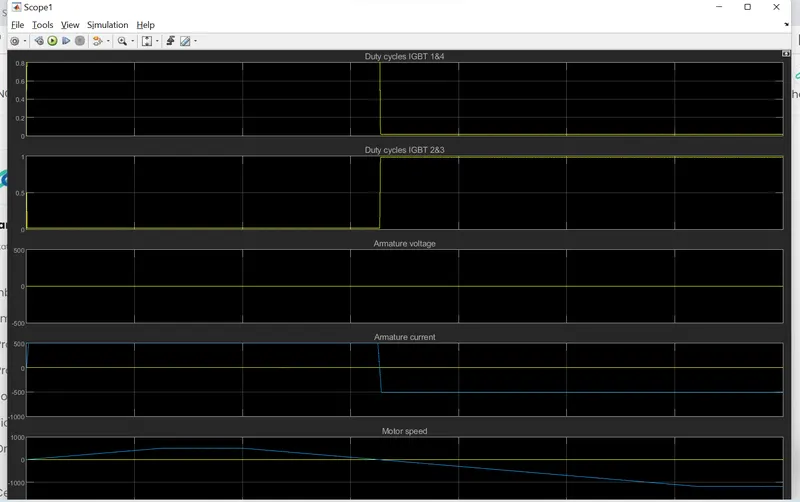
Question 7B:
the excel sheet is attached