Project-1: Powertrain for aircraft in runways
Q1.
VArious types of aircraft and their weights:
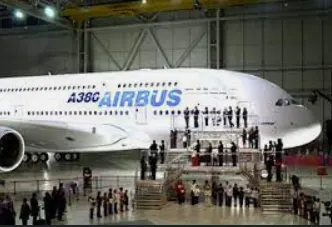
Airbus:
It has been operational since 1970 and deals in large planes that can carry a large number of passengers. The first Airbus was the A300, and it was the world’s first twin-aisle aircraft with twin engines. A smaller version of the A300, the A310, came into existence shortly after.
Variations of the aircraft exist such as the A318, A319, A350, A220, and the A321. These range from airplanes with 2 engines and 2 aisles, to 4 engines and double deckers with twin aisles.
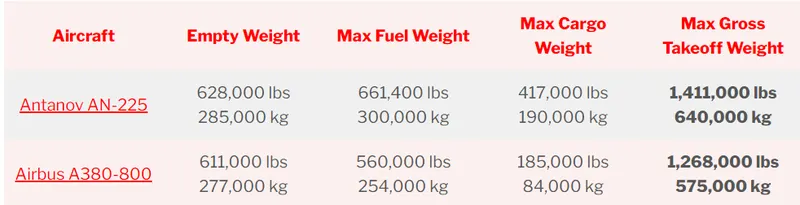
Here listed are some models with their weights:


Poweredlift aircraft:
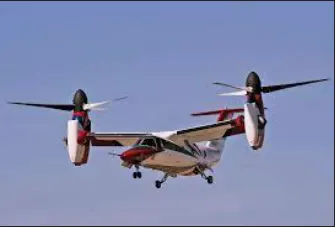
A powered lift aircraft takes off vertically inder engine power but uses a fixed wing for horizontal flight. These aircraft do need a long runway to take off and land, like helicopters, but they have a speed and performance similar to standard fixed wing aircraft in combat or other situations.
weight :160kg
Firefighter aircraft:
A fighter aircraft, often referred to simply as a fighter, is a military fixed wing aircraft designed primarily for air to air combat against other aircraft. The key performance features of a fighter include not only its firepower but also its high speed and manuverability relative to the target aircraft.
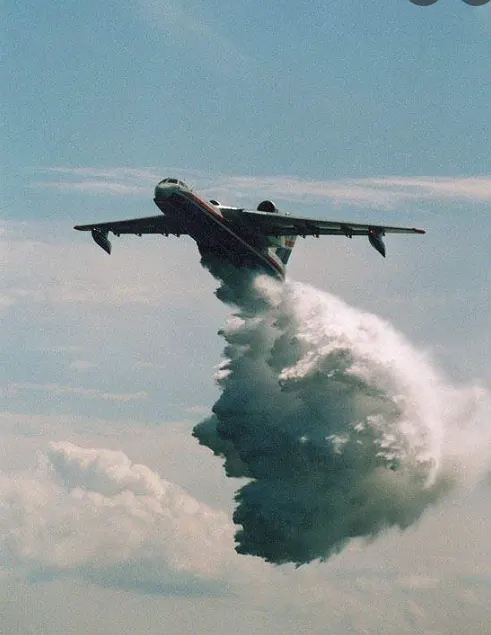
Weight: 13500kg
Military transport aircraft:
Are used airlift troops, weapons and other military equipment to support military operations. Transport aircraft can be used for both strategic and tactical missions, and are often deiverted to civil emergency relief missions.
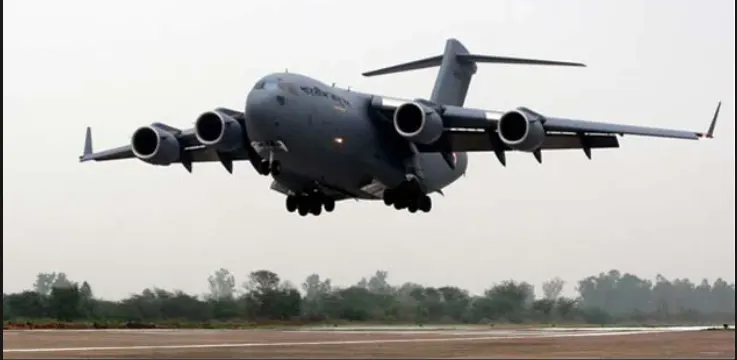
Weight: 250000kg
Aerobatic planes:
An aerobatic aircraft is an aerodyne used in aerobatics, both for flight exhibitions and aerobatic competations.
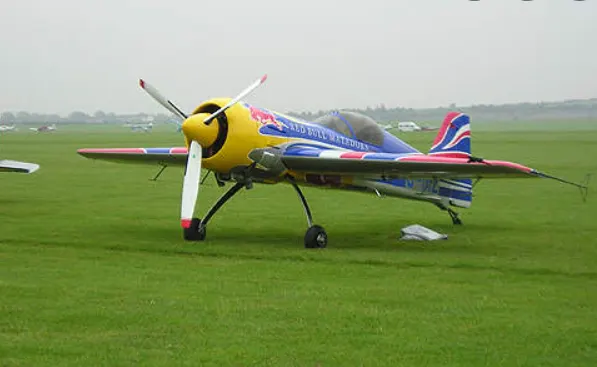
Weight: 771kg
Q2.
Airspeed is the vector difference between the ground speed and the wind speed. On a perfectly still day, the airspeed is equal to the ground speed. But if the wind is blowing in the same direction that the aircraft is moving, the airspeed will be less than the ground speed.
As mentioned above, true airspeed is simply the speed at which an aircraft is moving relative to the air it is flying in. As such, it’s also the speed at which the air is flowing around the aircraft’s wings.
Ground speed, on the other hand, is the aircraft’s speed relative to the ground. One thing that should be noted here is that it’s its horizontal rather than vertical speed – an aircraft climbing completely vertically would have a ground speed of zero.
In other words, while airspeed is what determines whether there is enough airflow around an aircraft to make it fly, ground speed is what determines how fast an aircraft will get to its destination.
To give you an actual example, imagine an aircraft that cruises at an airspeed of 500 miles per hour that has to cover a ground distance of 2,000 miles.
If there is no wind at all, then both the aircraft’s airspeed and ground speed would be the same 500 miles per hour, and the aircraft would reach its destination in four hours.
If there was a 100 miles per hour headwind – wind blowing against the aircraft’s direction of travel – the aircraft would still be traveling at an airspeed of 500 miles per hour. However, its ground speed would be just 400 miles per hour (100 miles per hour slower than its airspeed). And as such, it would take the aircraft five hours to reach its destinations.
Finally, if there was a 100 miles per hour tailwind – wind blowing in the same direction as the aircraft’s travel – the aircraft would still be traveling at an airspeed of 500 miles per hour, but its ground speed would be 100 miles faster. And, at 600 miles an hour, the aircraft would reach its destination in just three hours and twenty minutes.
The above is the reason why some flights go “out of their way” to avoid headwinds or catch tailwinds. And, why some flights might appear to be traveling at “supersonic speeds,” even though their airspeed – the speed that would actually matter in determining whether or not the flight truly is supersonic – is subsonic.
Q3.
The risks which may arise from engine ground running relate to the potential for loss of control of the aircraft by the person occupying the pilot seat in the flight deck. In most cases, these people will be maintenance personnel holding specific company-issued approval for the required tasks. The consequences of loss of control during taxi or towing are the same as apply to these operations generally and with the risks arising from the static running of one or more aircraft engines. Unwanted consequences from such static running are mainly related to those arising from the unintended movement of the aircraft during engine running - effectively a loss of control - especially during high power engine running. Damage can occur to the aircraft itself, other aircraft nearby or to airside structures. In addition, there is a risk of injury to ground support personnel who may be in relatively close proximity to the aircraft.
reasons for using aircraft engine power to move it on the ground at airport:
1) Usage of high power mounted engines have high risk of blasting.
2) Usage of low power mounted engines have a risk of impurities on the ground may
enter inside the engine.
3) High fuel cost since areoplanes uses large amount of power.
4)
In aviation, pushback is an airport procedure during which an aircraft is pushed backwards away from its parking position, usually at an airport gate by external power. Pushbacks are carried out by special, low-profile vehicles called pushback tractors or tugs.
Although many aircraft are capable of moving themselves backwards on the ground using reverse thrust (a procedure referred to as a powerback),[1] the resulting jet blast or prop wash would cause increased noise, damage to the terminal building or equipment, and hurt airport staff due to high-speed debris. This debris would also be sucked into the engine, as it is in normal use, and cause excessive wear - a major cause of wear on aircraft engines is during ground use.[3] A pushback is therefore the preferred method when ground-handling aircraft.
Airplanes have engines, and they can use them to move forward along the ground. So they push themselves to the runway.
It is true that most of the time, a small vehicle is needed to push the larger commercial airplanes backwards away from the terminal building, because even if a plane can reverse it’s thrust, it’s not always safe to hit the buildings with that reverse thrust. So the little trucks push the bigger planes back away from the buildings, but after that, the planes can apply a small amount of engine power to roll forward just as all airplanes can.
5)
Takeoff power:
Takeoff is the phase of flight in which an aerospace vehicle leaves the ground and becomes airborne. For aircraft traveling vertically, this is known as liftoff. For aircraft that take off horizontally, this usually involves starting with a transition from moving along the ground on a runway. For light aircraft, usually full power is used during takeoff. Large transport category (airliner) aircraft may use a reduced power for takeoff, where less than full power is applied in order to prolong engine life, reduce maintenance costs and reduce noise emissions.
After taxiing onto the runway, the airplane should be carefully aligned with the intended takeoff direction, and the nose wheel positioned straight, or centered. After releasing the brakes, the throttle should be advanced smoothly and continuously to takeoff power. An abrupt application of power may cause the airplane to yaw sharply to the left because of the torque effects of the engine and propeller. This will be most apparent in high horsepower engines. As the airplane starts to roll forward, the pilot should assure both feet are on the rudder pedals so that the toes or balls of the feet are on the rudder portions, not on the brake portions.
Takeoff performance can be predicted by using a simple measure of Acceleration of the aircraft anong the runway based on force equilibrium.
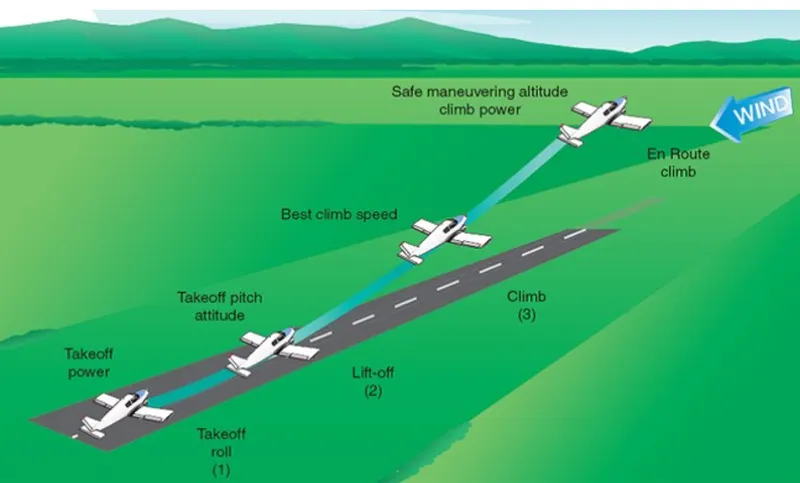
The force involved will be
T-Thrust of propulsion system pushing aircraft along runway
D-Areodynamic Drag of vehicle resisting the aircraft motion.
F-Rolling resistance friction due to the contact of wheels of skids on the ground.
During take-off run the imbalance in these forces will produce an acceleration along the runway
Dv/dt = (T-D-F)/m
Where dv/dt is the acceleration along the runway and m is the mass of the vehicle.
Tyre design:
When it comes to safety, Tyres are one of the most important components of aircraft. They help to absorb the shock of landing and provide cushioning. It also provides the necessary traction for braking and stopping of an aircraft. An aircraft Tyre is designed to withstand extremely heavy loads while landing, take off, taxing, and parking. The number of wheels required for aircraft increases with the weight of the aircraft, as the weight of the aero plane needs to be distributed more evenly.
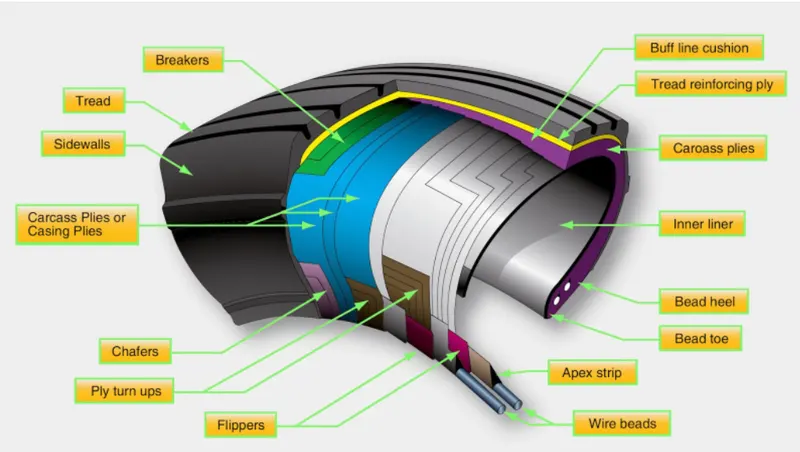
Carcass plies are used to form the tire. They are sometimes called casing plies. An aircraft Tyre is constructed for the purpose it serves.
1. They support the weight of an aircraft while it is on the ground.
1. It also provides the necessary traction for braking and stopping of an aero plane.
1. Tyre also helps to absorb the shock of landing and provide cushioning the roughness of takeoff, roll-out, and taxi operations.
Unlike an automobile or truck Tyre, it does not have to carry a load for a long period of continuous operation. However, an aircraft Tyre absorbs the high impact loads of landing, and also, it's operating at high speeds for a short time when required.
Rolling Resistance:
Rolling resistance, sometimes called rolling friction or rolling drag, is the force resisting the motion when a body (such as a ball, tire, or wheel) rolls on a surface. It is mainly caused by non-elastic effects; that is, not all the energy needed for deformation (or movement) of the wheel, roadbed, etc., is recovered when the pressure is removed. Two forms of this are hysteresis losses (see below), and permanent (plastic) deformation of the object or the surface (e.g., soil). Note that the slippage between the wheel and the surface also results in energy dissipation. Although some researchers have included this term in rolling resistance, some suggest that this dissipation term should be treated separately from rolling resistance because it is due to the applied torque to the wheel and the resultant slip between the wheel and ground, which is called slip loss or slip resistance. In addition, only the so-called slip resistance involves friction, therefore the name rolling friction is to an extent a misnomer.
The rolling resistance coefficient" is defined by the following equation:
F=CN
where
F = Rolling resistance force
Cr=dimensionless rolling esistance coefficient or coefficient of rolling friction (CRF)
N = Normal force, the force perpendicular to the surface on which the wheel is rolling.
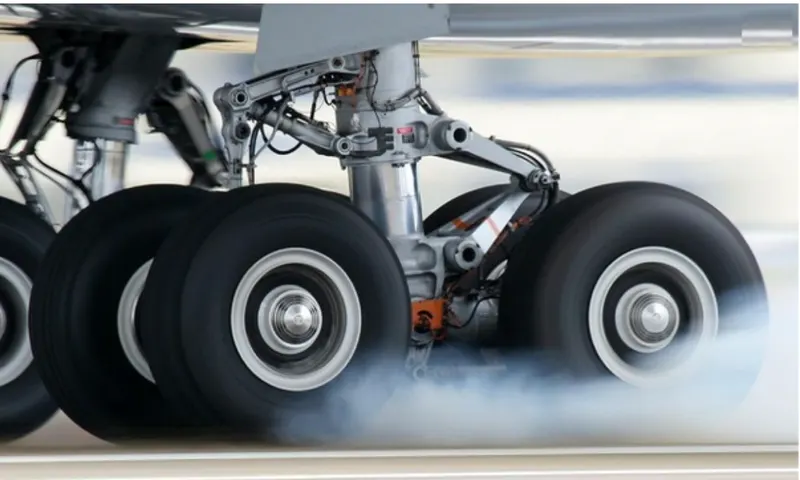
The typical airliner tire can handle a 38-ton load. It can meet the ground 500 times before needing a re-tread, a refresh it can take on seven times in its life. Aircraft tires generally operate at high pressures, up to 200 psi (14 bar; 1,400 kPa) for airliners, and even higher for business jets. The main landing gear on the Concorde was typically inflated to 232 psi (16.0 bar), whilst its tail bumper gear tires were as high as 294 psi (20.3 bar).
Brake forces:
In aircraft types, the brake units are powered by the hydraulics system. An electrical signal is sent from the flight deck to hydraulic actuators near the main landing gear. Here, hydraulic fluid at 3,000 pound per square inch is used to force the brake unit against the wheel, thus slowing it down.
Part B:
Q6.
The forces required to push/ pull an aircraft by a towing are rolling resistance force and areodynamic drag force.
1) Rolling resistance force:- As we have discussed in part-A 5c. It is the force resisting the motion when a body (such as a ball, tire, or wheel) rolls on a surface. Its governing equation is given as
F = Cr
F= C*m*g
C =Rolling resistance coefficient m= Mass of the body g= acceleration due to gravity
2)Aerodynamic Drag Force:
It is the force opposing the motion of the body. The drag coefficient is a common measure in automotive design as it pertains to aerodynamics. Drag is a force that acts parallel to and in the same direction as the airflow. The drag coefficient of an automobile measures the way the automobile passes through the surrounding air. When automobile companies design a new vehicle, they take into consideration the automobile drag coefficient in addition to the other performance characteristics. Aerodynamic drag increases with the square of speed; therefore, it becomes critically important at higher speeds. Reducing the drag coefficient in an automobile improves the performance of the vehicle as it pertains to speed and fuel efficiency. The governing equation of these force is given as following:
FD=0.5*P*น *CD*A
where,
FD= drag force
P = mass density of the air
น = flow velocity relative to the object
CD = drag coefficient
A =reference area
Calculation:
let us assume that,
Mass of Towing Vehicle= 40,000kg
Mass of aircraft = 155,000kg
Total mass (m) = 40, 000 + 155, 000 = 195, 000kg
Frontal Area of the aircraft (A) = 18m ^ 2
Speed of the vehicle (u) = 25kmph
converting it into m/sec
u=25 * (1000/3600)=6.9445m/sec
Drag coefficient (cd) = 0.75
Air density (rho) = 1.225kg / (m ^ 3)
Calculating Rolling resistance Force (Frr)=C rr ^ prime m^ prime g
=0.01 * 195,000^ * 9.8
=19,110N
Calculating Aerodynamic Drag Force (Fd)=0.5^ * p^ * Cd^ * A^ * v^2
=0.5^ * 1.225^ * 18^ * 0.75^ * (6.9445)^ 2
=398.769N
Therefore the total Force required to push/pull the aircrcraft by the towing vehicle (F) = Frr + Fd
=19,110+398.769
=19,508.769 N
Calculating the power (p) = Force*Velocity
=19508.769 * 6.9445
B.
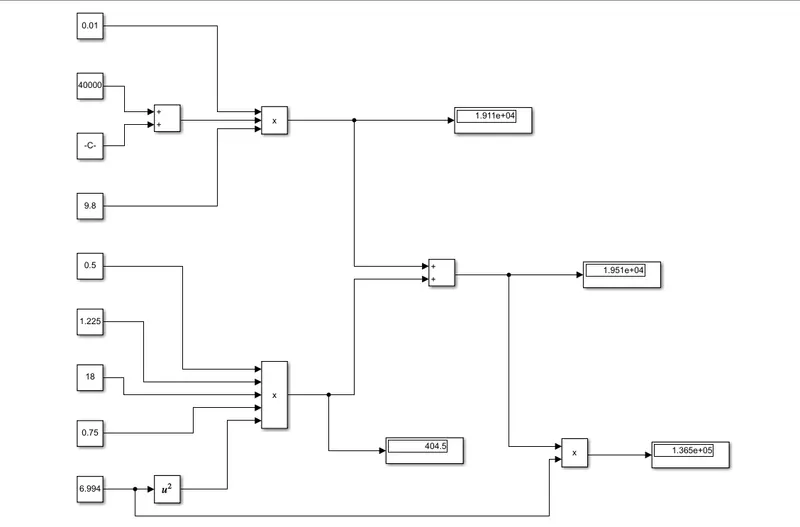
Based on the calculations done in 6A.
Force required to push/pull the aircraft = 19.508 KN
Power required =135.478 kw
Pratik
pratjoshi.972
India (+v
Sche
Let us assume,
The Radius of the Tyre the Tug = 25inches =0.635m
Gear ratio=8
Transmission Effeciency (nt) =87%
Motor Efficiency (nm)=95%
then,
Torque required for the wheels (Tw)-Total Force "Radius in meters
19.508*0.635
= 12.387KNm
Related Course
Post Gradu
Motor Torque Wheel torque/(Gear ratio'nt)
= 12.387 / (8*0.87)
= 1.778KNm
For nm 95%, The required motor Torque (Tm) = 1.778/0.95 -1.871 kNm
Similarly, The total power required by the motor considering all the efficiencies (Pt) = 135.478/(0.87 0.95)=163.917Kw
Let us assume the towing operation was done for a 15 minutes (0.25Hrs) duration.
Then, Total Energy consumed = 163.917 0.25 = 40.98 KWh
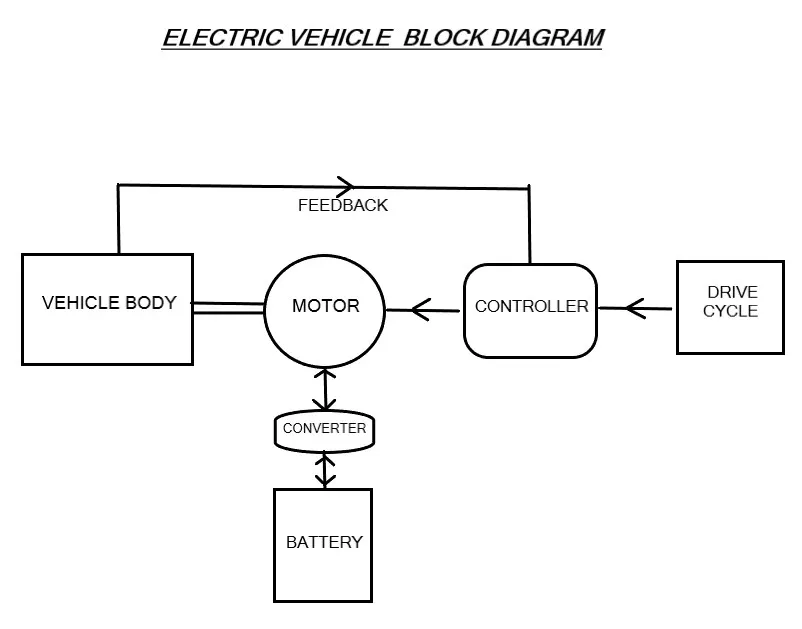
If we consider the battery capacity=220 kw is used by the towing vehicle then, The duty cycle range to control the speed from 0 to max speed (3m/s) is given as
Duty Cycle (d) = (Required Power)/ (Rated power) = 163.917/220 =0.75
Therefore the controller will be able to provide a duty cycle ranging from 0 to 75% in order to control the towing speed.
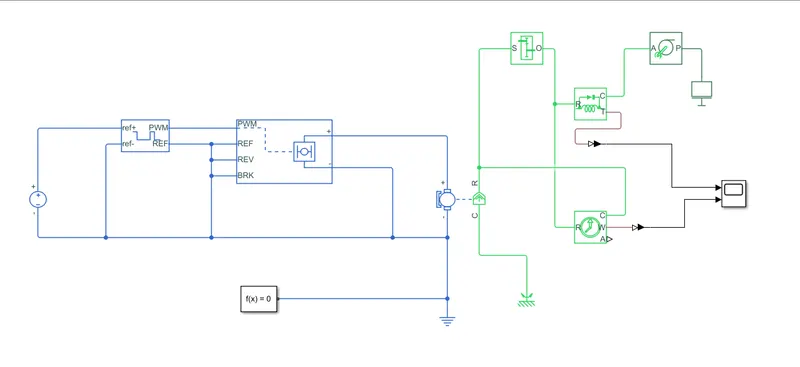
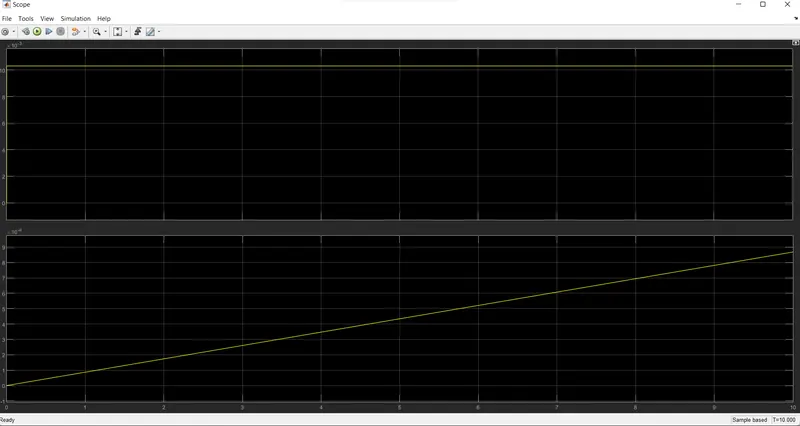
Q7B.
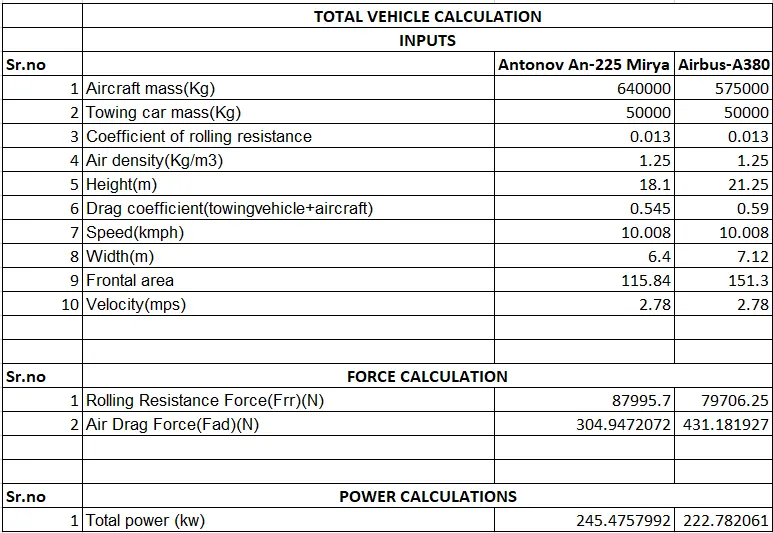
Excel: