Project-1: Powertrain for aircraft in runways
Part A:
1. Search and list out the total weight of various types of aircrafts.
ans.
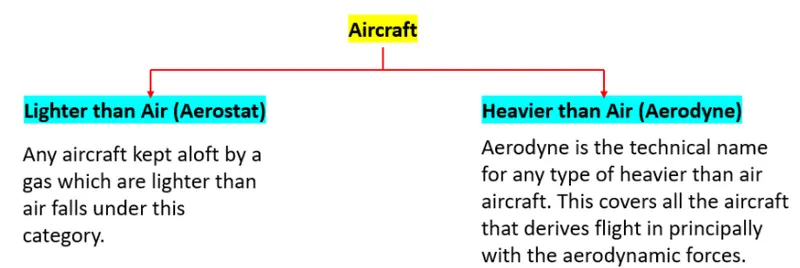
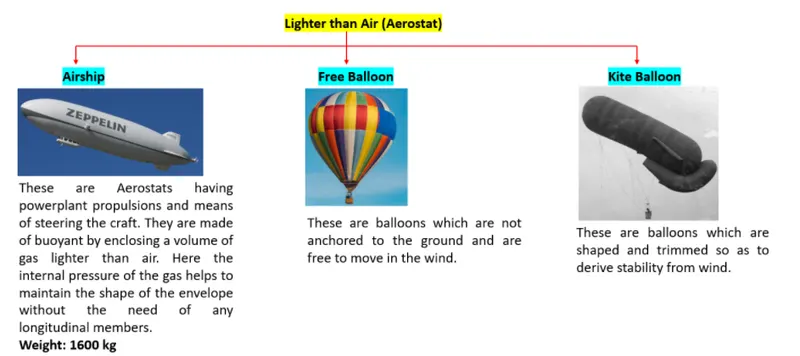
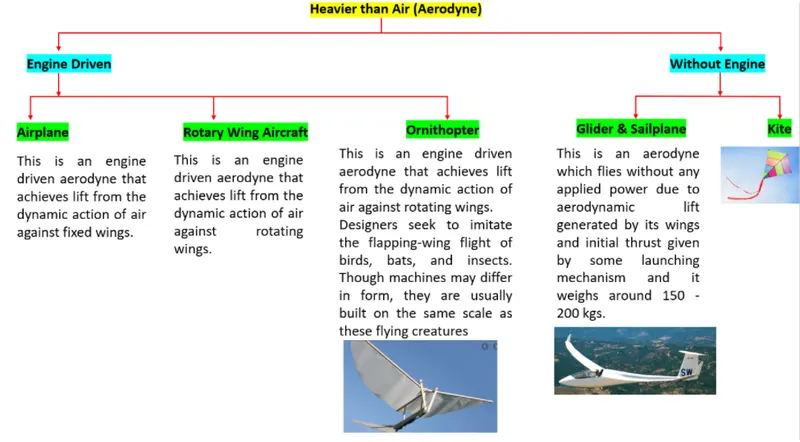
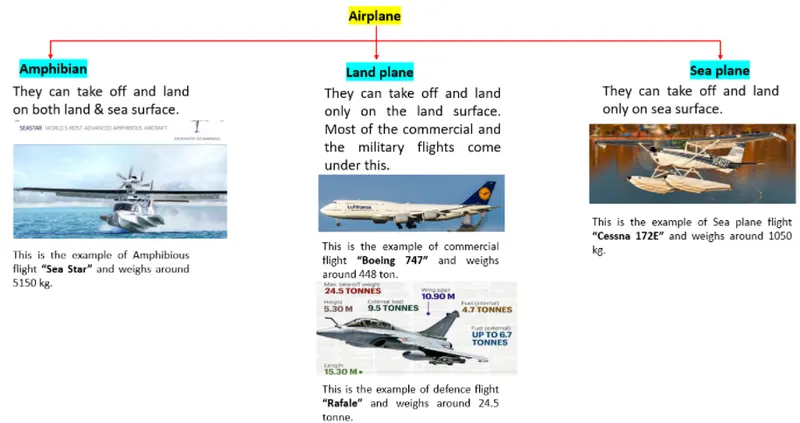
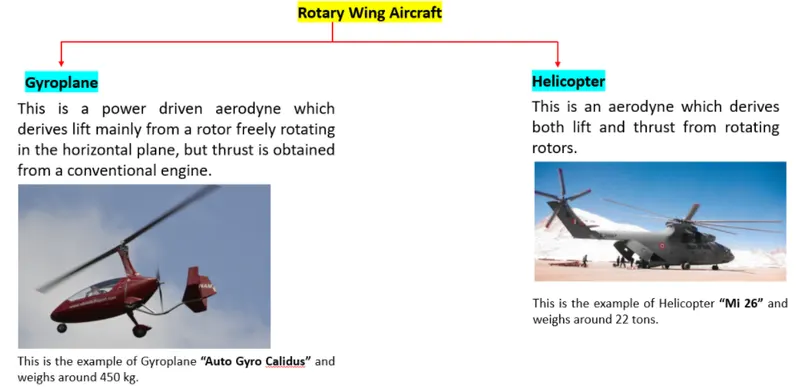
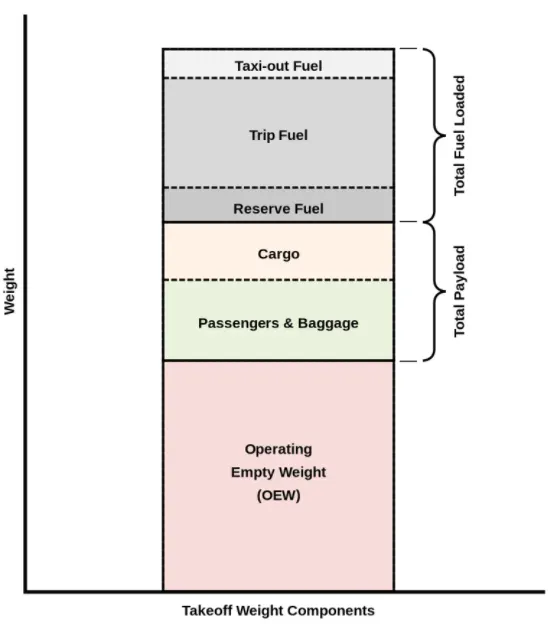
- The aircraft gross weight (also known as all UP weight and abbreviated AUW) is the total aircraft weight at any moment during flight or ground operation. And aircrafts gross weight will decrease during a flight due to fuel and oil consumption.
- An aircraft gross weight may also vary during a flight due to in payload dropping or inflight fueling. At the moment of releasing its brakes the gross weight of an aircraft is equal to its takeoff weight. During flight and aircraft gross weight is referred to as the enroute weight or in flight weight.
- An aircraft structural weight capability is typically a function of when the aircraft was manufactured and in some cases old air craft can have their structural weight capability increased by structural modification.
1) maximum design taxi weight(MDTW)
The maximum designtaxi weight it ( also known as the maximum design ramp weight (MDRW)) is the maximum weight certified for aircraft menu manuoeuvring on the ground (taxiing for towing) as limited by aircraft strength and airworthiness requirements.
2) maximum design takeoff weight(MDTOW)
It is the maximum certified design weight when the brakes are released for takeoff the greatest weight for which compliance with the relevant structural engineering requirements has been demonstrated by the manufacturer.
3) maximum design landing weight(MDLW)
The maximum certified design with at which the aircraft meets the appropriate landing certification requirements. It generally depends on the landing gear strength on the landing impact loads on the certain parts of the wing structure. The MDLW must not exceed the MDTOW. The maximum landing weight is typically designed for 10 feet per second(600 feet per minute)
4) maximum design zero fuel weight(MDZFW)
The maximum certified design weight of the aircraft less all usable fuel and other specified usable agents (engine injection fluid, and other consumable propulsion agents) , it is the maximum weight permitted before usable fluids are loaded in specified section of the airplane. The MDZFW is limited by strength and airworthiness requirements. At the weight the subsequent addition of well will not result in the aircraft design strength being exceeded. The weight difference between the MDTOW and the MDZFW the may be utilised only for the addition of fuel.
5) minimum flight weight (MFW)
Minimum certified weight for flight as limited by the aircraft strength and airworthiness requirements. In order to design an electric towing tractors we need to know their load operating conditions, so the weights of various types of aircraft is shown. The total weight of an aircraft include the aircraft empty weight + payload.
Aircraft empty weight- the aircraft weight with leftover fuel in the tank + engine oil + other operating fluids
Payload- The fuel weight + passenger weight + luggage weight
2. Is there any difference between ground speed and air speed?
ans.
Ground speed :
They are the airplane speed which is related to the ground.
They are the speed which vitamins how fast the airplane which reach the destination.
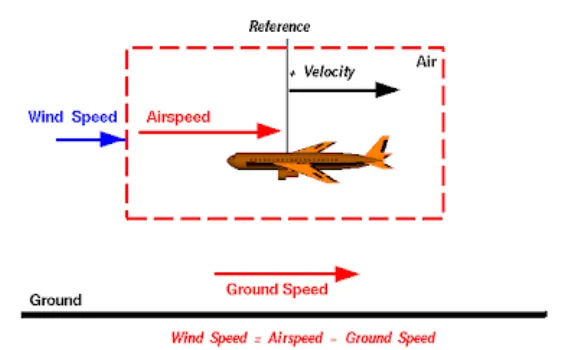
They are calculated by summing up the air speed + wind speed
Air speed:
It refers to the speed which is relative to air it is flying in.
Then determine whether there is enough air flow around the aircraft to make it lift.
They are independent of ground speed.
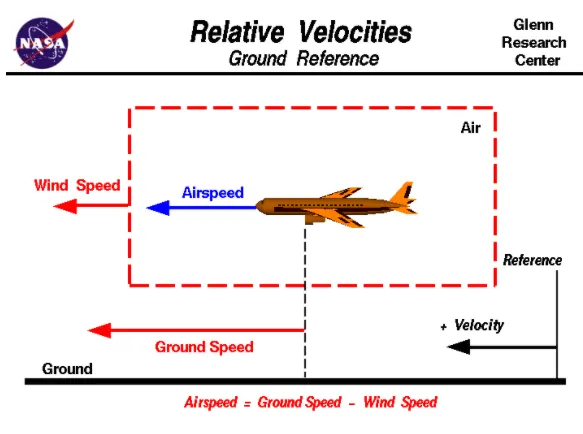
The above two diagram are relative velocity with respect to aircraft reference and ground reference.
If the measured air speed is greater than the observed ground speed the wind speed becomes positive.
The wind speed is the vector difference between ground and air speed. On a perfect still they the wind speed is zero and it is equal to the ground speed.
3. Why is it not recommended to use aircraft engine power to move it on the ground at Airport?
ans.
It is not recommended to use aircraft engine power to move it on the ground at airport because there are certain extreme cautious for everything around us
Applying thrust can create a blast behind each engine. People equipment and everything else in the way can be injured or damaged from the jet blast.
Before applying power to engines the areas in front of heat engine maralike supercritical factor that must be carefully negotiated.
The immediate area in front of the jet engine creates an area where people and equipment can be sucked into the engine if anything is too close to the intake.
To avoid extreme cautious it is not recommended to use aircraft engine power on the ground at the airport.
Taxing is the movement of the aircraft on the ground under its own power in context to doing or push back where aircraft is moving a by a tug.(water based travel)
An airplane uses taxiways to taxi from one place of an airport to another. Eg when moving from Hanger to runway. The term taxing isn't used for accelerating a run along a Runway prior to the Deck of the disappointing Run immediately Run after landing which are called take off roll and landing roll out respectively.
4. How an aircraft is pushed to runway when its ready to take off?
ans.
Taxing refers to movement of an aircraft on the ground under its own power. Their craft moves on wheels. An airplane uses taxiways to taxi from one place of an airport to another, like moving from terminal to the runway.
When an aircraft is ready with all passengers and luggages the aviation is an airport procedure during which an aircraft is pushed backwards away from an airport gate by external power.
The aircraft always moves on the ground following the yellow lines to avoid any collision with the surrounding buildings vehicles or other aircrafts the taxing motion has a speed limit before making a turn the pilot reduces the speed for the to prevent tire skids.
The test to profile the aircraft forward comes from its propellers or jet engines steering is achieved by turning and nose wheel or tailwheel rudder.
The use of engine test near terminals is restricted due to the possibility of Jet blast damage this is why the aircrafts are pushed back from the buildings by a vehicle before they can start their own engines for taxing.
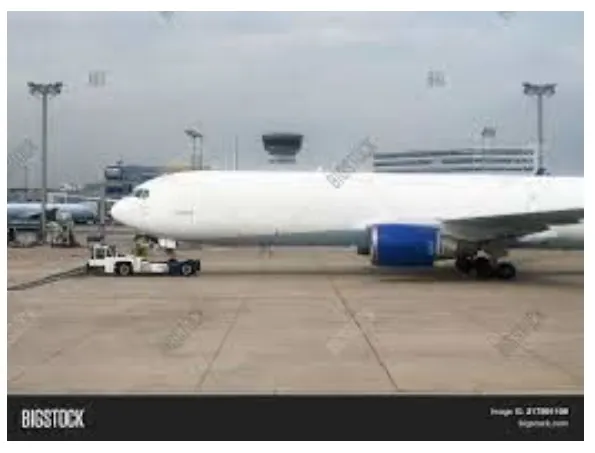
Push bags are carried out by special low profile vehicles tractor or tugs.
These are Heavy Wing low profile vehicles talk to do the job of pushing pulling the aircraft from the terminals to the runway.
The tractors are designed with extra weight for purposely to offer them enough traction to push or pull heavy aircraft.
5. Learn about take off power, tyre design, rolling resistance, tyre pressure, brake forces when landing.
ans.
Take off power
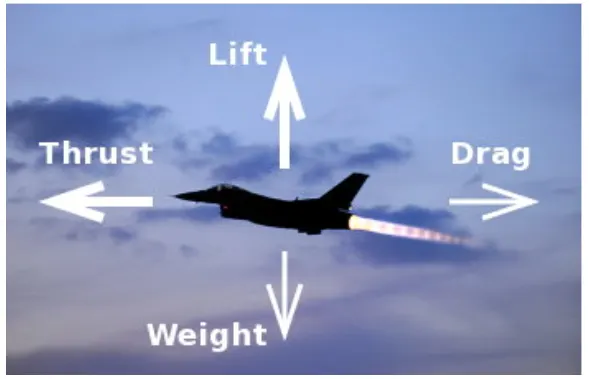
Takeoff is the fees of flight in which Aerospace vehicles leaves the ground and becomes Airborne. For aircraft that take off horizontally this usually involves starting net with a transition from moving along the ground on a runway.
The takeoff speed required varies with air density aircraft gross weight and aircraft configuration. The power from the engine of the aircraft is used to achieve the flight is called take off power.
For light aircraft usually full power is used during takeoff. Large transport category (airliner) aircraft may use reduce power for takeoff full power is applied in order to prolong Indian life reduce maintenance cost and reduce noise emissions.
Tyre design
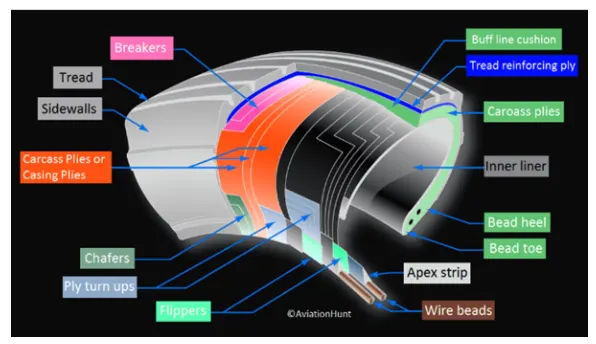
The aircraft tyre is usually specially designed as a tyre has to withstand more load and also higher speed at the same time. The number of tyres required for an aircraft increases with aircrafts with at the weight of the aircraft needs to be distributed more evenly.
Aircrafts tread pattern are designed to facilitate stability in high crosswinds conditions to channel water away a to prevent hydroplaning and for braking effect. Some of the tire design is given below
Bias ply tyre
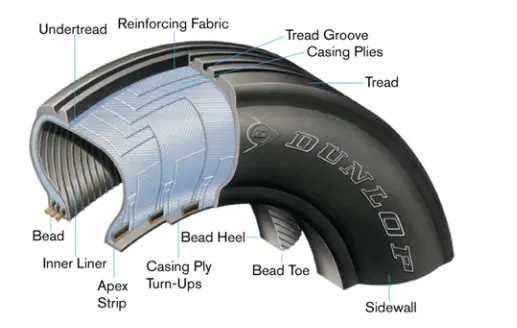
The bias ply tyre consist of casing price running diagonally at approximate right angles to one another. The number of flies and angles at which their late dictates 10th and load capacity.
High-performance bias aircraft tyres feature intertrade reinforcing fabric(ITF). This provides additional high speed speed stability, reduces trade distortion under load, protects the casing price from damage and can act as wear indicators on Re treadable tyres.
Radial tyre
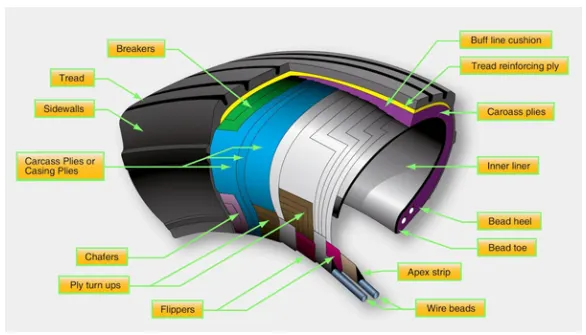
Radial tyre are most modern design of aircraft tyres. It is a design that is similar to that of car tyres. Typically the radial tyre offers more landing per trade and lighter weight than a bias tyre, though sometimes at the expense of retrade lives.
Radial aircraft tyres differ to bias aircraft tyres in that plies all run radially from bead to bead at approximately 90 degree to the centre line of the tyre. Angled bed plies are laid between the trade and top casing ply, resulting in in a flutter trade and adding strength to the tyre.
Rolling resistance
The Rolling resistance force is mainly experienced by the tire when the vehicle moves over any surface The Rolling resistance force is given by the expression-
Frr = urr*(m.g)
Where,
(m.g) = weight in Newton
(urr) = coefficient of Rolling resistance
The coefficient of Rolling resistance(urr) depends on many factors like the tyre pressure and temperature material of the tire tread pattern of the tire and also road roughness and liquids on the road do is factors determine the Rolling resistance force.
Tyre pressure
The pressure generally is very high in Aircraft to reduce the Rolling resistance and to which time the weight usually it will be around 200 to 300 PSI of pressure they change based on the type of aircraft.
Test of airliner aircraft tyres have shown that there able to sustain pressures of maximum 800 PSI aircraft tyres are used in fitted with nitrogen to minimise expansion and contraction from extreme changes in ambient temperature and pressure experienced during flight.
Brake force while landing
The brake force while landing is done by three different process they are:
Aircraft disc brakes - aircraft has disc rotors in the landing gear used to break the wheels while touching the ground this breaks are operated hydraulically or pneumatically.
Thrust reverser - it allows thirst from engine to be used to slow the aircraft. This is also very effective in bringing down the speed of the aircraft. By using a negative angle plane we are turning the wind that is coming into the popular to flow in the opposite direction.
Airbrake- it is dedicated flight control surface that work or by increasing the drag force air brakes are designed to increase drag while making little changed to lift laser welding in a higher stall speed these are some of the tires of the braking methods used to bring down the aircraft speed while landing the flight.
Part B:
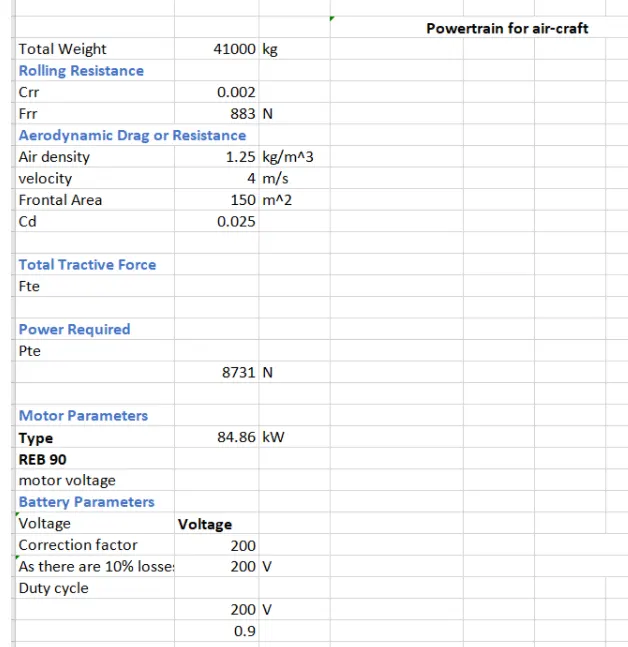
6. A. With necessary assumptions, calculate the force and power required to push / pull an aircraft by a towing vehicle.
ans.
Here the pushback trucks experience two kinds of force acting on them when they are trying to push or pull the aircraft.
Rolling resistance
Aerodynamic drag force
Rolling resistance force
The formula used for rolling resistance is
Frr = u*m*g
where,
u = coefficient of Rolling resistance
m = mass
g = acceleration due to gravity
The Rolling resistance force acts on both the pushback truck and the aircraft. So considering the aircraft,
u = 0.02,
m= 40,000kg
Frr(aircraft) = 0.02*40000*9.81= 7848N
Considering pushback
u=0.09
m=1000kg
Frr(pushback truck) = 0.09*1000*9.81=883N
The total resistance will be the sum of aircraft and pushback truck rolling resistance = 7848 + 883 = 8731N
Aerodynamic force
Their dynamic force to move an aeroplane on an absolute flat Runway with no wind at constant low speed is usually very negligible
Fd = 1/2.p.A.Cd.v^2
Where,
p= air density Kg/m^3
A = front area in m^2
Cd = drag coefficient
V = velocity in m/s
Since the Aerodynamic forces very negligible the net force acting on the push back truck during the push pull of an aircraft is
Fnet = Frr(pushback truck) + Frr(aircraft)
= 8731N
The power required is
P=F*V
= 8731*9 is.72
= 84.86 KW
B. Develop the model for the calculated force and power using Simulink.
ans.
The model is as follows:
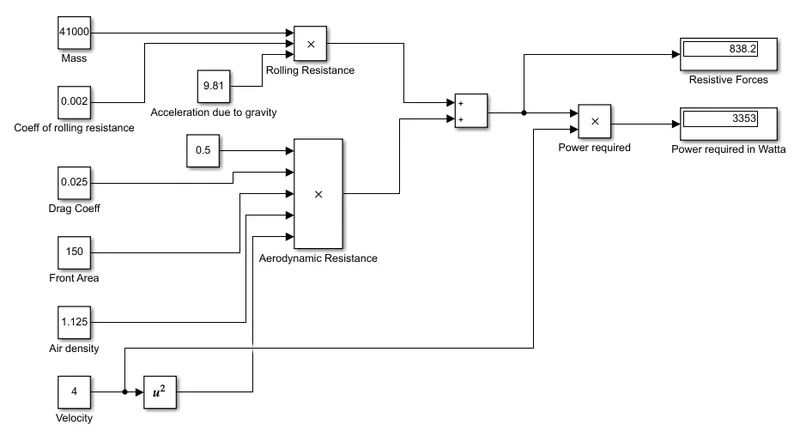
Constant blocks are used to feed the parameters such as mass,rolling resistance,drag coefficient, frontal area,air density and velocity.
Product blocks are used to calculate the resistive forces.
Sum block is used to get the total registive forces.
Display blocks are used to get the output
I have uploaded the file named forceandpower.slx.
7. A. Design an electric powertrain with type of motor, it’s power rating, and energy requirement to fulfill aircraft towing application in Simulink. Estimate the duty cycle range to control the aircraft speed from zero to highest. Make all required assumptions. Prepare a table of assumed parameters. Draw a block diagram of powertrain.
(Hint :DC7 Block)
ans.
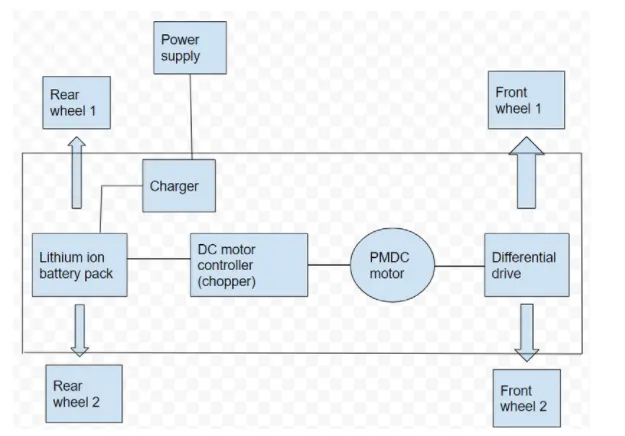
The aircraft used electric drives or ground operation(taxing and push back), in order to save the jet fuel consumption.
The type of motor to be used for aircraft wing application. There are two types of alternatives , one is PMDC(permanent magnet DC motor) and the bldc(brushless DC motor). We can select PMDC motor is widely used in electric vehicles.
To calculate the power rating of DC motor chosed. The power required for towing an aircraft is about 84.86KW. This will be our motor rating.
To calculate the energy required for towing
Energy for towing = (power required for towing) * (time required for towing)
Let the time be 15 minutes for towing = 900 seconds
It should be calculated in kilowatt hour
E = 84.86*(900/1200)
= 63.645 KWh
This is the energy required for towing
Now to calculate the duty cycle for the towing operation we can use the standard lithium ion battery pack for this operation. Assuming the input voltage needed to be 200 volts and the current required to be 400A.
Power input = V*I
= 200*400
= 80000W
= 80KW
We have calculate the power output to be 63.645 Kwh
Duty cycle = power output/ power input
= 63.645/80
= 0.7955
Duty cycle for this towing operation is 79%
parameters assumed in this calculation
Aircraft weight = 41000Kgs
Rolling resistance(runway) = 0.02
Rolling resistance (pushback) = 0.10
pushback vehicle weight = 2000kgs
pushback velocity = 5.55m/s
towing operation time = 15 mins
battery voltage = 200v
current required = 400A
The aerodynamic drag is not considered because it is negligible in the ground
B. Also, Design the parameters in excel sheet.
ans.