Project-1: Powertrain for aircraft in runways
1. Search and list out the total weight of various types of aircrafts.
Sln.
The Aircraft gross weight:
It is the total aircraft weight at nay moment during the flight or ground operation
An aircraft gross weight will decrease during a flight due tio fuel and oil consumption. An aircraft's gross weight may also vary during a flight due to payload dropping or in flight refueling.
At the momen of releasing its brakes the gross weight of an aircraft is equal to its takeoff weight. During the flight an aircraft gross weight if reffered to as the enroue weight or in flight weight.
An aircraft's gross weight is limited by several weight restrictions to avoid overloading its structure or to avoid unacceptable performance or handling qualities while in operation.
Aircraft gross weight is limited are established during an aircrafts design and certification period and are laid down in the aircrafts type certificate and manufacturer specification documents
The absolute maximum weight capabilities of given aircraft are reffered to as structural weight limits. The Structural weight limits are based on the aircraft maximum structural capability and define the envelope for the CG charts (both max weight and CG limits)
An aircrafts structural weight capability is typically a function of when the aircrafts was manufactured and in some cases old aircraft can have their structural weight capabliity increased by structural modifications.
Maximum Design Taxi weight (MDTW)
The maxmimum design taxi weight also known as max design ramp weight (MDRW) is the max weight certified for aircraft manoevring on the ground as limited by aircraft strength and airworthiness requirements.
Maximum Design Takeoff Weight (MDTOW):
is the max certificated design weight when the brakes are released for takeoff and is the greatest weight for which compliance with the relevant strcutural and engineering requirements has been demonstrated by the manufacturer.
Maximum Design Landing Weight (MDLW):
The maximum certificated design weight at which the aircraft meets the appropriate landing certification requirements It generally depends on the landing gear strength of the landing impact loads on certain parts of the wing structure.
The MDLW ,must not exceed MDTOW
The max landing weight is typically designed for 10 feet per second sink rate at touch down with no structural damage.
Minimum Flight Wieght (MFW):
Minimum certificated design weight for flight is limited by aircraft strength and airworthiness requirements
Types of Aircrafts and thier weights
There are a number of ways to identify aircraft by type The primary distinction is between those that are lighter than air and those that are heavier than air.
1. Lighter than air:
Aircraft such as balloons, nongrid airships and diriglibles are designes to contain within their structurea sufficient volume that when filled with a gas lighter than air displaces the surrounding ambient air and floats just as a cork does on the water Balloons are not steerable and drift with the wind. Nongrid airships which have enjoyed a rebirth of use and interest do not have a rigid structure but have a defined aerodynamic shape which contains cells filld with the lifting agent.Dirgibles are no longer in use but they were lighter than aircraft with a rigid internal structure which was usually very large and they were capable of relatively. high speeds it progved impossible to constrcut drigibles of sufficient strength to withstand routine operation under all weather conditions and most suffered disaster either breaking up into storm as with U.S. craft shenandoah Akron. and Macon or through ignition of the hydrogen as witn the German Hindenburg in 1937

Ballon- 400 Kg.
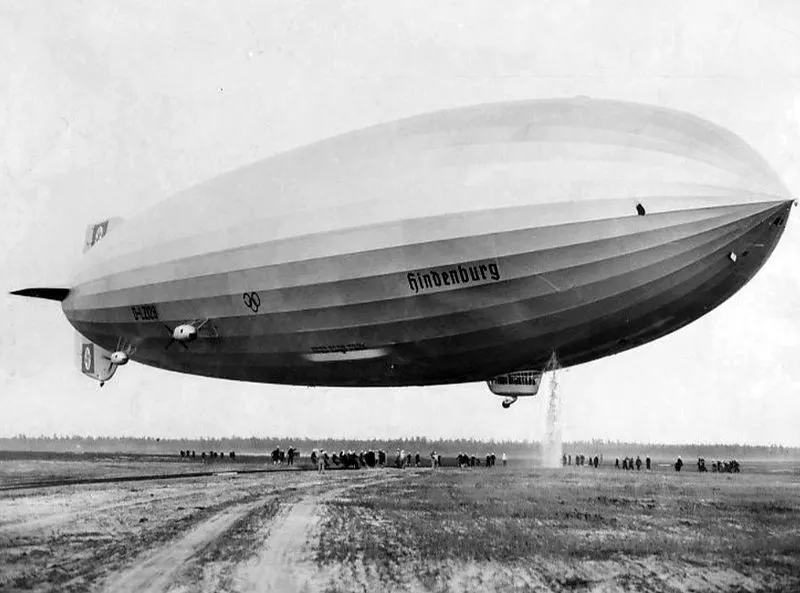
Airship-130,000 Kg Empty Weight, 260,000 Kg Full load weight
2. Heavier than air:-
This type of aircraft must have a power source to provide the thrust necessary to obtain lift simple heavier than air craft includes kites.These are usually a flat surfaced structure often with a stabilizing tail attached by a bridle to astring that is held in place on the ground Lift is provided by the reaction of the string restrained surface to the wind.
Another type of unmanned aircraft is the unmanned aerial vehcile (UAV) Commonly called drones or sometimes remotely piloted vechicles (RPVs) These aircrafts are radio controlled from the air or the ground and are used for scientific and military purpouses Unpowered manned heavier than air vechiles must be launched to obtain lift. These include hang gliders gliders and sailplanes.
Hand gliders are aircrafts of various configuration in which the pilot is suspended beneath the wing to provide stability and control They are normally launched ffrom a high point in the hands of an experienced pilot hang gliders are capable of soaring Gliders are usually used for light training and have the capability to fly reasonable distances when they are catapulted or towed into the air but they lack the dynamic sophistication of sailplanes.
ultralights which are originally merely hang gliders adapted for power by the installation of small engines similar to those used in chain saws heave matured into specially designed aircraft of very low weight and power but with fyling qualities similar to conventional light aircraft. They are intended primarliy for pleasure flying although advanced models are now used for training police patrol and other work including a proposed use in combat
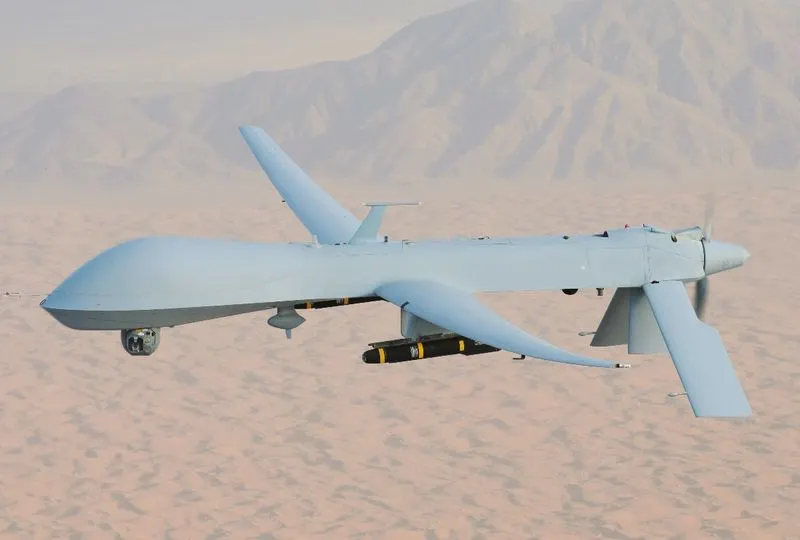
MQ-1 Predator- 1125 Kg.
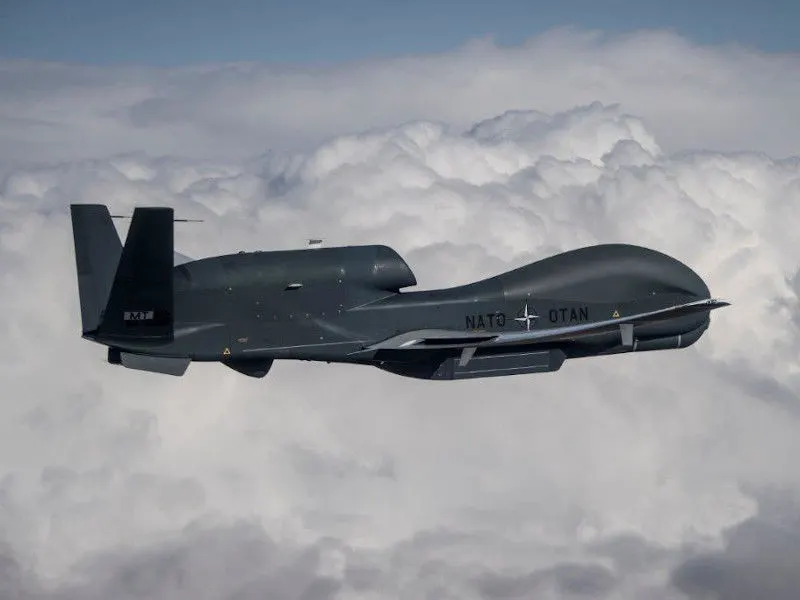
RQ-4 Global
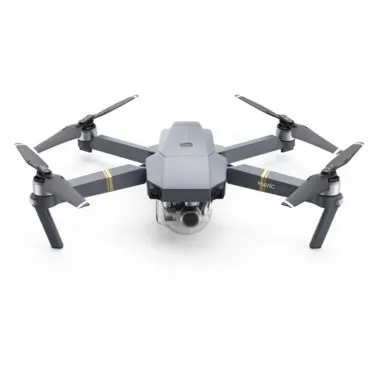
MAvic pro 2-907 g
3. Civil Aircrafts:
All nonmilitary planes are civil aircraft These include private and business planes and commercial airlines
Private aircraft are personal planes used for pleasure fyling often single engine monoplanes with the nonretractable landing gear. They can be very sophisticated however and many include such variants as warbirds ex military planes flown for reason of nostalgia ranging from primary trainers to large bombers homebuilt aircraft built from scratch or from kits by the owner and ranging from simple adaptations of piper cubs to high speed streamlined four passenger transports antiques and classics restored older aircraft flown like the warbirds for reasion of affection and nostalgia and serobatic planes and designed to be highly maneuverable and to perform in air shows
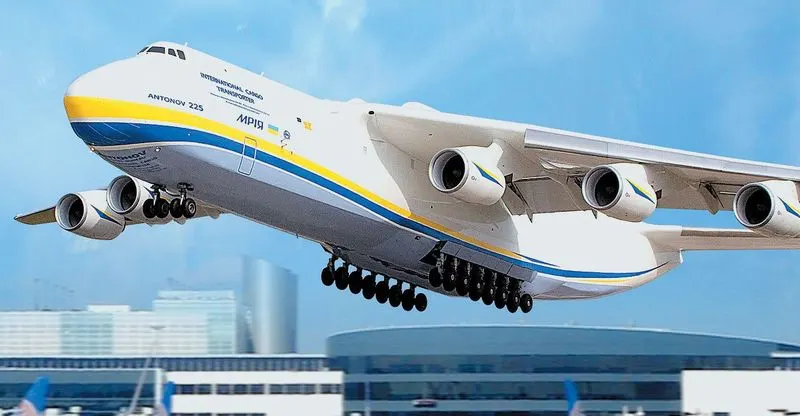
Antonov An-225 Mriya-640,000 Kg.
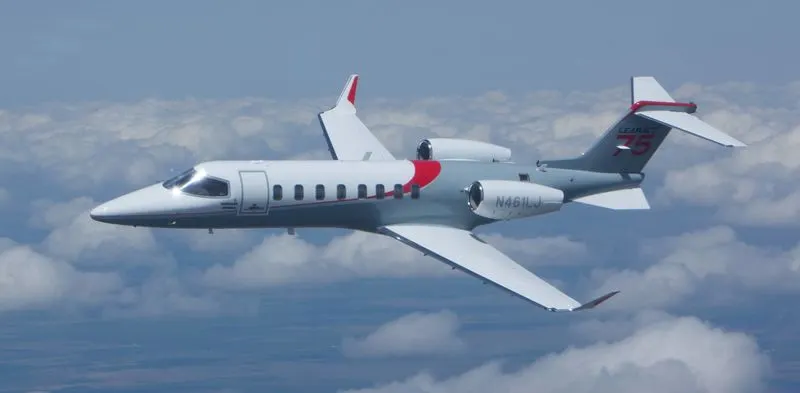
Learjet 70/75-9,752 Kg.
2. Is there any difference between ground speed and air speed?
Sln.
One of the most confusing concepts for young scientists is the relative velocity
between objects Aerodynamic forces are gerenrated by and object moving through a fluid. A fixied object in a static fluid does not generate aerodynamic forces Hot air ballons lift because of buoyancy forces and some aircraft like the Harrier use thrust to lift the vehicle but these are nopt example of aerodymanic lift. To gerenrate lift an object must move through the air or air must move past the object Aerodynamic lift depends on the square of the velocity between the object and the air. Now things get confusing because not only can be teh object be ,moved through the air but the air itself can move. To properly define the relative velocity it is necessasry to pick a fixed reference point and measure velocities relative to the fixed point in this alide the reference point is fixed to the ground but it could just as easily be fixed to the aircraft itself. it is important to understand the relationships of wind speed to ground speed and airspeed.
Wind Speed
For refernce point picked to the ground the air moves relative to the reference point at the wind speed Notice that the wind speed is a vector quantity and has both a magnitude and a direction The direction is important A 20 mph wind from the west is diff from a 20 mph wind from the east the wind has components in all three primary directions South east, west up dowm, A Positive veloctiy is deifned to be in the direction of the aircrafts motion We are neglecting crosswinds which occur perpendicular to the flight path but parallel to the ground and updrafts and downdrafts which occur perpendicular to the ground.
Ground Speed:-
For a refrence point picked on the ground the aircraft moves relatived to the refrence point at the ground speed Ground Speed is also a vector quantityn so a comparison of the ground speed to the wind speed must be done according to the rules for vector comparisons.
Airspeed:
The important Quantity in the generation of lifr is relative velocity between the object and the air which is called airspeed Airspeed cannot be directly measured from a ground position but must be computed from the ground speed and the wind speed Airspeed is the vector diff between Ground speed and wind speed
AirSpeed= Groundspeed- Wind Speed
3. Why is it not recommended to use aircraft engine power to move it on the ground at Airport?
Sln.
For movemennt on the ground the aircraft uses it own engine power which is called taxing
Although many aircrafts are capable of moving in backward using reverse thrust as a result the jet blast or prop wash might cause damage to the terminal building or
equipment Engine close to ground may also blow sand and debits forwardf and then suck them into the engine causing damage to the engine causing damahe to yje engine. Therefore there are pushback trucks in the airport. Apushback truck lifts the front wheel of the aircraft their rolein most airports is to mobe the aircraft away from the parking spot on to the taxiways which is called towing
Unwanted Consequences mainly arising from the unintended movement of the aircraft during engine running
1) Effectively a loss of control can happen especially during high power engine running Damage can occur to the aircraft itself. other proximity nearby or to airsidestructres.
2) There is a risk of injury to ground support Personnel who may be in relatively close proximity to the aircraft
3) It is easier fo truck driver ro see the surroundings better than the pilot sitting in the cockpit with mimited window The pushpack driver knows the airport better than the pilot
4) It is also saves fuel virgin Atlantic hadproposed a new system in which pushback truck will move the aircraft all the way to runway to save fuel and reduce impact of envirnonment.
5) The plane engines are very loud.When more than one plane will add up their sound then it will not be pleasant for passengers and others near airport.
4. How an aircraft is pushed to runway when its ready to take off?
Sln.
The process of pushing aircraft to the runway when its ready to take off called taxiling
Before taxiling there will be airplane towing as shown it also known as pushing the airplane from the parking to the taxi part.
Taxiling usually takes place only with one engine running due to the reason mentioned in the above answer running engine pushed the airplane to the Lineup later both engines are turned on and will run on the runway and take off
the future of pushback is electric here is how
The future operation of aircraft will need to meet ever demanding emission and effiecieny targets and therefore innovative solutions are required to support both new and in service aircraft fleets. Wheel Tug is a company that has developed a pioneering concept to meet these challengs They are developing a taxiling system consisting of a nose wheel mounted motor and drive powered by aircrafts auxiliary Power Unit. The ultimate goal of the system is to save time. angine life and fuel use resulting in reduced emmissions and significant cost saving
5. Learn about take off power, tyre design, rolling resistance, tyre pressure, brake forces when landing
Sln.
Take off power in airplanes:
Power required can be analyzed using the following plot:
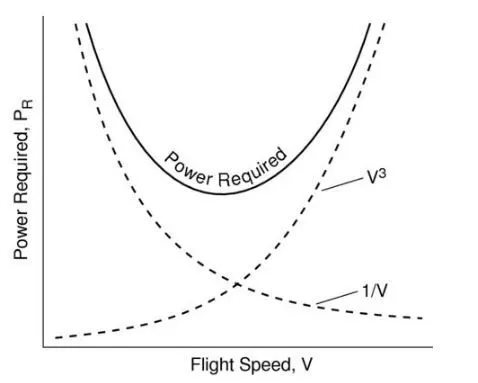
The total energy of an aircraft flying in the atmosphere can be calculated using equation
E= 1/2 mv2+mgh
This extra power needed to overcome the drag acting on the airplane and is calculated using
p= (dh/dt)mg
Where (dh/dt) is the decent speed required to keep the plane's speed constant if the engines fail
Take off:
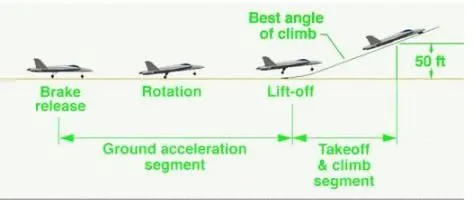
* While taking off the plane there are two speeds we need to have a look at V1, Vr and V2.
* V1= is the speed that is needed to be acheived by the airplane before taking off
* Vr= also know rortate speed is the speed ar which the pilot begins to apply control inputs to make the aircraft nos pitch up. after which it leaves the ground. The easiest way to memorize the rotation speed is the point where the nose leaves the ground and vortexes are created at wingtips which rotate behind the aircraft moreover, the point where the main gear leaves the ground is the point where the aircraft has reached the Vlof=lift-off speed.
*V2=is the speed at which the aircraft may safely be climed is nicknamed a' take off safety speed', it is the speed an aircraft with one engine inoperative must be able to attain to leave the runway and get 35 feet off the ground at the end of the runway maintaining a 200 ft/mm climb thereafter. This is the lowest speed at which the aircraft complies with the handling criteria associated with a climb after take off followed by the failure of an engine.
Reduced power or derated takeoffs are normal and frequently used. The performance is carefully calculated before each takeoff, Ensuring that the proper speed power setting and flaps are used for the weight of the takeoff on the runways intended and at the proper temp when using this method during takeoff. it is always possible to increase to full power if the situtation requires. The captain always makes the final decision whether to use full thrust or derate
Derated imrpoves engine life and reliablitiy in addition to lowering operating costs, They are decrease the likelihood of an engine failure.
TYRE DESIGN:-
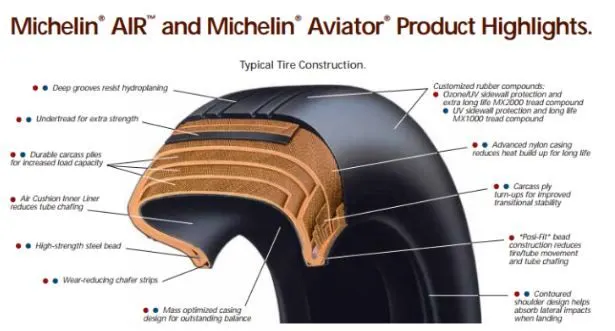
* 45 inches rubber
* inflated twice as much as truck tire and 6 times as much of care that is because higher the pressure greater the strength
* filled with nitrogen because it its not combustibole and can be withstand pressure even in extreme weather conditions.
* Can be loaded up to 38 tons and 300mph speed rating
* 20 tires at 200 psi of pressure and touched down more than 500 times before changing the tires.
Rolling Resistance:
can be calculated using the formula:
R= u(W-L)
On take off from a smooth paved surface rolling resistance is minimal, Aerodymanic drag is the key retarding force R. Rollinf resistance becomes the key retarding factor on a rough or difficult surface Aerodynamic drag is still a retarding factor but resistance to acceleration caused bu the surface is of considerably more importance particularly. during the early stages of teh takeoff roll.
Brake Forces:
we require in airplanes due to the following reasons:
* While taxiling if something comes up a head we need to stop the plane, or even while turning the plane need to slow down a bit.
* As discussed above before taking off we need to reach the speed V1 where we eill check out for any problems that are occuring in the controlling part of engine part if any exist the take off should beaborted and the plane as to slow down befoe it overruns the runway hence brakes are required.
* The braking energy required to stop the flight at V1 is equal to the kinetic energy of the flight at that moment.
Part B:
6. A. With necessary assumptions, calculate the force and power required to push / pull an aircraft by a towing vehicle.
Sln.
Assumin the average parmeters of an airplane the following calculations have been done.
Mass:
* The total mass of the aircraft (including payload)= 575,000kg
* Mass of the push back: 1000kg
Rolling Resistance:
* Coefficient of rolling resistance
Crr=0.002
* Rolling Resistance force is given by
Frr= Crr.m.g
For the aircraft:
Frr= (0.002)*(575,000)* (9.81)
Frr= 11.2815KN
For the towing vehicle
Frrt=(0.002)*100*9.81
Frrt= 19.62N
Aerodynamic drag force:
* Drag Coefficient (Cd)=0.025
* Air Density=1.125 kg/m3
* Frontal Area (A)= 150m2
* Velocity (V)= 14.5 Kmph
Far=1/2.Cd.p.A.v2
Far= 1/2*0.025*1.125*150*4'2
= 33.75 N
Hill climbing force
Fh= mg sinQ
Assumptions made so far are:
* The rolling resistance of towing vechicles can be neglected because it is less
* As the vehicle and plane are moving at very low-speed aerodynamic resistance can be neglected
* Runways are constructed flat sso the gradient resitancce/hill climb force can be neglected
Total resistance
Ft=11.2815 KN
Power Required:
P= Ft.v
P= 11.2815*4
P= 45.26 Kw.
The minimum power required by the tow vehcile is 45.26 Kw to push/pull an Aircraft at 4m/s
B. Develop the model for the calculated force and power using Simulink.
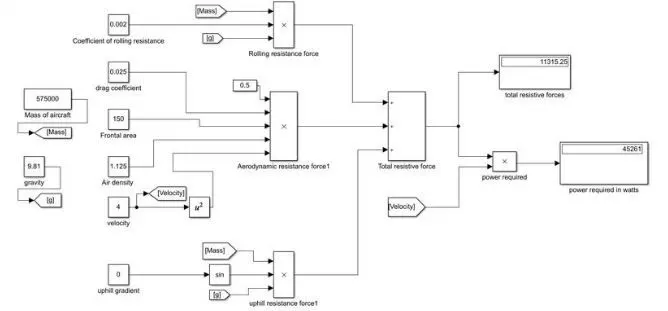
Result: Using the Basic Math Operation blocks the above result is calculated