Project 1 Mechanical design of battery pack
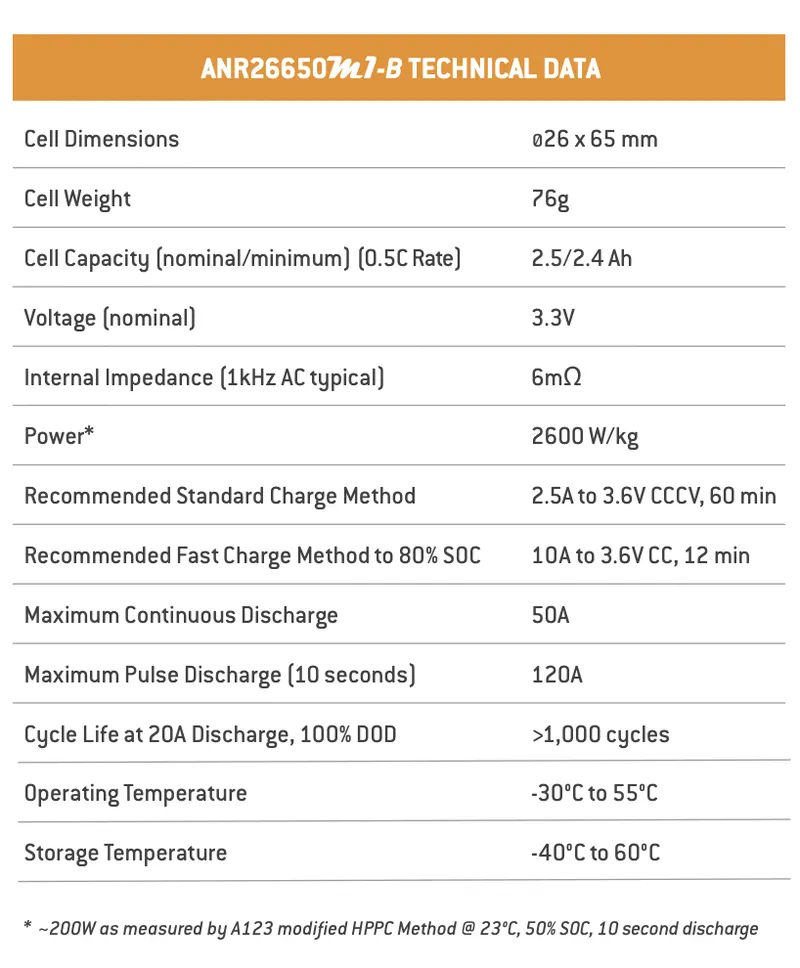
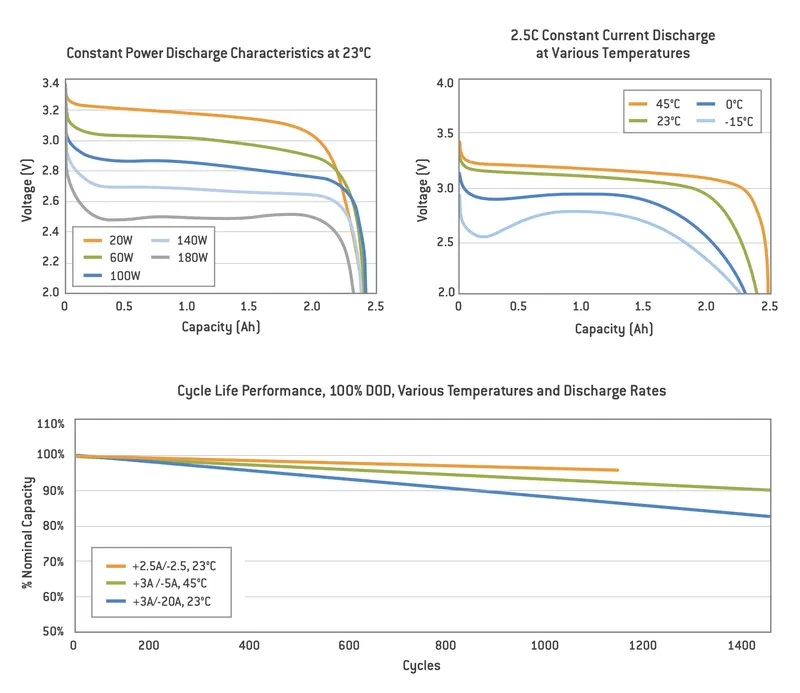
Assuming 400 nominal voltage for series connection,
Battery pack capacity given is 18000 Wh, the actual battery capacity is always less then nominal capacity to reach the actual capacity needs we add 10 % margin.
V = 400v
C = 18000 X 1.1 = 19800 Wh = 19800/400 = 50 ah
Capacity of each cell = 2.5 ah
No.of cells in parallel connection = 50/2.5 = 20
Nominal voltage of each cell = 3.3v
No.of cell in series connection = 400/3.3 = 122
Total number of cells = 20 X 122 = 2440
Voltage= no of cell in series* nominal voltage.
= 122*3.3
= 402.6 V
The total value of voltage is 402.6 V.
Current=No of parallel cells * cell capacity
= 20*2.5
= 50Ah.
The total value of Current is 50Ah
2440 Cells will be used to make a complete battery pack.
Weight of battery pack
= Total no. of cells for batter pack x Mass of single cell
= 2440 x 0.076 kg
= 185.44 kg
Total volume of the battery pack
= Total no. of cells for batter pack x Volume of single cell
= 2440 x pi/4 x (26^2) x 65
= 84205351.6 mm^3
= 84.20 Liters.
Battery Pack
2440 cells will have 122S / 20P
- Package: 122S / 20P
- Capacity: 50 Ah
- Voltage: 402.6 V
- Weight: 185.44kg (Only Cells)
- No of Cells: 2440
- Power: 19800Wh or 19.8 kWh
Mechanical design of Battery Pack,
Battery holders is to keep cells fixed in place safely and securely also it is used to keep cells in a proper arrangement so that there will be a decrease in mechanical vibration, and have a better thermal runway in between the cell gaps.

Nickel strip is generally used in battery building. Its due to its efficiency of usage in spot welding and soldering as well its high corrosion resistance over time. It has good properties and excellent resistance to many corrosive environments. The pure nickel will never get rust after it applied to battery packs.



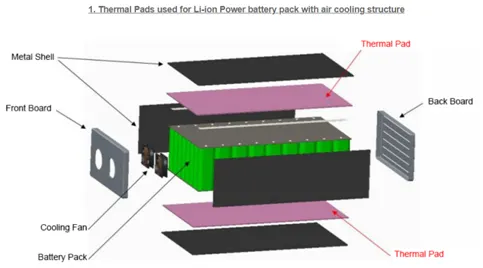
Reference : https://www.batteryspace.com/prod-specs/6610.pdf