Project 1 - 2D meshing on the instrumental Panel
PROJECT 1: EXTRACT MIDSURFACE AND MESH THE DASHBOARD SUB-PARTS
AIM:
To extract the mid surface and mesh the component with given quality parameters and assign thickness respectively.
OBJECTIVE:
The main focus of this project is to extract the manual or auto mid surface for the dashboard component with respect to their thickness and assign with the property, as well as deploy the smooth mesh flow on the component with given quality parameters.
The quality parameters for the component is given below:
|
S.No |
Quality criteria |
Value |
|
1 |
Target/Average Length |
4 |
|
2 |
Minimum Length |
2 |
|
3 |
Maximum Length |
6 |
|
4 |
Aspect |
3 |
|
5 |
Warpage |
15 |
|
6 |
Skewness |
45 |
|
7 |
Jacobian |
0.7 |
|
8 |
Minimum Quad Angle |
45 |
|
9 |
Maximum Quad Angle |
135 |
|
10 |
Minimum Tria Angle |
30 |
|
11 |
Maximum Tria Angle |
120 |
|
12 |
Tria Percentage |
15 |
The dashboard component should be meshed accordingly with the mentioned quality criteria to achieve the proper mesh flow with negligible fail elements.
ABSTRACT :
In this Project-1, ANSA pre-processor is used to generate mid-surfaces using various options like casting, offset, middle etc. Created 2D interpretation of the parent geometry. Extended mid surfaces in order to connect all the generated mid surfaces. Mesh the component using spot with given quality criteria. Cleared off elements without any kinks or raised edges.
INTRODUCTION:
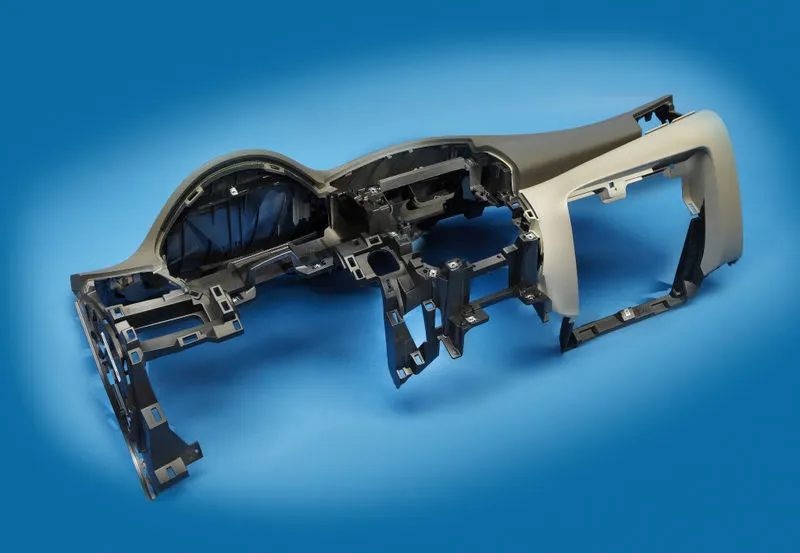
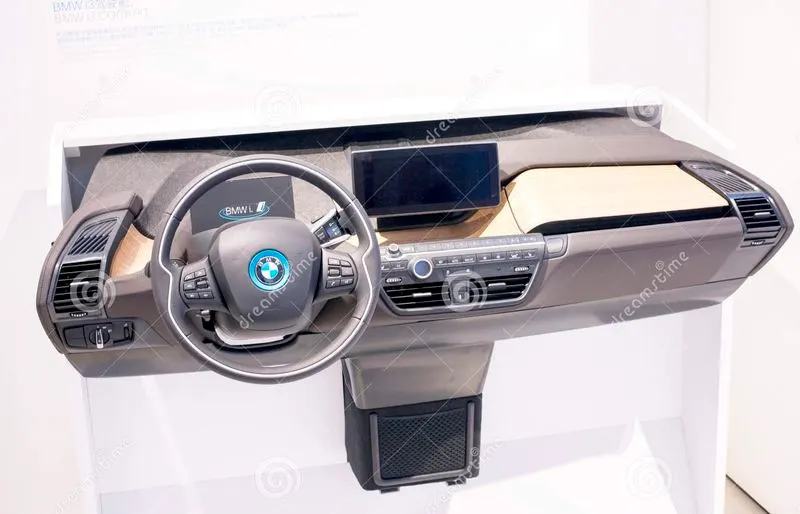
A dashboard (instrument panel (IP), or fascia) is a control panel usually located directly ahead of a vehicle's driver, displaying instrumentation and controls for the vehicle's operation. These days car dashboards may include so many indicators like speedometer, tachometer, odometer, fuel gauge, turn indicators, gear shift position indicator, seat belt warning light, engine-malfunction lights. Other features may include a gauge for alternator voltage, indicators for low fuel, low oil pressure, low tire pressure and faults in the airbag (SRS) systems, lighting controls, safety systems, entertainment equipment, navigation systems etc.
PROCEDURE:
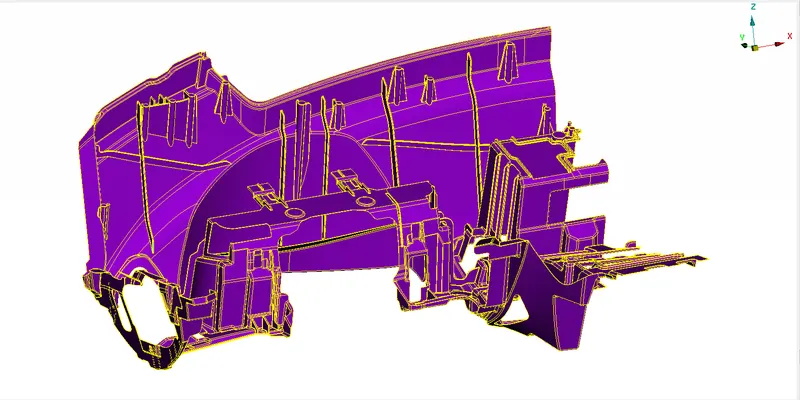
step 1:
Import the geometry into ANSA and do topo to stitch the surfaces. Assign PID for the whole geometry.
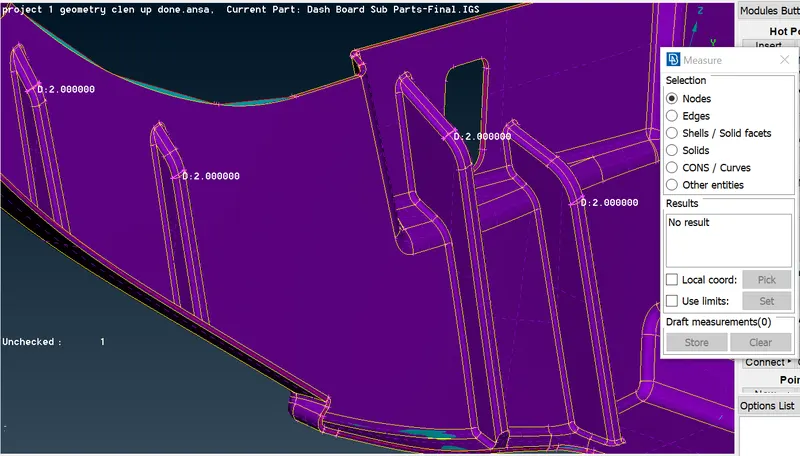
step 2 :
measuring the thickness of the feature of the geometry and assign the thickness to the ribs dog house and feature
Step 3 :
Clean the geometry using checks manager. Enable unchecked faces, collapsed cons, triple cons, needle faces, overlapped faces, cracks, single cons. Clear all these issues until no error is found. One can use fix option in ANSA to clear all the errors automatically. However, sometimes manual intervention is required for fixing some errors.
Step 4: (midsurface generation of the geometry )
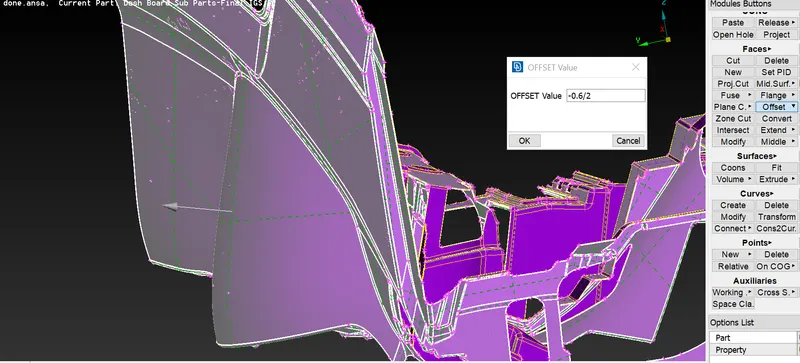
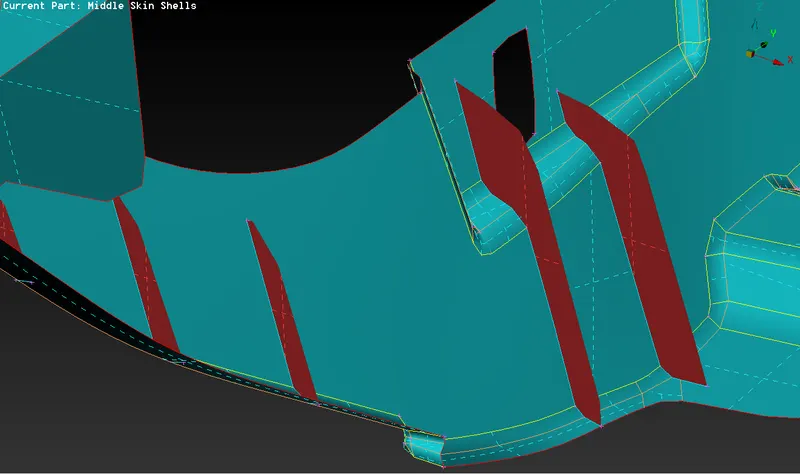
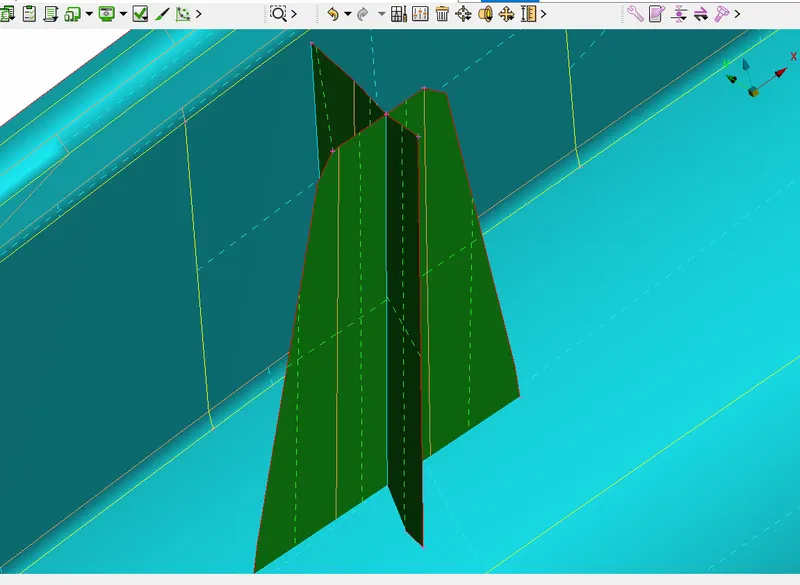
in this geometry there are many feature like ribs dog hole. mid surface generation of the different feature is different
- mid surface generation of base of the ip using offeset
- for ribs, first use middle single then generate middle curve on the upper face of the rib and generate new face between middle curve and middle surface
- mid surface of the dog house
 in this way all mid surface of the each feature can be captured easily
step 5 :
after mid surface generation of the each feature, it is important to check the geometry so that no geometrical error is availible during the meshing otherwise good mesh quality cant be maintained
step 6 :
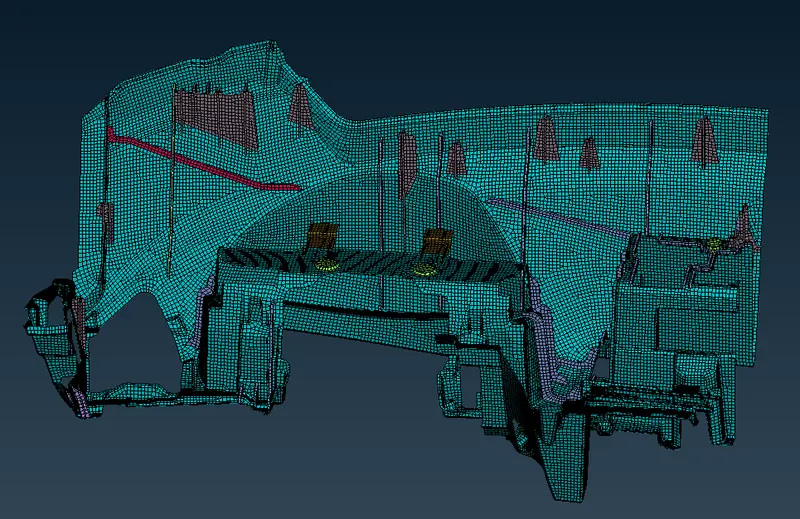
meshing of midsurface
meshing can be generated by two way first batch meshing or manual meshing. before meshing load quality criteria and mesh parameter as per given condition
CONCLUSION :
In this project, I have generated mid surfaces using different options available in ANSA. Able to defeature and do line adujstments in some areas. Did topological clean up. Understood about transparency mode and the concepts related in generating mid surface for different features. Able to achieve better mesh flow using smooth,reconstruct,swap,paste,move options. Eliminated kinks and raised edges. Successfully generated mid surface and meshed whole Instrument panel usinh ANSA.
LEARNING OUTCOMES :
- Able to do topological clean-up with no errors.
- Assigned separate PIDs for different surfaces.
- Able to generate mid surface for complex geometry with varying thicknesses.
- Aware of all the quality criterias and quality parameters during mesh generation.
- Understood about mesh generation and implemented mesh generation for complex geometry.
- Learned how to improve mesh flow and remove trias to achieve better mesh flow.
- Understood all the concepts regarding mid surface generation and meshing in ANSA.
google drive link
https://drive.google.com/file/d/1qKTL0gBmy6parCaNKv4p08TgarMxSDCS/view?usp=sharing