Project 1
ELECTRICAL DEFINITION:
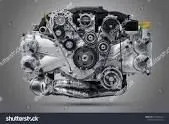
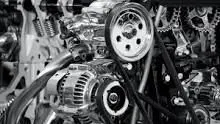
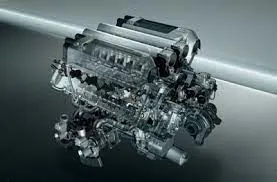
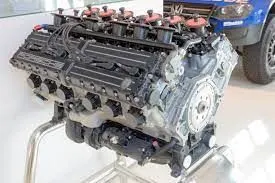
Mechanical Components in Engine:
-
Engine Block: The engine block is the main housing for the internal combustion engine. It provides the structure and support for various components, including the cylinders, pistons, and crankshaft.
-
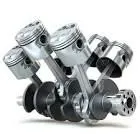
Pistons: Pistons are cylindrical components that move up and down inside the engine cylinders. They are connected to the crankshaft via connecting rods and transfer the force generated by the combustion process to the crankshaft.
-
Crankshaft: The crankshaft is a shaft with a series of offset crankpins. It converts the reciprocating motion of the pistons into rotary motion, which ultimately drives the wheels of the vehicle.
-
Camshaft: The camshaft controls the opening and closing of the engine's intake and exhaust valves. It has lobes or cams that press against the valves, allowing fuel-air mixture to enter the cylinders and exhaust gases to exit.
-
Valves: Valves regulate the flow of fuel-air mixture into the cylinders and the release of exhaust gases. They are opened and closed by the camshaft and are essential for the proper functioning of the engine.
-
Cylinder Head: The cylinder head is mounted on top of the engine block and houses the combustion chambers, valves, and spark plugs. It ensures a tight seal and proper cooling of the engine.
-
Timing Belt/Chain: The timing belt or chain connects the crankshaft and camshaft, synchronizing their rotation. It ensures that the valves open and close at the correct time in relation to the movement of the pistons.
-
Fuel Injectors: Fuel injectors are responsible for delivering the precise amount of fuel into the combustion chambers. They atomize the fuel, allowing for efficient combustion.
Mechanical Components in Car Door:
-
Door Frame: The door frame provides structural support and rigidity to the car door. It holds the various components together and provides a mounting point for the hinges and latches.
-
Hinges: Hinges allow the door to swing open and close. They are typically located on the A-pillar (front door) or B-pillar (rear door) of the vehicle and provide a pivot point for the door's movement.
-
Latch Mechanism: The latch mechanism keeps the door securely closed when it is shut. It consists of a striker plate mounted on the vehicle body and a latch assembly attached to the door. When the door is closed, the latch engages with the striker plate, keeping the door locked.
-
Door Handle: The door handle is used to open and close the door from the outside. It is connected to the latch mechanism and operates a series of rods or cables that actuate the latch when the handle is pulled or pushed.
-
Window Regulator: The window regulator allows for the movement of the window glass up and down. It is typically operated by an electric motor or manual crank mechanism, enabling the driver or passengers to control the window's position.
-
Door Lock: The door lock mechanism secures the door and prevents unauthorized entry. It can be operated manually using a key or electronically through a central locking system.
-
Weatherstripping: Weatherstripping is a seal located around the door's perimeter. It helps to keep out water, dust, and noise, providing a tight seal when the door is closed.
-
Door Panel: The door panel covers the inner side of the door and provides an aesthetically pleasing finish. It often houses components such as speakers, window switches, and armrests.
To ensure proper routing of a bundle without interference and to provide support using clips and clamps, you can follow these general guidelines:
-
Assess the bundle: Determine the size, weight, and flexibility of the bundle you need to route. This information will help you choose the appropriate clips and clamps for support.
-
Plan the route: Identify the optimal path for routing the bundle, considering factors such as avoiding sharp bends, minimizing exposure to heat sources, and preventing interference with other components or moving parts.
-
Select appropriate clips and clamps: Based on the characteristics of the bundle, choose the right type of clips and clamps. There are various options available, such as plastic cable clips, adhesive mounts, adjustable cable clamps, or metal wire clips. Consider factors like material, size, load capacity, and installation method.
-
Positioning the clips and clamps: Install the clips and clamps at suitable intervals along the planned route. Ensure that they are securely attached to the surface and provide adequate support for the bundle. Follow any manufacturer instructions or guidelines for proper installation.
-
Secure the bundle: Carefully position the bundle within the clips and clamps, making sure it fits securely without being overly compressed or strained. Avoid excessive tension that could damage the wires or cables.
-
Test for interference: Verify that the routed bundle does not interfere with other components or moving parts in the system. Move or adjust the clips and clamps as necessary to eliminate any potential issues.
-
Provide clearance: Make sure the routed bundle has sufficient clearance from heat sources, sharp edges, or any other potential hazards that could cause damage or interference.
-
Labeling: Consider labeling or marking the bundle at specific points to assist with identification and troubleshooting if necessary.
REPORT WRITING OF ENGINE:
-
Introduction: This report presents a comprehensive analysis of engines, focusing on their design, functionality, and performance. Engines are vital components in various industries, including automotive, aerospace, marine, and power generation. This report aims to provide a detailed overview of engine types, their working principles, and key considerations for optimal performance.
-
Engine Types: 2.1 Internal Combustion Engines (ICE): 2.1.1 Spark Ignition Engines (SI) 2.1.2 Compression Ignition Engines (CI)
2.2 Electric Motors: 2.2.1 DC Motors 2.2.2 AC Motors 2.2.3 Brushless Motors
-
Engine Components: 3.1 Combustion Chamber 3.2 Cylinder Block 3.3 Piston and Connecting Rod 3.4 Crankshaft 3.5 Camshaft 3.6 Valvetrain 3.7 Fuel System 3.8 Ignition System 3.9 Cooling System 3.10 Lubrication System
-
Working Principles: 4.1 Internal Combustion Engines: 4.1.1 Four-Stroke Cycle 4.1.2 Two-Stroke Cycle
4.2 Electric Motors: 4.2.1 Electromagnetic Principles 4.2.2 Power Conversion and Control
-
Performance Factors: 5.1 Power Output 5.2 Fuel Efficiency 5.3 Emissions 5.4 Reliability 5.5 Durability 5.6 Maintenance Requirements
-
Engine Applications: 6.1 Automotive Industry 6.2 Aerospace Industry 6.3 Marine Industry 6.4 Power Generation 6.5 Industrial Machinery
-
Emerging Trends: 7.1 Hybrid Engines 7.2 Electric Vehicle (EV) Technology 7.3 Alternative Fuels 7.4 Lightweight Materials 7.5 Advanced Engine Control Systems
-
Conclusion: Engines play a critical role in powering various applications across industries. This report has provided an extensive overview of engine types, components, working principles, performance factors, applications, and emerging trends. Understanding the intricacies of engines is essential for improving efficiency, reducing emissions, and embracing sustainable solutions in the ever-evolving world of transportation and power generation.
-
Recommendations: 9.1 Invest in research and development to improve fuel efficiency and reduce emissions. 9.2 Embrace alternative fuel options and promote their adoption in various industries. 9.3 Encourage the use of lightweight materials to enhance overall engine efficiency. 9.4 Foster collaboration between engine manufacturers and vehicle/power system designers for optimal integration and performance. 9.5 Continue to explore advanced engine control systems to optimize engine operations and improve overall performance.
REPORT WRITING OF CAR DOOR:
-
Introduction The purpose of this report is to provide a detailed analysis of the car door, focusing on its design, functionality, and safety features. Car doors play a vital role in ensuring passenger safety and convenience while also contributing to the overall aesthetics and performance of the vehicle.
-
Design and Construction Car doors are typically composed of various components, including the outer panel, inner panel, reinforcements, hinges, latches, handles, and window mechanisms. These components are carefully designed and manufactured to meet structural integrity, weight, and aesthetic requirements. The materials commonly used for car doors include steel, aluminum, and composite materials, depending on the vehicle's specifications and desired characteristics.
-
Functionality Car doors serve several essential functions, including: a. Entry and Exit: Doors provide a means for occupants to enter and exit the vehicle easily. b. Protection: They protect occupants from external elements such as rain, wind, and debris. c. Safety: Car doors are designed to provide a protective barrier in the event of a collision, minimizing the risk of injury to occupants. d. Security: Doors can be locked to prevent unauthorized access to the vehicle and enhance security. e. Noise Reduction: Well-designed doors help reduce exterior noise, providing a quieter cabin environment.
-
Safety Features Car doors incorporate various safety features to enhance occupant protection. These features may include: a. Reinforcements: Doors are reinforced with high-strength materials, such as steel beams or composites, to increase structural rigidity and impact resistance. b. Side Impact Beams: Integrated beams within the doors help distribute crash forces and protect occupants during side collisions. c. Airbags and Sensors: Some advanced car models feature side airbags or curtain airbags that deploy from the doors in the event of a side impact. Door sensors also contribute to the overall safety system by detecting potential obstacles or obstructions.
-
Maintenance and Care Proper maintenance of car doors is essential to ensure their optimal functionality and longevity. Regular inspection of hinges, latches, and weather stripping is necessary to identify any signs of wear or damage. Lubrication of hinges and latches should be performed as recommended by the manufacturer. Additionally, keeping the door seals clean and free from debris will help maintain an effective seal against water and noise.
-
Conclusion Car doors are critical components of any vehicle, providing entry, protection, safety, and security. They are meticulously designed and engineered to meet rigorous standards and regulations. Manufacturers continuously strive to improve door design and incorporate advanced safety features to enhance occupant protection. Regular maintenance and care are vital to ensure the longevity and proper functioning of car doors.