Project 1
Part A
1. Respiratory system
common clinical conditons are Asthma, Chronic Obstructive Pulmonary Disease (COPD), Chronic Bronchitis, Lung Cancer, Cystic, Fibrosis/Bronchiectasis, Pneumonia.
Asthma
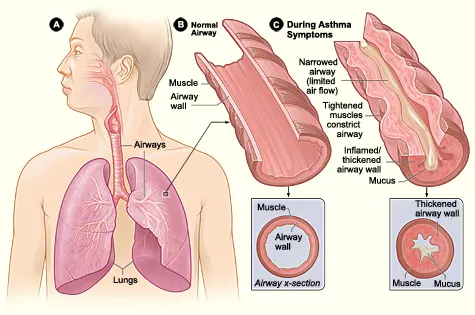
Asthma is a chronic (long-term) major non-communicable condition that affects the airways in the lungs.
Lungs
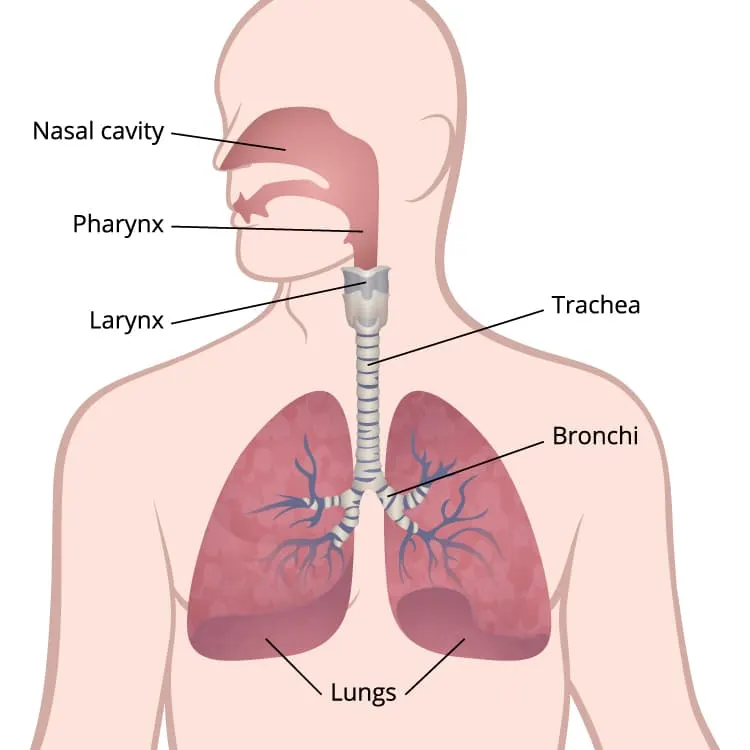
Respiratory tract
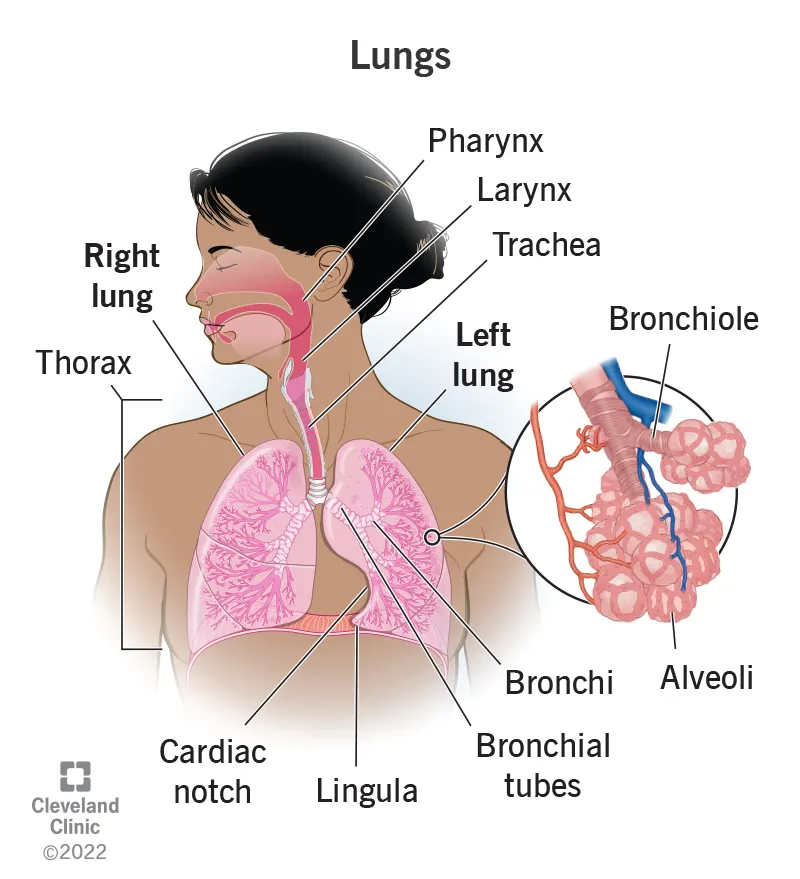
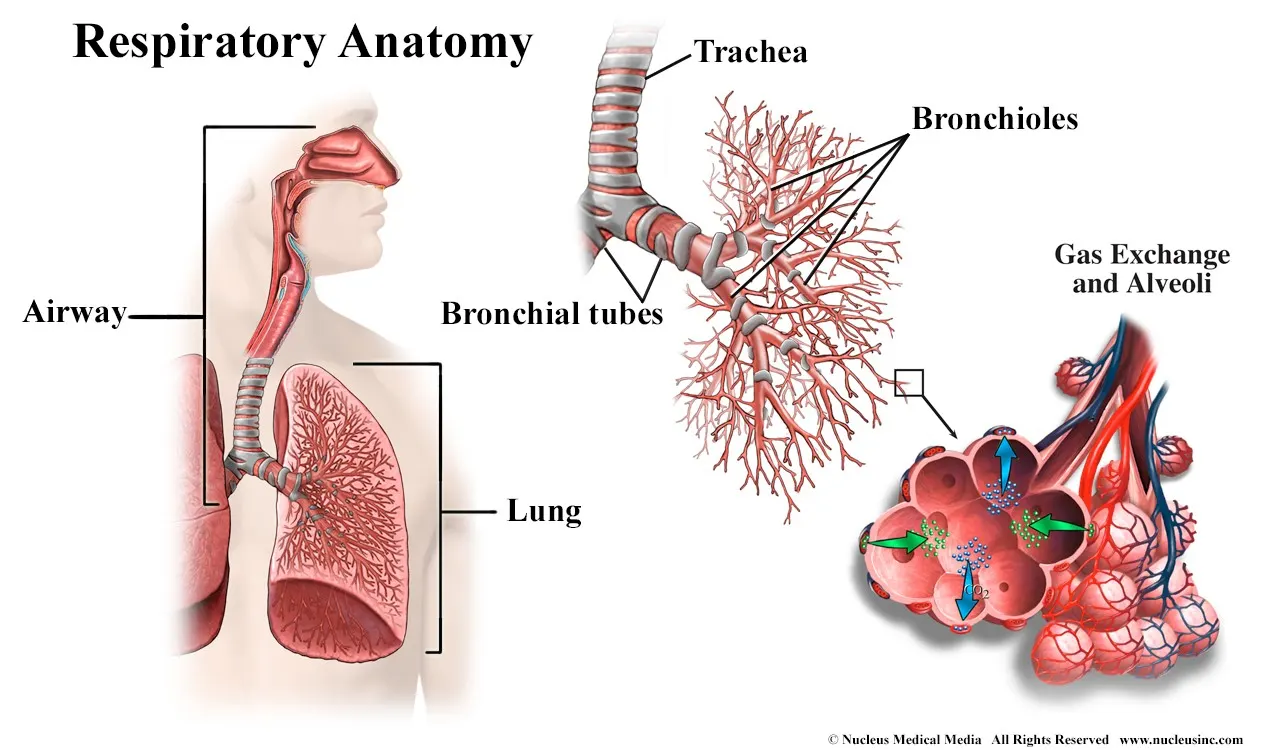
Parts of the lung
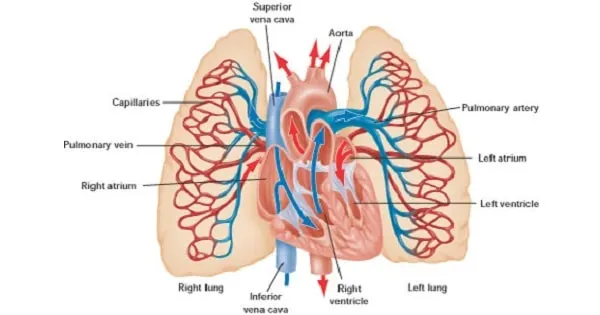
Blood supply of the lung
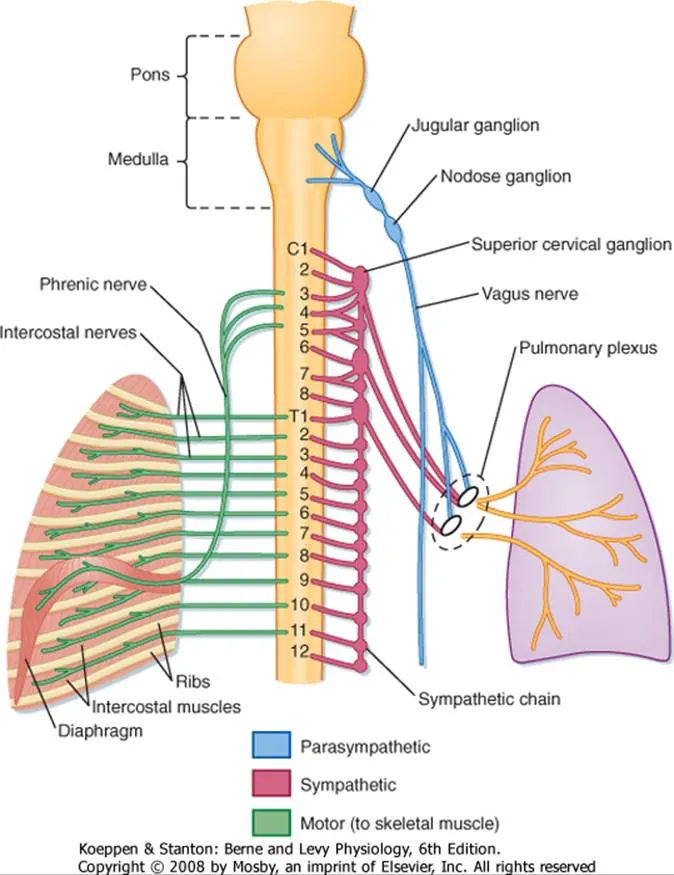
Nerves of the lung
Asthma
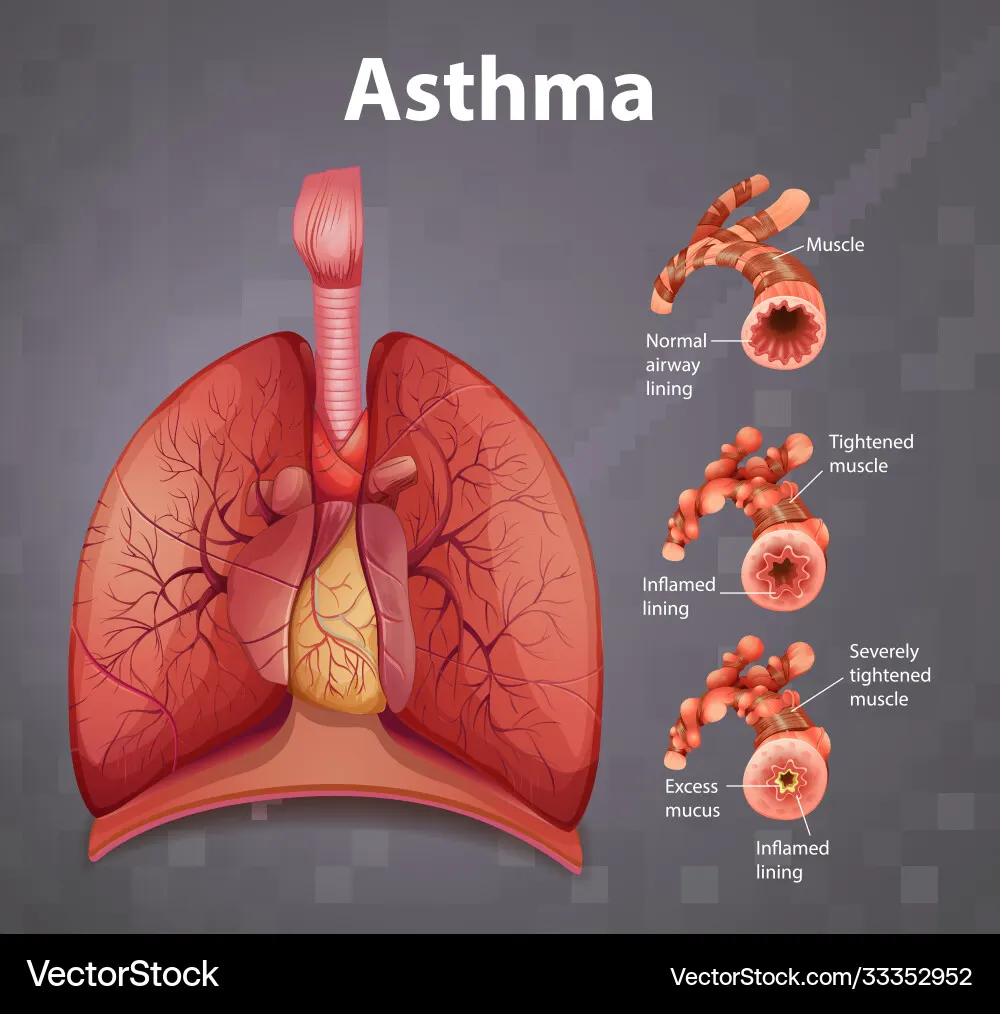
Asthma makes our airways narrow and swell which also produce extra mucous. It makes breathing difficult with cough and sound while breathing.
Some common cause
Allergies, air pollution,respiratory infections, weather and air temperature and some medicines also cause asthma.
Diagnostic tool
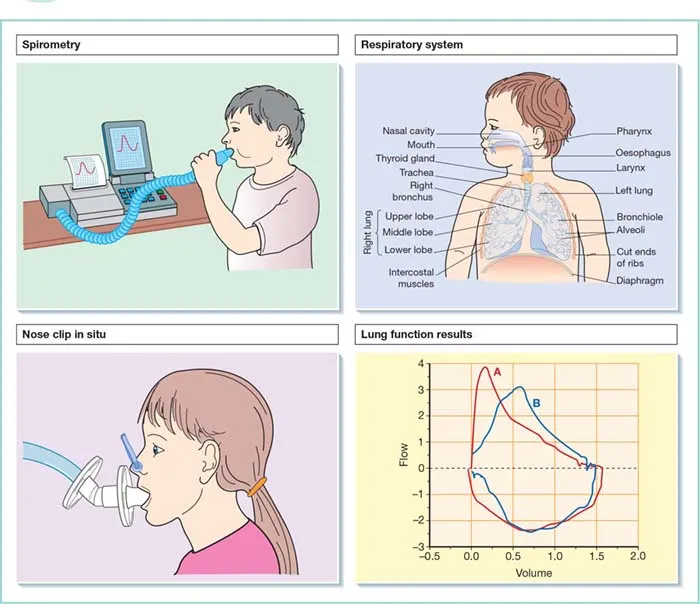
Blood eosinophil count, FeNO test - by measuring nitric oxide in our breath, spirometry - to measure the breath holding rate and fastness to breath out.
Spirometry
Surgical Procedure of Asthma
Bronchial thermoplasty along with other therapies helps in treating asthma. Heat is used to shrink the smooth muscles in the lung thus it avoids tighting that which is a cause asthma symtom.
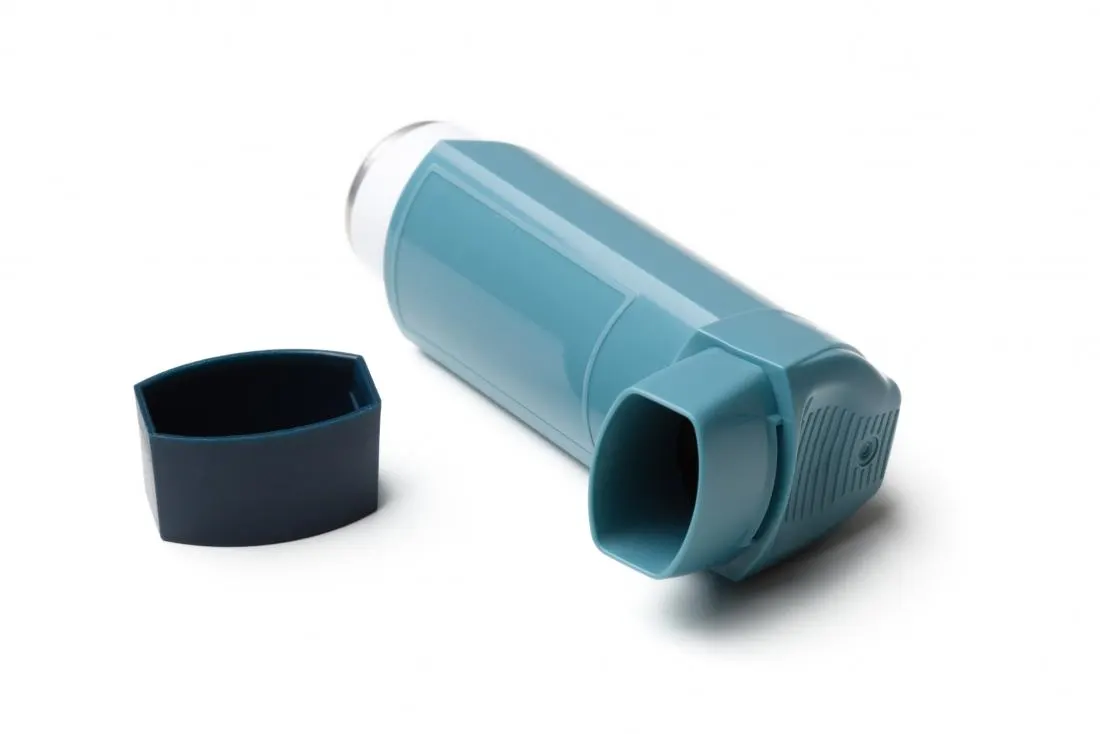
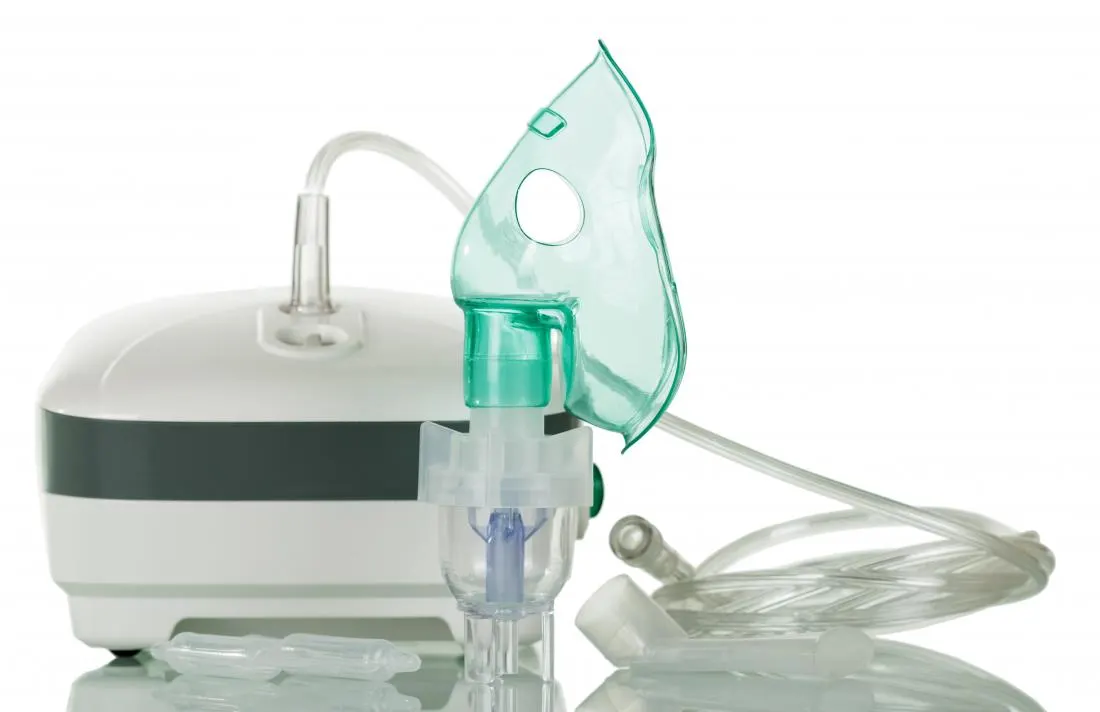
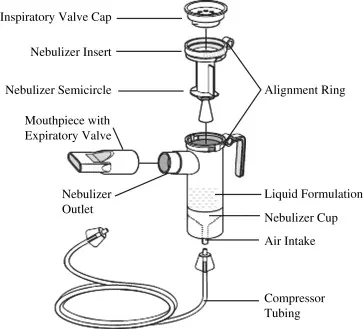
Inhalers and nebulizers are the most common devices for administering asthma drugs.
Recent Advancement
Brightling says blood tests can provide helpful information on eosinophils and other immune system players that give rise to a person's asthma symptoms.
Part B
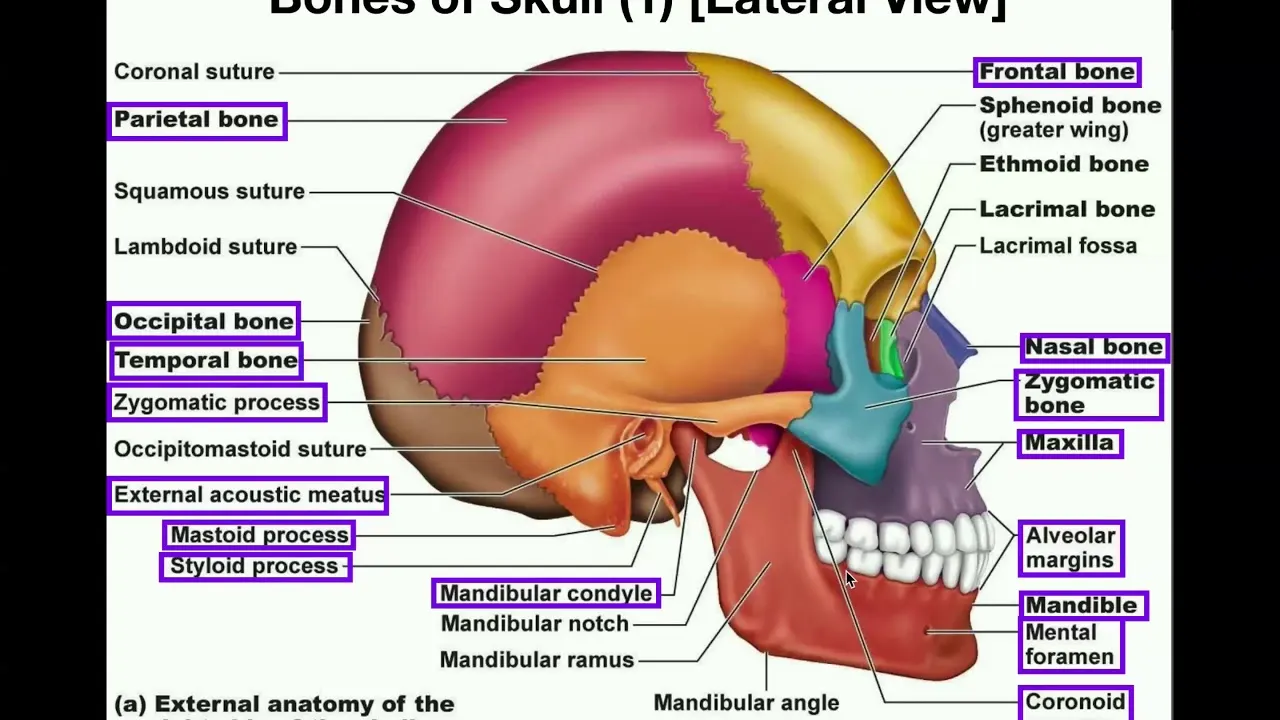
The bones in your skull can be divided into
cranial bones, which form our cranium, and
facial bones, which makes our face.
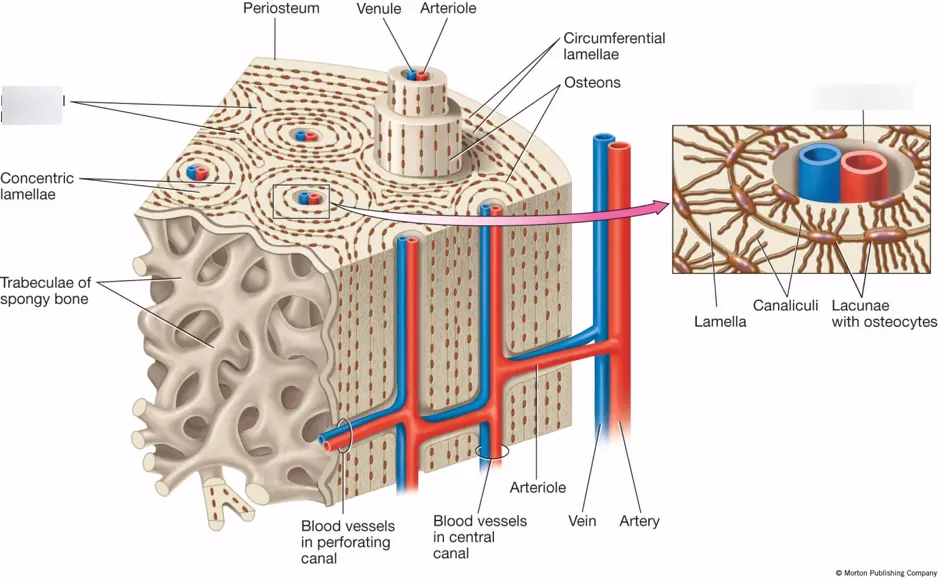
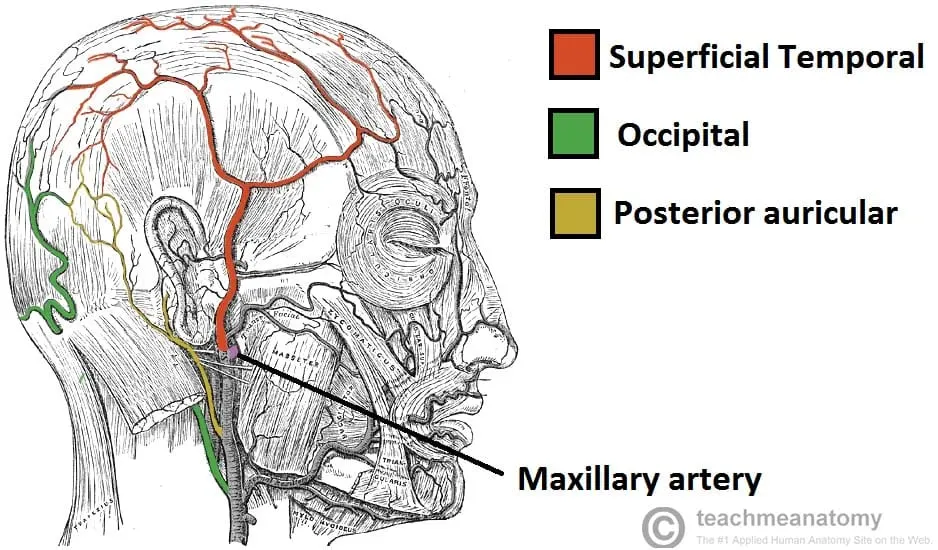
Anatomy of bone
Bone re-modelling & New bone formation
There are 3 types of bone cells
Osteocytes - These are mature bone cells
Osteoblast - These are bone forming cells
Osteoclasts - They are bone destroying cells for re-modelling - Breakdown of bone matrix and release calcium
Bone remodelling happens in process by both cytes and blasts.
There are 3 process for remodelling - resorption (where osteoclasts digest old bone) ->reversal (mononuclear cells appear on bone surface) -> formation (osteoblasts lay down new bone till the resorbed bone is completely replaced).
Ossification is formation of new bones.
Ossification begins at one point and spreads out in radial manner.
There are 2 centres of ossification - Primary & Secondary
Primary ossification happens before birth and Secondary after birth.
Bone Implant
Stainless steel was and continues to be the choice material for a wide range of orthopedic implants.
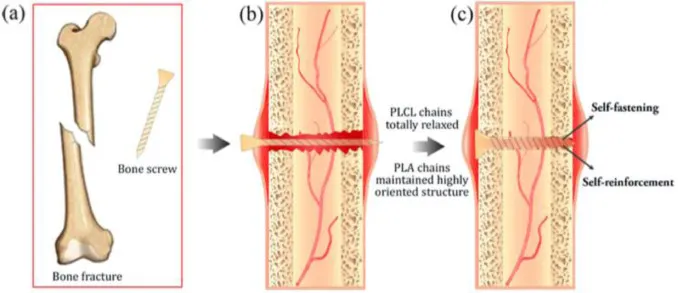
Indication for the bone implant- Prevent bone loss, Improve Psycological health,
Contraindications for the bone implant -
Bone disease, Immune system disorder, Allergies, lack of willingness to cooperate,