Mixing efficiency
Mixing efficiency of Mixingtee
General information:
Mixingtee is used in industrial applications where two or more fluids has to be mixed to get a desired third fluid of same chemical composition or of different composition. These are used in oil and gas industries ,chemical industries, Air conditioners etc. There is little or no pressure drop across these devices, which rely on advanced chemical dispersion techniques. Various types of mixingtees are available for various industrial applications.
Geometry model:
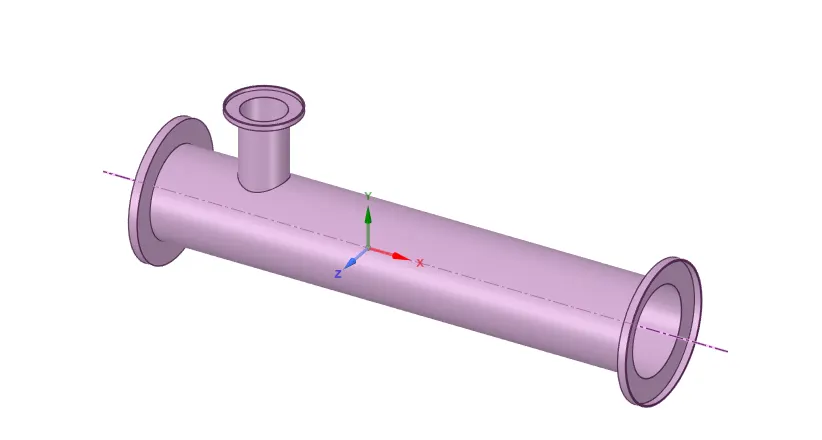
In the above mode,l flanges are not required at inlet and outlet sections so required fluid volume solid model can be extracted using spaceclaim,which is shown below.
case-1:
short mixingtee with momentum ratio=2
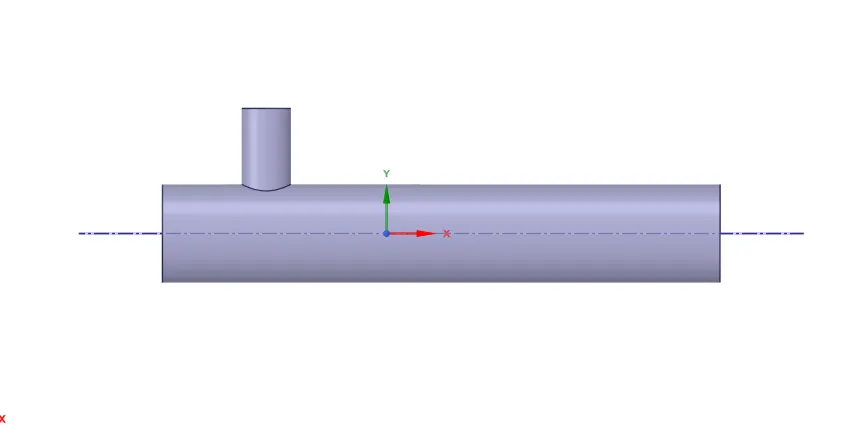
Case setup
Momentum ratio=Cold fluid velocity inlet /hot fluid velocity inlet;
Boudary conditions-
inlet-x
inlet-y
Walls
interior-volume_volume
outlet.
velocity-inlet, pressure-outlet
Hot inlet temperature:`36^oC`
Cold inlet temperature:`19^oC`
Turbulence model used: K-epsilon realizable.
Mesh model:
Default mesh size have been used
element size : 1e-2m
number of elements: 12671,
Tetrahedral cells are inside volume and triagular cells are used at walls and interior of walls
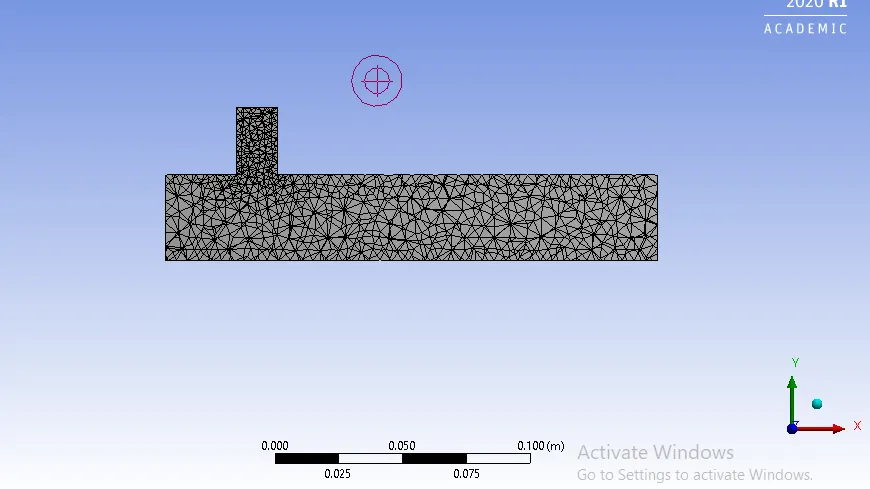
mesh quality:
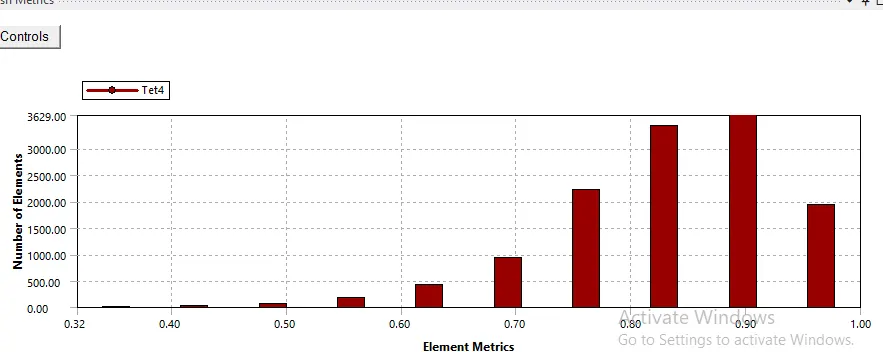
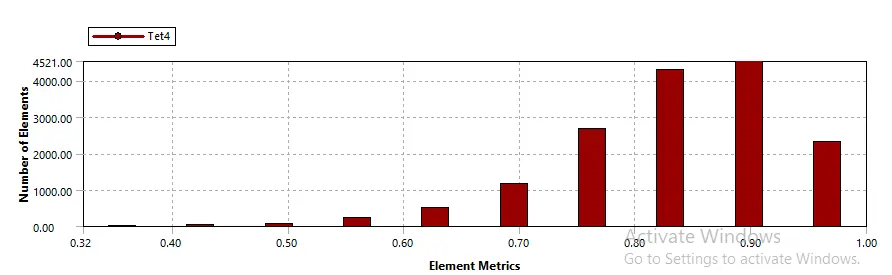
Element metrics should not be less than 5%,in the above case the least quality obtained for cells is 32%
case-2:
short mixingtee with moentum ratio=4
case setup is same as above except momentum ratio.
Turbulence model used : k-omega ,sst.
Results:
Case -1:
Convergence plots:
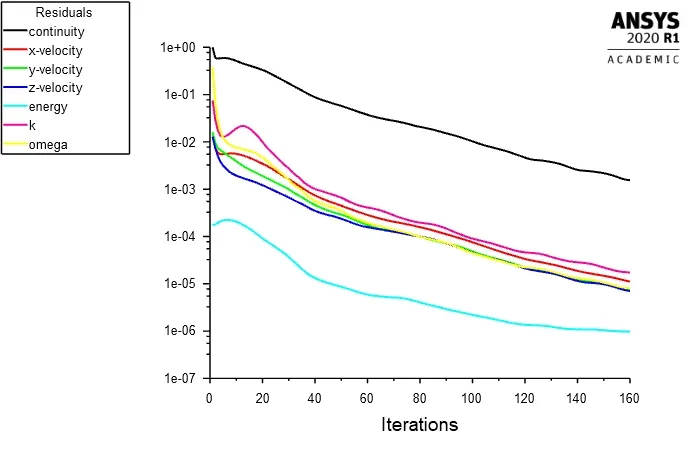
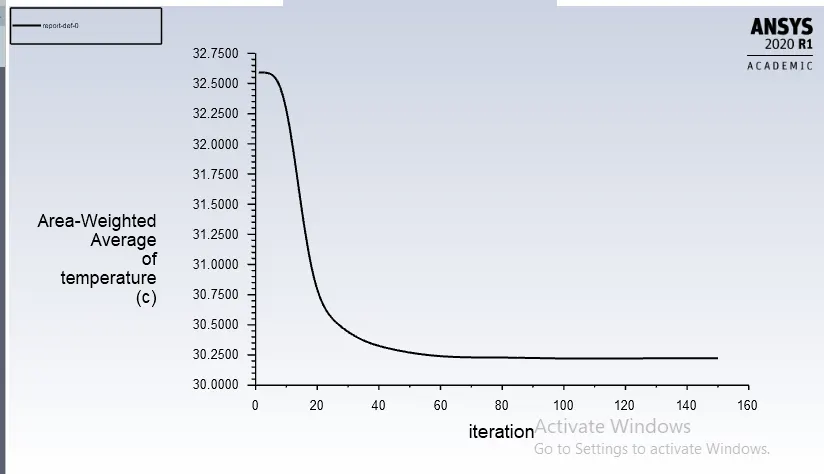
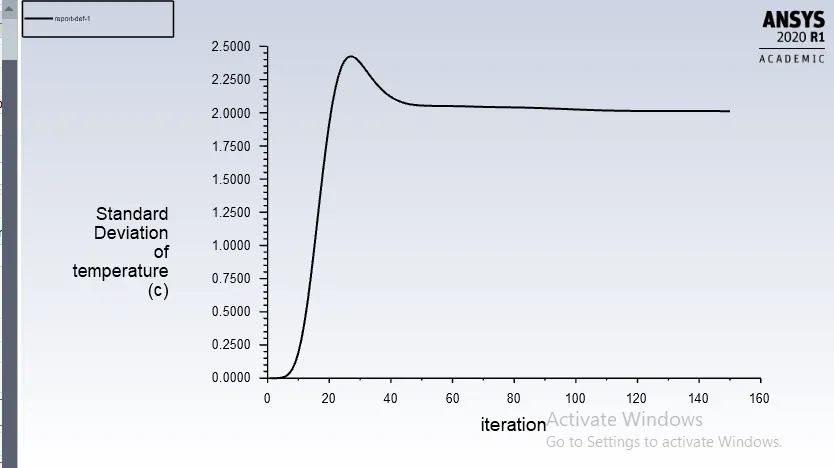
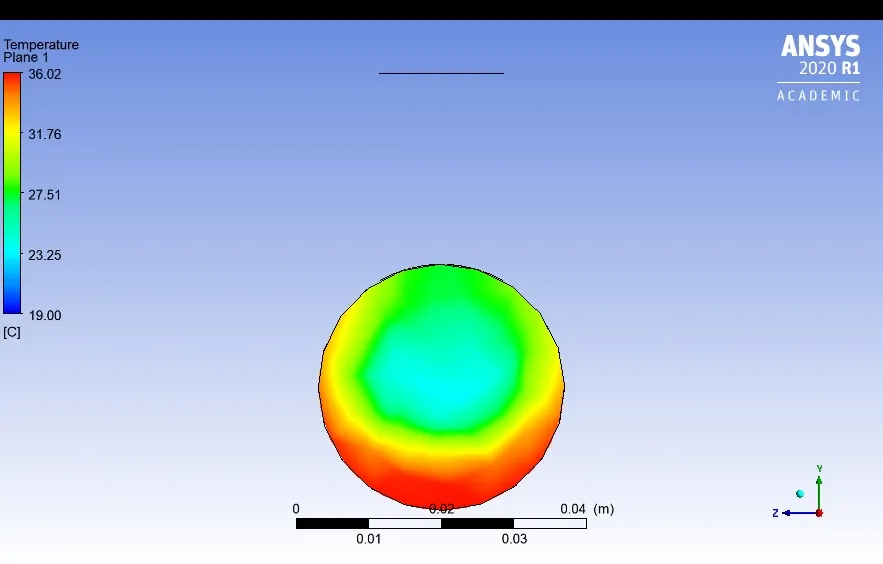
Temperature contour along and across the tube:
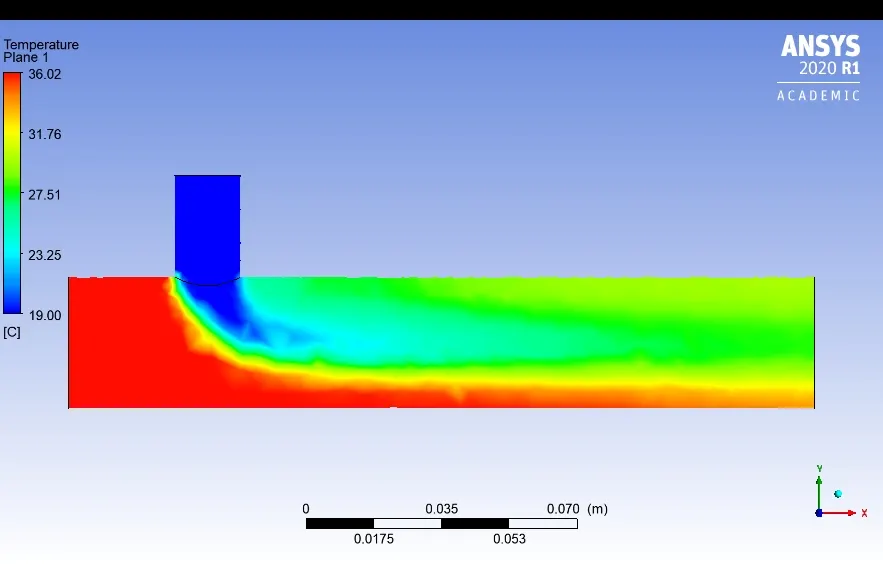
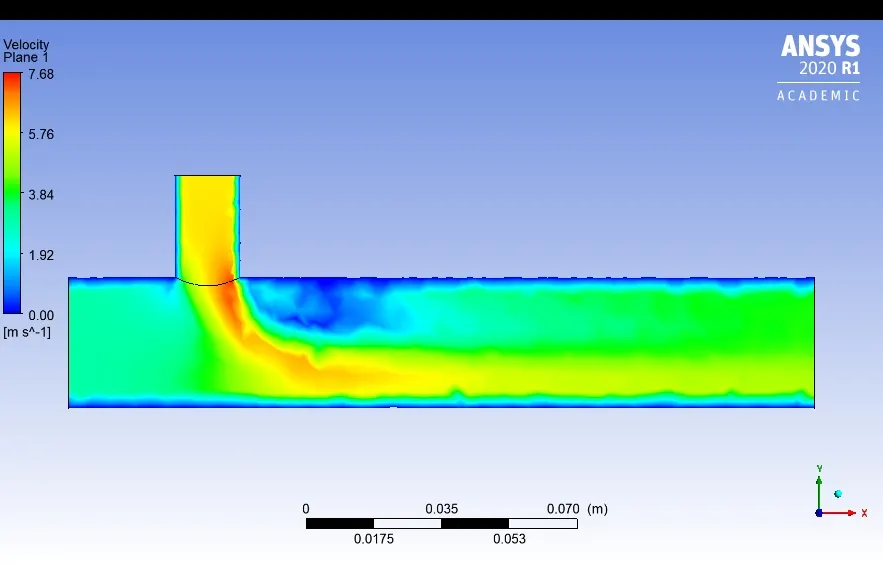
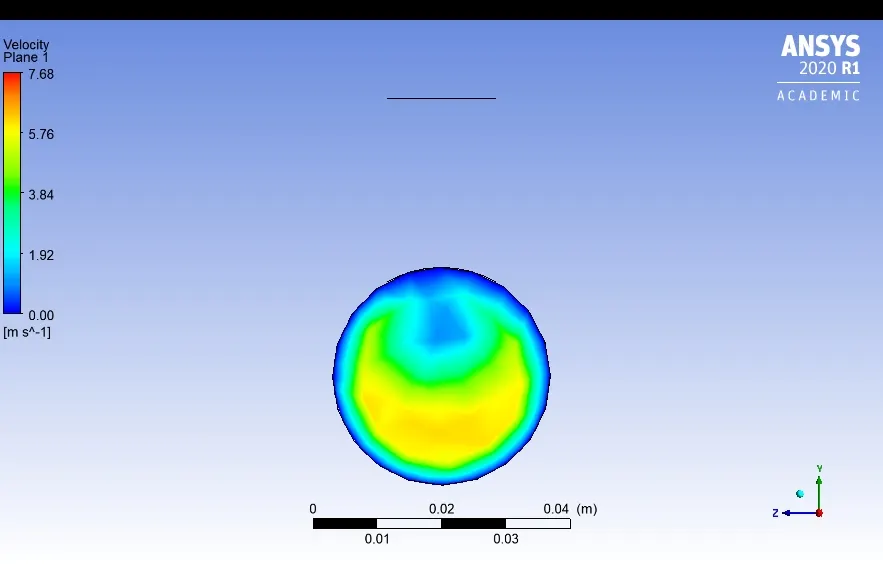
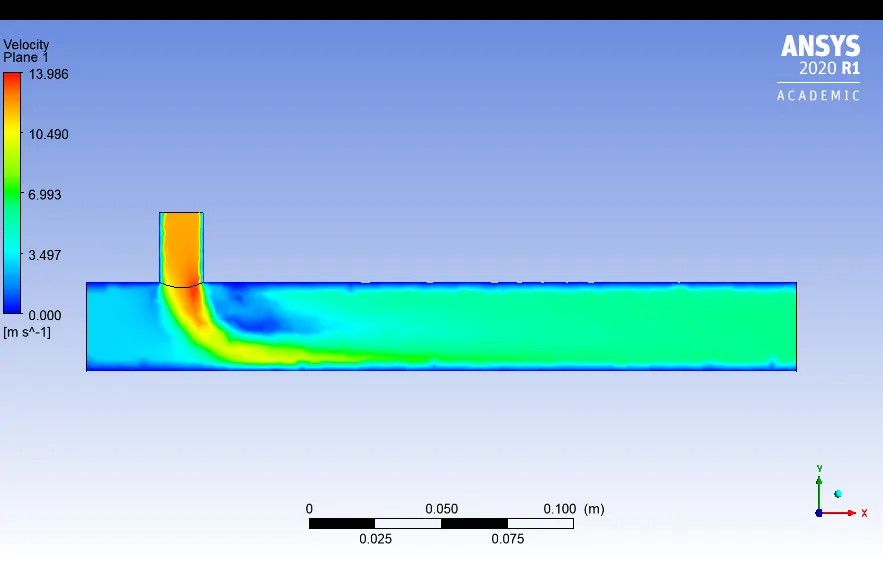
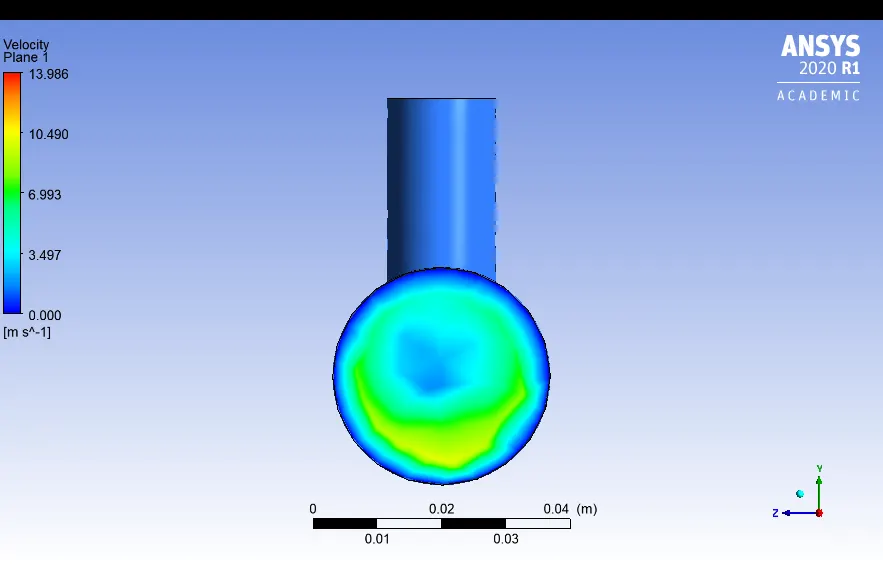
velocity contours along and across the tube:
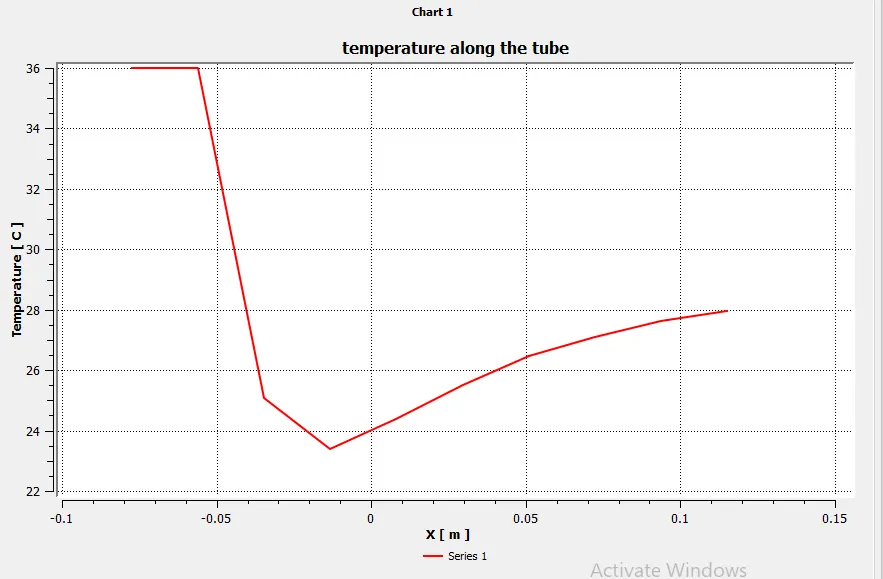
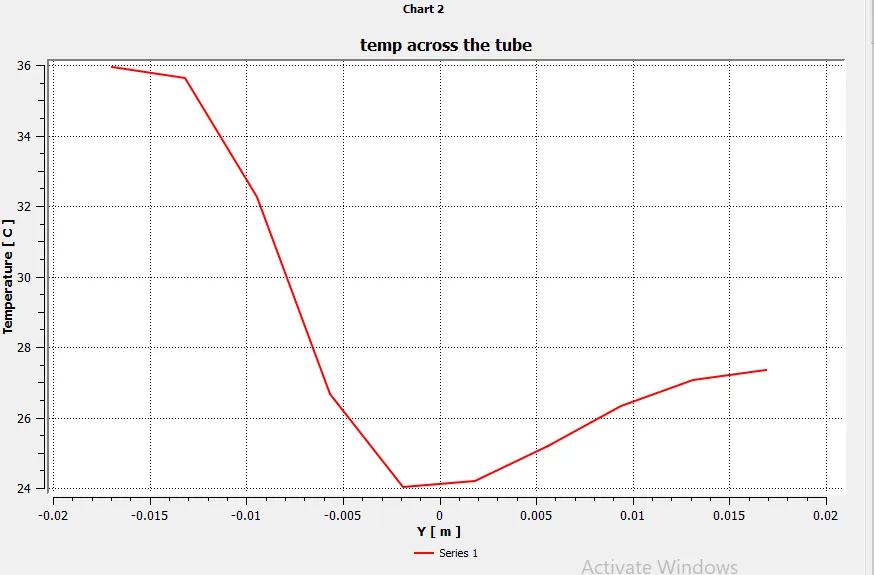
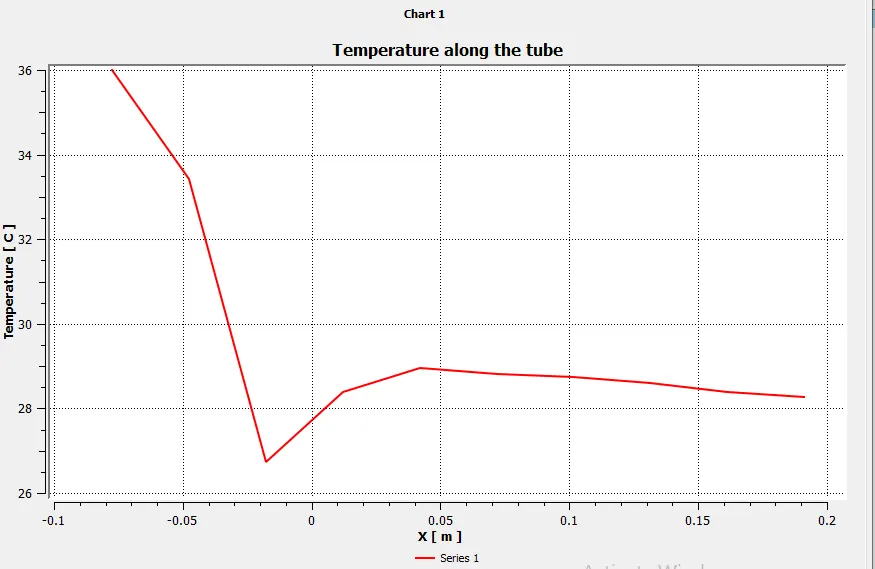
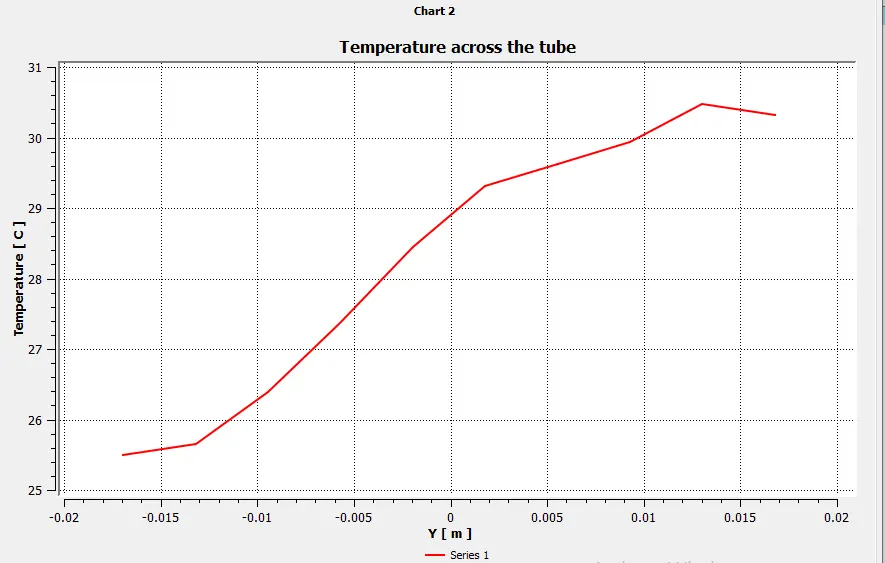
Temperature Line plots along and across the tube:
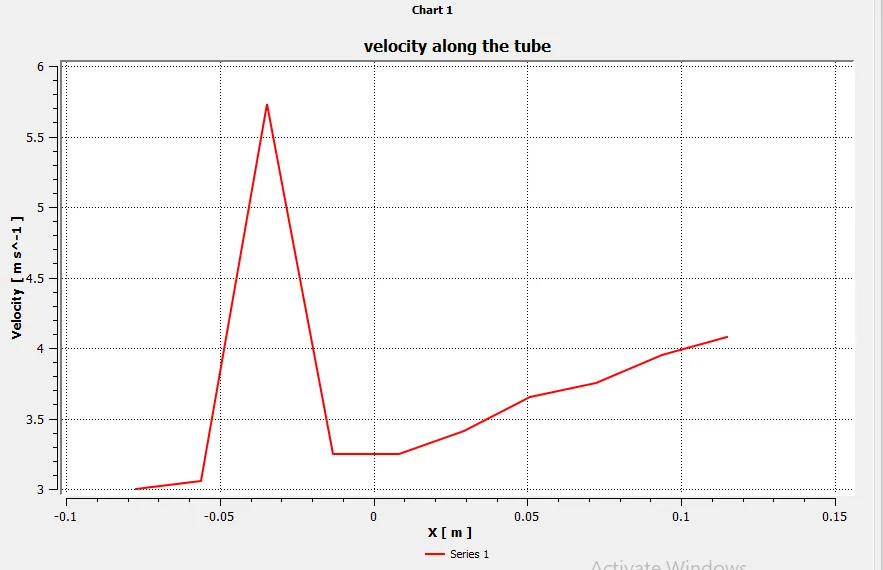
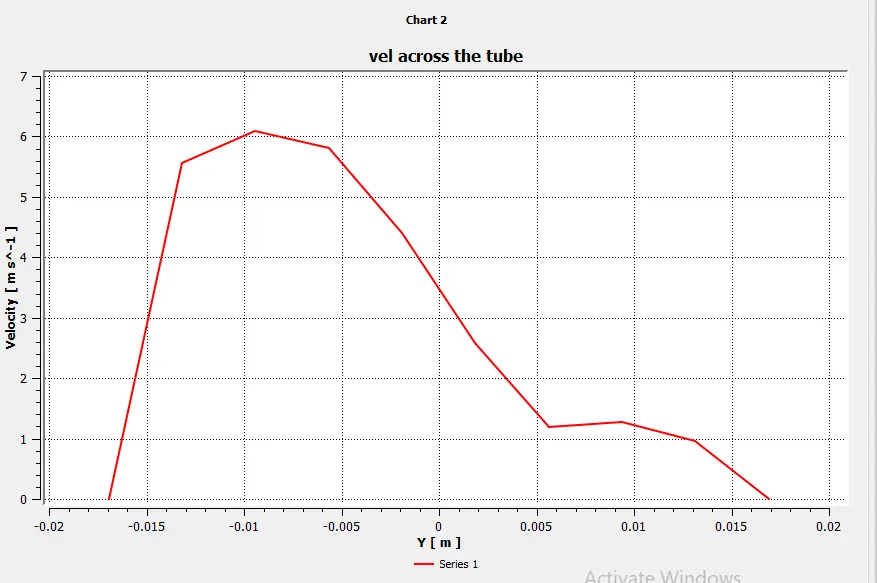
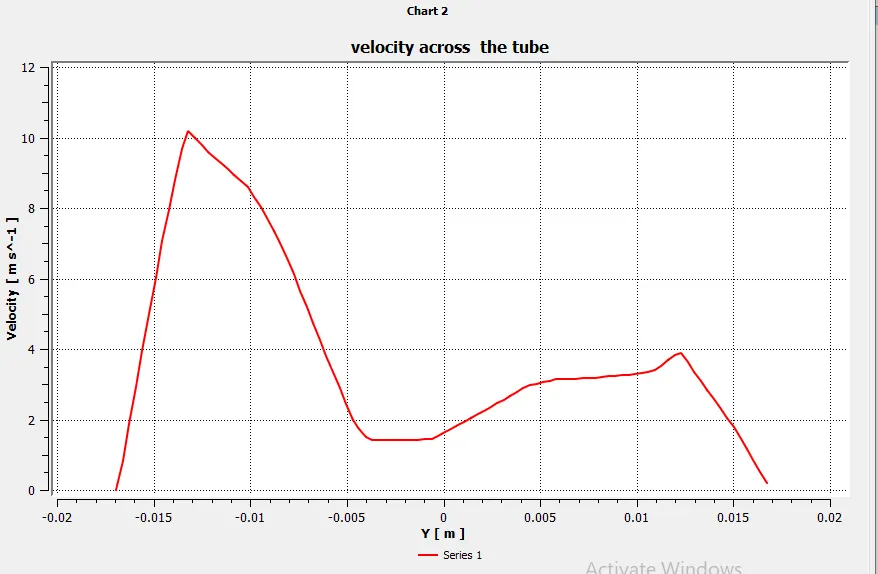
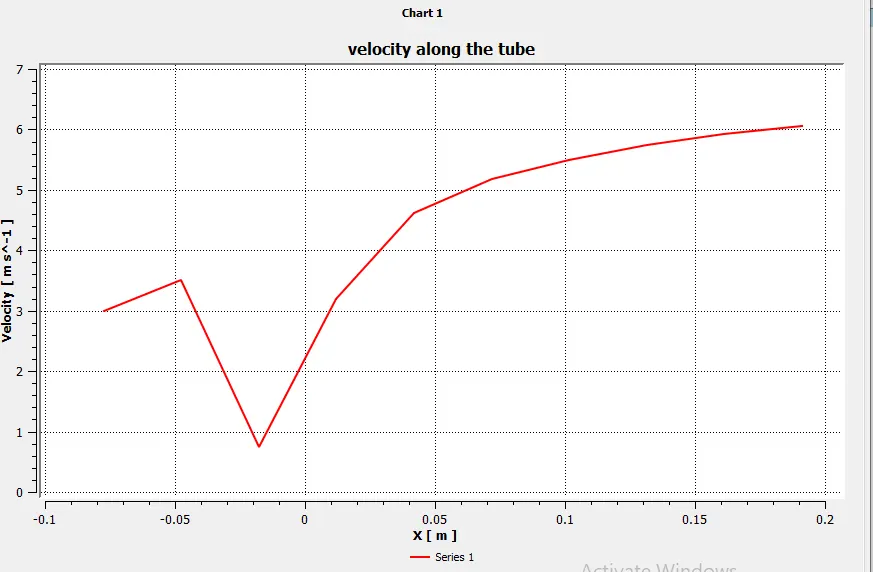
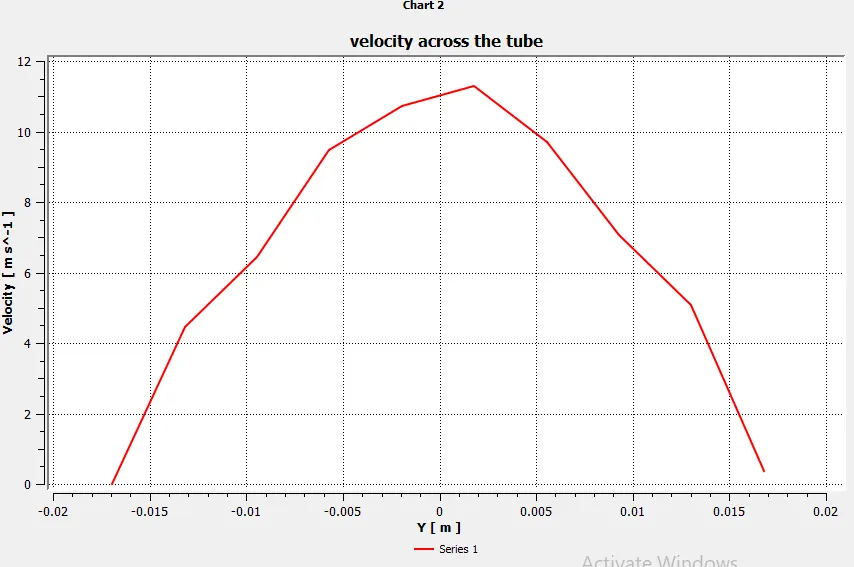
velocity line plots along and across the tube:
Case-2:
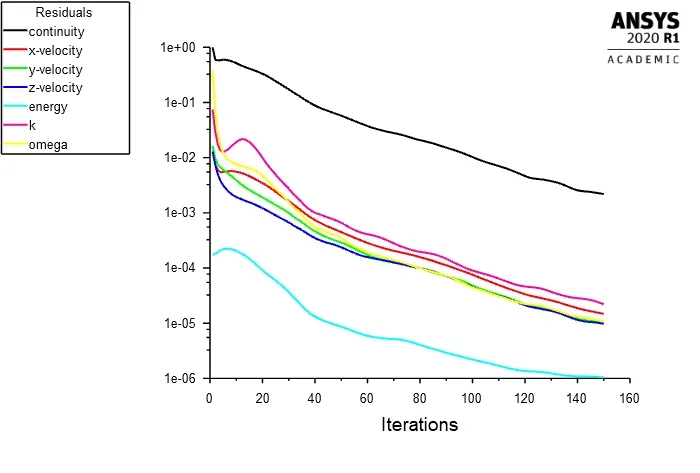
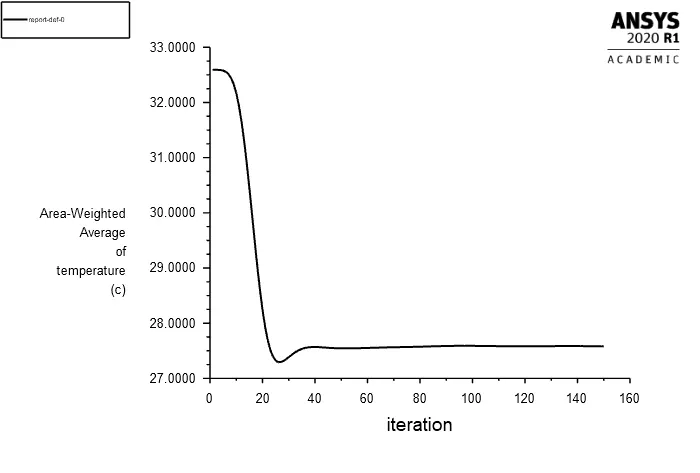
convergence plots:
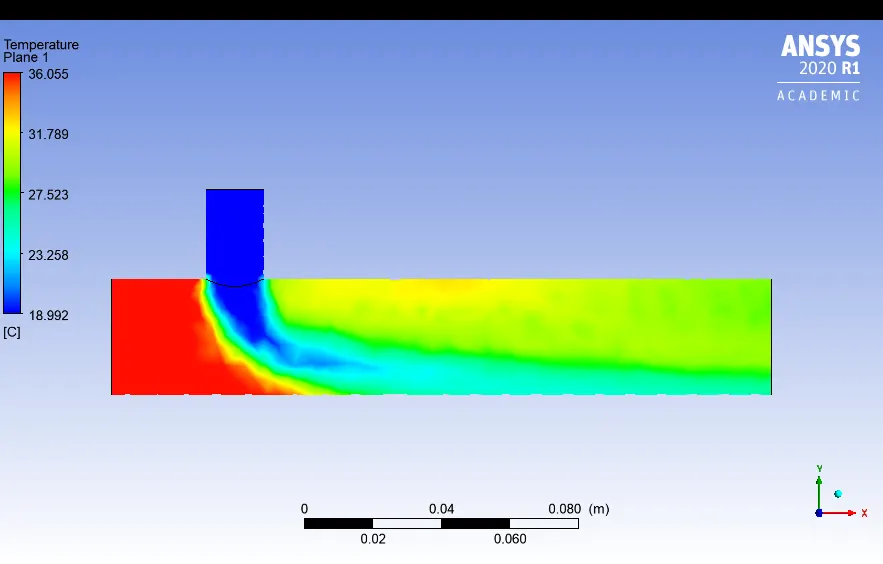
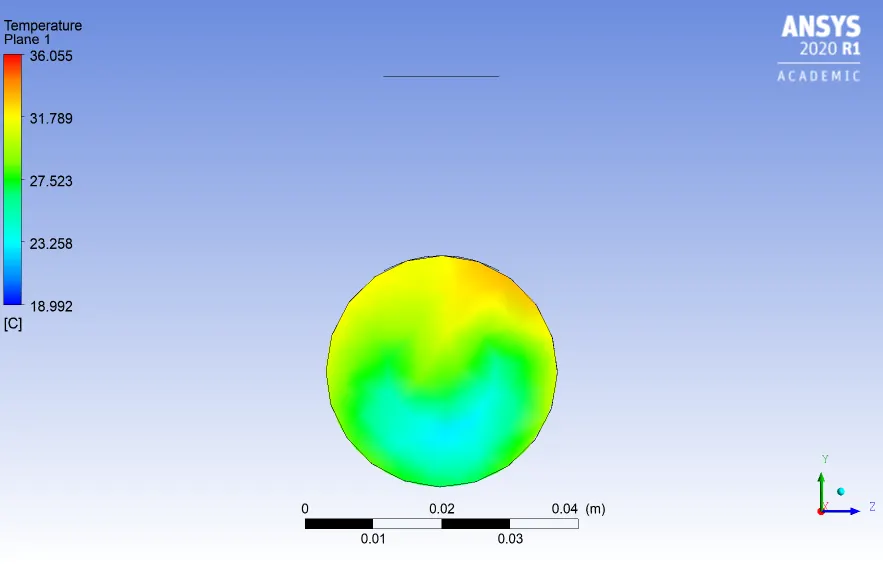
Temperature contour along and across the tube:
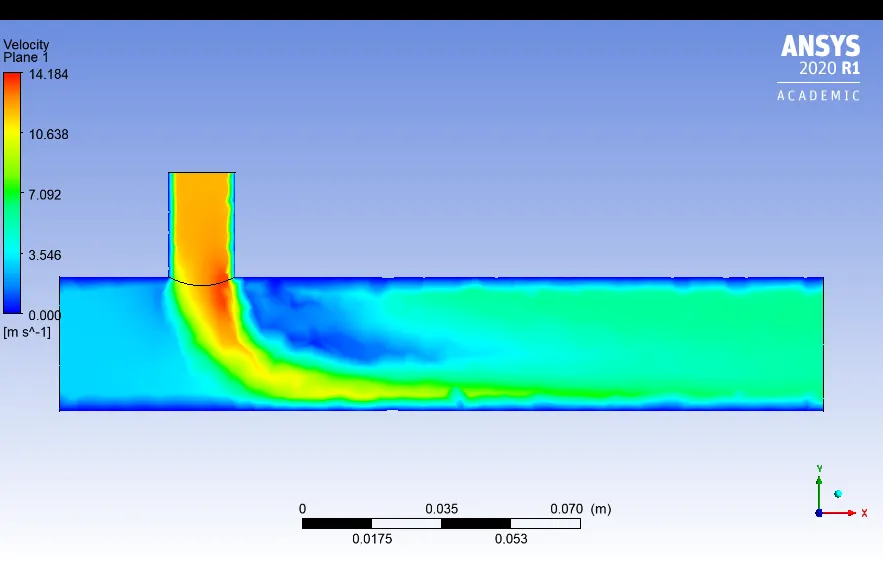
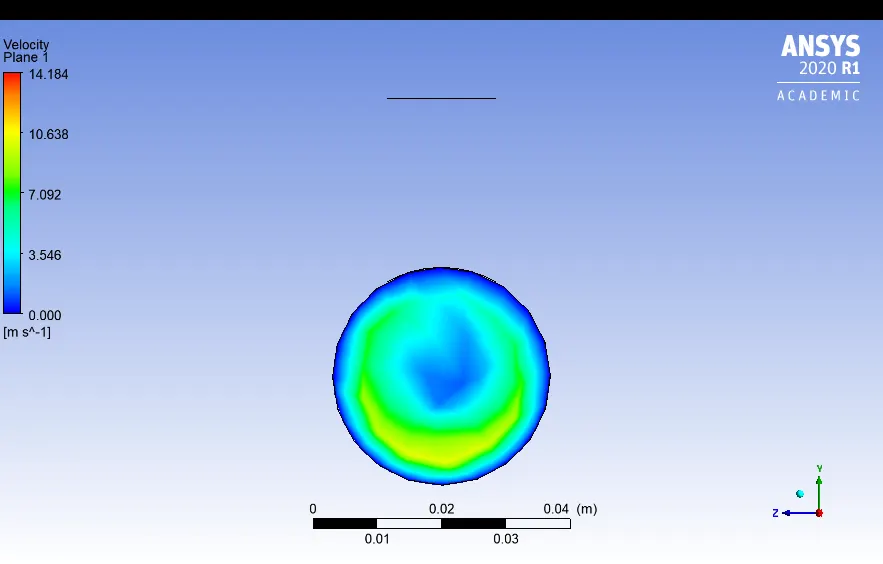
velocity contours along and across the tube:
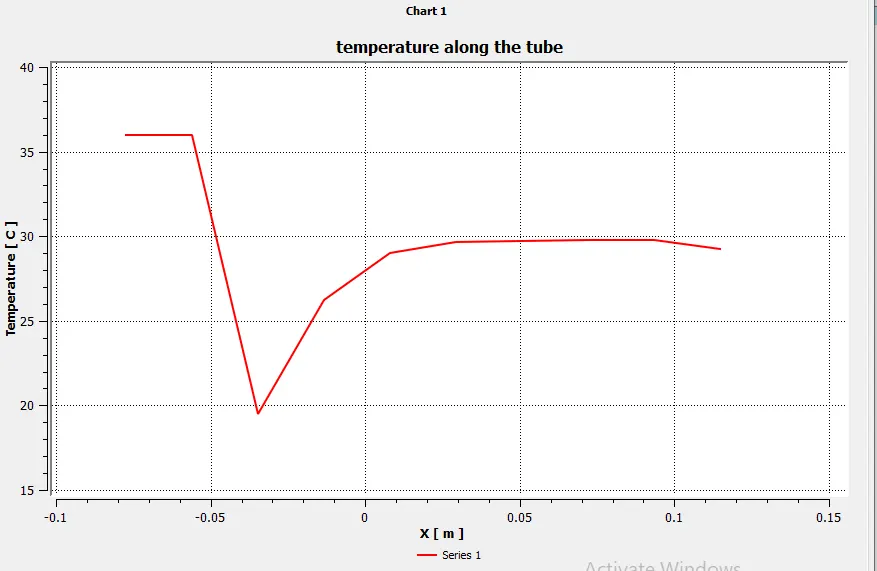
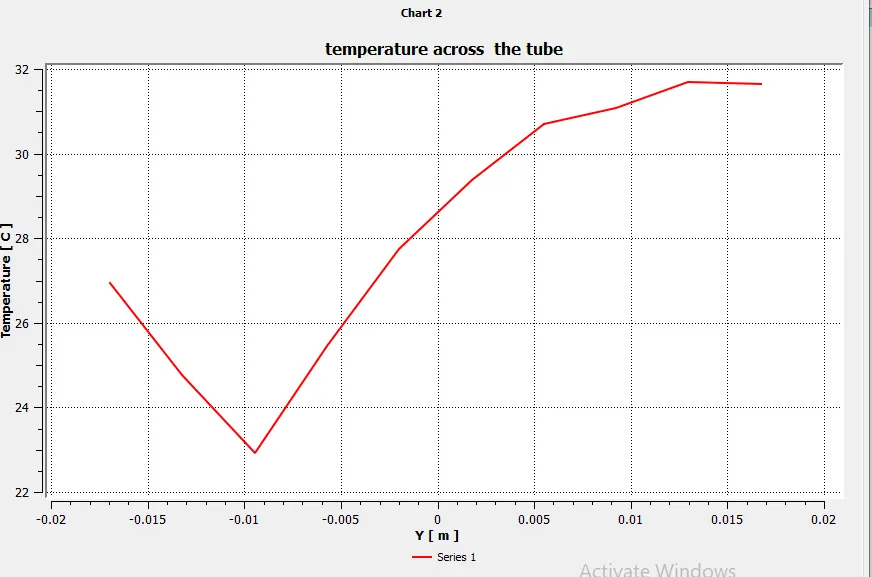
Temperature Line plots along and across the tube:
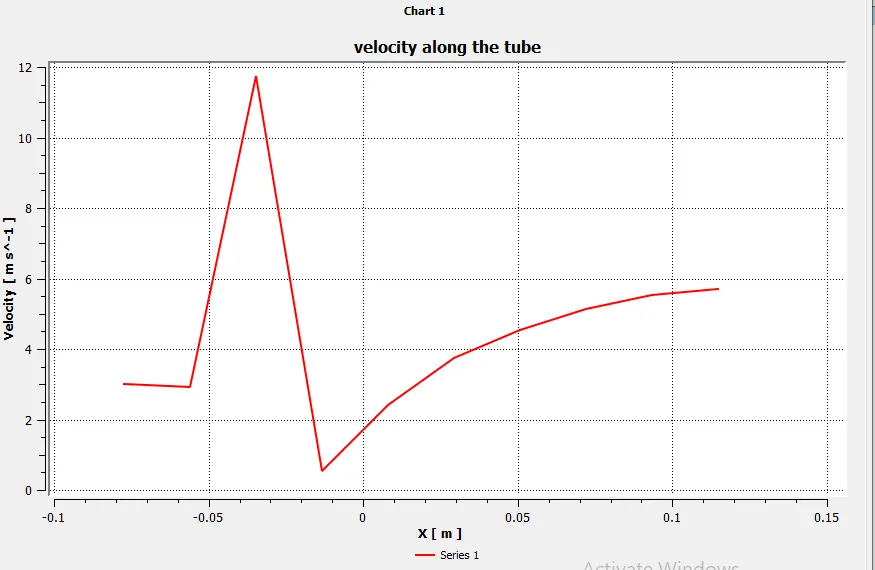
velocity line plots along and across the tube:
Case-3:
Long mixingtee with momentum ratio=2:
Geometry model for the case is same as previous cases except length of the tube which is long compared to previous case,hence picture is not shown.
case setup is also same as previous cases.
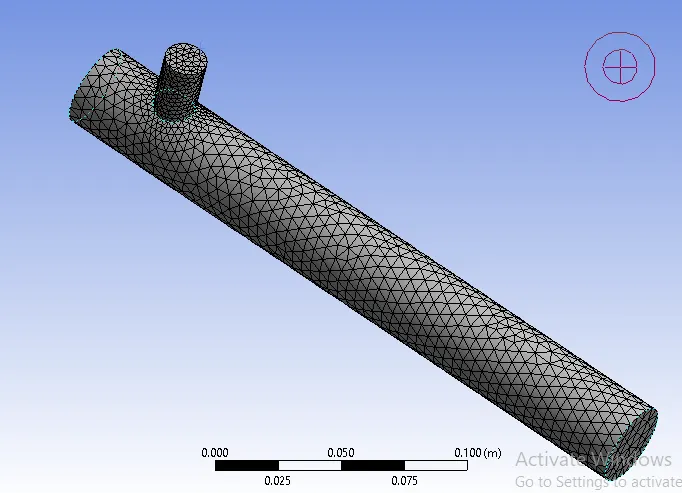
Mesh model:
Mesh size-1.3853e-2 m;
Number of elements-15689;
Type of cells are same as previous cases. Element quality:
Turbulence model : k-epsilon realizable.
Result:
case-3
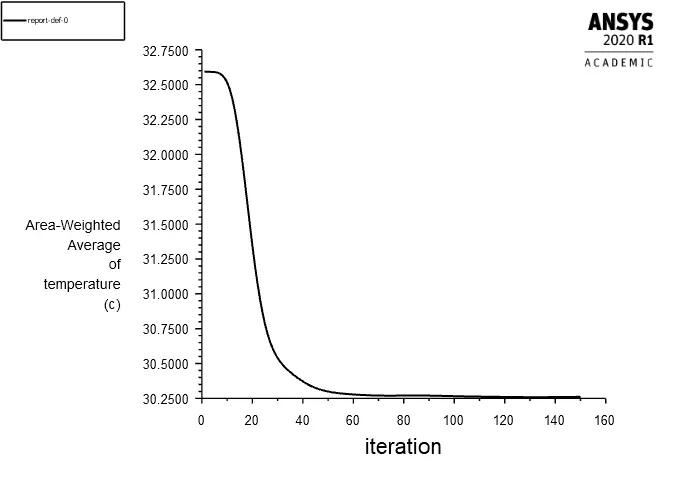
convergence plot:
Temperature contour along and across the tube:
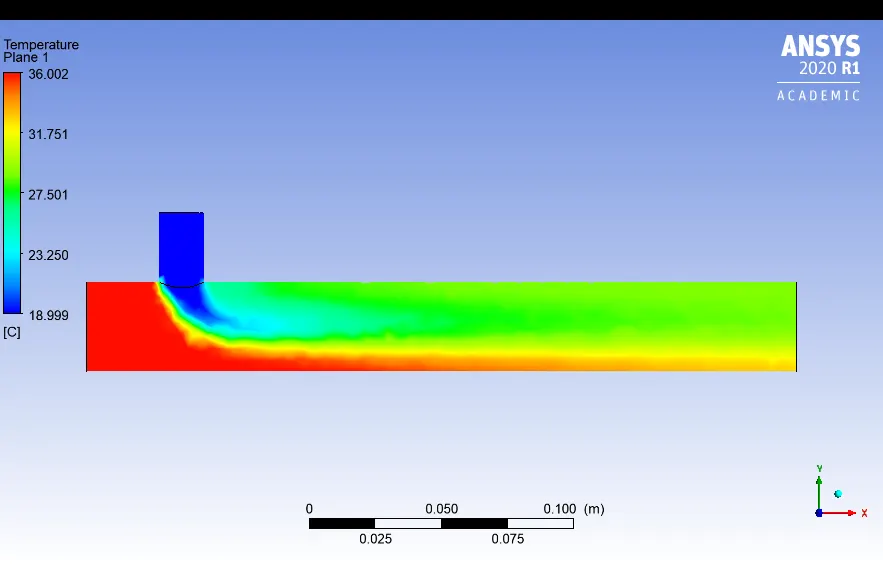
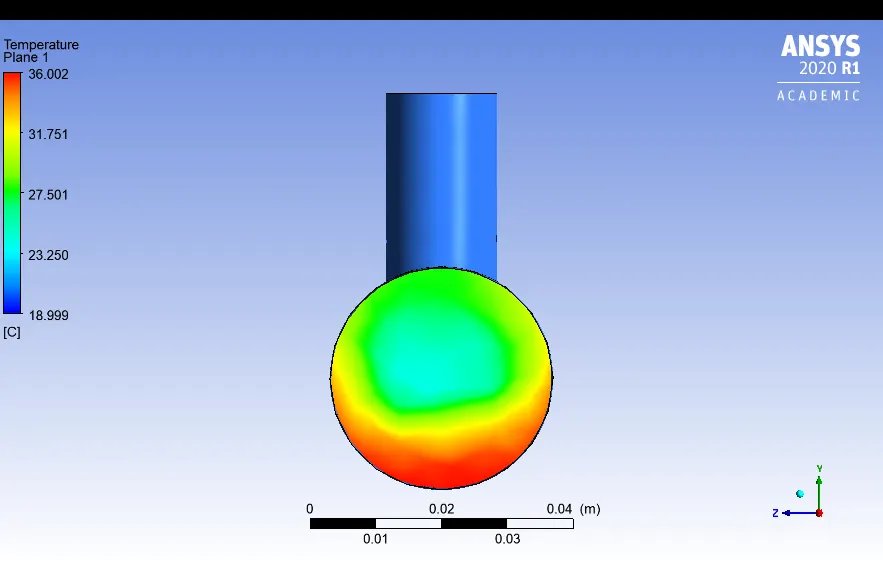
velocity contours along and across the tube:
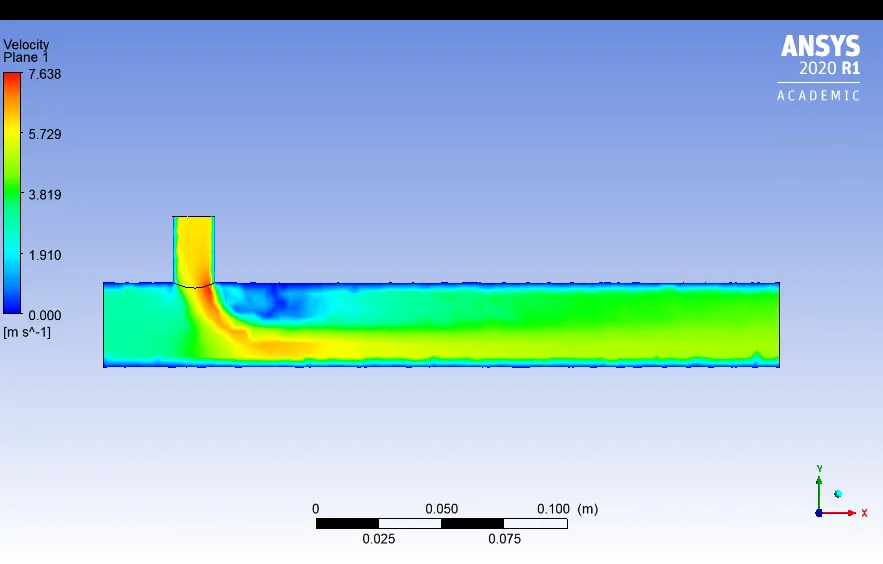
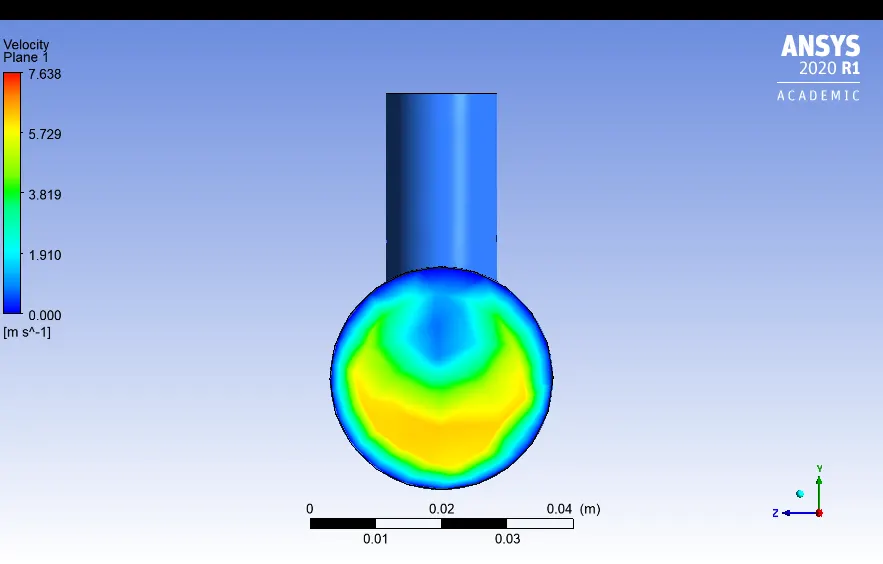
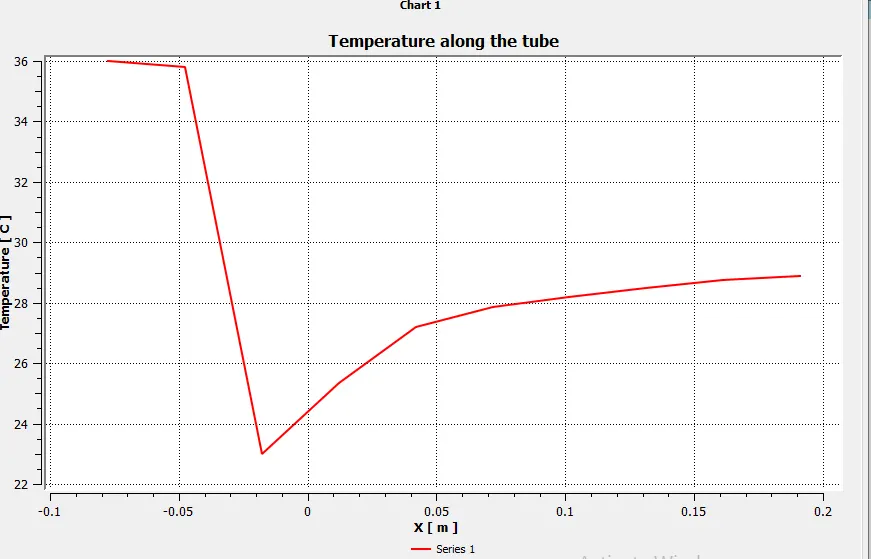
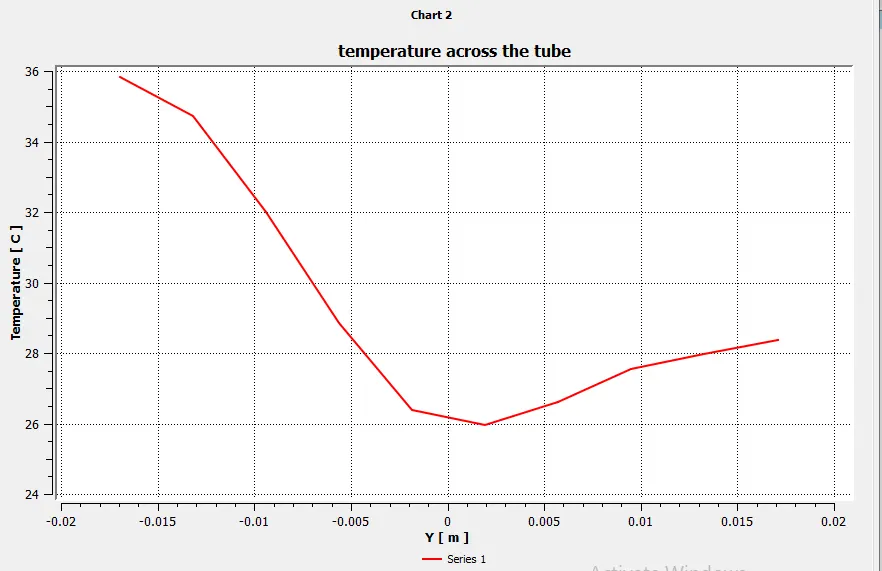
Temperature Line plots along and across the tube:
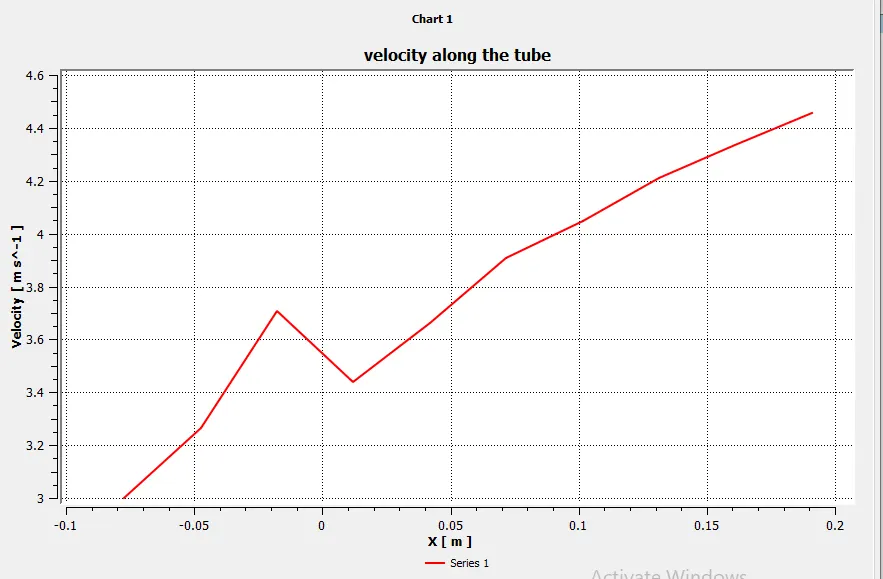
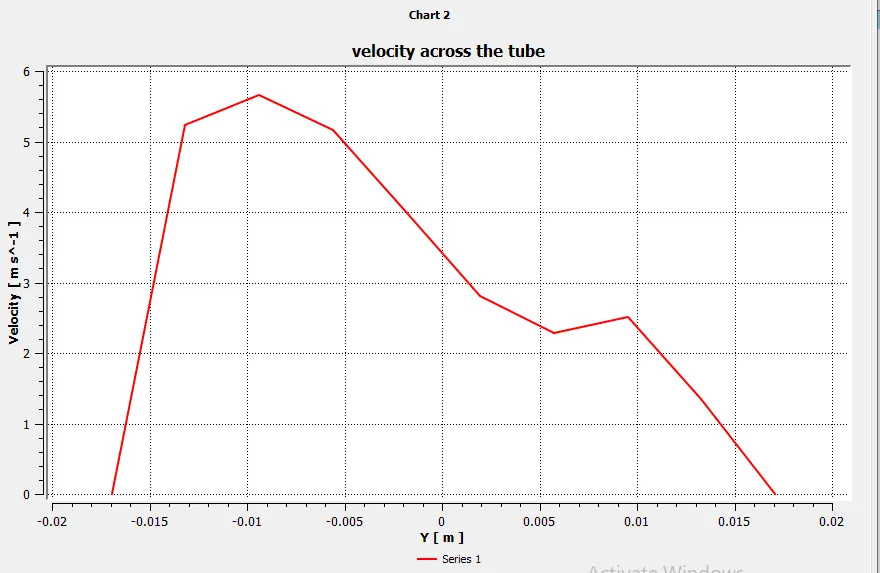
velocity line plots along and across the tube:
case-4:
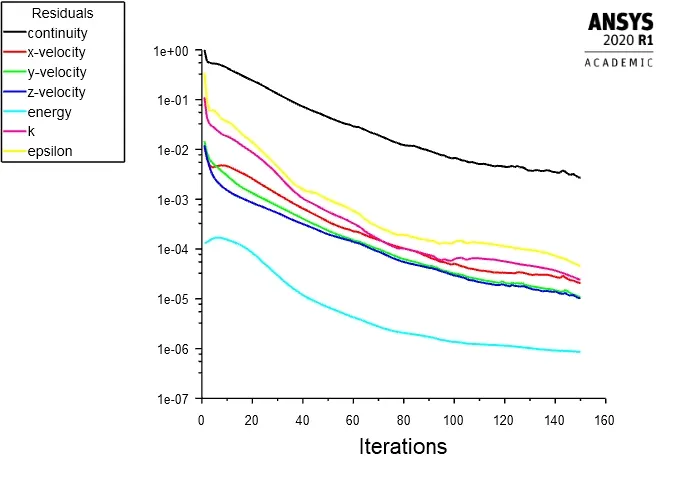
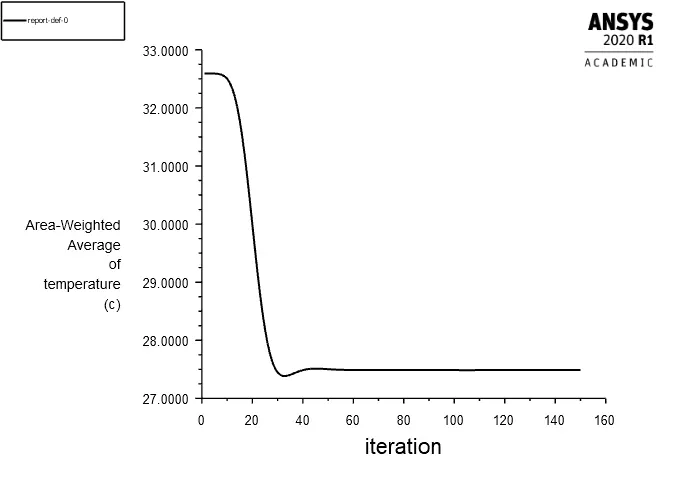
convergence plot:
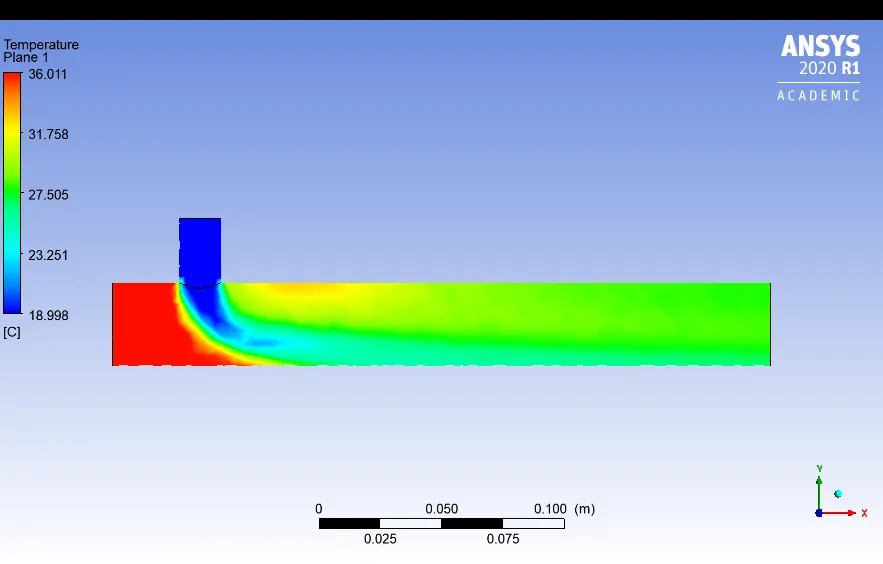
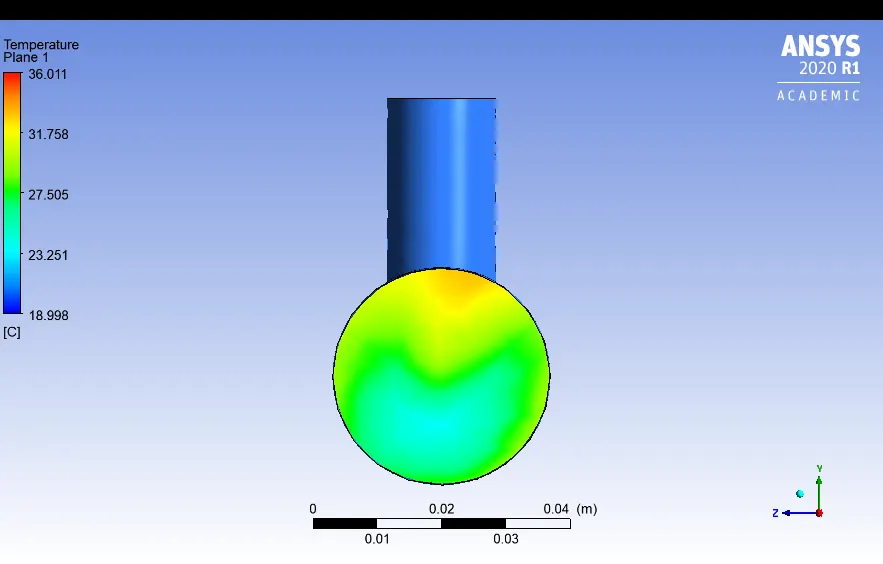
Temperature contour along and across the tube:
velocity contours along and across the tube:
Temperature Line plots along and across the tube:
velocity line plots along and across the tube:
| Cell count |
Average outlet temperature (calculated analytical temp=`30.32^oC`) |
Number of iterations for convergence | |
| short case-1 | 12760 | 30.35 | 150 |
| short case-2 | 12760 | 27.73 | 150 |
| long case-1 | 15689 | 30.41 | 150 |
| long case-2 | 15689 | 27.64 | 150 |
Reason for choosing turbulance model:
For the Short mixingtee with momentum ratio 2,k epsilon -realizable model is used and for the second case which is short mixng tee with momentum ratio 4, k omega-SST model is used and outlet temperature obtained from the simulations for both the models have been compared with analytical value calculated .
First model outlet temperature value is more accuarte than second model in comparision to analytical value which are tabulated above, since for all other cases k-epsilon realizable model ahve been used.
Grid Independency test:
Grid independency test have been conducted to the case-3 i.e long mixing tee with momentum ratio 2 with three different size of mesh by considering two parameters (average temperature and average velocity ) , results are tabulated below.
| mesh size | cell count | Velocity | Temperature `(^oC)` |
| 1.3853e-2(default) | 15689 | 4.496 | 30.41 |
| 3.00e-003 | 56504 | 4.489 | 30.52 |
| 1.5e-003 | 288343 | 4.471 | 30.58 |
From the above tabulated data we can conclude that,mesh refinement from coarser to finer didn't acheived more accuarate results. Changes in values of temperatuer and velocity are negligible for this level of study.
Hence simulation is grid independent and is accurate up to one decimal point.
Effect of length and momentum ratio on mixing efficiency:
1) Length of the pipe does not alter the effeciveness of simualtion as we have used a turbulance model which ensures approxiamtely even mixing at outlet but minimum length of the pipe is choosen in such a way which allows fluids to mix well.
2)Momentum ratio plays an important role in mixing and also in average outelt temperature.For higher momentum ratio, outlet temperature is lower when compared with the outlet temperature of lower momentum ratio which is because of increased mass flow rate of cold fluid.