Hood design-Week 2
HOOD:
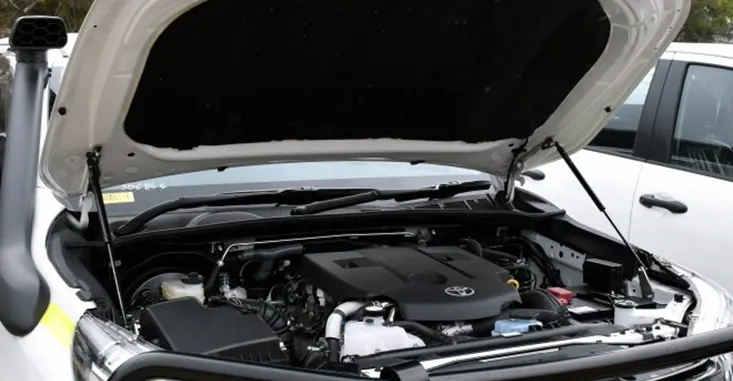
Generally called bonnet, is a covering door for engine and for engine and other accessories. It is used to access engine compartment for repair and maintenance.
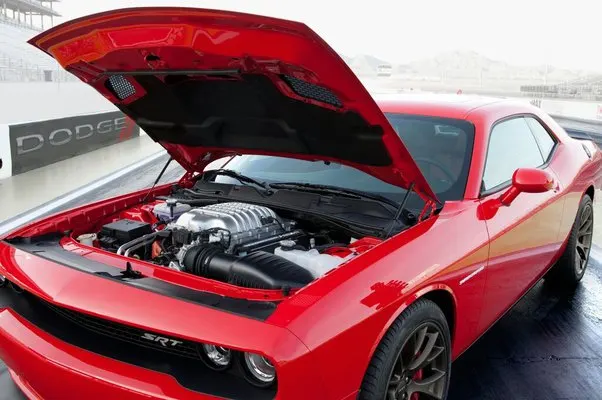
A hood assembly consists of following components.
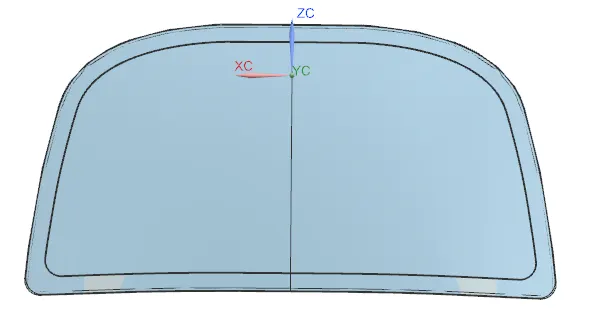
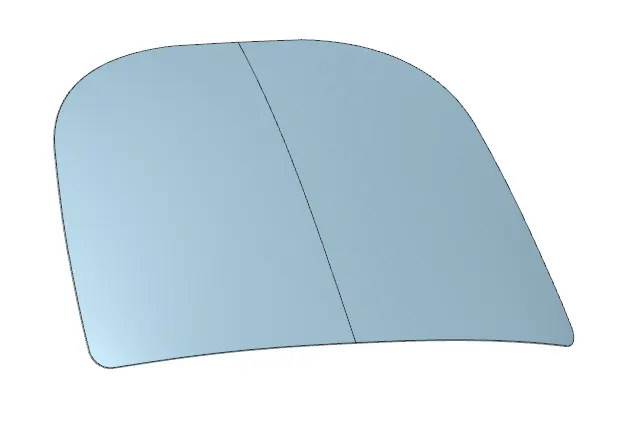
- Hood Outer Panel: This is the outer skin of the hood which provides an aesthetic look to the car.
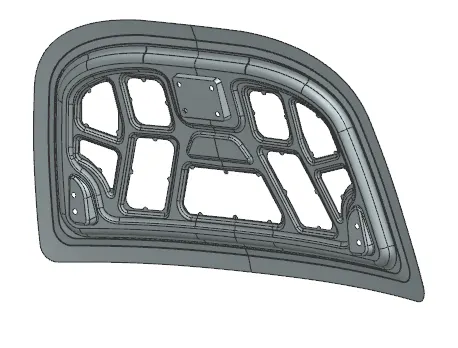
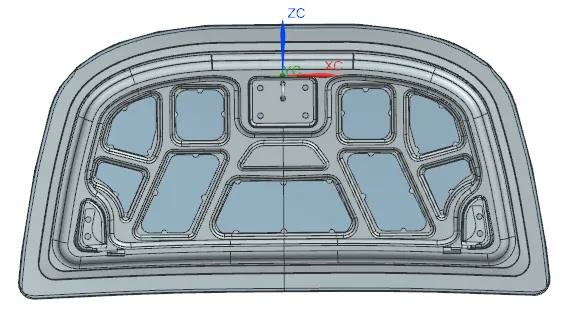
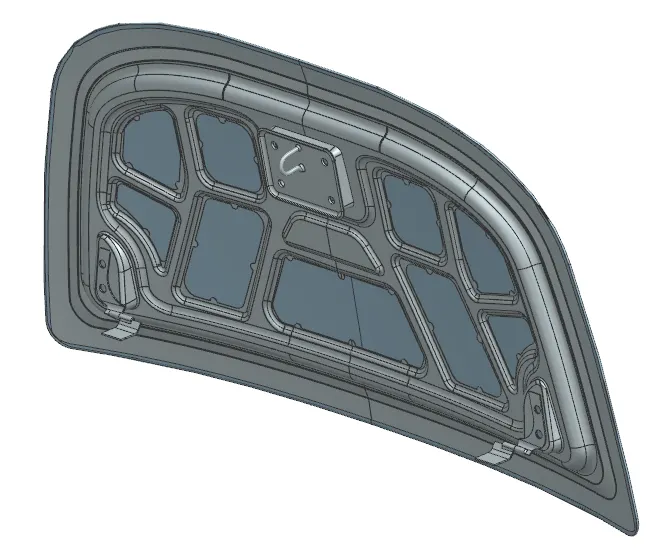
- Hood Inner Panel: This provides strength and support to the outer panel. It consists of emboss and holes. The emboss design on the inner panel helps to dissipate force towards reinforcement when a frontal collision takes place.
- Latch & Striker: It is used for locking the hood, in order to prevent accidential opening of hood during driving.
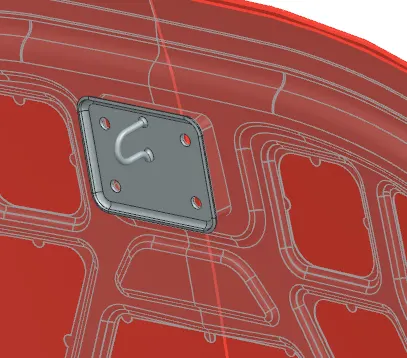
- Hinges: It enables the opening and closing operation of hood around a found axis. One part of hinge is fixed to the hood and other on the engine compartment
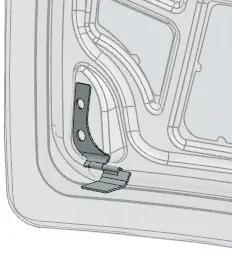
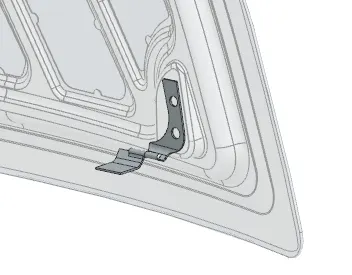
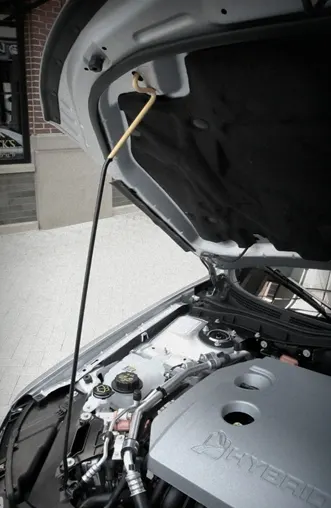
- Support Rod/Gas Stay: It is a devicethat supports the hood in open position. Support rod is manually operation and gas stay is automatic operation.
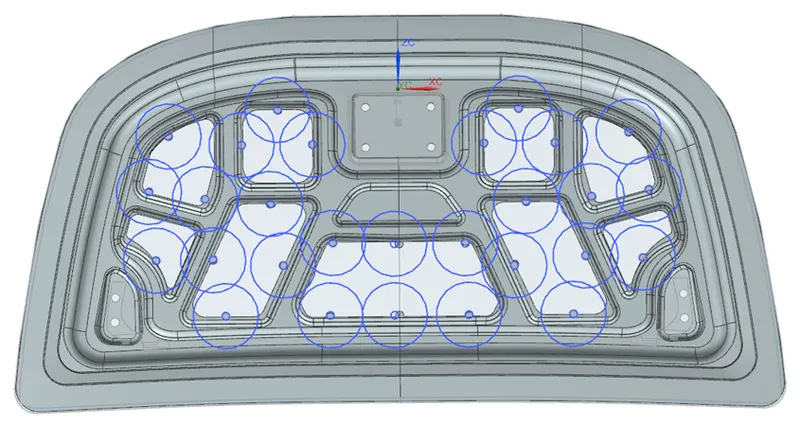
- Mastic Seals: This is generally a hardened rubber part, which is introduced as a paste in-between the outer panel and inner panel of hood. This is mainly used to improve the strength of hood. Every mastic sealant point will have a tendency to improve the local strength in around 80mm diameter. Considering this, the mastic points are positioned such that most of the hood region is covered. The below image shows the mastic points positioned in such a way that most of hood is covered.
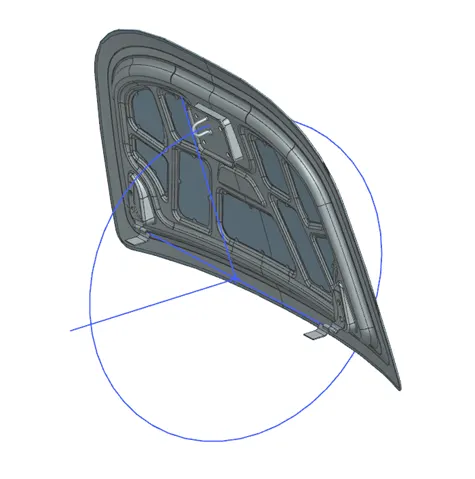
Latch Trajectory: This path is created using the hinge axis taken as reference to draw a big trajectory. Latch trajectory is important because when we close the hood/bonnet, the striker should exactly sit on latch position in order to prevent accidential opening of hood.
Embossing: Embossing is a stamping process for creating Raised or sunken designs or relief in sheet metal or other materials. In hood Designing embossing is used to increase stiffness and distribution of force to either sides of car when frontal collision takes place.
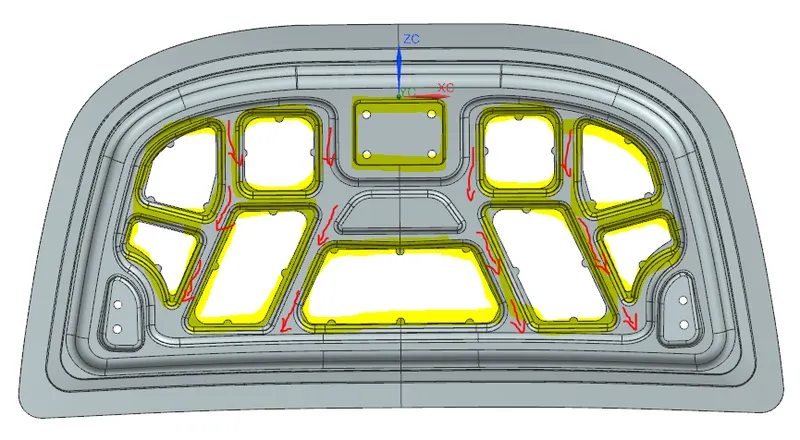
In above image the arrows with red colour shows the force distribution towards either side of car and embossing is highlighted with the yellow colour.
Manufacturing Process:
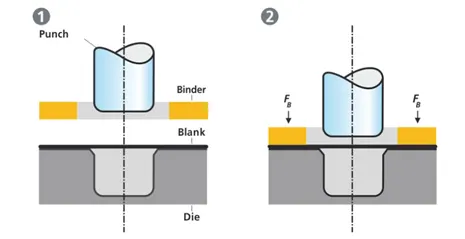
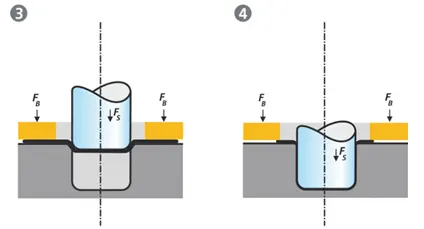
Deep Drawing is a sheet metal forming process in which a sheet metal blank is radially drawn into a forming die by the mechanical action of a punch. It is thus a shape transformation process with material retention.
Deep drawing process are of 2 types:
- Deep drawing with tools
- Deep drawing with active means
- Deep drawing with active energy
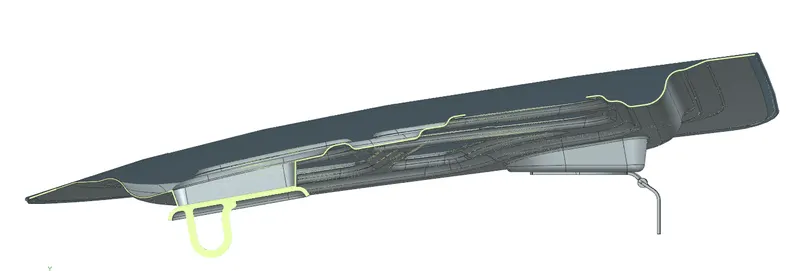
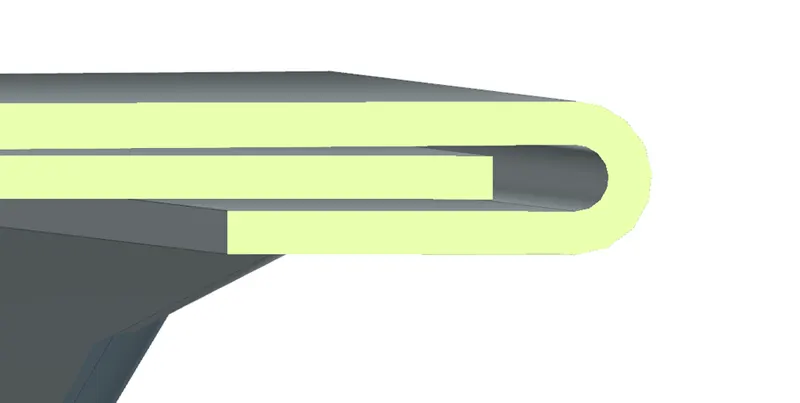
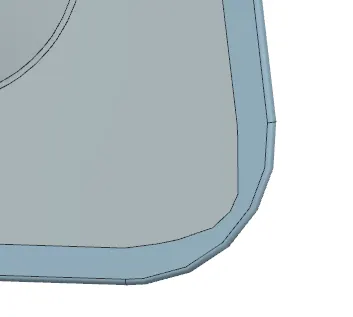
Hemming: It is a forming operation in which the edges of the sheet are folded or folded over another part in order ito achieve a tight fit. Normally hemming operations are used to connect parts together, to improve the appearance of a part and to reinforce part edges.
There are various types of hemming operations:
- Conventional die hemming:In conventional die hemming, the flange is folded over the entire length with a hemming tool.
- Roll hemming: In roll hemming, the hemming roller is guided by an industrial robot to form the flange.
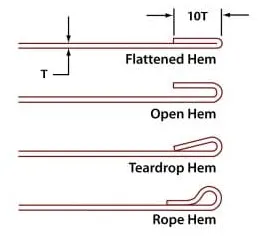
Types of Hemming:
- Flattened/Closed Hemming
- Open Hemming
- Tear drop Hemming
- Rolled/rope Hemming
Hood Assembly