Hood design-Week 2
OBJECTIVE
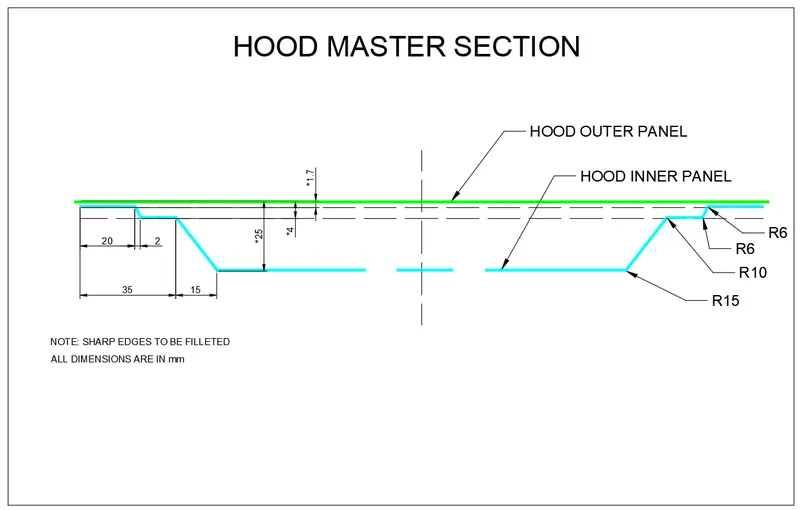
Design hood outer panel, inner panel and reinforcements with the given outer hood skin, master section and design parameters
INTRODUCTION
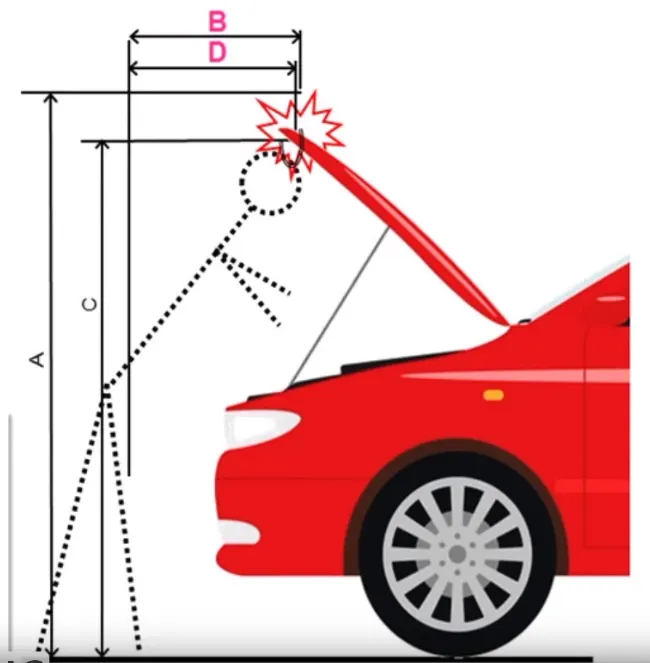
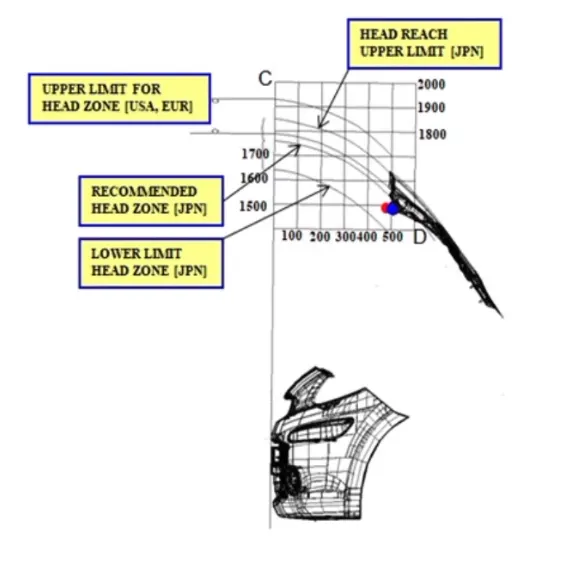
The hood or bonnet id the hinged cover over the engine of vehicles.Its purpose is to provide access to the engine for repair and maintanance. Car hoods are typically constructed from steel and sometime from aluminium. In design perspective hood should meet some specific constraints like pedestrian safety, hood head zone for the stricker, force distribution during collision etc. it also protect the engine, battery and the interior parts from direct sunlight and dust
COMPONENTS
- Outer panel
- Inner panel
- Latch and Stricker
- Hinges
- Hood stay/Support rod
Design Parameters:
- Outer panel thiickness = 0.75mm
- Inner panel thickness = 0.75 mm
- Reinforcement thickness = 1.5 mm
There lot more things before the hood gets in to designing hands that to be considered.
The height of the hood is designed based on the country standards as the height of a average person changes from place to place.
The material consideration is also required that should be cost effective to manufacture.
The Hood should be designed with a light weight for the pedestrain saftey as the person hit to hood there should be minimal harm to the person.
Hood Master Section:
Outer panel:
it works as a metal cover and it is responsible for aesthetics of the vehicle. pedestrian safety is an important parameter while designing the outer panel. The outer panel is attached to inner panel by hemming. Mastic sealants are provided between outer panel and inner panel to reduce vibration.
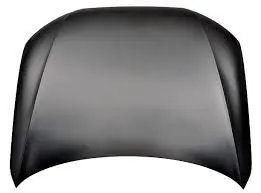
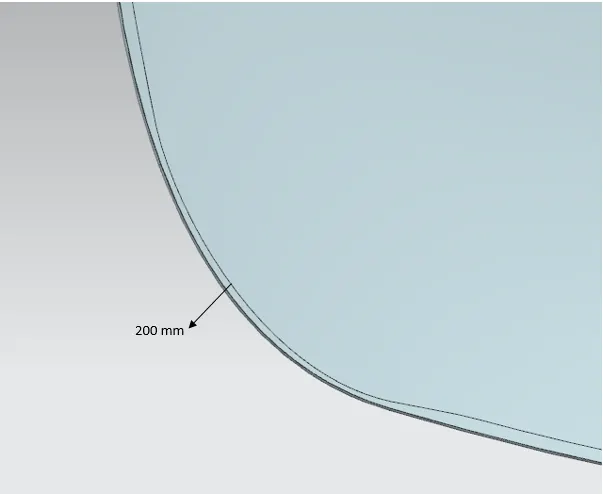
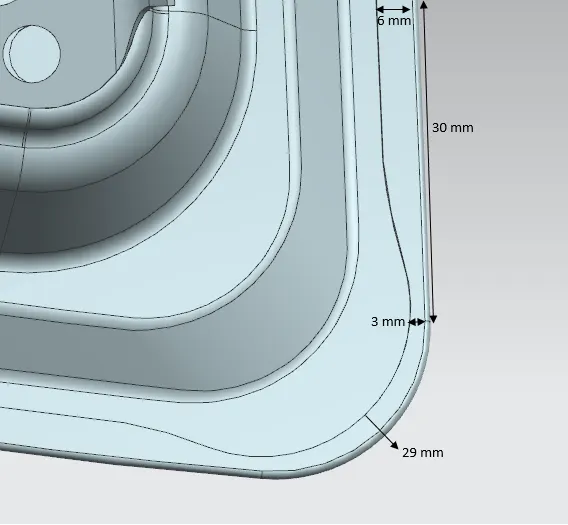
fig2: Front relief for hemming Fig3: relief in rear section
Inner panel:
The hood inner panel provide strength and rigidity to the hood.It also direct the force of the collision owtwards instead of into the engine component of the car
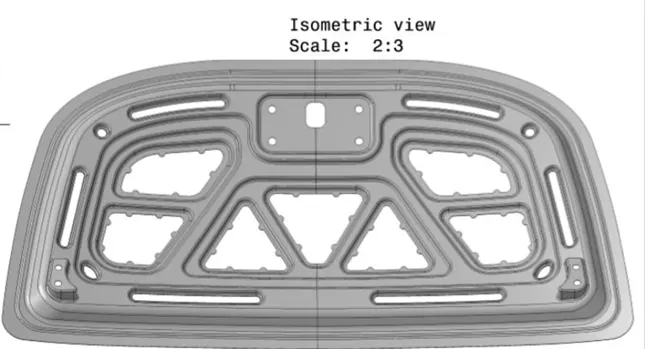
fig4: isometric view of hood inner panel
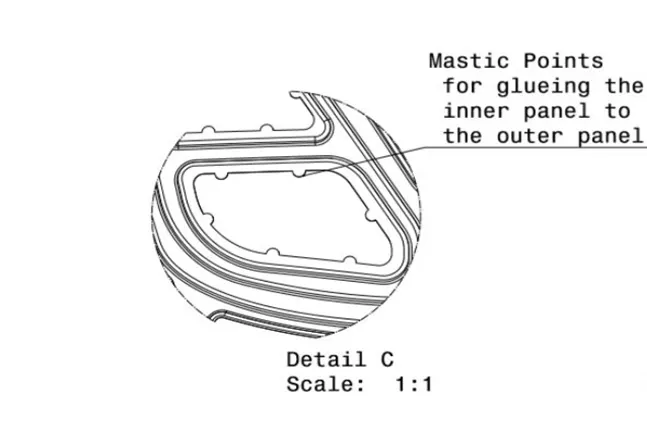
fig5: Mastic points for joining inner and outer panel
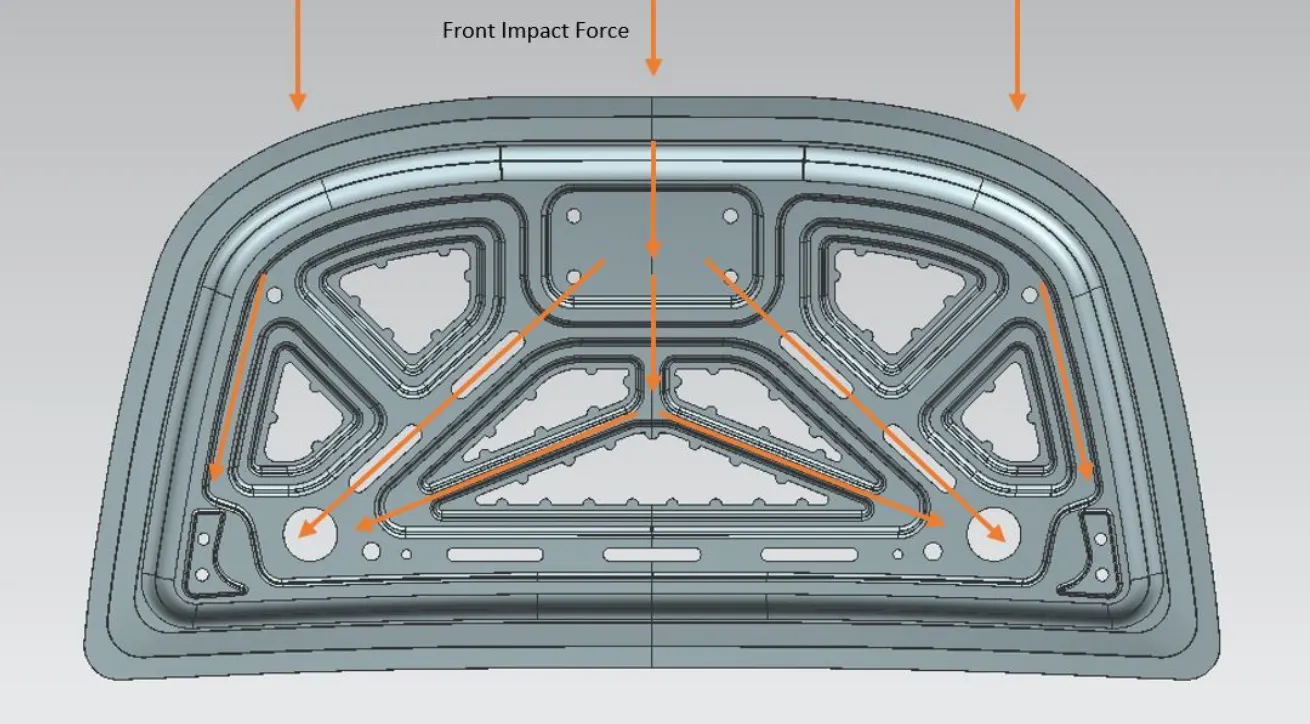
fig6: force distribution in inner panel
Latch and Striker:
Striker is a U shaped bend that attaches to the latch in order to lock the hood. Latch and stricker mechanism prevent the motion of hood while the motion of the vehicle. Usually the latch is present on the engine compartment and striker is attached to the inner part of the hood.
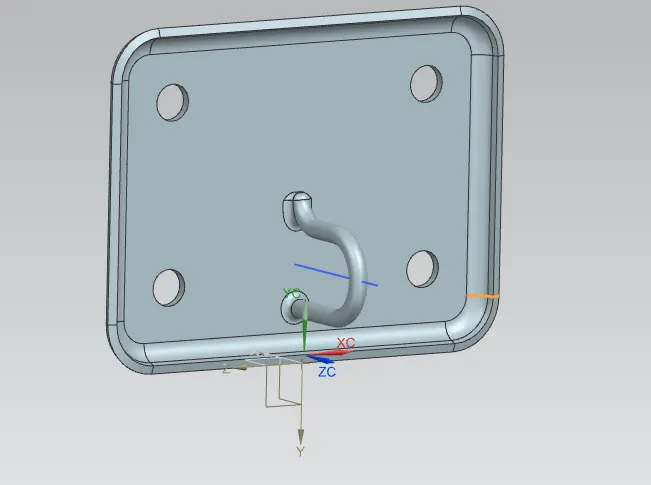
fig7: Latch
LATCH AND STRIKER POSITION CHECK:
To check we need to create an axis from the hinge assembly. Tentatively we have to position the hinges and extract the axis. On the axis, a point is placed at the center of the axis and a circle is drawn taking the point as the center. To check for the correct position of the hinge it has to be tangent to the circle. This study is conducted to check the location for the latch and striker mechanism to make the hood manufacturable.
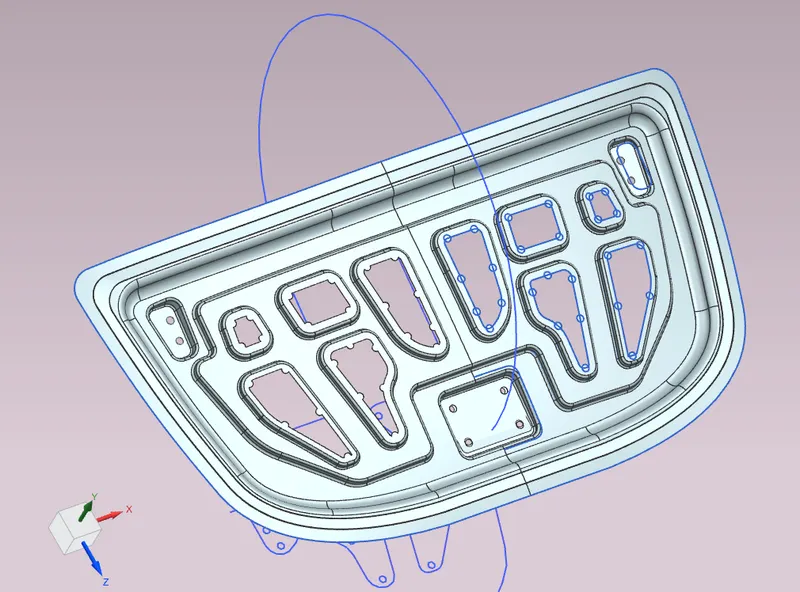
fig8:latch and striker position
Hinges:
It allow the hood to rotate around a fixed axis. it is used for the motion resulting the opening and closing of the hood.
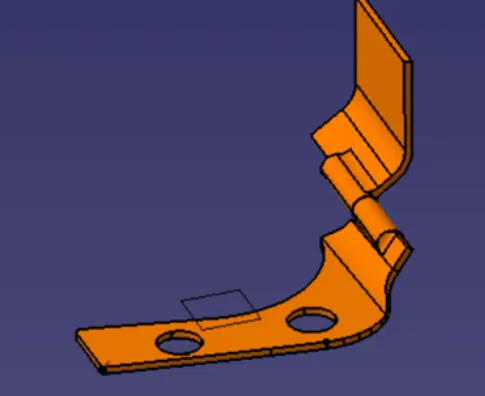
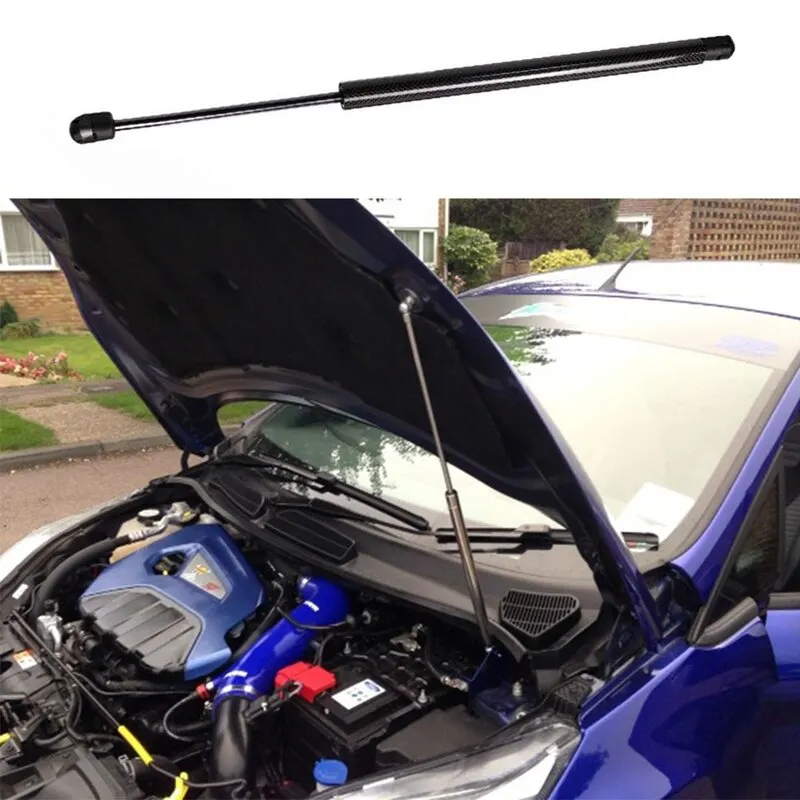 fig9:Hinge fig10:supporting rod
Support rod hold the hood in opening position so that the maintanance of the internal commponents can be carried out.
Reinforcements:
The reinforcements are provided to strengthen the inner panel in the region of component installation like latch.The thickness of reinforcement should be in range of 1.5mm. Stiffner pad which iis attached between hood outer and inner panel to reducee the noise and vibration is also a form of reinforcement.
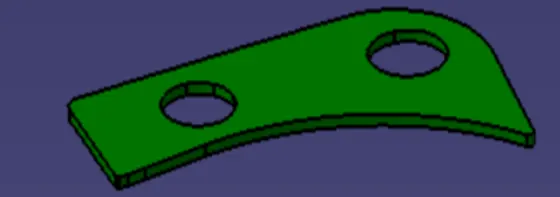
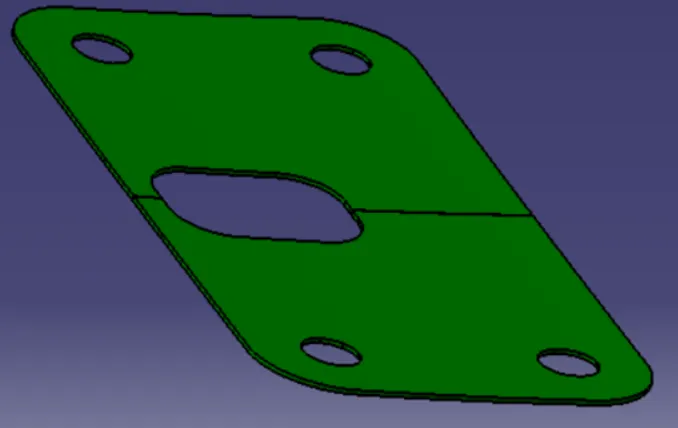
fig11:Hinge reinforcement fig12:Latch reinforcement
Embossing:
Sheet metal embossing is a stamping process for producing raised or sunken sunken design or relief in sheet metal. This process is carried out by means of matched male and female roller dies, or by passing the sheet or rolls of metal between rolls of desired pattern.
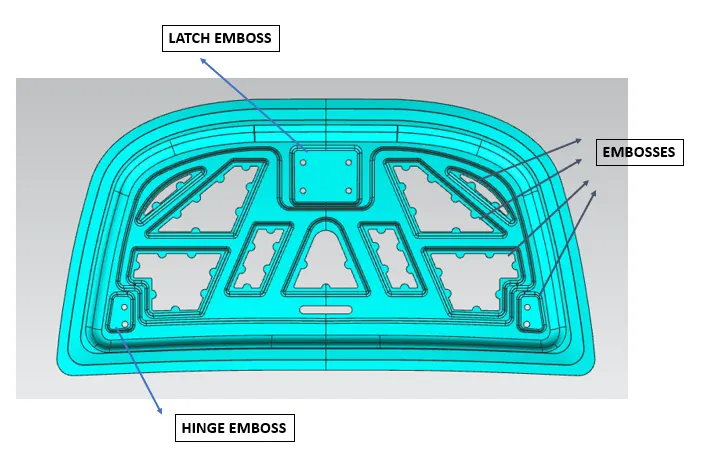
fig13: embosses in inner panel
Mastic sealant:
Mastic sealant helps to locally improve strength of the hood. It is generally a hard rubber part which is introduced as a paste in between inner and outer panel of the hood. Mastic sealants improves the local strength. Each spot of mastic sealants has its effect around 80mm diameter, thus the mastic points are arranged in such a way that it covers the areas away from the hemming which are more vulnarable to vibrate.
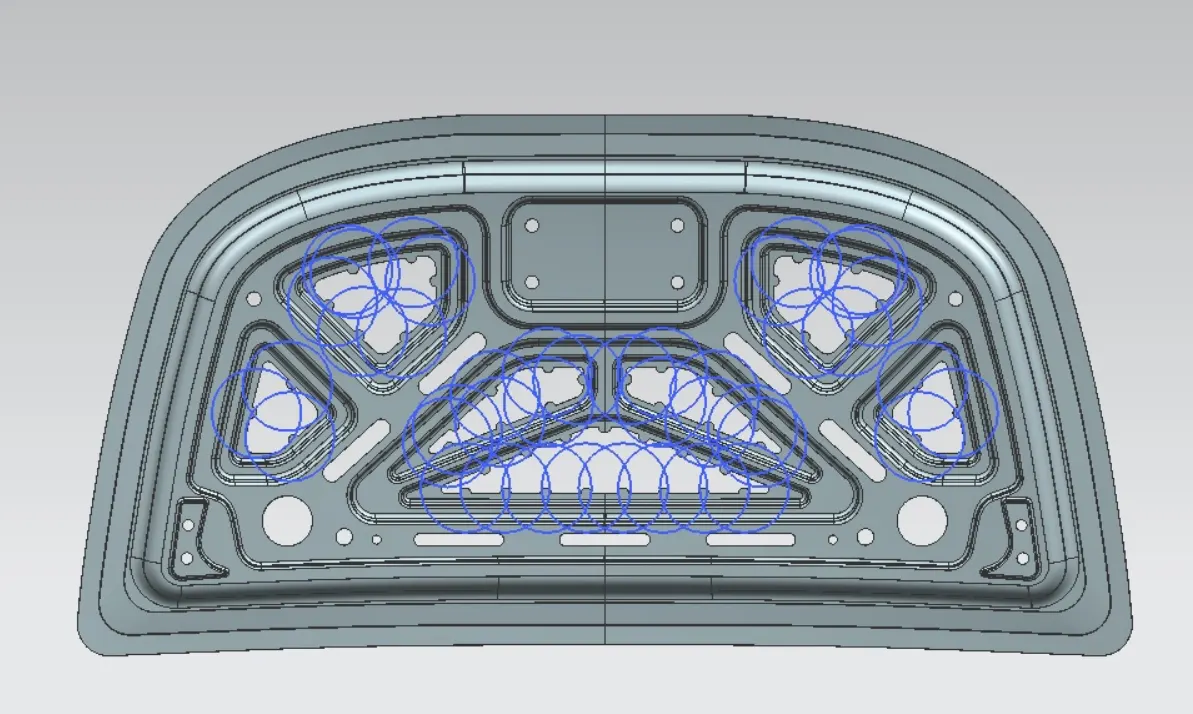
fig14: mastic sealant
Hemming:
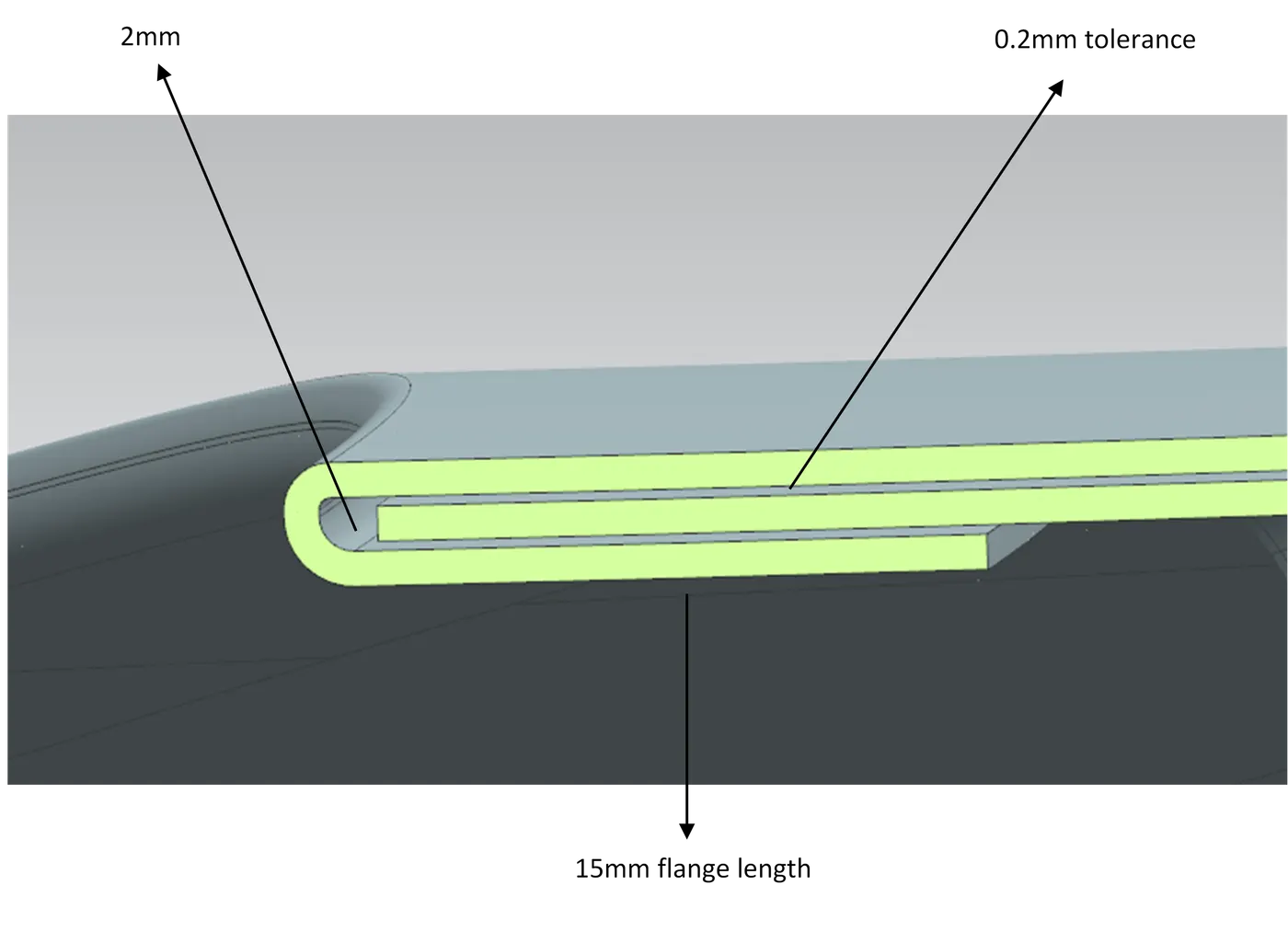
Hemming is used to connects parts together. it ia s kind of forming operation in which the edges of the sheet are folded over another part in order to achieve a tight fit. The accuracy of hemming is very important because it affects the appearence of the surface and surface quality
fig15:hemming