Hood design
Hood Design
What is hood?
A hood or also known as bonnet is a cover over the engine. It is in front of the car. Now a days some cars also have engine in back but still the front cover is called as hood.
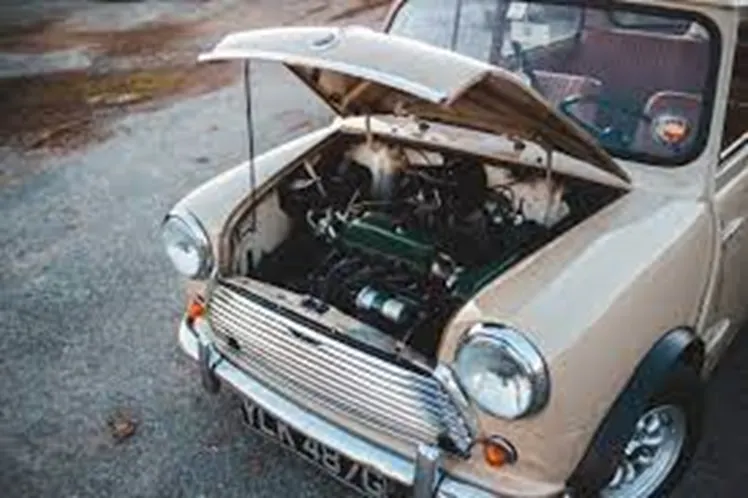
What are the parts of hood?
A hood consists of
- Outer body
- Inner frame
- Flanges
- Striker
- Reinforcements
Design of Hood
Designing a hood is a critical part of the car because lots of things are taken into consideration. Things like impact zone for adult and infants, how will it affect the car and the driver, how should it open and how much should it open, material, manufacturing processes and how to cut cost along with all the above factor consideration.
Let’s discuss designing of hood aka bonnet with following
Latch trajectory
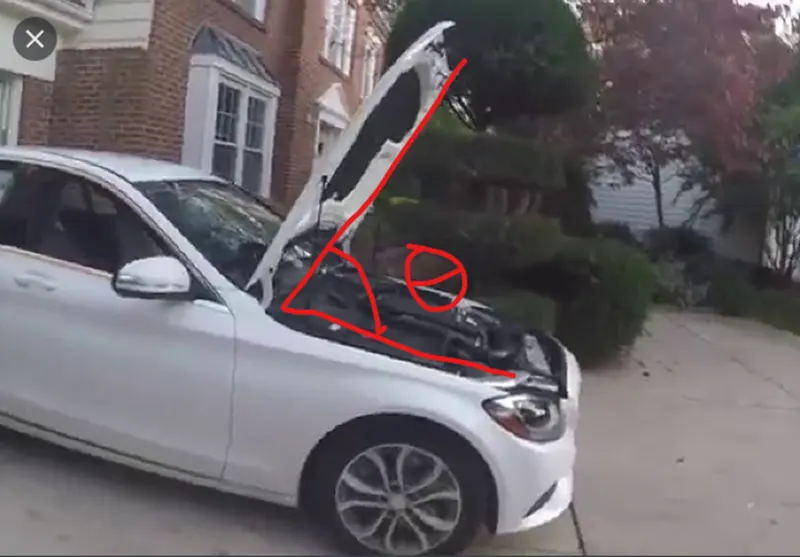
This is the information about how much hood should open in a particular car, which is completely depend for the region as we are manufacturing car. If we are manufacturing car for Asian market the angle will be less than that of European market as the average height of the person in this region varies.
Bonnet support
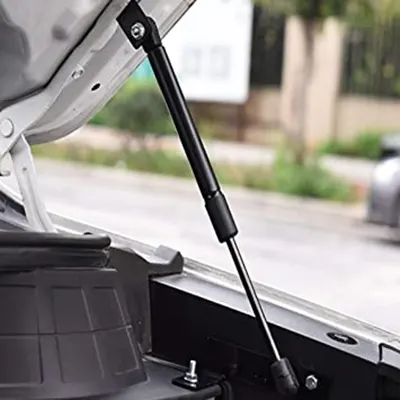
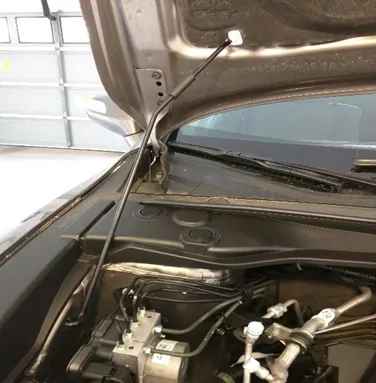
There are two type of bonnet support are there namely gas stay support and rod stay support.
|
Gas stay support |
Rod stay support |
|
it is a gas filled cylinder with sliding shaft which are fixed at both end of the hood inner panel and engine chassis with stud balls. |
Rod stay are basically long cylindrical steel rod either fixed to hood or engine chassis. Other end is hooked during the open condition |
|
To open the hood initial force need to be applied after specified angle, it actuate to push the hood to its max open angle and stay upright |
To open the hood, rods need to be engaged manually to keep the hood supported |
|
Its expensive and generally preferred for long hood having heavy weight. |
Its cheap and used for smaller hood body |
 |
 |
Outer body
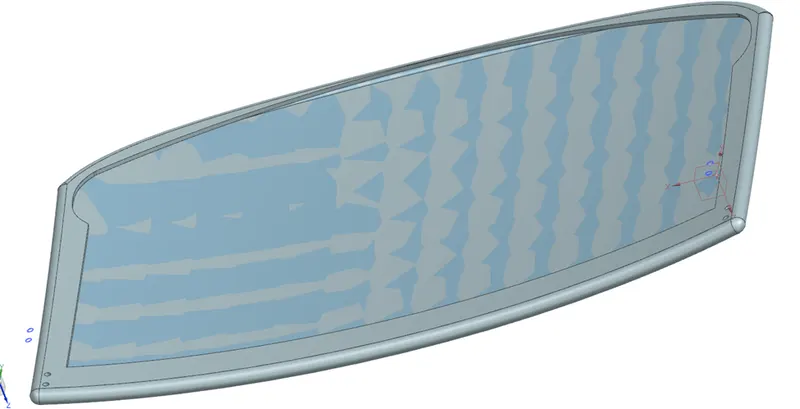
This is the outer body of the hood which is designed in NX Cad. This model is created by swept surface and off-set surface for two layers and then sweep a to join the two layers and finally thickness is given.
Inner body
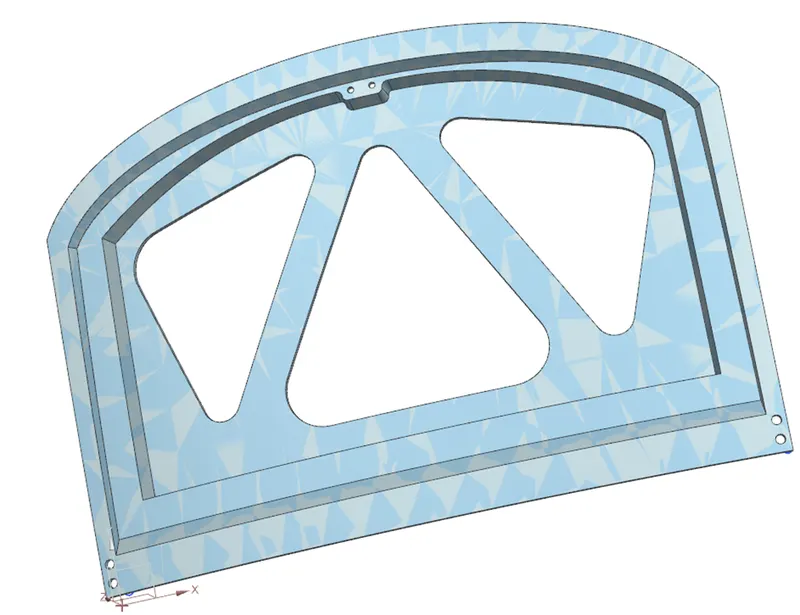
This is the inner body of the hood which is created with offsets surfaces, through curves, law of extension, trim surface and sew. First I created upper surface and then offset the surface so that I have a complete surface to edit or else I have to create surface again, then I trim the surface as required and repeat the process for three layers then I created some holes for impact safety.
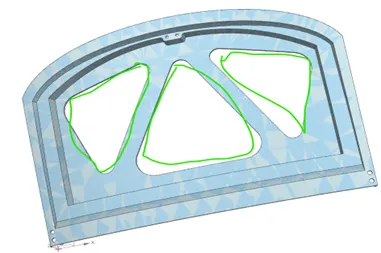
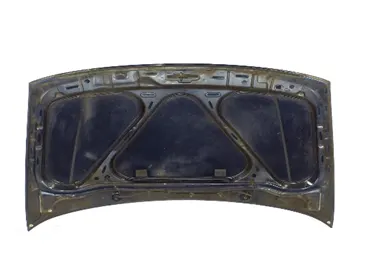
Which I take from this particular panel, this is hood of VW Polo 6N
Why holes are need to be made?
We have to create the holes in the body because in case of accident the force is needed to divided and should be sent away from the people inside the car.
Processes of manufacturing inner panel
For manufacturing this inner panel deep drawing process is used.
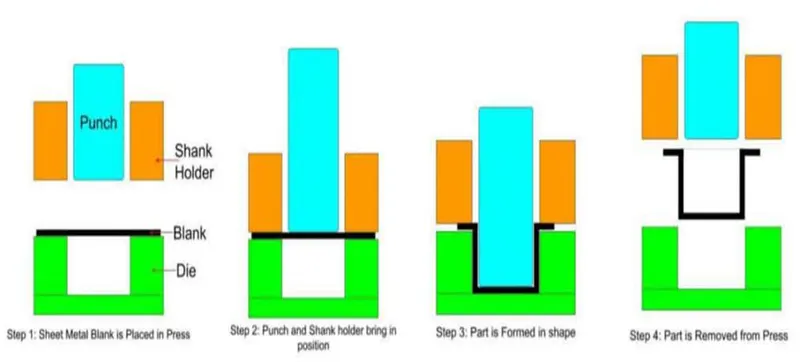
As we can see that in this process we can only make either straights face of outside angle face but inner angle face are not possible.
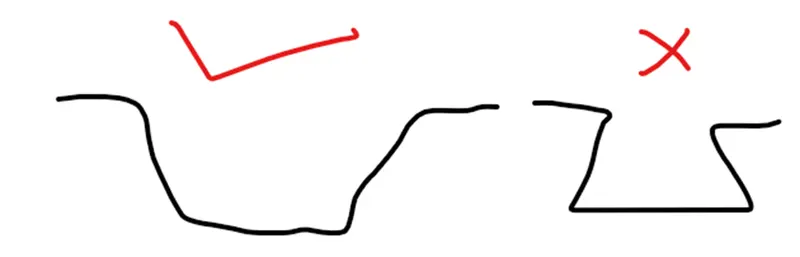
So the hood are need to be design in such a way that they can be deep drawn.
Flanges
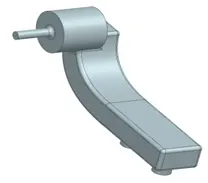
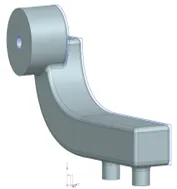
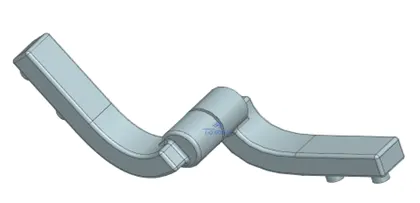
This are created with simple extrude and then assemble together. Firstly, I created side view and then extrude and made a bisector plane and then extrude circles. The reason for bisector plane because we want the circles from the center.
The flanges are used to open the hood this are connected to chassis and hood so they can give a rotary motion to hood which will cause to open and close the hood.
Striker
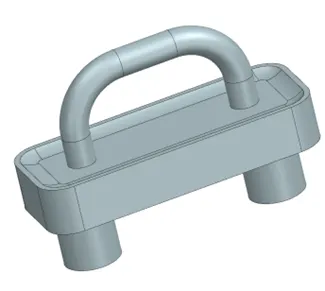
This is striker which is also a lock for the hood. The striker is created with extrude and sweep too to form a lock on the top of the body. we attach the striker to the reinforcement and then to the hood inner panel so that it will hold the hood in lock condition.
Reinforcement
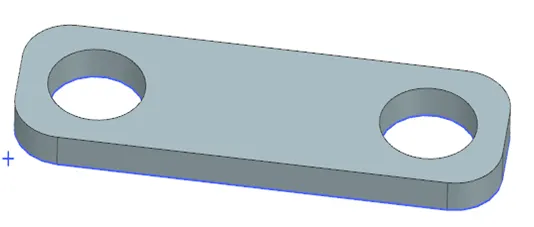
The reinforcement is just a simple padding between striker and the inner panel so that during the time of closing it will not cause impact force on the striker or on the inner panel.
Assembly
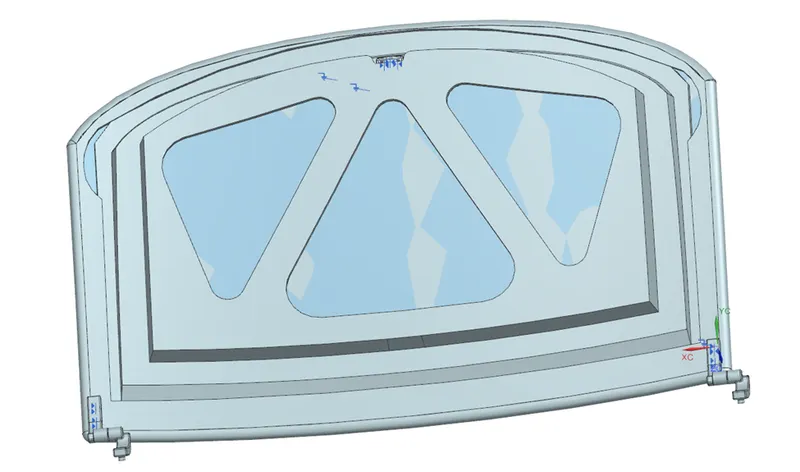
This is the assembly of the hood the inner panel and outer panel are join together by hemming process. The assembly is don with some basics constrain such as co centric and join face. The inner and outer panel are joined together as the are made at a same distance form the main plain and rest of the geometry are constrained together.
Hemming process
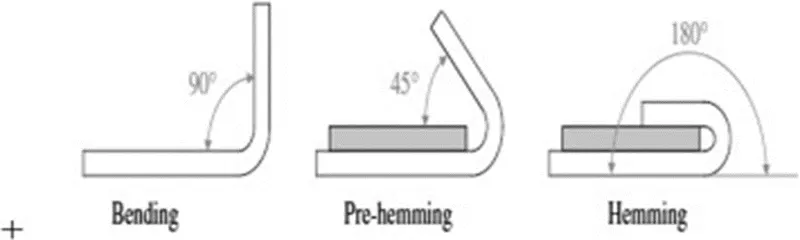
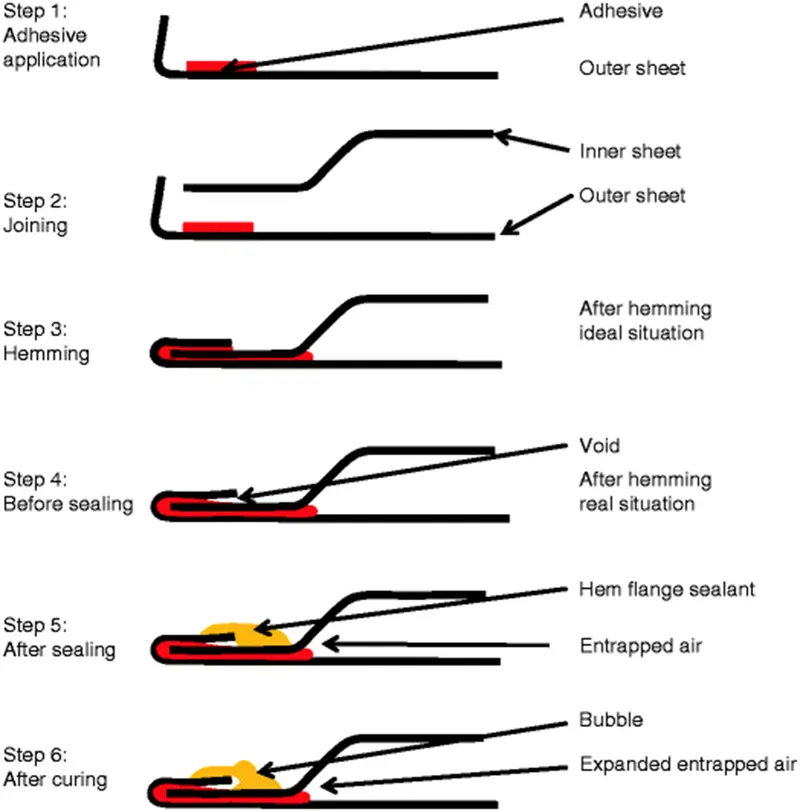
Hemming is the process or operation in which the edges of sheet metal are folded or folded over another sheet to form a tight fit. As we can see in above image the sheet is folded over the another to form a tight fit. Our inner and outer panel are also fitted with such a process. The image of the process is shown below
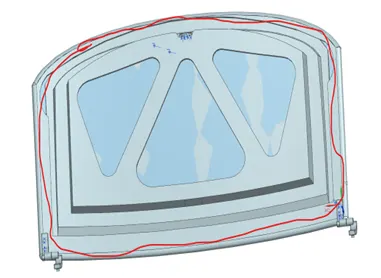
In our hemming the roller is rolled over the edge of the sheet to form a tight fit. The roller are rolled on red line to fold the outer panel over inner panel
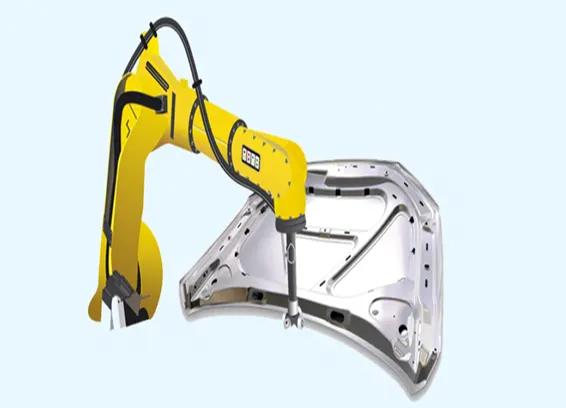
As we see in the image how the sheet are joined together without the help of any weld or any other joining tools to manufacture car hood.