Hood design-Week 2
CAR HOOD
A car hood is the hinged cover that rests over the engine of a front-engine vehicle. Its purpose is to provide access to the engine for repair and maintenance. A concealed latch is typically used to hold down the hood.

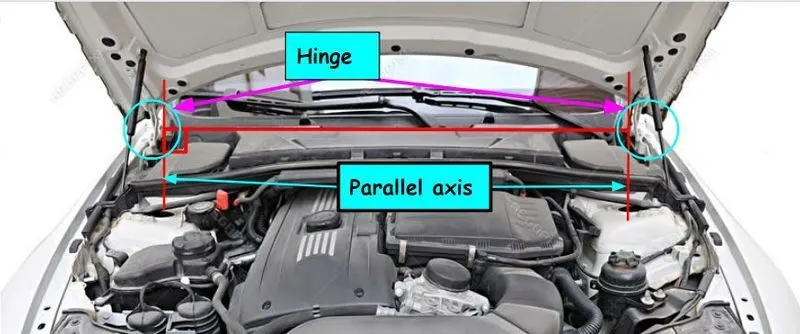
Drivers can raise and lower their vehicle's hood thanks to the hood hinges that serve as the body panel's pivoting point. These hinges also hold the hood closed on their end, and most vehicles have two hood hinges, one for each side.
Components in Car Hood
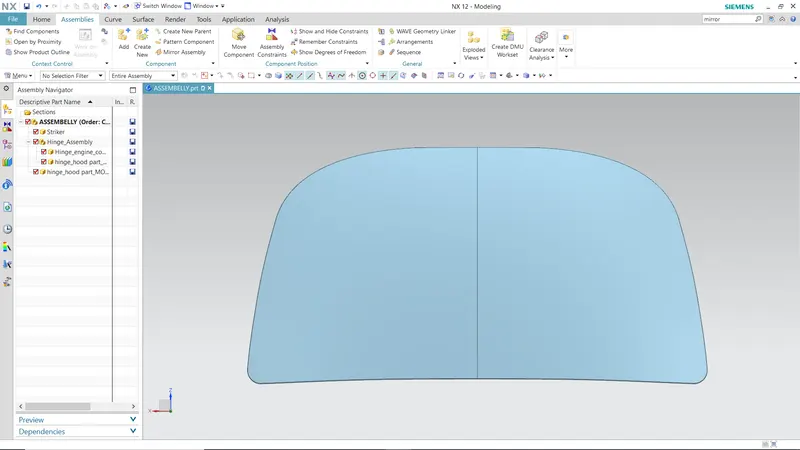
- Outer hood panel
- inner hood panel
- latch reinforcement
- hinge reinforcement
Outer hood panel
Inner hood panel
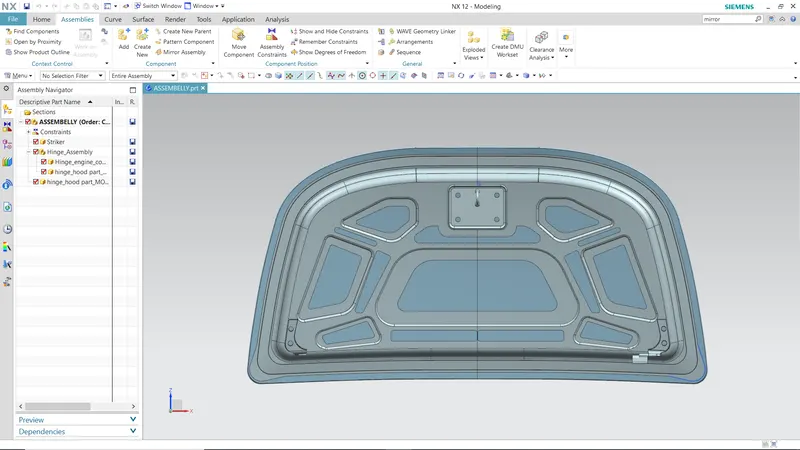
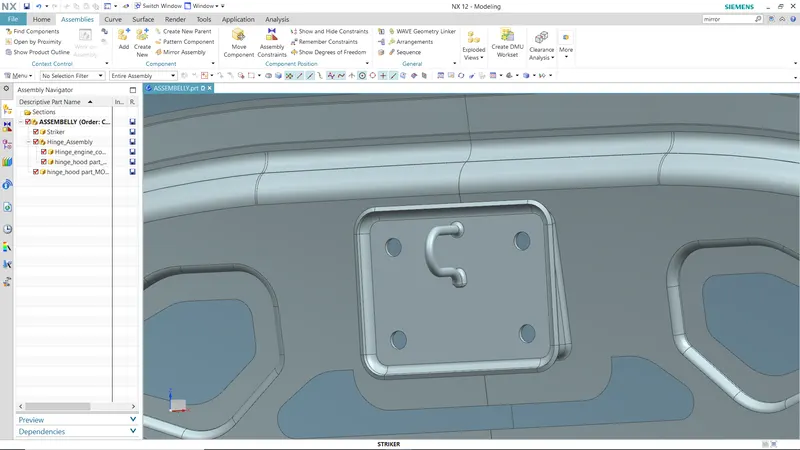
latch reinforcement
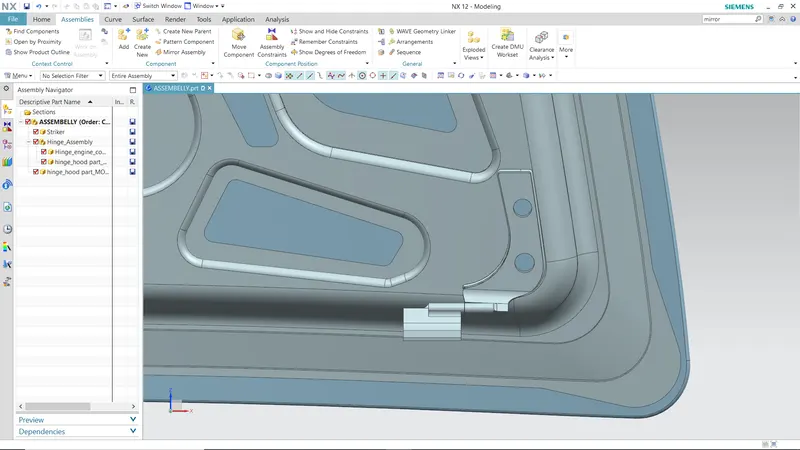
hinge reinforcement
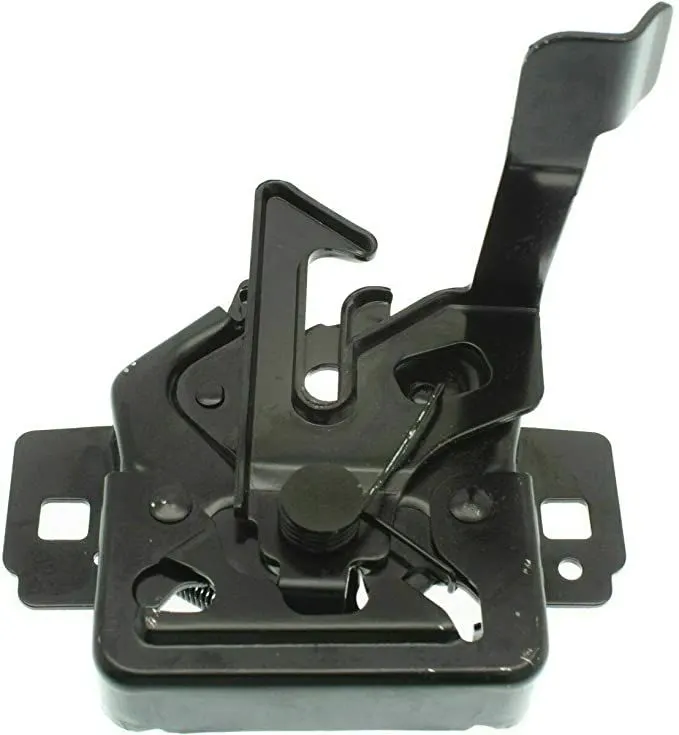
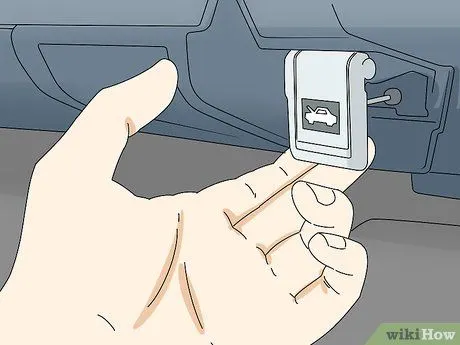 This handle is connected to an insulated cable that runs towards the front of the vehicle. The other side of the cable is connected to a latch under the hood that keeps the hood flush against the car’s body.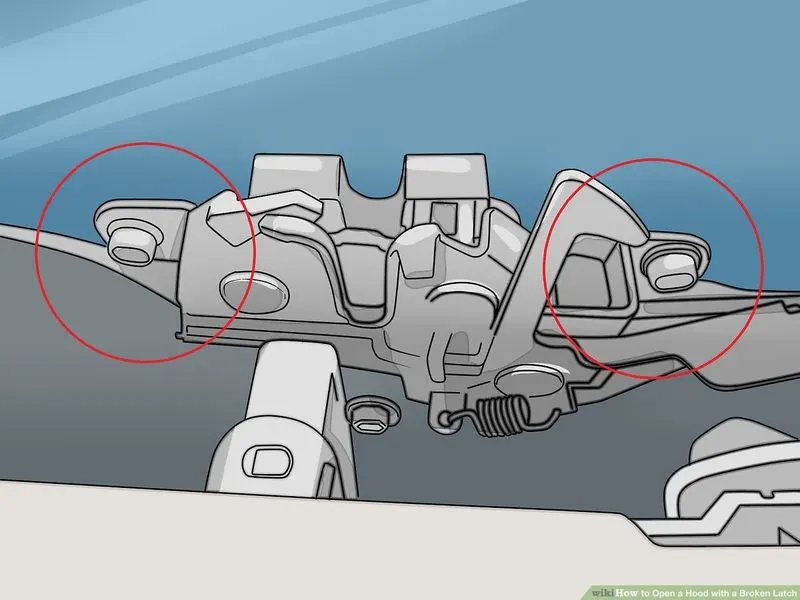
The deep drawing of sheet metal is performed with a punch and die. The punch is used to achieve the desired shape. The die cavity matches the punch; however, it is slightly wider, allowing for passage and clearance. Similar to sheet metal cutting, the clearance is the lateral distance between the die edge and punch edge.
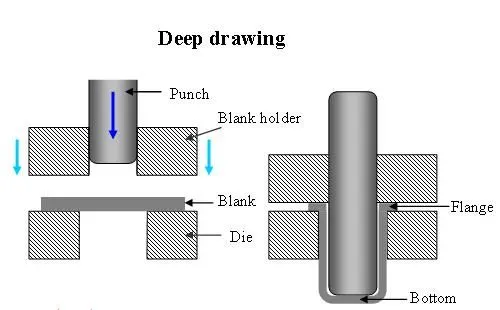
The sheet metal, called a blank, is placed over the opening of the die, where a blank holder surrounding the punch applies pressure to the entire surface of the metal, except the area under the punch. With the blank flat against the die, the punch then moves towards it and makes contact. The punch forces the sheet metal into the die, forming its shape.
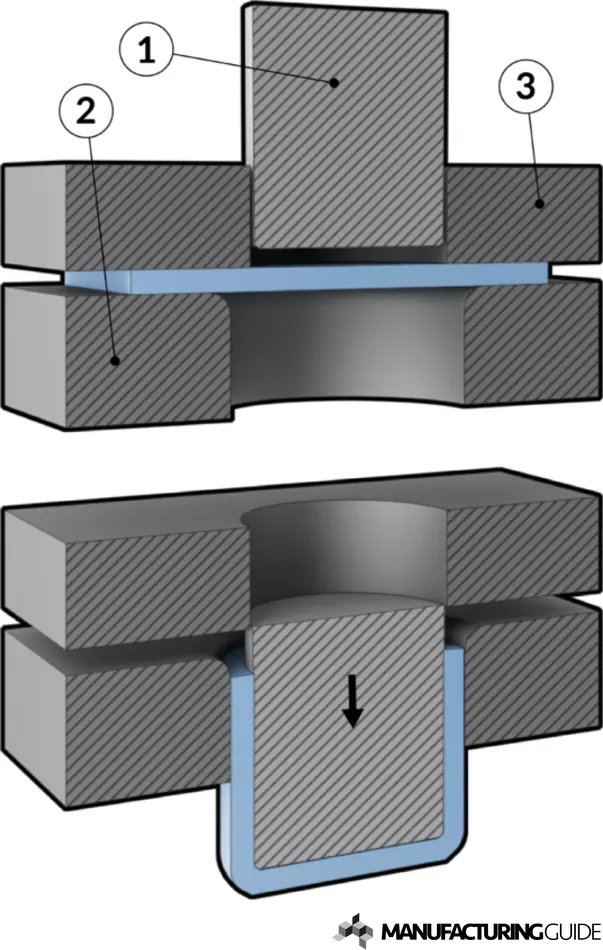
Each draw operation is a separate step, and with each step there is a reduction in diameter, increasing the height of the part. To complete the part, there may be several draws, or reductions, made to achieve the desired parameters.
In this process, there are several circumstances to consider when manufacturing an enclosure:
- Material type
- Thickness
- Corner radius
- Bottom radius
- Shape
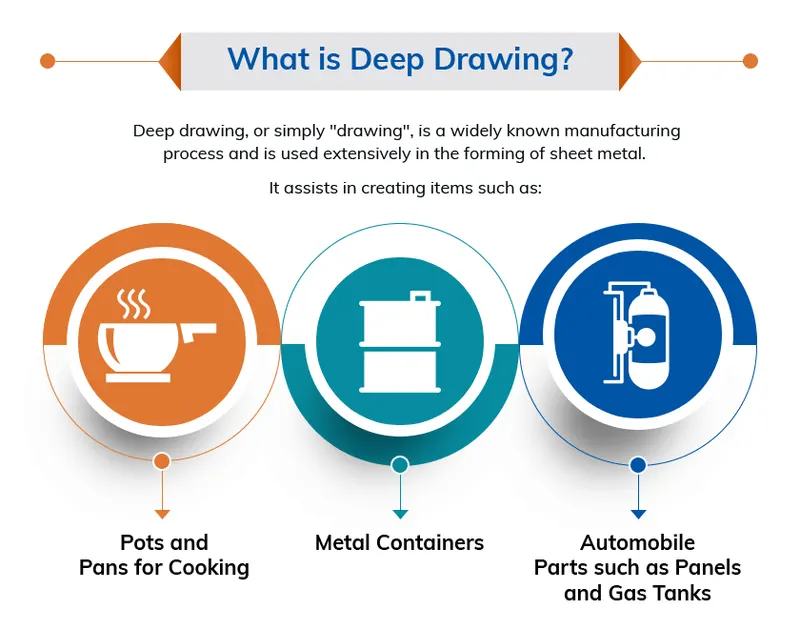 Both mechanical and hydraulic presses are used in the deep draw manufacturing process. Precision punches and dies are tools usually made of steel and iron. However, materials for punches and dies can span from plastics to carbides. Deep drawn parts are usually created at speeds of 4″-12″ per second.
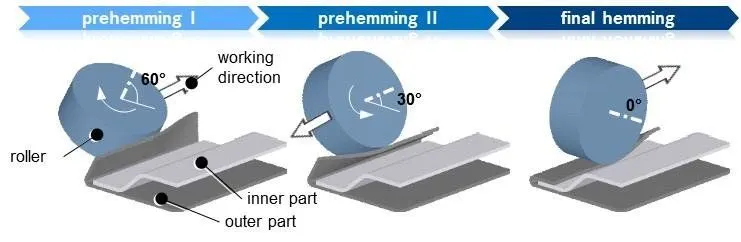
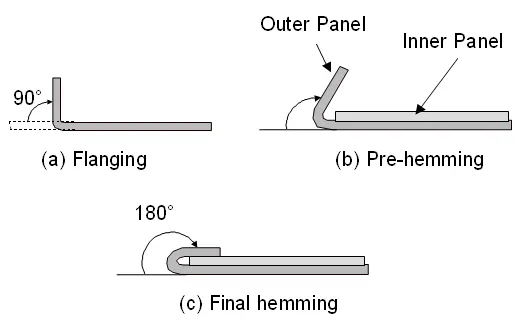
Hemming Process
A hem bend is an edge of sheet metal that is bent 180 degrees and flattened on top of itself.Hemming is the process in which the edge is rolled flush to itself, while a seam joins the edges of two materials.