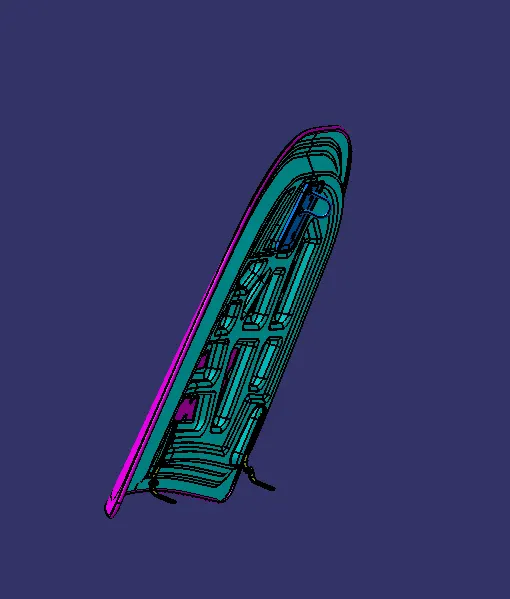
Hood design-Week 2
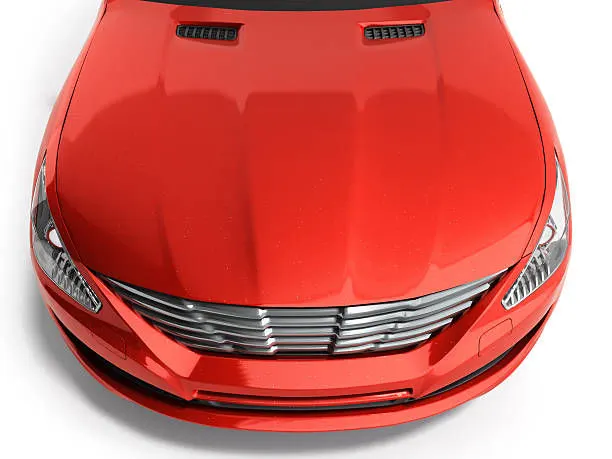
WHAT IS HOOD
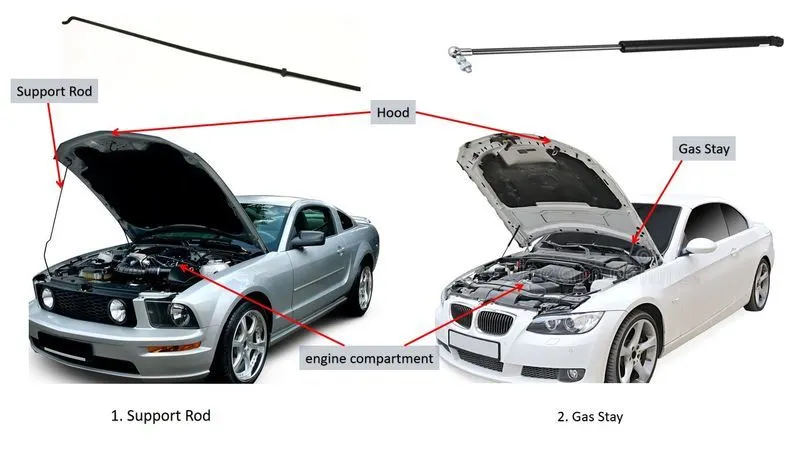
A car hood also referred to as a bonnet in some other countries is the hinged cover that rests
over the engine of a front-engine vehicle. Its purpose is to provide access to the engine for
repair and maintenance. Car hoods are typically constructed from steel and sometimes from
aluminum.
On front-engined cars, the hood may be hinged at either the front or the rear edge, or in
earlier models it may be split into two sections, one on each side, each hinged along the
centerline .
A hood may contain a hood ornament, hood scoop, power bulge, and/or wiper jets.
SAFETY REQUIREMENT WHILE DESIGNING HOOD
Safety is the most important criteria in automobile designs which concentrates on both
pedestrian and occupant safety. The major reason for pedestrian in traffic accident is due to
the head injury resulting from the hard impact of the head against the hood or the ground.
This leads to the necessity of new inner hood panel which is less stiffer and pedestrian
friendly.
The head impact analysis on the present hood of the car was done to study the response of
the adult head form at two different locations. In order to reduce the head injury of the
pedestrian the local stiffness over the area of head impact has to be reduced thus the new
design of hood inner panel was focused on that .
Therefore, how to design a pedestrian-friendly vehicle and propose a new hood structure is a
matter of urgency for minimising pedestrian head injuries.
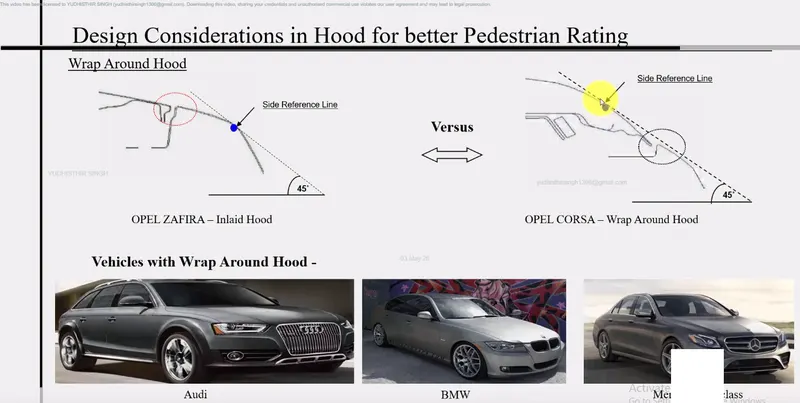
TYPES OF HOOD
There are two types of hood
*Inline
*Wrap around hood
PARTS OF HOOD
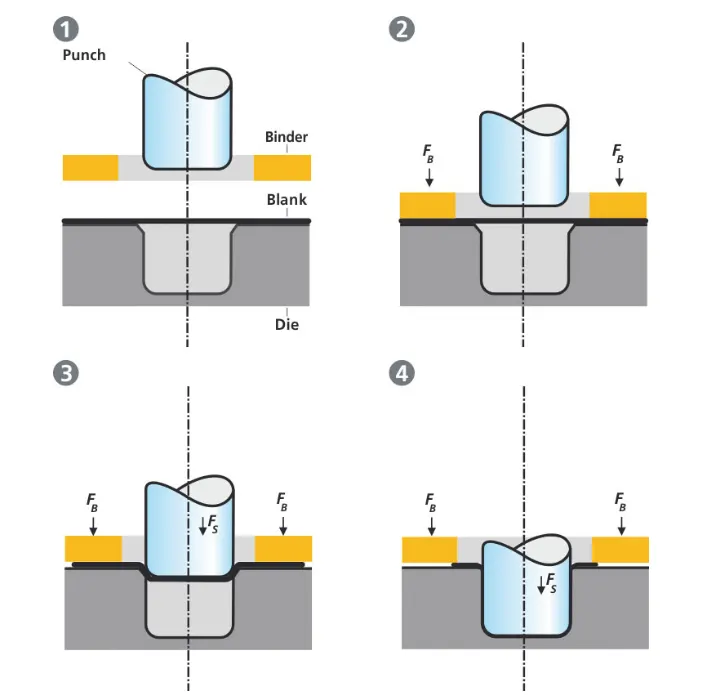
Deep Drawing
It is process of sheet metal forming process in which sheet metal is rapidly made into a die by
mechanical action.
A flat sheet metal blank is formed into a hollow body open on one side or a hollow body is
formed into a hollow body with a smaller cross-section.
It is divides into three types.
with the tool
with means
with energy
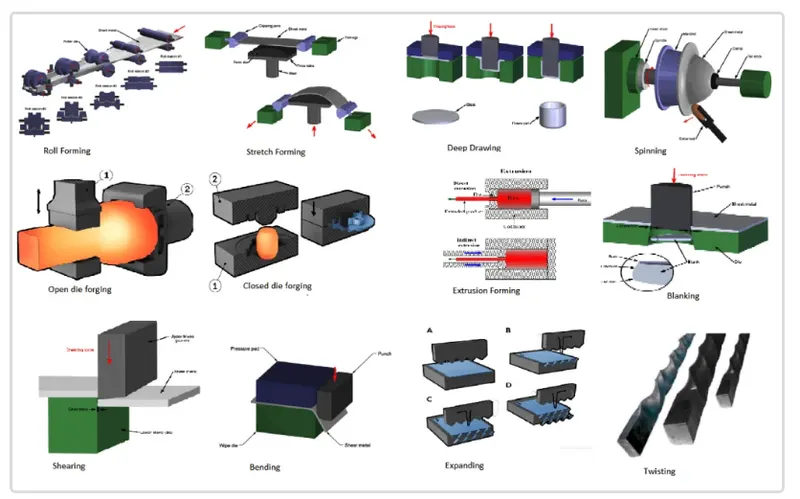
FORMING
Fabrication is a mechanical process used in manufacturing industries in which materials
undergo plastic deformation and obtain the shapes and sizes required by the application of
appropriate stresses, such as compression, shear, and tension.
TYPES OF FORMING
- Rolling
- Forging
- Extrusion
- Wire Drawing
- Roll forming
- Roll Forming
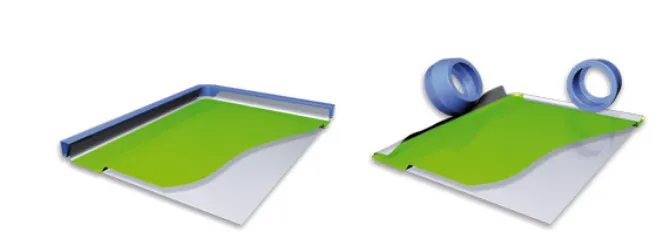
HEMING PROCESS
Hemming is a forming operation in which the edges of the sheet are folded or folded over another part in order to achieve a tight fit. Normally hemming operations are used to connect parts together, to improve the appearance of a part and to reinforce part edges.
MASTIC DATA
The mastic is which the outer panel and inner panel is sticked each other.This process will fill the gap between the two panels
The mastic will aquires upto 80mm distance
Hood Thickness
Outer Panel Thickness = 0.75mm
Inner Panel Thickness = 0.75mm
Reinforcement Thickness = 1.5mm
OUTER PANEL
outer panel with hemming
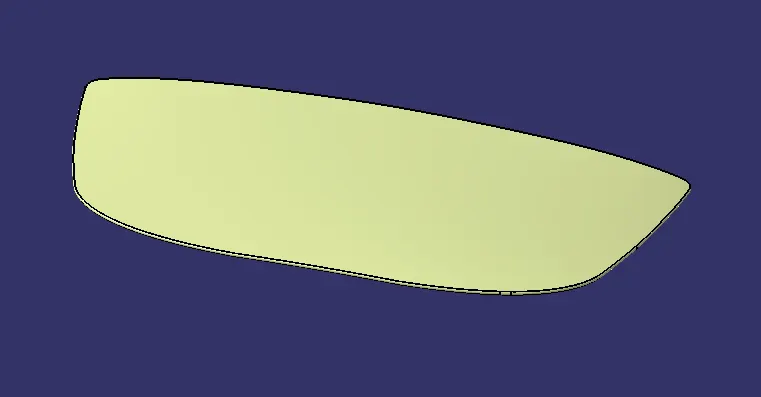
HEMMING
outer panel with hemming


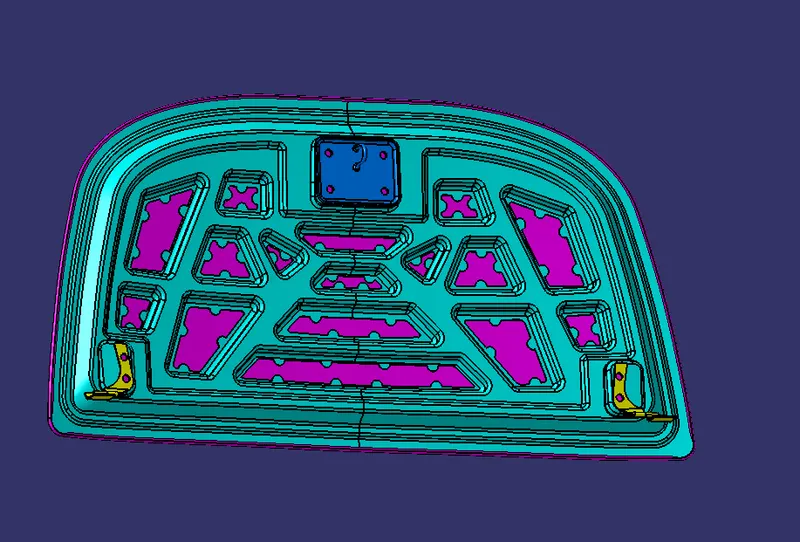
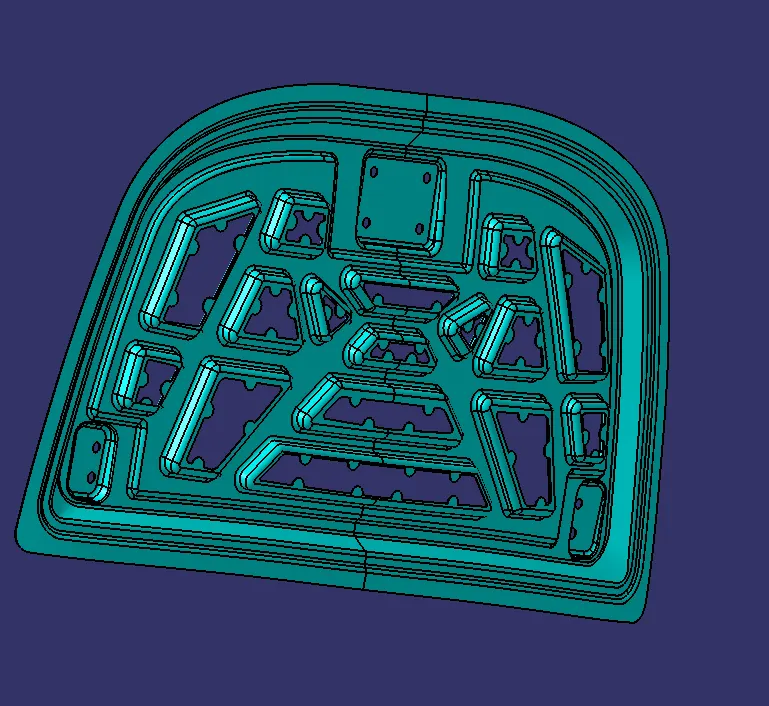
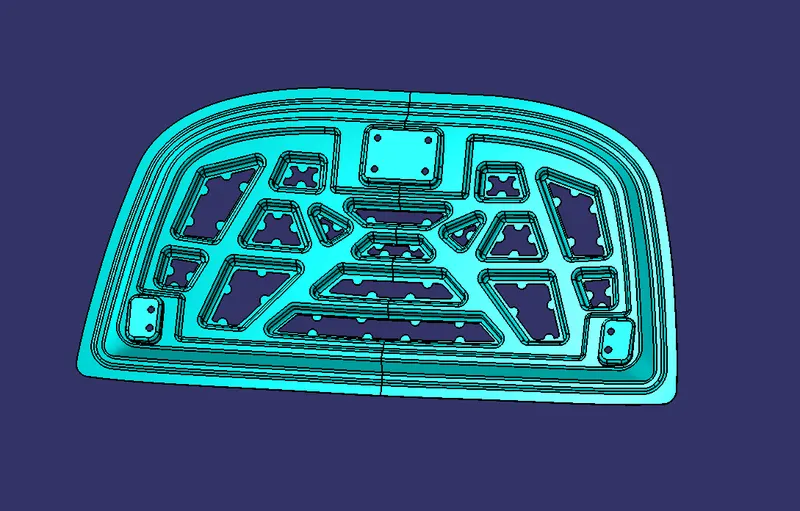
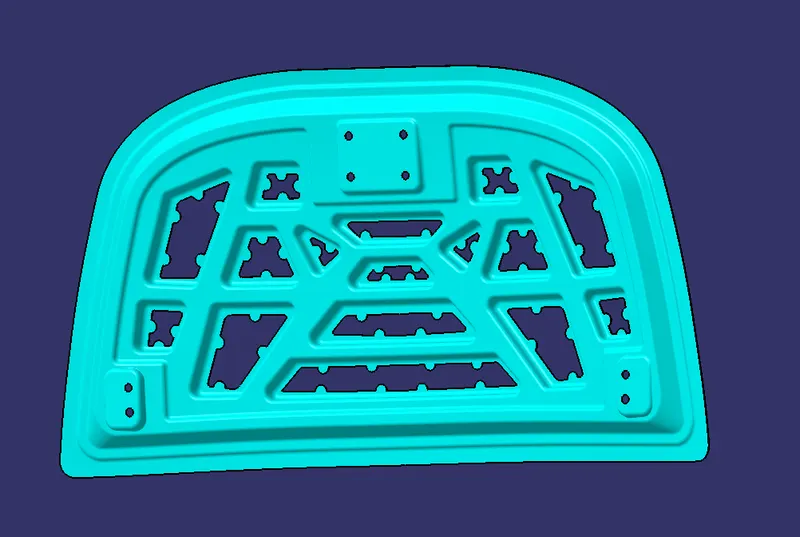
INNER PANEL OF HOOD
Inner panel with embosses
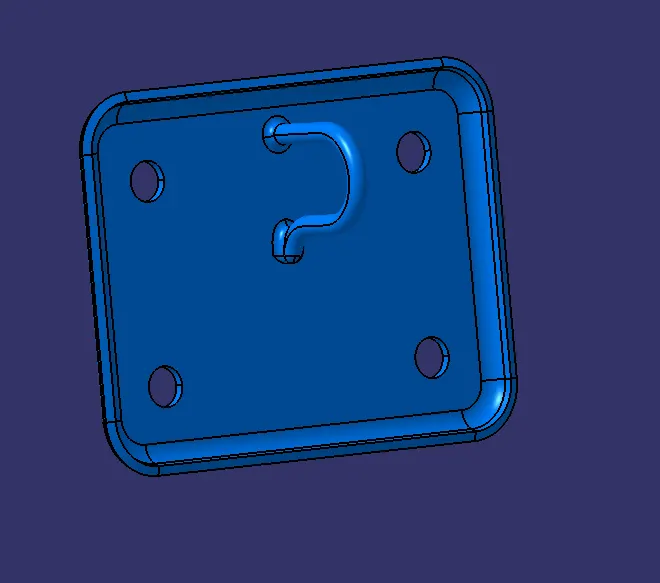
LATCH or STRIKER
This will get fit into the engine compotment
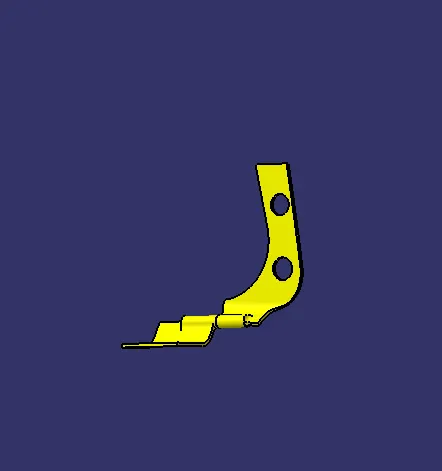
HINGE
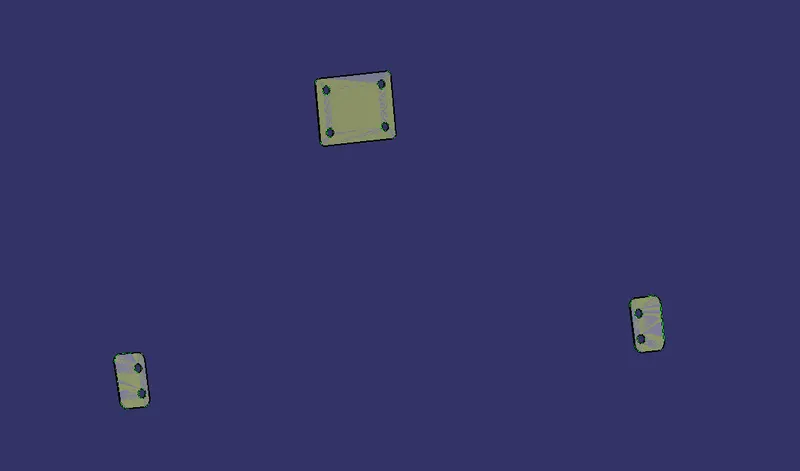
Hinge is which the desides the angle how the hood is going to open and closes.These hinges also hold the hood closed on their end
FINAL PART