Hood design-Week 2
HOOD DESIGN
AIM
The main objective of this project is to create a complete hood assembly from the given Master sketch and Skin data of the Hood outer panel using Siemens NX-CAD.
THEORY
The hood (North American English) or bonnet (Commonwealth English) is the hinged cover over the engine of motor vehicles. Hoods can open to allow access to the engine compartment or trunk (boot in Commonwealth English) on rear-engine and some mid-engine vehicles) for maintenance and repair.

It is considered as the frontal BIW enclosure component. These are designed to reduce air resistance as the air flows around the car. The design of the bonnet is vital since it affects the aerodynamic flow around the car Apart from this, bonnets are also designed to meet several other requirements. They serve a great deal of purpose in protecting the passengers inside the car and the pedestrians in the event of an accident. It also acts as the cover for the engine. So a well-designed hood will get you good ratings in Euro N-CAP rating.
The basic components of the hood are.
- Outer panel
- Inner panel
- Striker
- Hinge assembly
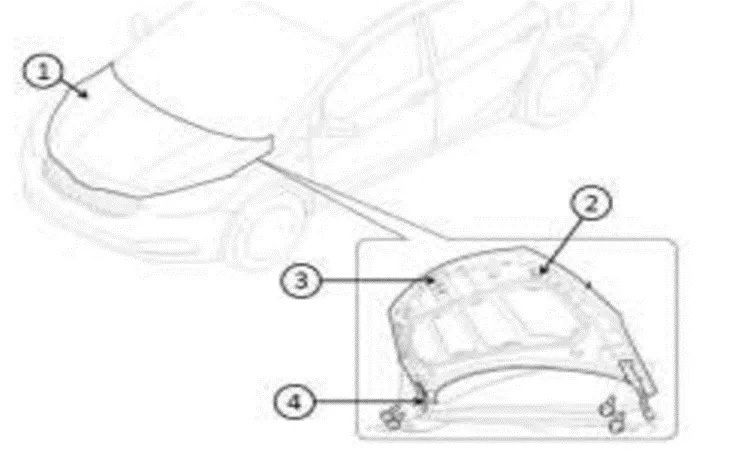
DESIGN CONSIDERATION
- MASTER SKETCH
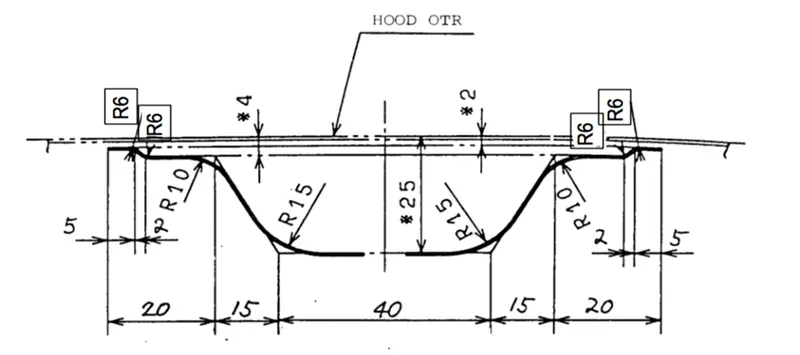
- HEMMING DATA
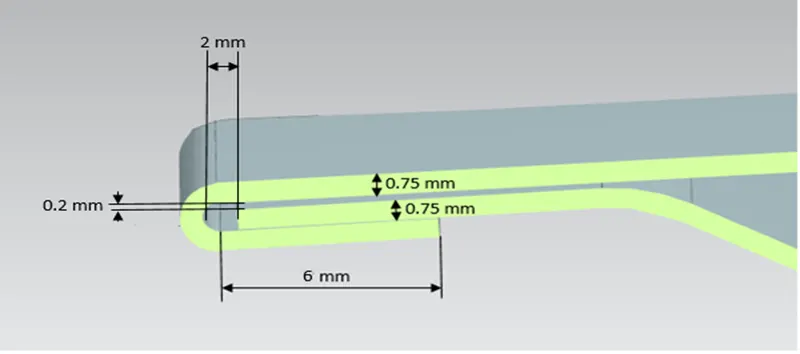
- RELIEF REAR SECTION
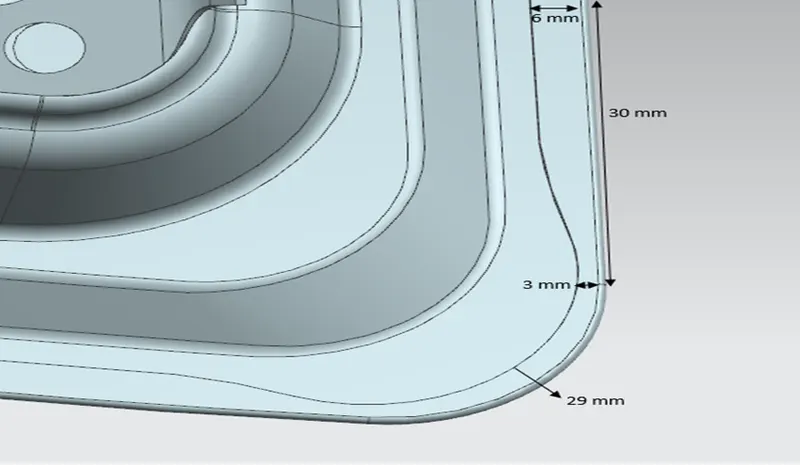
- FRONT RELIEF
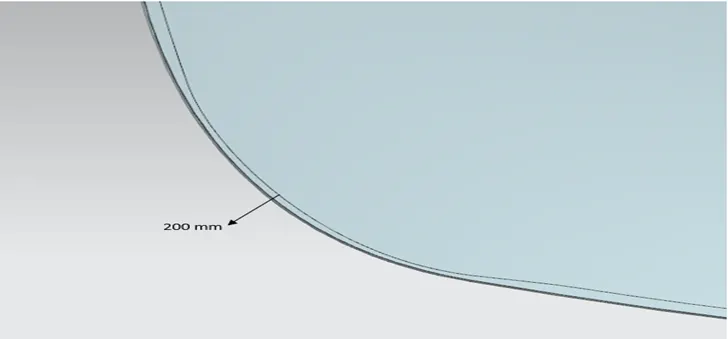
- DATA TO BE USED
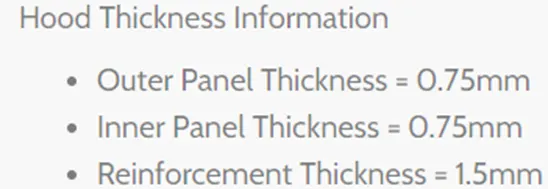
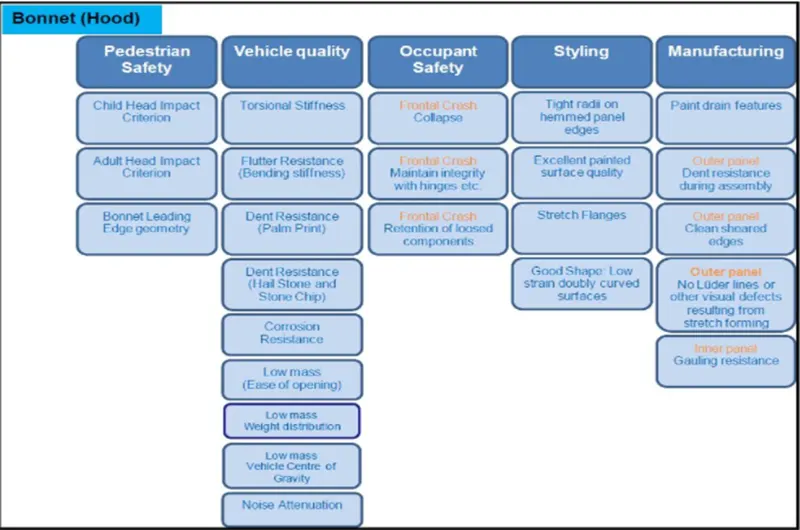
- FUNCTIONAL AND SAFETY REQUIREMENTS
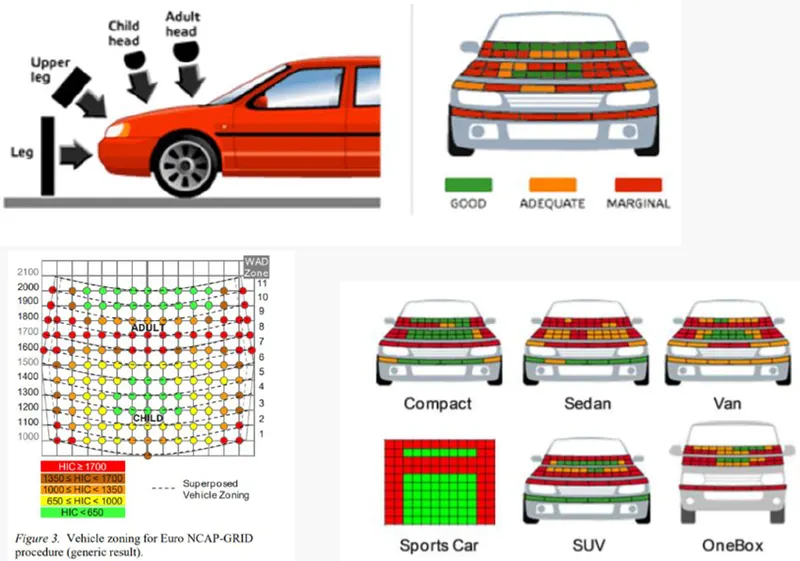
The most important one is pedestrian safety, so The European New Car Assessment Programme (Euro NCAP) is a European car safety performance assessment program that has developed test specifications and rating systems for assessing pedestrian injuries during impacts with the front of vehicles Such tests include a series of tests using impactors designed to mimic a collision at a speed of 40 km/h. They describe a situation in which a pedestrian is situated laterally and a car first hits one of his legs. Tests are conducted on the leg, upper leg, and, most importantly, the head, as head trauma is most commonly responsible for casualties.
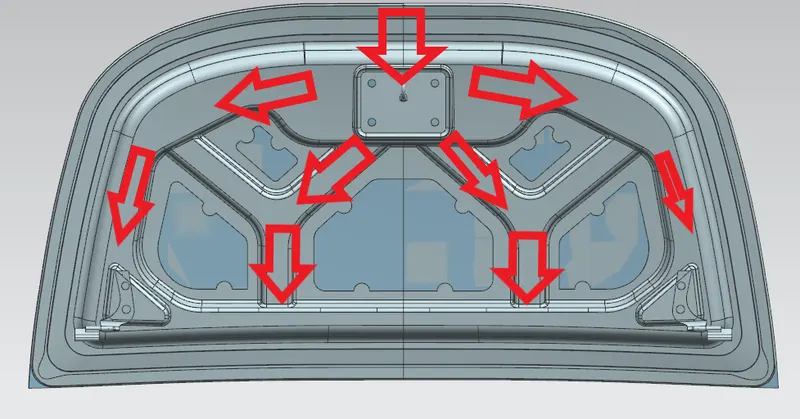
- FORCE DISTRIBUTION
When force is acted on the center of the hood the force should dissipate in different directions rather than in a single direction because it drastically decreases the impact on passengers. So we need to make proper emboss.
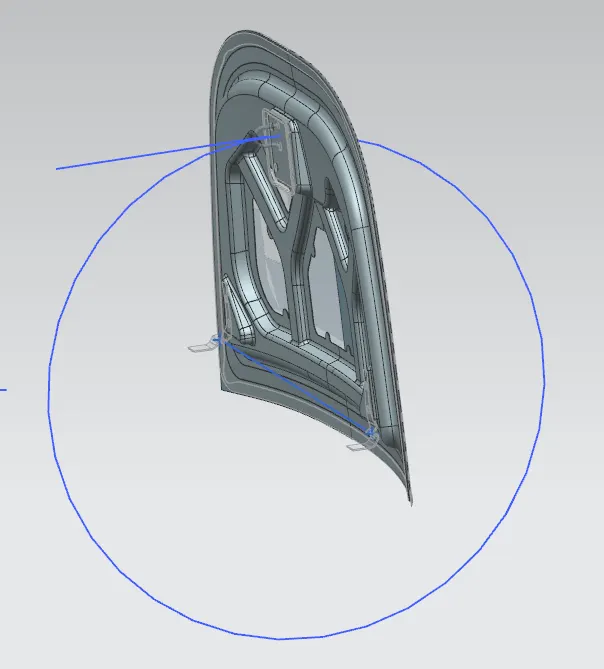
- LATCH TRAJECTORY
Latch trajectory can be observed as a circle drawn from the center of the hinge axis line to the striker area. It is important to consider if we want to ensure proper locking of latch and striker while closing the hood.
FINAL DESIGN
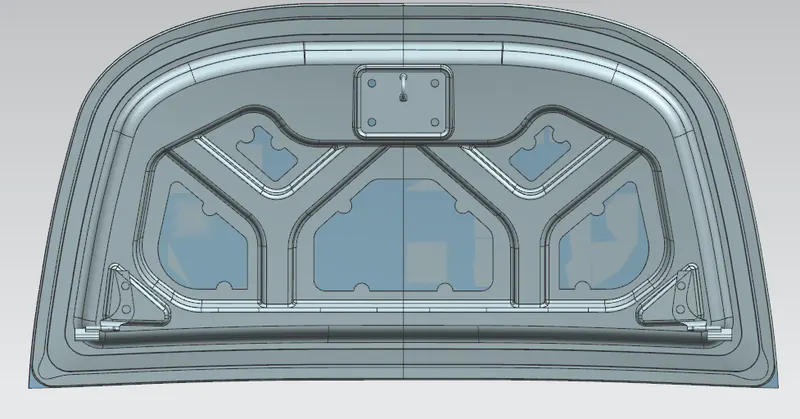
ASSEMBLY
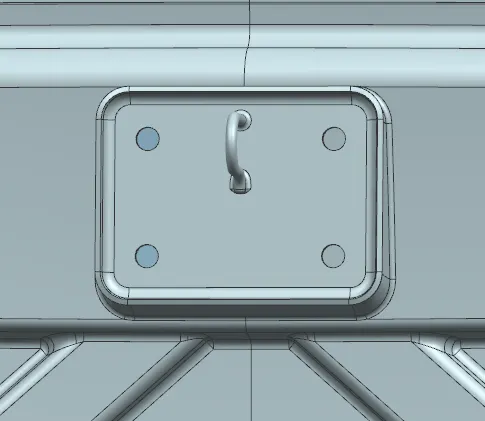
STRIKER
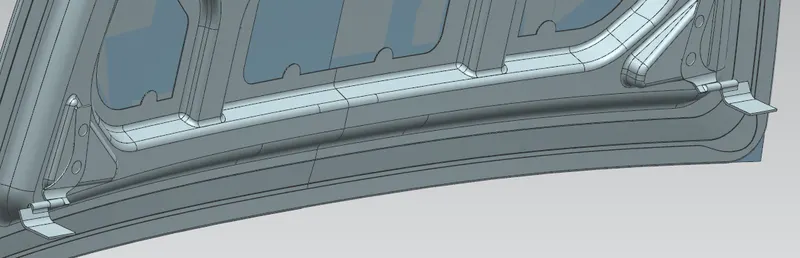
HINGES
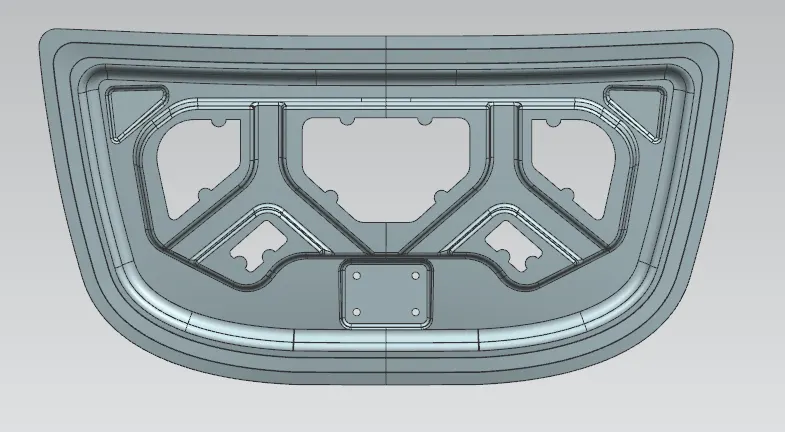
INNER PANEL