Hood design-Week 2
Abstract
Car bonnet consist of the outer panel and inner stiffener panels and reinforcement members placed there between to increase the strength of said panel in localized area. The outer panel and inner stiffener panel are connected by hemming. Bonnet is a main component of front portion of the car which is used for many purposes. Bonnet is made aerodynamic in shape to reduce air effect. Also bonnet is used to decorate car and add luxurious look. Bonnet generally used to cover car engine, radiator and many other parts, therefore bonnet must be designed in such a way that all the maintenance parts should be easily accessible and it gives minimum hindrance to aerodynamic flow. While car is in running condition it experiences a resisting forces of air, hence bonnet of car must be aerodynamic.
Introduction
The bonnet becomes a target for the pedestrian's head during any frontal vehicle-pedestrian collision. Consequently, the rigidity of the bonnet structure, and its ability to absorb energy from the impact gradually, will determine the severity of any head injuries that the pedestrian may suffer. It is desired that the bonnet must absorb energy in such a manner that the accelerations produced during the impact are well within the physiologically tolerable range of the human head.
Vehicke system Consideration
Pedestrial safety
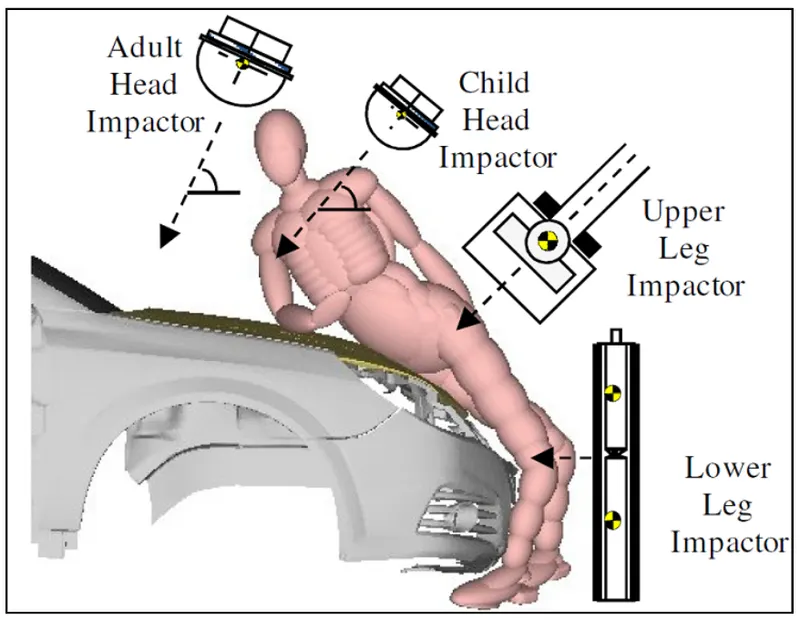
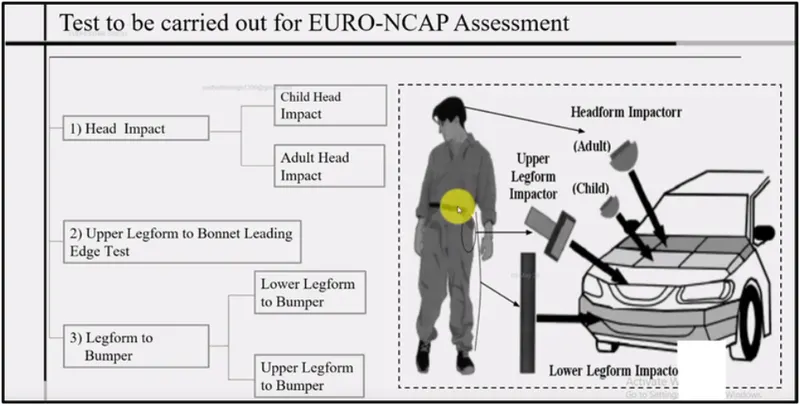
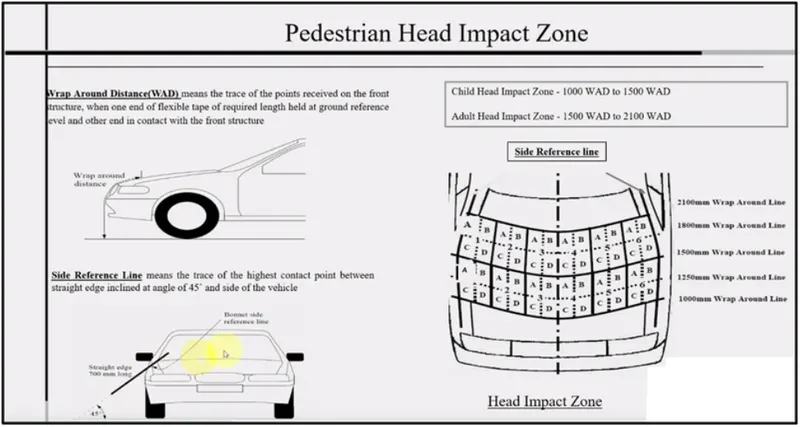
Design Aspects
- Modeling outer panel _ thickness 0.75mm
- Modeling inner panel [emboss / mastic points / reinforcements] _ thickness 0.75mm
- Hemming process
- Hinge assy
- Stricker latch assy [trajectory for hood open&close]
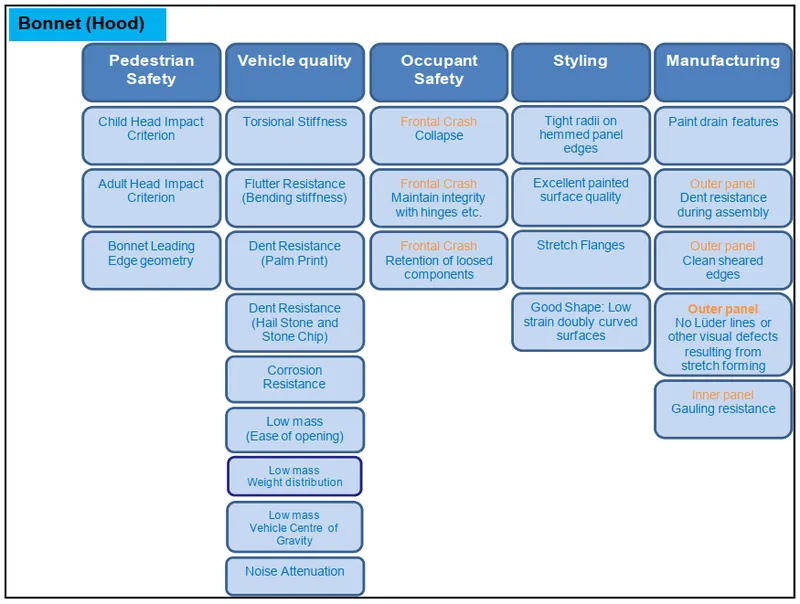
Design methodology
With reference to the master sketch, will design the hood and assy with the reletive components.
1. Outer panel - 0.75T
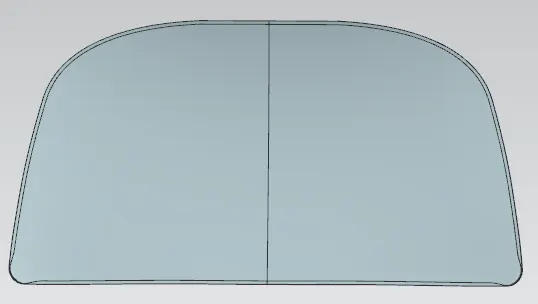
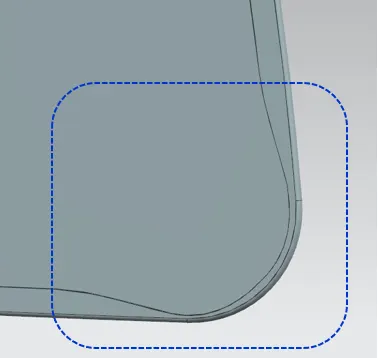
1.1 Hemming relief
- It creates the relife at the edge area to make defined curve and avoid fold press
[two similar metalworking processes in which a sheet metal edge is rolled over onto itself]
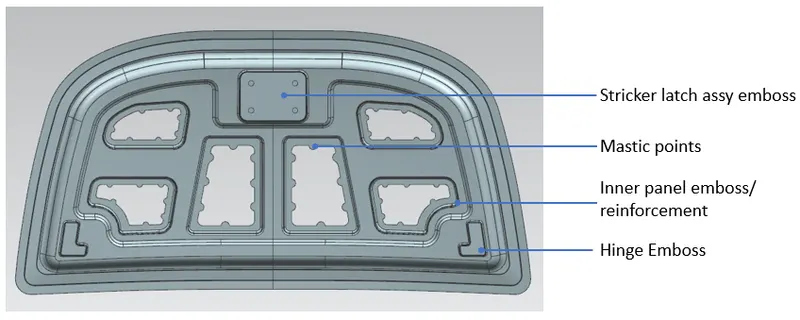
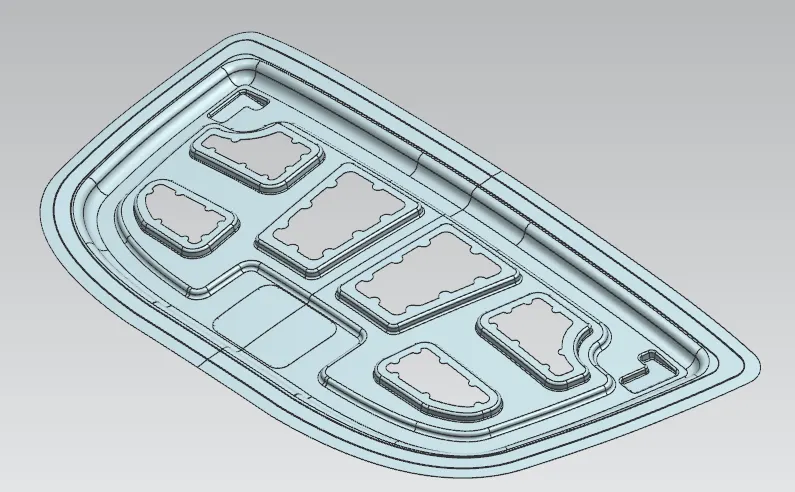
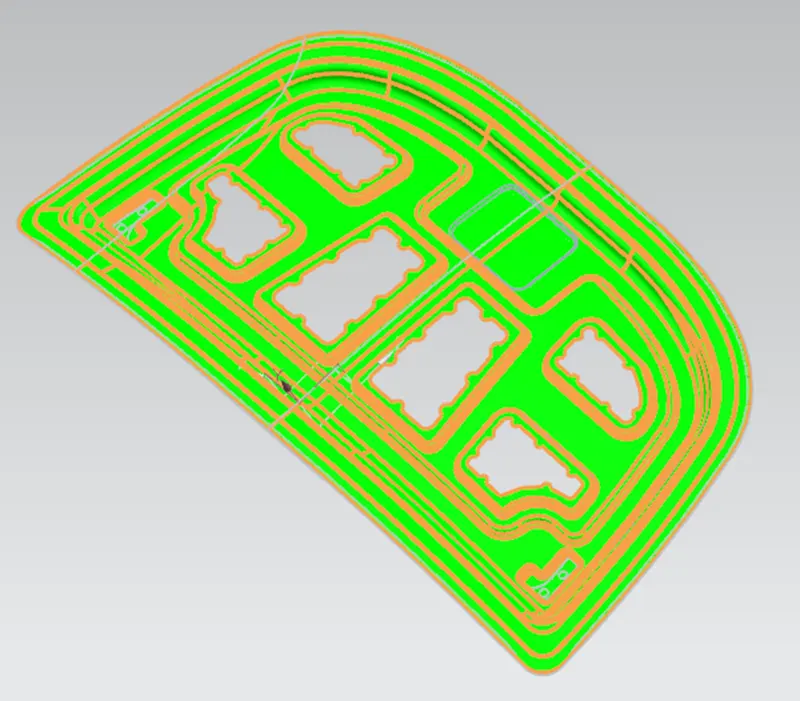
2. Inner panel - 0.75T
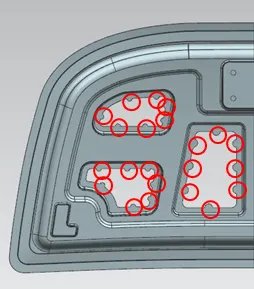
2.1. Mastic points
- Mastic means is one of the sealant to joint the two components
- In this application they joining the inner and outer panel
- And 1 mastic point provide the strength around 80mm locally, based on the we can define the mastic point locations
2.2 Emboss / reinforcement
- We designs a radius profile to became more rigitidy with the mating parts and also create a relife as per the required standards.
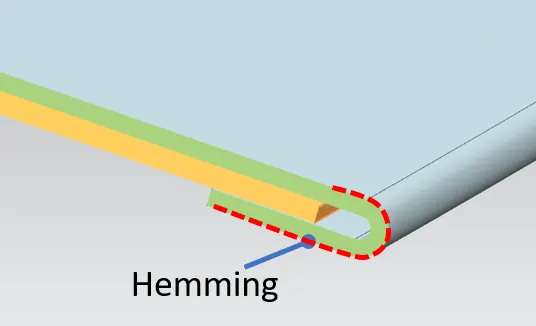
2.3 Hemming
- Its is process to coupling the two sheet metal in specified dimensions [inner & outer panel]
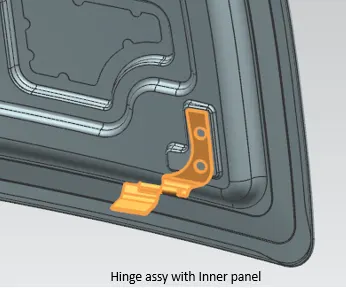
3. Hinge assy
- At the begning, must have to positioning the hinge with the inner panel of the hood
- To align with the inner panel, have to create the emboss structure in panel
- At final by applying assy constraints, will defined the hinge assy
4. Stricke latch assy
- At the begning, must have to positioning the stricker with the inner panel of the hood
- latch is the locking system by hinge operation, so must have to allign with respect to the hinge orgin point
- To positioning the latch, following constraints to be done
A. Make a line between the teo Hinges [LH/RH]
B. With CTR point of the line draw a circle called as TRAJECTORY
C. Apply constarints to match the position [perpendicular / touch] 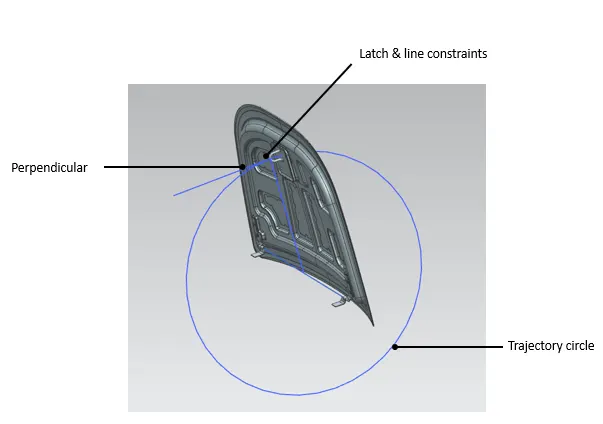
5. Draft Analysis
- Draft analysis is a method of checking the draft angle on various faces of a part with a particular direction
Conclusion
- By following the procedure techniquies we design the hood panel assy by using NX CAD 12