Hood design-Week 2
HOOD DESIGN:
OBJECTIVE:
To understand the design consideration in the designing & developing of an automotive hood outer panel,Inner panel, Striker & Hinge assy with mastic point as well as following regulations to achieve maximum safety to people passing in and around the vehicle.
DATA PROVIDED:
Hood Thickness Information
- Outer Panel Thickness = 0.75mm
- Inner Panel Thickness = 0.75mm
- Reinforcement Thickness = 1.5mm
Fig.1:Master Sketh Fig.2:Heming Data
Fig.3:Rear Relif Sketh Fig.4:Front Relif Sketh
INTRODUCTION:
Hood is an opening body panel that covers front part of vehicle and gives intial impressions about the vehicle.
Hood is combination of outer pannel & inner pannel where outer panel has aesthetic look to it but on its own is very weak and not capable of handling force during impact which makes vehicle's front part weak along keeping the people's life around it in danger , this is the point where inner panel comes in to serves as a structure for the vehicle to dissipate and channel shock waves at the event of a crash to provide strength to the outer panel shown in Fig.5.
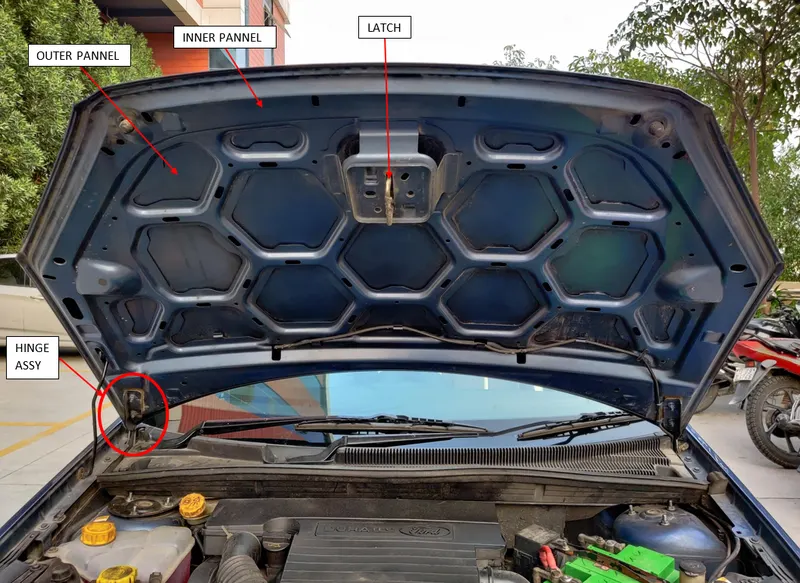
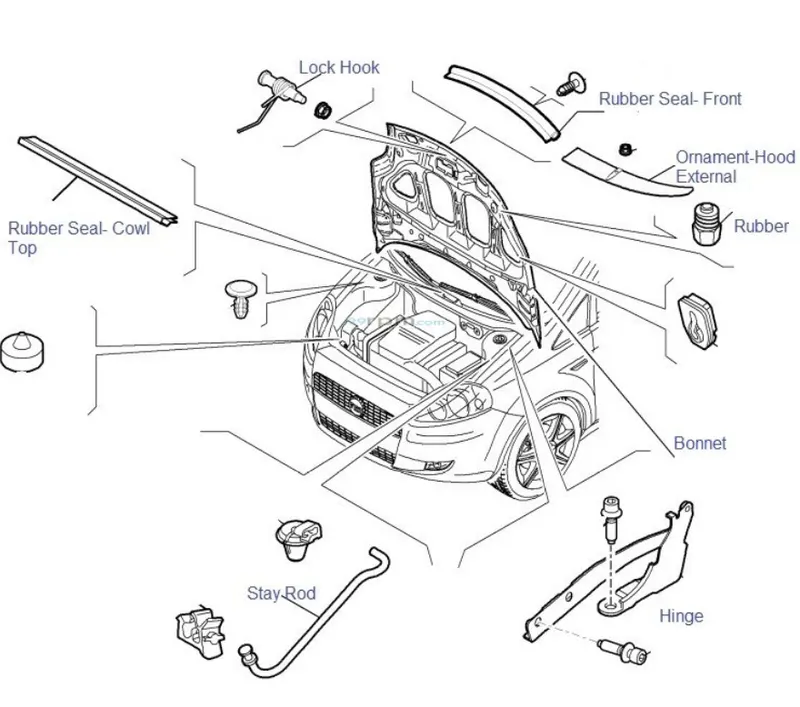
Fig.5:Hood and its Components
HOOD STAY:
It is a device for supporting the engine hood in an open position.The length of the rod depends upon the angle which the hood opens.If the ange is more,then the length of the rod is also more & vice versa but the curvature of the of the rod should be ≤32 .
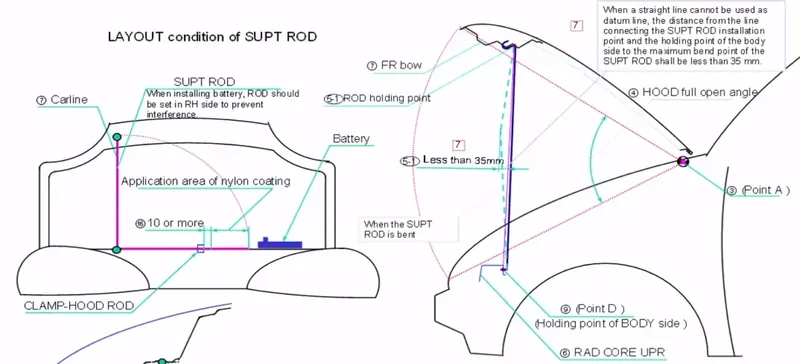
Fig.6:layout of support rod
There are two types of hood stay:
- Support Rod
- Gas stay
SUPPORT ROD:It is the straight rod which holds the hood in open position which is done manually ,the support rod is either stright or bent.
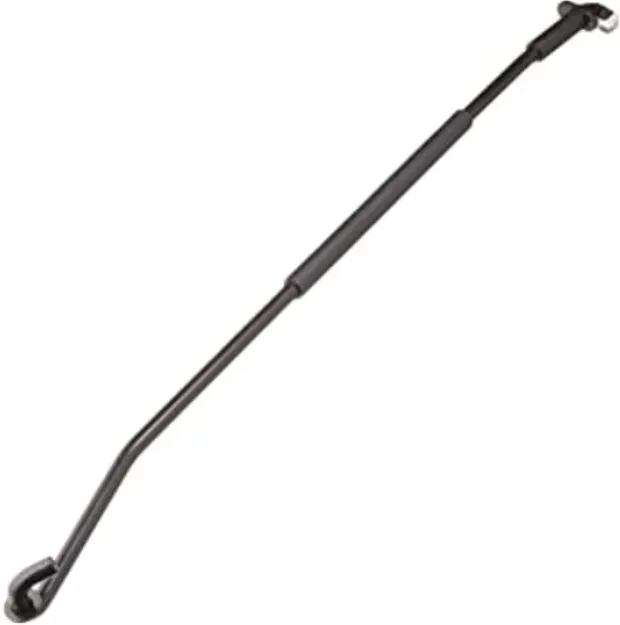
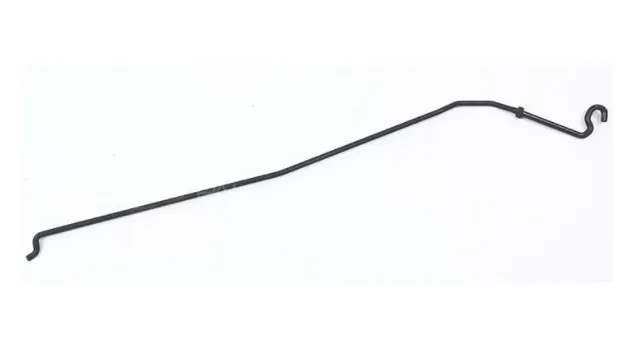
Fig.7:Support rod - Striaght Fig.8:Support rod - Bent
GAS STAY:It is the rod consists of piston cylinder arrangement which is done automatically.Whent it is actuated the car hood is automatically opens which doesn't require manual force to open the hood.It is actuated formt the inside of the car itself and it require only a little initial push only then it automatically opened up.It can be place either one side or on the both sides of the hood.And it also requires only little space to accomodate.
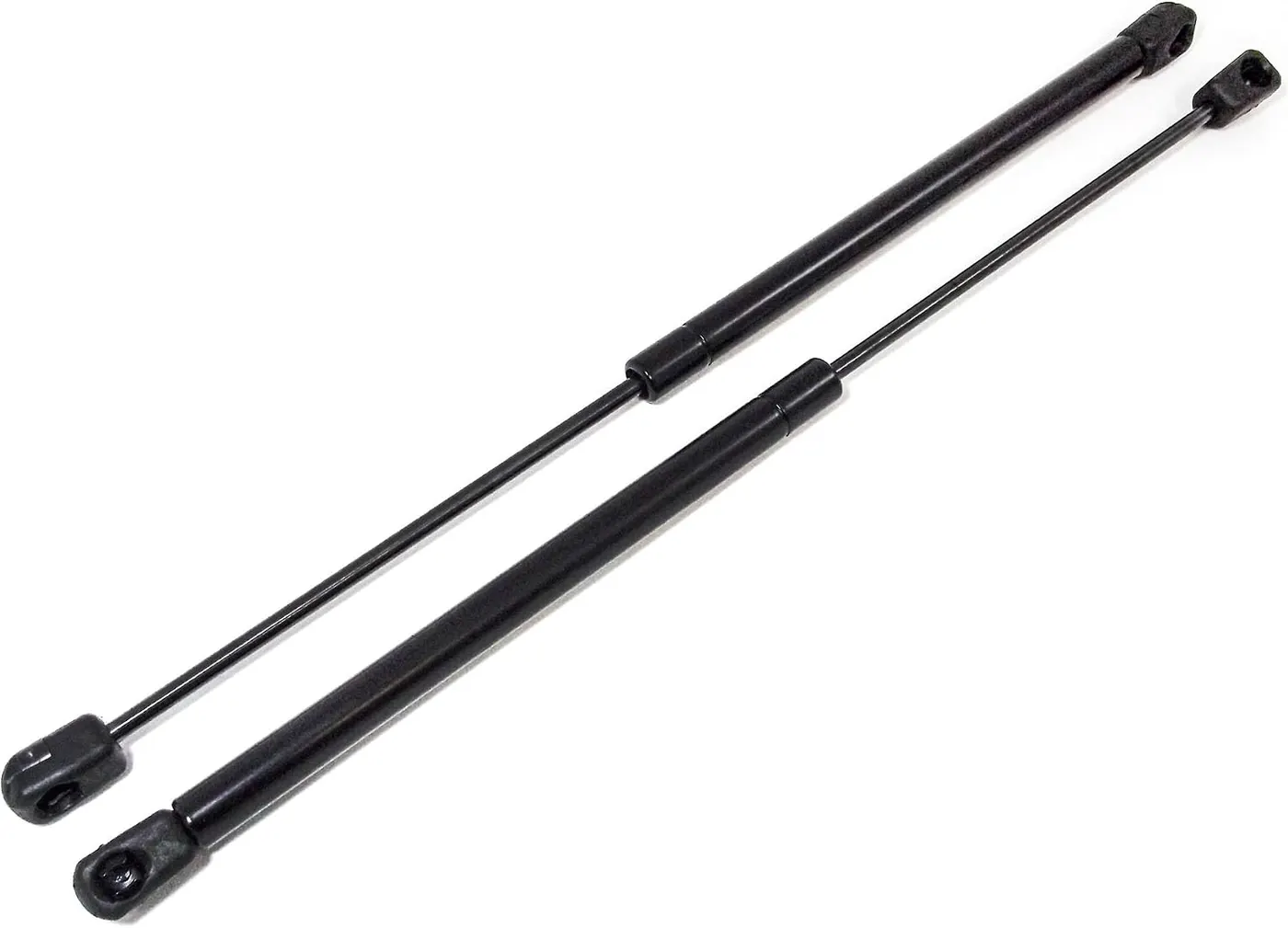
Fig.9:Gas Stay
CONSIDERATIONS:
Design:
Fig.10:Design considerations
HOOD HEAD ZONE FOR LATCH & STRIKER: While designing the hood we have to consider the opening angle of the hood .It may differ from countries to countries based on their heights.In India the average human height is 5.5' ft. and the opening angle is 60° in india.
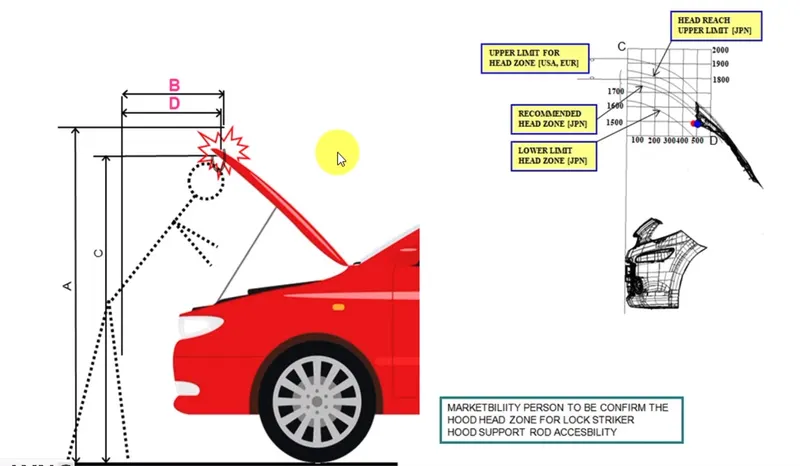
Fig.11:Design considerations
HINGE CONSTRAIN:The both hinge assy axis made in the hood assembly should be in single line axis and should be perpendicular to latch for proper functioning when assembled in vehicle.
MASTIC CONSTRAIN:Proper location of mastic points should be created to provide reinforcement between outer and inner pannel.
SAFETY:
The primary and most important safety requirement to be considered while designing the Bonnet is the Pedestrian & Passenger Safety from frontal collision.
The New Car Assessment Programme (NCAP) is a car safety performance assessment program which has developed test specifications and rating systems for assessing pedestrian injuries during impacts with the vehicles. These tests include a series of tests using impactors designed to mimic a collision at a speed of 40 km/h.Tests are conducted on the leg, upper leg and, most importantly, the head, as head trauma is most commonly responsible for casualties.
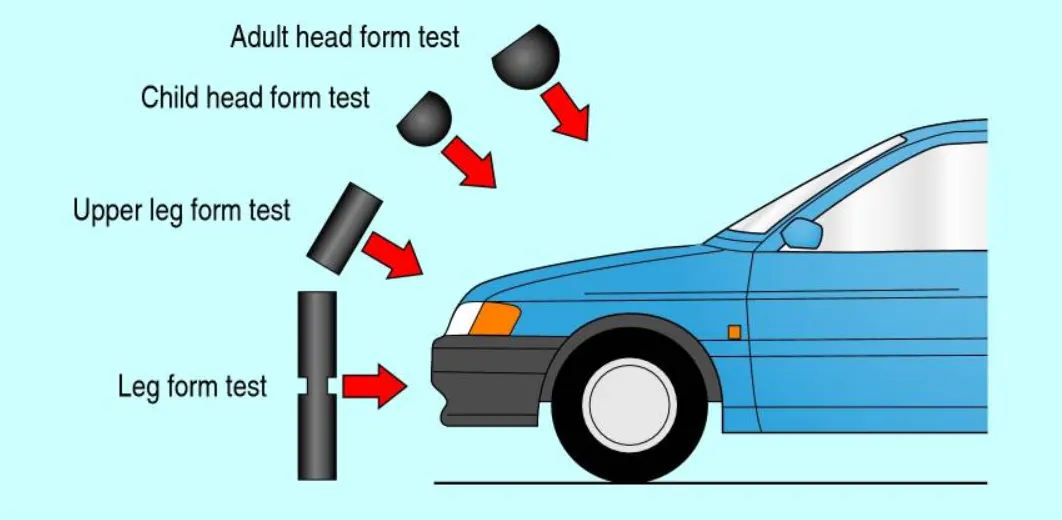
Fig.10:Pedestrian Crash Placement - Child (Left) & Adult (Right)
Fig.11:Impact Area for Child and Adult Head
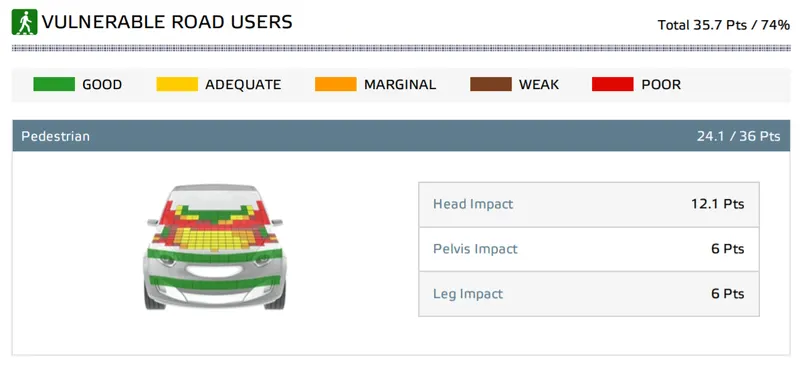
Fig.12:Example of Ncap rating
There are two types of hood one is inlaid hood and the other one is wrap around hood.In inlaid hood the side reference line lies on the fender whereas in wrap around hood the side reference line lies on the hood itself.Wrap around hood gives good results in pedestrian safety.
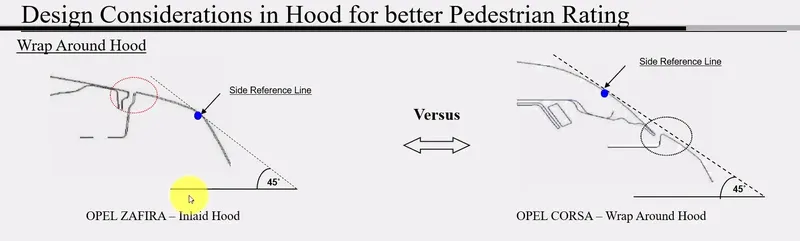
Fig.13:Design consideration in hood for better pedestrian safety
Manufacturing : -
- Deep drawing process is used for the manufacturing of the inner panel.
- Material used is aluminium as it can absorb twice the crash energy of mild steel, ligher, dent free and can make body panels thicker while still lowering weight.
- No sharp corners inside the panel.
- No negative draft.
The process involved in manufacturing hood as a sheet metal operation is
- Blanking
- hemming
- Punch cutting or piercing
- Deep drawing
DESIGN OF HOOD:
INNER PANNEL:
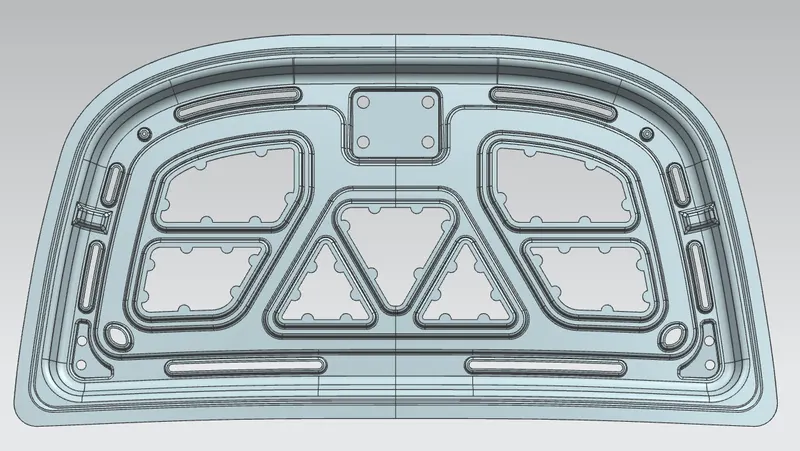
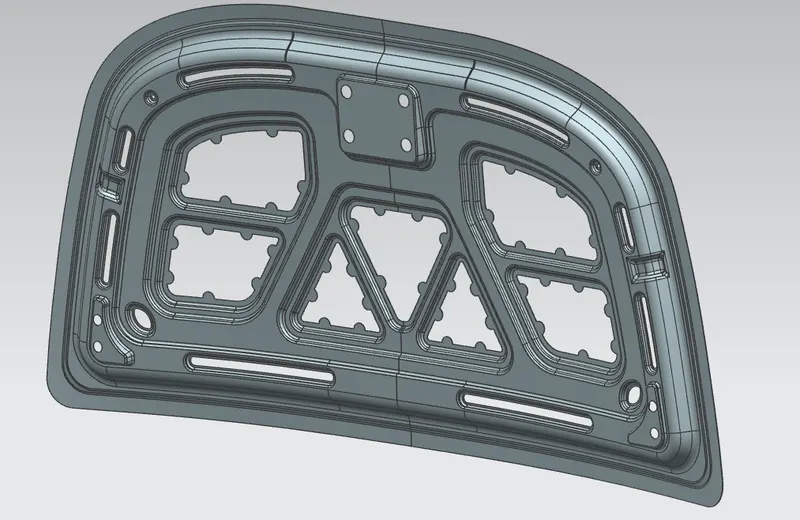
Fig.14:Inner pannel-1
- The hood inner panel is required to have a high initial reaction force against the impact exerted on the hood to enhance the energy absorption capacity. The hood is further required to minimize a reduction of a reaction force by deformation in a collision and ensuring a sufficient energy absorption capacity.
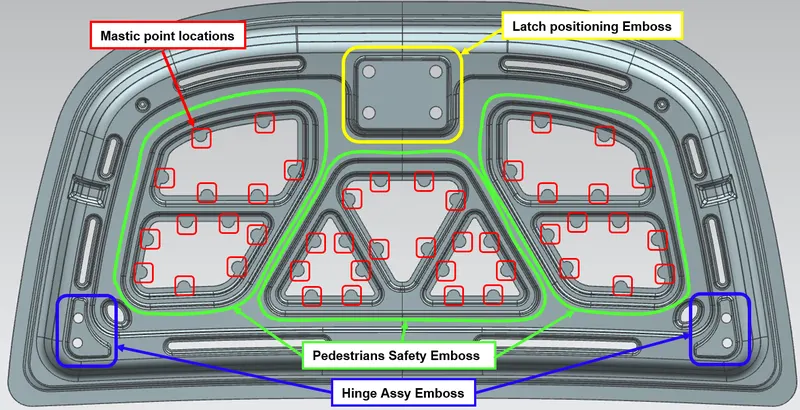
Fig.15:Inner pannel-2
Mastic Data:
- Mastic points are areas where the inner hood panel is joined with the outer panel hem using a mastic glue. This mastic glue keeps the inner panel stuck to the outer panel.Mastic sealant has the tendency to increase the strength of the panel and has influence of 80mm diameter.
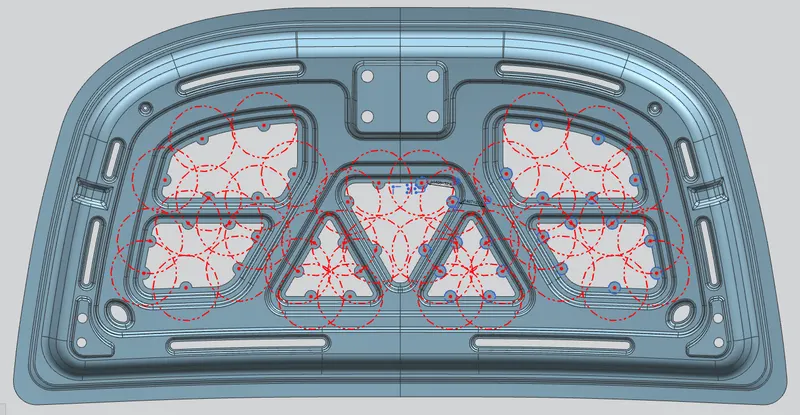
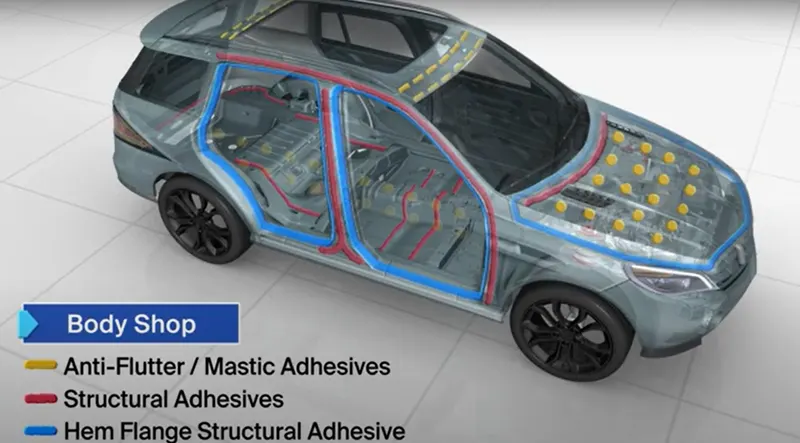
Fig.16:Mastic points covered surface area
Crash Initiators:
- Crash intiators is the place where the bending of the the inner pannel starts during the frontal crash. These are the points where we decide the bending of the hood need to be happened so that we can increase the safety of the passenger.
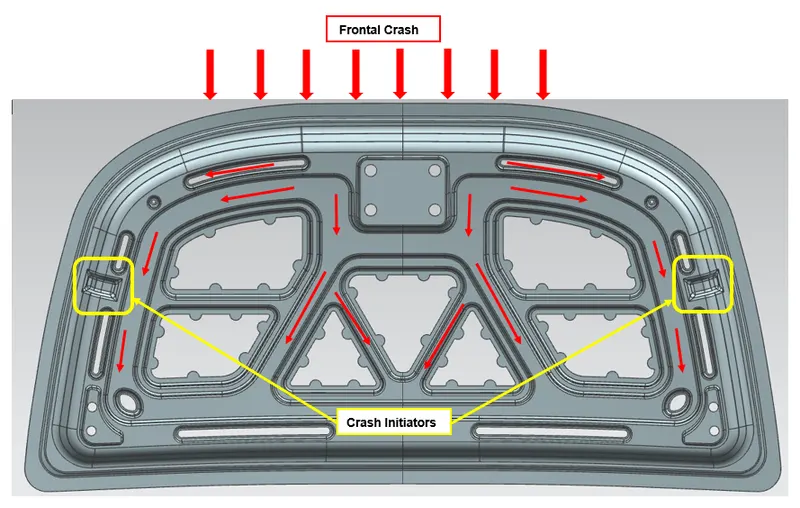
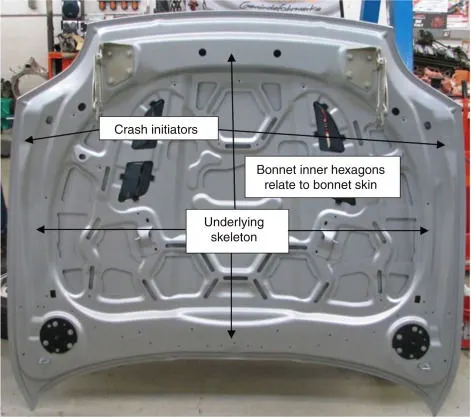
Fig.17:Crash Intiators
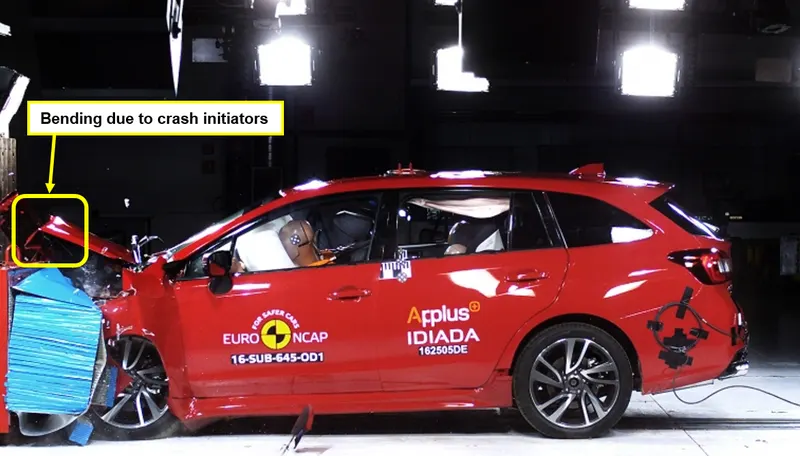
Fig.18:Bending point
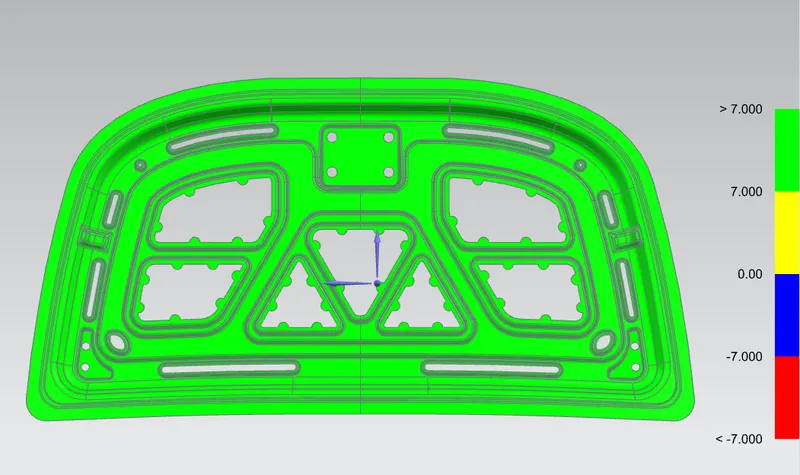
Fig.19:Draft Analaysis
OUTER PANNEL:
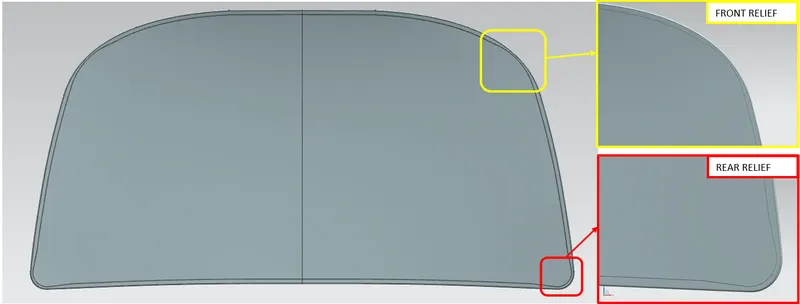
Fig.20:Outer pannel
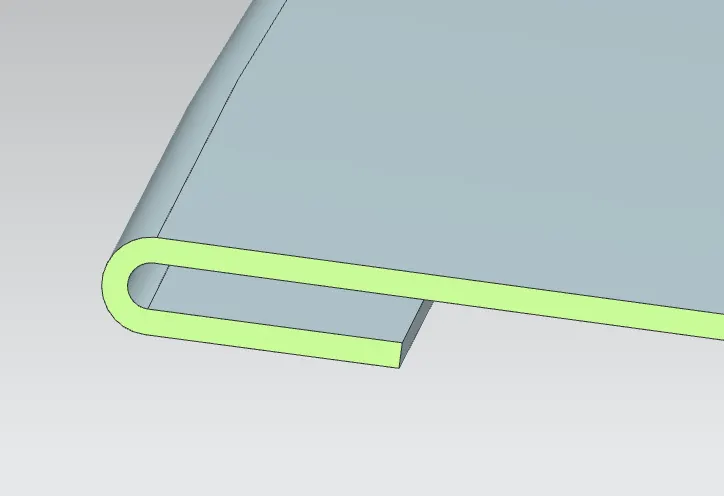
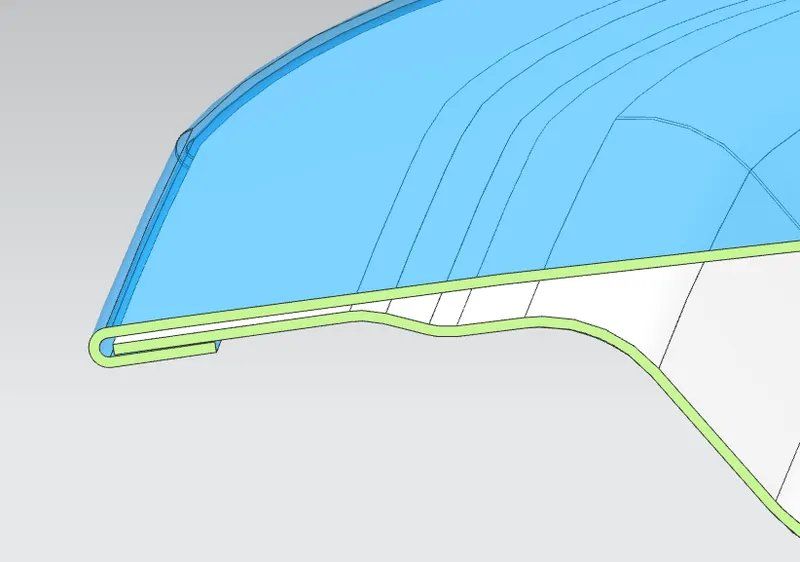
Fig.21:Hemming - outer pannel Fig.22:Hemming - Assembly
LATCH, HINGE ASSEMBLY POSITION & TRAJECTORY MOTION:
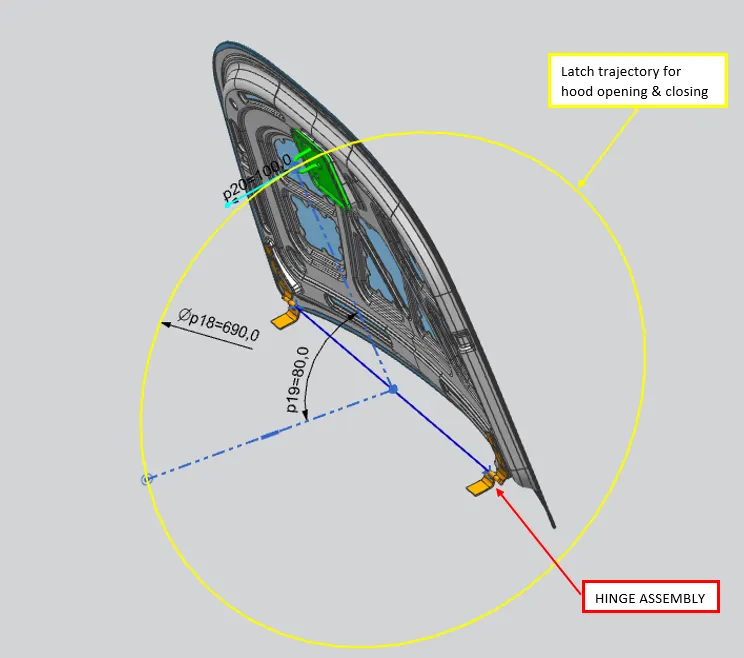
Fig.23:Latch Trajectory
FINAL HOOD ASSEMBLY:
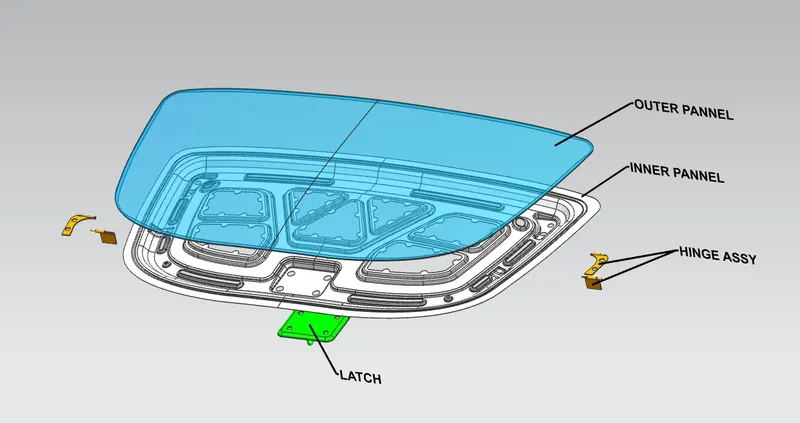
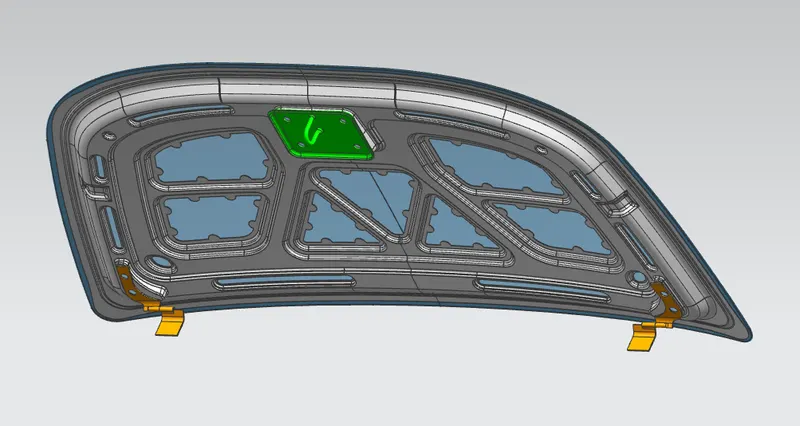
Fig.24:Exploded Veiw of Assembly Fig.25:Hood Assembly
CONCLUSION:-
With the completion of the design and analyzing it for successful manufacturability, we can conclude that this can be utilized for a vehicle. Also, the design was executed under the EuroNCAP safety standards and hence satisfies hood safety both for occupants and the pedestrians.
GOOGLE DRIVE LINK : https://drive.google.com/drive/u/0/folders/1LxYGaKu1s47L9NAcmpS_2-2i9YIVLrrS