Hood design-Week 2
What is Hood?
The hood is the front cover that hinges open to reveal the engine compartment. It's also referred to as the bonnet in some regions. Made of materials like steel or aluminum, it protects the engine and contributes to the vehicle's aerodynamics and appearance. Opening the hood provides access for maintenance and repairs.
Hood Components
1. Outer Panel: This is the visible part of the hood, usually made of metal like steel or aluminum, and it contributes to the vehicle's aesthetics.
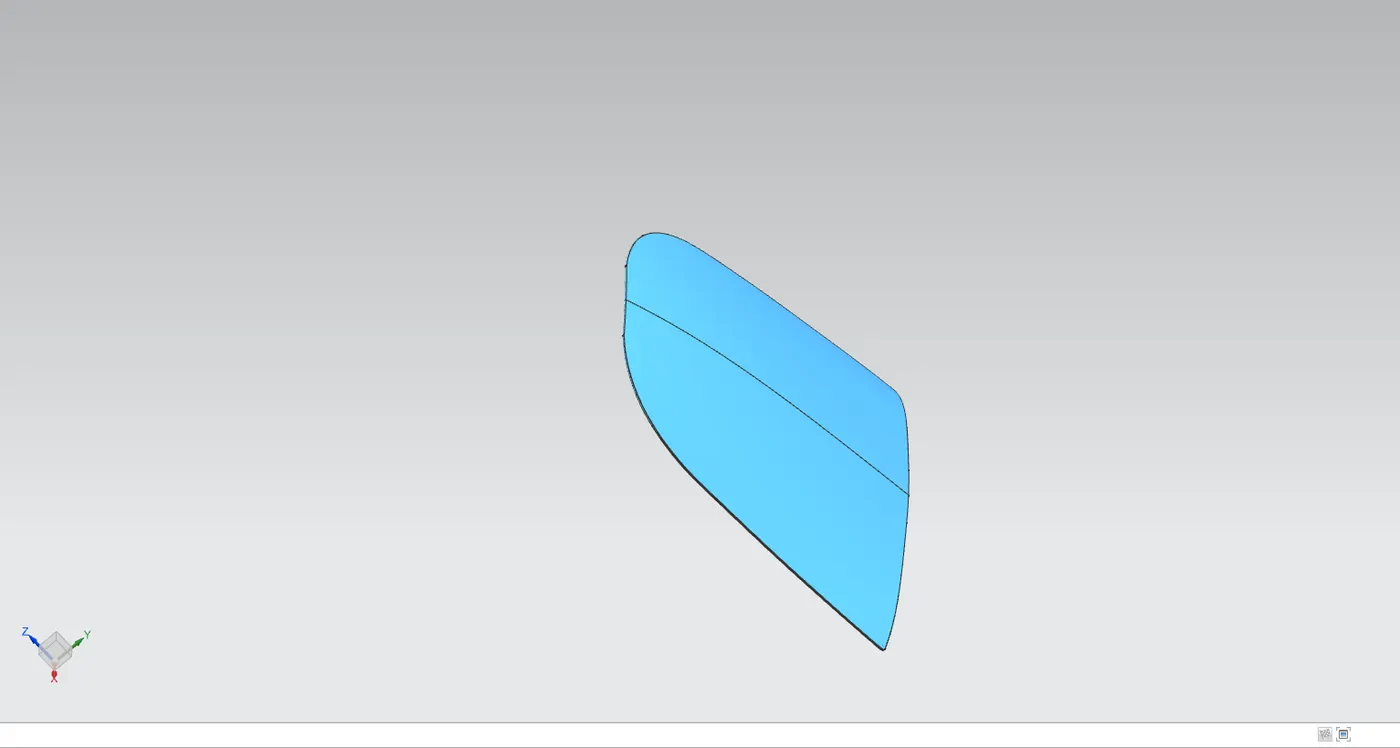
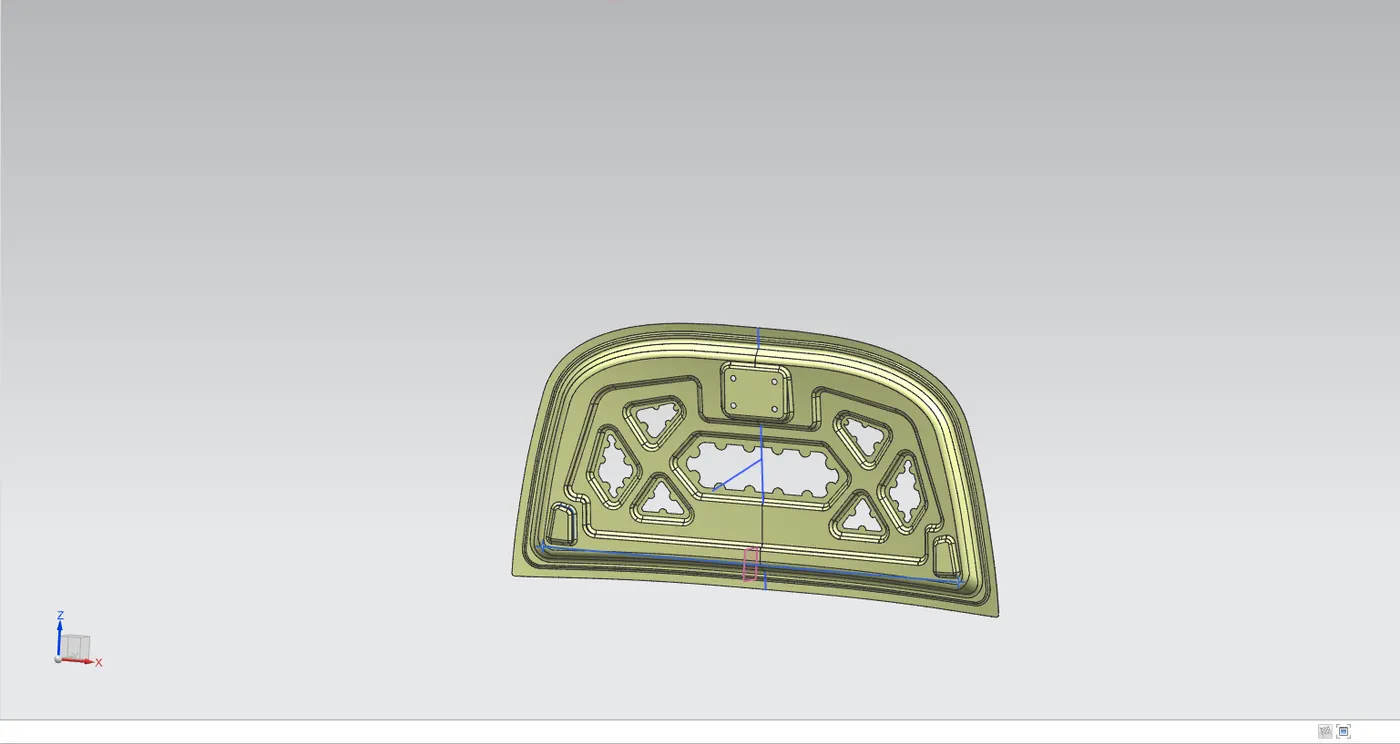
2. Inner Panel: The inner structure of the hood, often made of metal or composite materials, provides support and rigidity.
3. Insulation: Some hoods attach insulation materials to the inner panel to reduce engine noise and heat transfer to the vehicle's cabin.
4. Hinges: Hinges are mechanisms that allow the hood to pivot open and close. They're typically located at the sides of the hood and are connected to the vehicle's body.
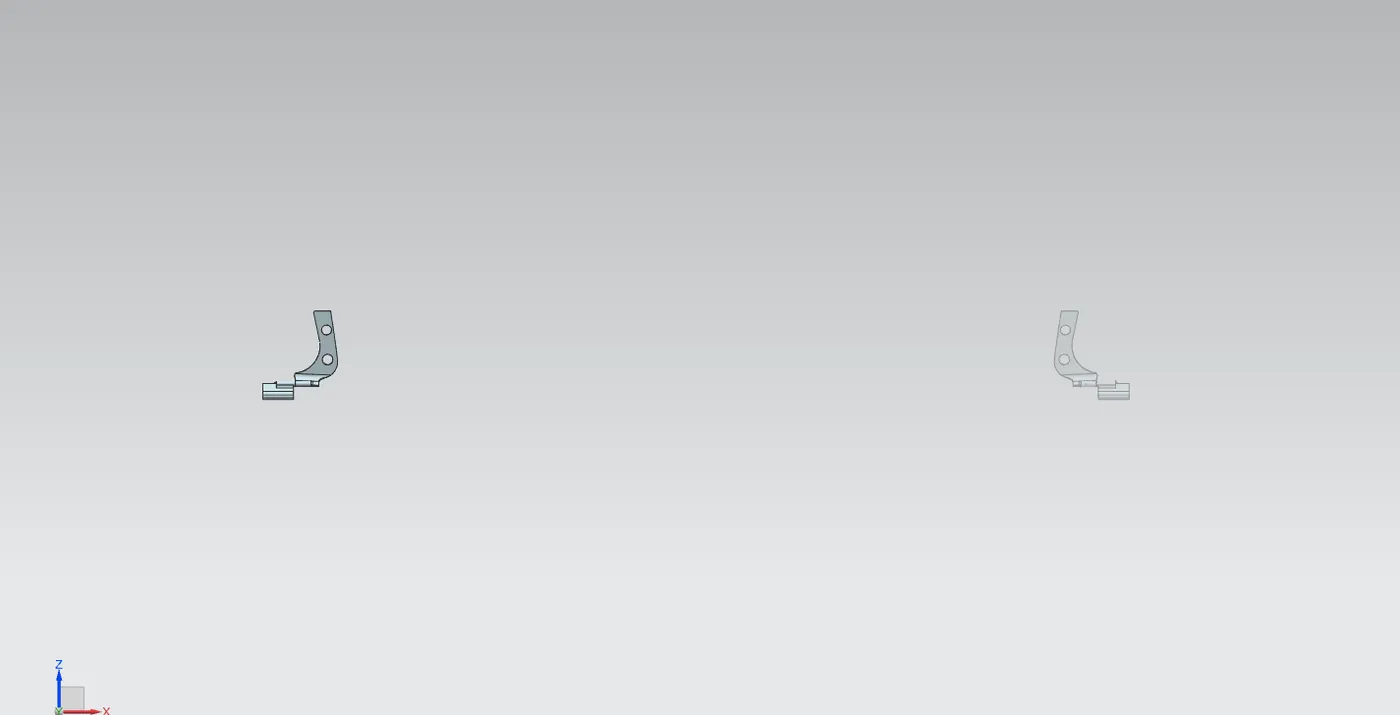
5. Latch or Stricker: The latch secures the hood in the closed position, preventing it from opening unexpectedly while driving.
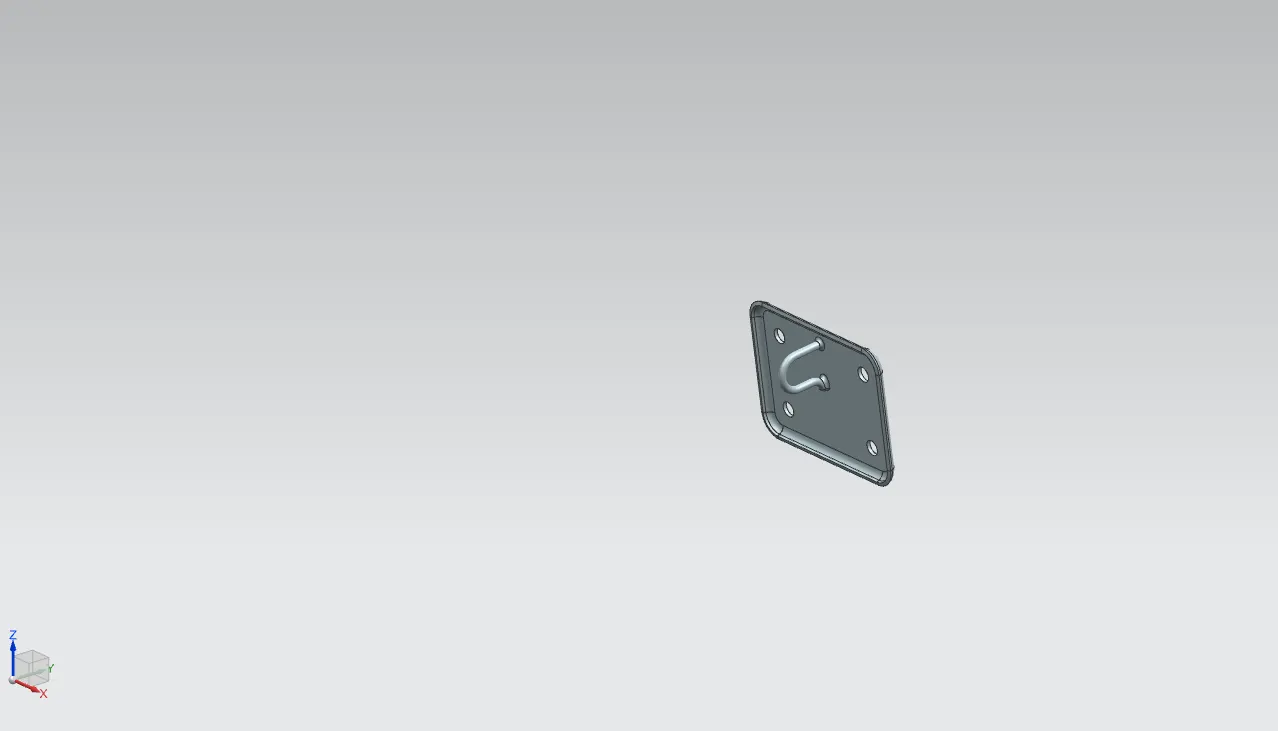
6. Release Mechanism: This mechanism, usually operated from inside the vehicle, disengages the latch to allow the hood to be opened for maintenance or inspections.
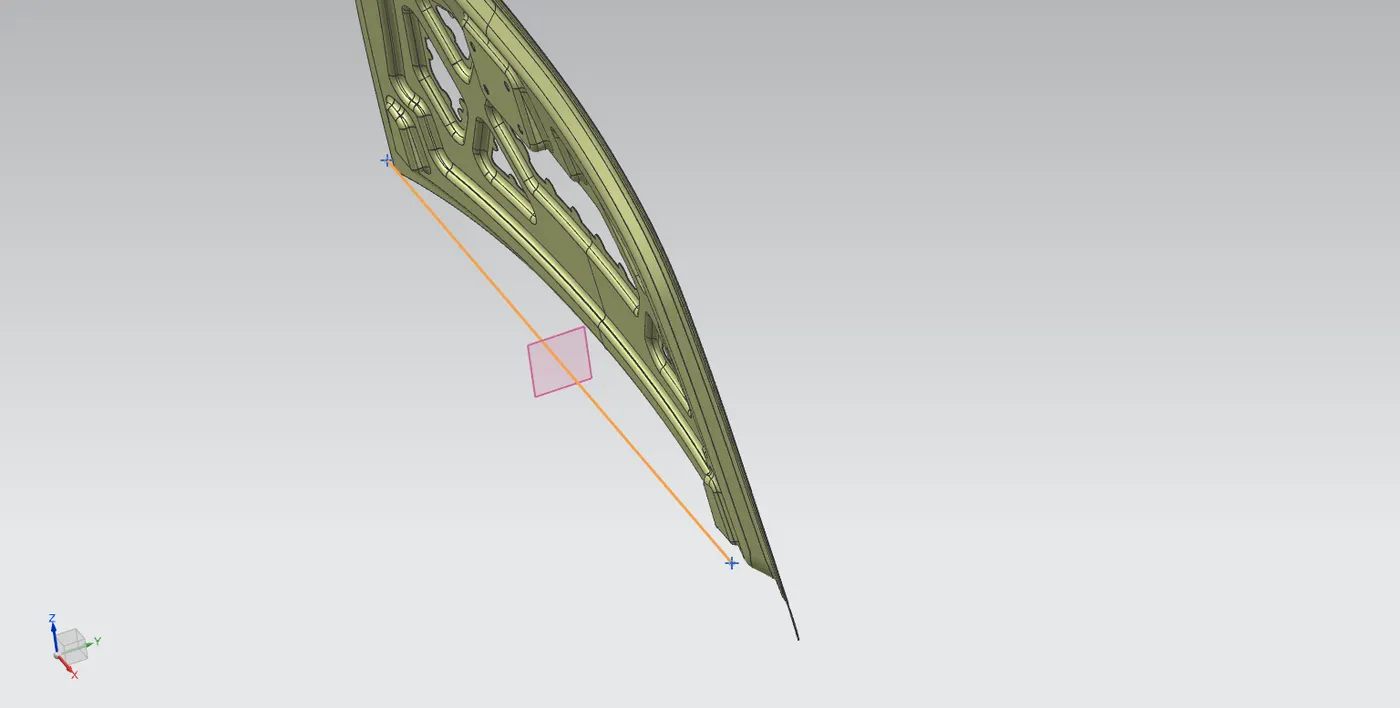
Latch Trajectory:
- The latch trajectory refers to the path followed by the hood latch as it engages with the striker or locking mechanism on the vehicle's body. It's crucial for ensuring a secure and proper closure of the hood.
Mastic Data:
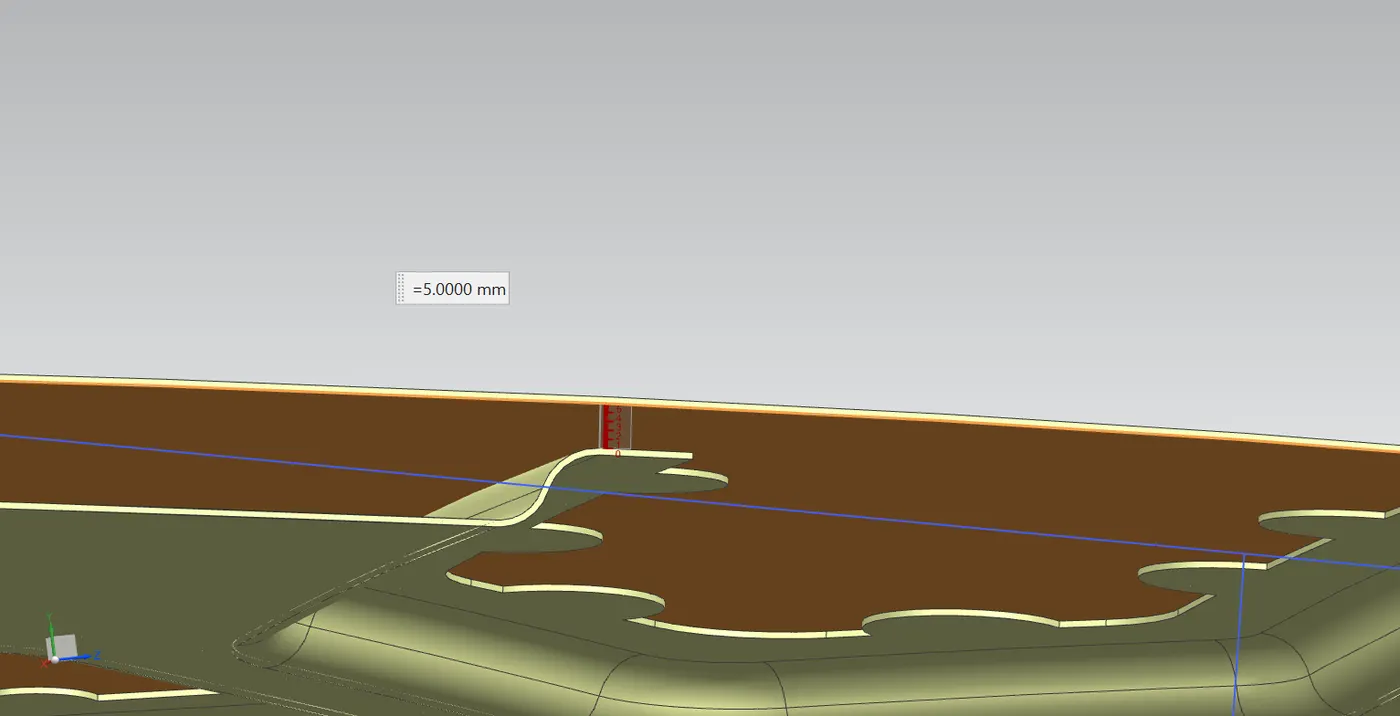
- Mastic data may refer to information related to the use of mastic, which is a type of sealant or adhesive commonly used in automotive manufacturing. This data could include specifications such as the type of mastic used, its application method, and its intended purpose in hood assembly or other vehicle parts. Here, for this given project we have to provide minimum clearance for the Mastics is about 5mm from the inner side of the hood Outer panel.
Emboss Definitions:
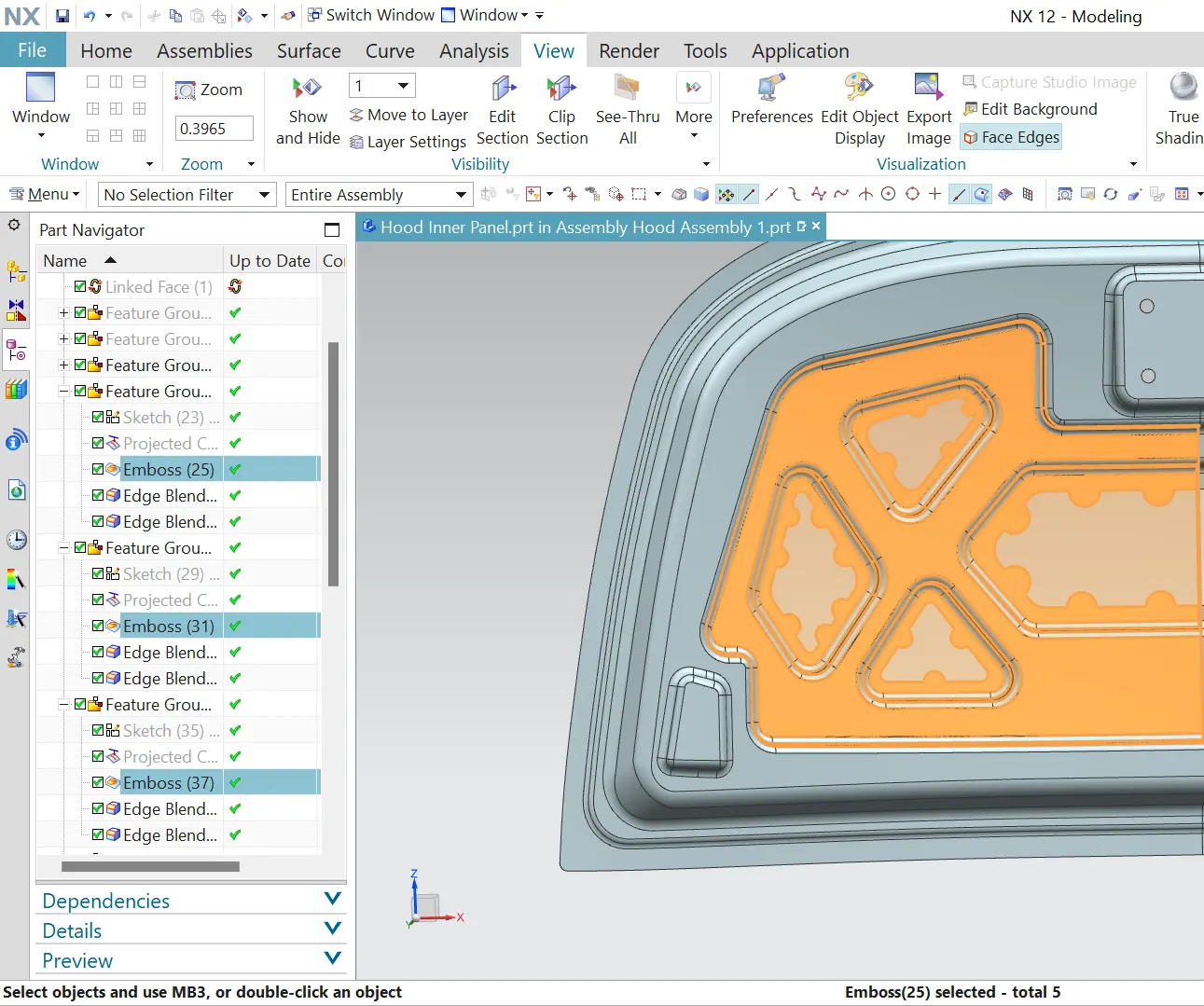
- Emboss definitions refer to the raised or indented features on the surface of the hood or its components. These embossments serve various purposes, such as reinforcing structural integrity, providing aesthetic appeal, or accommodating other parts of the vehicle assembly. In this given project I created 5 Embosses to fulfill my design requirements, The first is given a depth of 10mm and the other 4 embosses are given 8.5mm of depth as per the master section given to me.
Manufacturing Process:
1. Deep Drawing:
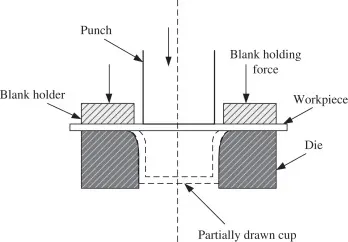
- Deep drawing is a metalworking method employed to shape sheet metal into desired forms, such as the outer panel of an automobile hood.
- This technique entails placing a metal blank over a die and applying a punch to force the metal into the die cavity, shaping it accordingly.
- Deep drawing involves high pressure and stretching of the metal, resulting in a seamless and consistent part.
2. Hemming:
- Hemming is a process used to join two or more layers of sheet metal by folding and interlocking their edges.
- In automobile hood production, hemming is frequently employed to connect the outer and inner panels, enhancing structural integrity and appearance.
- Hemming also aids in sealing the hood edges, preventing moisture infiltration and enhancing corrosion resistance.
Design Parameters:
1. Material Selection:
- Material selection for automobile hoods is critical, balancing factors such as strength, weight, cost, and corrosion resistance.
- Common materials include steel, aluminum, and composite materials, each offering distinct properties to fulfill design criteria.
2. Geometry and Shape:
- Hood geometry and shape are meticulously designed to optimize aerodynamics, aesthetics, and structural strength.
- Factors such as curvature, contours, and surface finish are carefully considered in the design process.
3. Safety Regulations:
- Automobile hoods must adhere to safety regulations concerning pedestrian protection, crashworthiness, and structural integrity.
- Design parameters related to deformation, impact absorption, and pedestrian safety are taken into account during the design phase.
4. Manufacturability:
- Design engineers evaluate manufacturability aspects such as ease of fabrication, assembly, and cost-effectiveness.
- Features like corner radii, draft angles, and parting lines are optimized to facilitate manufacturing processes like deep drawing, hemming, and assembly.
5. Assembly Considerations:
- Design parameters related to assembly encompass the integration of hinges, latches, insulation materials, and other components.
- Alignment tolerances, fastener locations, and assembly sequences are meticulously planned to ensure proper fit and functionality during vehicle assembly.
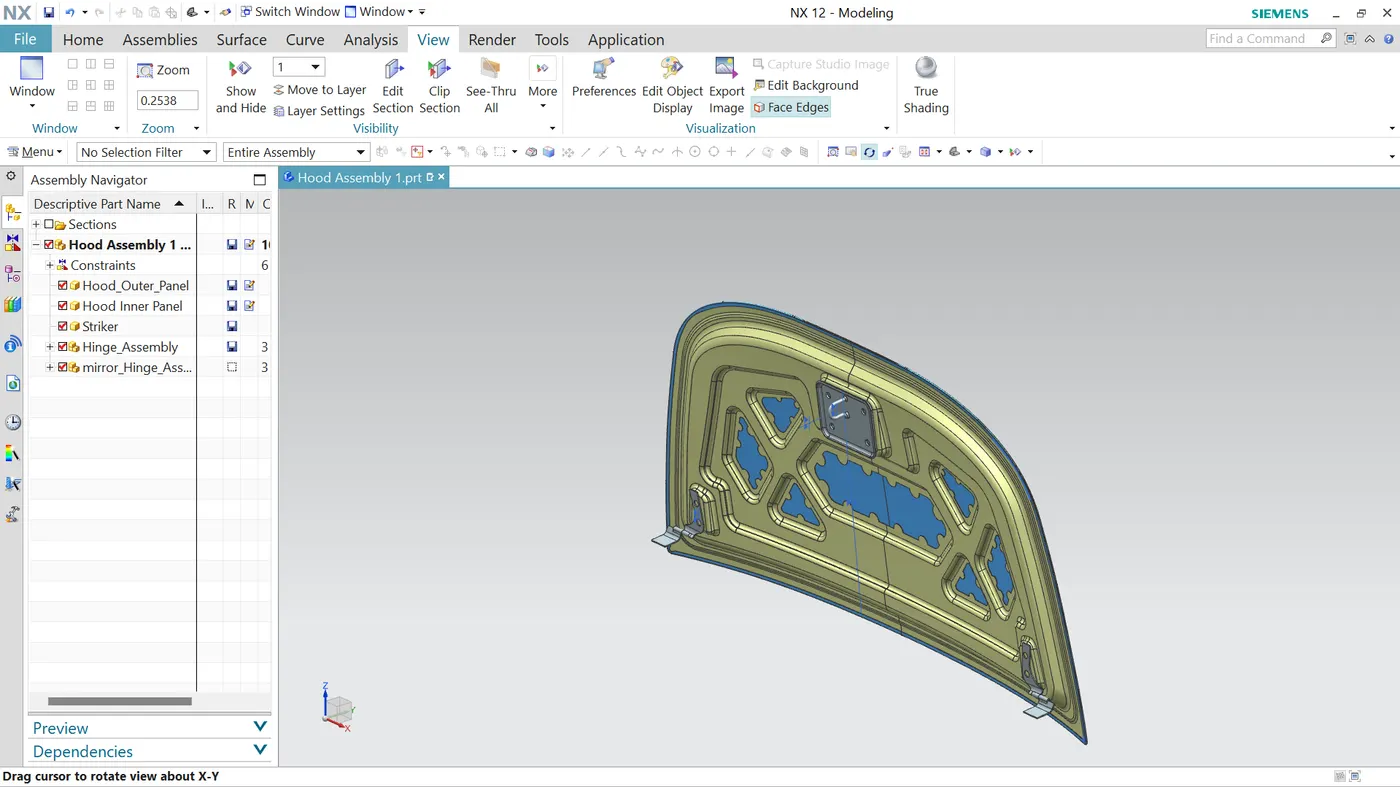
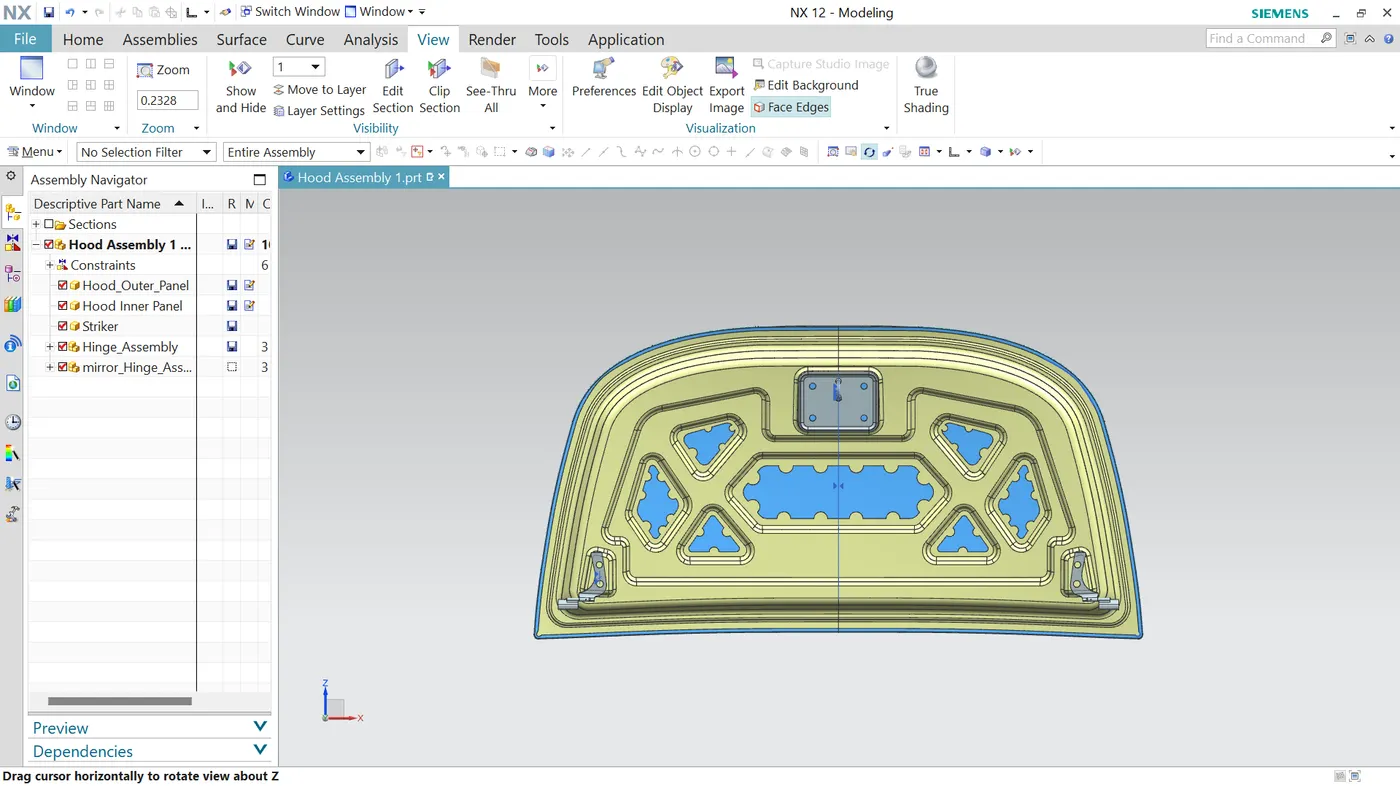
Now Here are Views For My Designed Hood Assembly:
Isometric View:
Front View:
Side View:
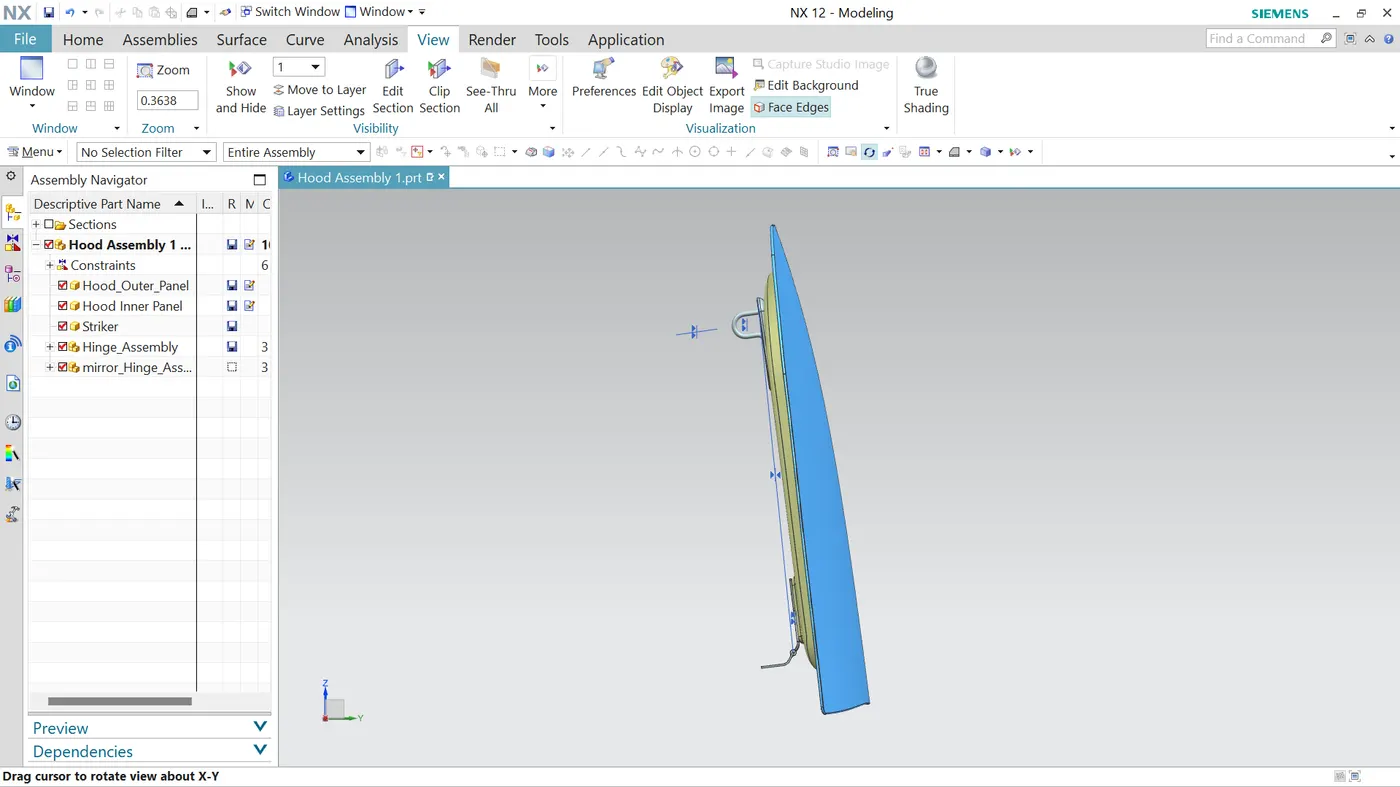
Now Here are Clips for Design Considerations that I followed: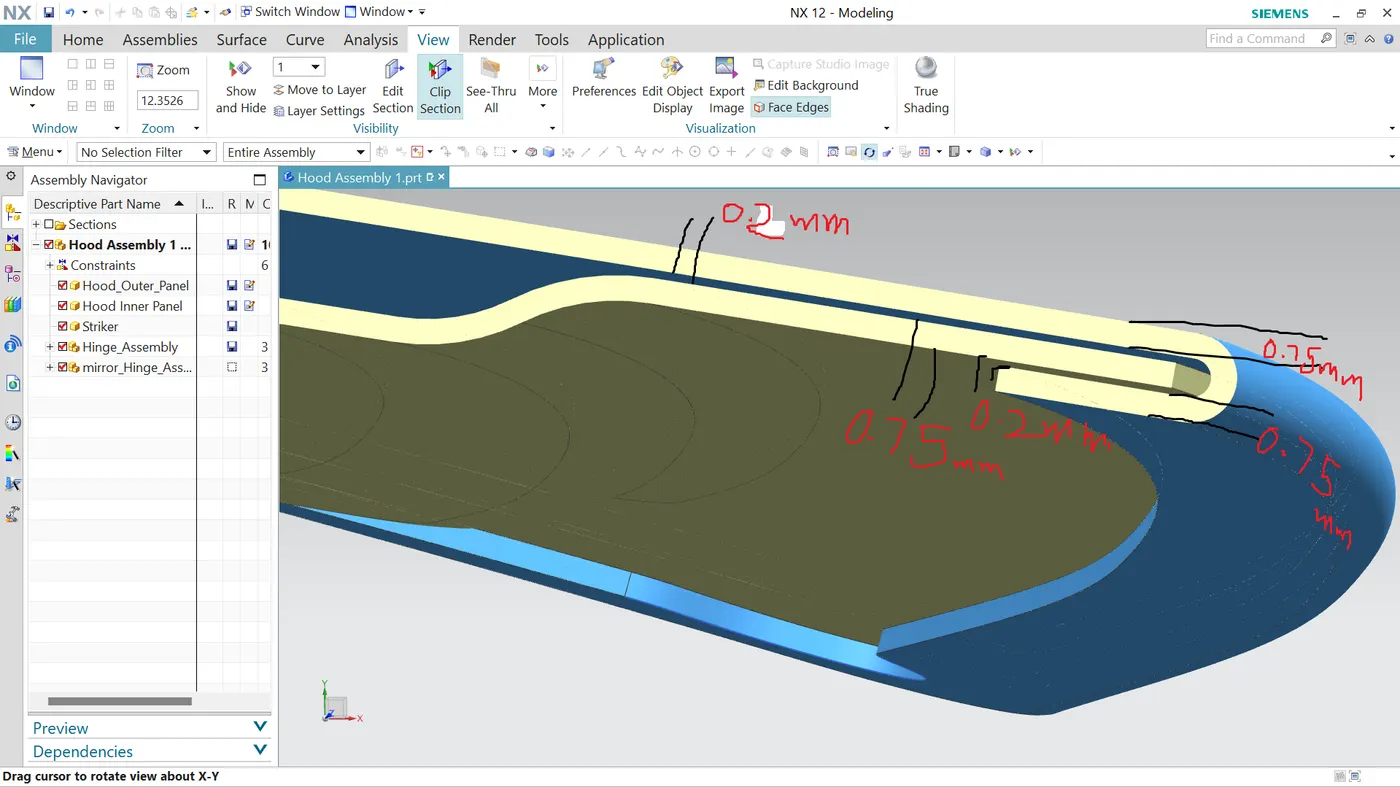
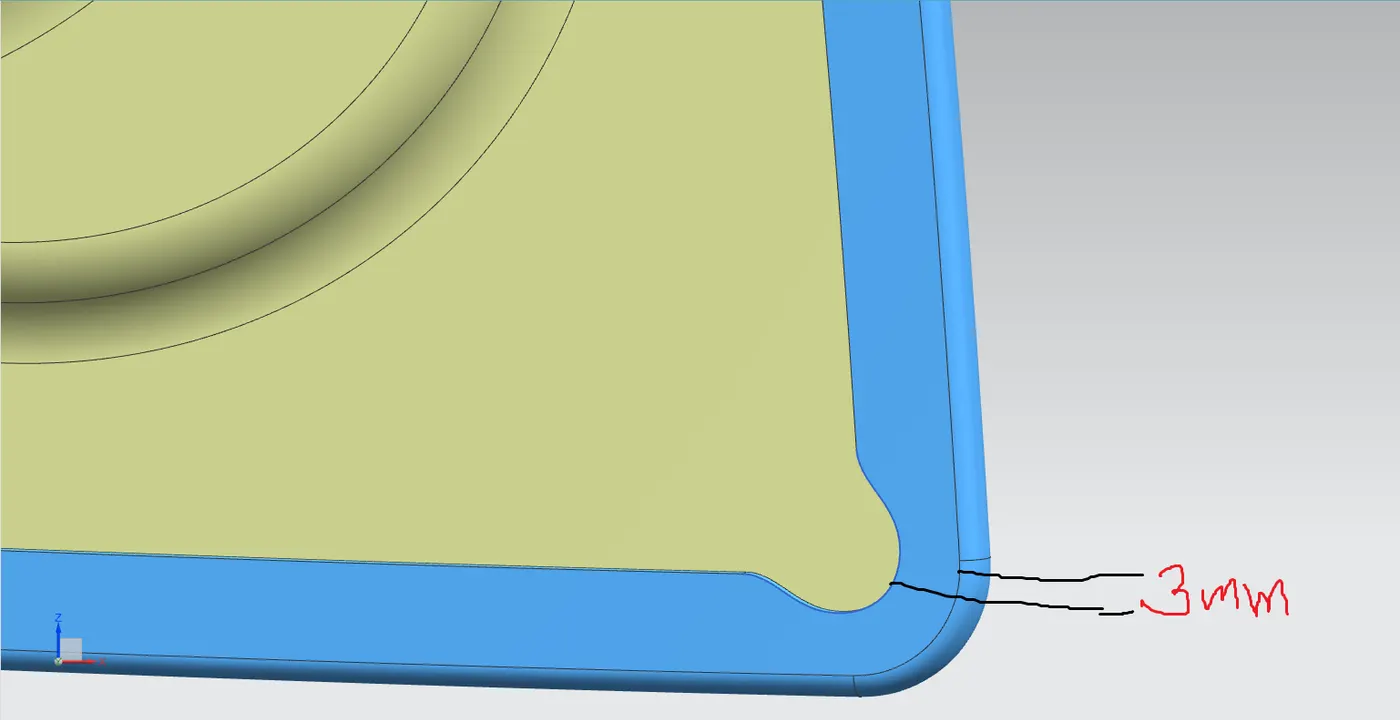
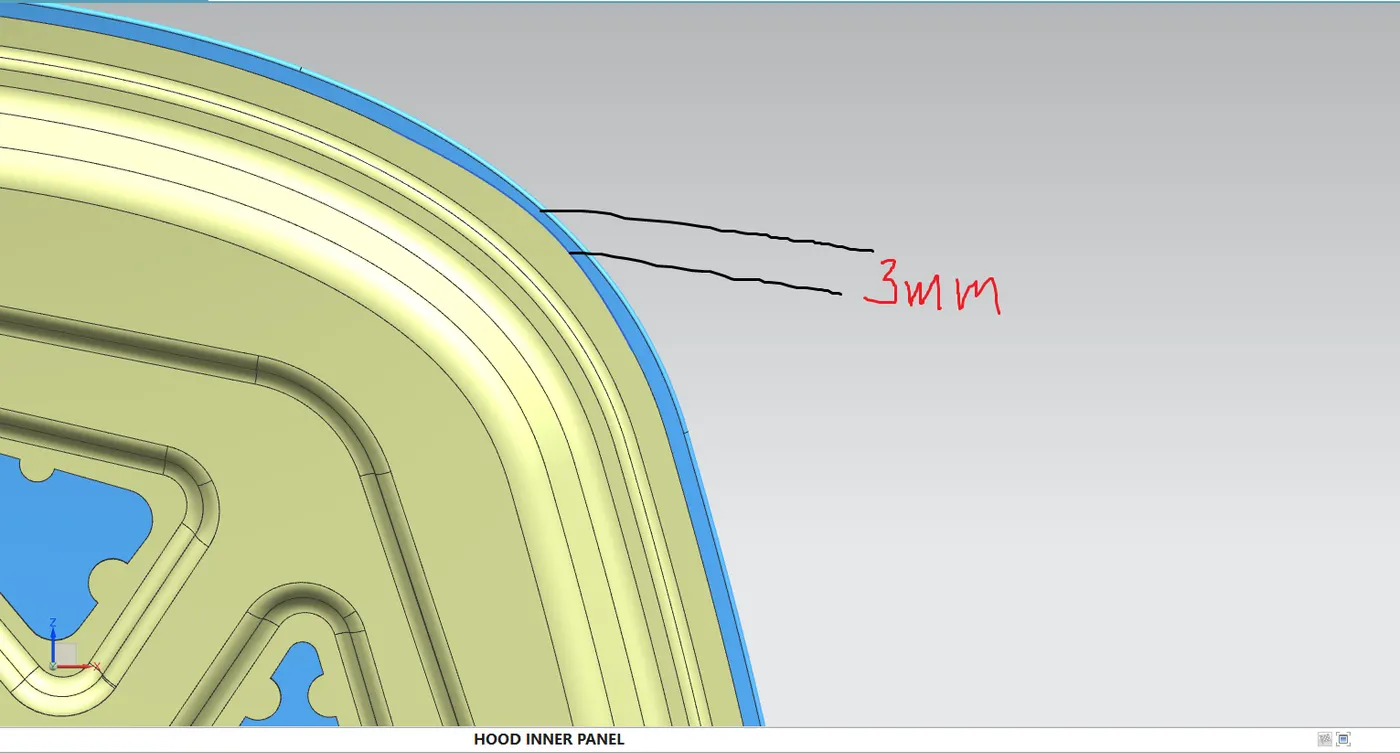
Now, Clearance for Hemming: Hem Relieves