Fender Design
What is Fender and Why is it Important?
A fender, in the context of vehicles, is the component surrounding the wheel well, protecting the wheel and tire from road debris, mud, water, and other elements. Typically made of metal, plastic, or fiberglass, fenders are located above each wheel on both the front and rear sides of a vehicle.
Fenders serve several vital purposes in vehicles:
1. Protection: They shield wheels, tires, and other wheel well components from damage caused by rocks, gravel, mud, and debris kicked up by the tires. This protection helps prevent dents, scratches, and corrosion, ultimately extending the vehicle's lifespan and reducing maintenance costs.
2. Safety: Fenders help contain and redirect debris away from the vehicle, lowering the risk of it impacting other vehicles on the road or pedestrians. They also contribute to the vehicle's structural integrity, particularly in the event of a collision.
3. Aerodynamics: Fenders are designed to streamline airflow around the vehicle, reducing drag and enhancing fuel efficiency. Properly shaped and fitted fenders can improve aerodynamic performance, which is crucial for both fuel economy and vehicle stability at higher speeds.
4. Aesthetic Appeal: Fenders significantly influence a vehicle's overall appearance, contributing to its style and design. Manufacturers often use them to distinguish between different models or trim levels.
Different Components Of Fender:
1. Wheel Arch: The wheel arch is the curved or angled section of the fender that surrounds the wheel and tire. It provides clearance for the wheel to move up and down as the suspension travels.
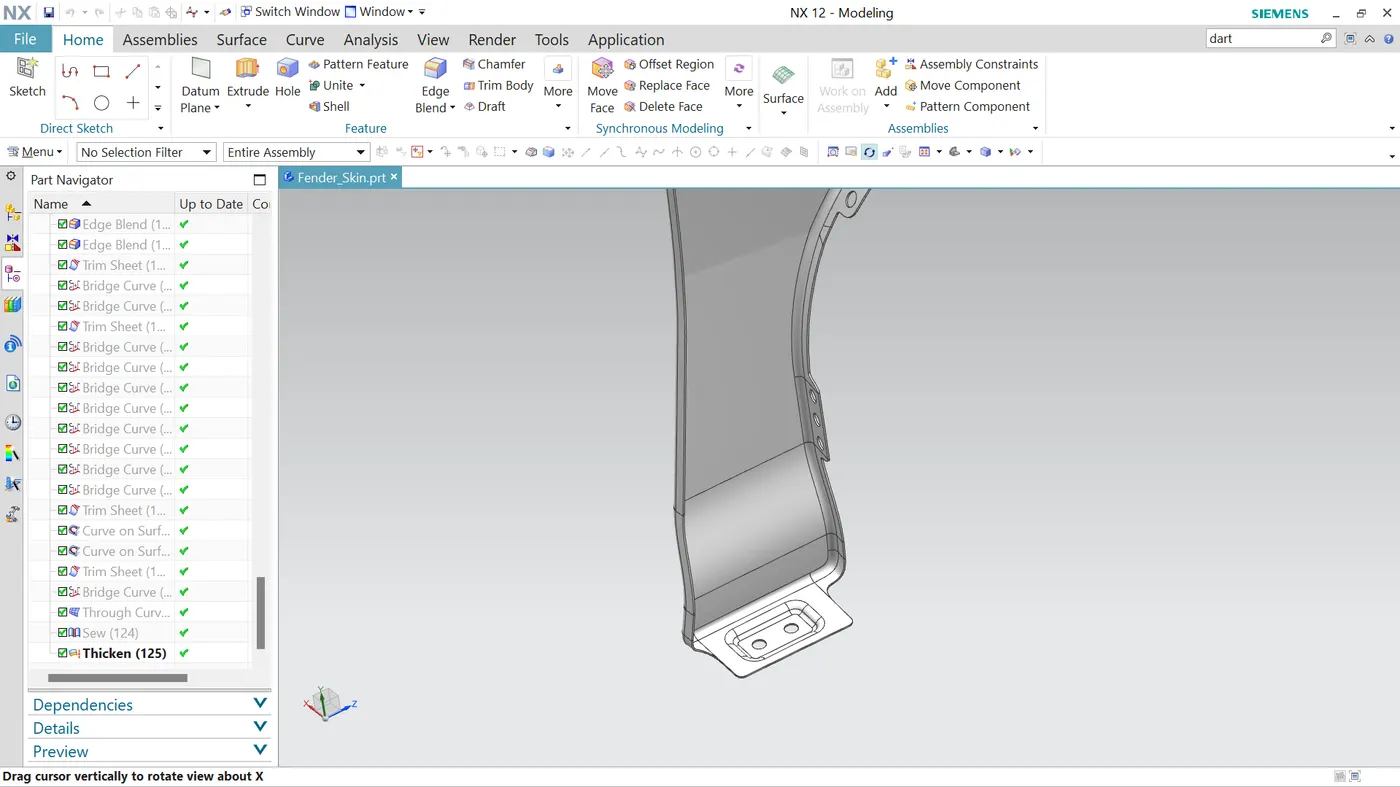
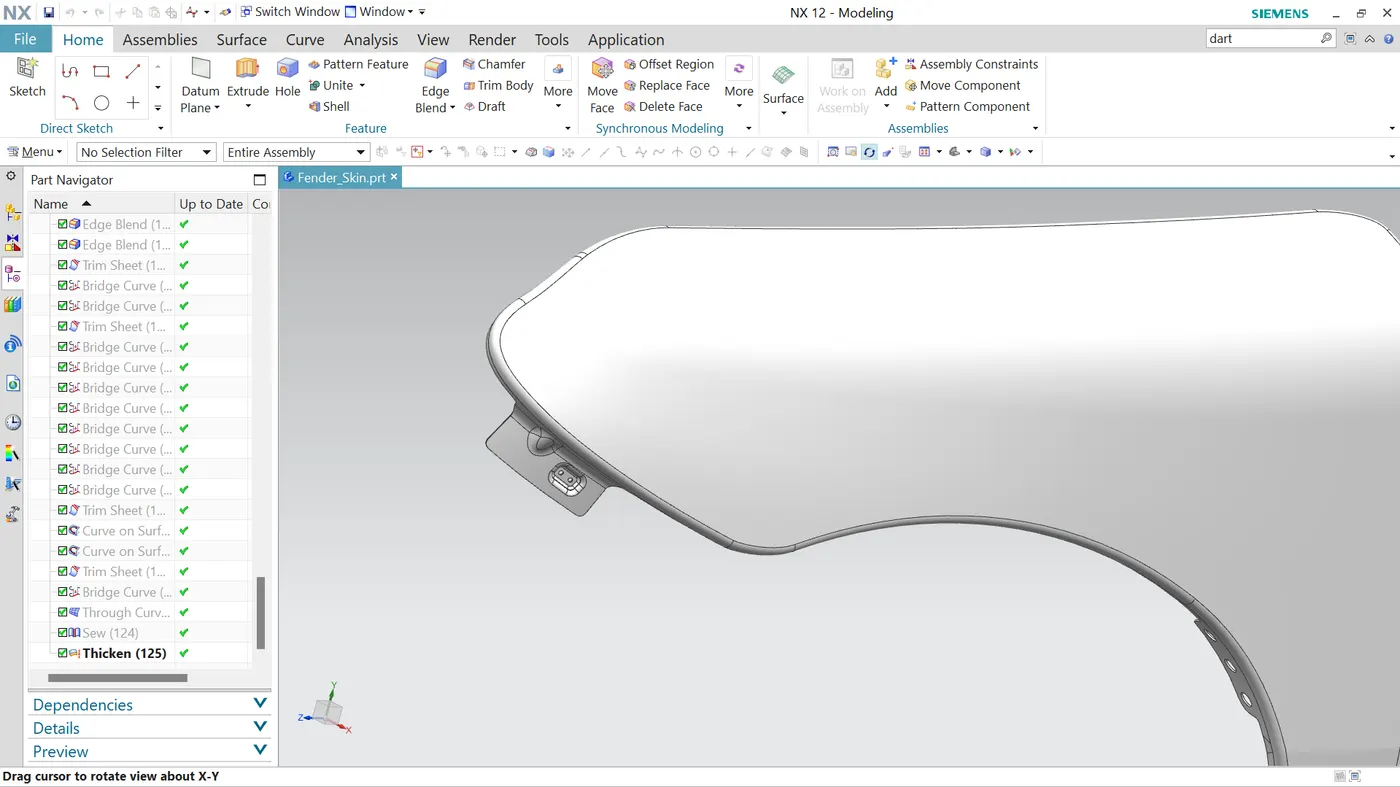
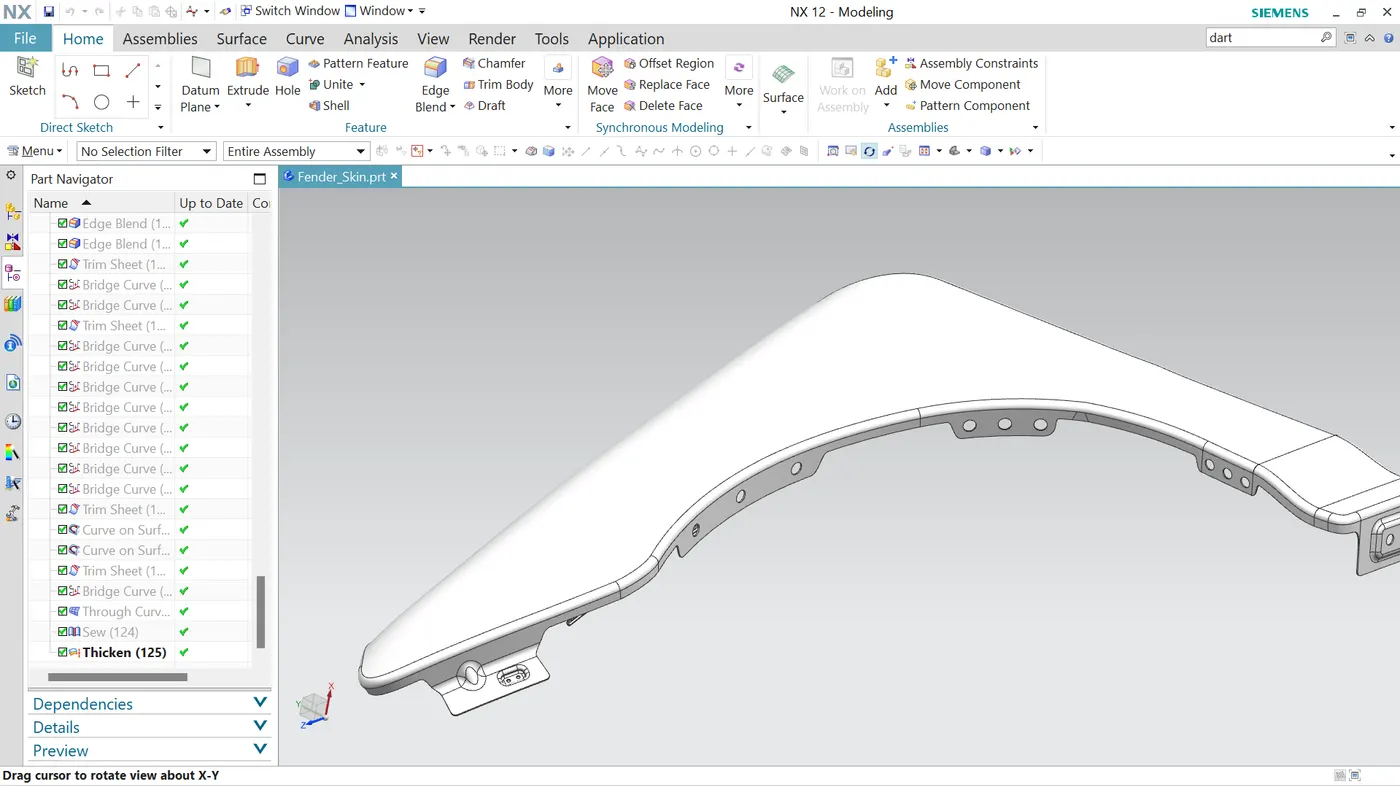
6. Mounting Points: Fenders are usually attached to the vehicle's body using bolts, clips, or other fasteners. These mounting points are typically located along the inner edge of the fender, near the hood and trunk/boot lid, and sometimes underneath the vehicle.
Understanding these various components of a fender is essential for vehicle maintenance, repair, and customization. Each part contributes to the fender's functionality, protection, and overall aesthetic appeal.
Different Types Of Mounting Points on Fender:
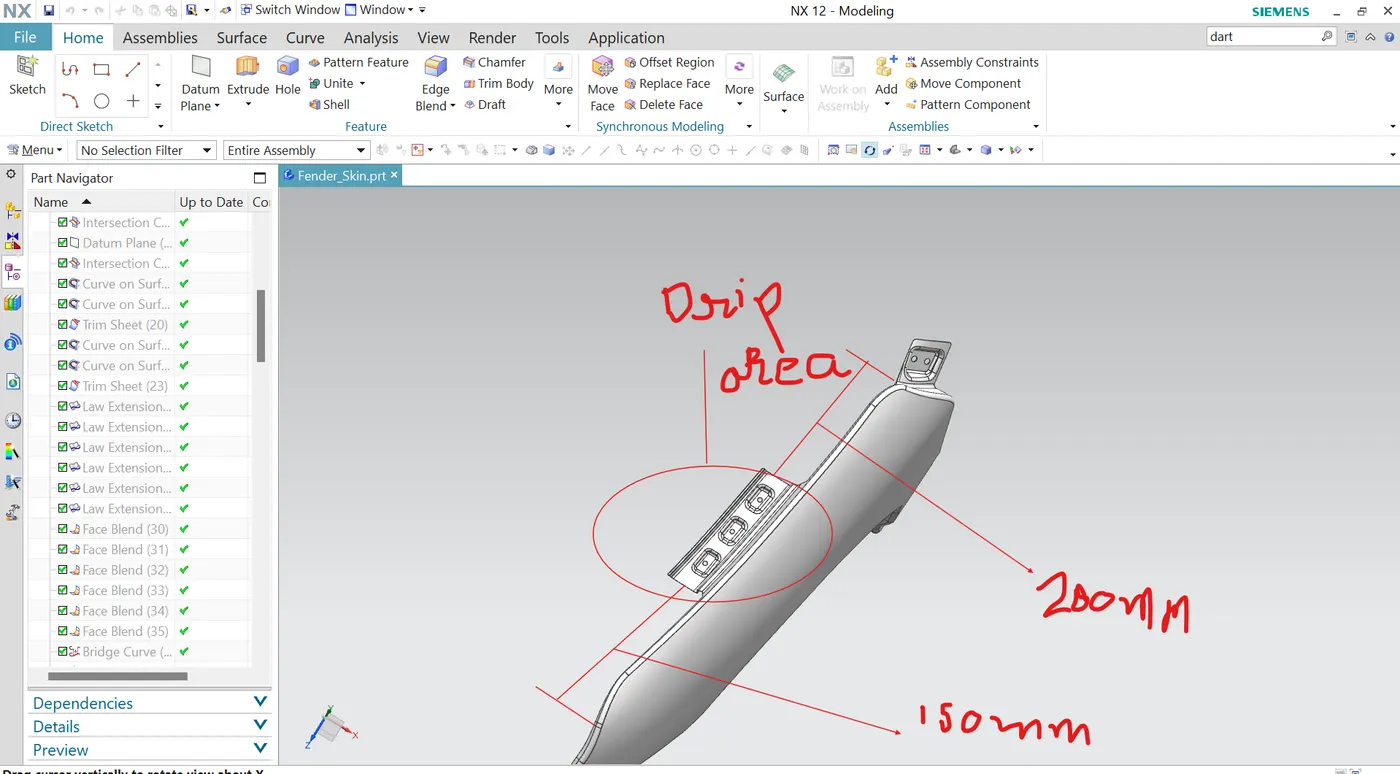
1. Drip Area: The drip area, or drip rail, is a feature along the upper edge of the fender. Its purpose is to divert water away from the vehicle's body, preventing rust or corrosion. It directs water to designated drainage points, typically located at the vehicle's lower edges.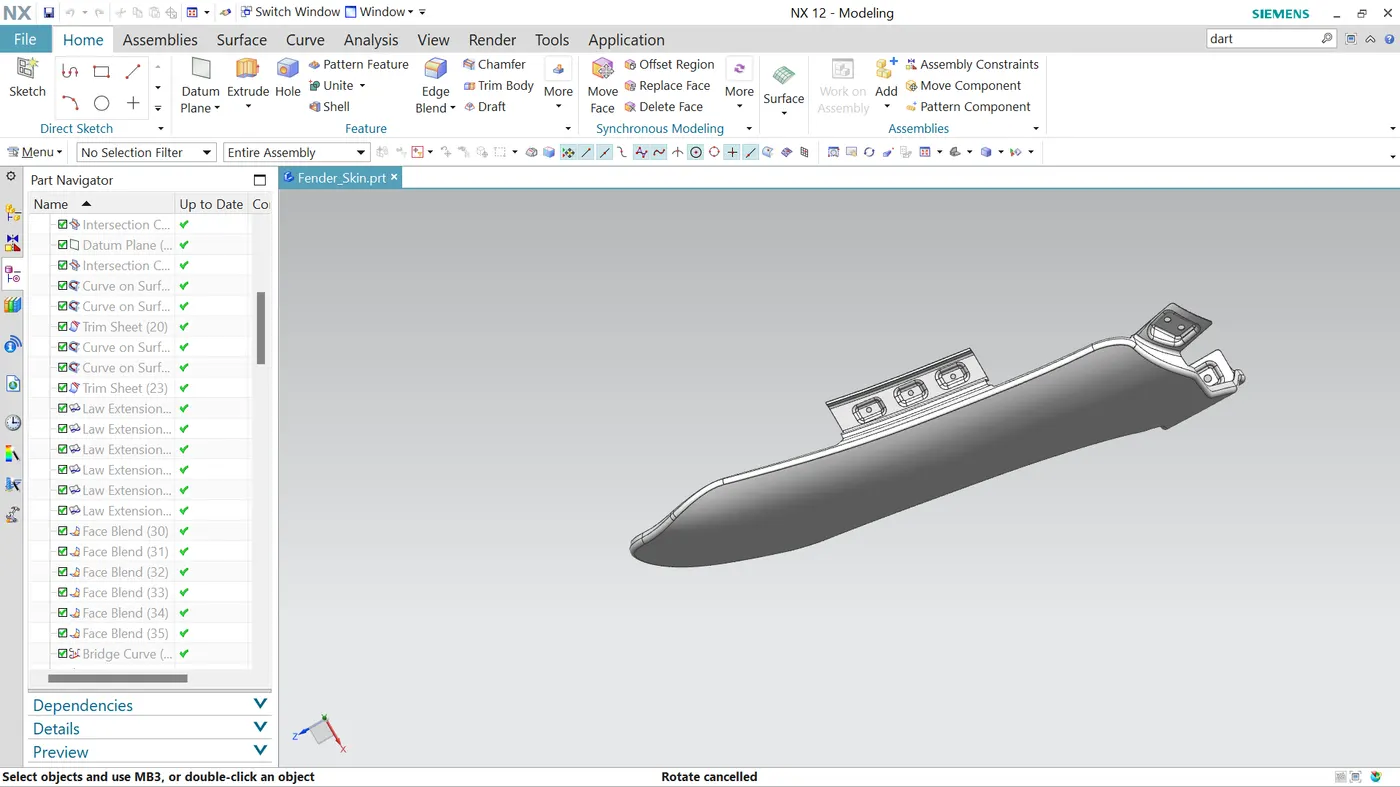
2. Sill: The sill, or rocker panel, is a horizontal section between the wheel wells, adjacent to the fender. It provides structural support to the vehicle's body and may serve as a step for entering and exiting the vehicle.
3. Bumper: Positioned at the front and rear of the vehicle, the bumper protects against impact damage. While not part of the fender, it interfaces with it and absorbs collision forces to safeguard occupants and internal components.
4. Baffle: Inside the wheel well, baffles help direct airflow and prevent debris from entering sensitive areas like the engine bay or brakes. They're typically made of plastic or rubber and aid in optimizing aerodynamics and cooling.
5. A-pillar mounts: These are attachment points near the front of the fender where the A-pillar connects. The A-pillar supports the roof and windshield, and its alignment and stability are ensured by these mounts, enhancing vehicle safety and structural integrity.
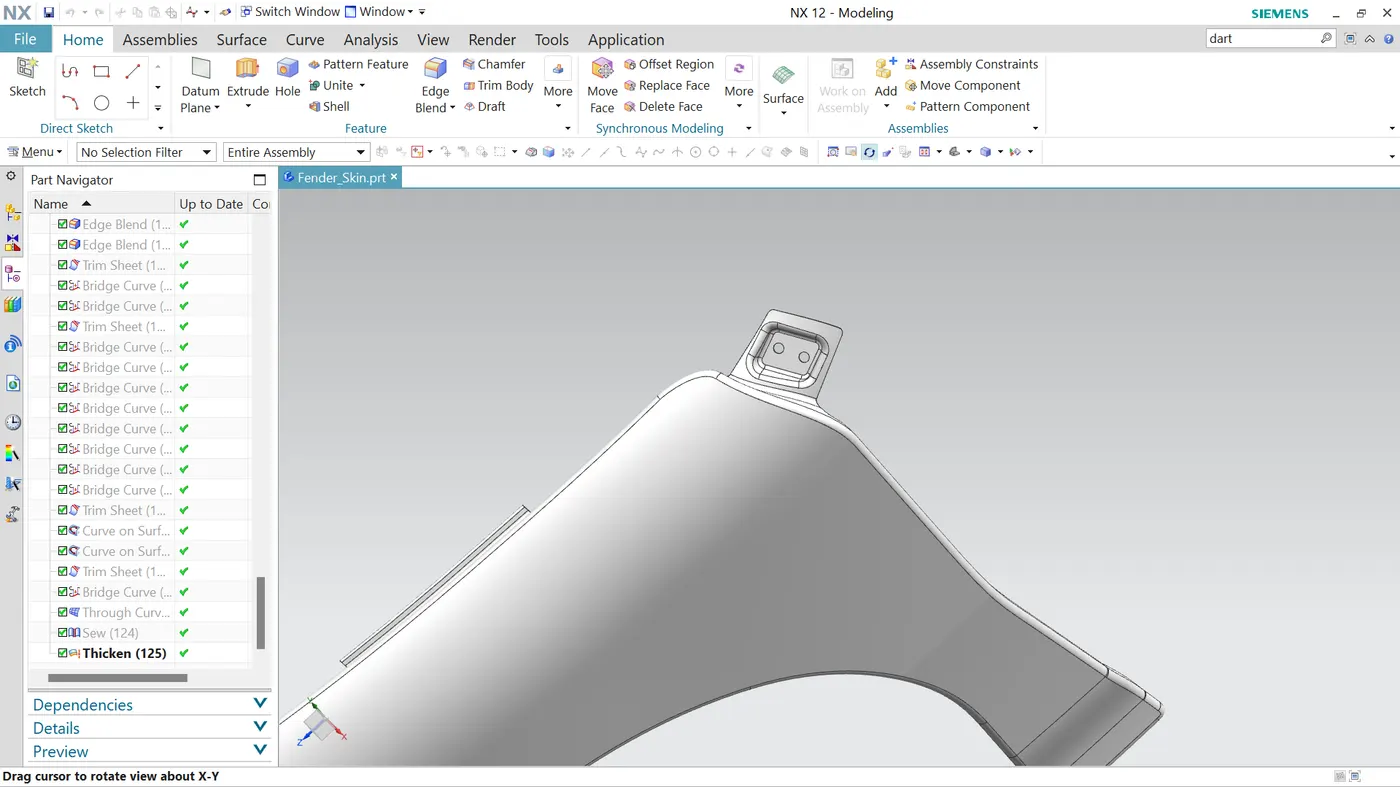
Design Considerations:
1. The Drip Area should be given enough clearance from the front and the rear end of the Fender(or ex. 150mm from the front end for the headlight mounting and 200mm from the rear end to mount the cowl top etc.).
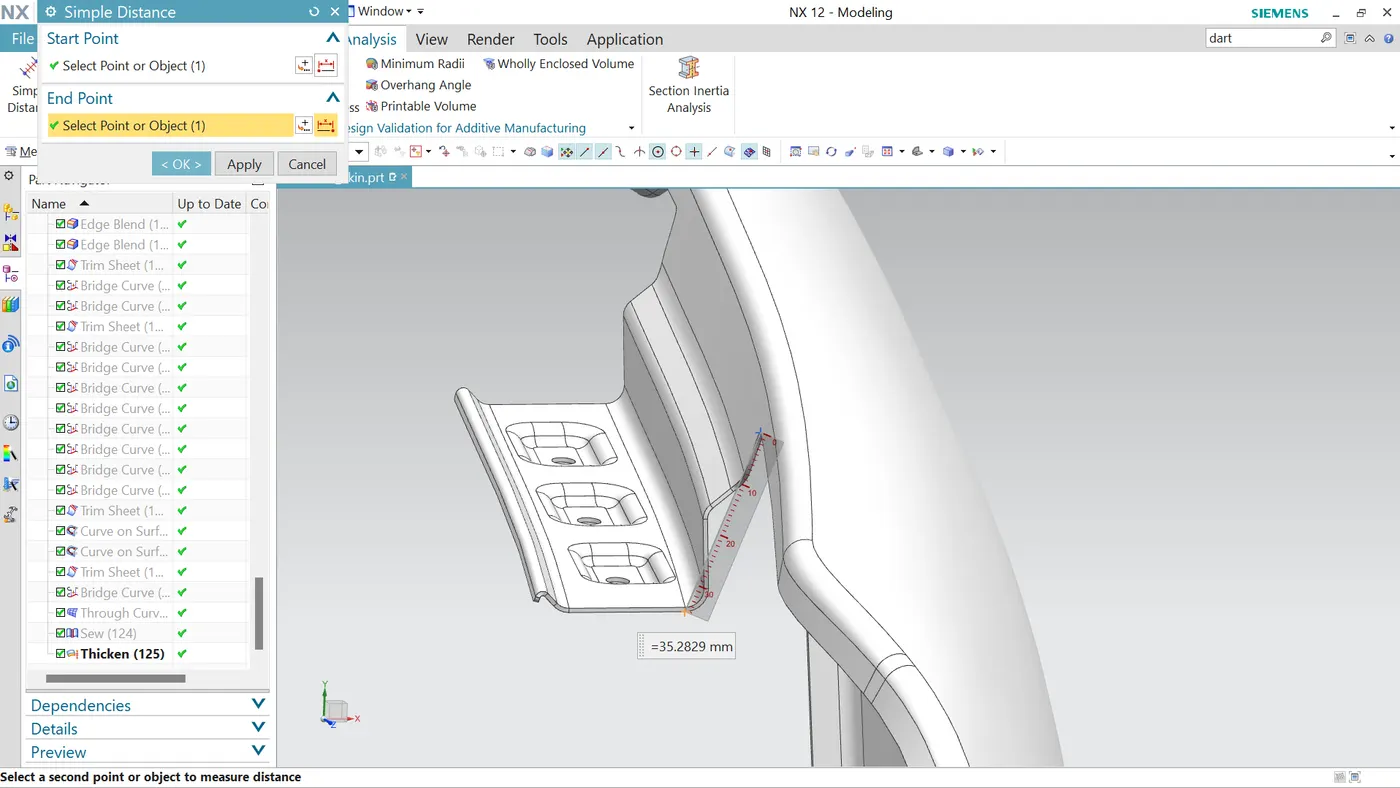
2. Also, the drip area should not have depth more than 35- 40mm, otherwise it will show spring back effect while mounting or while driving.
3. The Wheel Arch area should be given enough clearance according to the country's defined criteria. For ex: according Japan wheel should have 5mm gap.