Hood design-Week 2
HOOD DESIGN
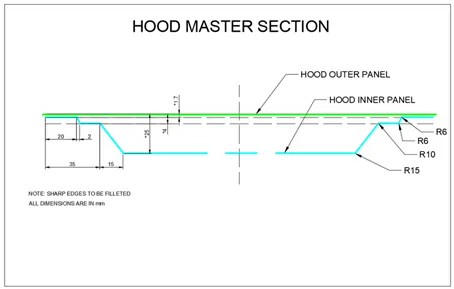
AIM : Design Hood Outer Panel, Inner Panel and the necessary reinforcements by following the Master Section
HOOD DESIGN
A car hood, also referred to as a “bonnet” in some countries, is the hinged cover that rests over the engine bay of a front-engine vehicle. The car hood protects the engine and connected parts from the elements while providing easy access for repairs and maintenance.
Car hoods are typically constructed from steel and sometimes from aluminum. Aftermarket car hoods may be constructed from various other materials, including carbon fiber, fiberglass, or dry carbon.
Hoods sometimes contain a hood scoop or a power bulge to allow for greater engine capacity and airflow to increase the car’s performance output.
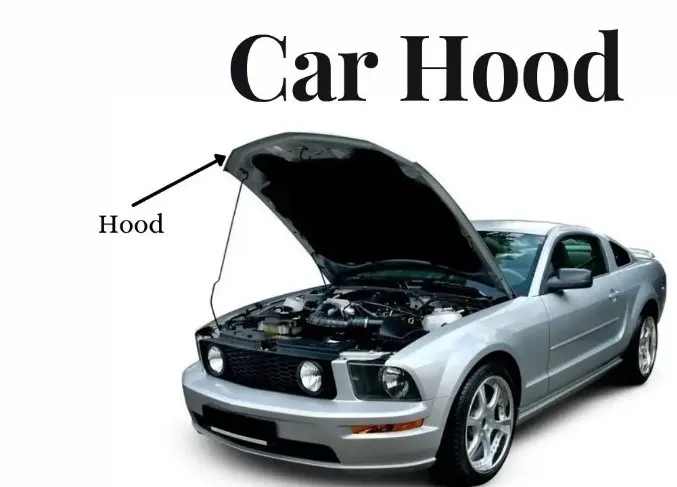
Car Hood has the following components:
• Outer Panel
• Inner Panel
• Striker and Hinge assembly
• Reinforcement
• Hood Support
• Mastic’s
Hood has designed by the process of using the following Sheet Metal Operations:
• Hemming
• Embossing
• Deep Drawing
Hood outer panel
A car hood panel is one of the most important components of the BIW (body in white), it is considered as the closure sheet-metal component. A hood panel consists of two panels that are hemmed together to form the automotive hood assembly.
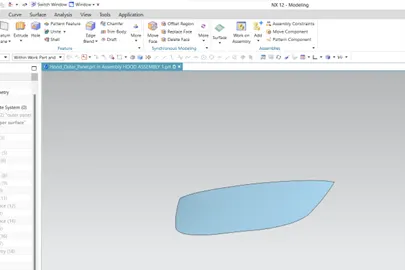
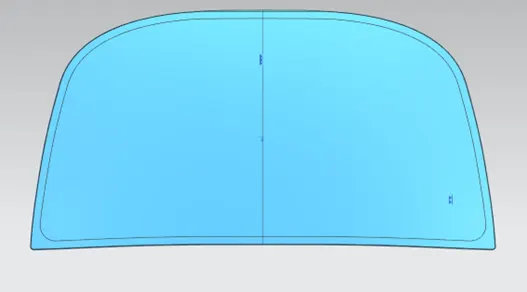
CLASS A SURFACE MODEL
HEMMING OF HOOD PANEL
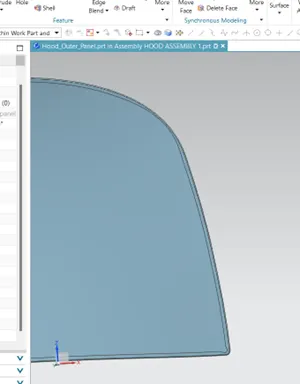
FRONT AND REAR RELIEF OF HOOD AS PER MASTICS
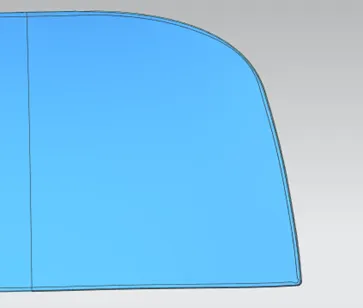
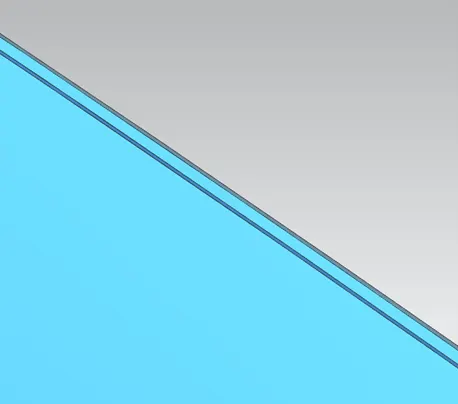
THICKNING OF PANEL FOR 0.75mm AS EPR MASTER SECTION
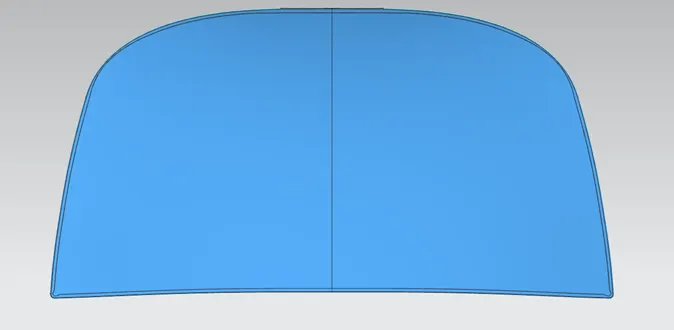
FINAL HOOD OUTER PANEL
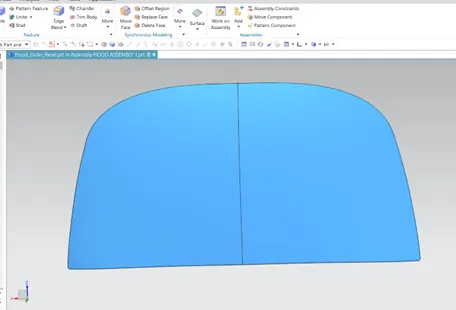
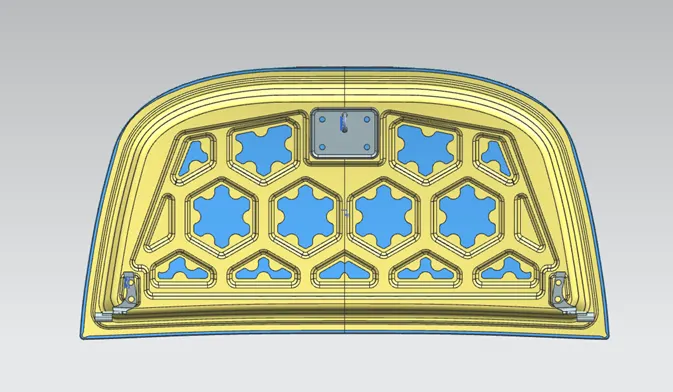
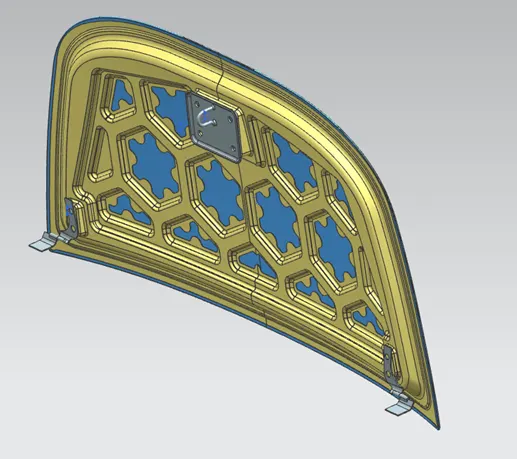
HOOD INNER PANEL
The inner panel of the hood is not visible to the customer but this is the engineering feature of the outer panel. The outer panel has the aesthetic look to it but on its own is very weak and not capable of handling force during impact.
hood panel is installed in the front of the vehicle so as to protect parts in the engine compartment and the engine compartment and at the same time open and close the hood panel for replacement and repair of components in the engine compartment.
TAKING OFFSET OF CLASS A SURFACE OF HOOD OUTER PANEL AS PER MASTER SECTION
MAKING IT OF 2 EQUAL HALF
Taking offset of 1.7mm from CLASS A surface of hood outer panel and making it 2 equal half to ease of modeling
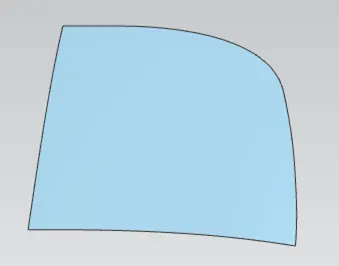
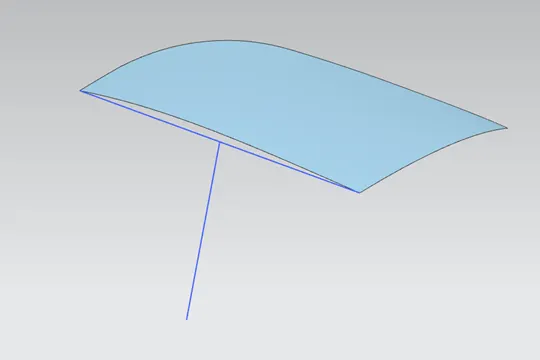
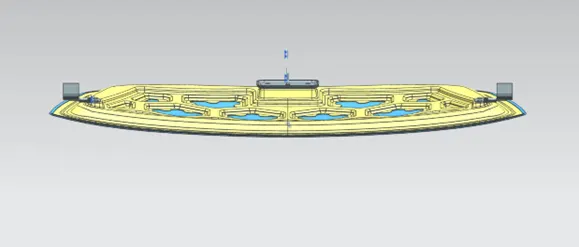
Creating a Tooling direction for understanding manufacturing aspect which must be perpendicular to hood
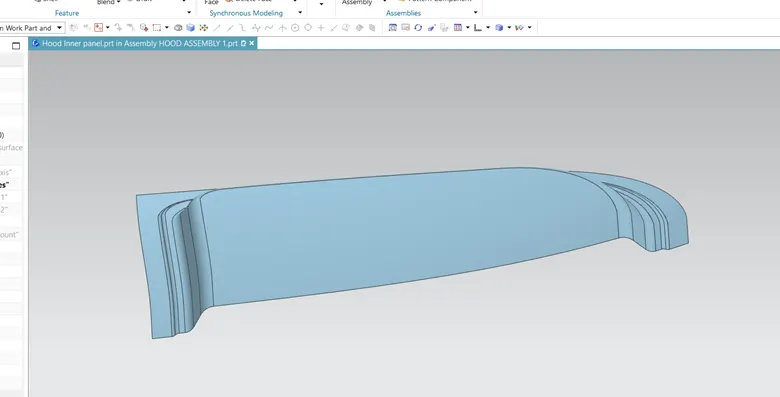
Create Flanges as per master section
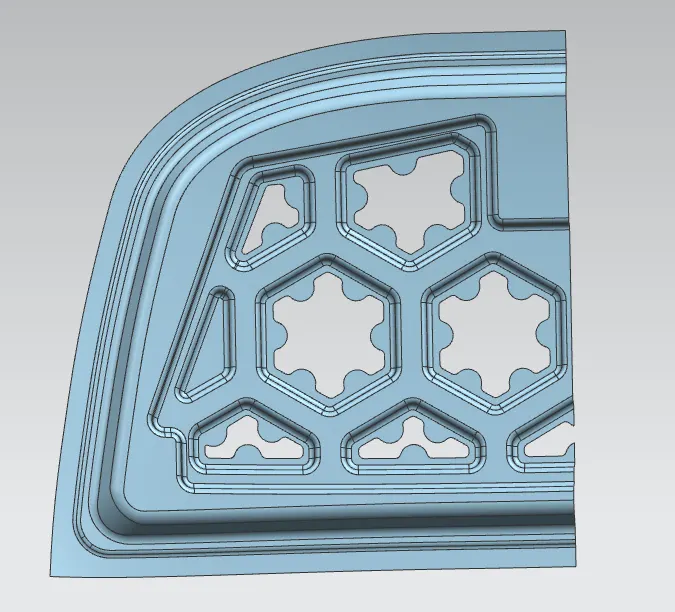
Create Embosses of desired design
Create hinge mount
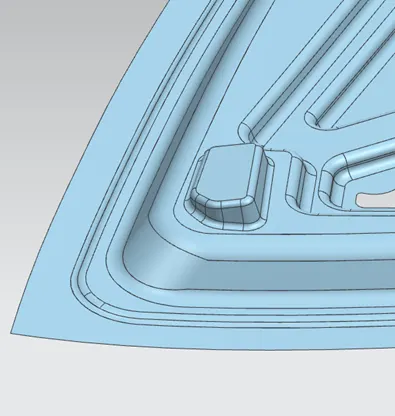
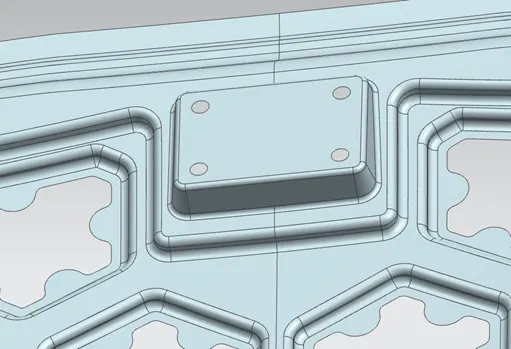
Create striker mount place
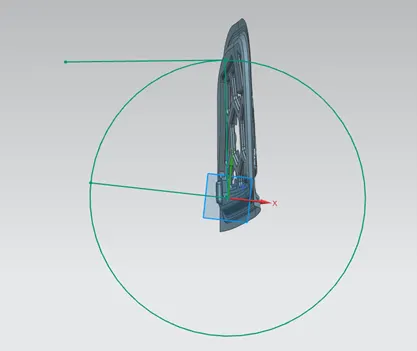
Create a sketch for the rotational movement hood

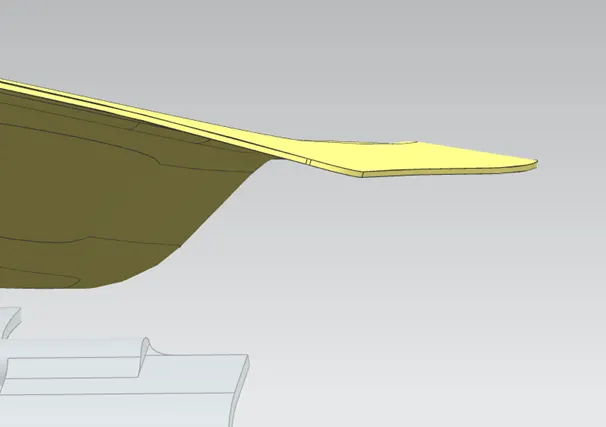
Thickening of inner for 0.75mm for Reverse engineering as per master section
Assemble all components of hood to get a final product
Conclusion :
Finally, the hood design has been completed by considering the criteria, dimensions, procedures and standards. By the process of this design, have learnt about the hood mountings, sheet metal operations like hemming, embossing, deep drawing, piercing, Pedestrian safety and its ratings
https://drive.google.com/file/d/13Y2T9Qzil2OOf6ZudoUARTdpyyGOcBDy/view?usp=drive_link