Hood design-Week 2
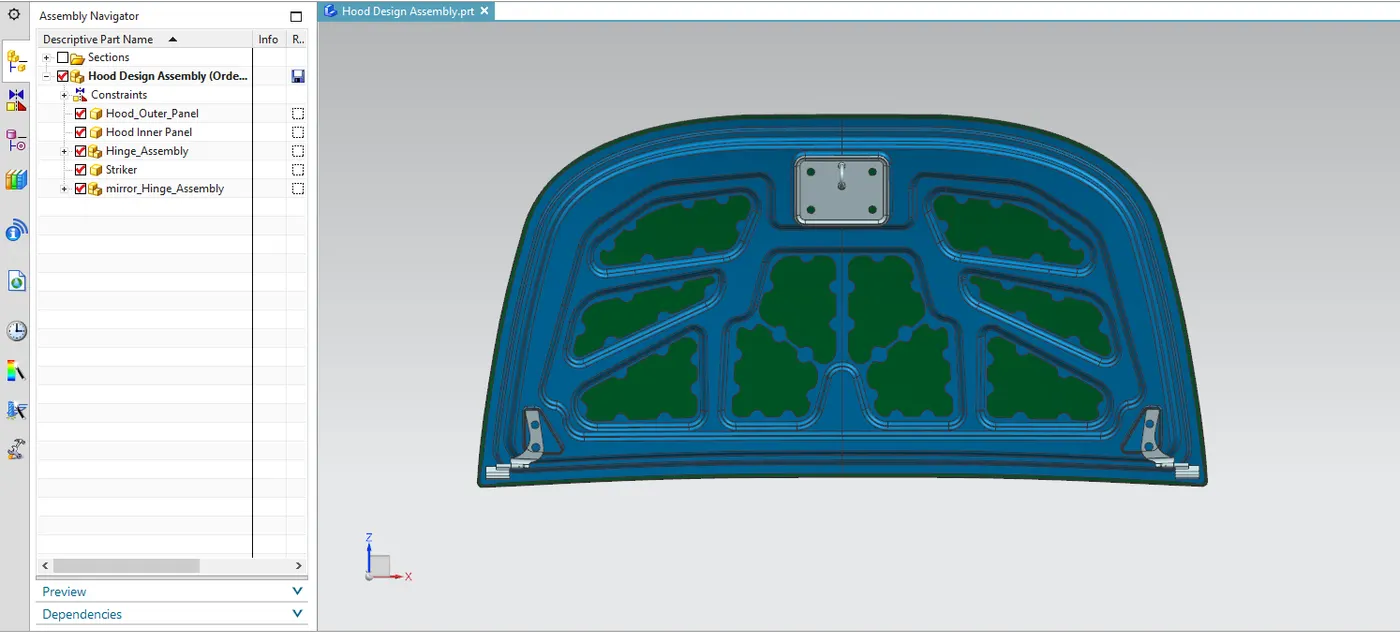
Hood Design and Assembly :
Car hood is a hinged cover resting over engine in a front engine car. Hood provides access to engine and battery for repair and maintenance. Also protects tthese parts from dust and sunlight. Latch under the hood prevents accidental opening during driving.
Tooling Axis :
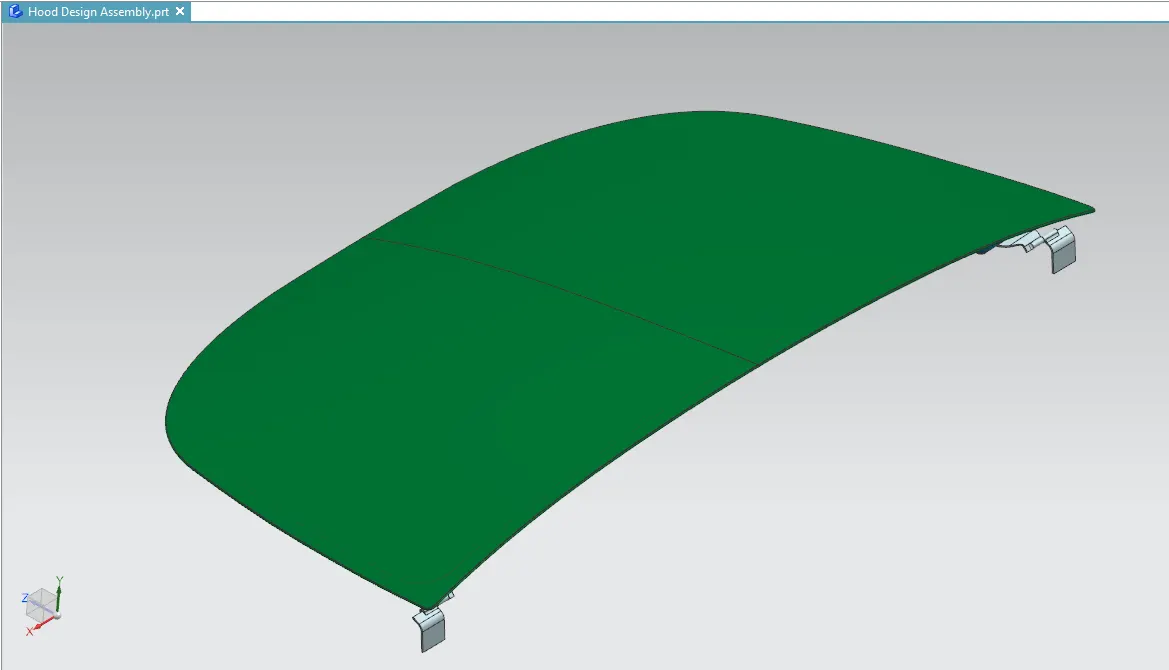
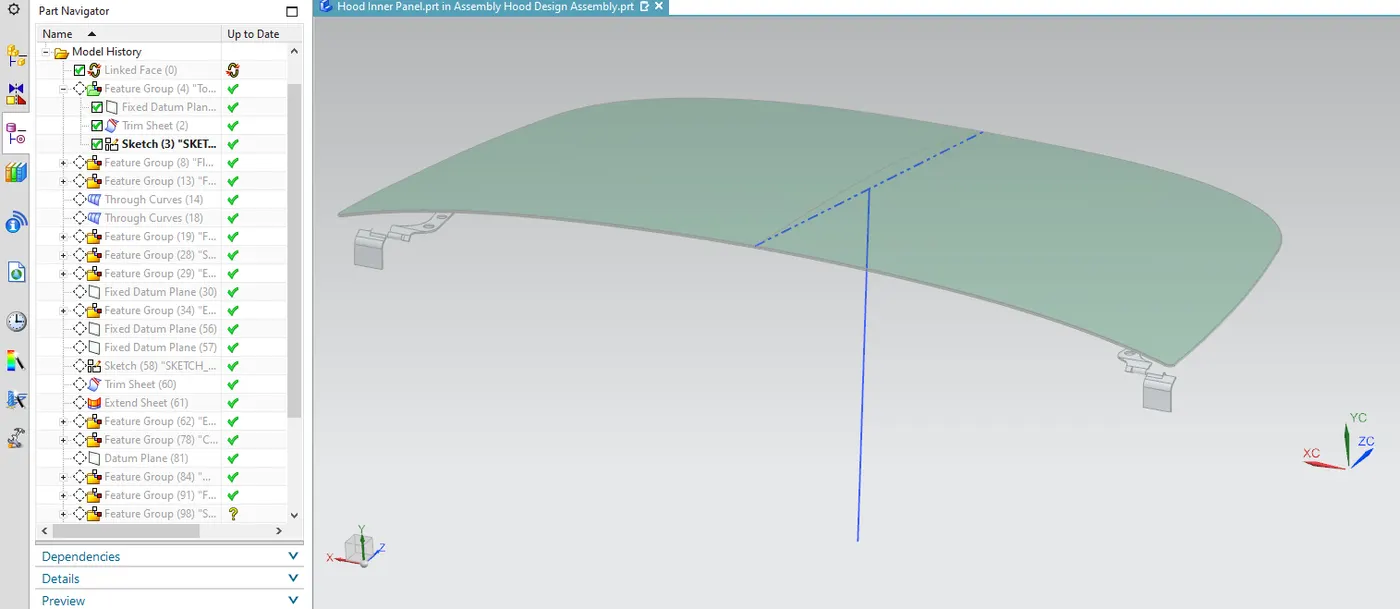
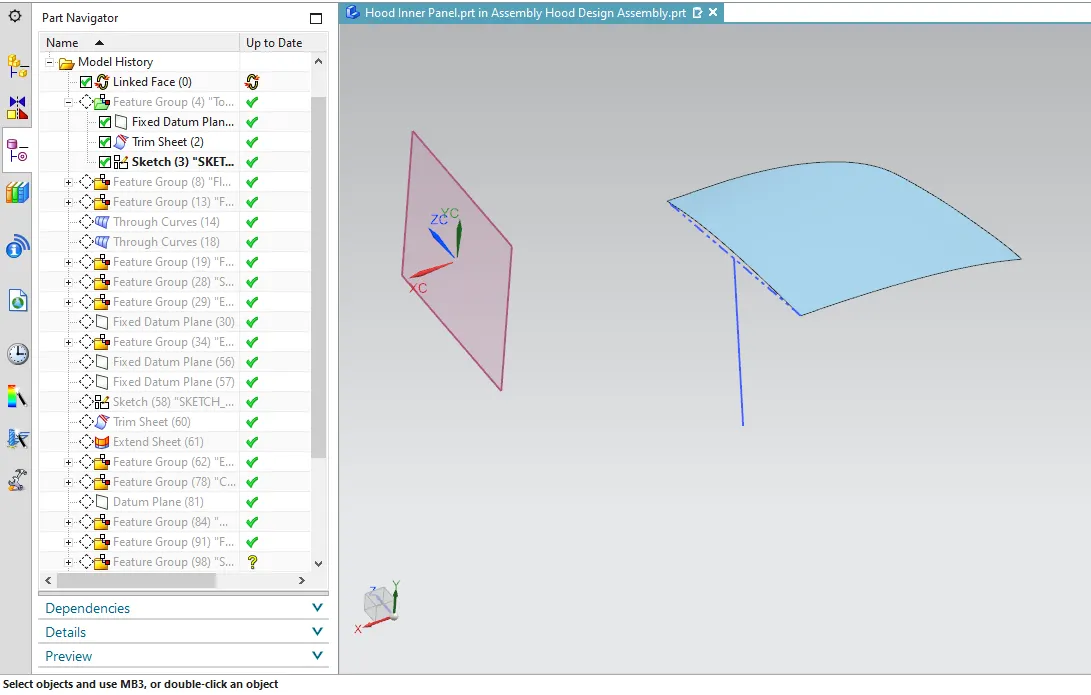
- Tooling Axis created on ZY Plane passing through centre of Inner Panel in Y Axis direction.
Hood Inner Panel :
Inner Panel provides strength and ridgidity to the Outer Panel.
Master Section represents emboss depth and size provides respective measurements.
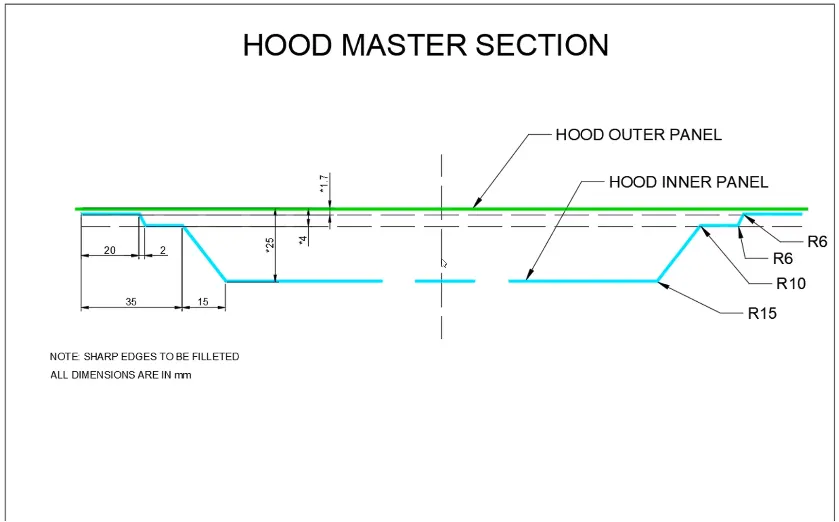
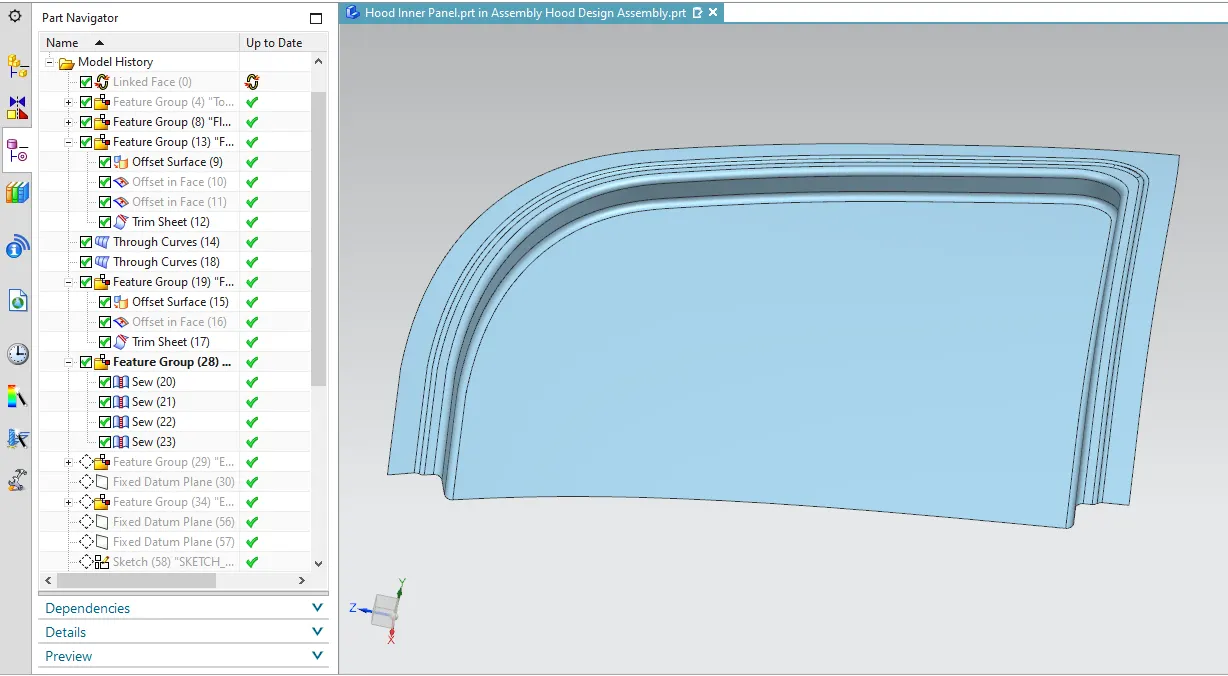
- Flange created according to input master section in a three level step manner using offset command.
- Two level Embosses created in direction of Tooling Axis with draft angle of 10deg and 12deg respectively.
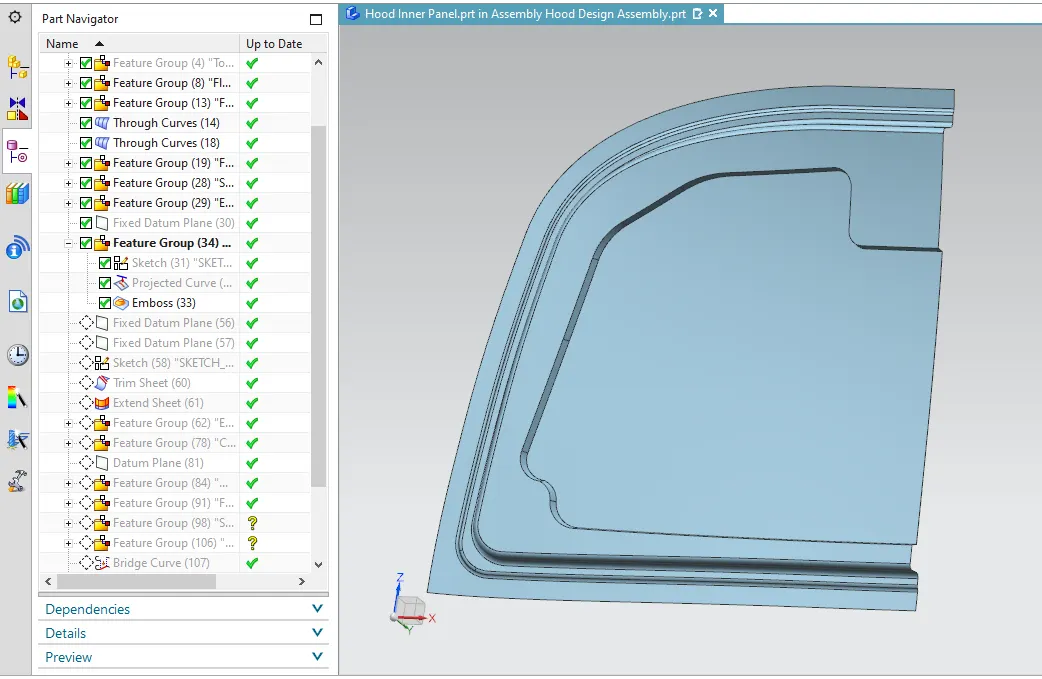
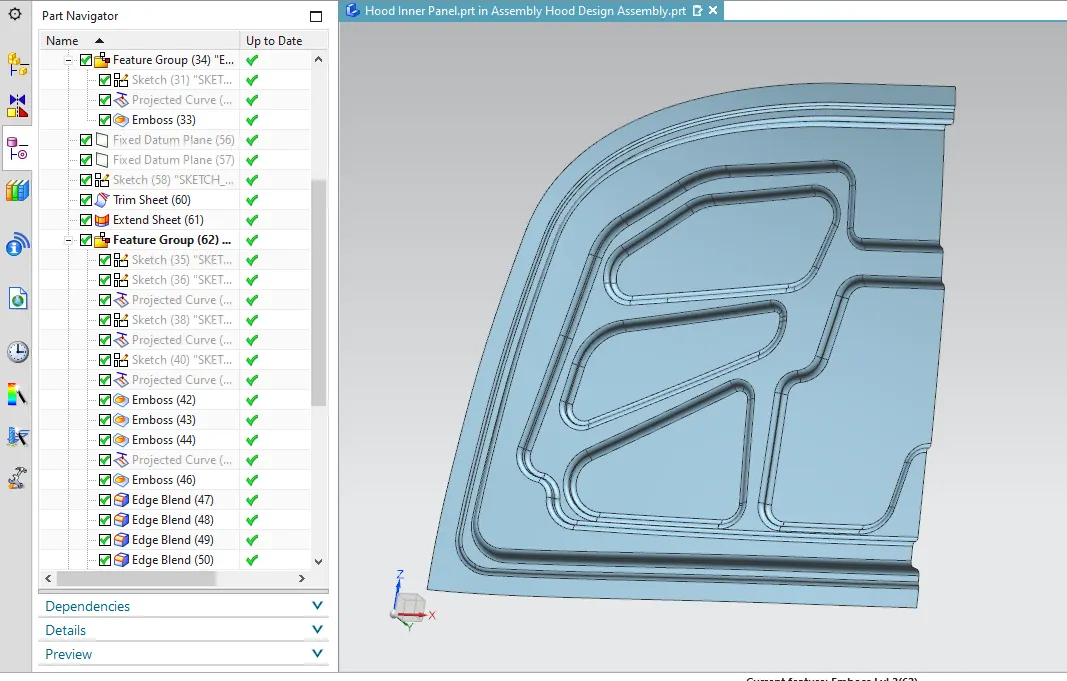
- CutOuts created using Trim sheet command.
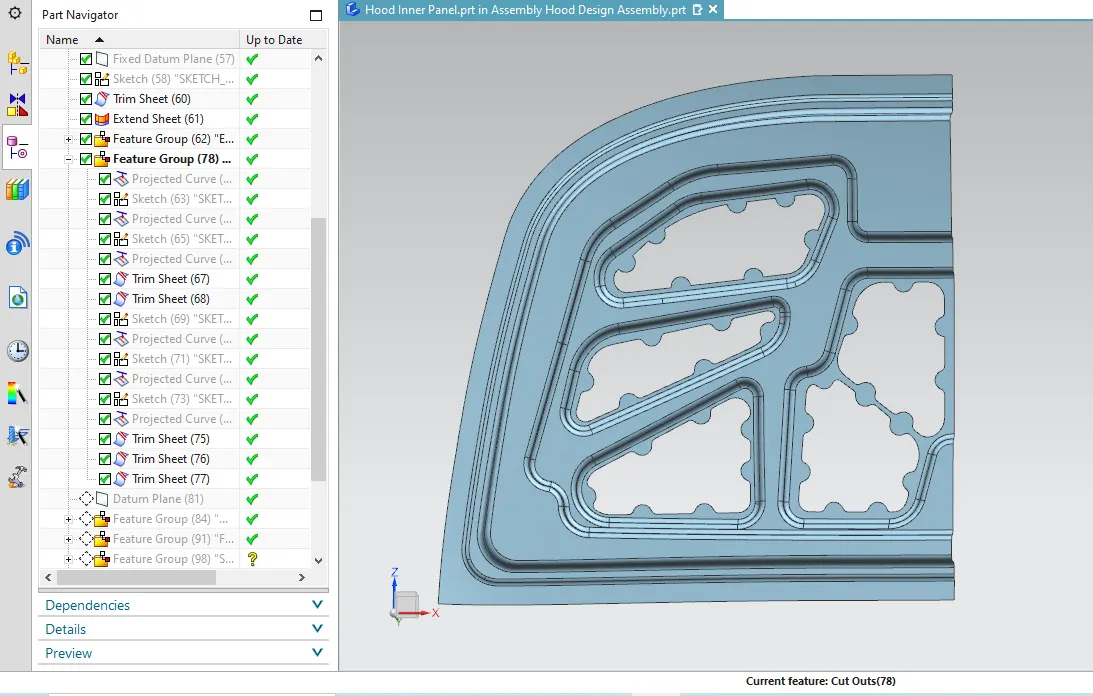
- Hinge Emboss created in direction of Tooling Axis with draft angle.
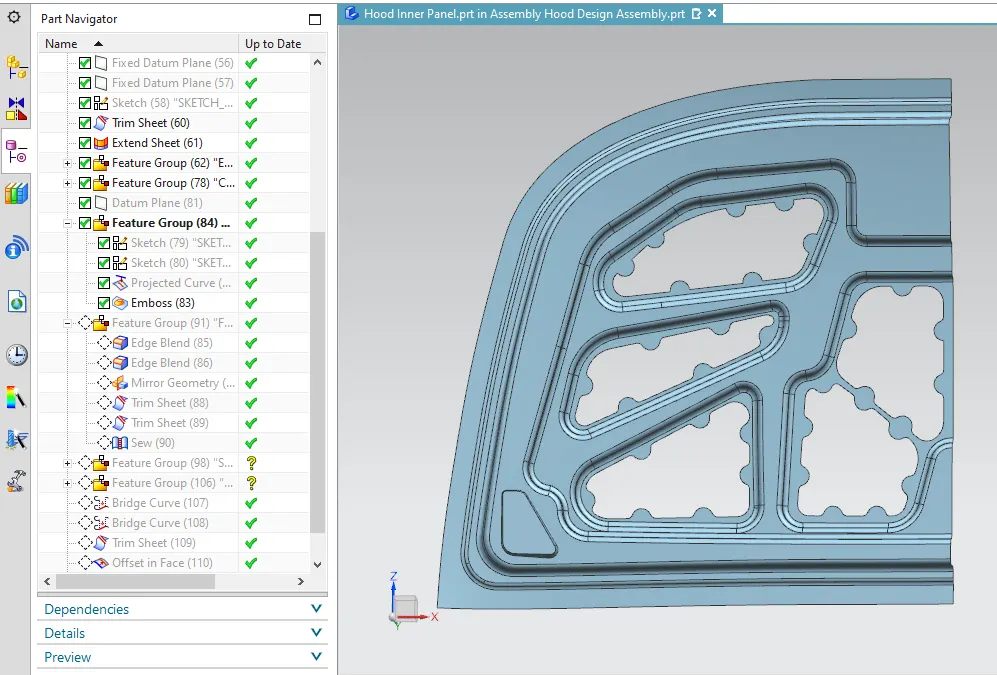
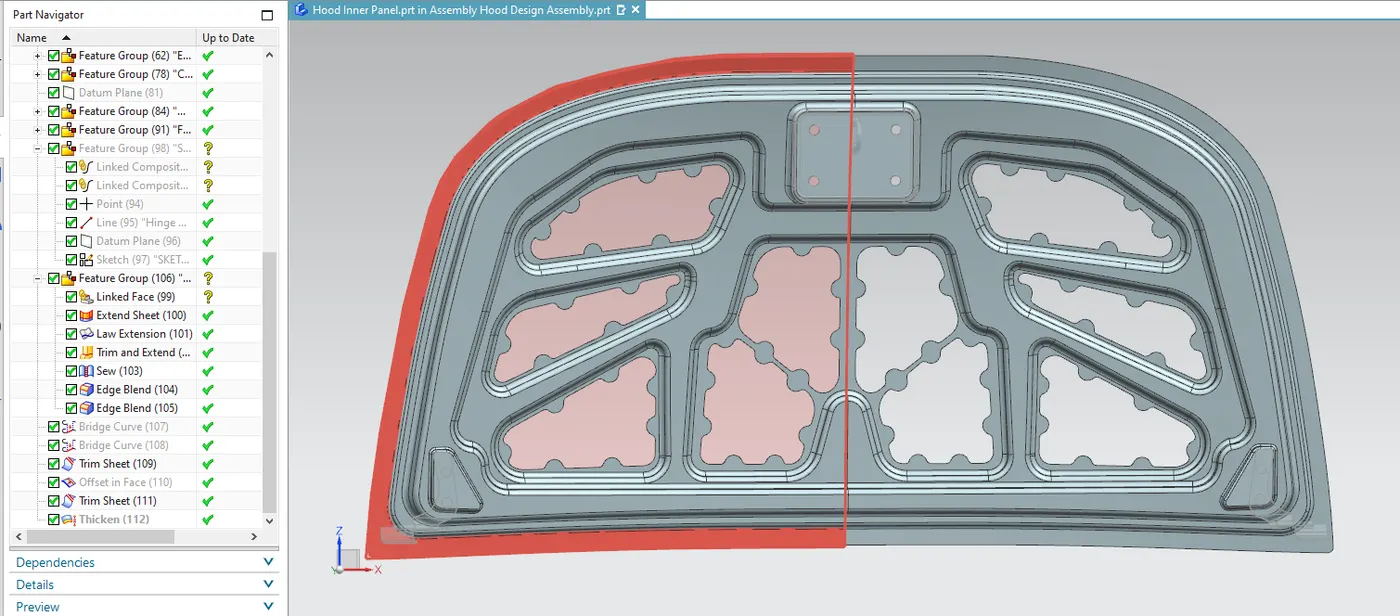
- Half part of Inner Pannel mirrored using Mirror Geometry command with reference to ZY Plane.
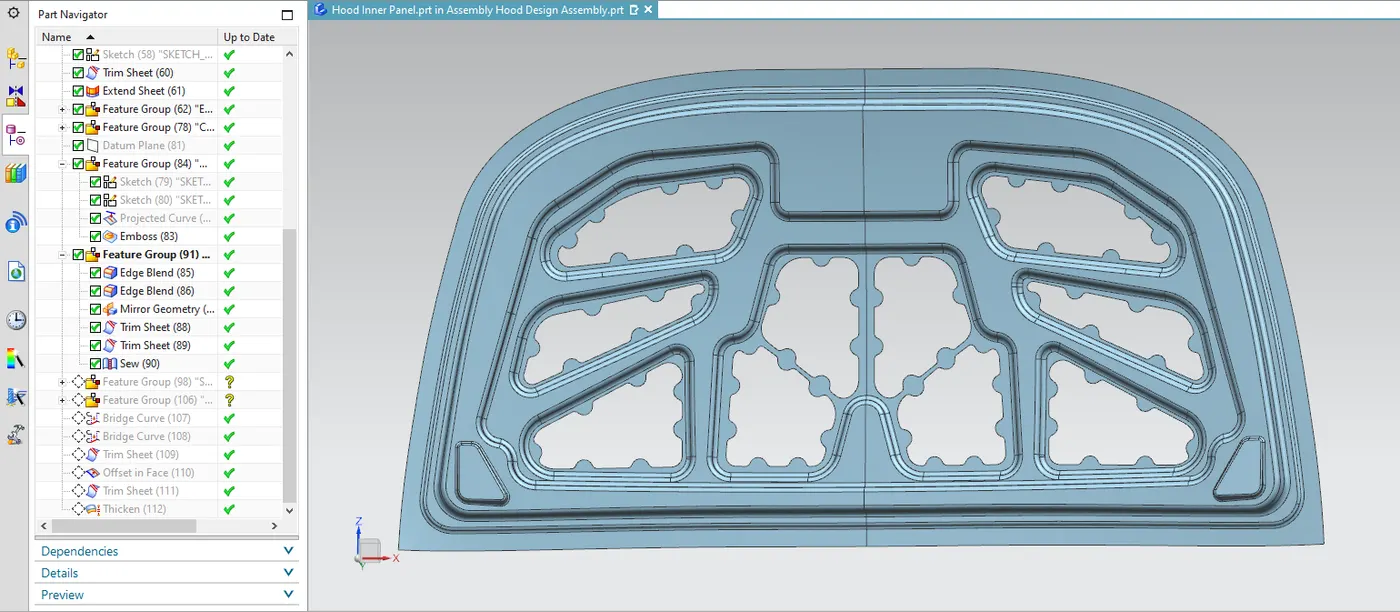
Hinge Axis and Striker Trajectory:
Path along which hood striker latch rotates during opening and closing movement is called Striker Trajectory. This trajectory is along circumference of a circle with centre at the hinge axis.
It is a very crutial aspect of hood design in order to decide hinge, latch and striker installation points.
- Hinge Axis created with reference to two pointspassing through two hinges. Datum plane created at centre of Hinge axis on ZY plane.
- Another Datum plane created at centre of Striker on ZY plane and matched with Datum plane created on Hinge axis. Striker trajectory created in sketch with support as Datum plane on striker.
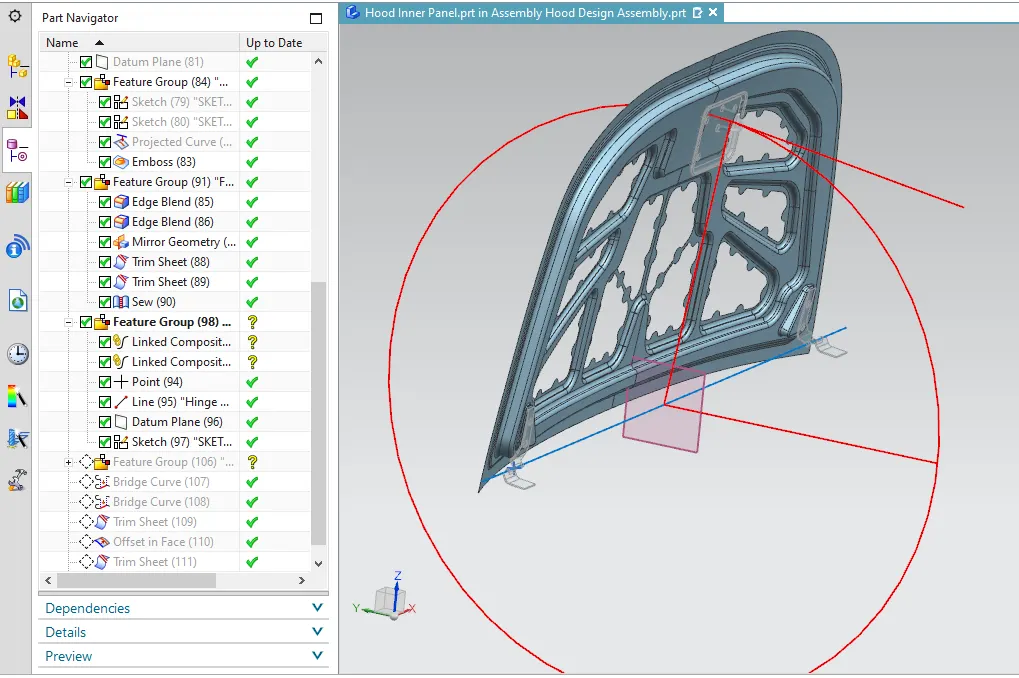
- Striker Emboss created in direction of tooling axis with draft angle.
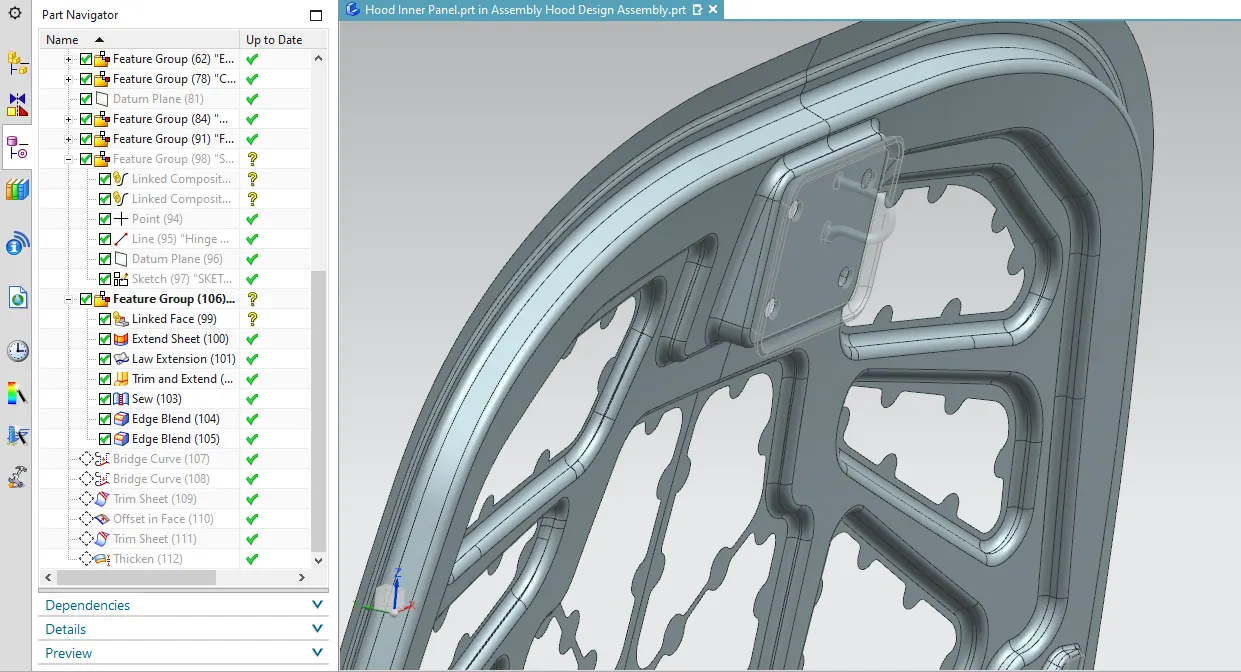
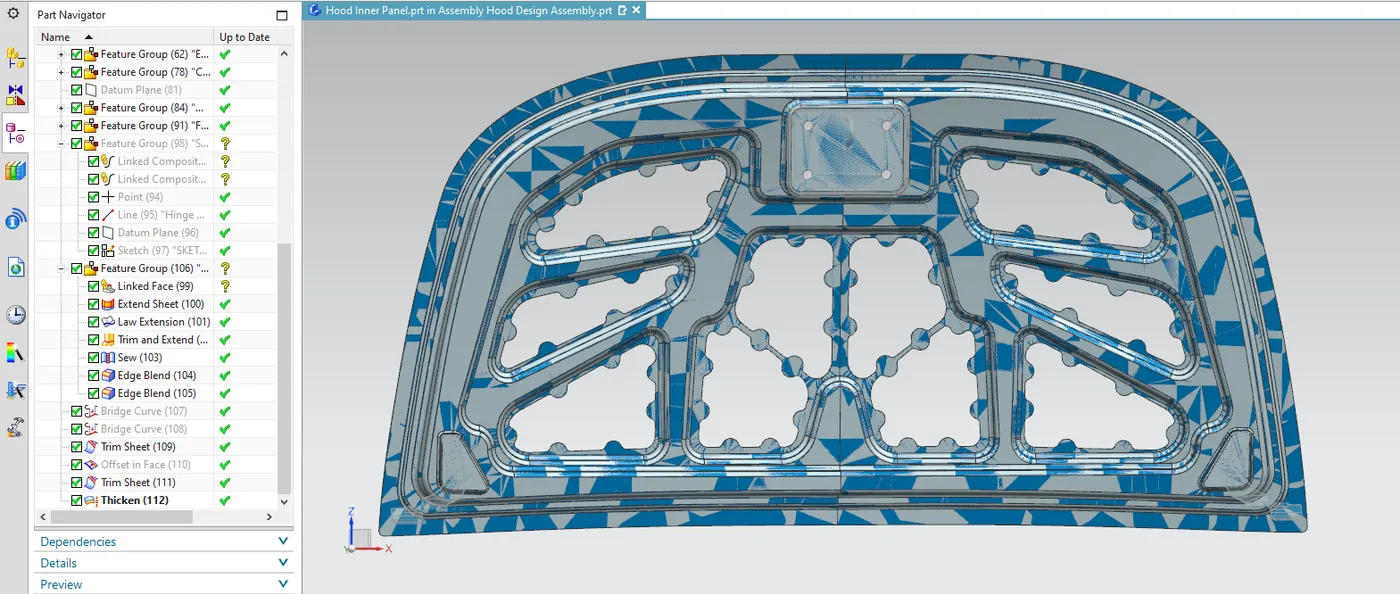
- Sheet corners trimmed using Bridge Curves command and using Thicken command given thickness of 0.75mm.
Hood Outer Pannel and Hemming Process :
Outer Panel is a aesthetic element. Styling team provides the design engineer with skin of outer panel as a input.
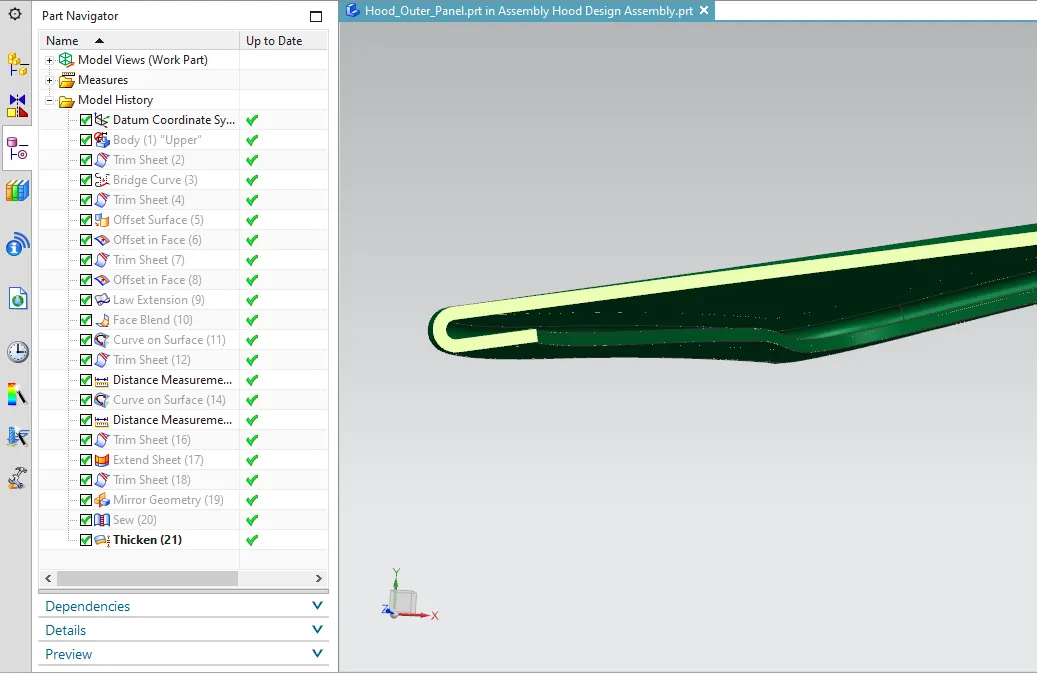
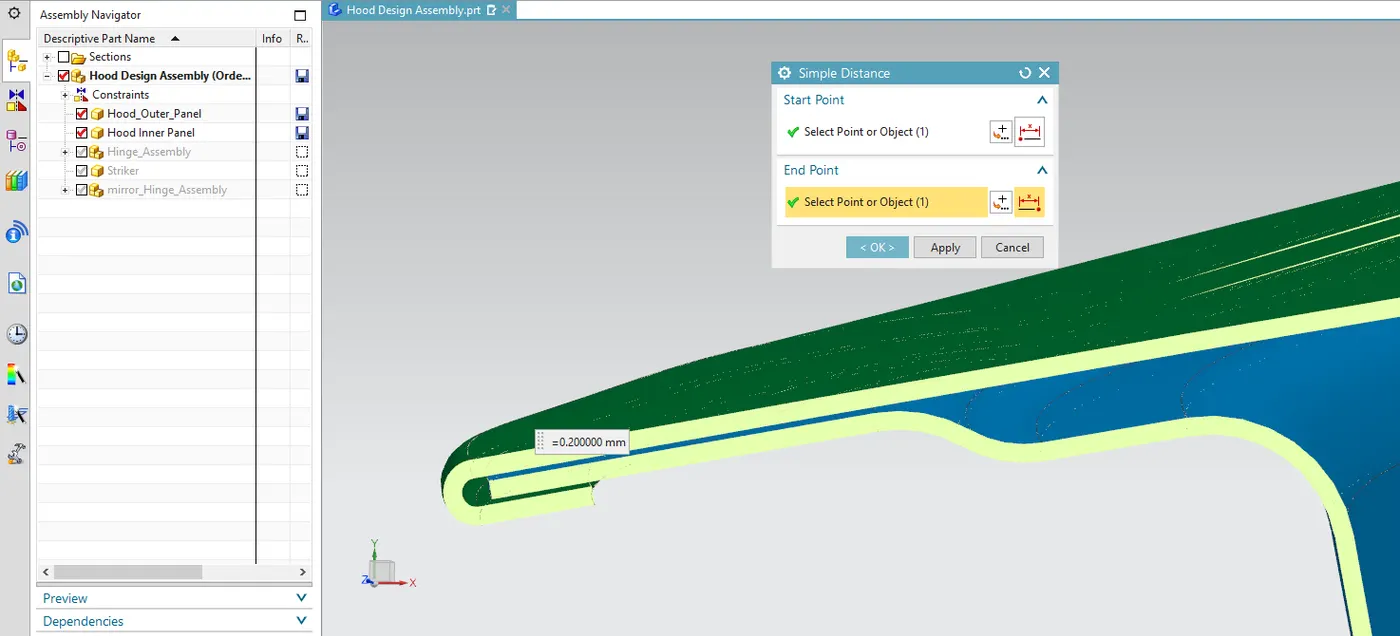
Outer pannel is attached to Inner panel with Hemming procces.
Clearence of 0.2mm is provided for Hem glue.
Mastic sealents are provided between outer and inner panel to reduce vibration and noise.
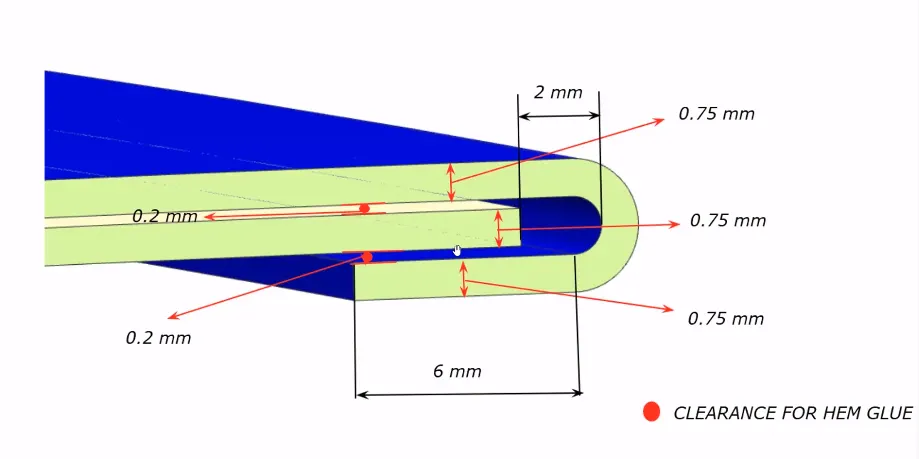
- Hemming process for joining Hood Outer Pannel and Hood Inner Pannel. 0.2mm clearence provided for Hem glue.�
Mastic Points Clearence :
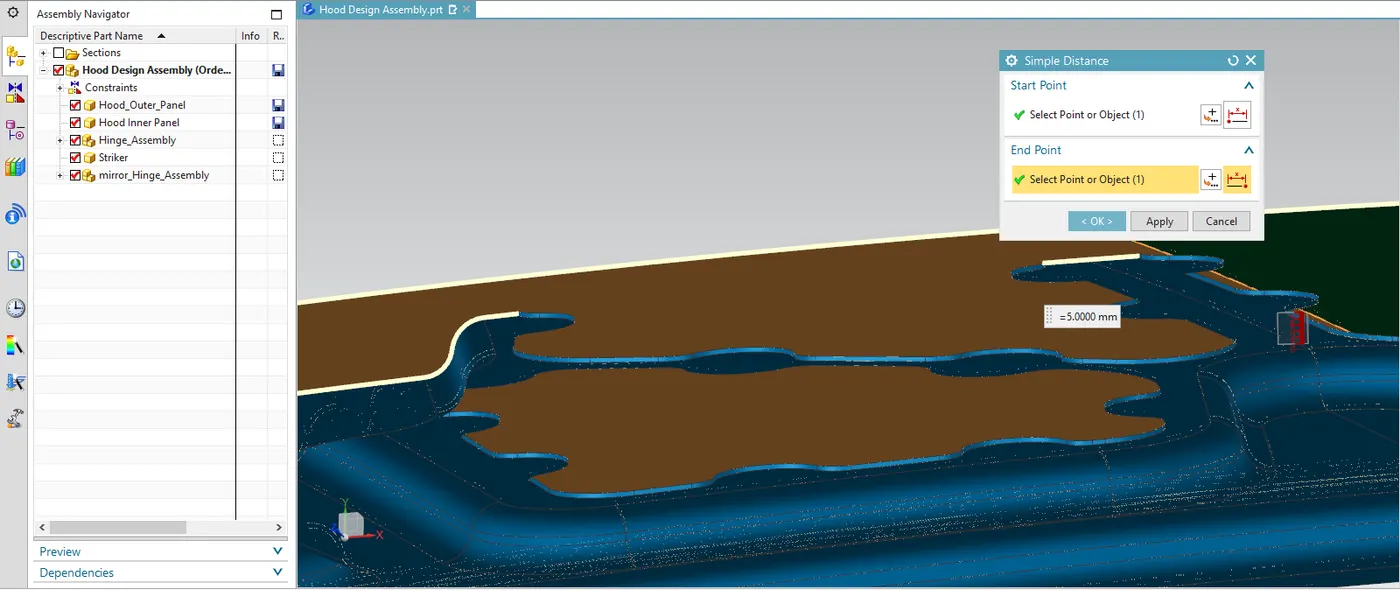
Mastic sealents improve strength of the hood locally. It is hard rubber part which is introduced as a paste in between inner and outer panels of the hood. Every mastic sealent will have tendency to improve local strength in around 80mm diameter of the mastic points.
- Mastic sealents at mastic points used to reduce vibrations & noise, also gives strength to hood locally. Clearence of 5mm for mastic points given.
Front and Rear relief :
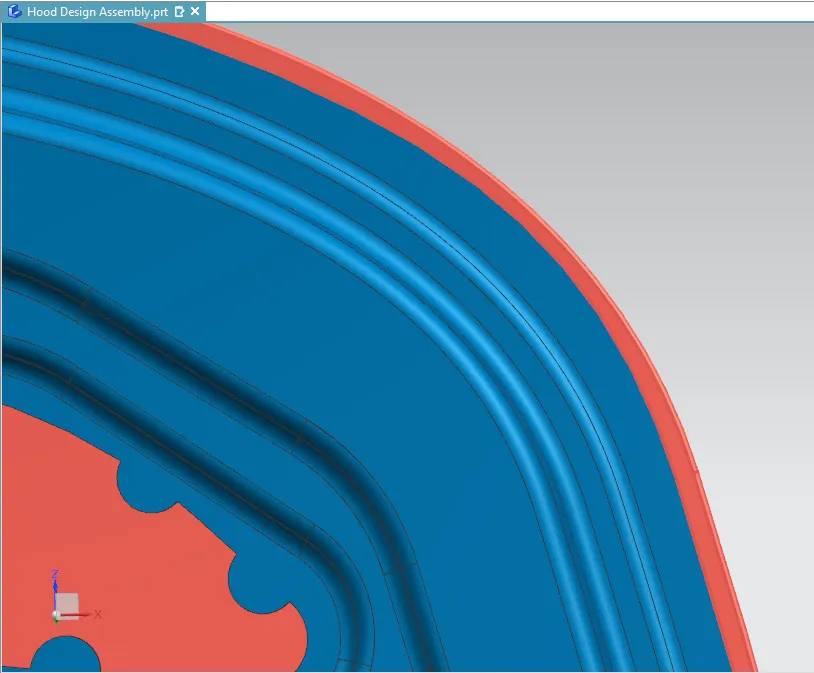
- Relief provided at corners inorder to avoid back spring of materiel during hemming process.
- Minimum 3mm from face blend maintained.�
Reinforcements :
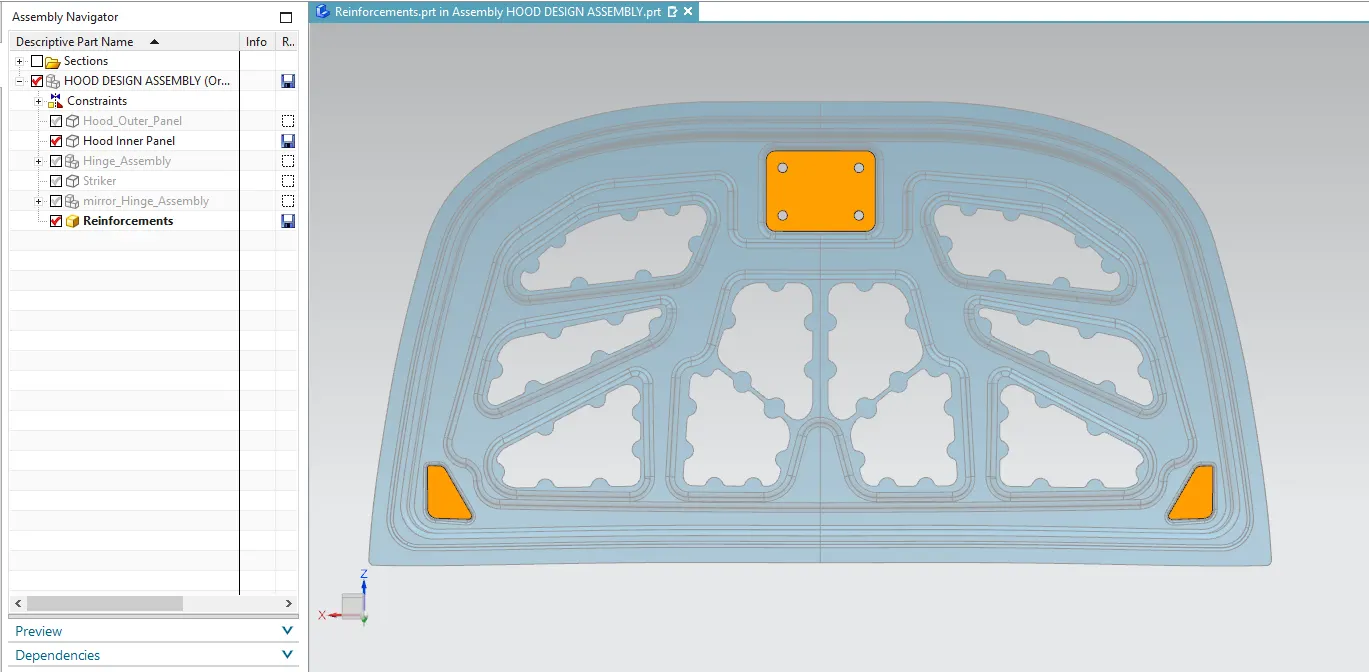
Reinforcements improve strength of the mounting locally. Thickness of reinforcements will be higher than that of inner panel and value is decided depending on cost and requirements.
Following design considerations, here thickness is 1.5mm.
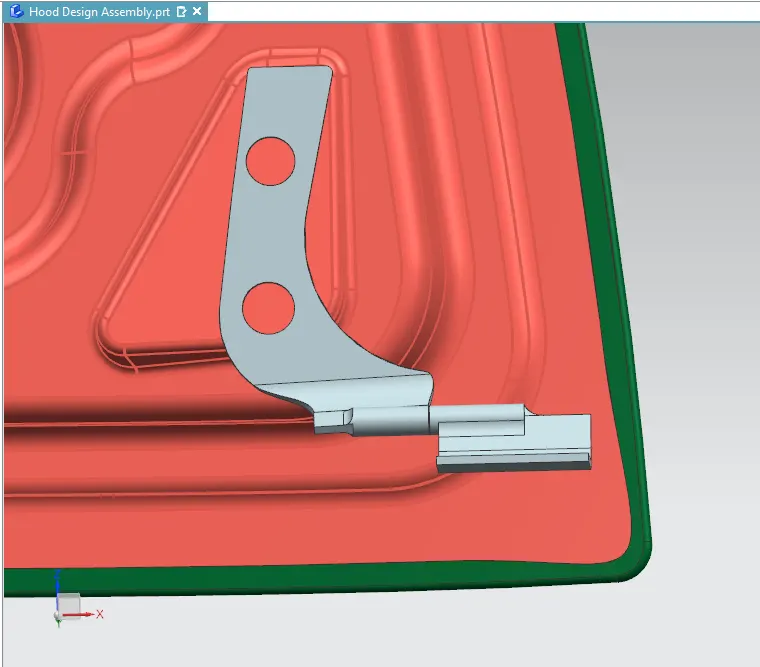
- Reinforcements created towards inner side of Inner Panel for increased strength for Hinge mounting and Striker mounting.
�Sheet metal operations in Car Hood manufacturing :
Deep Drawing :
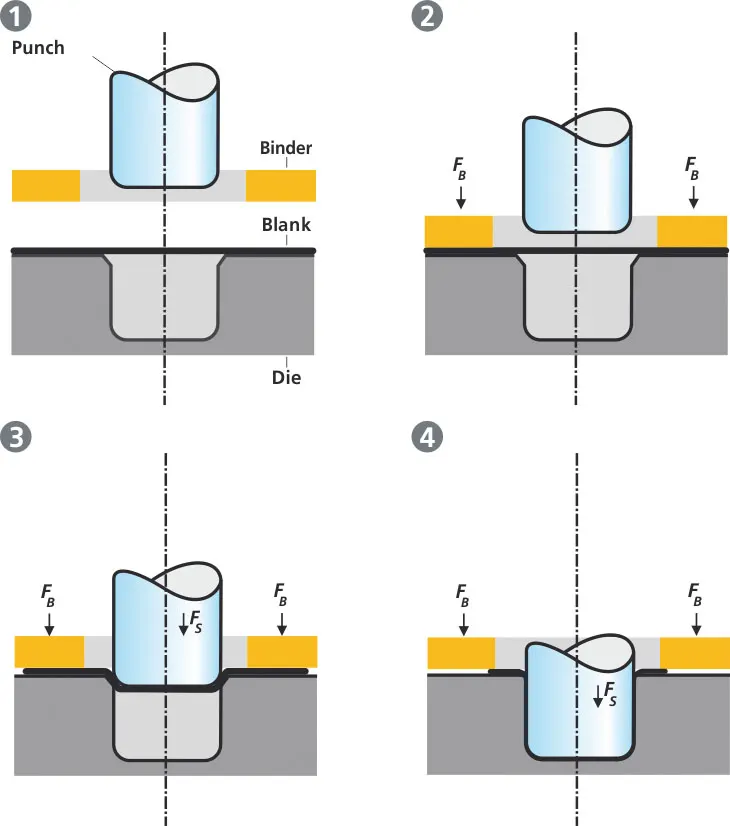
It is a sheet metal forming process in which a sheet metal blank is radially drawn into a forming die by mechanical action of a punch. It is a shape formation process with material retention. Process is considered deep drawing when depth of drawn part exceeds its diameter.
Hemming process :
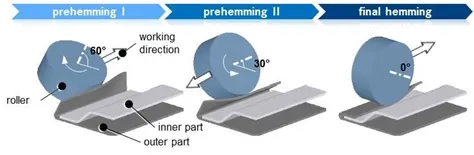
Hemming is a sheet metal forming process in which sheets are joined by bending it to 180deg, or simply folded to get a tight fit. In this process, usually a sheet is bent with help of inner sheet in three different stages. In car production, hemming is used in assembly as a secondary operation done after deep drawing, trimming and flanging operations to join two metal sheet parts (here, inner and outer panels).
Embossing process :
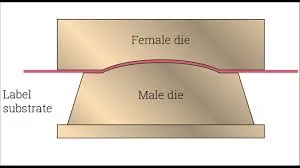
Sheet metal embossing is a stamping process for producing raised and sunken designs or relief in sheet metal. This process is carried out by means of matched male and female roller dies ,or by passing sheet or rolls of metal between rolls of desired patterns.
�
Note: As Zipfile was above 20mb sharing google drive link
https://drive.google.com/file/d/1osLa5hBJ2a_iQiHtx7j_bMMbC6IhTzuy/view?usp=sharing
�