Hood design-Week 2
DESIGN of HOOD OUTER AND INNER PANEL
- WHAT IS HOOD ?
Let start to understand and design the concept of front mounted engin's hood according to standards.The hood is the hinged cover over the engine of vehicles it will protect the engine to all type of weather and collision in the front of the car.
Firstly we making the hood to see the criteria of the team or situation of our country or people. Let see in European country the hood is build to see the people's height and the average height is 6 feet in this country's but In India to ensure that the peoples are 5.5 feet so we are making the hood panel by design itself.
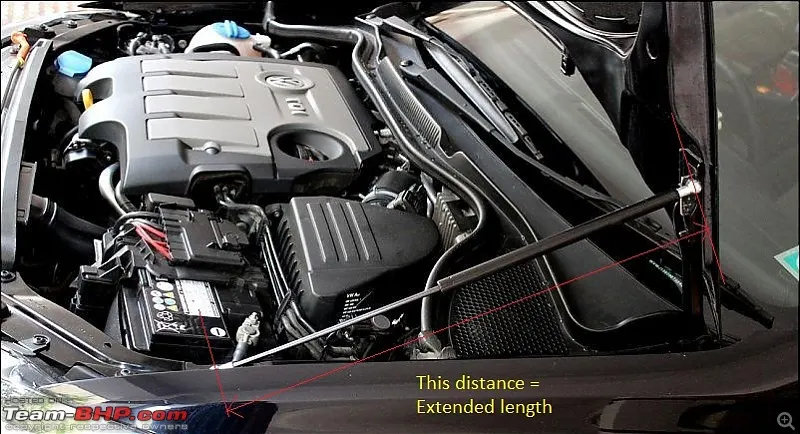
- A hood stay is an engine room of car, which can safely keep an engine hood in an open state even if an external force is abruptly generated due to vibration, wind and can facilitate an opening & closing operation of the engine hood.
- A device for supporting the engine hood of a motor vehicle in its open position.
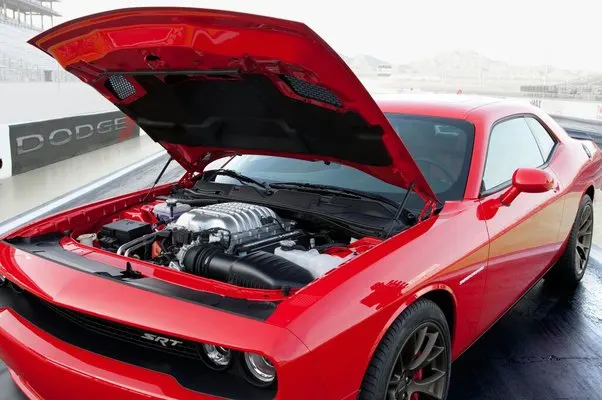
PUROPSE :- An automobile engine hood is arranged to be opened for the purpose of inspecting the engine room, replenishing cooling water & engine oil, changing parts , making repairs etc.
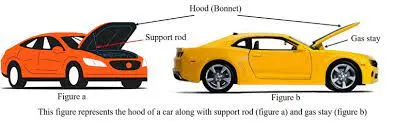
Types of hood stay :- (1) Support Rod
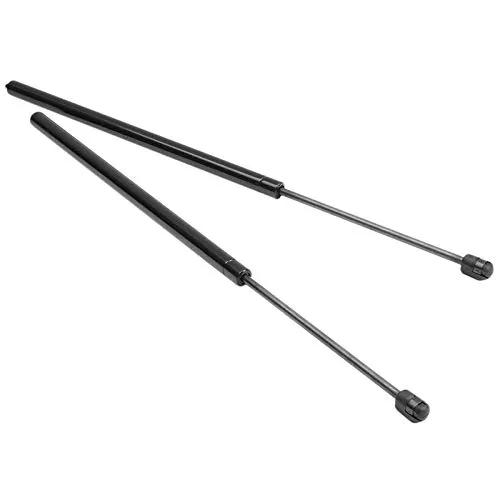
(2) Gas stay
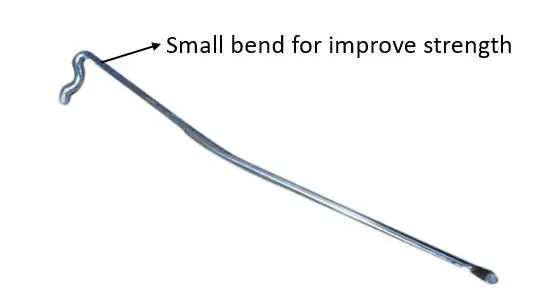
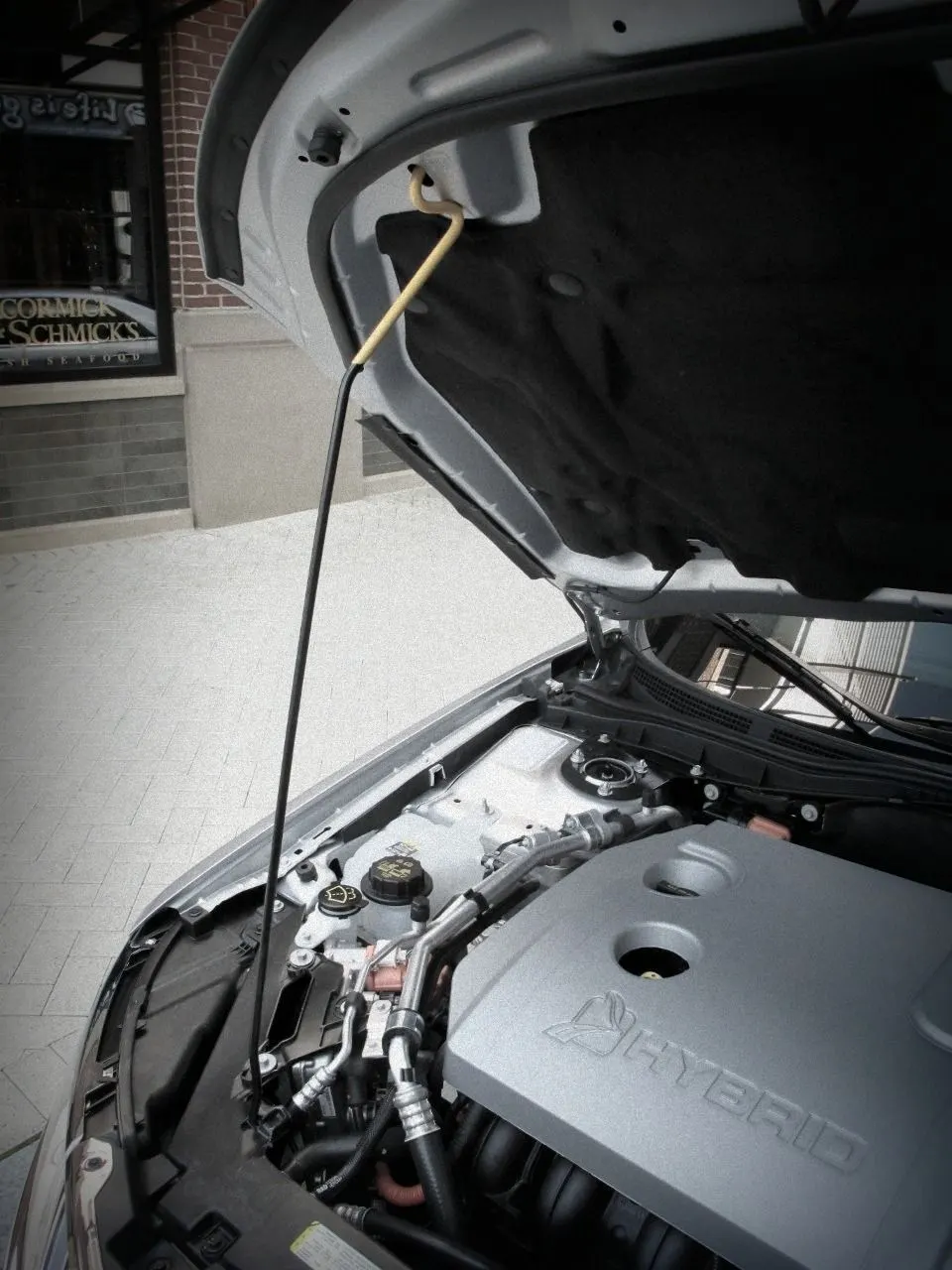
- Support Rod :- This rod is used in old models of cars to support the hood and write now this type of rod are available in base model of cars and low cost cars.
About this support rod their is disadvantages like, when striking with the automotive body panel, to leave scars which are very likely to cause rust. Also the metal rod is often too hot to be gripped by hand when one attempts to keep the engine hood open for inspecting the engine room immediately after the vehicle has been stopped. We can see other side like advantages so it is Simple and Cost effective.
2. Gas stay :- The gas stay is hydraulic type which is placed beside of the launch. The hood opening operation force ±0.25X position should be basically 8kgf and if it is 8kgf or more, decide to use gas stay and this will install in top model of the cars or it is very costlier but we can use this no men power is required.
PEDESTRIAN VEHICLE COLLISION =>
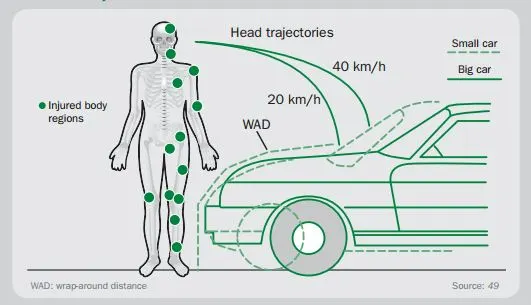
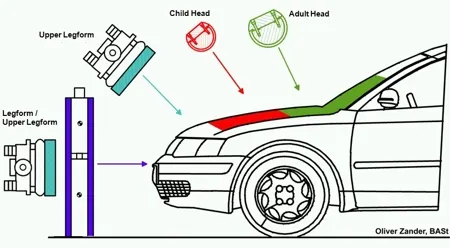
- In this topic we can see how to design the hood about this scenario. When people are coming in front of the cars hood so what type of collision is going on that time then about the studies for hood collision the fast growing population exceptional rate of motorization coupled with the ever growing urbanization has made people vulnerable to frequent road accidents resulting in fatalities, injuries and disabilities.
- In this test their are different type of test are doing like Lower leg test Upper leg test , child head test and Adult head test etc.
- The events pedestrian vehicle collision images mentioned below :
- COMPONENTS OF HOOD =>
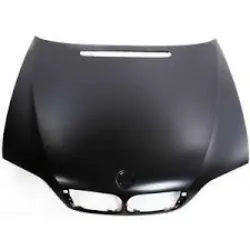
- HOOD OUTER PANEL
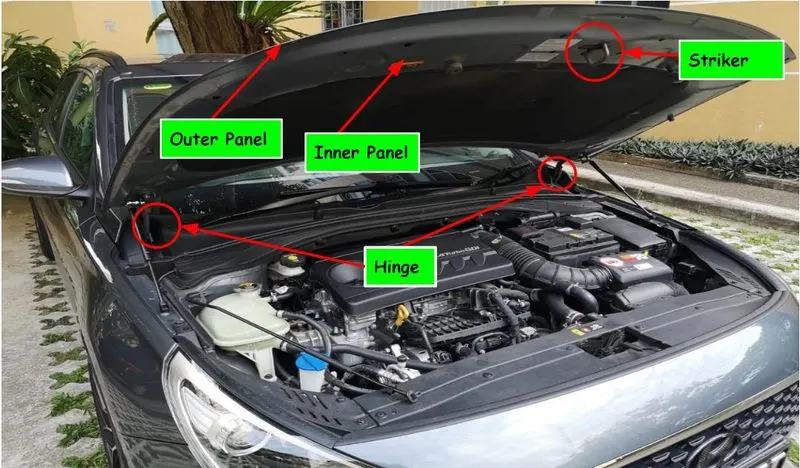
The outer panel is actually called the skin of the vehicle which is designed by the company whose the car look's great and also covering the inner panel & engine parts of the car.
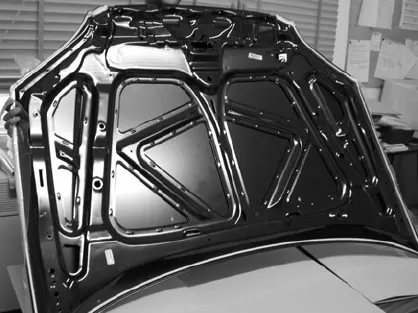
- HOOD INNER PANEL
The main part of the hood which give support the skin/outer panel of the car and its embossing shape absorb the force whose coming from different direction so not any type of crashes coming in the car.
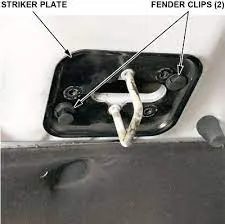
- HOOD LATCH & STRIKER
This part that helps the looking the hood with the striker which is fix on top of the inner panel. It plays a major role in opening & closing the hood for maintenance of the engine parts and gives a tight looking without any noise & vibration also not open by the pressure of air during running vehicle.
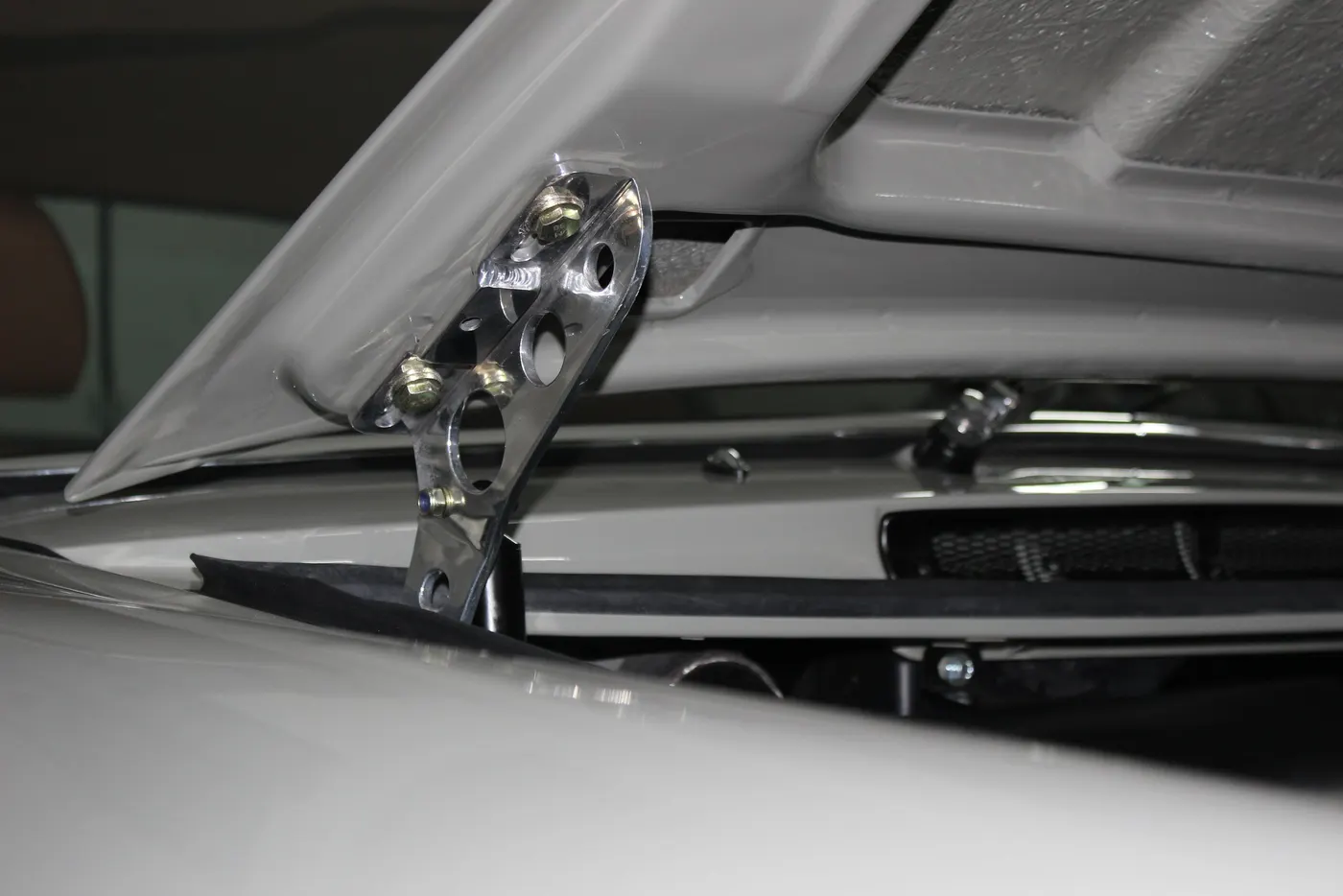
- HINGES
The hinge according to the present invention allows the hood to easily and smoothly pivot to its various position while preventing the hood from being detached from the vehicle. The hinges allows the hood to open and close and as well as makes contact between engine block to the hood in the vehicle.
Design specification for the automotive hood component.
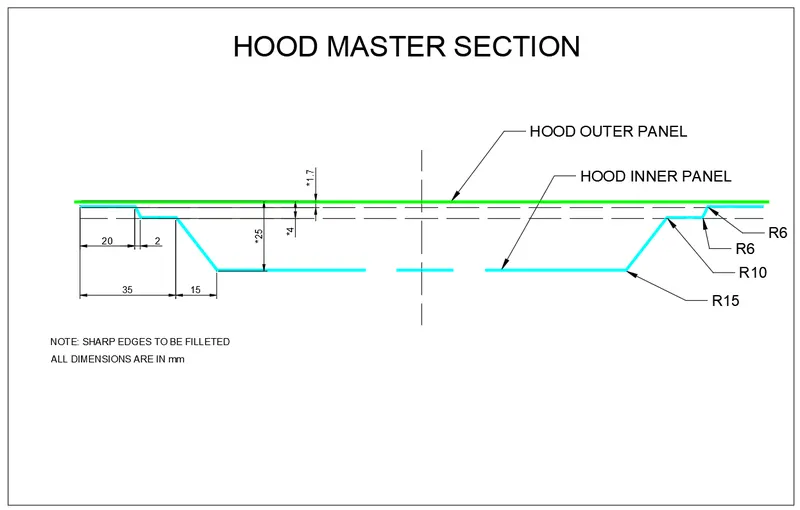
HOOD THICKNESS INFORMATION
- Outer Panel Thickness => 0.75mm
- Inner Panel Thickness => 0.75mm
- Reinforcement Thickness => 1.5mm
The Process Involved in designing of hood in sheet metal operation is :-
- Making outer and inner panel
- Hemming
- Mastic seal and Piercing
- Deep drawing
- Embossing
Let's Start the DESIGN OF HOOD
- HOOD INNER PANEL DESIGN
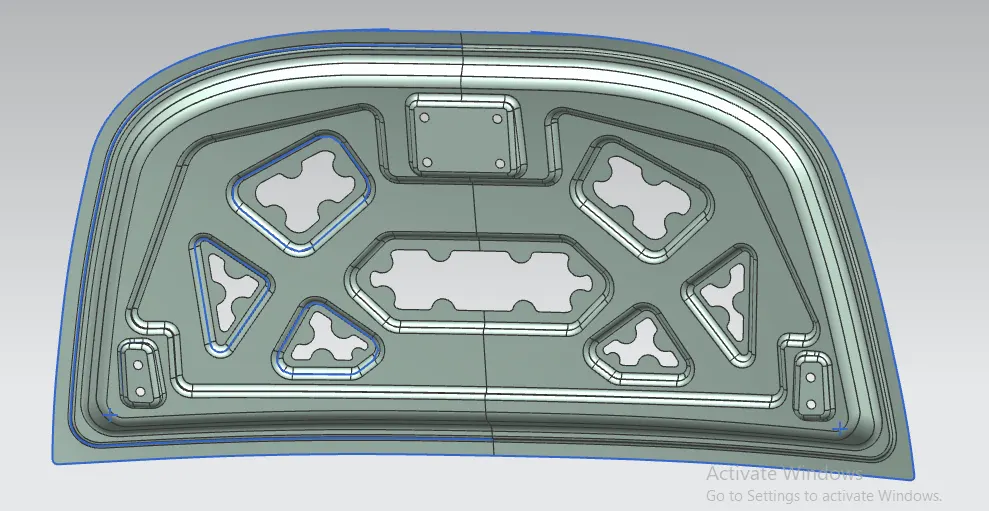
- The hood is an opening body panel that covers the engine in a front engine vehicle. The hood is also considered as another type of door in a vehicle as it consists of an Outer panel & Inner panel.
- The Inner panel provides strength while the outer panel function as the metal cover.
- The hood inner panel is required to have a high initial reaction force against the impact exerted on the hood to enhance the energy absorption capacity. The hood is further required to minimize a reduction force by deformation in a collision.
- The hood inner panel is designed & implement for the saftey purpose for driver and its passengers.
- In the hood inner panel, we can attched the different parts like; Reinforcement lanch & striker, embossed, Mastic seal etc.
- LATCH TRAJECTORY PATH
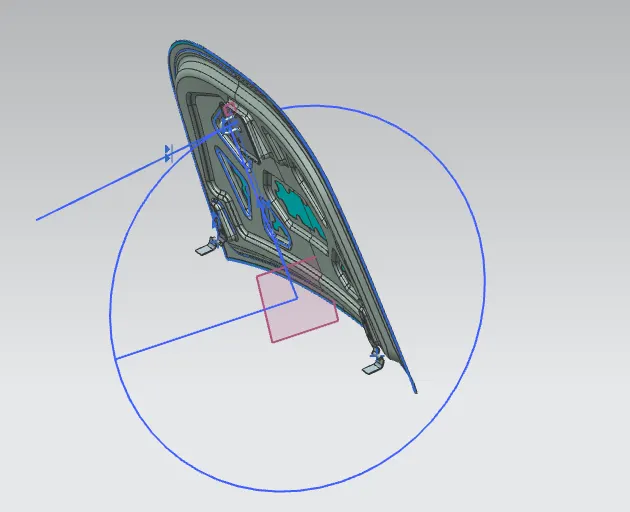
The latch trajectory shows the path of the striker while the hood is opened and closed on a vehicle. The radius of the circular trajectory is based on the average height of the indian person so it will perfectly open. The radius is measured by hinge axis up to the latch so it perfectly work.
- MOUNTED HINGE AXIS
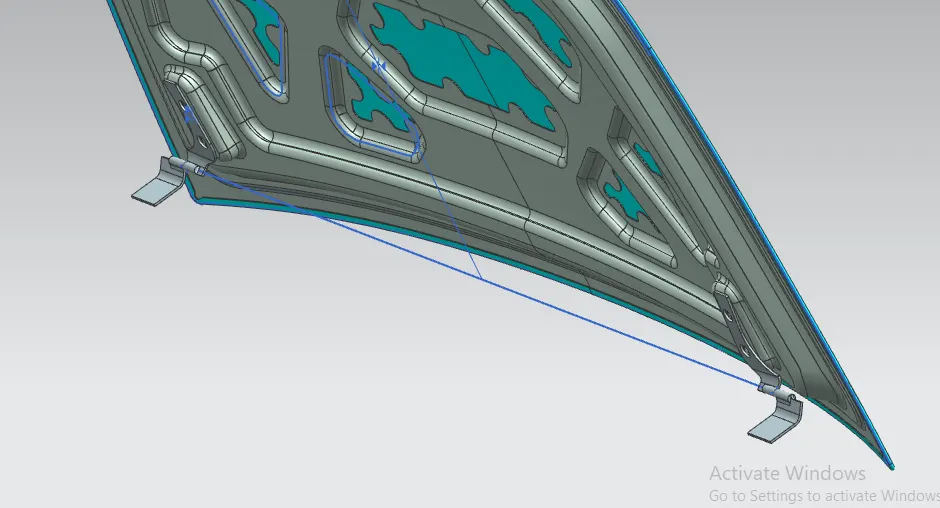
The hinge axis is placed in such a way that axis lies on the same line between these two hinges center point so that it is parallel to the "X" Axis. This is done in order to position the latch and striker trajectory motion exactly perpendicular to hinge axis.
- HIGHLIGHTED MASTIC POINTS
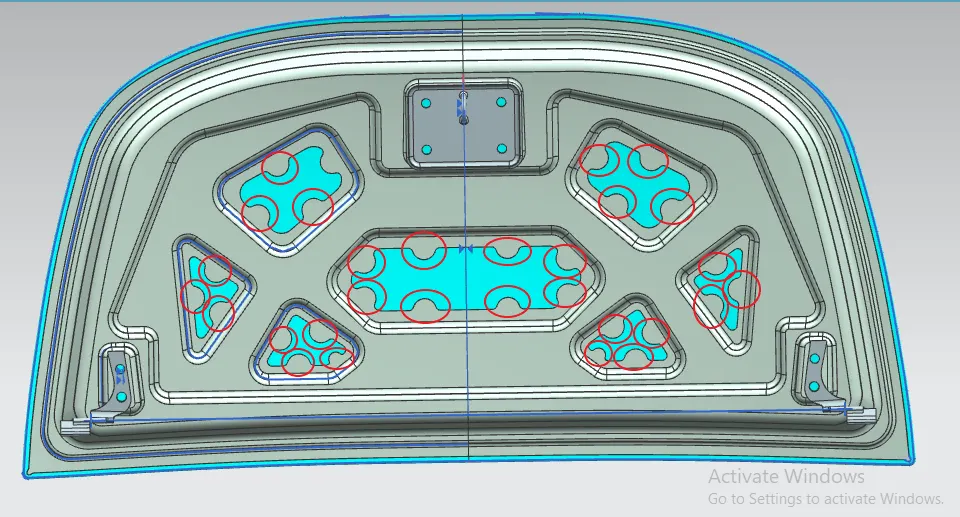
The mastic points are areas where the mastic seal is placed to attach the outer panel to the inner panel. The outer panel and inner panel is 5mm and field by mastic. The hood skin panel are not use spot weld rivets that is why we use joining technic is hamming gluing mastic.
- REINFORCEMENTS
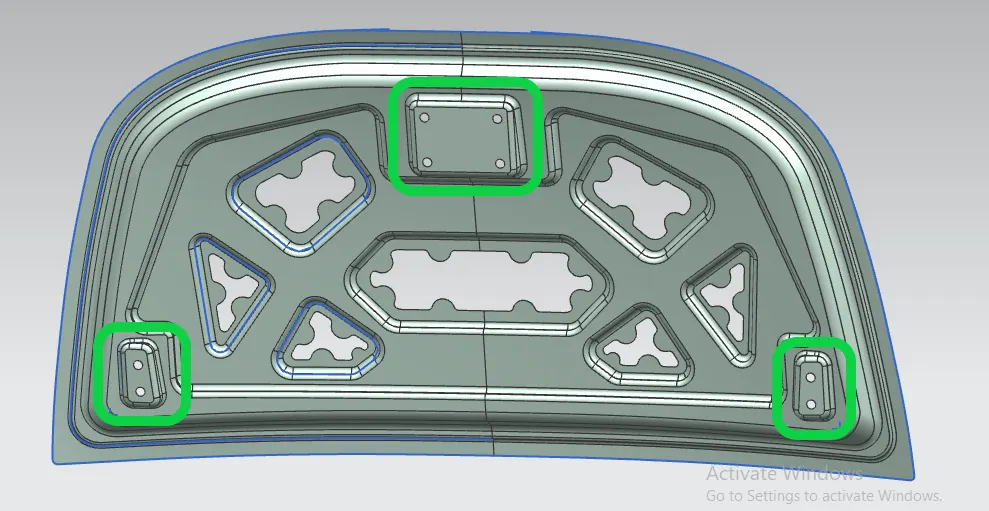
The area near the latch and hinge has more chances of failure in hood panel hence to avoid any failure, the hinge and latch areas are reinforced with extra material whose thickness is depend on the type of vehicles.
- DISSIPATING SHOCK WAVES
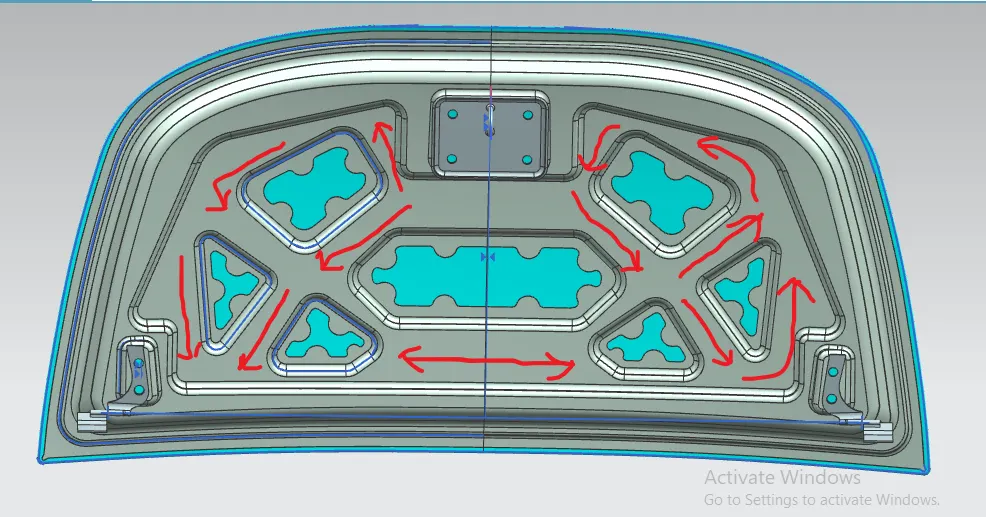
In the hood inner panel to dissipate the shock waves on the hood this is measure reason for designing the hood inner panel in the different shapes of embosses to absorb the impact force is coming drastically on the hood. The width and depth of the embosses is determine by simulations and analysis to check for failure. This is the reasons for desinging in such a way that the force exerted on the hood it should be not carried on the hood and the passengers are safe.
- RELIEF ON THE CORNERS
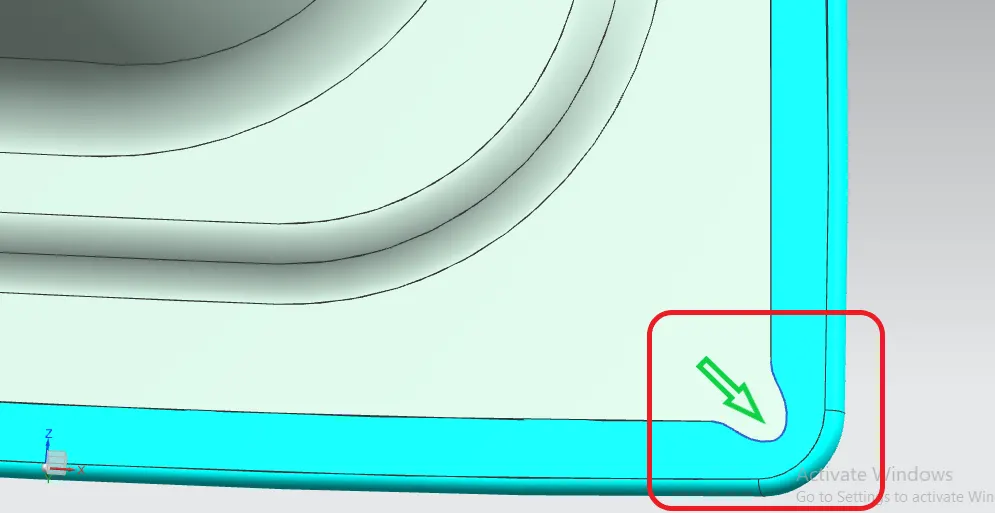
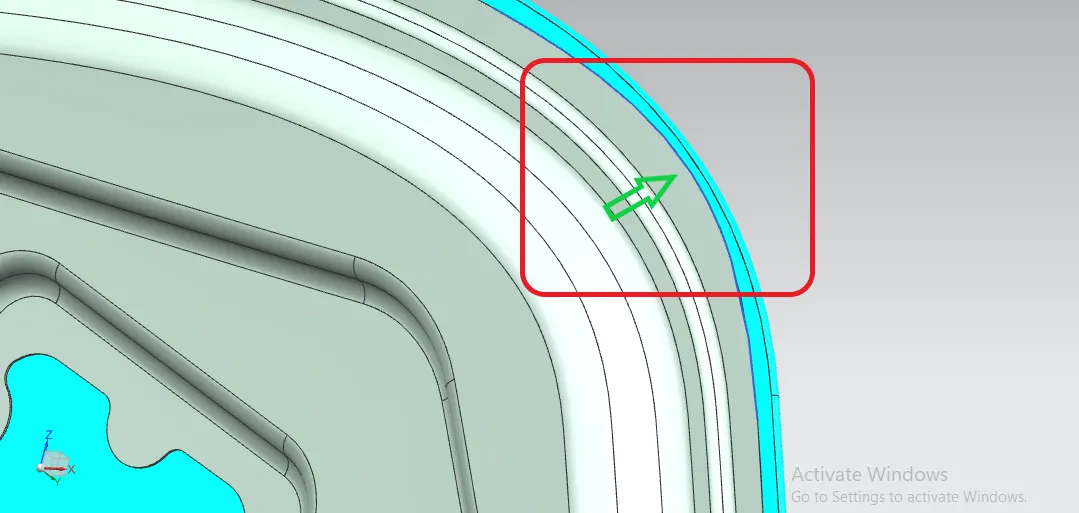
Relief on the corners is provided by the hemming process in order to avoid the spring back issues. In the hemming process with the help of rollers it should be rolled the metal sheet by different angles to make these corners for absorb the impact forces.
- THERE ARE MANY MANUFACTURING PROCESS INVOLVED IN HOOD DESIGN
- EMBOSSING PROCESS
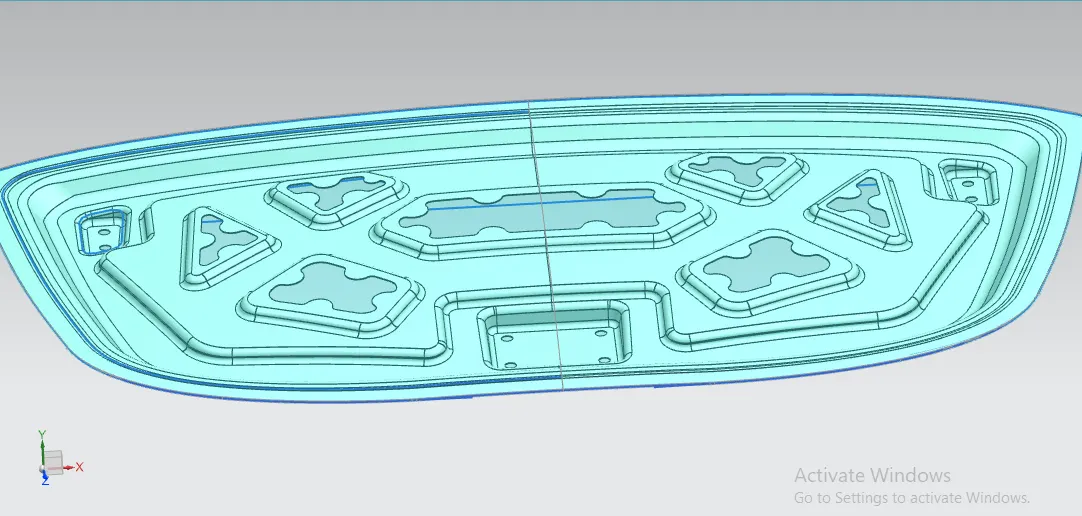
Sheet metal embossing is a stamping process for producing raised or sunken designs or relief in sheet metal. This process can be made by means of matched male and female roller dies, or by passing sheet or a strip of metal between rolls of the desired pattern. Depending upon the roller dies used, different patterns can be produced on the metal sheet. In the embossing the surface of the sheet metal will be rolled smoothly as shown in above image.
- DEEP DRAWING
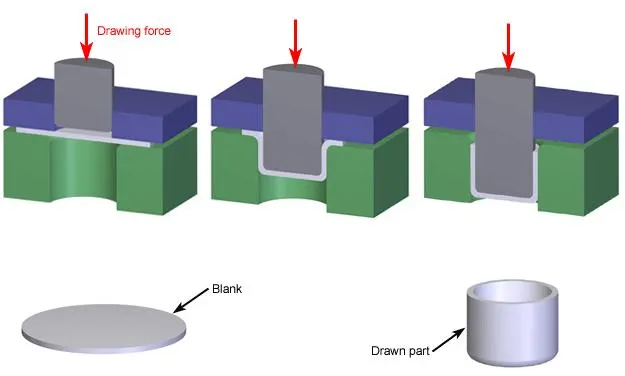
The deep drawing process is a forming process which occurs under a combination of tensile and compressive conditions. A flat sheet metal blank is formed into a hollow body open on one side or a hollow body is formed into a hollow body with a smaller cross-section. In the above figure illustrates the deep drawing process. The rigid tools consist of a punch, die and binder. In deep drawing, the plate holder closes after the metal sheet blank has been inserted. Next the sheet is clamped between the dieand the binder. This process slows down the flow of the sheet while it is being drawn and there by prevents wrinkles from forming under the binder. The punch stretches the sheet over the die radius and forms it in die. The amount of punch force necessary for forming is there by continually increased up to the lower dead center of the punch. Where as in pure deep drawing there is no reduction of sheet metal thickness, forming is achieved in stretch forming purely as a result of decrease in sheet metal thickness.
- HEMMING PROCESS
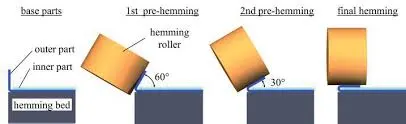
Hemming is a forming operation in which the edges of the sheet are folded or folded over another part in order to achieve a tight fit . Normally hemming operations are used to connect parts together, to improve the appearance of a part and to reinforce part edges. In car part production, hemming is used in assembly as a secondary operation after deep drawing , trimming and flanging operations to join two sheet metal parts ( outer and inner) togther. Typical parts for this type of assembly are hoods, doors, trunk lids and fenders.
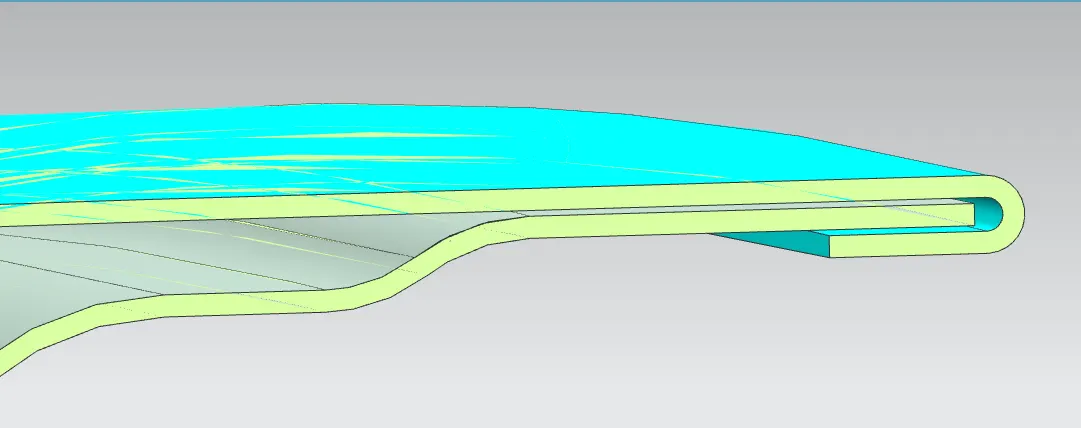
- Design Hood by NX CAD in different angles =>
TOP VIEW
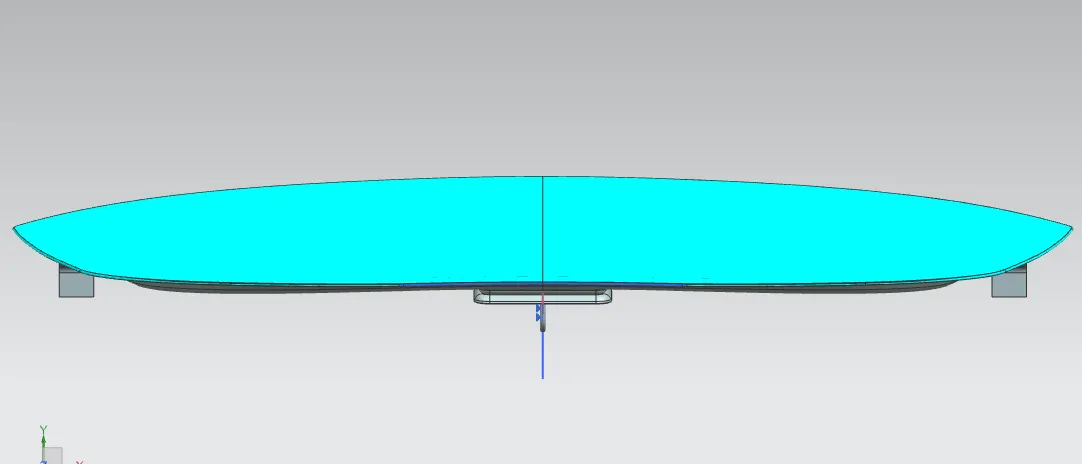
FRONT VIEW
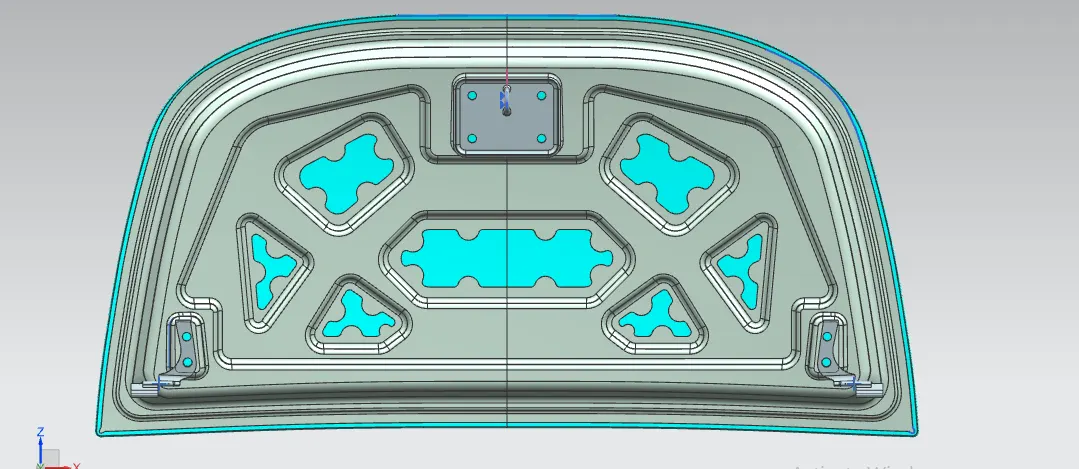
LEFT VIEW
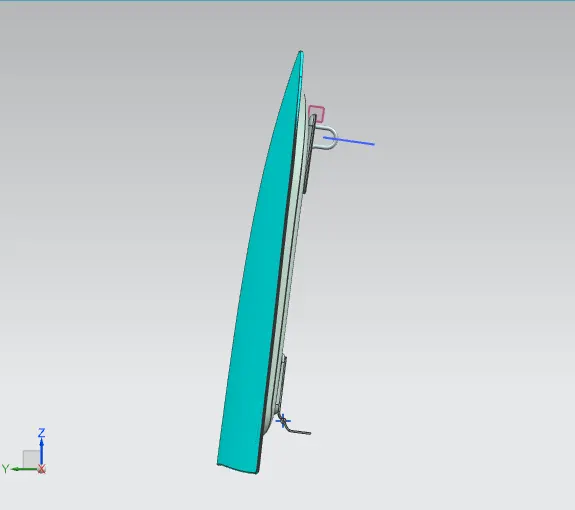
RIGHT VIEW
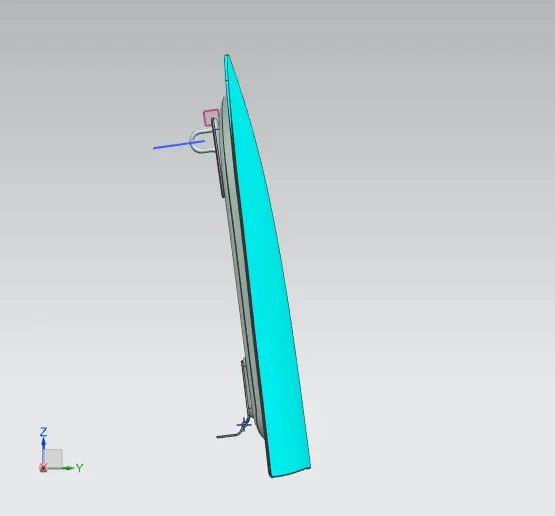
ISOMETRIC VIEW
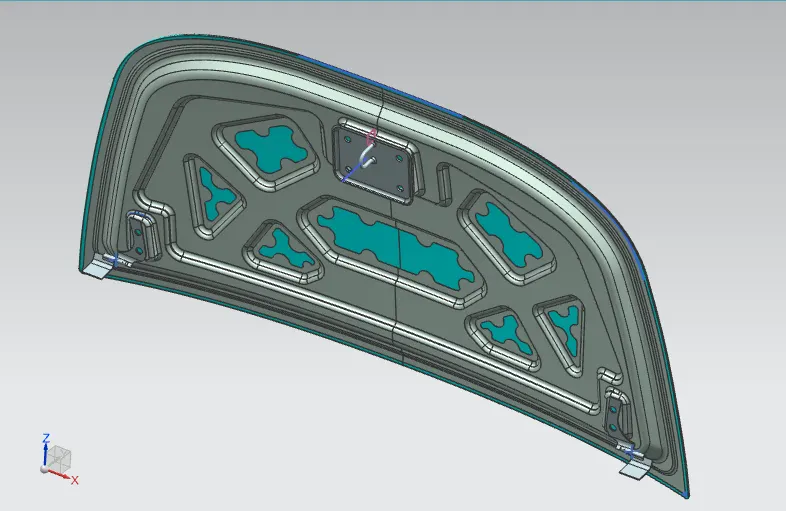
- CONCLUSION
As per above views of the Hood this gone be a designed by as per the design & manufacturing guidelines. The main aim was to design this hood for safety and reducing the risk of injuries. So, it will be safe for passengers.