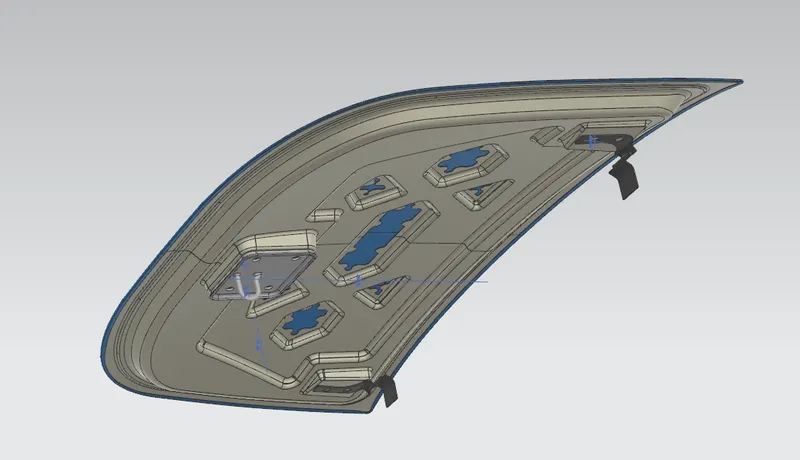
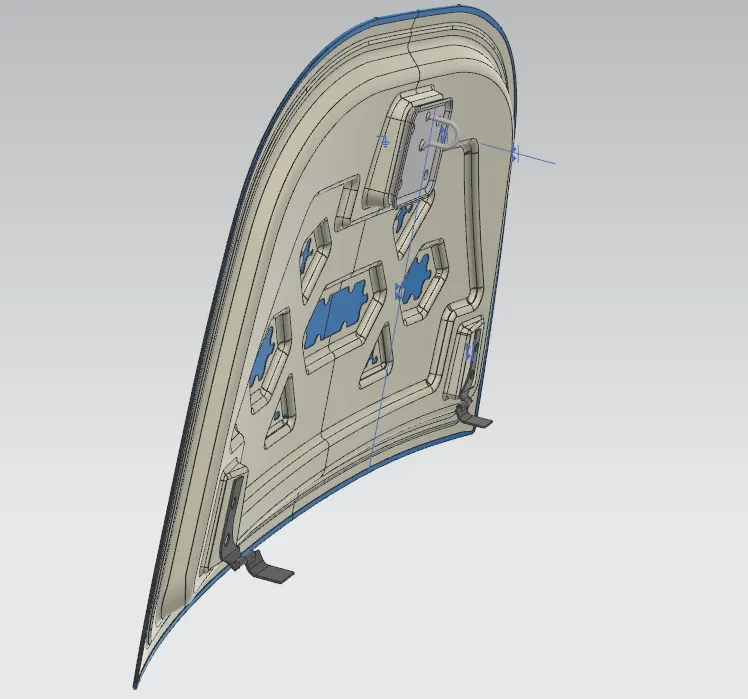
Hood design-Week 2
HOOD DESIGN IN SIEMENS NX
OBJECTIVE
Design Hood Outer Panel, Inner Panel and the necessary reinforcements by following the Master Section mentioned with the Design parameters explained in the videos.
A CAR HOOD
The car hood, also known as the bonnet in some countries, is a crucial component of a vehicle's body structure. It is the metal cover that sits at the front of the vehicle, hinged to the chassis and designed to protect the engine and other vital components located in the engine bay.
Car hoods are generally made from sturdy materials, such as steel or aluminum, to ensure durability and withstand various weather conditions. They may also have additional features like insulation to reduce engine noise and heat, as well as safety features like pedestrian-friendly designs to mitigate injury in case of a collision involving pedestrians.
DESIGN CONSIDERATIONS
Hood Thickness Information
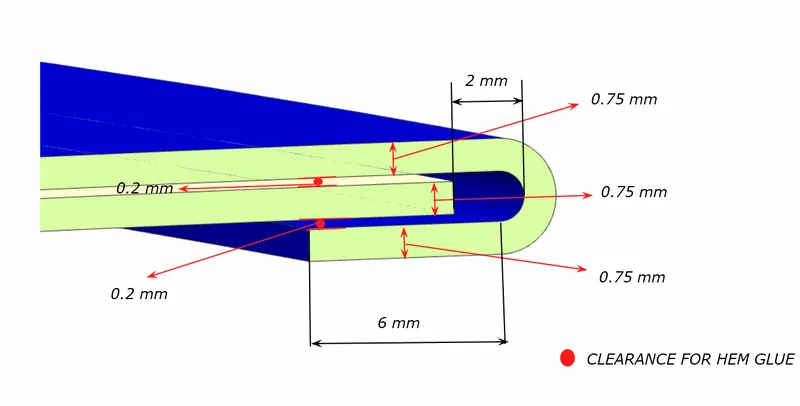
Outer Panel Thickness = 0.75mm
Inner Panel Thickness = 0.75mm
Reinforcement Thickness = 1.5mm
COMPONENTS
It mainly consist of 2 major BIW (Body In White) components and reinforcements
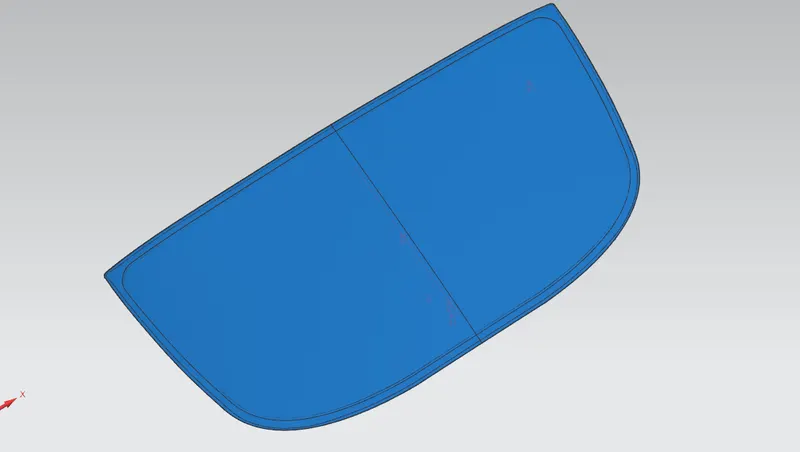
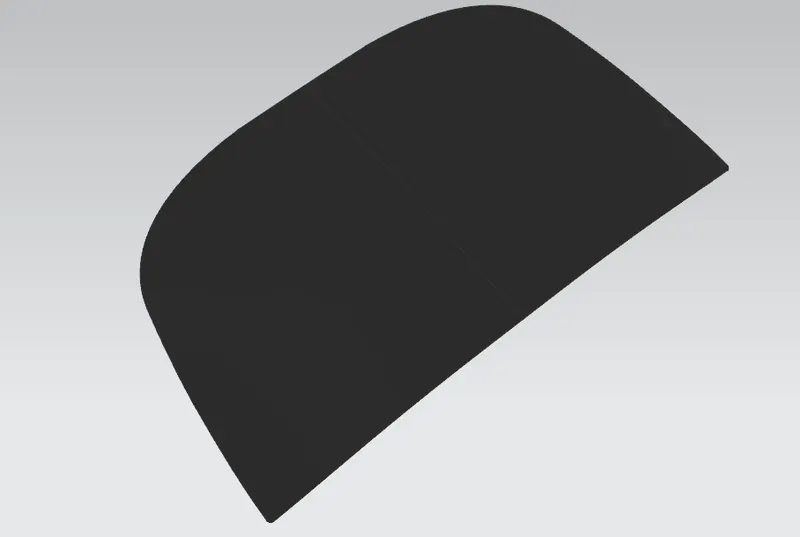
Hood outer panel - The hood outer panel refers to the exterior surface or outer layer of the car hood. It is the visible and often aesthetically designed part of the hood that faces the front of the vehicle. The outer panel of the hood is the part that people see when looking at the car from the front, and it contributes significantly to the vehicle's overall appearance and style.
The hood outer panel is typically shaped and styled to match the overall design of the vehicle. It may have various contours, character lines, and features that give the car a distinctive look. Often, car manufacturers use the hood as a canvas to add branding elements, like the car's logo or nameplate.
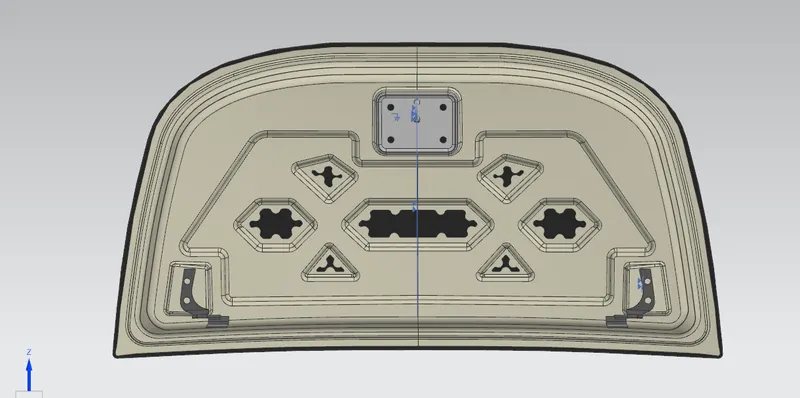
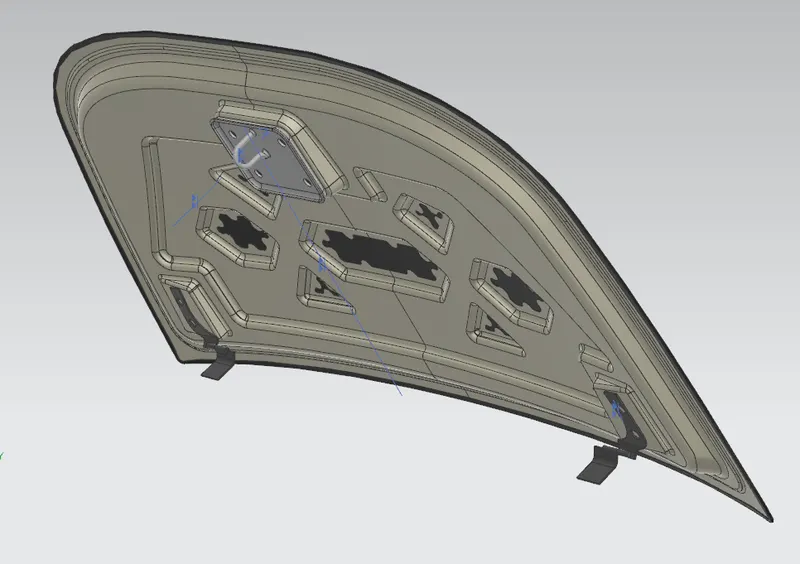
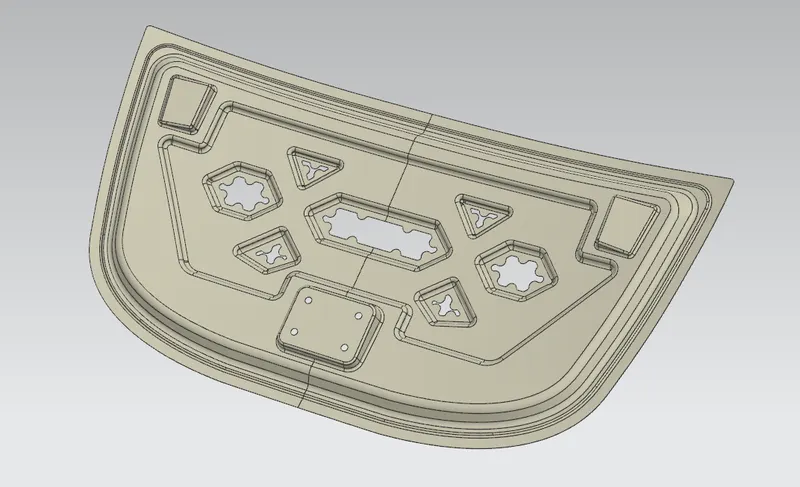
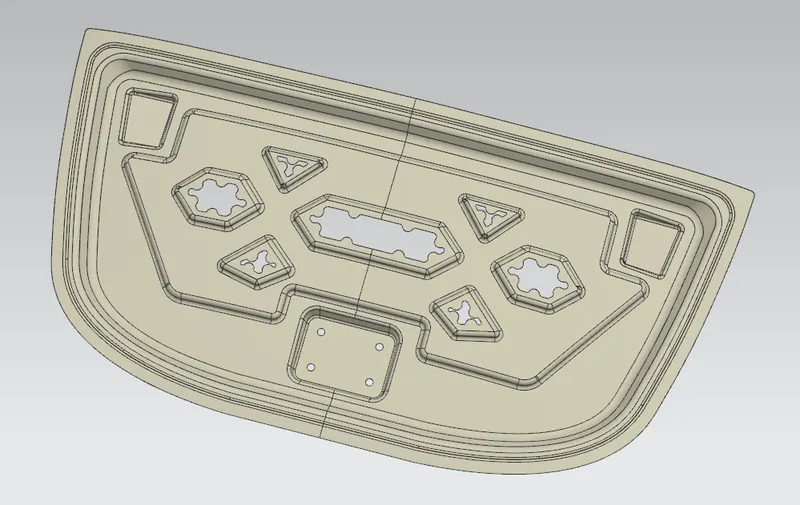
Hood inner panel - The car hood inner panel, often referred to simply as the hood inner, is the structural component that provides support and rigidity to the car hood. It is located on the underside of the hood, facing the engine bay. The hood inner panel is not visible when the hood is closed, as it is covered by the hood outer panel. The strength and safety of the car is mainly focused in this region of the hood.
The combination of the hood inner panel and the hood outer panel creates a protective and aesthetically appealing cover for the engine bay, contributing to the overall design and safety of the vehicle. Regular inspection and maintenance of both the hood inner and outer panels are essential to ensure the hood functions correctly and safely.
The primary purpose of the hood inner panel is to provide structural integrity to the car hood. It helps maintain the shape of the hood and prevents it from flexing or deforming under various conditions, such as driving at high speeds or encountering wind resistance. The hood inner panel acts as a barrier between the engine bay and the passenger compartment. It helps protect occupants from potential hazards in the engine bay, such as moving engine parts or hot surfaces.
Reinforcements
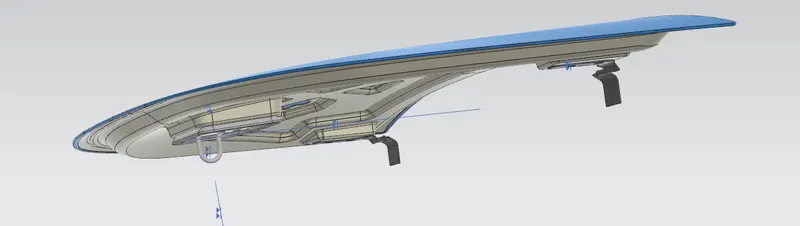
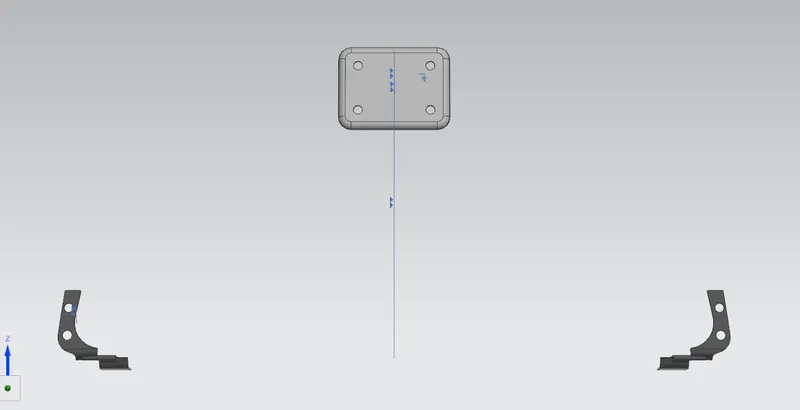
Hood Striker: The hood striker is a metal component mounted on the vehicle's body, typically located near the front of the engine bay. When the hood is closed, the hood striker engages with the hood latch, securing the hood in a closed position. It provides a secure connection between the hood and the vehicle's body, preventing the hood from unexpectedly opening while driving.
Hood Hinges: The hood hinges are mechanical components that connect the hood to the vehicle's body, allowing it to pivot upward and downward. They are typically located on each side of the engine bay and are responsible for facilitating smooth and controlled movement of the hood during opening and closing.
LATCH TRAJECTORY
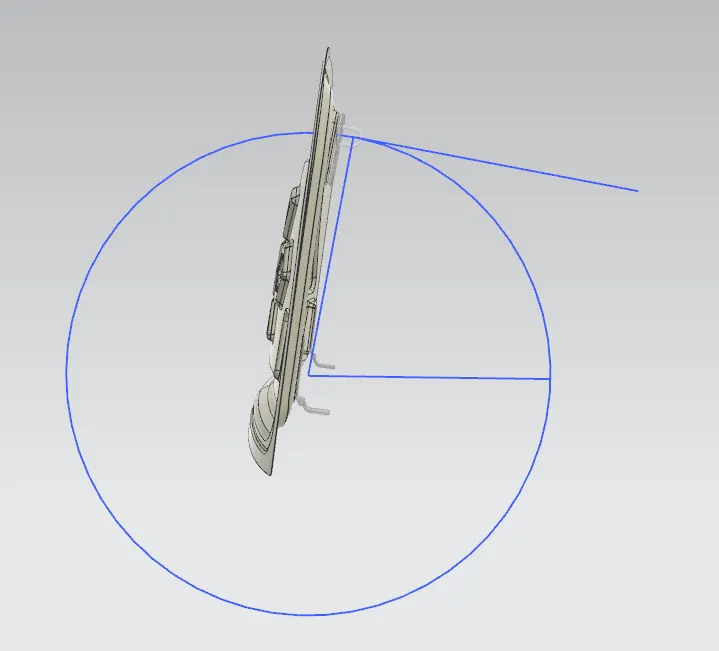
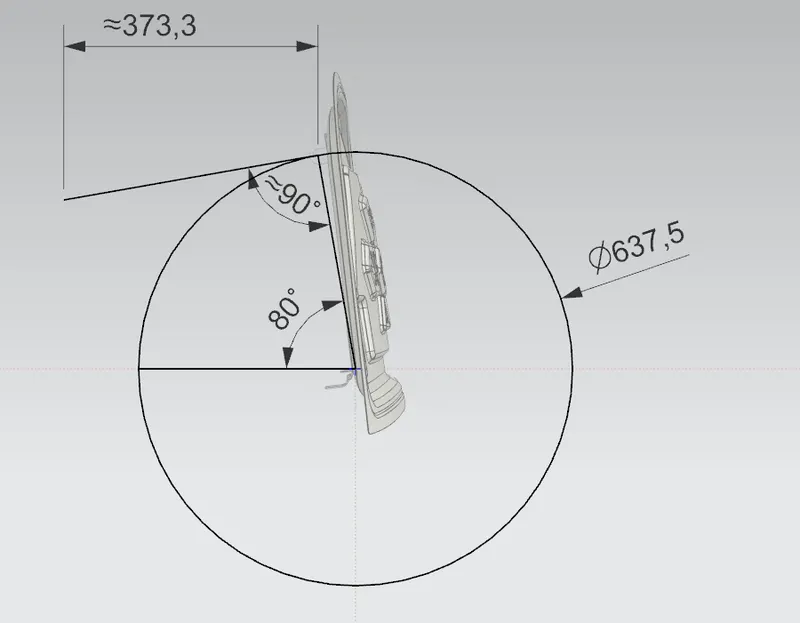
The circle created using the hinge axis point provides the latch trajectory. The center of the hinge axis is known as the hinge axis point. Either the latch or the hinge can be fixed first. If the hinge location has been fixed, the trajectory circle for the latch should be plotted. The striker axis through the tip of the striker should be tangential to the latch trajectory for optimum mating conditions.
EMBOSS DEFINITIONS
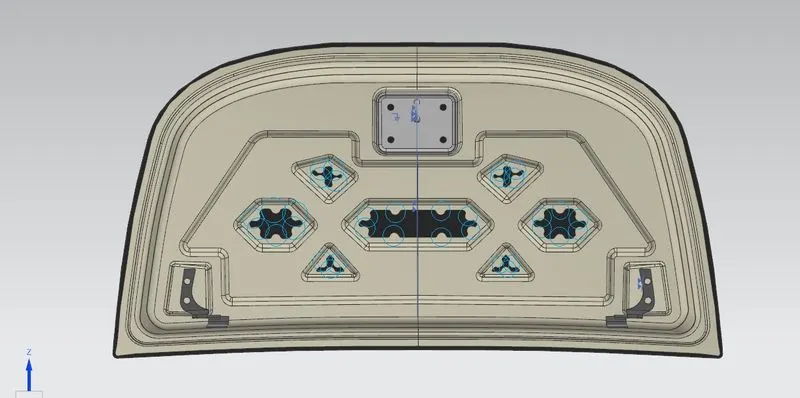
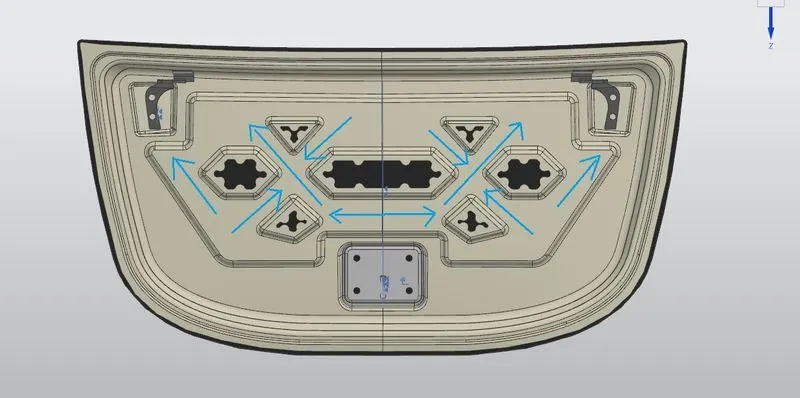
The inside panel features several kinds of embosses. These embosses enable us to increase the inner panel's rigidity. The size and shape of the embosses also affect how the force distribution from a frontal collision is distributed. Always distribute the force away from the passengers. The embosses are constructed such that the force is applied to the car's sides.
MASTIC DATA
Hood commonly possess large surface area and hemming can only be provided through its boundary. Other joining methods, like as welding and riveting, produce traces on the outside panel that detract from its visual appeal, thus we are unable to use them. Therefore, the inner surfaces of the outer panel and inner panel are adhered using mastic sealants. Mastic sealants are rubber-like elastic compounds. At predetermined locations, it is applied between the inner and outer panels. Each mastic sealant area has an 80mm diameter sphere that it affects. As a result, the mastic points are positioned so that they cover the more vibration-sensitive parts away from the hemming. Thus reducing the vibration on the hood caused due to the vehicle in motion.