Hood design-Week 2
REPORT OF HOOD DESIGN:
Designing a hood involves several considerations, including functionality, aesthetics, and safety. While I can provide a general overview of hood design principles, keep in mind that specific details may vary depending on the context, such as the type of hood (e.g., car hood, kitchen hood) and the desired outcome. Here are some key aspects to consider in a hood design report:
-
Purpose and Functionality:
- Clearly state the purpose of the hood design, such as providing ventilation, protecting internal components, or enhancing aerodynamics.
- Discuss the specific functional requirements the hood should fulfill, such as airflow management, heat dissipation, or noise reduction.
-
Design Specifications:
- Outline the dimensions, materials, and structural requirements for the hood design.
- Consider the compatibility with the overall design and dimensions of the associated object (e.g., car body, kitchen layout).
-
Aerodynamics:
- Analyze the impact of the hood design on airflow patterns, particularly in automotive or racing applications.
- Evaluate the shape, contours, and angles of the hood to minimize drag and optimize aerodynamic performance.
-
Ventilation and Cooling:
- Describe the ventilation system incorporated into the hood design to ensure adequate airflow.
- Discuss the placement and design of intake and exhaust vents, grilles, or louvers for efficient air circulation.
- Address any cooling requirements for components housed within the hood (e.g., engine cooling in a car hood).
-
Material Selection:
- Discuss the materials chosen for the hood design, considering factors such as strength, weight, heat resistance, and corrosion resistance.
- Evaluate the feasibility of using specific materials (e.g., carbon fiber, aluminum, steel) based on cost and manufacturing constraints.
-
Safety Measures:
- Explain any safety features incorporated into the hood design to protect users, components, or the environment.
- Address potential hazards and measures taken to mitigate them, such as heat shielding or fire-resistant materials.
-
Manufacturing and Assembly:
- Discuss the manufacturing process for producing the hood design, including techniques like molding, stamping, or welding.
- Describe the assembly process, highlighting any specific considerations or challenges.
-
Aesthetics and Branding:
- Evaluate the visual appeal and coherence of the hood design with the overall product or brand.
- Consider the integration of logos, colors, or other branding elements, if applicable.
-
Performance Evaluation:
- Present any analysis or testing conducted to validate the hood design's performance.
- Provide data on airflow, temperature distribution, structural integrity, or other relevant parameters.
-
Cost Analysis:
- Estimate the overall cost of the hood design, including materials, manufacturing, and assembly processes.
- Compare costs with alternative designs or materials, if applicable.
Remember that the level of detail and specific sections in the report may vary based on the context and requirements of the hood design.
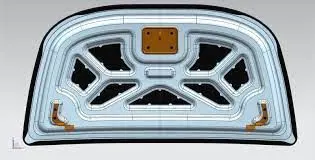
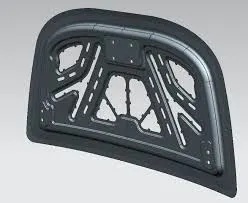
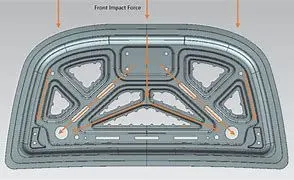
IMAGES OF HOOD DESIGN: