Hood design-Week 2
Hood Introduction :
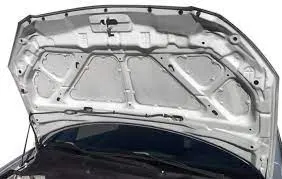
The hood or bonnet is the hinged cover over the engine of motor vehicles. Hoods can open to allow access to the engine compartment or trunk on the rear engine and some mid-engine vehicles for maintenance and repair.
A car hood also referred to as a bonnet in some other countries is the hinged cover that rests over the engine of a front-engine vehicle. Its purpose is to provide access to the engine for repair and maintenance. Car hoods are typically constructed from steel and sometimes from aluminum.
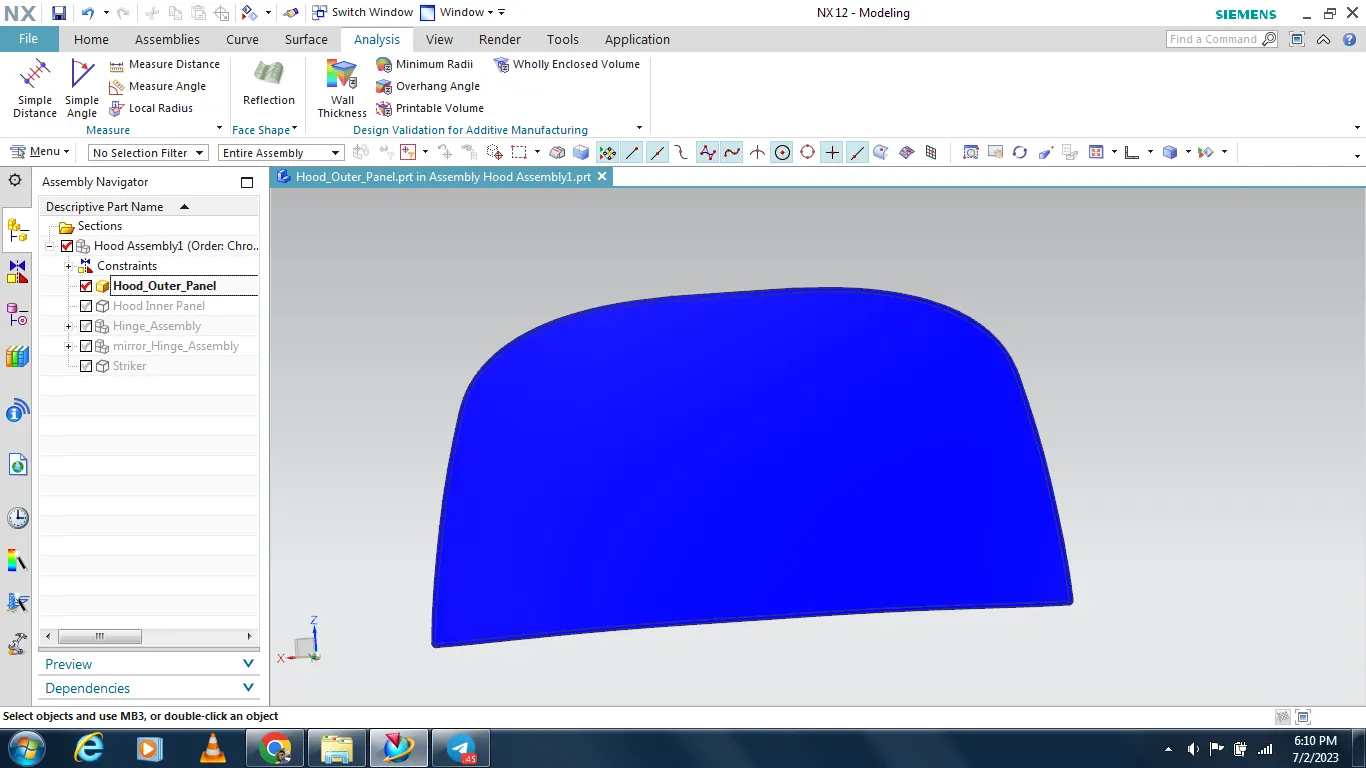
Hood outer
Download the Part file and open the file in NX Software.
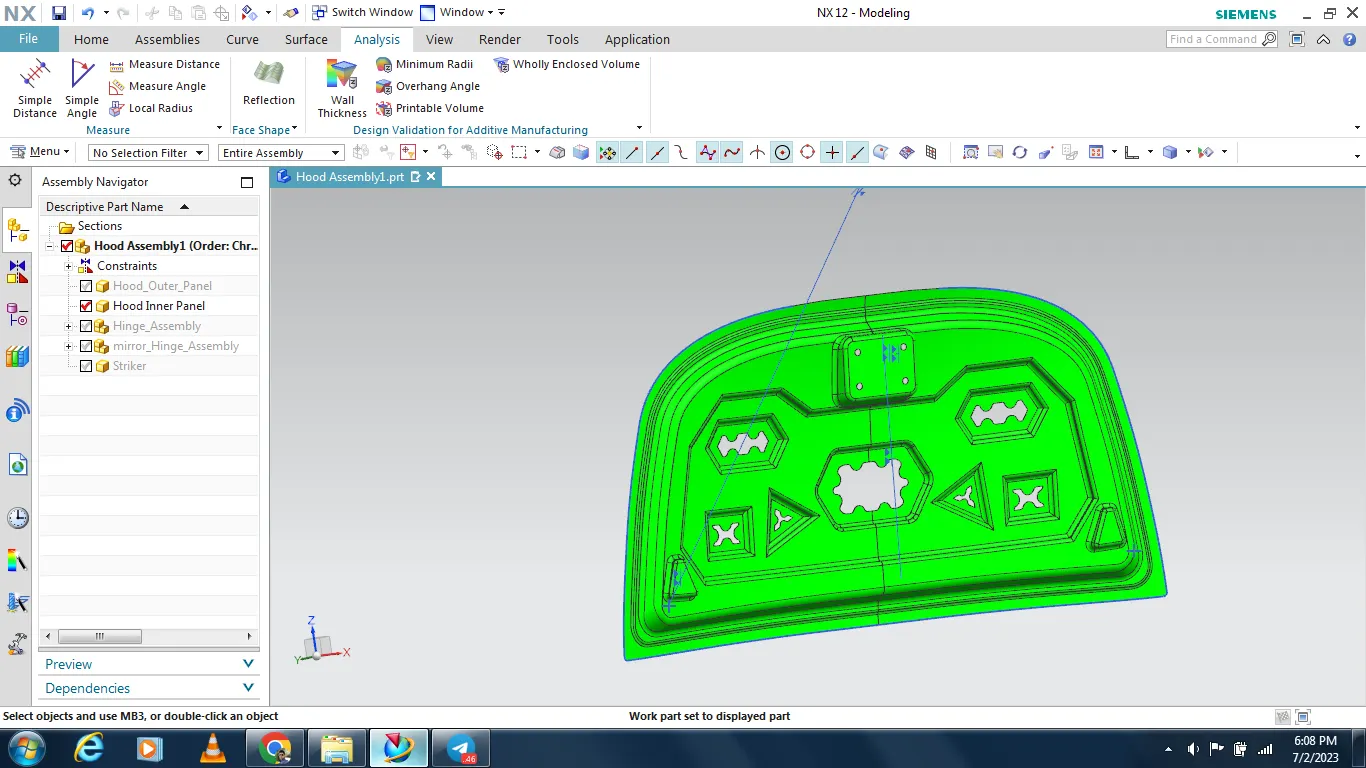
Hood Inner
Create new model
The Hood outer linked it with help of Wave geometry linker in Hood inner panel.
Next trim the the body half.
Create the inner surface as per the Master section.
There is using Emboss and Trim commands.
Next completing the inner surface next doing mirror option.
Emboss Process
An Embossing is created by pressing a female Die into a male Counterforce with the substrate to be embossed between the two. The Die and its matching Counterforce are aligned in registration and the substrate is positioned so that it is located in registration (the correct position). Then the Die and its Counterforce are brought together under huge pressure, distorting the substrate and forcing it to conform to the contours of the Die. The resulting sculptured effect on the substrate adds a new dimension to it.
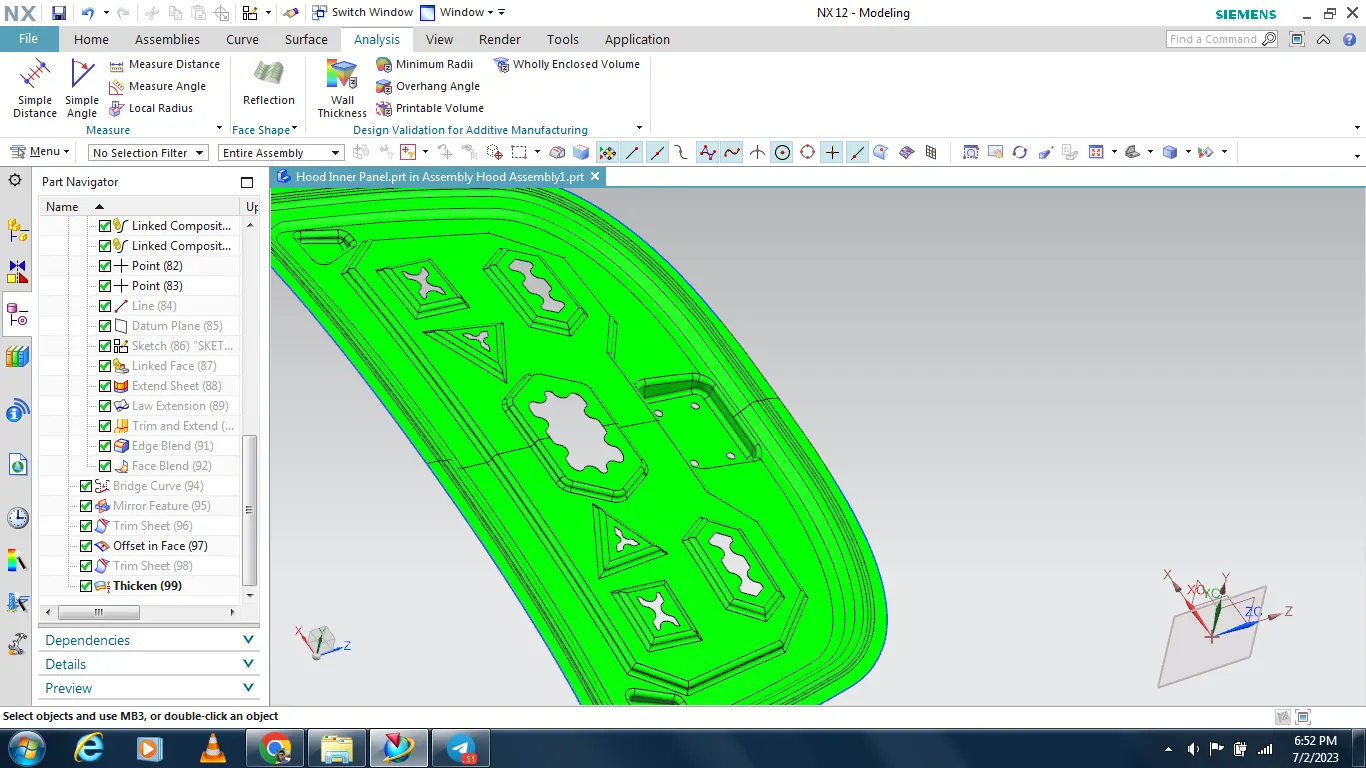
Hing Assembly
The hing part is downloaded and inserted the part in the assembly body.
Next, fix it in the inner panel with the help of Assembly constraints and just moved it proper location with the help of move component command.
It is placed in one side only and next it is mirror it.
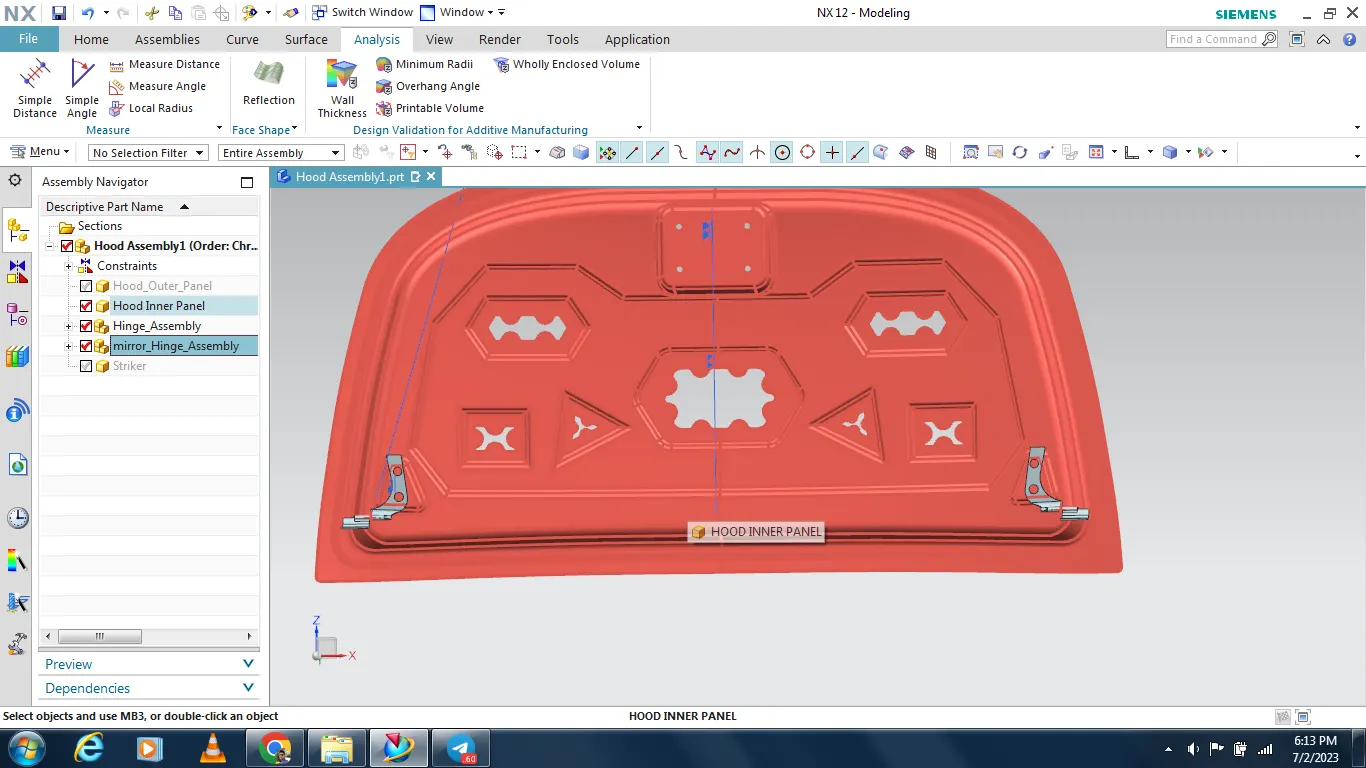
Striker Assembly
Adding the striker component.
And fixed it proper location.
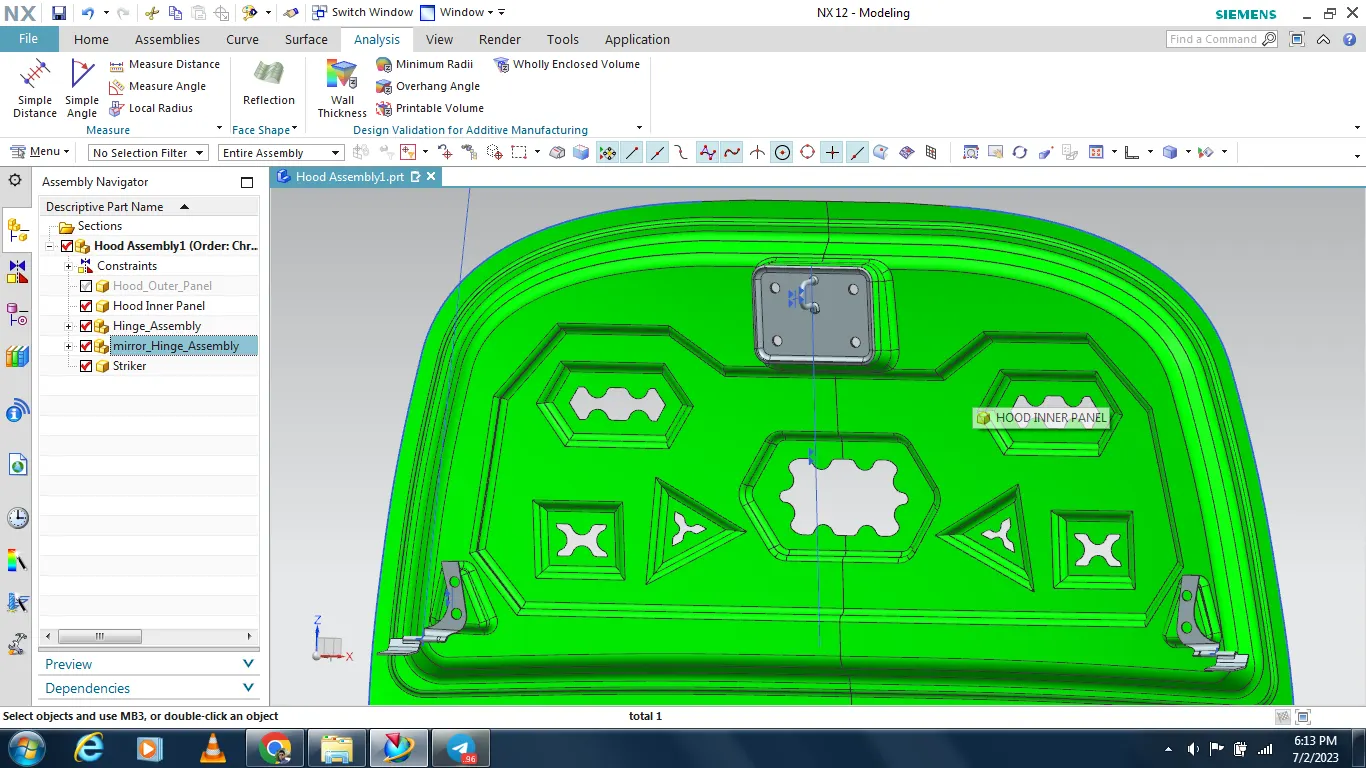
Thicken operation
After completing the hood inner panel next do the thicken operation as per the given parameter.
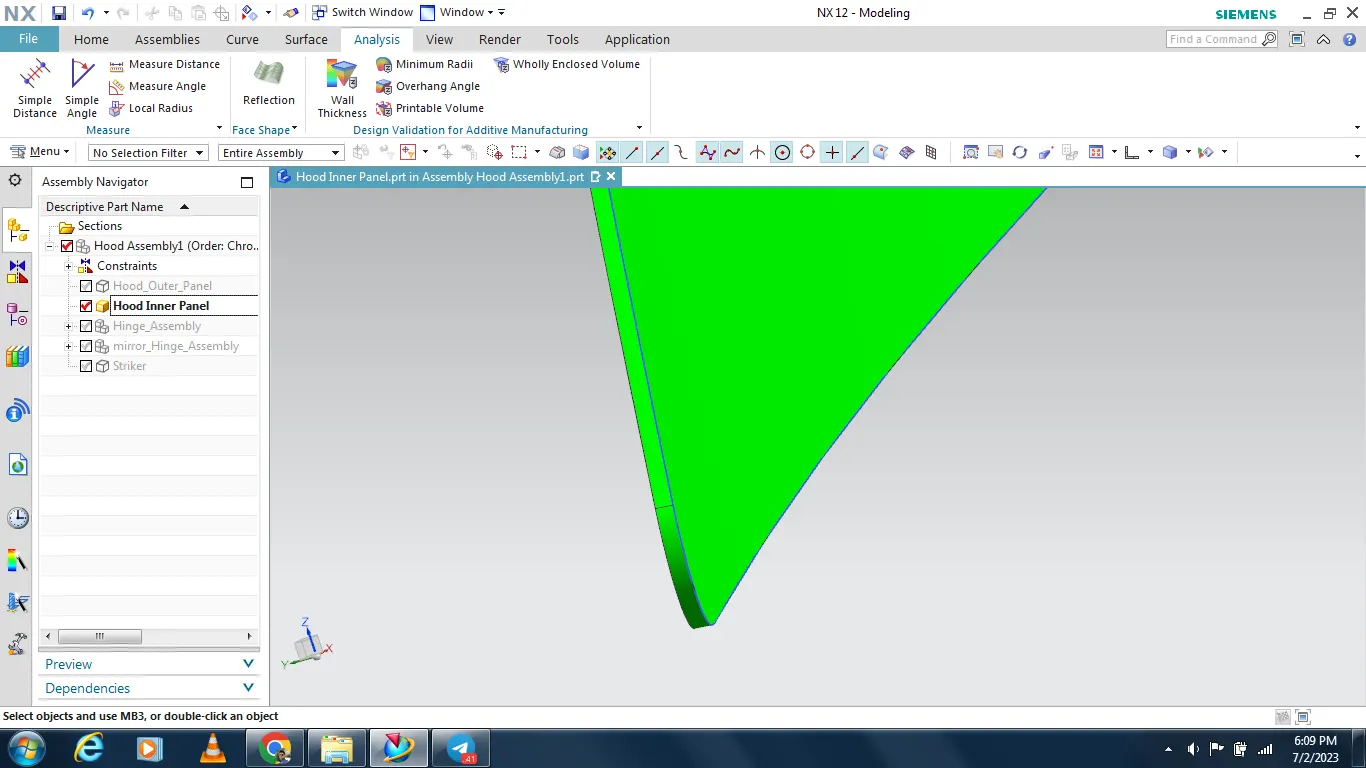
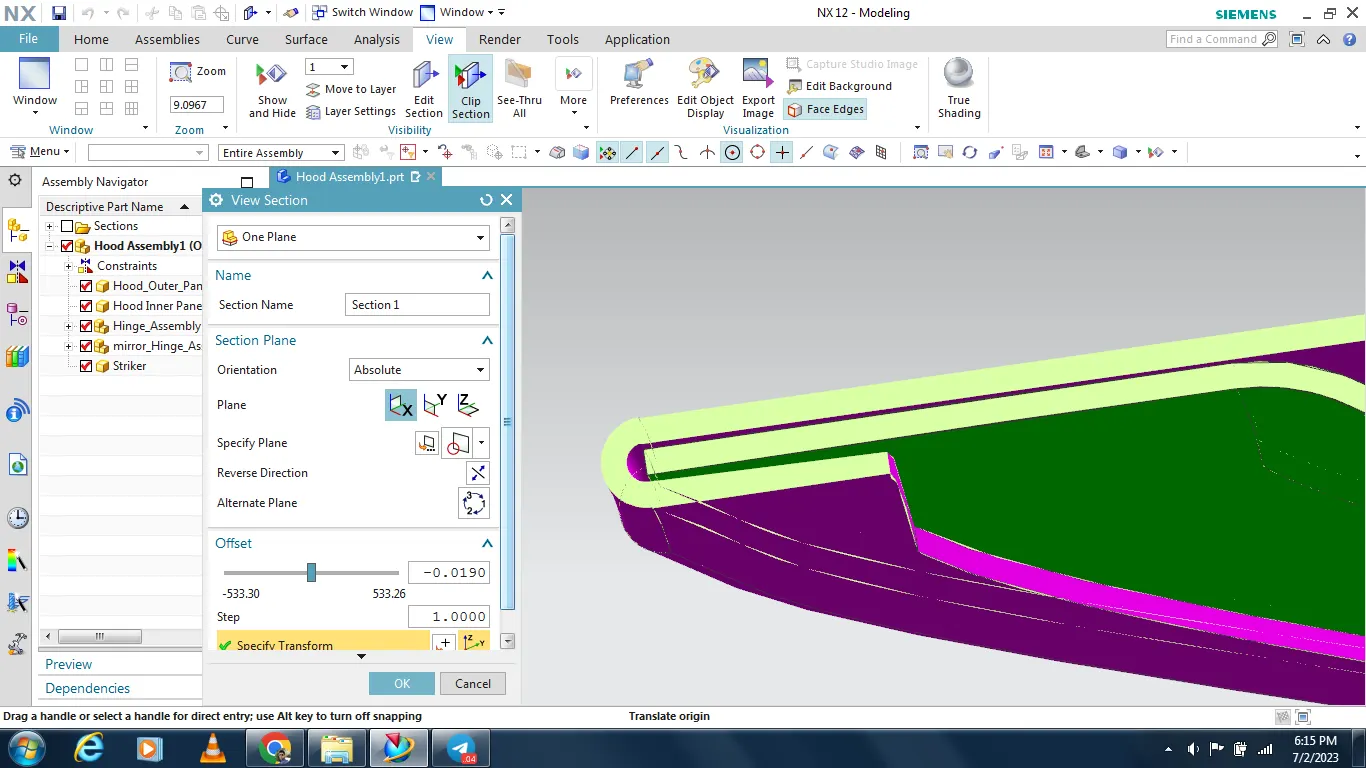
Hemming Process
Hemming is a sheet metal forming process in which sheets are joined by bending them to 180°. Automotive body panels and automotive parts such as deck lids, trunk lids, doors, hoods, and tailgates are formed by hemming process. In this process, usually, a sheet is bent with the help of an inner sheet in three different stages.
There are various types of hemming operations:
- Conventional die hemming
- Roll hemming
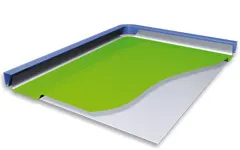
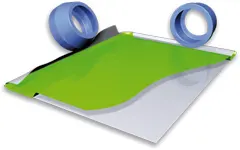
Hood outer hemming operation
First, take the offset as per the given data (2.65mm)
Next do the offset curve in the face and select the boundary line and offset it upto 7mm
And next, trim it, and trimmed the surface side adding 0.1mm
And next do Law extension up to 5mm and the faces take inside of the hood outer panel.
Next do the three-face blend and select all three faces and select ok.
After completing the hemming operation next do the thickening operation as per the given data (.75mm)
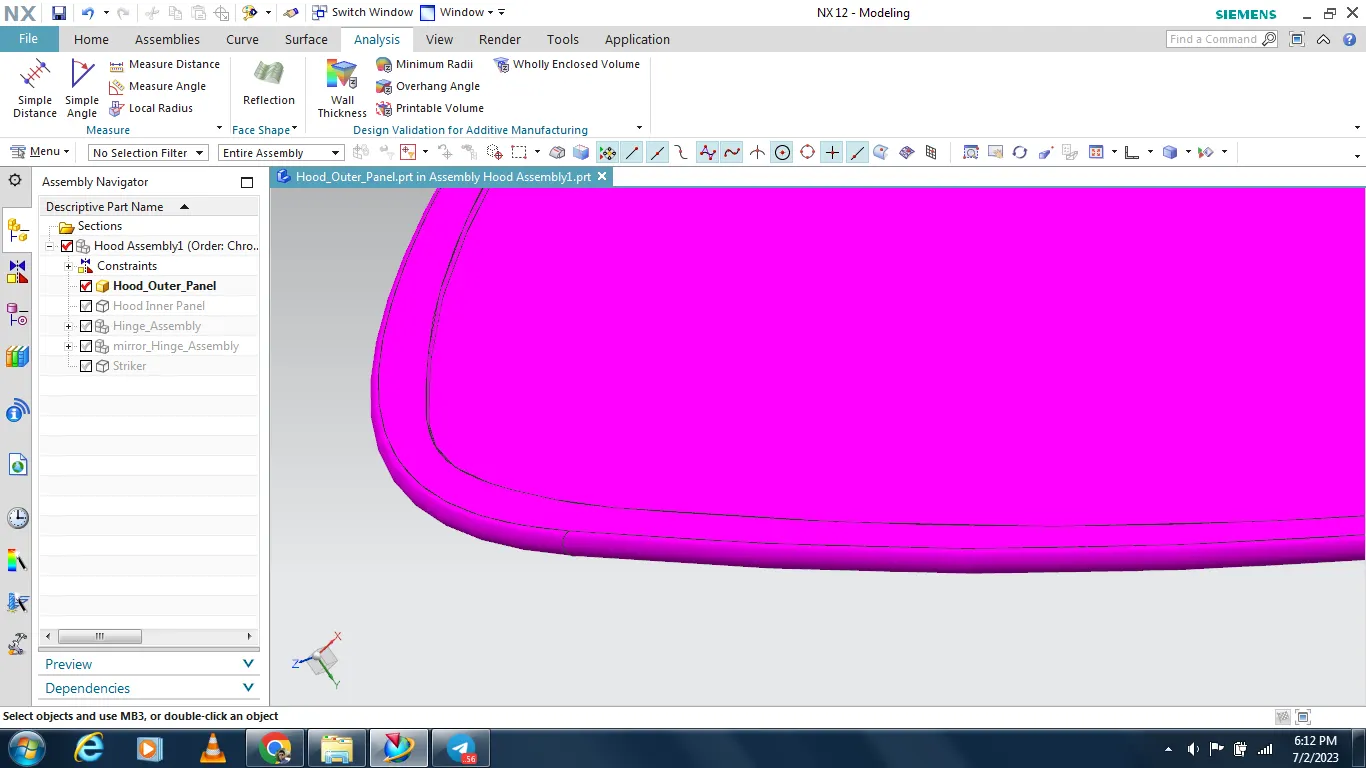
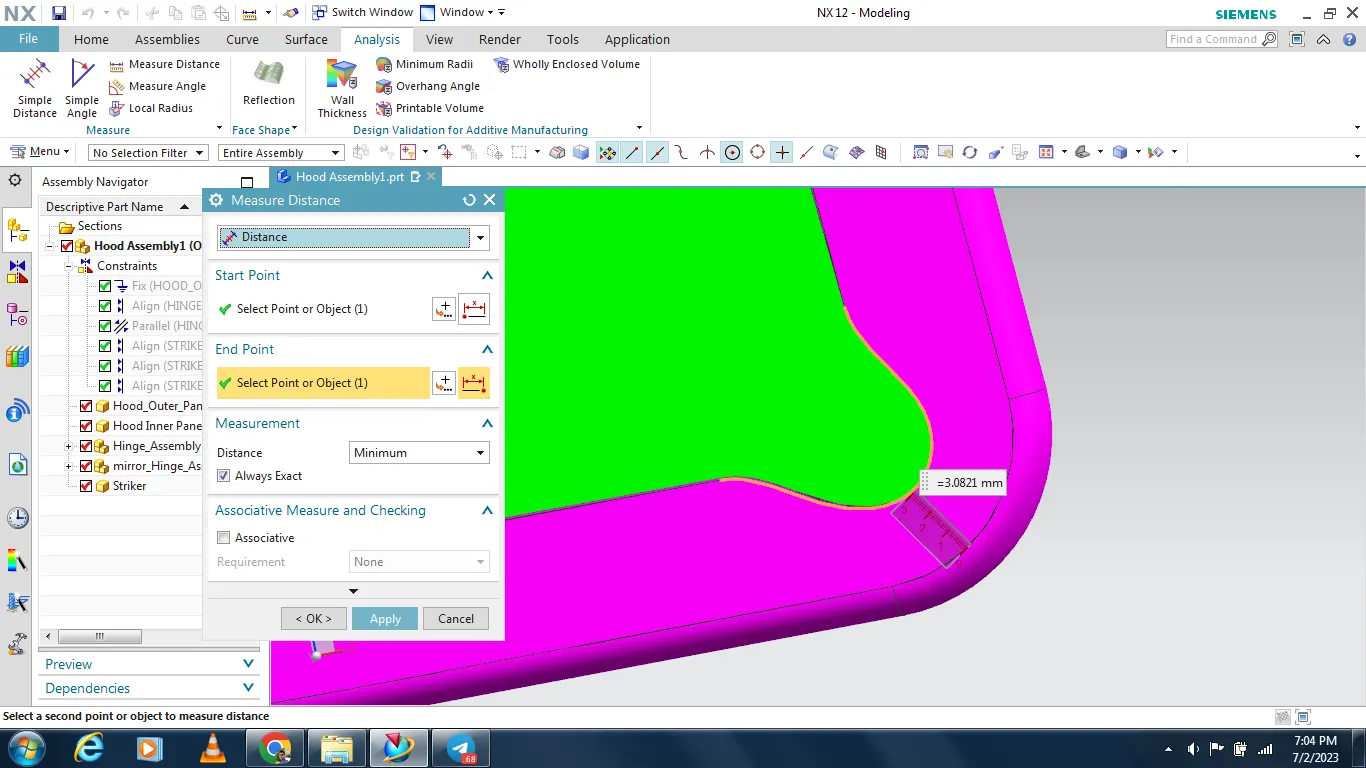
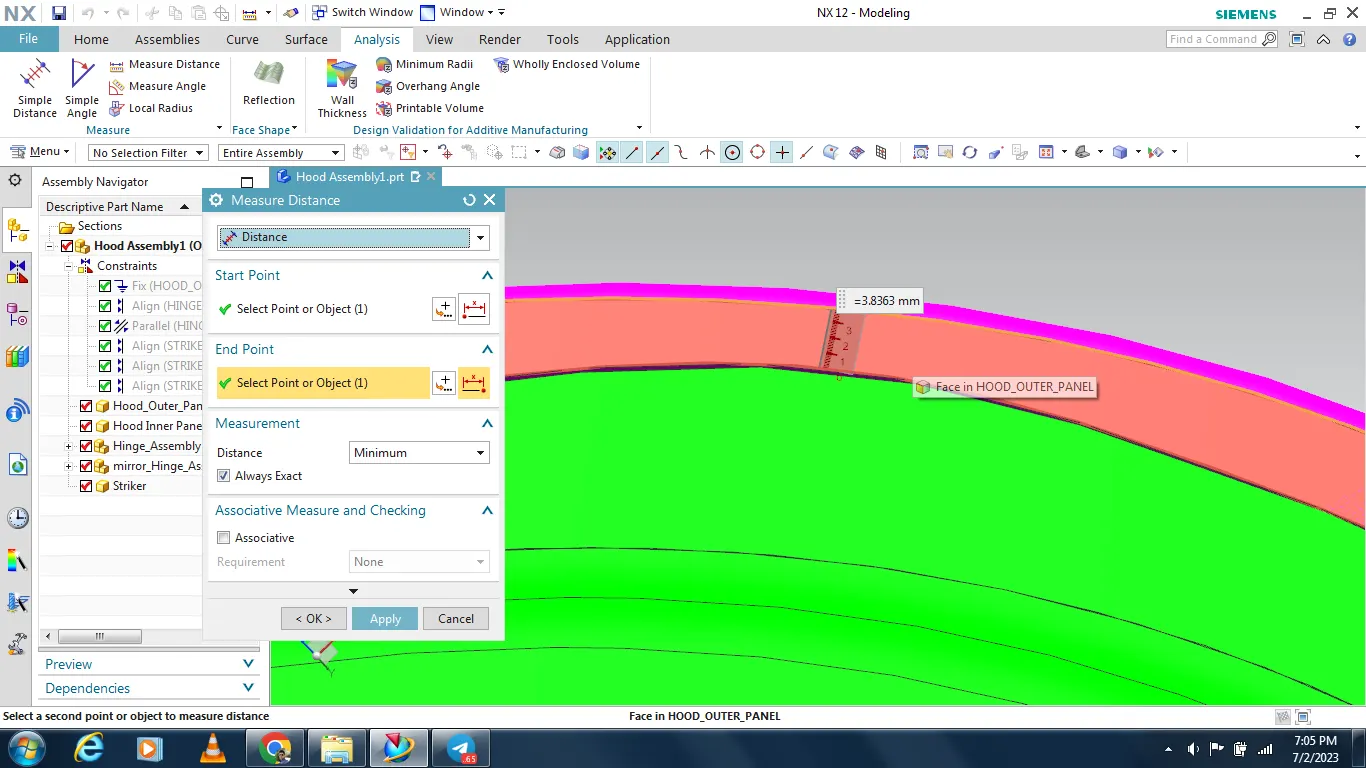
After completing the thickening operation assemble the all components.
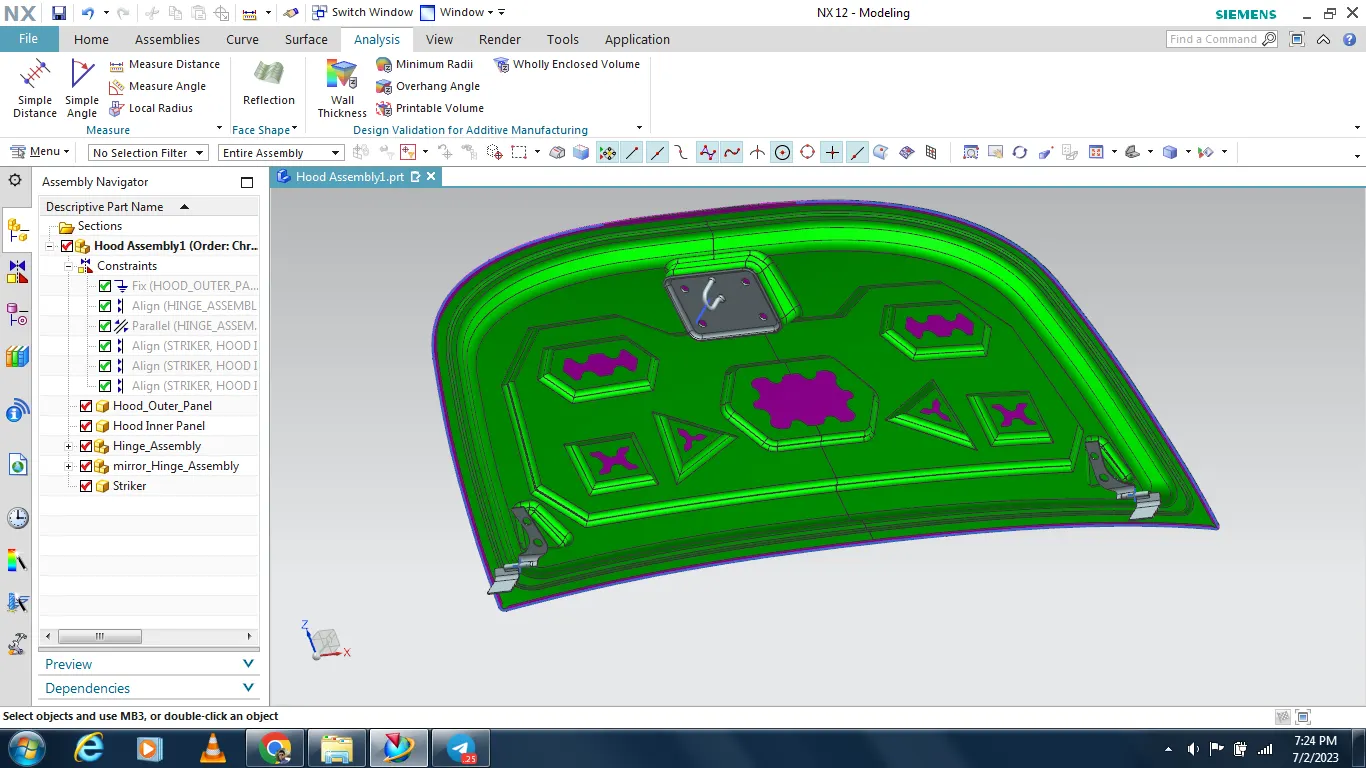
Fix the component as per given data.