Hood design-Week 2
HOOD OR BONNET:
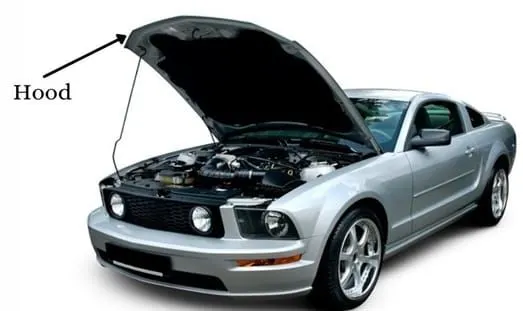
A car hood, also referred to as a bonnet in some other countries, is the hinged cover that rests over the engine of a front-engine vehicle. Its purpose is to provide access to the engine for repair and maintenance. A concealed latch is typically used to hold down the hood. On vehicles with an aftermarket hood and on race cars, hood pins may be used to hold down the car hood. Hoods sometimes also contain a hood scoop, wiper jets, power bulge, and/or hood ornament. Car hoods are typically constructed from steel and sometimes from aluminium. Aftermarket car hoods may be constructed from various other materials, including carbon fibre, fiberglass, or dry carbon.
Components of the Hood(Bonnet):
Outer panel:
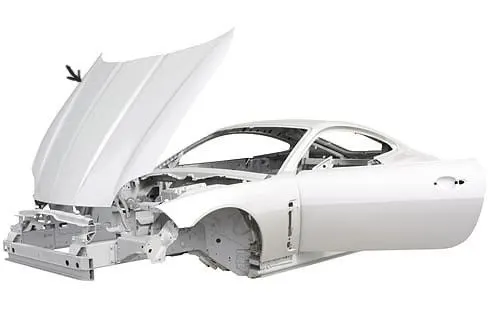
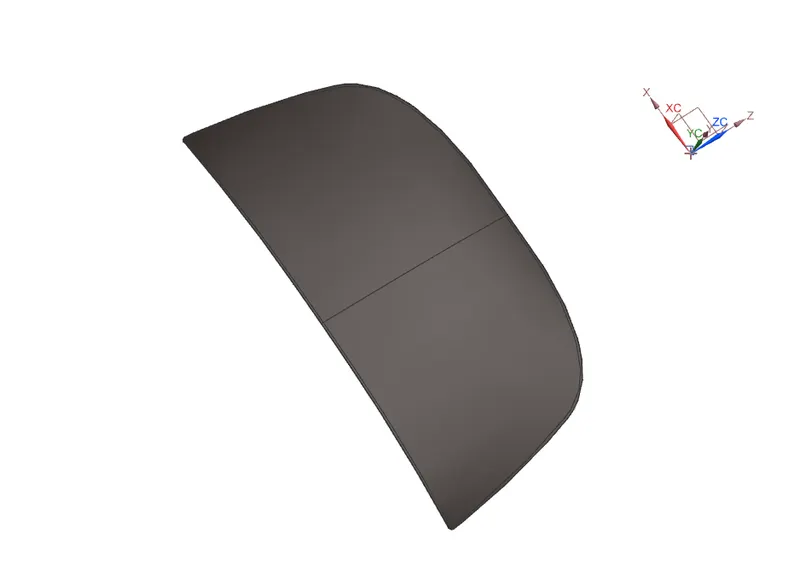
The outer panel is actually called the skin of the vehicle which is designed by the styling team to get a good look for a vehicle by covering the inner panel and engine parts of the car. This part should not be welded to the inner panel but using the sealant and mastic points makes contact between the inner and outer panel which acts as a bond between both and makes the hood stiff.
Inner panel:
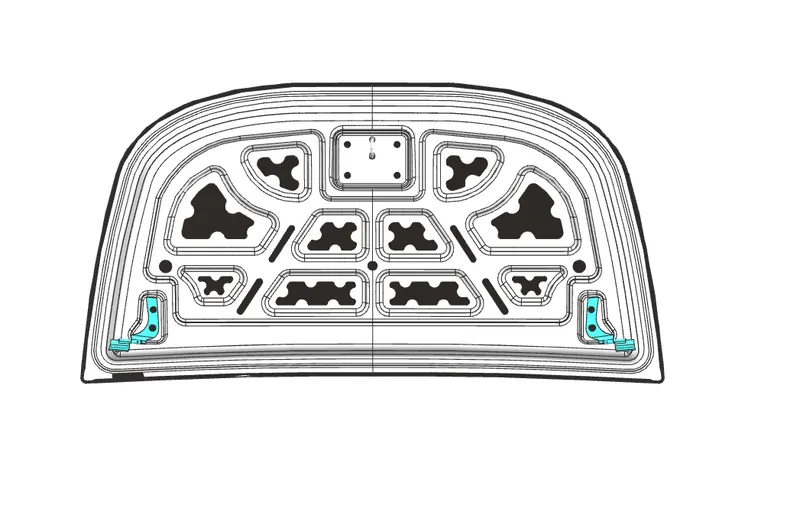
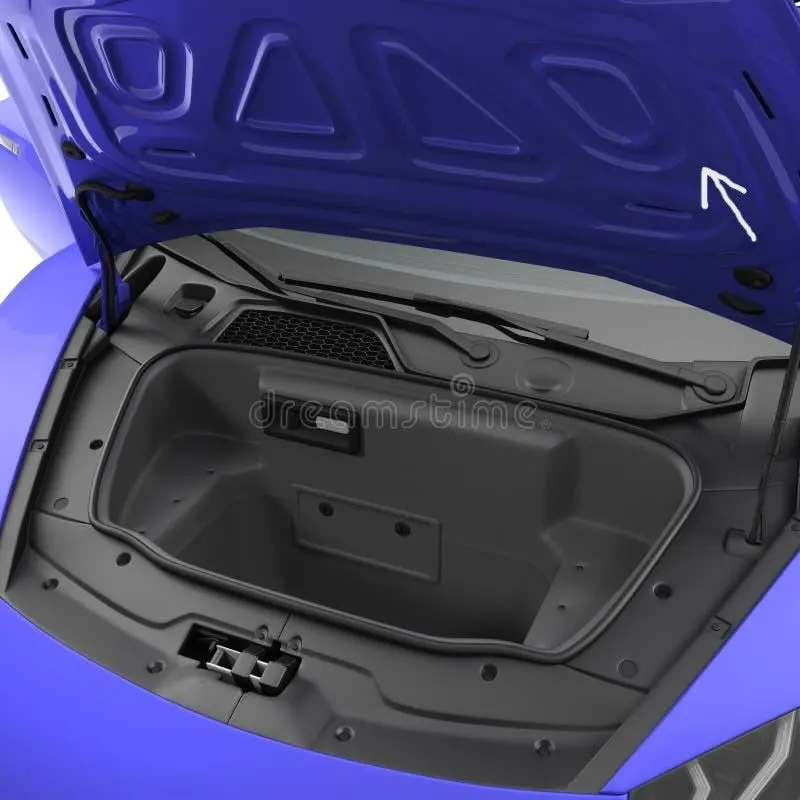
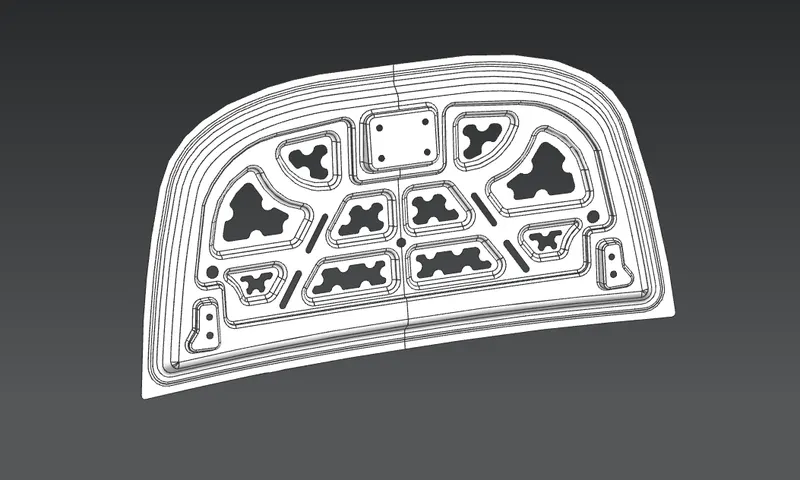
The main part of the hood which gives support to the outer panel of the car and with its embossing shapes dissipates the force in different directions when the vehicle takes crashes to not to injure the men in the car.
Support Rod –
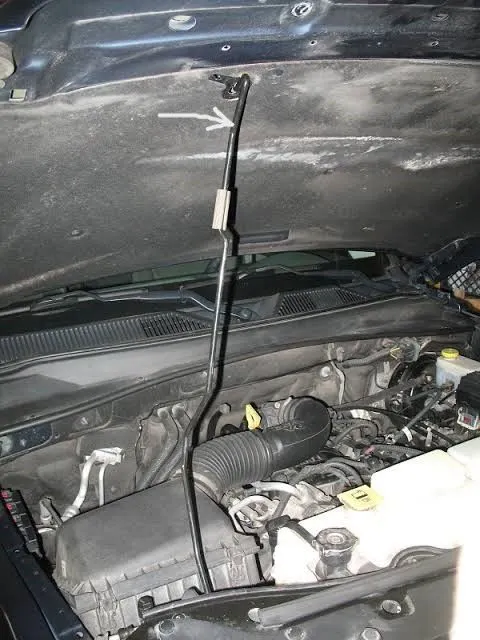
It is provided to support our HOOD while doing work in the engine bay. This Rod is attached with the Clip-Clamp to ensure that it is in proper place when not in use.
Gas Stay -
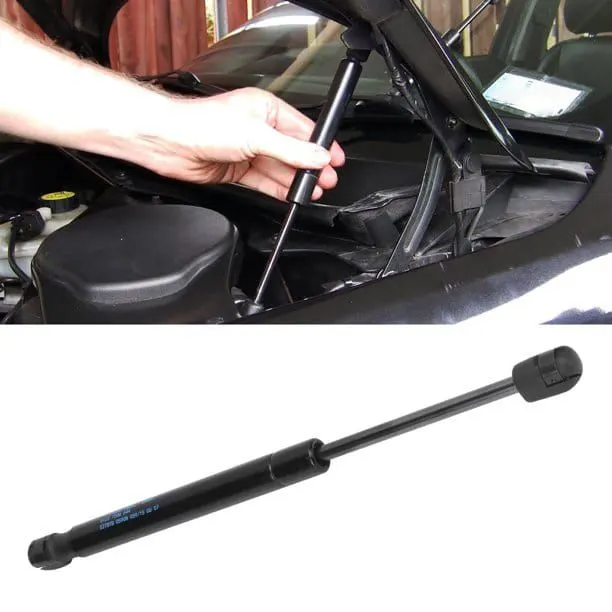
It is used to open the car hood by just providing little lift force ie, worked on gas pressure. It is mostly used in Back-side door & also quite expensive.
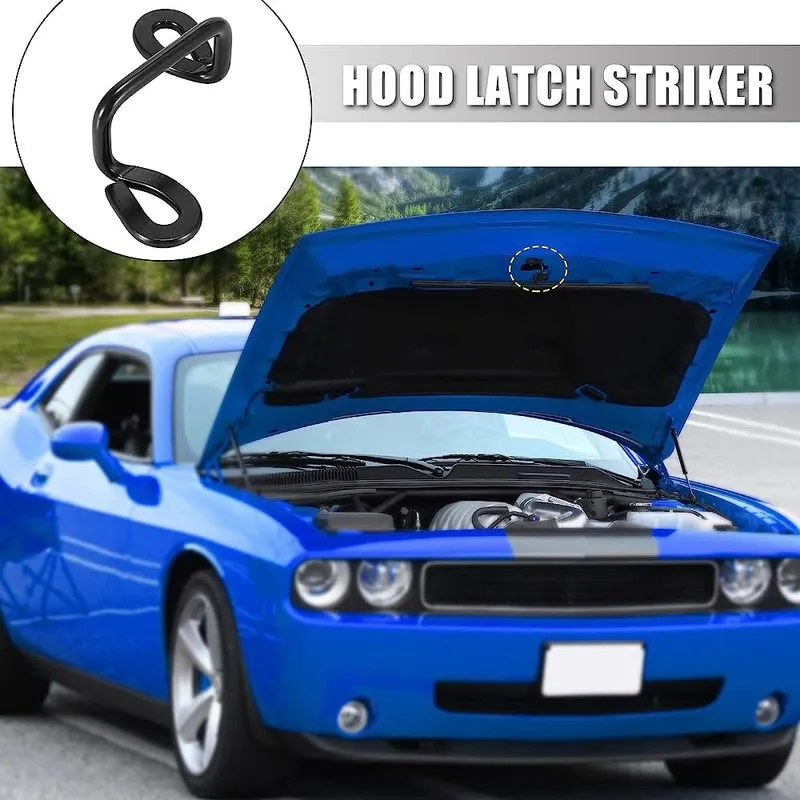
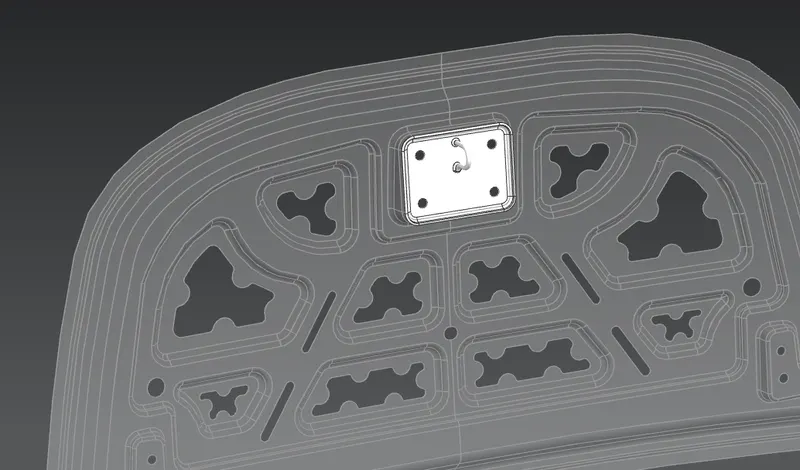
Latch/striker
It is a part that helps in locking the hood with the striker which is mounted on the engine block when it is not in use. It plays a major role in opening and closing hood for maintenance of car engine and gives a tight locking position not to create undisturbed noises when the vehicle is running.
Hinges:
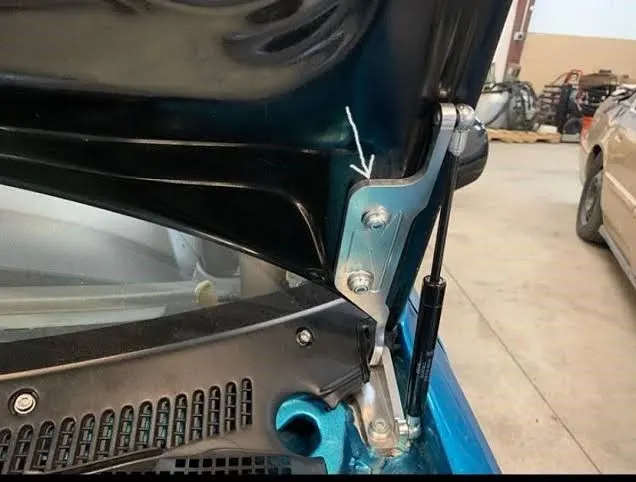
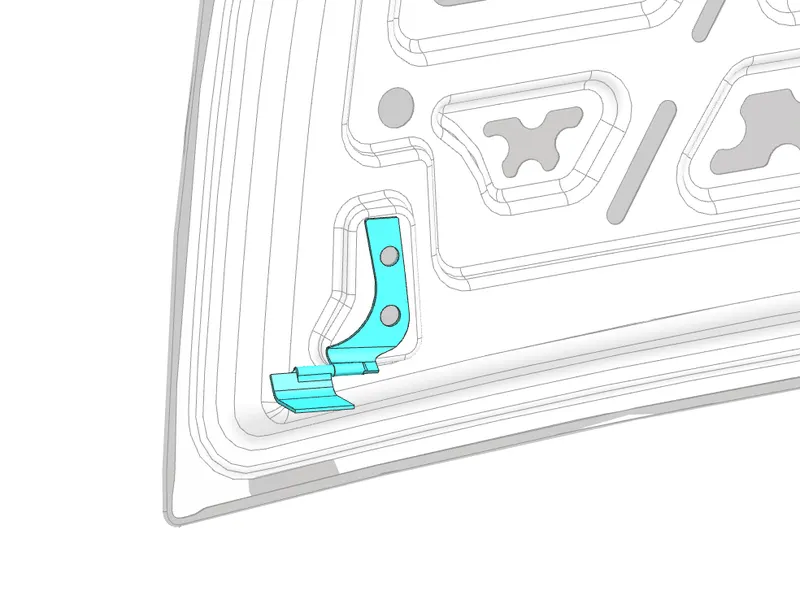
The hinge consists of two parts- hinge at the inner panel and hinge at the engine compartment. This coupling allows the hood to open and close, as well as makes contact between the engine block to the hood. It also controls the lifting of the bonnet mitigates the consequences of a collision between a pedestrian and a vehicle.
All the Automotive company works on to reduce the NVH (Noise, Vibration, Hardness).
DESIGNING THE HOOD:
Software used: NX CAD
Manufacturing Requirements:
Minimum fillet radius = 3mm+Thickness
No sharp corners inside the component
No curvatures lesser than 5mm
Small embosses should not exceed the maximum depth of 6mm (staying on the safe side)
Mounting areas and welding areas need to be flat
Provide appropriate corner relief on the area of curvature.
Provide exact mastic points to reduce the NVH.
Data to be used:
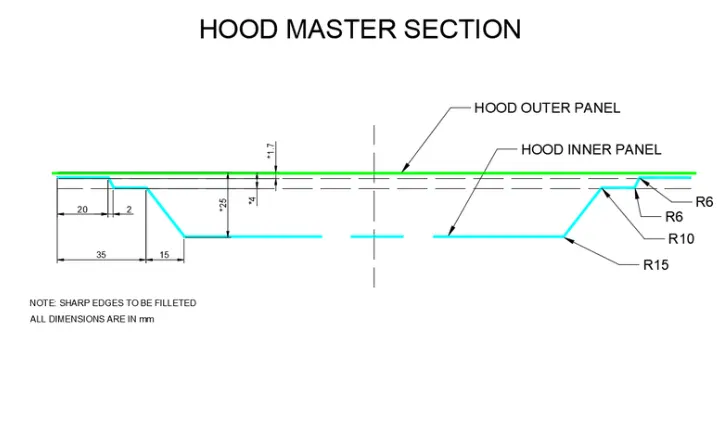
Hood Thickness Information:
Outer Panel Thickness = 0.75mm
Inner Panel Thickness = 0.75mm
Design Methodology
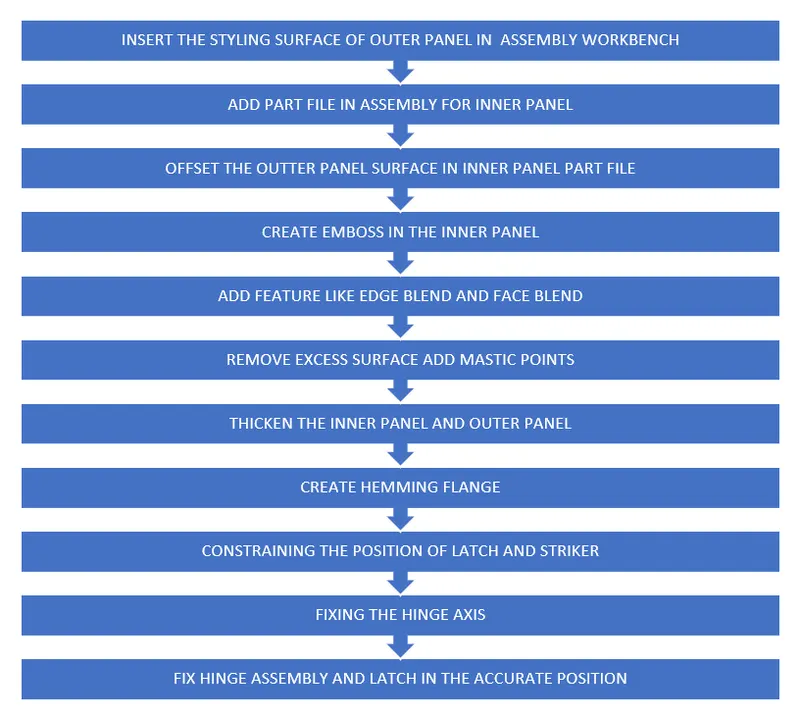
DESIGN CONSIDERATIONS FOR DESIGNING THE HOOD
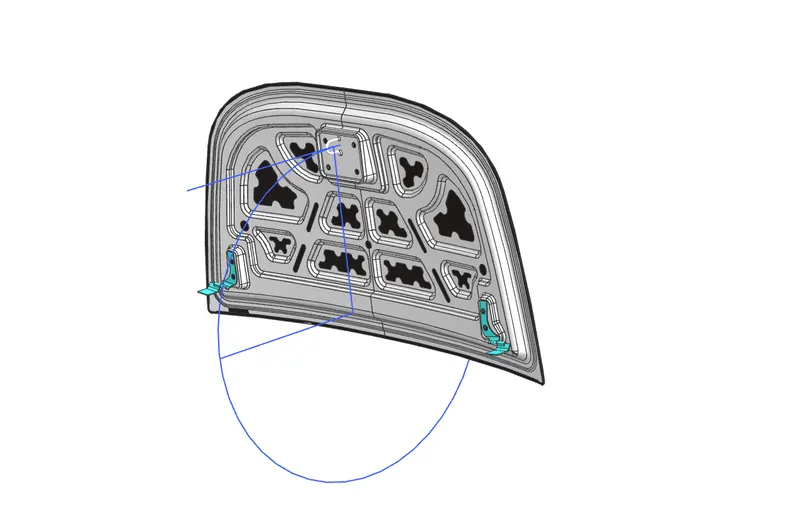
Latch Trajectory
The latch trajectory shows the path of the striker when the hood is opened and closed on a vehicle. The radius of the circular trajectory is determined by the set standard based on the average height of a person. The radius is measured from the hinge axis up-to the latch.
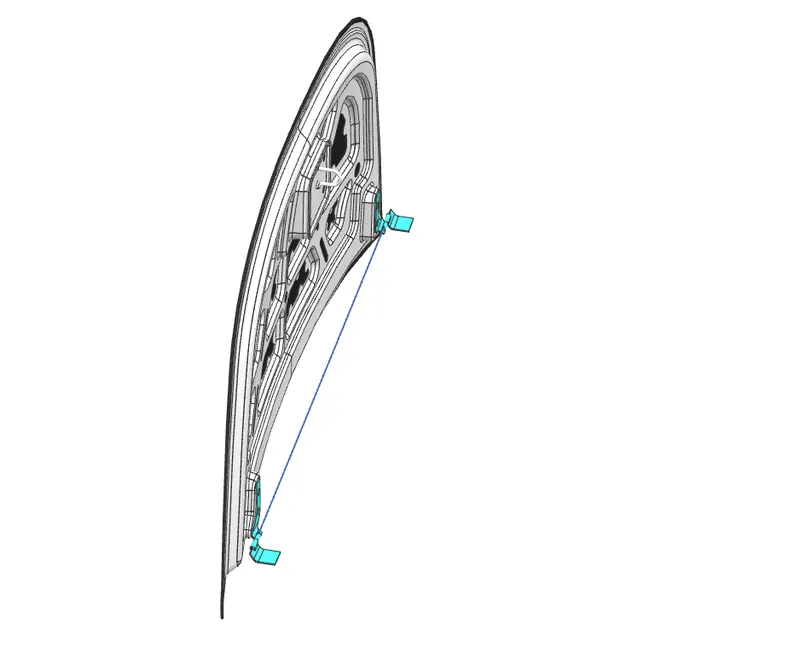
Fixing the Hinge Axis
The hinge axis is positioned in such a way that the axis lies in the same line so that it is parallel to the “x” axis plane. This is done in order to position the latch and sticker trajectory motions exactly perpendicular to the hinge axis.
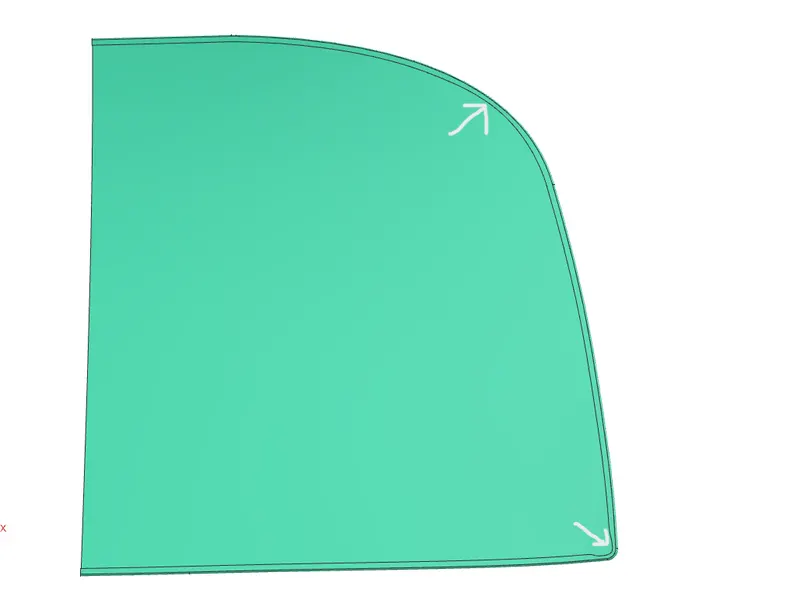
Relief on the Corners
A relief on the corners is provided for the hemming process in order to avoid spring back issues. When the rollers are moving on the panels the force that is used to bend the sheet metal has to be maintained within the limit to avoid spring back issue. Due to which a relief is given on the corners to avoid the red zones on the hood.
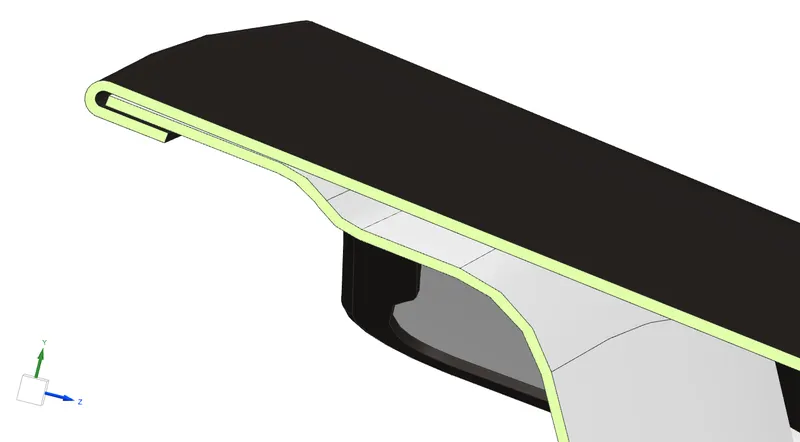
Hemming In Sheet Metals
Sheet metal is metal, in sheets. It’s thinner than plate metal (.25 in and thicker) but thicker than foil (.006 in and thinner). It’s most commonly available in steel and aluminum, in various gauges (thicknesses). It’s available with various coatings for corrosion resistance or surface finish. Sheet metal is made by taking a large cast ingot and rolling it into a long ribbon of the desired thickness. This long, flat piece of metal is then rolled into a coil and sent directly or cut into sheets before being sent to a machine shop.
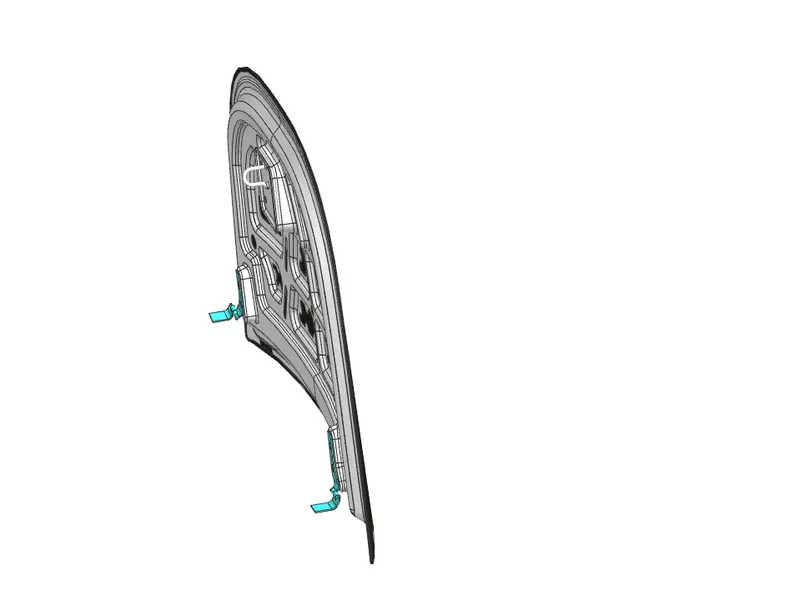
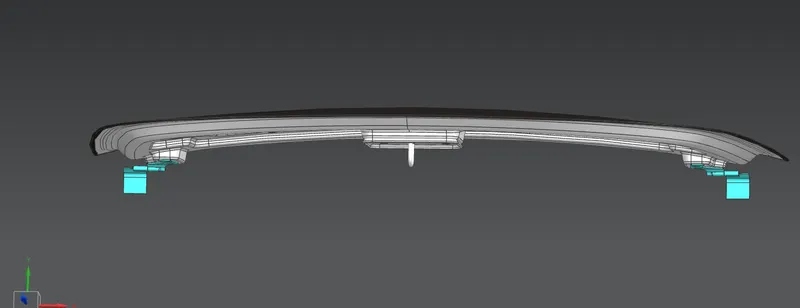
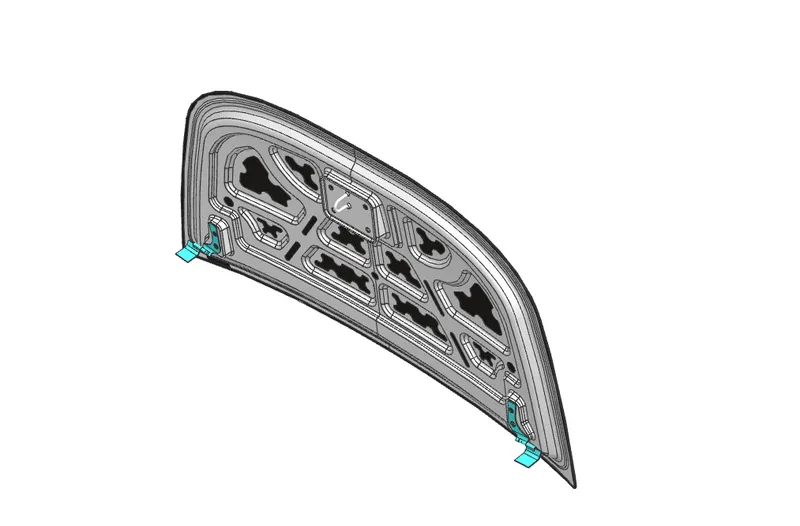
Different Views of The Designed Hood:
CONCLUSION:
Thus, with the give master section and class A surface model the hood has been designed as per the euro NCAP guidelines Using siemens NX_CAD. The main aim was to improve the pedestrian safety rating by reducing the risk of injuries