Hood design-Week 2
AIM
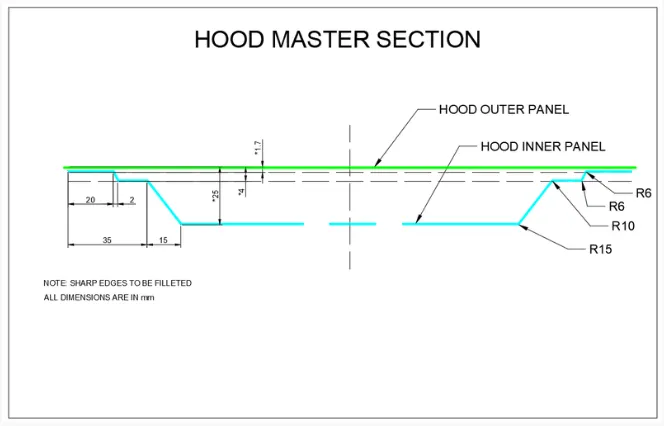
TO Design Hood Outer Panel, Inner Panel and the necessary reinforcements by following the Master Section and standard procedure which is used in the OEM Manufacturer's.
GIVEN MASTER SECTION
HOOD or BONET
- Hood is the component which is placed over the engine compartment. The design of the hood is not only to enhance the look of the car, it also improves the aerodynamics of the car and the proper design which ensure the pedestrain safety.
- For Serviceability and maintanence of the car, hood is used to access the components like, engine, radiator, battery, etc.,
- Over the period of time, designers has continously improving the hood design inorder to minimize the injuries of the pedestrain when he/she hits the hood while accident occurs. So it depends upon the material, design and structure of the hood.
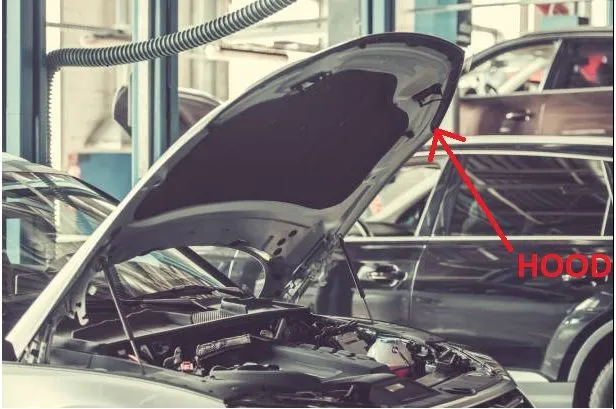
Car Hood has the following components
- Outer Panel
- Inner Panel
- Hood locking system
- Reinforcement
- Hood Support
Outer Panel:
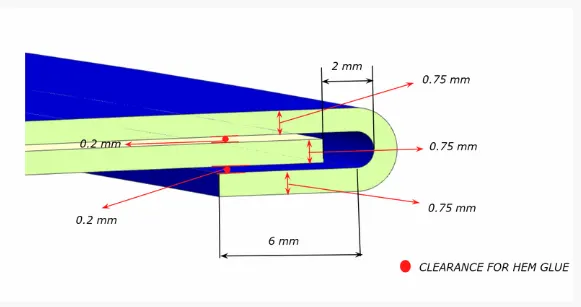
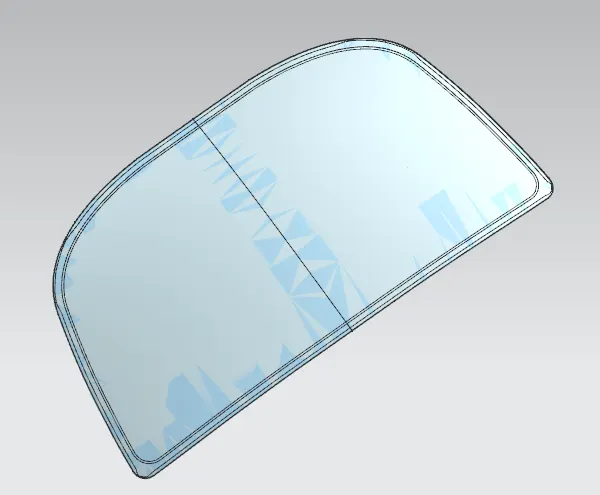
Outer Panel is the most important part of the hood to makes the car in a very good aesthetic proportion. So that the Outer panel is perfectly made insense to achieve the aesthatic requirement. So that, the sheet metal operation result which is visible on the outer panel or it reduces the aesthatic value means, those operations are strictly not to be followed to make the outer panel. That's why the hemming process is used to join the outer panel with the inner panel, instead of using welding methods.
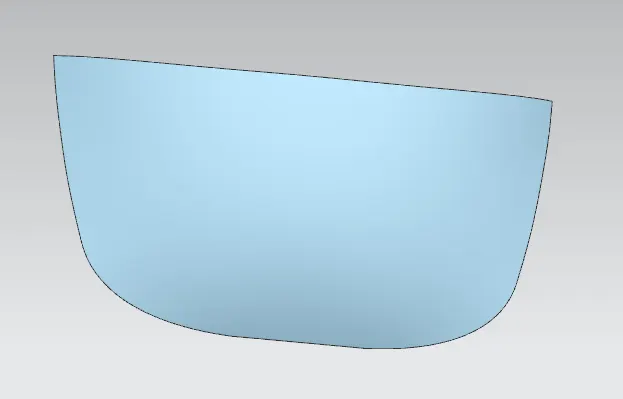
By considering the given Outer Panel thickness(0.75mm) and using the outer panel styling surface the outer panel has been made as below,
Inner Panel:
Inner Panel is the major part that ensures the rigidity of the hood and It is used to diverts the impact to outwards of the hood however possible when the collision occurs. It is can be achieved by the good inner panel design and the emboss direction in the inner panel.
Lot of design changes and researches are done and being carried out in the inner panel only to achieve the pedestrain safety and the passenger safety to make the standards.
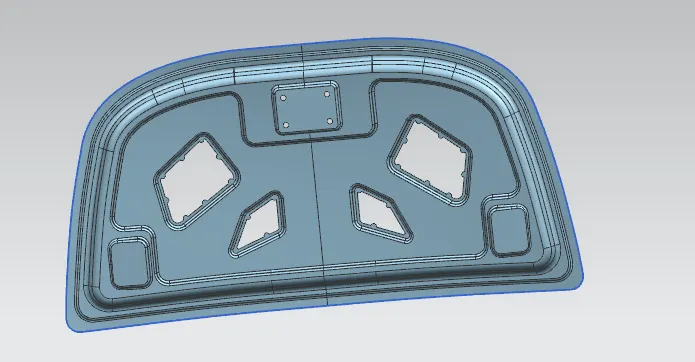
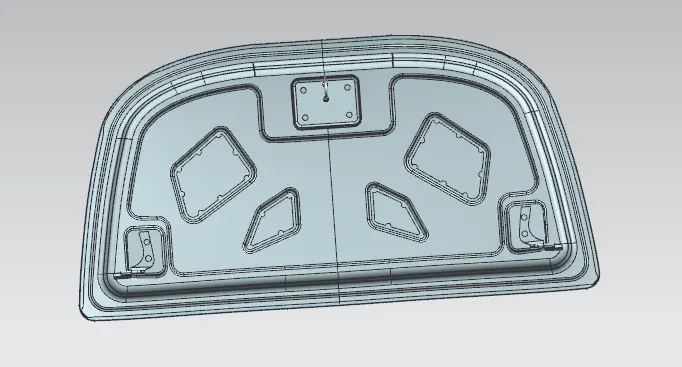
In this inner panel, the required holes are made to transport the hood from one station to other and fix the hood in fixture by using this hole as budding holes. Also the inner panel has the embosses and mastic points.
By considering the given Inner Panel thickness(0.75mm) and offseting the outer panel styling surface with the given offset data, the Inner Panel has been made with the embosses and mastic points as below,
Hood locking system
Striker-Latch
Striker-Latch
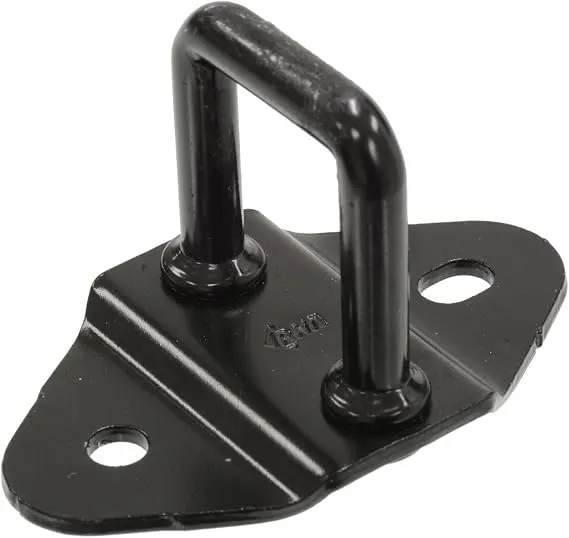
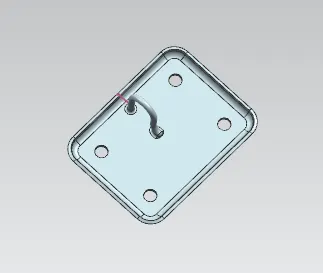
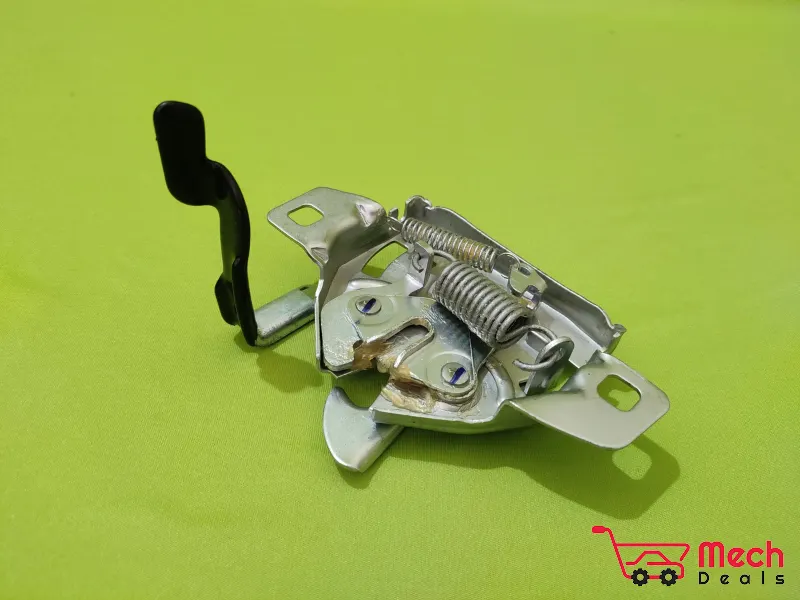
Striker is the part which is used to hold the hood with the engine compartment by using the latch which it is attached in the engine compartment, when the hood not require to open up. The striket is attached to the bottom of the inner panel and it hits the latch and locked with it, when the hood is dropped down.
There is lever which is provided inside the cabin to the driver to release the latch pressure. Once it can be done, the hood will opens up in a inch, then we can ableto open the hood more
Striker
Latch
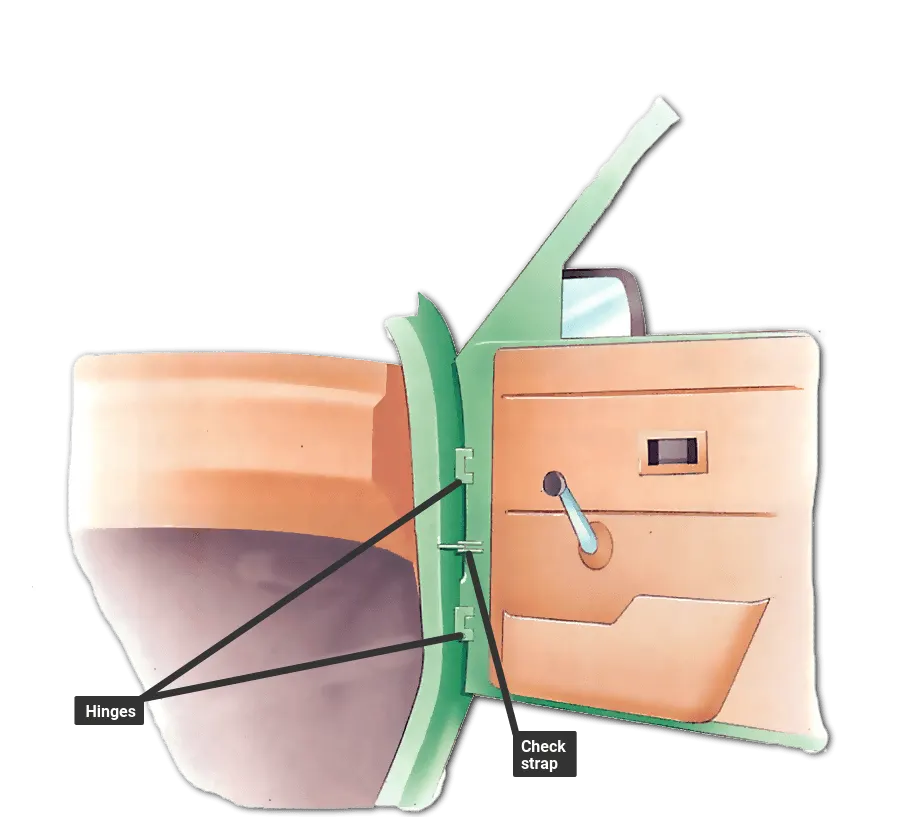
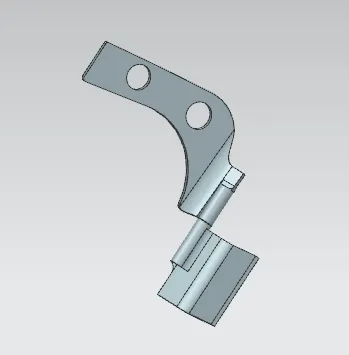
Hinge Assembly
It is used to fix the hood to the engine compartment.
For any component has to be open and close with an axis, then hinge plays a major role. It has two simple parts(one is hood side hinge, another one is engine compartment side hinge) and assembled with the single axis.
Hinge Assembly is attached at the each Outwards end of the hood and the engine compartment.
Reinforcement:
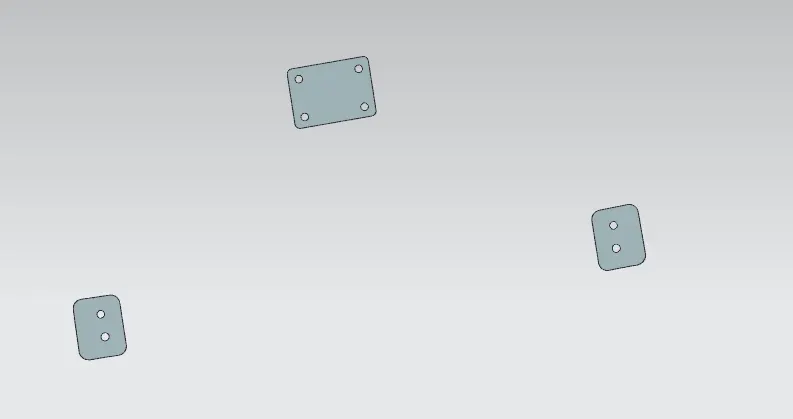
The Striker and Hinges are attached at the lower side of the inner panel. It it can be done by directly then more stress can act at the particular area in the inner panel, it may cause deformation of the inner panel at that particular region. So that the reinforcement comes in and placed between the striker and the hood, hinge and the hood. It can able to reduce to deformation and strengthening the inner panel at that particular region.
Hood Stay:
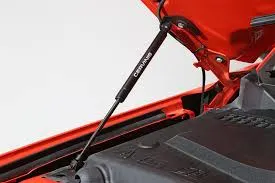
A hood stay is an apparatus for an engine room of a car, which can safely keep an engine hood in an open state even if an external force is abruptly generated due to vibration, wind, and can felicitate an opening/closing operation of the engine hood.
- Support Rod
- Gas Stay
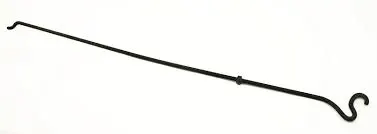
Support Rod
Most of the car manufacturers are used this only because of simpler and cheaper when compare to the gas stay. In this method we have to lift the hood by our own strength and fix the free end of the support rod to the provision which is given in the engine compartment or hood. It is suitable for the light weight and quite smaller hoods.
Gas Stay -
In this method, once we lift little bit the hood, then the gas stay can completly lift the hood entirely. It can be done by the gas spring which is in inside the gas stay. If the hood which is more heavier and longer, then this gas stay is pretty much makes easier the lifting process.
Hood has designed by the process of using the following Sheet Metal Operations
- Hemming
- seam
- Embossing
- Deep Drawing
- Piercing
Hemming
Hemming in sheet metal operations refers to the bending of a sheet metal edge onto itself. It is very similar to edge stitching in clothes. Similar to how an edge stitch strengthens the edge and makes it more durable, a hem imparts strength to the metal edge and improves its appearance. The edge of one part may also be folded onto another part to create a joint.
Hemming is usually done in two stages. The first stage creates an acute bend using acute tooling (V die) followed by a flattening of the return flange using a flattening die.
A complete list of hemming benefits on a sheet metal product is as follows:
-
Hems strengthen the sheet metal edge
-
They improve the surface appearance and surface quality
-
They hide defects such as rough edges and burrs
-
They can connect parts
-
They make the edges safer to handle
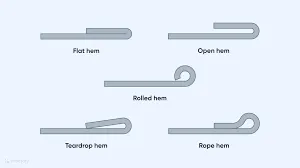
Hemming types
The different sheet metal hems based on the hem shape are as follows:
-
Flat or closed hem
-
Open hem
-
Teardrop hem
-
Rope hem
-
Rolled hem
Hemming process
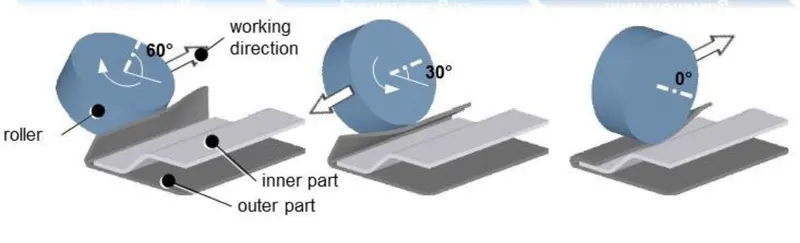
The hemming process can be carried out in one of the following two ways:
-
Die hemming process
-
Roller hemming process
Seaming
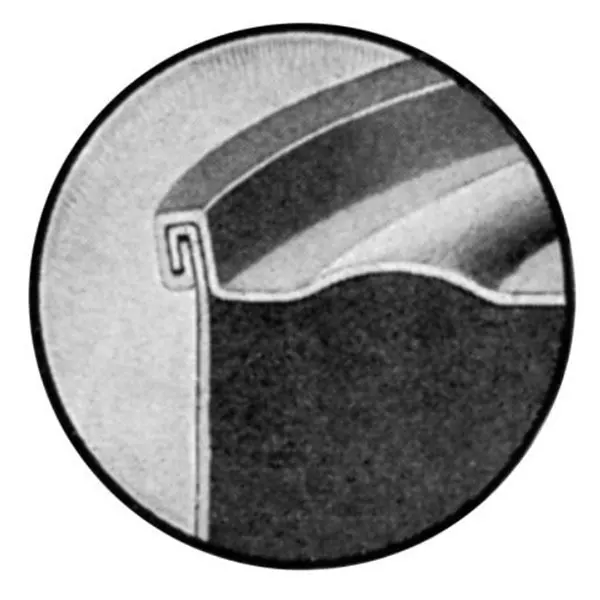
A seam is used to connect two metal parts by interlocking the edges of the folded sheet metal parts. The resulting shape may even form a seal that isolates one side of the sheets from the other.. Seams are commonly used in the food industry on canned goods. Seams are also used to seam two roofing sheets together in the building industry.
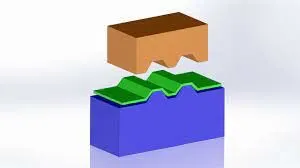
Embossing operations
It’s a metalworking technique for creating raised surfaces or letters in sheet metal. During this operation, the thickness of the metal does not change.
Deep drawing
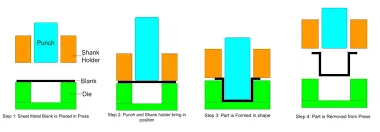
Deep drawing is a sheet metal forming process in which a sheet metal blank is radially drawn into a forming die by the mechanical action of a punch. It is thus a shape transformation process with material retention. The process is considered "deep" drawing when the depth of the drawn part exceeds its diameter
Piercing
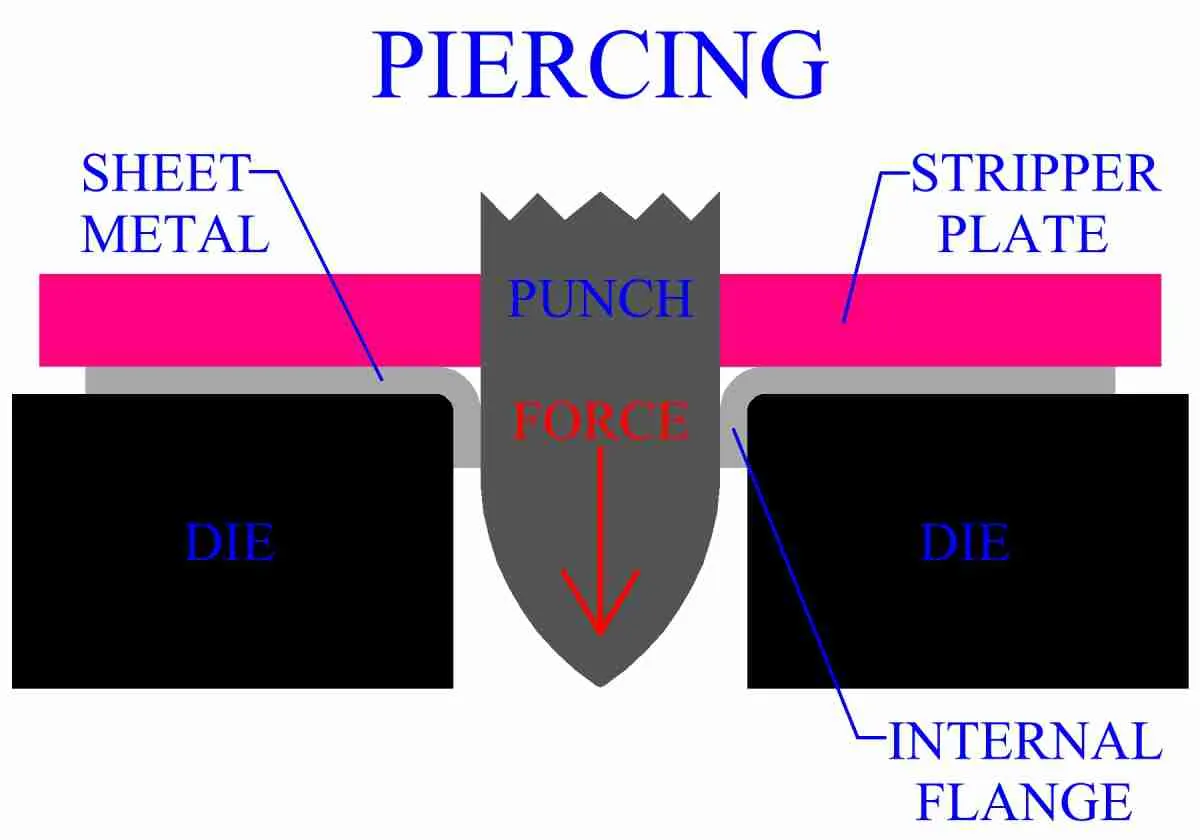
Piercing is a shearing process in which raw metal is pierced with a machining tool, resulting in the creation of a circular or other shaped hole. As the raw metal is pierced, the metal from the newly created hole is considered scrap
HOOD FRONT AND REAR VIEW
Conclusion:
Finally, the hood design has been completed by considering the criteria, dimensions, procedures and standards. By the process of this design, have learnt about the hood mountings, sheet metal operations like hemming, embossing, deep drawing, piercing, Pedestrain safety and its ratings