Hood design-Week 2
Hood
The hood comprises several components, including the outer panel, inner panel, striker, reinforcements, and hinges. The outer panel is the visible part of the hood, and it must be aesthetically pleasing and aerodynamically optimized. The inner panel provides structural support to the hood and is typically made of a lighter material, such as aluminium or composite materials. The reinforcements are strategically placed to provide additional strength and rigidity to the hood.
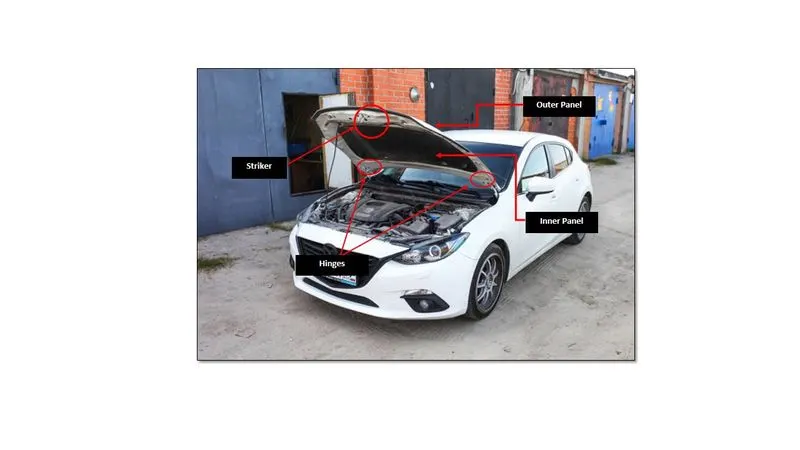
Outer Panel
The outer panel is the visible part of the hood and is designed to provide an attractive appearance while also being strong enough to resist impact and deformation. It is typically made from steel or aluminium and has a smooth or textured surface. The outer panel's design and finish can vary depending on the vehicle's model and manufacturer.
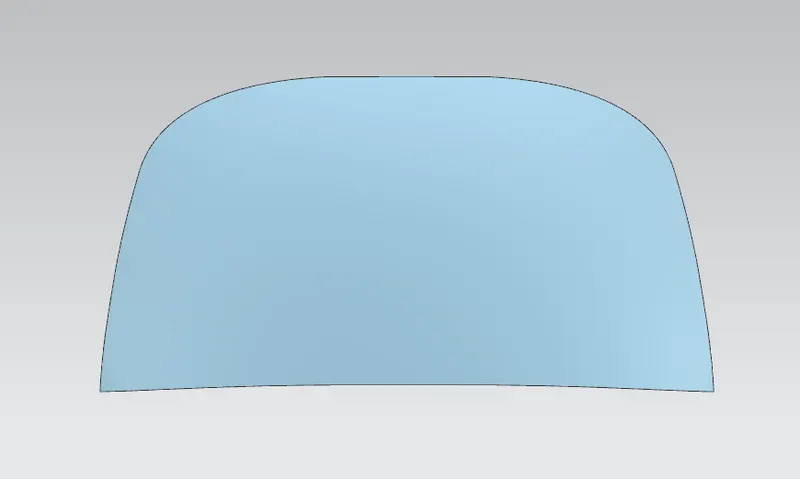
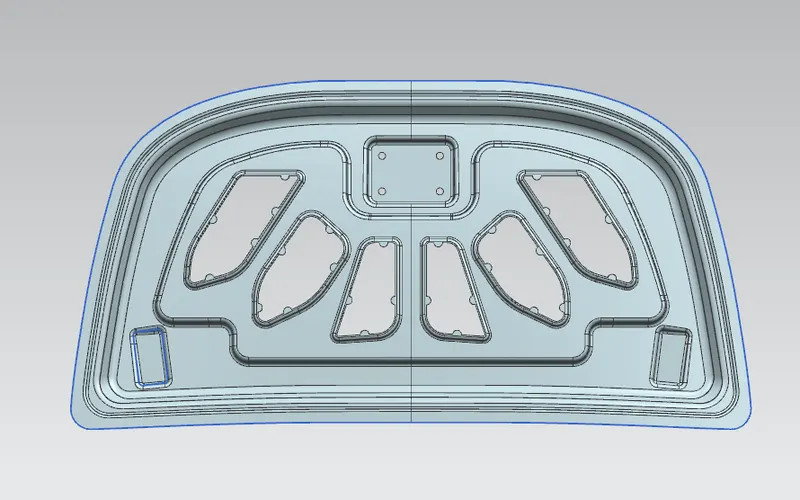
Inner Panel
The inner panel is located underneath the outer panel and provides additional structural support to the hood. It is typically made from a thinner sheet of metal than the outer panel and has a flat surface. The inner panel's primary function is to prevent the hood from deforming or bending during impact.
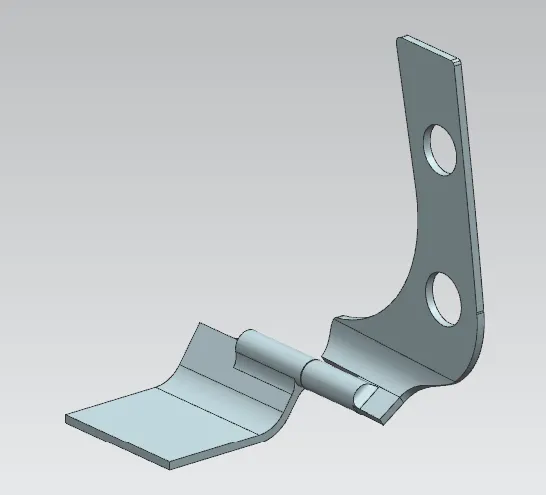
Hinges
The hinges attach the hood to the vehicle body and allow it to be opened and closed. They are typically made from steel or aluminium and are designed to withstand repeated opening and closing cycles. The hinges' design and location can vary depending on the vehicle's model and manufacturer.
Striker
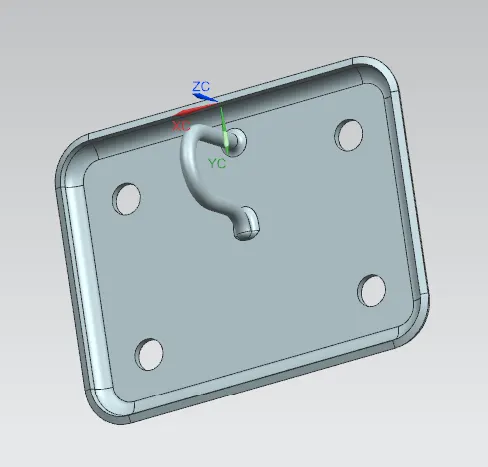
The hood striker is a component of the hood latch system in a vehicle. It is located on the vehicle body and engages with the hood latch mechanism to keep the hood securely closed while driving. The hood striker typically consists of a striker plate that is attached to the vehicle body and a striker pin that is located on the hood latch mechanism. When the hood is closed, the striker pin engages with the striker plate, creating a secure connection between the hood and the vehicle body. The tension provided by a spring ensures that the hood remains closed, even during vehicle vibrations or impacts. The hood striker is an important safety feature that helps prevent the hood from accidentally opening while driving.
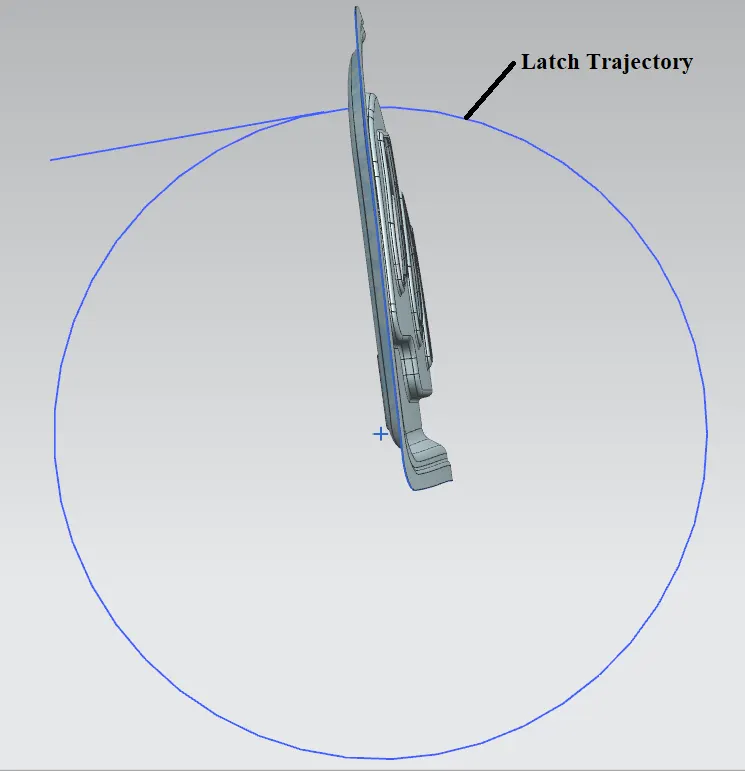
Latch Trajectory
The latch trajectory is an essential aspect of the hood design, as it determines the ease of opening and closing the hood. The latch trajectory refers to the path the latch follows when opening or closing the hood. The latch should move smoothly along this trajectory, without any binding or resistance. The trajectory is typically determined during the design phase and tested using prototypes.
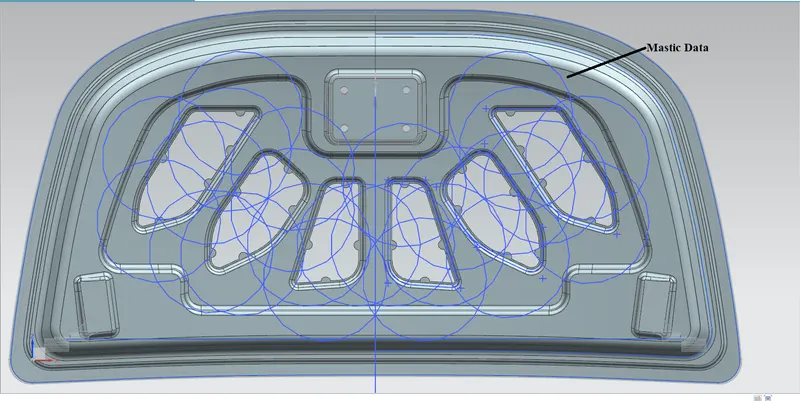
Mastic Data
Mastic is a type of adhesive used in the manufacturing of hoods. The mastic data includes the type of mastic used, its thickness, and its location. The mastic is applied to the hood's underside to reduce noise, vibration, and harshness (NVH) and to provide additional insulation.
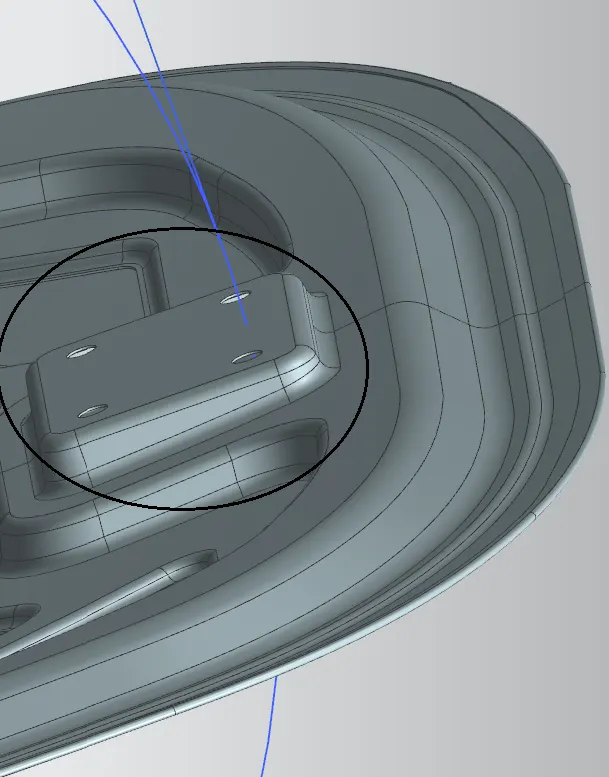
Emboss Definitions
Embossing is a technique used to create raised or sunken designs on a material, such as the hood's outer panel. The emboss definitions refer to the specific design elements that are embossed onto the hood's outer panel. Embossing can be used to create a unique design or to incorporate the vehicle manufacturer's logo or branding.
Manufacturing Process
The hood manufacturing process typically involves several steps, including deep-drawing and hemming. Deep-drawing is a process where a flat sheet of metal is drawn into a three-dimensional shape using a press. Hemming is a process where the edges of two metal sheets are folded over and joined together to create a double thickness of material. Hemming is commonly used in hood manufacturing to provide additional strength and rigidity to the hood's edges.
Deep-Drawing
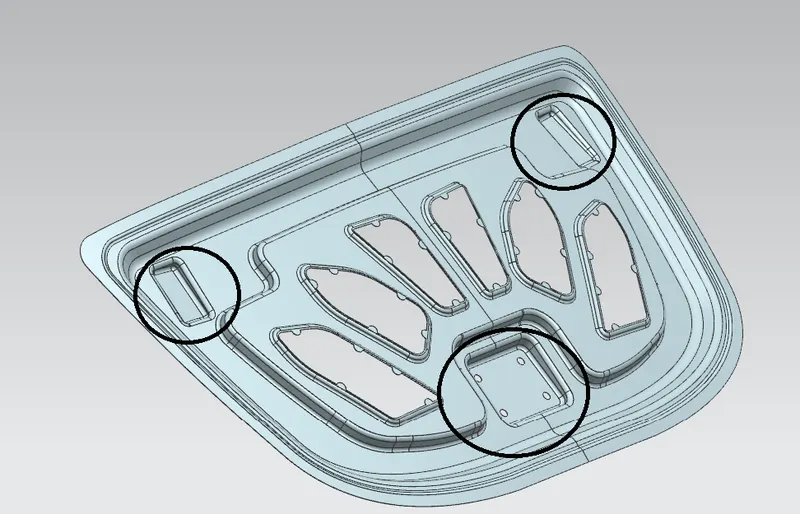
Deep-drawing is a process that involves stretching a flat sheet of metal into a 3-dimensional shape using a hydraulic press. The sheet metal is clamped around its edges, and a punch is used to push the metal into a die cavity. The metal is then stretched and formed into the desired shape. The depth of the draw, or the distance between the original sheet metal surface and the deepest part of the formed shape, is an important parameter in the deep-drawing process. Deep-drawing can be used to produce complex shapes, such as those found in automotive hoods, with high accuracy and consistency.
Hemming
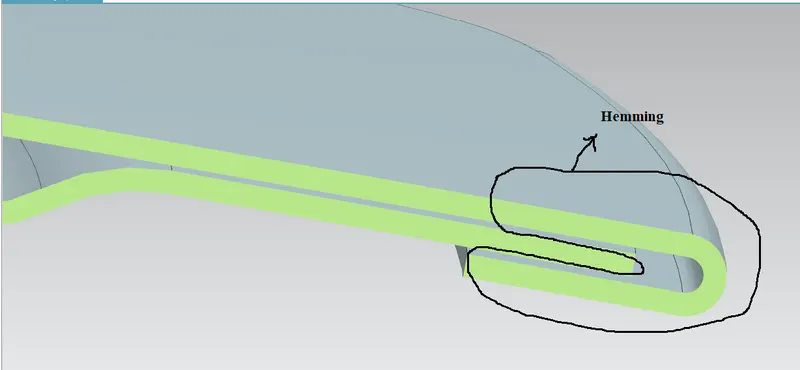
Hemming is a process that involves folding over the edge of a sheet metal part to create a smooth, finished edge. In the production of automotive hoods, hemming is used to fold over the edges of the hood and create a strong, finished edge that can be attached to the vehicle body. The hemming process typically involves two stages - pre-hemming and final hemming. Pre-hemming involves folding over the edge of the sheet metal to create a flange, while final hemming involves folding the flange over again to create a smooth, finished edge. The angle of the hem, or the angle between the two folds, is an important parameter in the hemming process, as it affects the strength and appearance of the finished edge.
Parameters Followed in the Design
The hood design must adhere to several parameters, including aerodynamic performance, weight, and structural strength. The hood's shape and size must be optimized to minimize air resistance and improve fuel efficiency. The weight of the hood must be minimized to reduce the vehicle's overall weight and improve handling and acceleration. The hood must also provide sufficient structural strength to protect the engine and passengers in the event of a collision.
Conclusion
The hood design is a critical component of a vehicle's overall design and performance. The hood comprises several components, including the outer and inner panels, reinforcements, and hinges. The latch trajectory, mastic data, and emboss definitions are essential aspects of the hood design that must be considered during the design process. The manufacturing process typically involves deep-drawing and hemming, and several parameters must be followed to ensure optimal aerodynamic performance, weight, and structural strength.