Hood design-Week 2
-
A car hood, also referred to as a “bonnet” in some countries, is the hinged cover that rests over the engine bay of a front-engine vehicle. The car hood protects the engine and connected parts from the elements while providing easy access for repairs and maintenance.
Car hoods are typically constructed from steel and sometimes from aluminum. Aftermarket car hoods may be constructed from various other materials, including carbon fiber, fiberglass, or dry carbon.
A concealed latch is typically used to lock the hood in place while driving. A release for the mechanism can be accessed from the dash below the steering wheel. On race cars and vehicles with an aftermarket hood, exposed pins may be used to secure the car hood.
Hoods sometimes contain a hood scoop or a power bulge to allow for greater engine capacity and airflow to increase the car’s performance output.
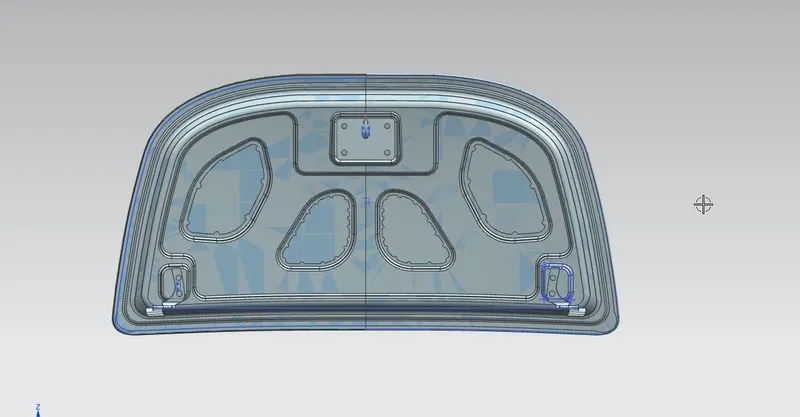
2. Its Major Components, Is Outer Panel, Inner panel, Hinge, and Striker.
3. Latch Trajectory is very important for hood motion or lock .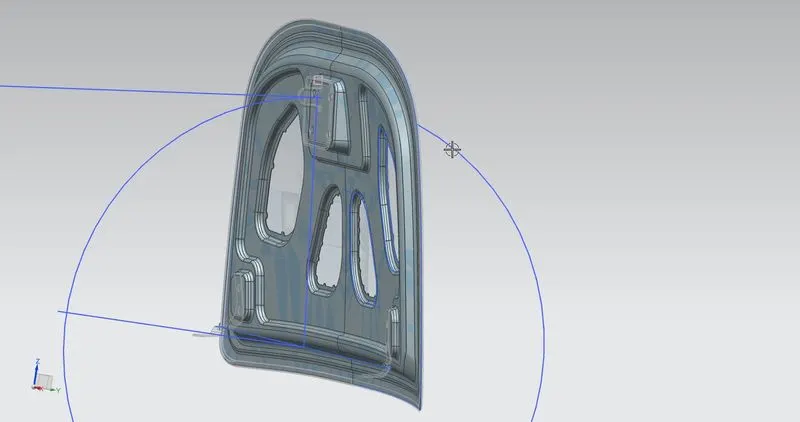
4. Maestics data are very as a hood engineer as per customer demand or company demand maestics are major role for adhesiveness and cohesiveness.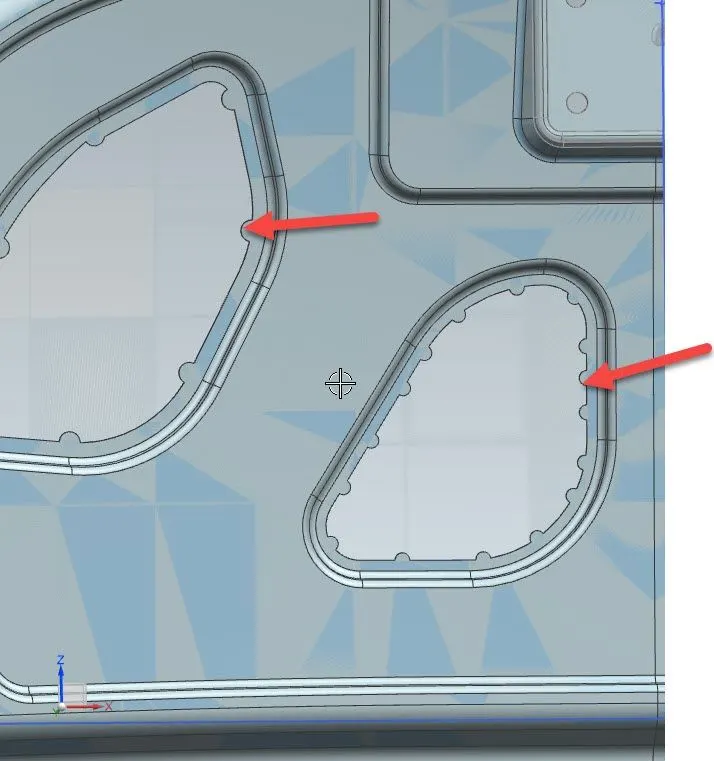
5.The invention discloses a manufacturing process of a car hood, and relates to the field of car manufacturing. The manufacturing process comprises the following steps: (1) blanking, (2) stretch forming, (3) trimming and punching, (4) deburring, (5) welding, (6) grinding, (7) painting, (8) baking, (9) polishing and waxing, and (10) coating. According to the manufacturing process, an outer cover plate and an inner cover plate similar in shape are designed to use the same blanking die for blanking so as to reduce the production cost; a compound die with trimming and punching functions is adopted to reduce the steps and improve the production efficiency; a numerical control automatic resistance spot welding machine is used for welding the hood so that the welding efficiency and accuracy are improved; acrylic paint is used for repeatedly spraying the hood for three times so that the paint layer has the strong adhesive force and good heat resistance; the coating processing is used to improve the oxidation, high temperature and scratch resistances of the hood paint.