Hood design-Week 2
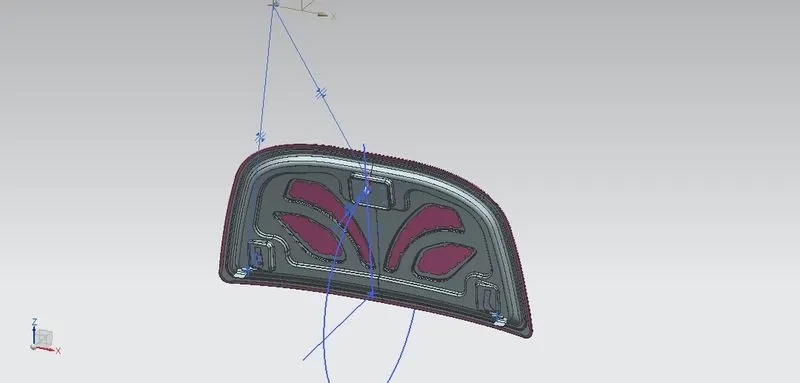
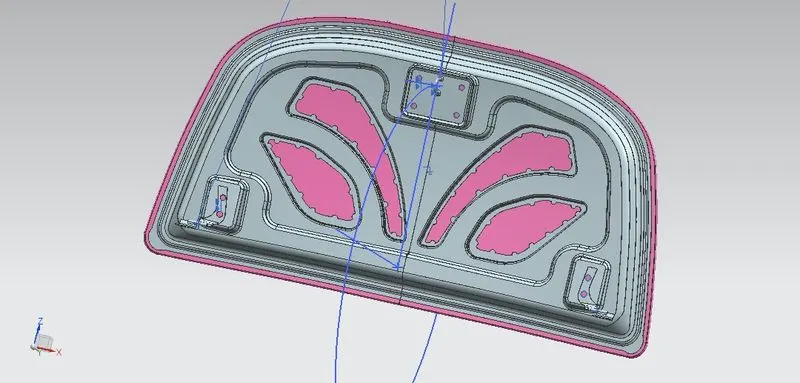
Hood
A car hood is an part which is used to cover and protect the engine it also called as bonnet
The common material used for manufacturing the hoods are steel,aluminium,fiberglass and carbon fiber
THE DESIGN CONSIDERATION FOR HOOD ARE
Safety
Vehicle quality
Manufacturing possibility
SAFETY
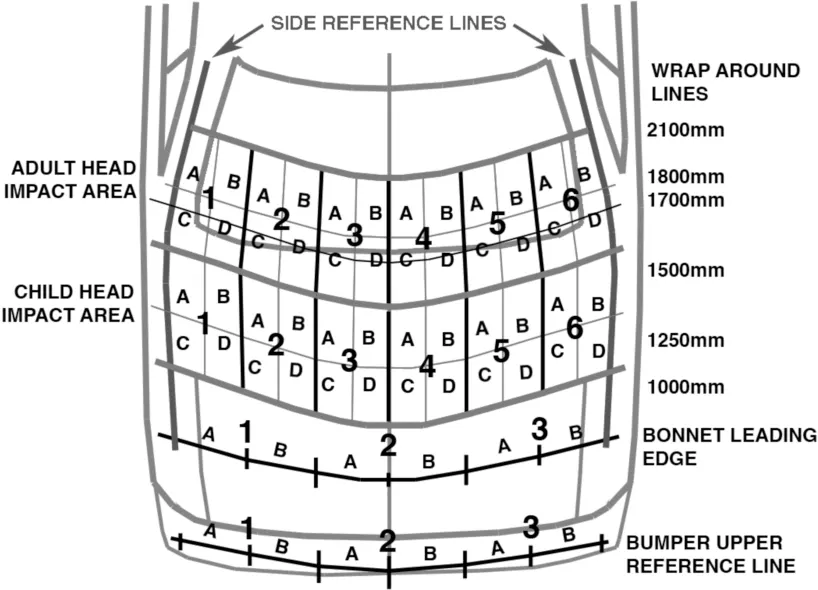
EuroNCAP
while design the hood we should mainly consider the EURONCAP guidelines.
HOOD DESIGN
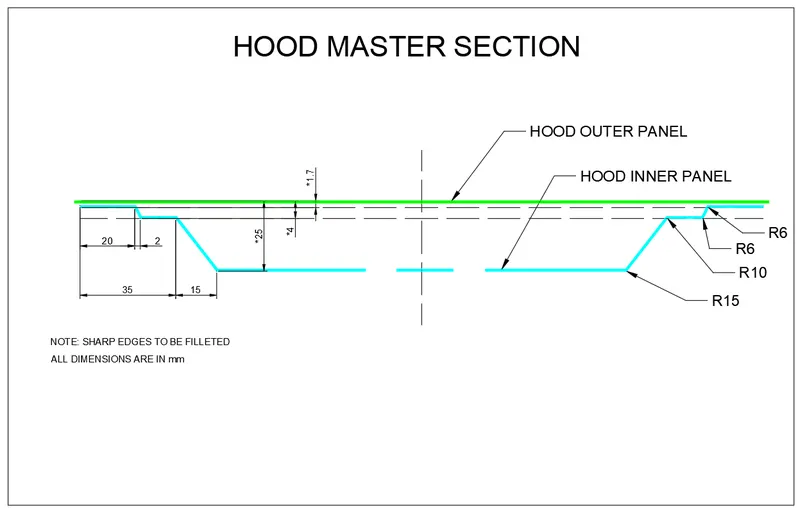
By using the given outer skin of the hood outer panel you can create the inner panel
while creating the hood inner panel you should follw the given master section
first offset the surface for given length then offset the curve for required distance and trim the required area
then create the parallel curve for joining the surfaces.
after completing the inner panel base you should create the emboss body for the inner panel
create your own design for the emboss
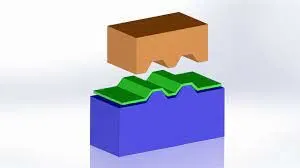
EMBOSS
The embossing is the process of for producing raised or sunken design in sheet metal
this process can be made meanes of matched dies
once the inner panel design is completed you can assemble the compenents like hinge and striker
HINGE
the hood hinge is a component it have have pivot and bracket mechanism to open and close hood
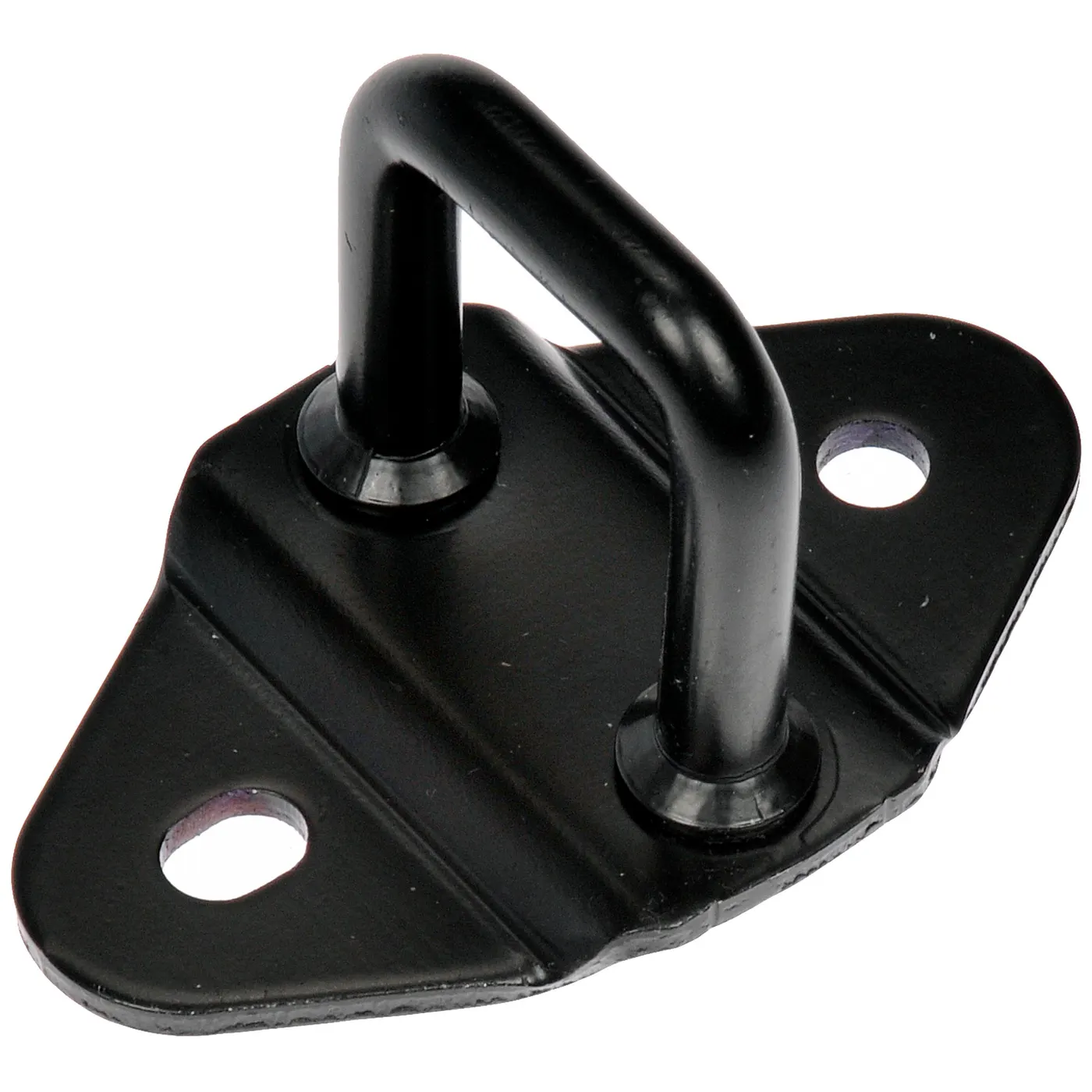
STRIKER
It is a component which is used to lock the hood with the latch mechanism
Before assemble the striker in the inner panel you should create the latch trajectory
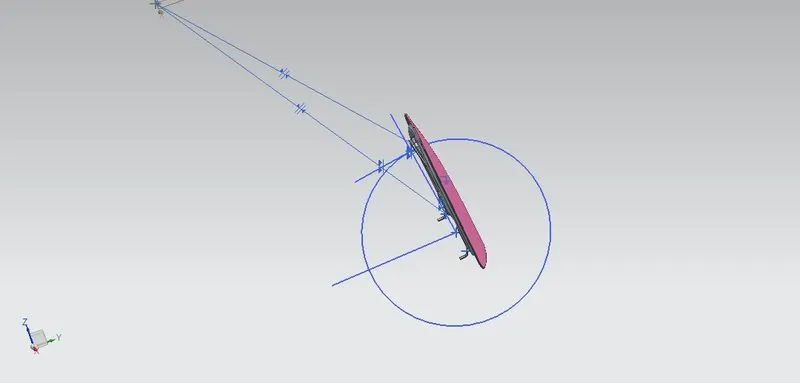
CREATION OF LATCH TRAJECTORY
for creating the latch trajectory first you should constrain the hing with inner pannel
then create the midpoint between the two hinges from the point you should draw a trajectory circle with
the circle as a reference daw a perpendicular from the same point of the circle
then mark a intersection point between the line and circle
from the intersecion you should draw tangent line to the circle
also draw a line on striker part between the loop and create end point for the line
then first give a parallel constrain for the line created in striker and the plan
finally give the touch constain for the end point of the striker line with intersection point
HEMMING
hemming in sheet metal operations refers to the bending of sheet metal edge onto itself. It is very similar to edge stitching in clothes.
Similar to how an edge stitch strengthens the edge and makes it more durable, a hem imparts strength to the metal edge and improves its appearance. The edge of one part may also be folded onto another part to create a joint
Automotive body panels and automotive parts such as deck-lids, trunk-lids, doors, hoods and tailgates are formed by hemming process.
The different sheet metal hems based on the hem shape are as follows:
- Flat or closed hem
- Open hem
- Teardrop hem
- Rope hem
- Rolled hem
CREATION OF HEMMING IN OUTER PANEL
For creating the hemming first you should offset the skin surface with the referance of master section
then trim the offseted surface for required length
now create the law extension for connecting the two surface
finally apply the three face blend to the hemming area
then add a corner relif edge on the hemming area
DEEP DRWAING
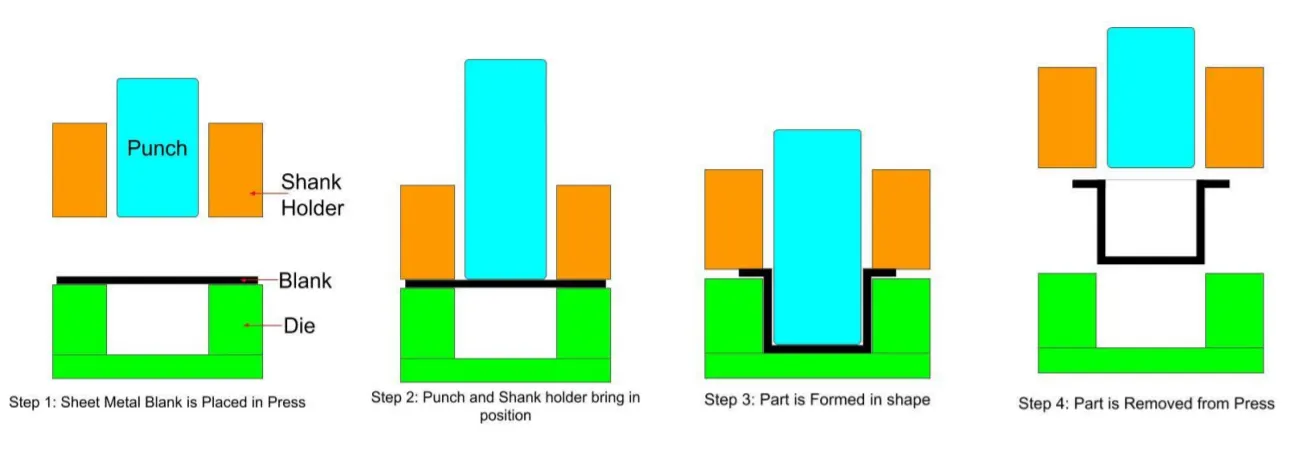
Deep drawing is the most widely used process in sheet metal forming, where sheet metal blank is radially drawn into a forming die by the mechanical action of a punch. It is thus a shape transformation process with material retention There are three basic types of a deep drawing processes: with active parts, with active energy, and with tools, which is the most common in the automotive industry
MASTIC DATA
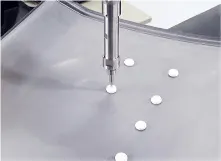
Mastic is a sealant it used for joining process , in car hood it is applied between hood outer panel and hood inner panel
There are two types of mastic available .They are water based mastic and solvent based mastic