Hood design-Week 2
HOOD DESIGN REPORT :
HOOD -
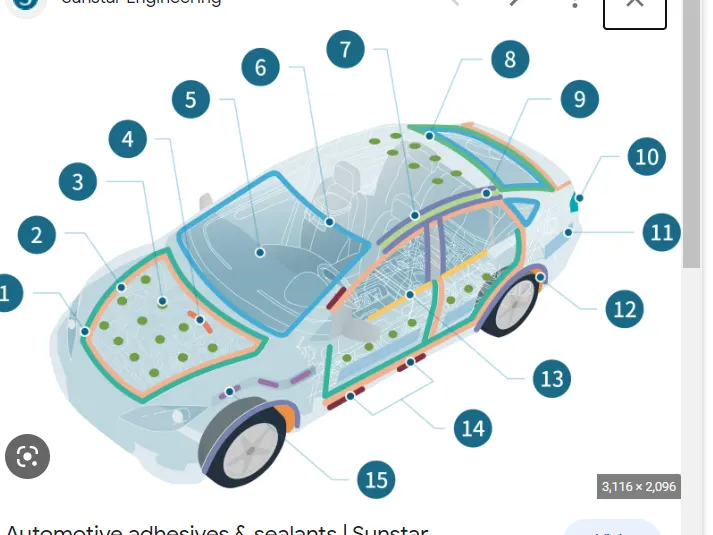
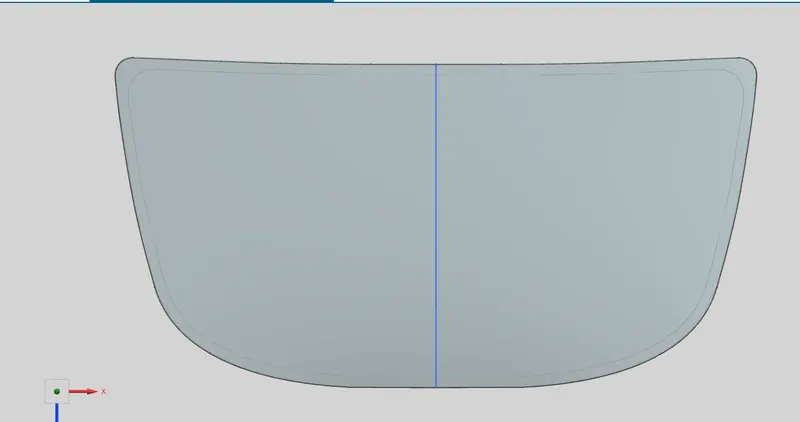
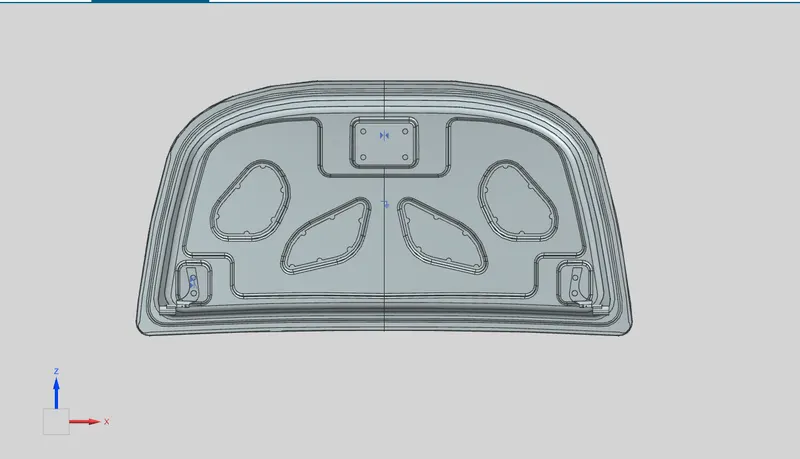
The HOOD is the one of the door of CAR or automotive vehicle, it is cover the engine ccompartment of the vehicle. It is located in front of the vehicle . Hood consist of outer panel & inner panel.The inner panel is give support and strength to the outer panel. here embosses are created. and mastics are in b/w the inner panel and outer panel. The hood has Hinges for hold permanently on car compart nd it is open and close by use off Hinges .
Points to be consider while designing the hood:
- Opening angle of Hood
- N CAP crash Test
- NVH (Noise, Vibration, Harshness)
- Pedestrian Safety
- Occupant Safety
- Styling
- Manufacturibility
CAR HOOD OUTER PANEL :
CAR HOOD INNER PANEL :
PARTS HOOD ASSEMBLY :
1. Hood Outer Panel
2. Hood Inner Panel
3. Hinge Assembly
4. Latch & Striker
MASTER SKETCH :
Here i used the dimensions for create the whole hood design.
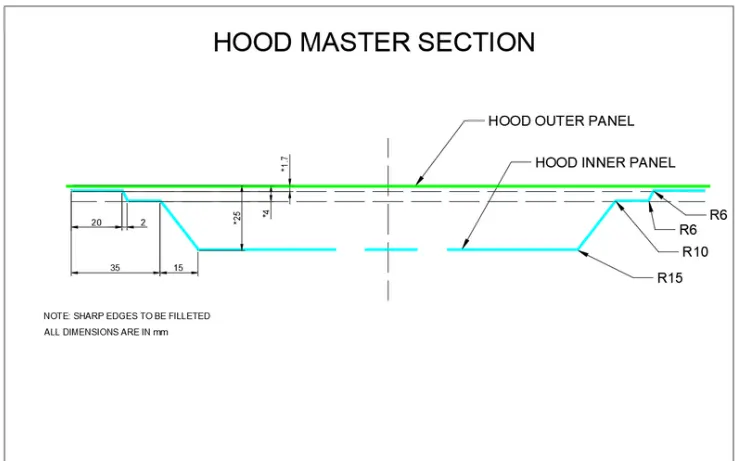
DATA FOR SHEET THICKNESS :
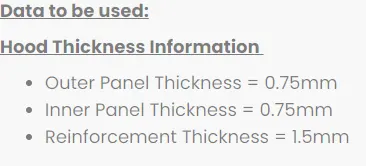
HOOD OUTER PANEL DESIGN -
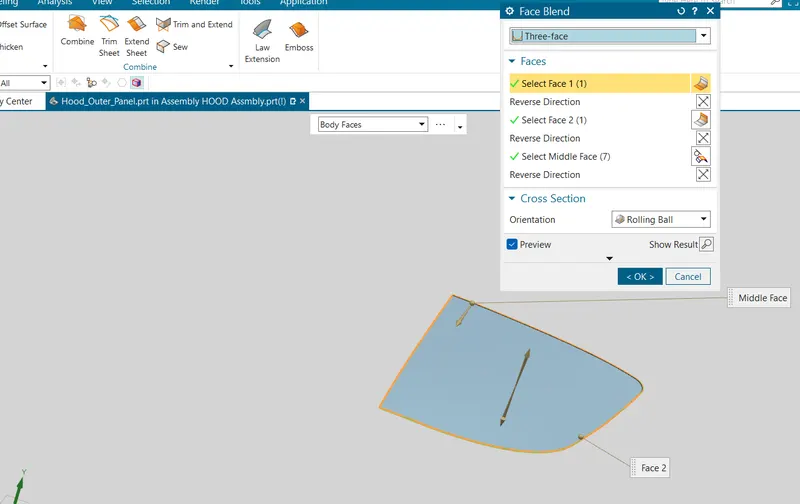
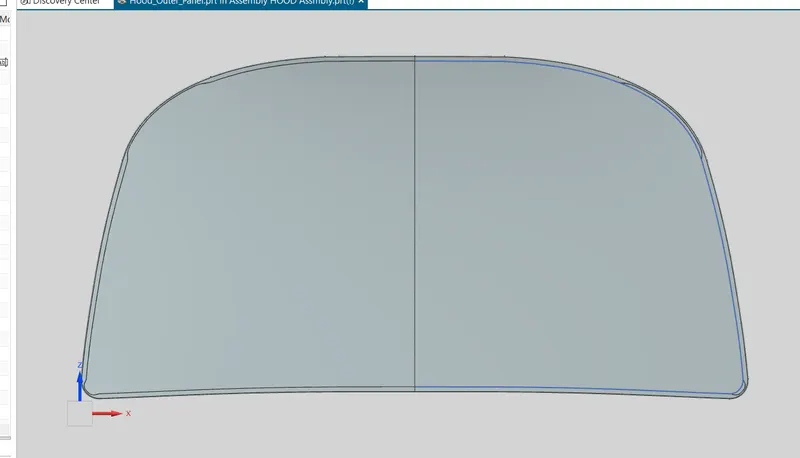
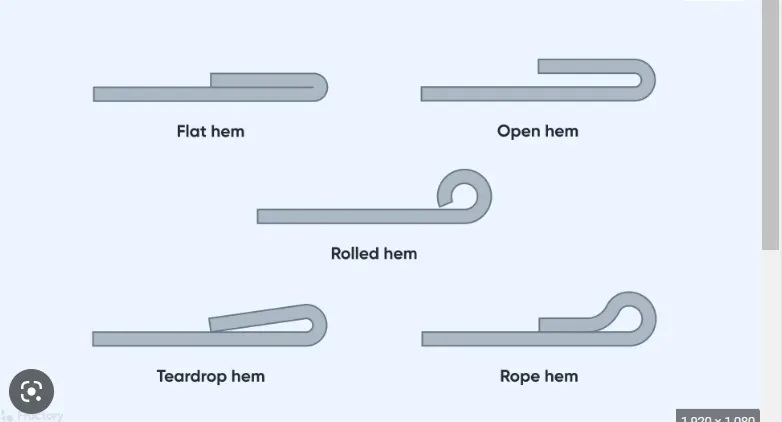
Here we have CLASS A surface of the HOOD OUTER PANEL, and i cut it in two separate symmetrical surfaces, Then i did it offset and trim the all sharp corners to radius oo roud edge. After that we have created that surfaces through offset and draw the hemming flange through log extension. and hemming detail is show in bellow images. Finally we use face blend commanfd to create the outer panel and mirror it. and make it thick body.
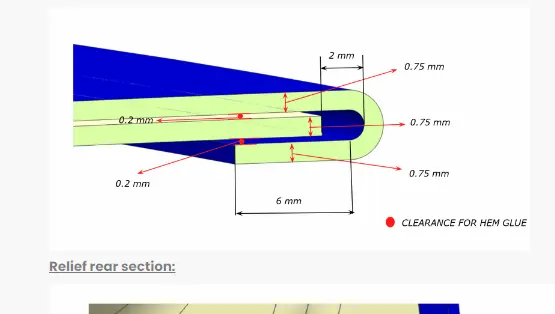
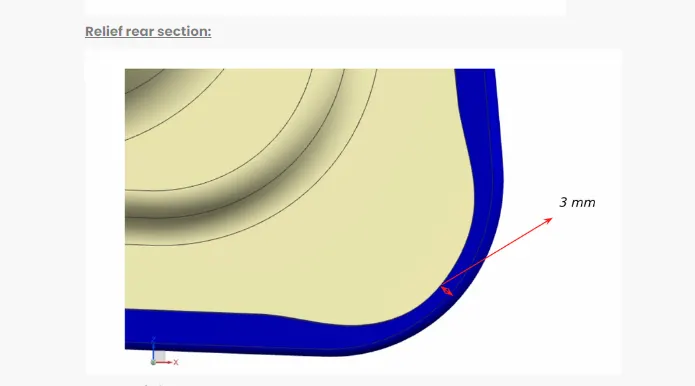
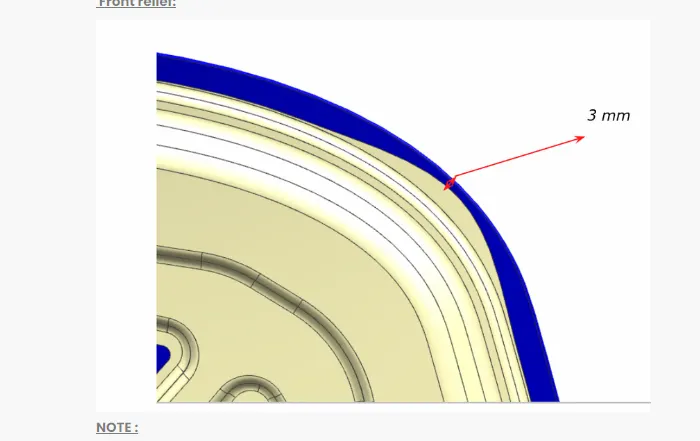
HOOD INNER PANEL DESIGN -
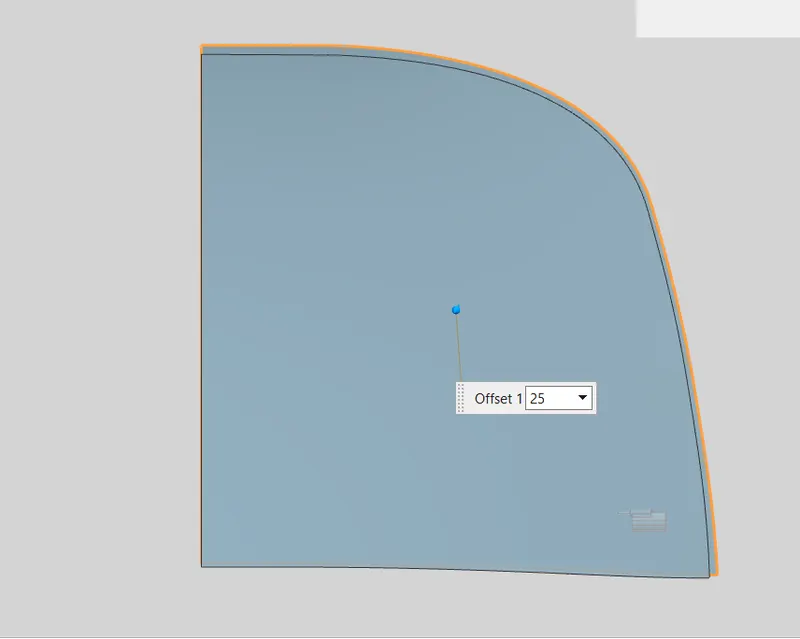
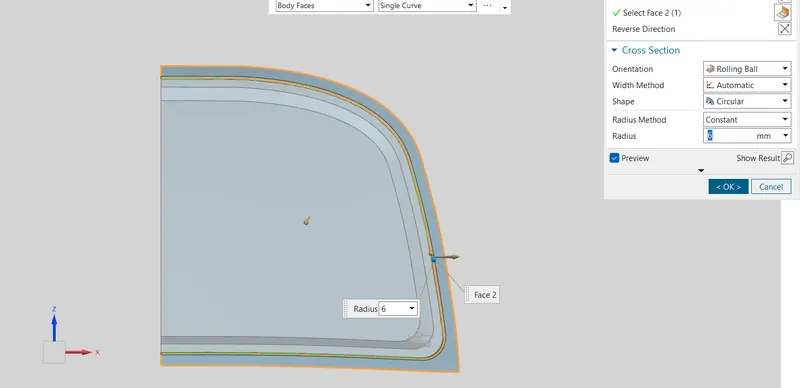
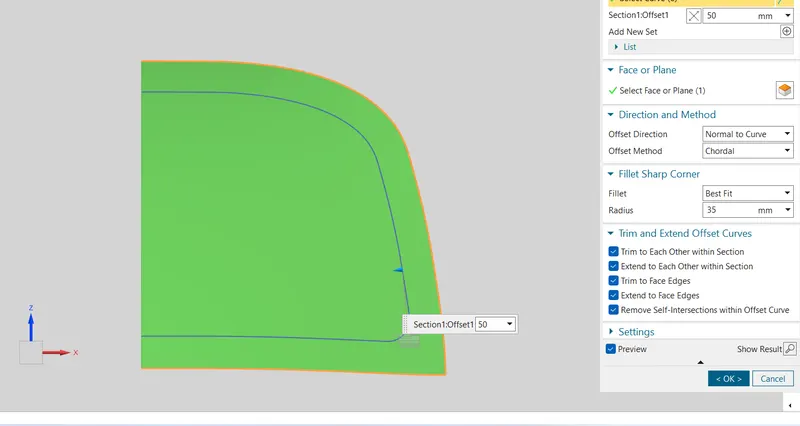
Here we have offset of hood oute panel. I offset the oter edge made the all sharp corner to round edge nd trim the surface to required shape, then i offset the all required surfacess which is mentioned in the sketch and i trim it.
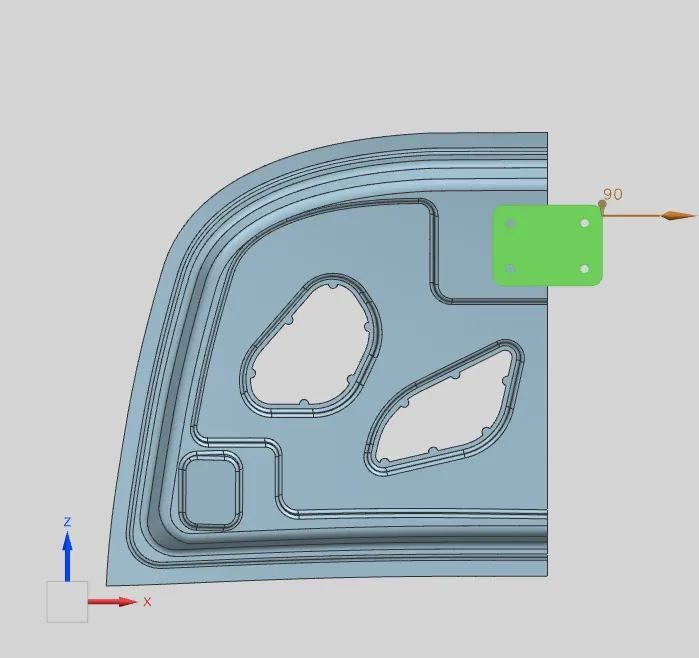
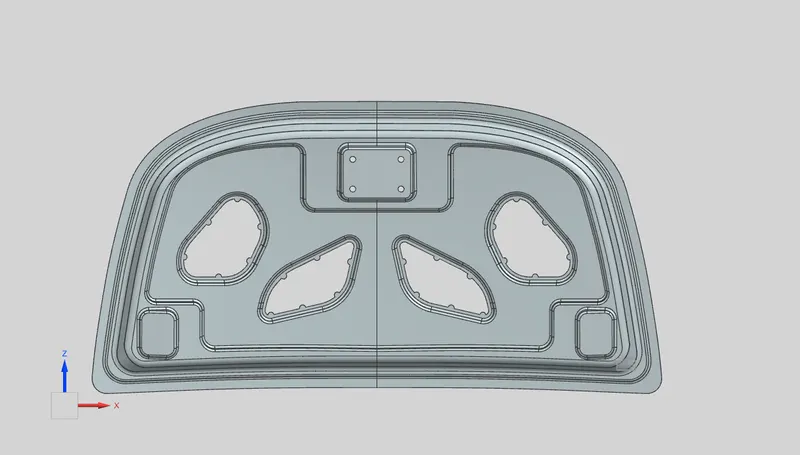
After that i created the embossess as per our requirement and remove the unwanted material .and finally make it mirror or symmetry .
Then i linked the hinge assembly and created the emboss for the hinge.
And here we create the one major thing that ia MASTICS, Mastics are in between the outer panel and inner panel. This mastics are has tendency up to 80 mm.
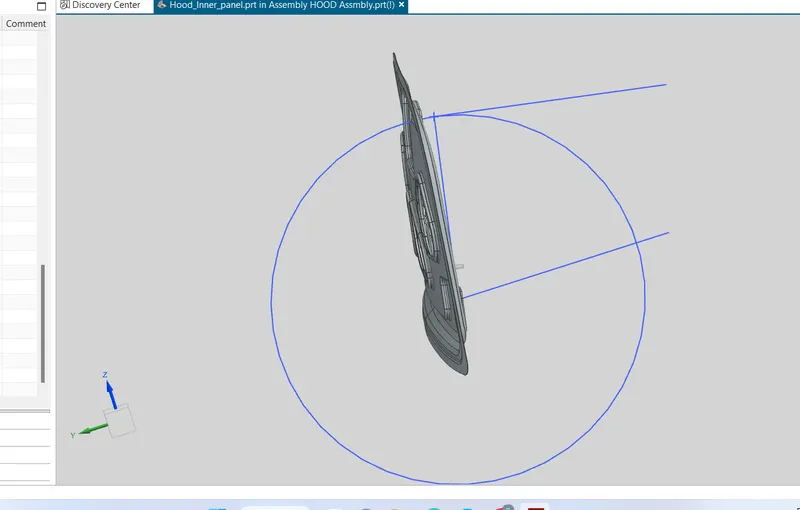
Now we created the Latch Trajectory Circle for openeing and closing of Hood. Latch Trajectory angle is 80°.
At last we have created emboss on the striker using Log extension and then thickend it.
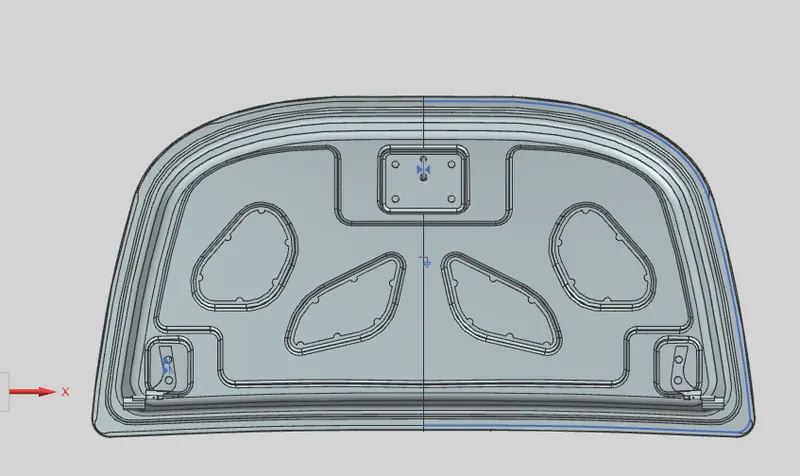
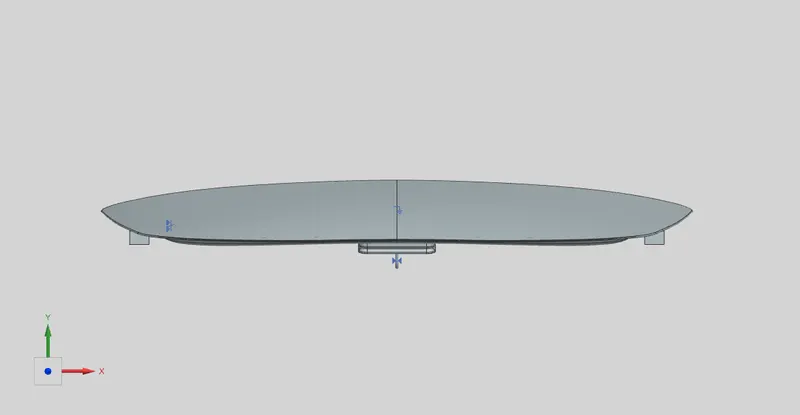
THE FINAL ASSEMBLY -
SHEET METAL OPERATIONS
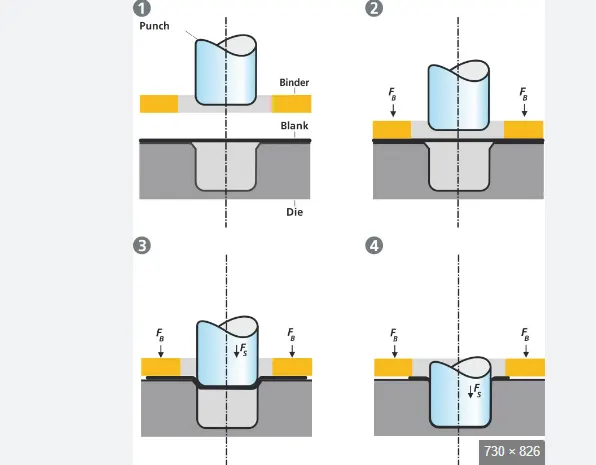
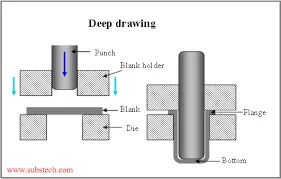
1. Deep Drawing -
Deep drawing, or hydroforming, is a sheet metal forming process in which a sheet metal blank is radially drawn into a forming die by the mechanical action of a punch. It is thus a shape transformation process with material retention.
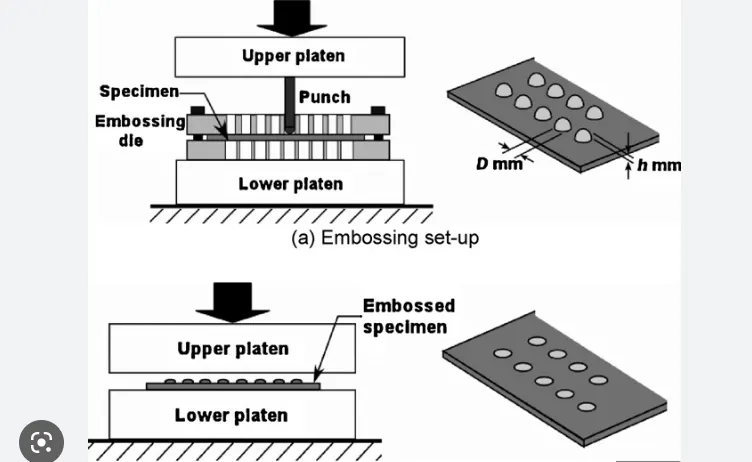
2. Embossing -
Sheet metal embossing is a stamping process for producing raised or sunken designs or relief in sheet metal. This process can be made by means of matched male and female roller dies, or by passing sheet or a strip of metal between rolls of the desired pattern.
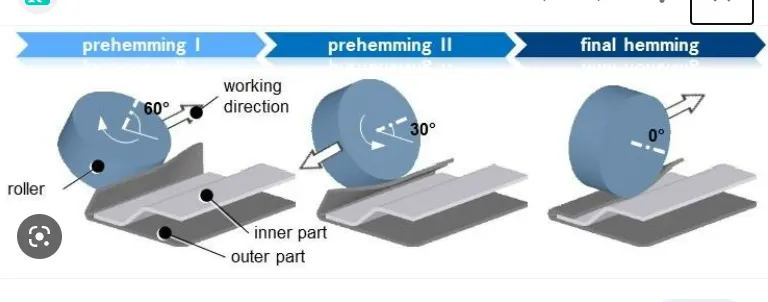
3. Hemming -
Hemming is a sheet metal forming process in which sheets are joined by bending it usually to 180°. Automotive body panels and automotive parts such as deck-lids, trunk-lids, doors, hoods and tailgates are formed by hemming process. and its done by Rolling method.
4. Mastics Point -
A mastic sealant is a type of liquid sealant that cures in an elastic state, thus making it flexible while holding the bond of the surfaces that has attached together.
Mastic adhesive was developed specifically to bond exterior automotive panels to the vehicle’s inner panel structure, such as on roofs, doors, and hoods. This one‐component synthetic rubber sealer remains elastic after curing to reduce panel flapping and to prevent panel distortion.