Hood design-Week 2
Hood Design Using NX CAD
Aim:
To create an outer and inner hood panel, positioning the striker, hinge, and their reinforcements.
Data to be used:
Hood Thickness Information
- Outer Panel Thickness = 0.75mm
- Inner Panel Thickness = 0.75mm
- Reinforcement Thickness = 1.5mm
Master sketch:
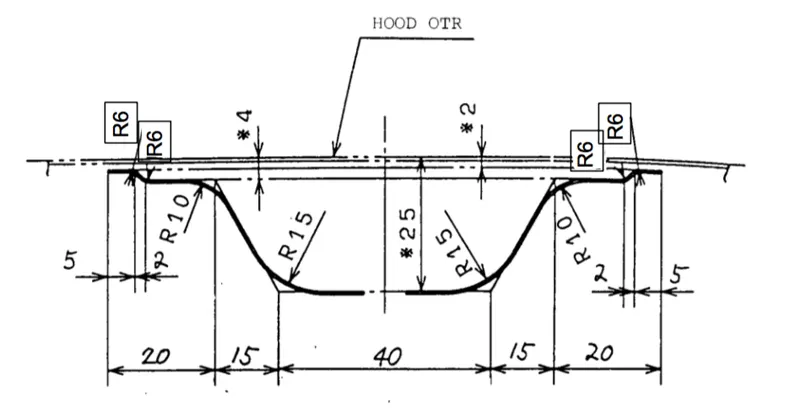
Hood: -
Hood plays a major role in pedestrians’ safety as well as car safety. It covers entire engine components and also acts as a shield to the pedestrians from a major injury. Hood has different styles. On front-engine cars, the hood may be hinged at either the front or the rear edge, or in earlier models, it may be split into two sections, one on each side, each hinged along the centerline. A further variant combines the bonnet and wheel arches into one section and allows the entire front bodywork to tilt forwards around a pivot near the front of the vehicle.
Hoods are typically made out of the same material as the rest of the bodywork. This may include Steel, aluminum, fiberglass, or carbon fiber. However, some aftermarket companies produce replacements for steel hoods in fiberglass or carbon fiber to make the vehicle lighter.
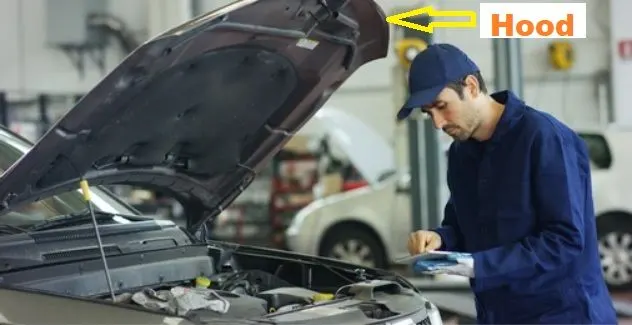
SAFETY CONSIDERATION WHILE DESIGN HOOD: -
Hood of engine design in such a way that reduces air effect and all the maintenance part easy to do and it should also protect from the external disturbance on the engine. When the car comes to an accident it must be impact force and distributed outside so it should be the Y-shape.
While designing Hood should take care of Safety, Quality, Styling, and manufacturing. The Most important safety requirement to be considered while designing the Hood is pedestrian safety from collision from the front side. Pedestrian safety, It’s a norm that provides a safety feature to the body when a car gets collides from the front side and reduces the injuries to the body.
Safety is the most important criteria in automobile designs which concentrate on both pedestrian and occupant safety. Pedestrians are the most vulnerable road users and are at high risk of traffic accidents. The major reason for the fatality of the pedestrian in a traffic accident is due to the head injury resulting from the hard impact of the head against the stiffer hood or the ground. This leads to the necessity of a new inner hood panel that is less stiff and pedestrian and pedestrian-friendly.
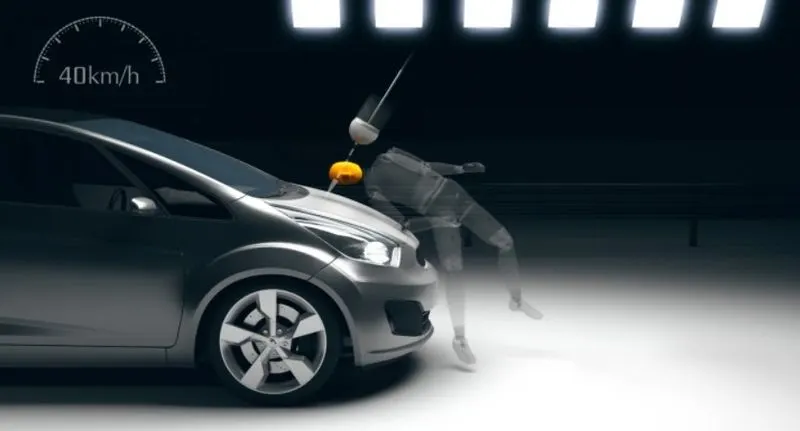
In this study, three kinds of sandwich hood structures are proposed for reducing pedestrian head injuries, including carbon fiber-reinforced polycarbonate, carbon fiber-reinforced foam, and aluminum-reinforced polycarbonate.
The finite element method is used to simulate the impact between the vehicle's hood and the headform impactor. The software used in the simulation is LS-DYNA. The results predicted by the headform-hood tests show that the hood structure with aluminum-reinforced polycarbonate material provides enough absorption capability to protect pedestrians from the impacts of accidents. It is also stiff enough to keep pedestrians' heads away from the inner parts of the engine cavity.
Child Head Impact:
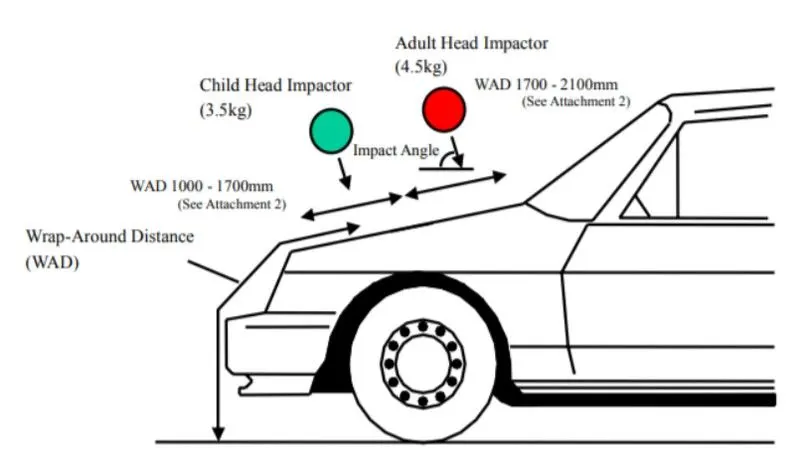
Car-pedestrian accidents account for a considerable number of automobile accidents in industrialized countries. Head injury continues to be more concerned with Automobile impacts. Because the head is the most seriously injured part in many collisions including in pedestrian automobile collisions. To reduce the severity of such injuries international safety committee have proposed subsystem tests in which head foam impactors are impacted upon the car hood
Currently in India, Automotive Indian Standard (AIS) 100, Amendment 1 is used to evaluate the performance of vehicles against pedestrian safety. This standard has been harmonized from the international evaluation standard Global Technical Regulation No. 9 (GTR 9), whose purpose is to bring about an improvement in the construction of the fronts of vehicles and, in particular, those areas which have been most frequently identified as causing injury when in collision with a pedestrian or other vulnerable road user. The tests required are focused on those elements of the child and adult body most frequently identified as sustaining an injury, i.e. the adult head and leg and the child's head. To achieve the required improvements in the construction of vehicles, the tests are designed in such a way that they will represent the rear world accident scenario.
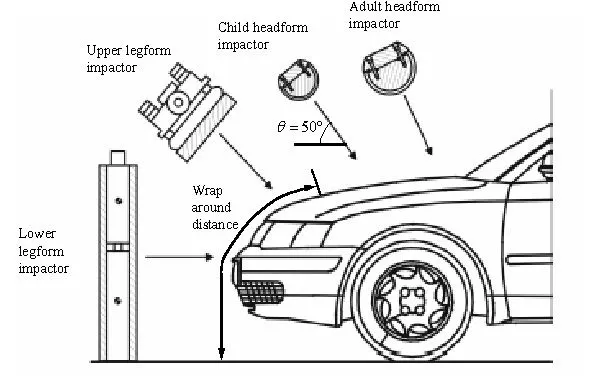
Wrap Around Distance (WAD):
When a car crashes on the pedestrian, the whole human body wraps around the front shape of the car, and the head impacts on the bonnet or the windscreen. The distance at which the head impacts on the car from the ground is mentioned as Wrap Around Distance (WAD).
To be specific the Wrap Around Distance is a measurement of the distance from the ground to the head impact zone over the outer surface of the car. The wrap-around distance is measured longitudinally in the center of the vehicle from the ground.
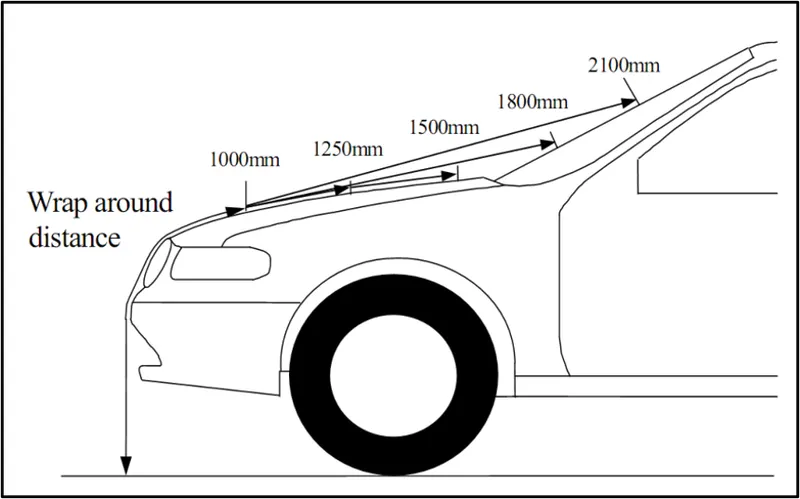
The severity of the injury caused by the frontal crash depends on the type and shape of the vehicle, the speed of the vehicle, and the movement of the pedestrian relative to the vehicle. In addition to these parameters, the wrap-around distance plays a major role in the safety measures of a pedestrian
During the crash analysis, based on the Wrap Around Distance(WAD), two test areas will be created namely the Child head impact zone and the Adult head impact zone. The child head impact zone is between 1000 to 1700 mm WAD and the adult head impact zone ranges between 1700 to 2100 mm WAD.
Designing a Hood with a Master Sketch
Components of a Hood:
- Hood outer panel
- Hood inner panel
- Latch and Striker
- Hinge engine compartment
- Hinge hood part
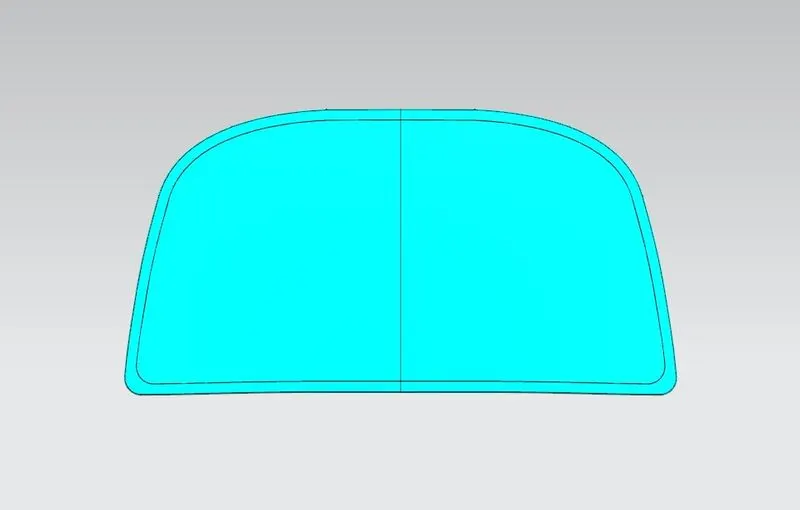
Hood outer panel:
The outer panel is nothing but the outer skin of the inner panel. Otherwise called as a cover of the inner panel. It is the part, which gives luxurious look to the hood or bonnet. The outer panel and inner panel cannot join by any welding process like spot welding or rivet, which spoil the outer look of a car.
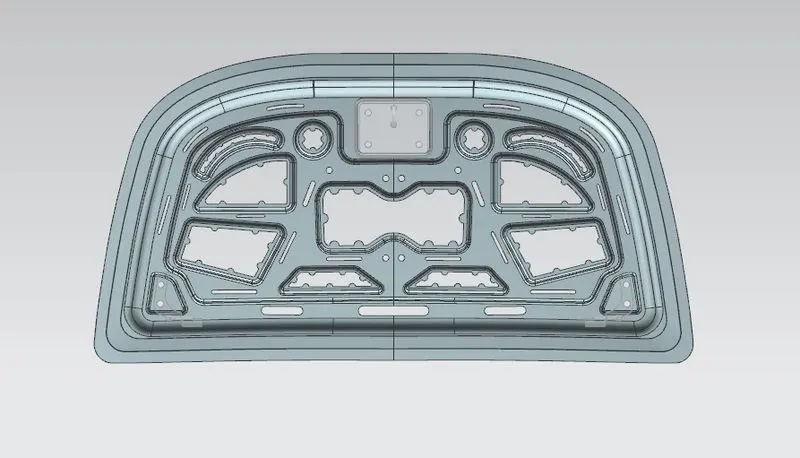
Hood Inner panel:
This study introduces a new method for decreasing the hood stiffness, by making a hole on the inner hood panel.
To determine the most effective hole position on the inner hood panel, the method of modal stiffness was employed, in an attempt to reduce the HIC from a collision between a vehicle and a head-form impactor.
FRF (frequency response function) results for the reference vehicle model on head-form impact simulation were obtained. In addition, modal analysis of the entire vehicle model was simultaneously carried out.
Subsequently, using the results of these two analyses, dominant frequencies (41.7 Hz and 83.3 Hz) were obtained, which related to the deformation of the inner hood panel. Then, adequate hole positions at each modal frequency were selected, and the inner hood panel was improved, by making a hole at these positions.
Finally, through head-form impact simulations on the improved vehicle model with the hole, it was demonstrated that the new method applied in this study is acceptable and useful. In the case of the improved vehicle model with a 40 mm diameter hole on the inner hood panel, this showed a significant reduction in the HIC of approximately 12.2%, compared to the original vehicle model.
Striker:
A latch or catch (called sneck in Northern England and Scotland) is a type of mechanical fastener that joins two (or more) objects or surfaces while allowing for their regular separation. A latch typically engages another piece of hardware on the other mounting surface. Depending upon the type and design of the latch, this engaging bit of hardware may be known as a keeper or strike.
A latch is not the same as the locking mechanism of a door or window, although often they are found together in the same product.
Latches range in complexity from flexible one-piece flat springs of metal or plastic, such as are used to keep blow-molded plastic power tool cases closed, to multi-point cammed latches used to keep large doors closed.
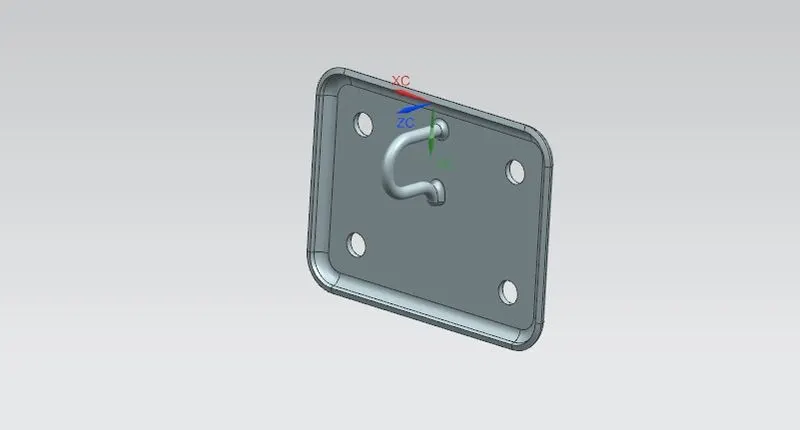
Hinge Reinforcement:
Devices for preventing movement between relatively-movable hinge parts for maintaining the hinge in two or more positions, e.g. intermediate or fully open the maintaining means acting perpendicularly to the pivot axis with a coil spring perpendicular to the pivot axis specially adapted for vehicles
The present invention concerns a hinged door check, for vehicle doors, in particular, consisting of two hinged parts which are connected swiveling around an axis of rotation by a hinge pin and which have a holding device integrated between them defining different relative rotational positions.
The hinge pin is connected detachable from the first hinged part by fasteners so that the hinged parts are separable when unloosening the fasteners while keeping the connection between the hinge pin and the second hinged part and the holding device assigned to the latter.
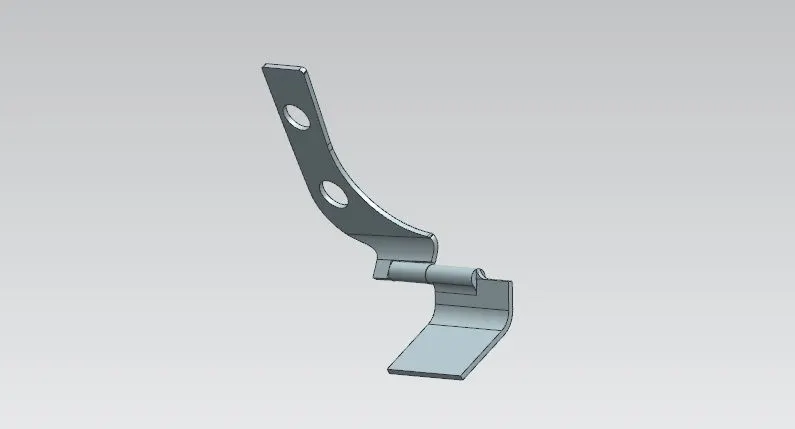
Position of Stiker and Hinge Reinforcement:
For the proper opening and closing of the hood, the striker should be perpendicular to the trajectory of the hood. For this, the hinge is assembled at its position. Once it is placed, the hinge axis is drawn.
- To check the hinge axis as the center we draw a big circle to position the latch in such a way that it is perpendicular to the hood trajectory.
- In between the two hinges, the striker is perpendicular to the midpoint of the two hinges, Why because while closing and opening of the latch and the striker the opening position be similar actions.
Striker & Hinge Reinforcement:
Hinge:- It is used to mount the Hood into the desired position so that it can be easily can close and open when required.
Striker:- It is mounted in the inner panel and provides a locking system.
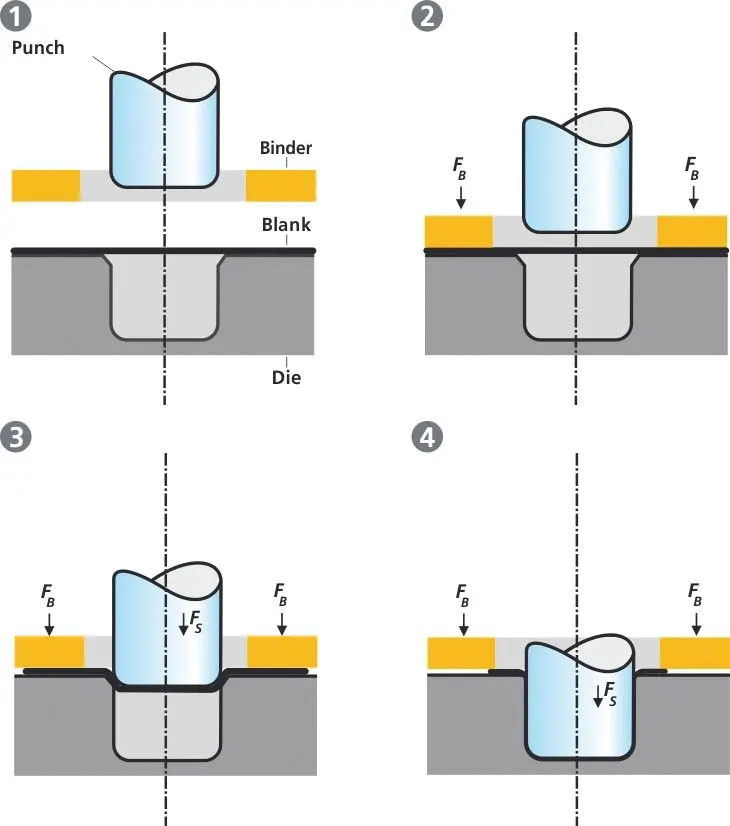
Deep drawing-
Deep drawing is a sheet metal forming process in which a sheet metal blank is radially drawn into a forming die by the mechanical action of a punch. It is thus a shape transformation process with material retention. The process is considered a "deep" drawing when the depth of the drawn part exceeds its diameter.
We give a positive draft or an angle for a better drawing process.
Process definition:
The deep drawing process is a forming process that occurs under a combination of tensile and compressive conditions. A flat sheet metal blank is formed into a hollow body open on one side or a hollow body is formed into a hollow body with a smaller cross-section. [DIN 8584]
Deep drawing processes are divided into three types:
- Deep drawing with tools
- Deep drawing with active means
- Deep drawing with active energy
In the automotive industry, deep drawing is usually carried out using rigid tools.
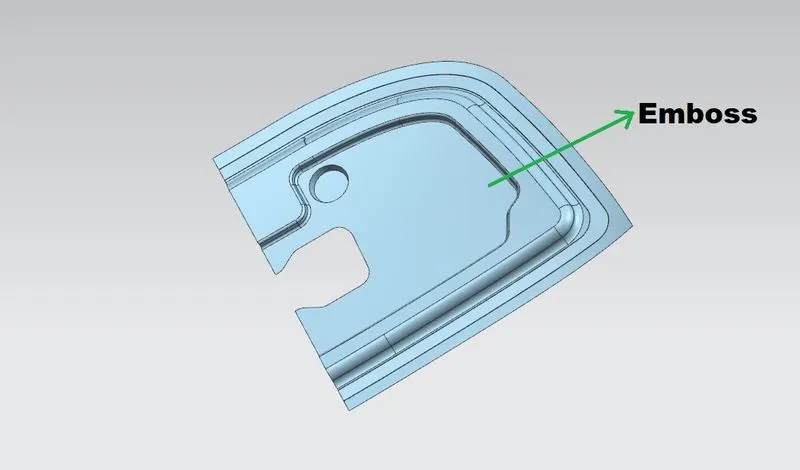
Emboss:
Embossing is a metal forming process for producing raised or sunken designs or relief in sheet material by means of matched male and female roller dies, theoretically with no change in metal thickness, or bypassing sheet or a strip of metal between rolls of the desired pattern.
The metal sheet is drawn through the male and female roller dies producing a pattern or design on the metal sheet. Depending on the roller dies used, different patterns can be produced on the metal sheet.
Emboss should be in 7 degrees to 25-degree incline in angle and it should not be in 90-degree angle, why because when we do stamping in manufacturing the stamping tool fits the sheet metal hence it will not come out of that sheet metal, So this is the main reason why the emboss face is in angle.
Characteristics of the metal embossing process include:
- Its ability to form ductile metals,
- Its use in medium to high production runs,
- The ability to maintain the same metal thickness before and after embossing,
- The ability to produce unlimited patterns, depending on the roll dies, and
- The ability to reproduce a product with no variation.
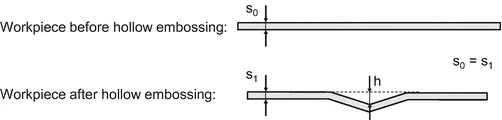
Hollow Embossing
In hollow embossing, the thickness of the raw material is retained during forming. A depression on one side faces a bump on the other side of the workpiece.
MASTIC SEALANTS
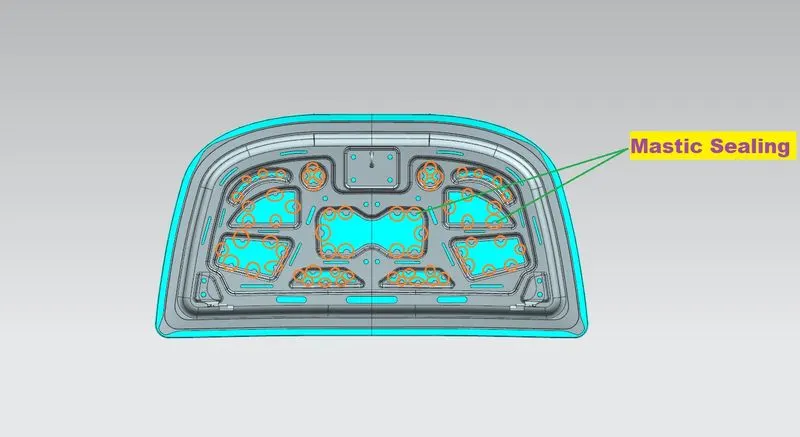
A mastic sealant is a type of liquid sealant that cures in an elastic state, thus making it flexible while holding the bond of the surfaces that have attached together. It adheres to just about any material making an all-purpose type of sealant.
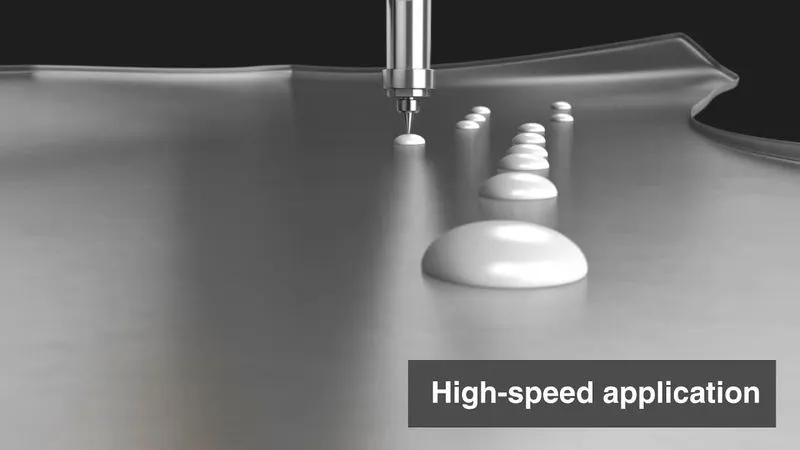
- The main purpose of the outer panel is for aesthetic looks. Thus we cannot use bolts or welding. This has to be done with the help of hemming and mastic sealants. Mastic sealants are elastic compound that behaves like the rubber. It is placed between the outer and inner panels. Initially is it in paste form, but after the hot furnace bath, it gets hardened thus joining the outer and inner panel. Mastic sealant has the tendency to increase the strength of the panel and has the influence of 80mm diameter.
PROS:
- One positive characteristic of mastic sealant is that it has a very smooth exterior while keeping its rigid form underneath.
- Surfaces do not have to be primed when using this type of sealant, and although applied thick, it adheres smoothly to any surface. It is important that the area to be joined or sealed be clean and dry, just like any other sealant on the market.
HEMMING PROCESS
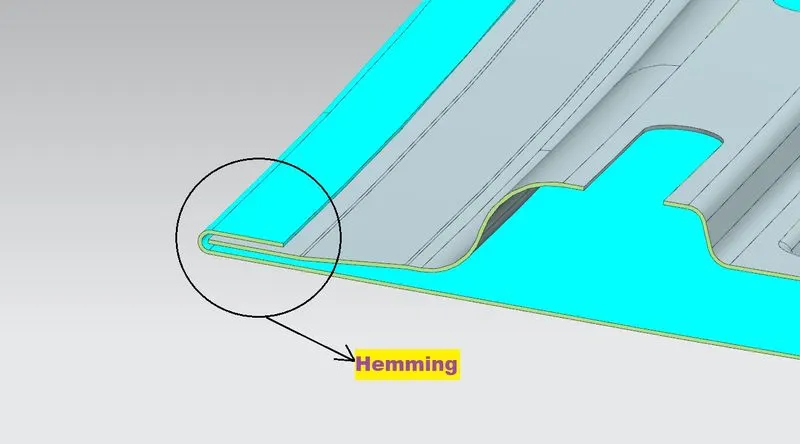
Hemming is a forming operation in which the edges of the sheet are folded or folded over another part in order to achieve a tight fit. Normally hemming operations are used to connect parts together, to improve the appearance of a part, and to reinforce part edges. Conventional die hemming.
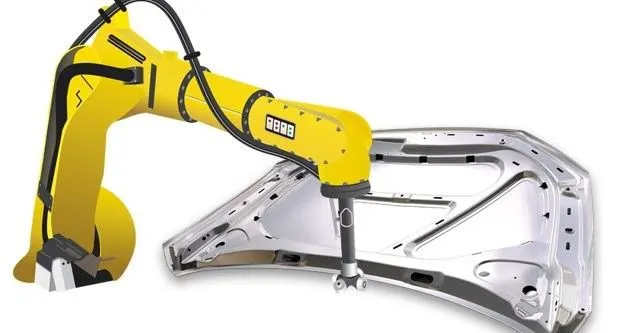
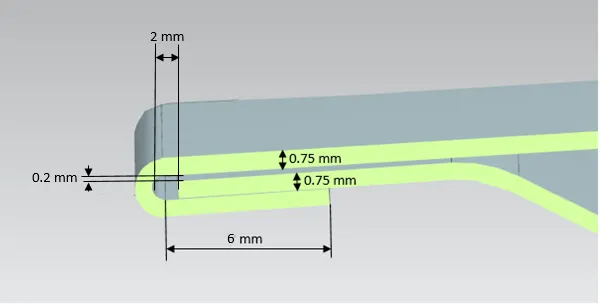
- Hemming is the process in which the edge is rolled flush to itself, while a seam joins the edges of two materials. Normally hemming operations are used to connect parts together, to improve the appearance of a part, and to reinforce part edges. In hood design, hemming is used in assembly as a secondary operation after deep drawing, trimming, and flanging operations to join two sheet metal parts (outer and inner) together. Dimensions of hemming are given below.
- In between the outer panel and inner panel, there will be gluing after or before the hemming process because to reduce NVH and also sticking the two panels.
Types of Hemming:
conventional die hemming
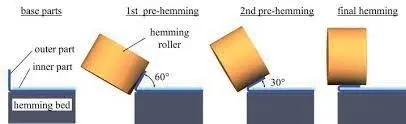
In conventional die hemming, the flange is folded over the entire length with a hemming tool.
Roll hemming
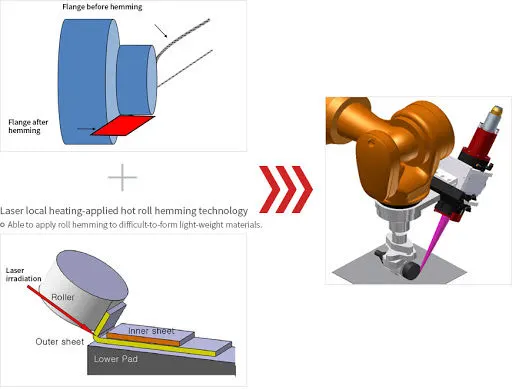
In roll hemming, the hemming roller is guided by an industrial robot to form the flange.
While manufacturing the hood we choose Roll hemming only.
Hemming Parameters:
RELIEF CORNER
Relief is provided onto the part or component in order to remove any stresses developed in a particular area i.e sharp corners that take place during the hemming process are carried out. Thus corners are rounded or chamfered.
We leaving 2 mm from sheet metal for the Roll hemming process.
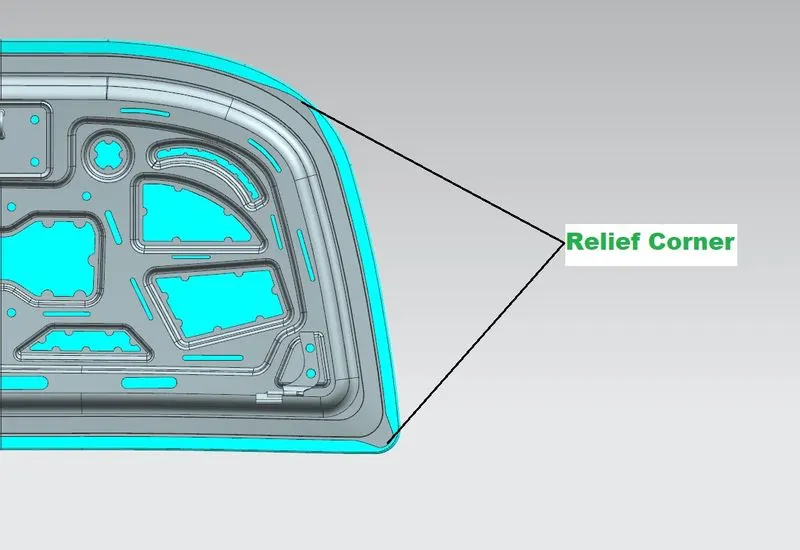
Corner Relief Parameters:
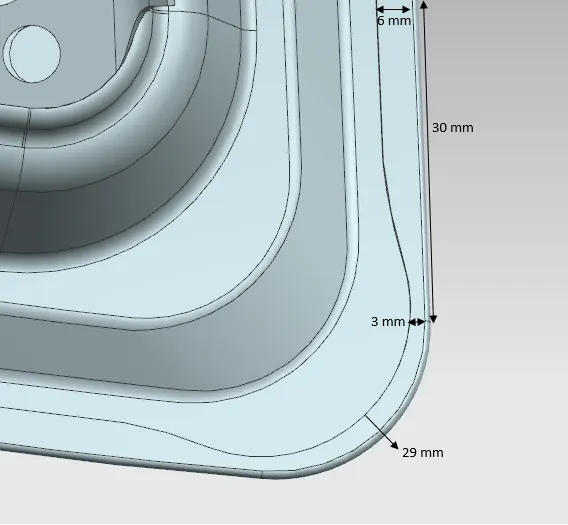
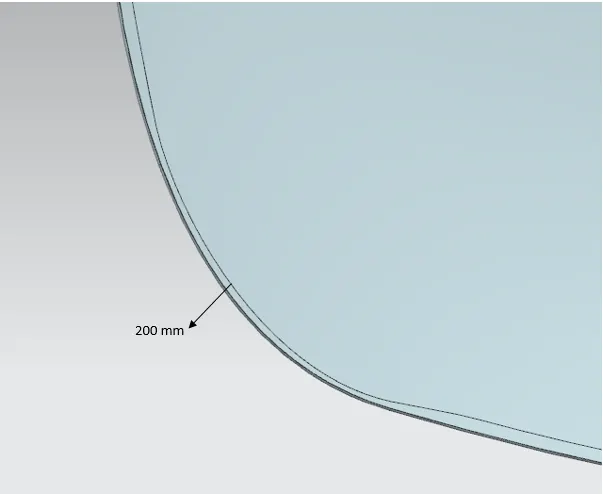
Features Used in NX Cad
Offset Surface:
The offset surface command is used to offset a surface or face. Selecting a surface to offset will generate an IntelliShape offset surface that is defined by the originating surface. This IntelliShape will update if the originating surface is modified
Offset in the face:
Use the Offset Face command to offset one or more faces along the face normals. You can offset faces either by positive or negative distances, provided the topology of the body does not change.
Trim sheet:
Use the Trimmed Sheet command to trim sheet bodies to intersecting faces and datums, and projected curves and edges.
Through curves:
through curves, the command used to create a body through multiple sections where the shape changes to pass through each section. Sections are curves, points, solid edges, solid faces.
Law Extension:
Use the Law Extension command to extend an existing surface or sheet based on the laws for distance and the angle of the extension. Law Extension creates flanges or extensions when a particular direction is important or when it is necessary to reference the existing face
Trim and extend:
This option lets you extend and trim one or more surfaces using a set of tool objects composed of edges or surfaces. 1 Two intersecting solid bodies. 2 Selected body on the right is the object to trim (the target).
Face Blend
Face Blend is enhanced to provide a dedicated type for blending along intersection edges of bodies combined with a Boolean feature. Face Blend is primarily used to blend between faces of separate bodies. It can also be used to blend between faces of a single body.
Edge blend
Edge blend command uses to round sharp edges between faces. The radius can be constant or variable.
Emboss
Emboss is mainly used on surfaces, you can use an intersecting solid as Michael shows, you can also use a curve or sketch profile. create your sheet feature. select emboss, and select your face and sketch. Attached is an example of an embossed sheet.
Sketch:
Creates a sketch in the current application. Use the direct sketch tools to add curves, dimensions, constraints, etc.
Datum plane:
Creates a datum plane used to construct other features.
WAVE Geometry Linker:
Copies geometry from other parts in the assembly into the work part.
Extend sheet:
Extend a sheet body by distance or to the intersection with another body.
Mirror geometry:
Copies geometries and mirror them across a plane.
Sew:
sew command used to combine sheet bodies by sewing common edges together, or combines solid bodies by sewing common faces. The selected sheet bodies must not have any gaps larger than the specified tolerance
Thicken:
Use the Thicken command to offset one or more connected faces or sheets into a solid body. Thickening occurs by offsetting the selected faces along their face normals and then creating sidewalls. The Thicken command is similar to the Offset Face command.
The curve on a surface:
Creates a surface spline features directly on the face.
Extract body:
Use the Extract Body command to create an associative body by extracting faces from another body.
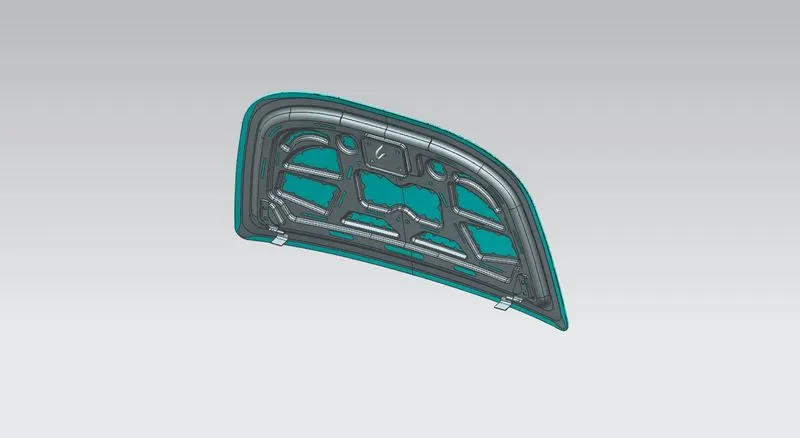
Hood Assembly Views
Front View:
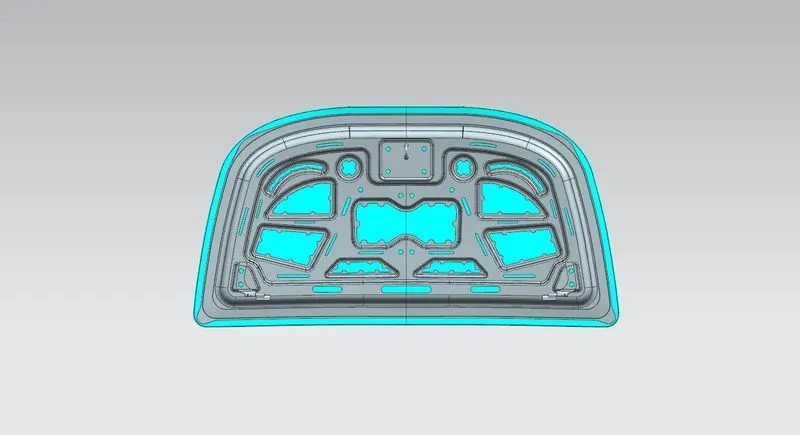
Back View:
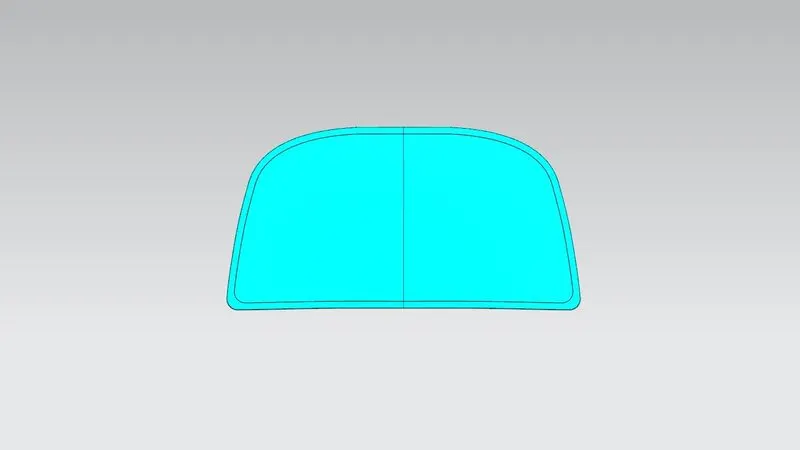
Top View:
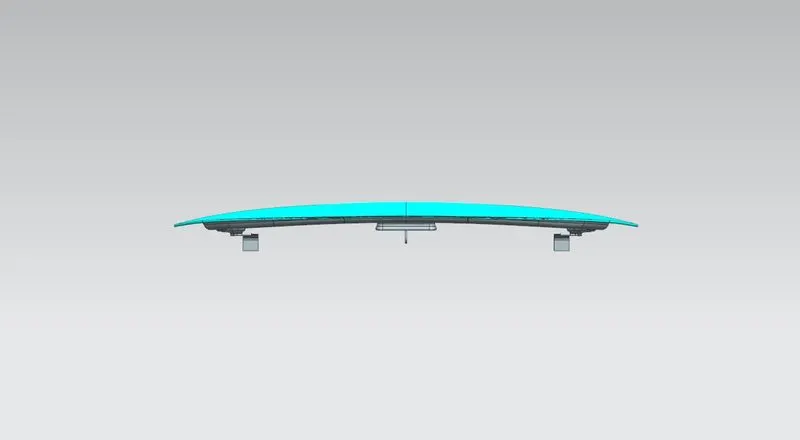
Bottom View:
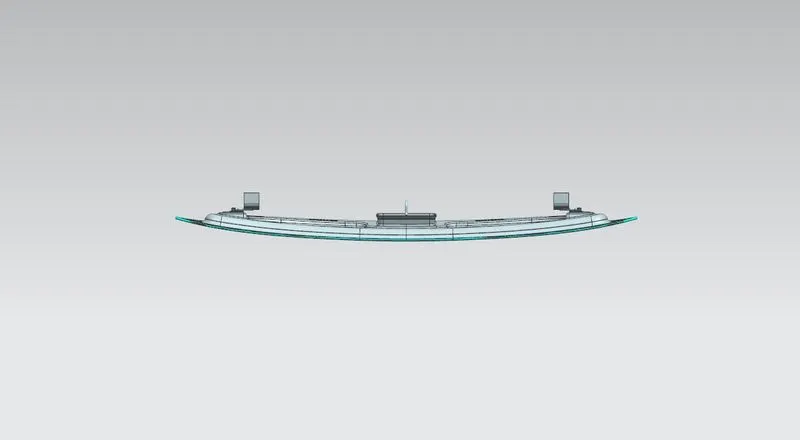
Side View:
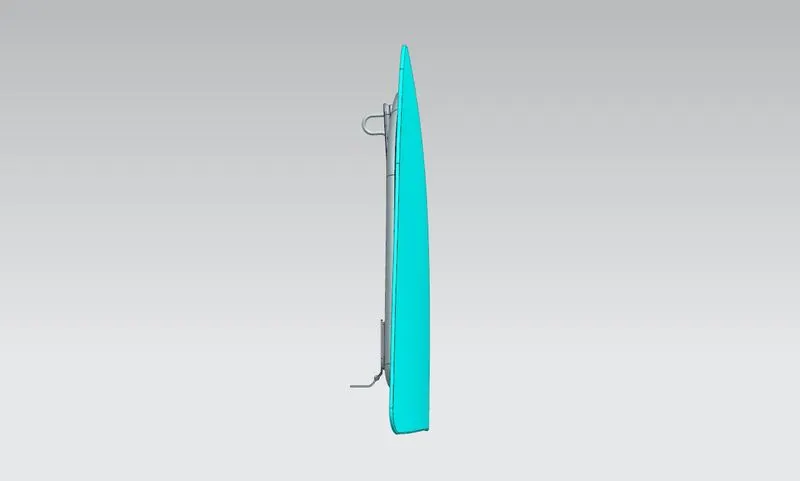
Isometric View:
Conclusion:-
The Hood design successfully completed with help of NX Cad Tools. Surface Tools are most commonly used to design hood, tools like Offset Surface, Trim Sheet, Law Extension, Emboss, etc.,