Hood design-Week 2
Designing of car Hood :
A car hood, also referred to as a bonnet in some other countries, is the hinged cover that rests over the engine of a front-engine vehicle. Its purpose is to provide access to the engine for repair and maintenance. A concealed latch is typically used to hold down the hood. On vehicles with an aftermarket hood and on racecars, hood pins may be used to hold down the car hood. Hoods sometimes also contain a hood scoop, wiper jets, power bulge, and/or hood ornament. Car hoods are typically constructed from steel and sometimes from aluminum. Aftermarket car hoods may be constructed from various other materials, including carbon fiber, fiberglass, or dry carbon.
Parts involed in this hood design are :
- Outer hood pannel
- Inner hood pannel
- Striker
- Hinges
- Hinge reinforcement
- Striker reinforcement
Hood Outer pannel :
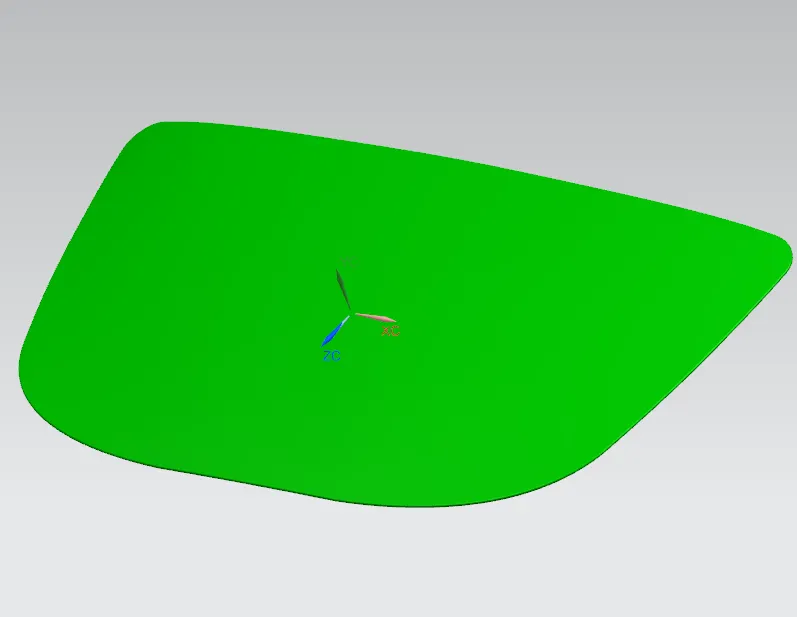
First look of hood gives by outer pannel of the hood . The outer panel is actually called the skin of the vehicle which is designed by the styling team to get a good look for a vehicle by covering the inner panel and engine parts of the car. This part should not be welded to the inner panel but by using the hemming procress and mastic points makes contact between the inner and outer panel which acts as a bond between both and makes the hood stiff .
Hood Inner pannel :
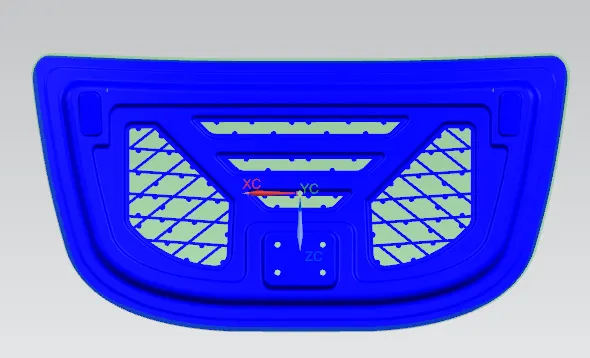
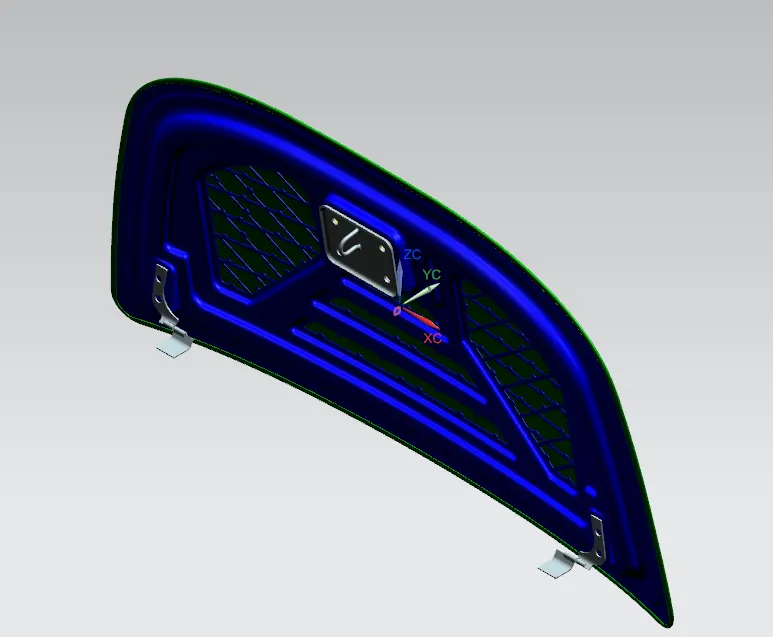
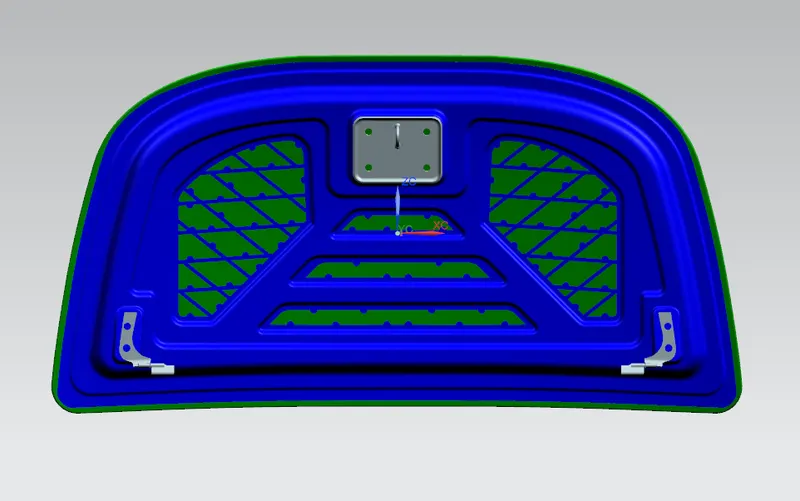
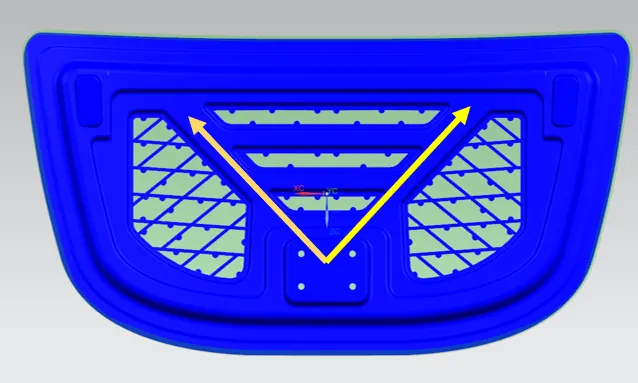
The main part of the hood which gives support to the outer panel of the car and with its embossing shapes dissipates the force in different directions when the vehicle takes crashes to not to injure the men in the car. Mastics points, hinge and stirker positions are provided on the hood inner pannel.
Striker :
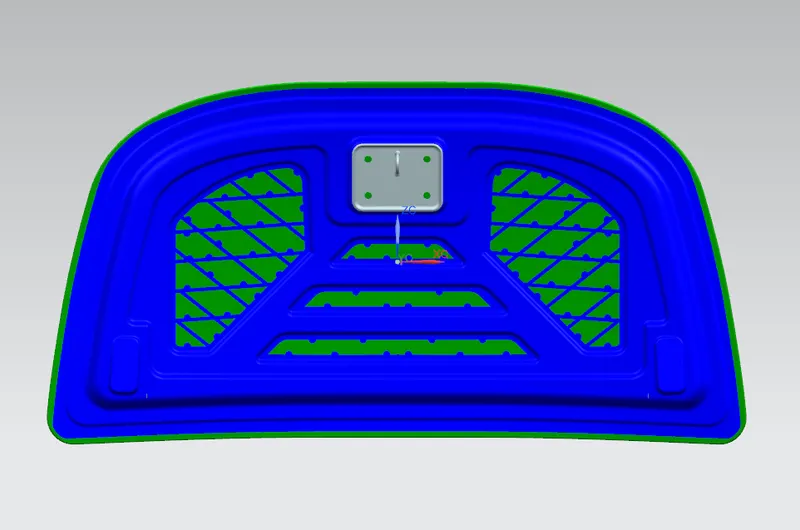
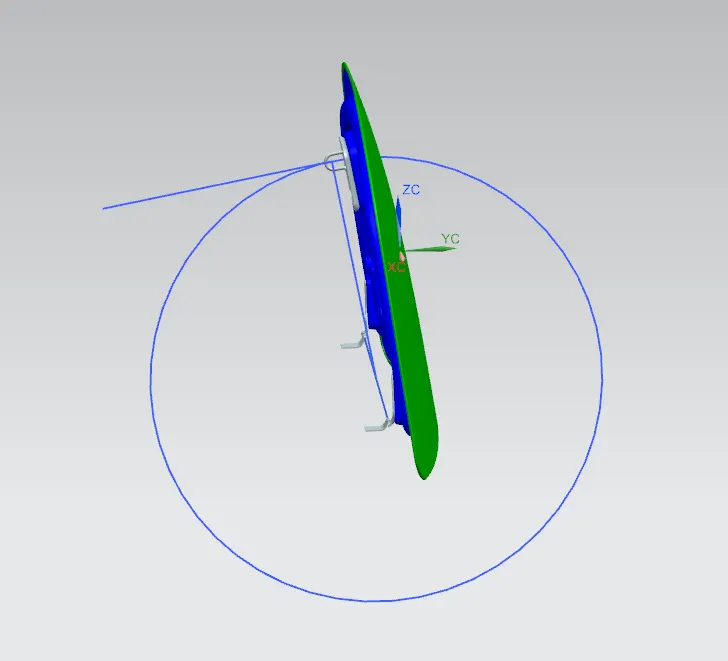
It is a part that helps in locking the hood with the striker which is mounted on the engine block when it is not in use. It plays a major role in opening and closing hood for maintenance of car engine and gives a tight locking position not to create undisturbed noises when the vehicle is running. Trajectory of hood as shown in below figure.
Hinges:
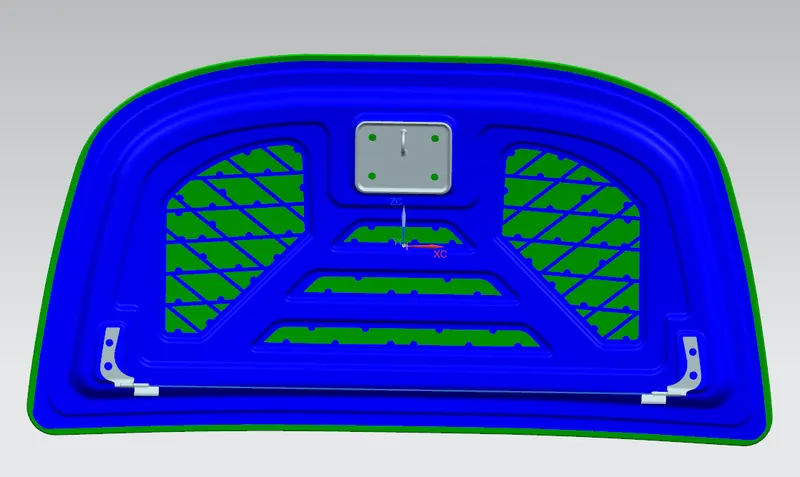
The hinge consists of two parts- hinge at the inner panel and hinge at the engine compartment. This coupling allows the hood to open and close, as well as makes contact between the engine block to the hood. It also controls the lifting of the bonnet mitigates the consequences of a collision between a pedestrian and a vehicle.
Striker and Hinge Reinforcement :
 `
`
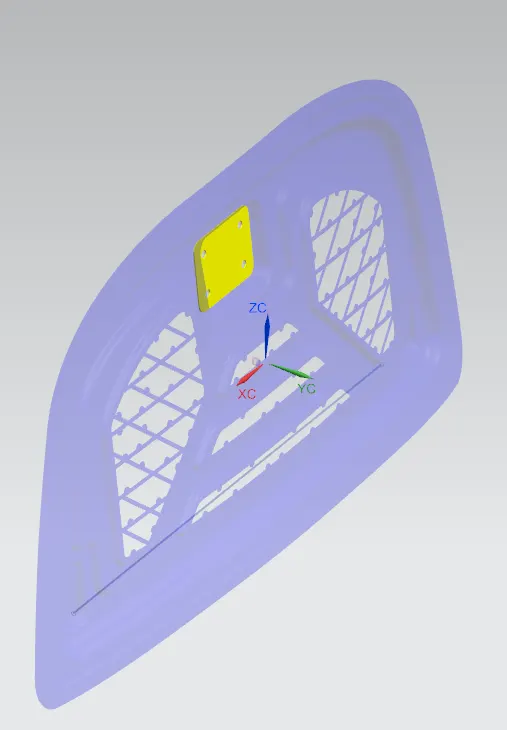
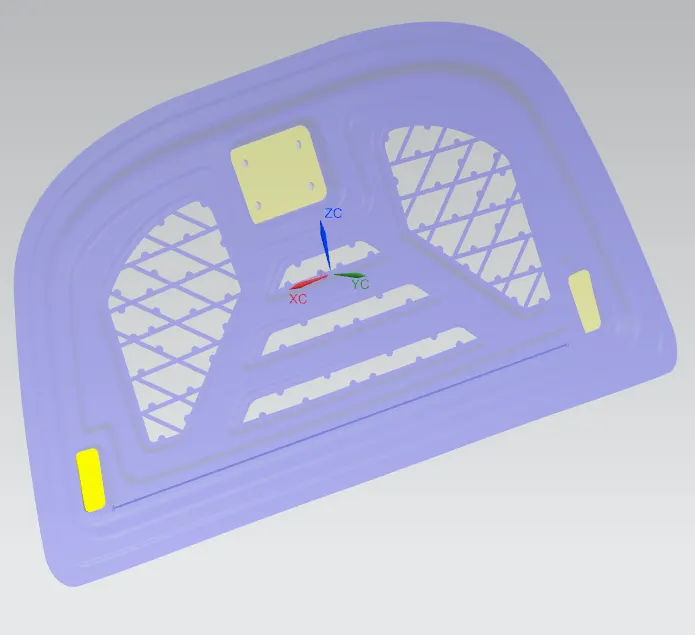
The area near hinge and latch has more chances of failure in the hood panel. Hence to avoid any failure, the hinge and latch areas are reinforced with extra material whose thickness is usually determined by the type of vehicle. here thickness of the striker reinforcement is 1.5 mm and respectivly hinge reinforcement thickness is 1.5 mm .
Assembly of the hood :
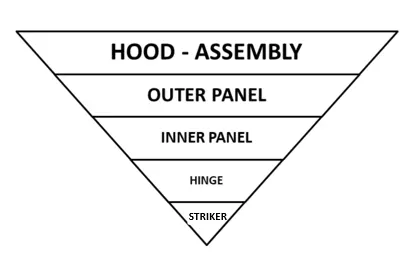
Here i have used the Top down apporch for assembly :
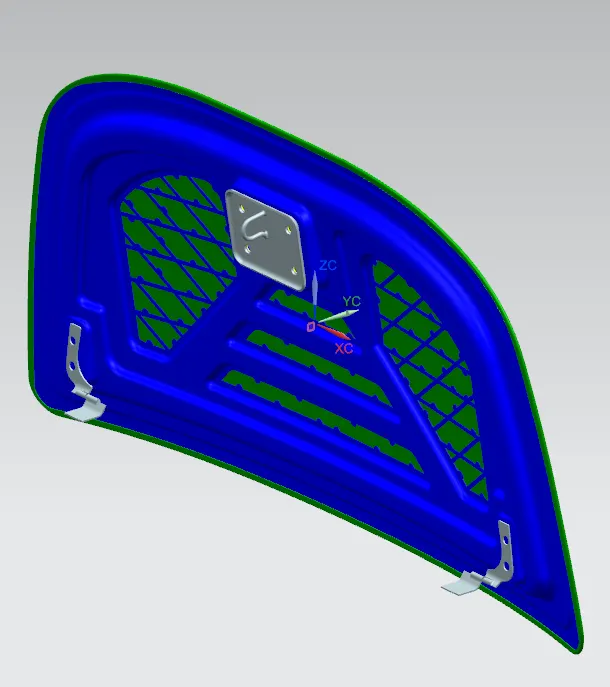
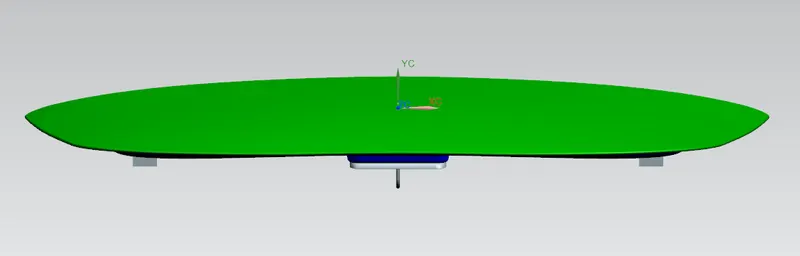
- Outer and inner Pannels are assembled with help of hemming process and mestic points as shown in below image
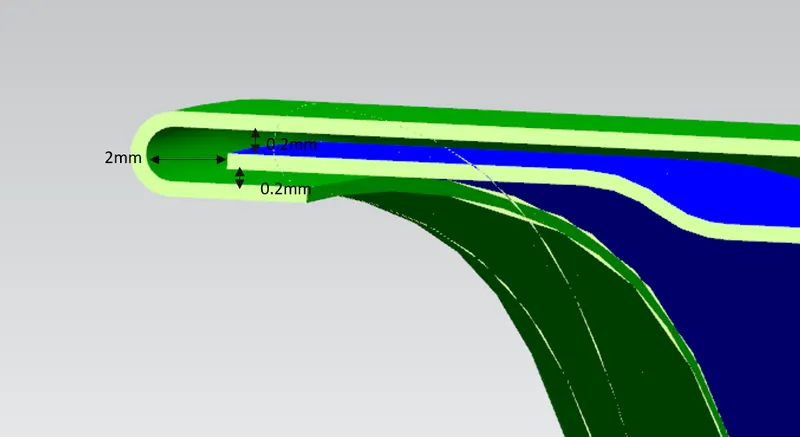
- Rear relief :
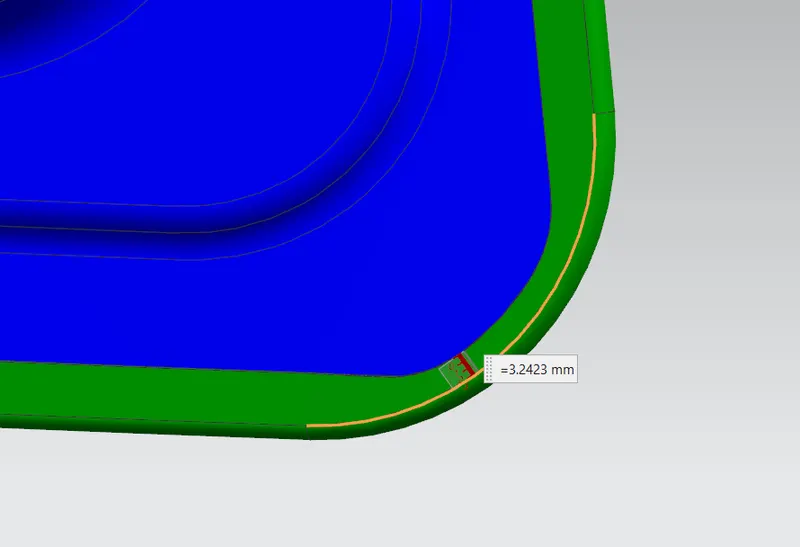
- Front relief :
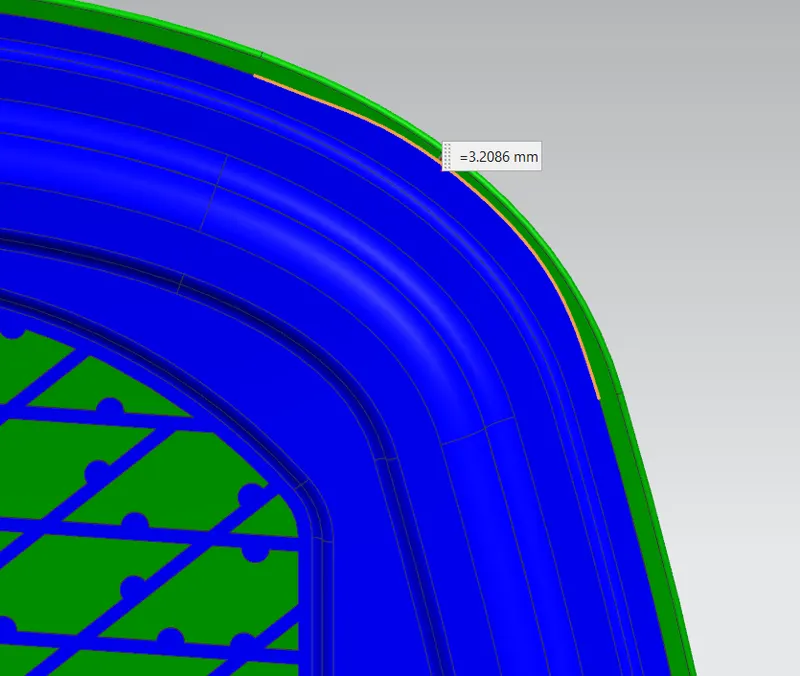
- Mestic point to Outer pannel space :
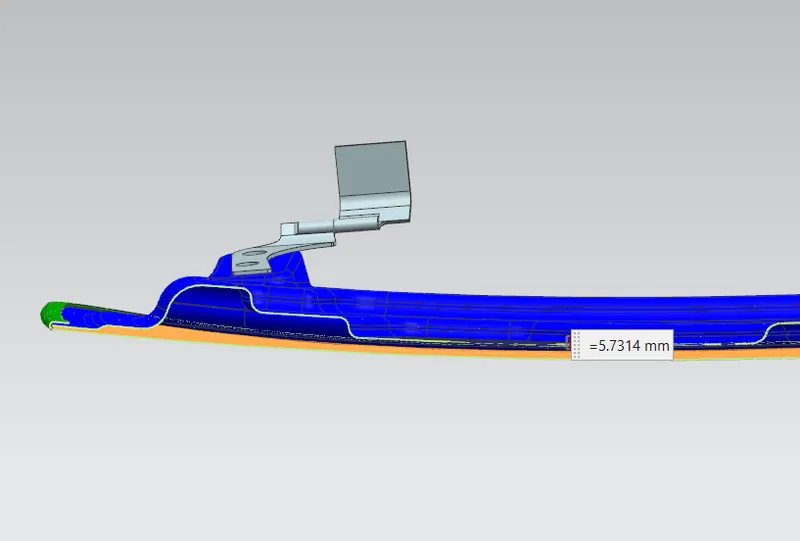
- Hinges are assembles with inner panel where hinge emboss is provides and hinge is line parallel to x axis as shown in below figure .
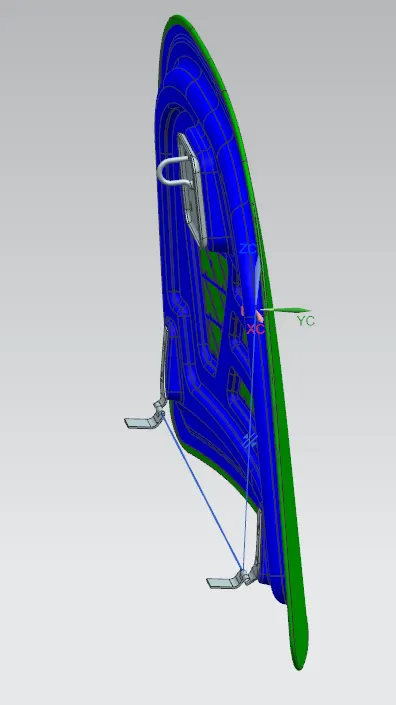
- Striker is assembled on hood inner pannel with latch trajectory fixed with hinges .
- Hinge and stiker Reinforcement are provied on inner pannel parallel to hinge and striker
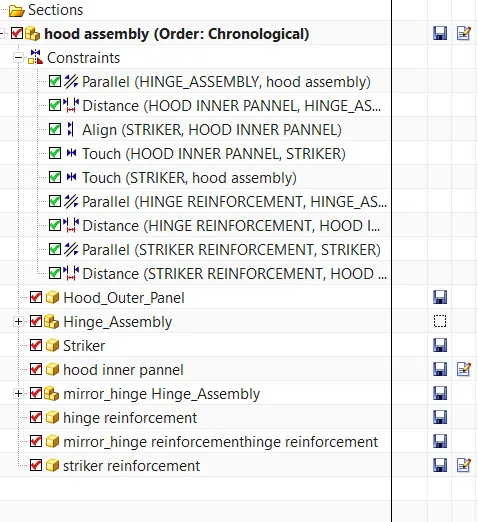
Tree struture of Hood assembly :
Conlusion :
Finally the Body in white Hood of a car was designed as per the industrial manufacturing requirements following the Euro NCAP standards.