Hood design-Week 2
HOOD DESIGN
SUMMARY
AIM
HOOD DESCRIPTION
PROBLEMS CAUSED BY HOOD
HOOD DESIGN METHODOLOGY
ASSEMBLY OF HOOD
ASSEMBLY TRAJECTORY
CONCLUSION
AIM
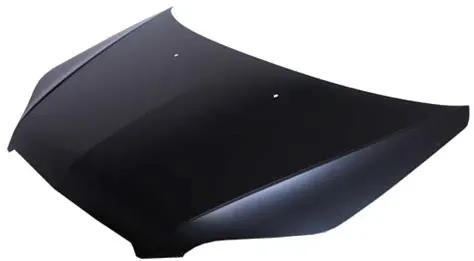
To design hood outer and inner panel with assembly of striker and hinge reinforcements.
HOOD DESCRIPTION
Terminology
In British terminology, hood refers to a fabric cover over the passenger compartment of the car (known as the 'roof' or 'top' in the US). In many motor vehicles built in the 1930s and 1940s, the resemblance to
an actual hood or bonnet is clear when open and viewed head-on; in modern vehicles it continues to serve the same purpose but no longer resembles a head covering.
Styles and Materials
On front-engined cars, the hood may be hinged at either the front or the rear edge, or in earlier models (e.g. the Ford Model T) it may be split into two sections, one each side, each hinged along the centre line. A
further variant combines the bonnet and wheelarches into one section and allows the entire front bodywork to tilt forwards around a pivot near the front of the vehicle (e.g. that of the Triumph Herald).
Hoods are typically made out of the same material as the rest of the body work. This may include steel, aluminium, fiberglass or carbon fiber. However, some aftermarket companies produce replacements for
steel hoods in fiberglass or carbon fiber to make the vehicle lighter.
Pedestrian safety
In Japan and Europe, regulations have come into effect that place a limit on the severity of pedestrian head injury when struck by a motor vehicle. This is leading to more advanced hood designs, as evidenced by
multicone hood inner panel designs as found on the mazda rx-8 and other vehicles. Other changes are being made to use the hood as an active structure and push its surface several centimeters away from the
hard motor components during a pedestrian crash. This may be achieved by mechanical (spring force) or pyrotechnic devices.


A flipfront hoo

A rear-hinged clamshell hood on a saab 9-5
PROBLEMS CAUSED BY HOOD
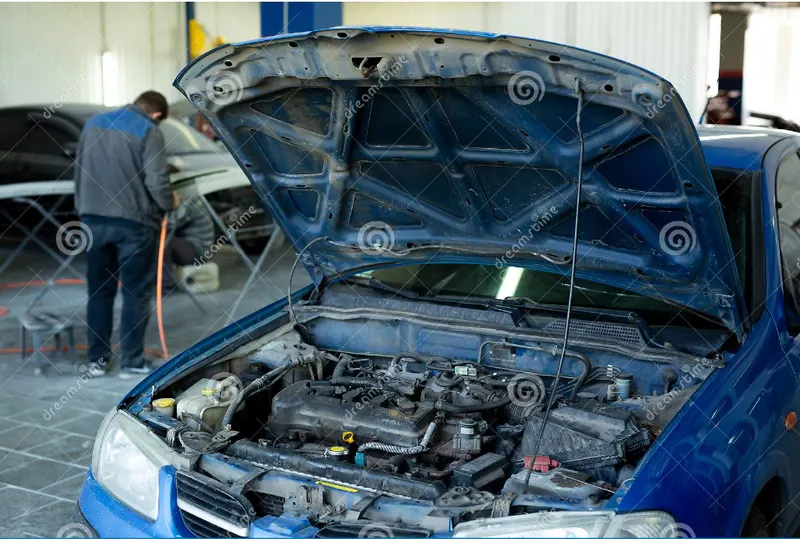
Inspect The Hood For Signs Of Damage
- It is important to inspect the hood regularly for signs of wear and tear
- Dents, scratches, and rust are all indicative of hood damage, and if left unaddressed, this damage can lead to serious problems down the road.
- Not only will damaged hoods decrease the resale value of the car, but they can also cause performance issues.
- If you notice any damage to your hood, be sure to have it repaired as soon as possible.
- By taking this proactive step, you can help keep your car running smoothly for years to come.
The Hinges And Seals Become Worn Or Damaged
- In most cases, the damage is due to corrosion from weather and water exposure.
- Over time, this corrosion can cause the hinges to weaken, making it more difficult for the hood to stay closed.
- In some cases, the hood may even pop open while the car is in motion.
- This can be extremely dangerous, as it can obstruct the driver’s view and lead to an accident.
- This can cause the hood to leak or allow water and debris to enter the engine compartment.
- To fix this problem, inspect the hinges and seals for any signs of wear or damage.
- If necessary, replace them with new parts.
Not Closing Properly
- This can be caused by a number of factors, including a loose hood latch or damaged hinges and seals.
- To fix this problem, simply check the hood latch and hinges to make sure they are secure and functioning properly.
- If necessary, replace them with new parts.
Flying Up While Driving
- This can be extremely dangerous, as it can obscure the driver’s view and lead to an accident.
- To prevent this from happening, be sure to close the hood securely before driving.
- If the hood does come loose while driving, pull over immediately and stop the car.
The Hood May Fly Off Entirely While Driving
- This is also very dangerous, as it can expose the driver and passengers to serious injury.
- To prevent this from happening, be sure to close the hood securely before driving and avoid driving with the hood open unless absolutely necessary.
- If the hood does come off while driving, pull over immediately and stop the car.
Rust On The Hood
- Rusting on the hood of the car is unsightly and can diminish the value of the car.
- Rust is caused by a reaction between iron and oxygen, and it can occur when the hood is exposed to moisture.
- Once the rust starts, it can spread quickly, so it’s important to take care of it as soon as possible.
- There are a few different ways to remove rust from the hood of the car.
- One option is to use a rust converter, which turns the rust into a protective coating.
- Another option is to sand down the area until the rust is gone and then repaint it.
- Whatever method you choose, be sure to follow the instructions carefully to avoid damaging the hood.
HOOD DESIGN METHODOLOGY
- DESIGN INNER PANEL
- DESIGN OUTER PANEL WITH HEMMING
- ASSEMBLE STRIKER AND HINGES
- CLEARANCE AND RELIEF
Inner Panel
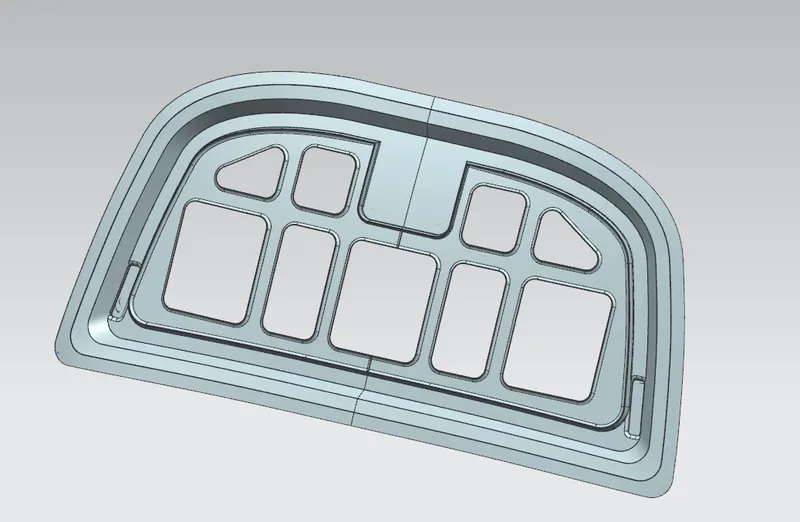
Inner panel is a reinforcement for outer panel. It gives strength to outer panel when heavy loads are applied on outer panel
OUTER PANEL
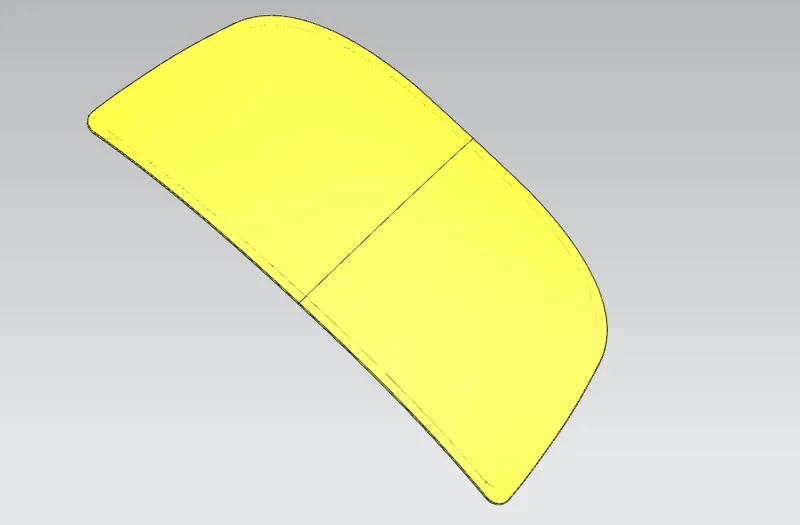
Outer Panel covers the inner panel and it is attatched to the car with help of hinges.
ASSEMBLY OF HINGES AND STRIKER
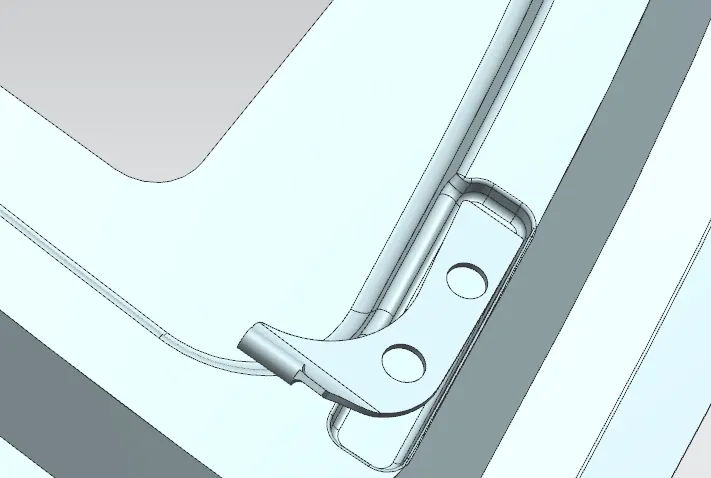
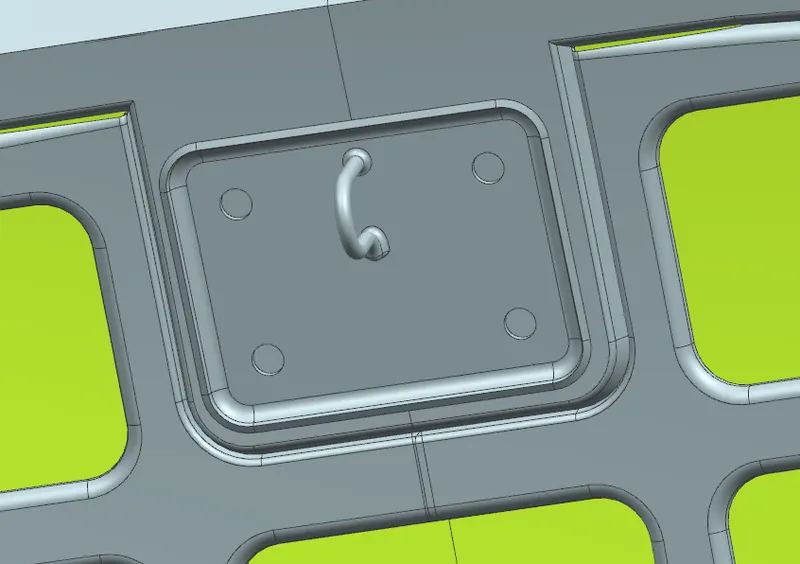
Hinges and striker are reinforcements to attach the hood to the engine compartment.
CLEARANCE
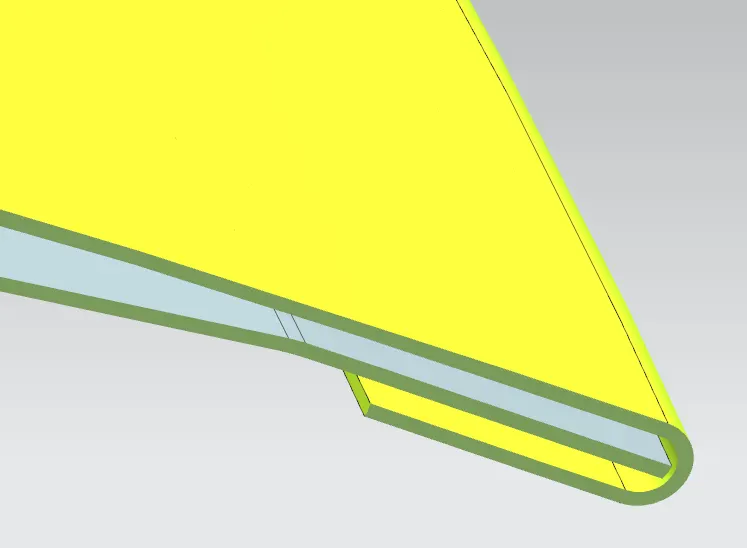
The clearance between hemming of outer pannel and inner panel is provided as ordered.
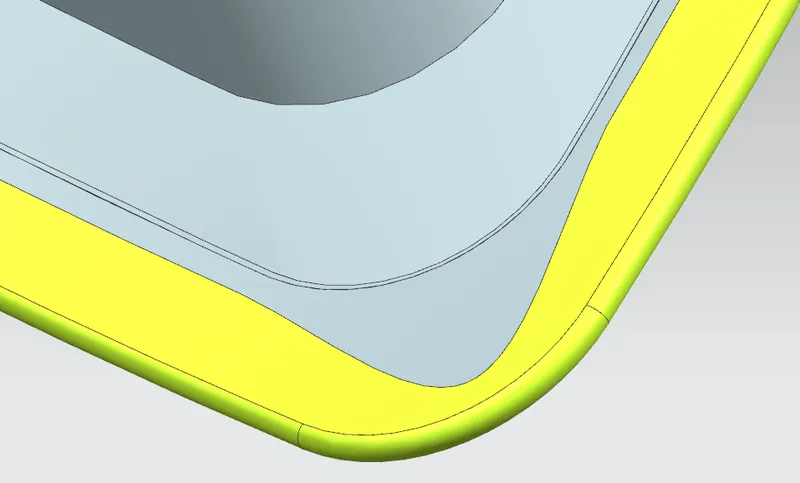
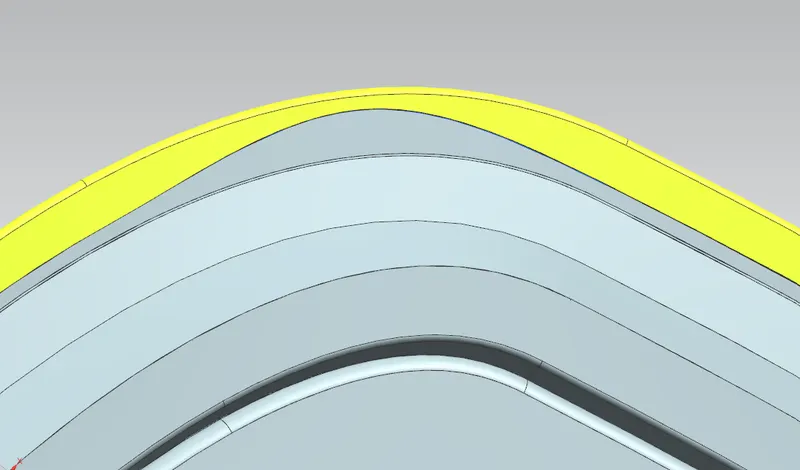
To supress the load on the edges of hemming, a relief is given at the edges as ordered in the design.
ASSEMBLY OF HOOD, STRIKER AND HINGES
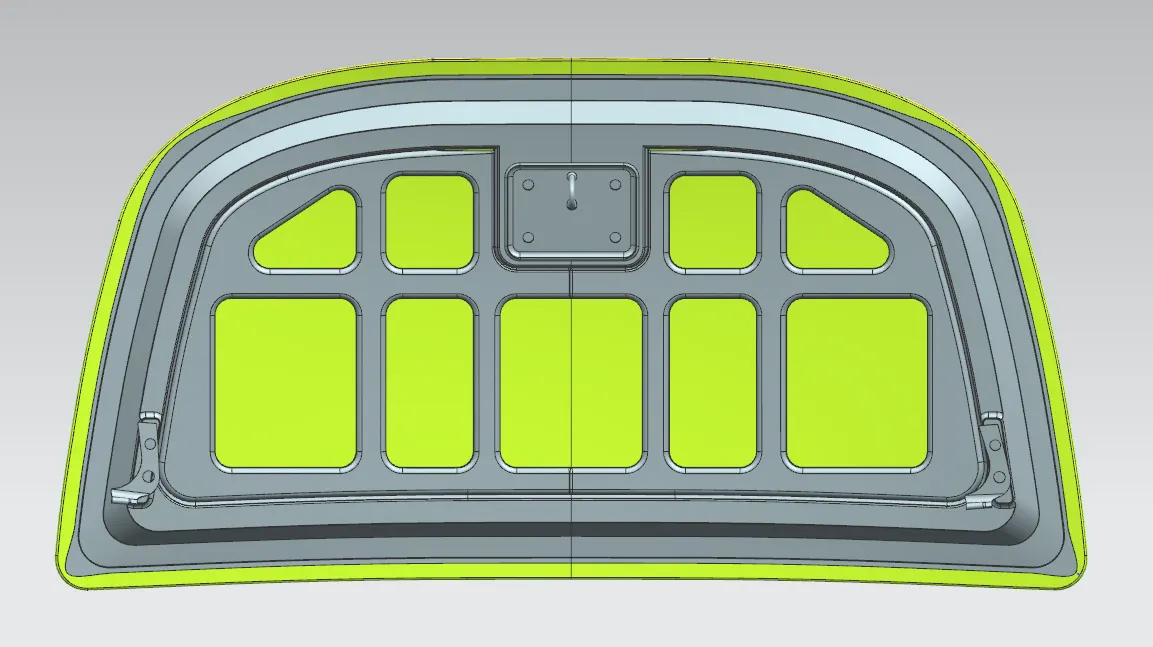
Total assembly of hood, striker and assembly as advised by the rules.
ASSEMBLY TRAJECTORY
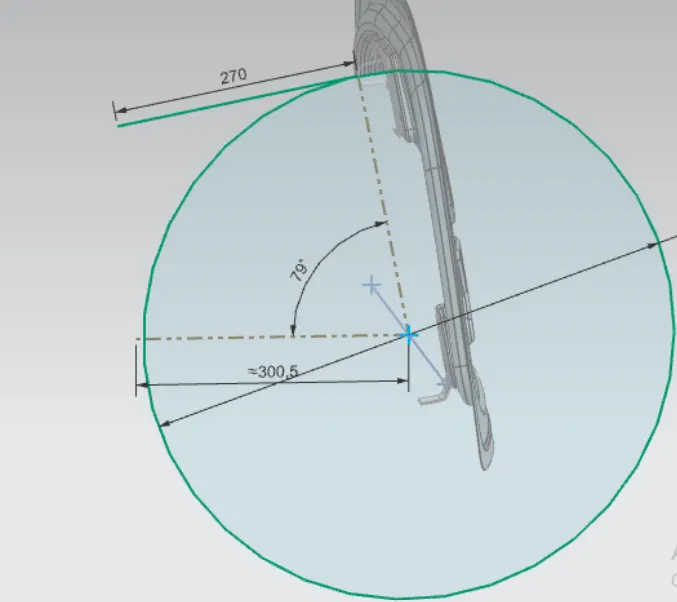
This assembly trajectory helps the user to assemble the parts in correct position.First we have to draw the reference lines and circles to postion the hinges and strikers. This will help them to align in correct
position.
CONCLUSION
- With the help of master sections and design considerations we have designed the hood outer panel and inner panel.
- Assembly of hinges and striker is also done
- Relief angles and clearance is also provided.
- Finally, we can send this design for further processing.