Hood design-Week 2
Hood design
Introduction
The hood is the safety cover over the engine of motor vehicles. Hoods can open to allow access to the engine compartment for maintenance and repair.Hoods are typically made out of the same material as the rest of the body work. This may include steel, aluminum, fiberglass or carbon fiber. Some companies produce replacements for steel hoods in fiberglass or carbon fiber to make the vehicle lighter.
Components of hood
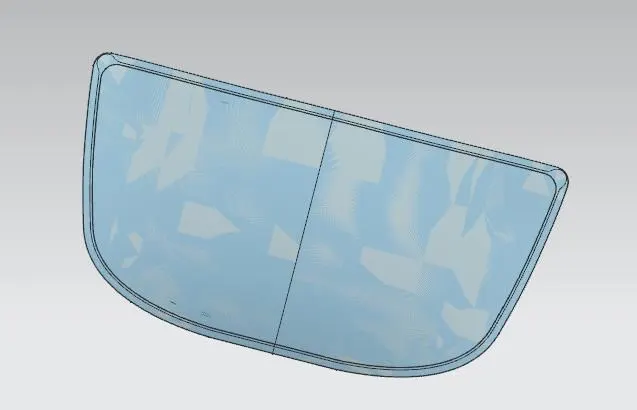
- Outer hood panel
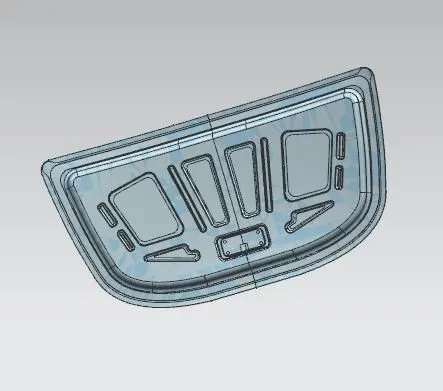
- Inner hood panel
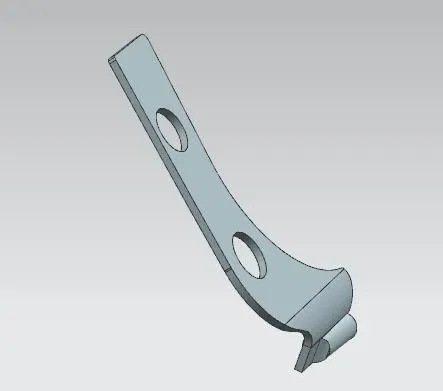
- Latch and striker
- Hinge
- Emboss
- Reinforcements
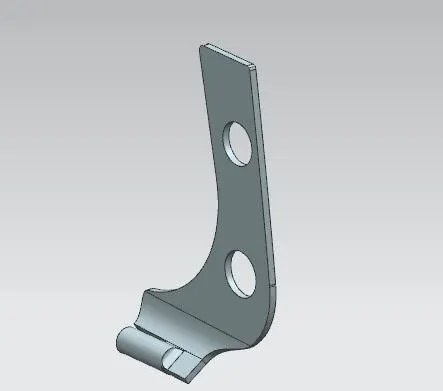
Latch and trajectory
A system for releasing and lifting an automobile hood includes a sensor located on a front location of an automobile that detects impact with an object. Also included is a hood having a striker pin operably connected to the hood for engaging a rotatable latch, wherein such engagement places the hood in the secured position.
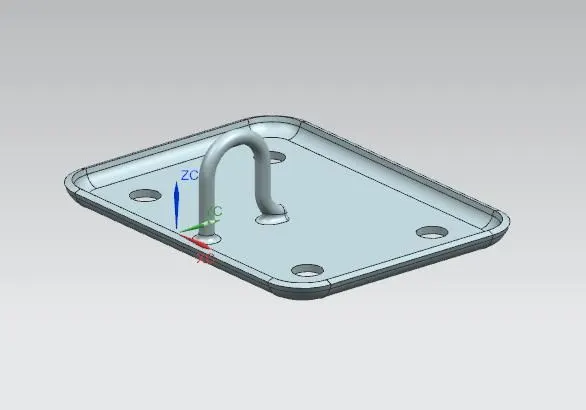
Mastic data
One of the toughest operating environments in any automotive application is under the hood, where below zero ambient temperatures can quickly rise to 150ºC or even higher. The presence of fuel, oil, glycol coolant and solid contaminants can all create havoc for sensitive electronics, forcing device manufacturers to protect circuits and components from the harsh service conditions.
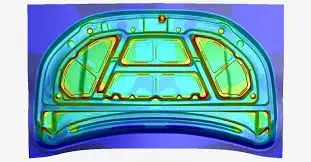
Emboss
Embossing is a metal forming process for producing raised or sunken designs or relief in sheet material by means of matched male and female roller dies, theoretically with no change in metal thickness, or by passing sheet or a strip of metal between rolls of the desired pattern.
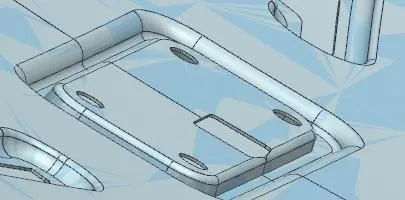
Deep drawing
Deep drawing is one of the most widely used processes in sheet metal forming. Apart from its use in many other sectors, it is applied in the automotive industry for the manufacturing of car body parts.
The deep drawing process is a forming process which occurs under a combination of tensile and compressive conditions. A flat sheet metal blank is formed into a hollow body open on one side or a hollow body is formed into a hollow body with a smaller cross-section
Hemming
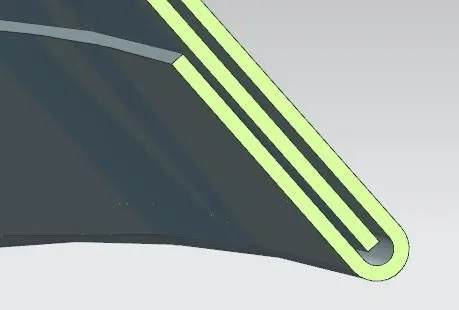
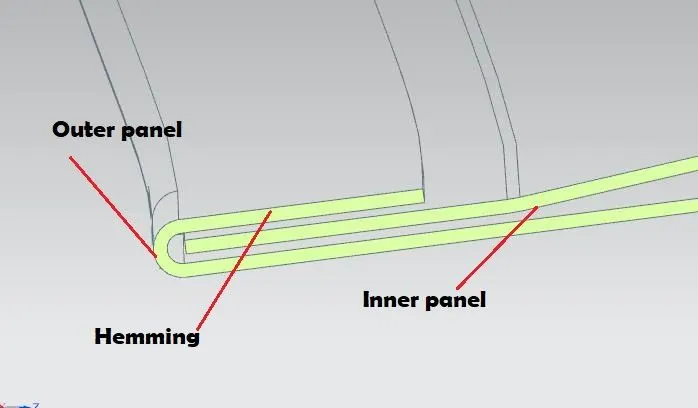
Hemming is a sheet metal forming process in which sheets are joined by bending it to 180°. Automotive body panels and automotive parts such as deck-lids, trunk-lids, doors, hoods and tailgates are formed by hemming process.
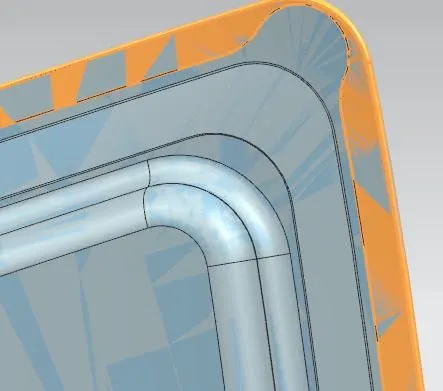
In car part production, hemming is used in assembly as a secondary operation after deep drawing, trimming and flanging operations to join two sheet metal parts (outer and inner) together. Typical parts for this type of assembly are hoods, doors, trunk lids and fenders.
Parameters followed in this design
The total design is plotted by the given master section parameters.
The thichness of the inner and outer hood panels consider as a thickness of 0.75mm. The reinforcements thickness is taken as 1.5mm
Hood Outer panel thickness = 0.75mm
Hood inner panel thickness = 0.75mm
The reinforcements thickness = 1.5mm
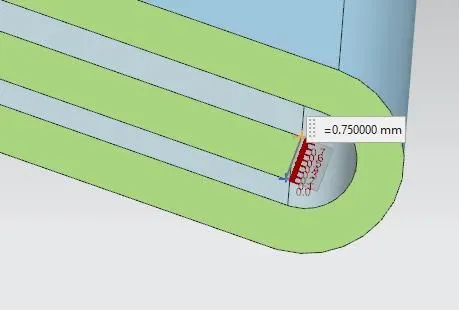
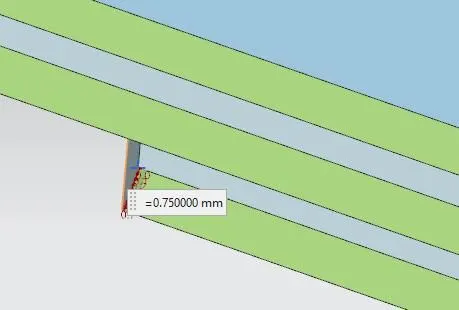
For hemming the distance between inner and outer panel is 0.2mm and not intercept with each other.