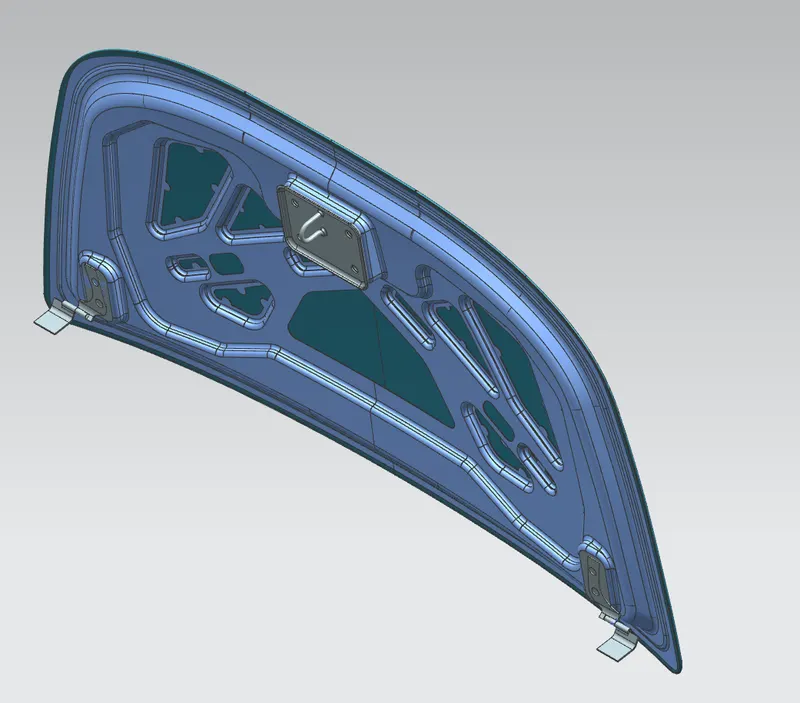
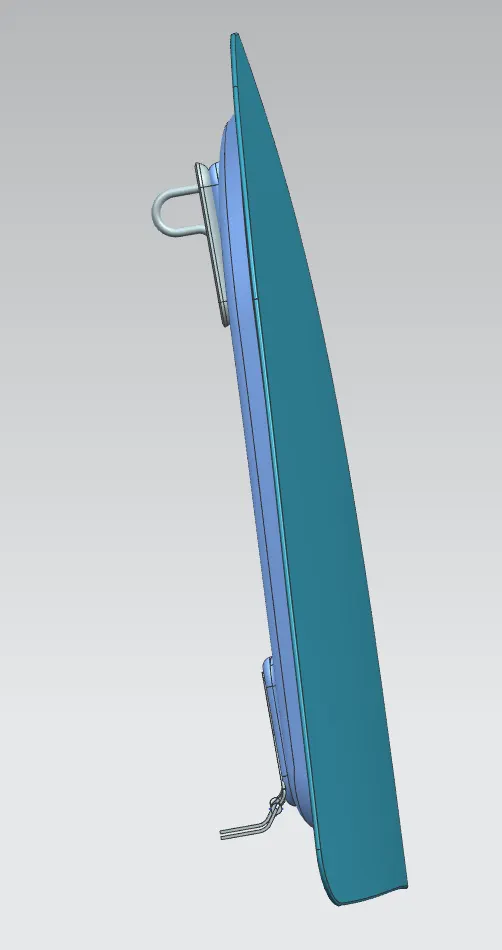
Hood design-Week 2
Aim - To make hood inner panel and its assembly as per the data given.
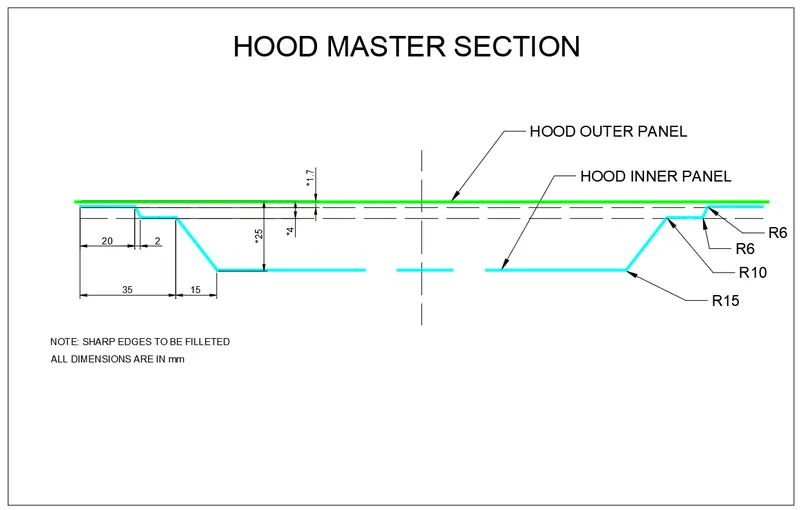
Objective- Design Hood Outer Panel, Inner Panel and the necessary reinforcements by following the Master Section mentioned with the Design parameters .
Introduction -
- Hood - The hood (American English) or bonnet (Commonwealth English) is the hinged cover over the engine of motor vehicles. Hoods can open to allow access to the engine compartment, or trunk (boot in Commonwealth English) on rear-engine and some mid-engine vehicles) for maintenance and repair.
some important purpose of hood
- Safety of the passenger
- Covers engine ,radiators and other neccessary components
- Reduces the effect of air while driving due to its aerodynamic shape
- Reduces the noice coming from the engine compartment
- Absorbs most of the impact of the frontal collision/crash.
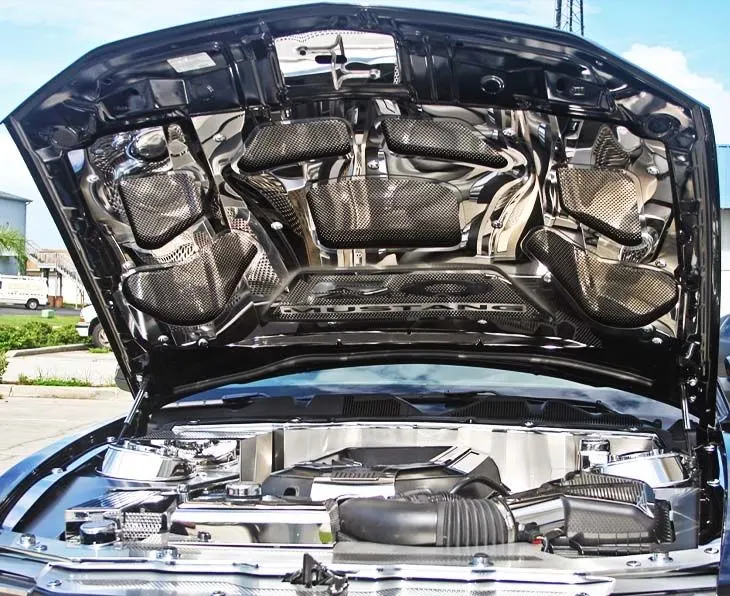
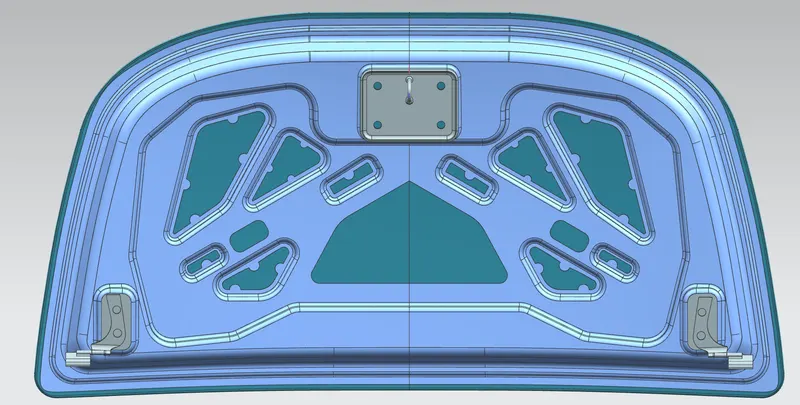
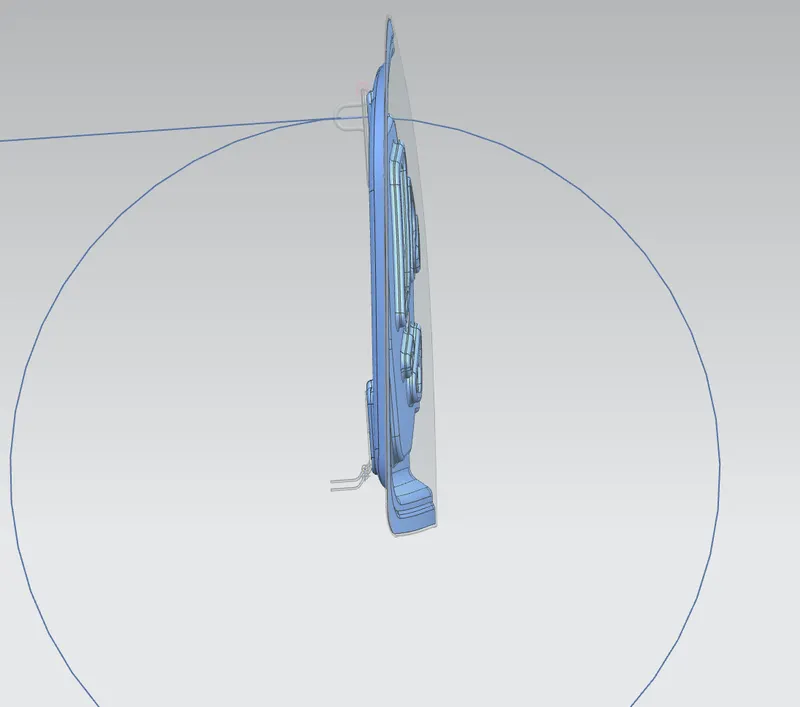
Elevated view of hood panel
Design consideration
data provided for the design.
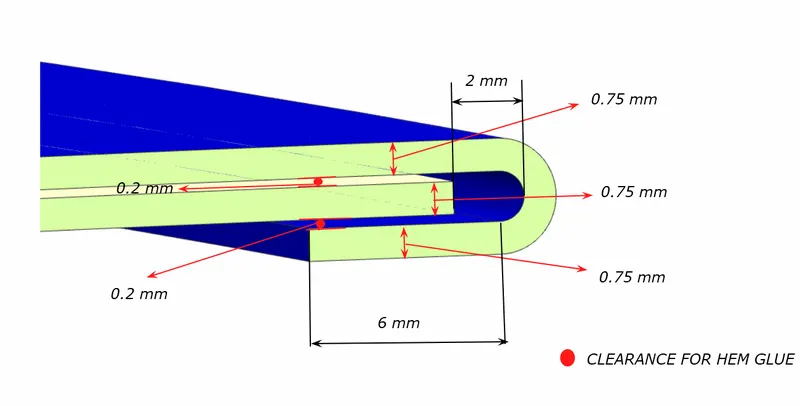
- Outer Panel Thickness = 0.75mm
- Inner Panel Thickness = 0.75mm
- Reinforcement Thickness = 1.5mm
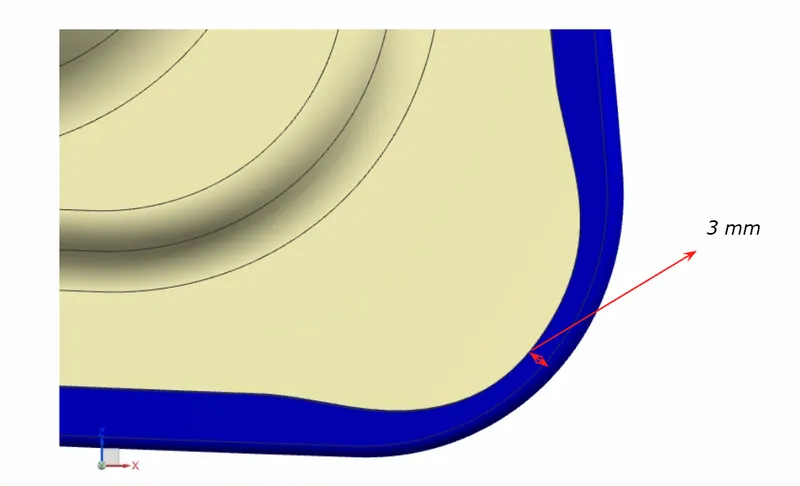
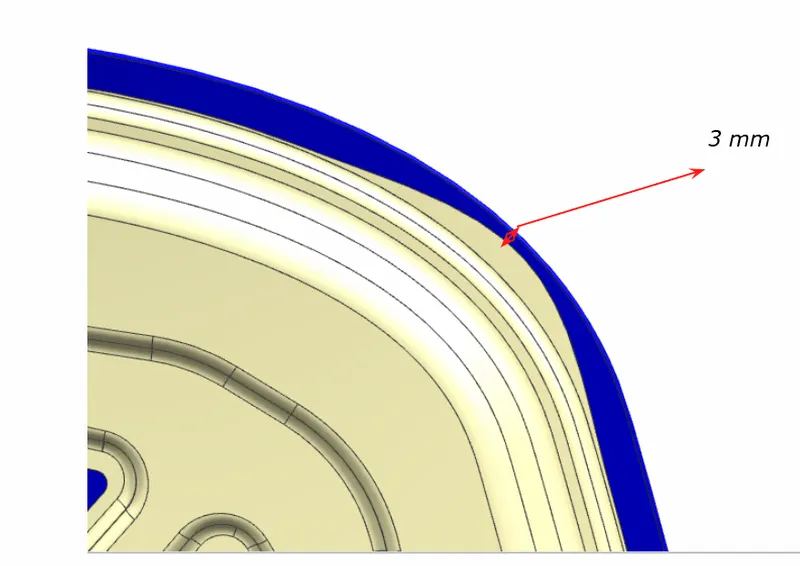
- Minimum fillet radius = 3+0.75 = 3.75mm
- Providing reliefs at corners to reduce stress concentration
Points that should be considered during hood design.
- pedestrain safety.
- Euro-NCAP Assessment
- NVH(Noise vibration and harsness)
1. Pedstrain safety- a parameter which was long overseen in India when it came to buying cars, has now become an important parameter for many car buyers nowadays. Carmakers like Tata Motors, MG Motor and many more are ensuring safety with getting a 5-star rating for multiple cars they offer. Occupant safety is taken care of with features such as airbags, structural strength and so on. But another safety aspect is the vulnerable road users such as a pedestrian
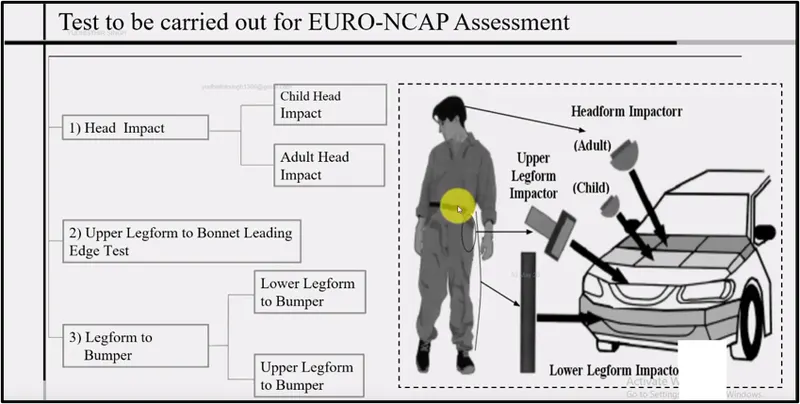
2- Euro-NCAP Assesment- Globally, various NCAPs are present that carry on the pedestrian safety tests on new vehicles and rate them accordingly.
For eg. the Euro NCAP has three parameters for pedestrian safety test for the new vehicles:
head impact-
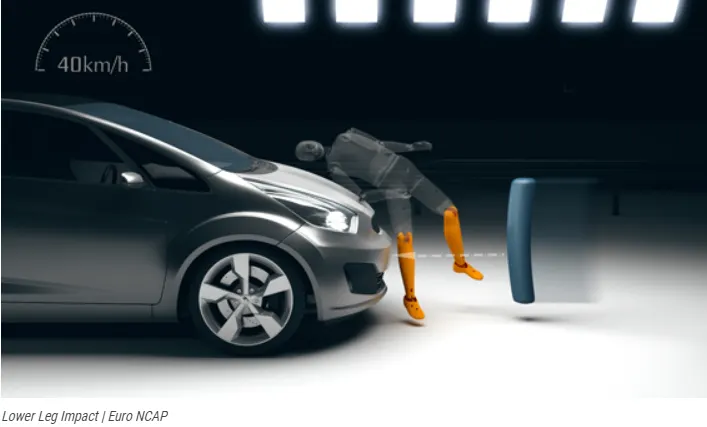
This test is carried out for a vehicle speed of 40 km/h. To have an estimate of the potential head injury in the fateful event of a vehicle striking an adult or a child, a head form impactor is used in a series of impact tests and the impact sites are then assessed for and rated accordingly.
This test will give essential information about the deformation clearance, energy-absorbing structures and deployable protection systems such as pop-up bonnets and external airbags in a new vehicle.
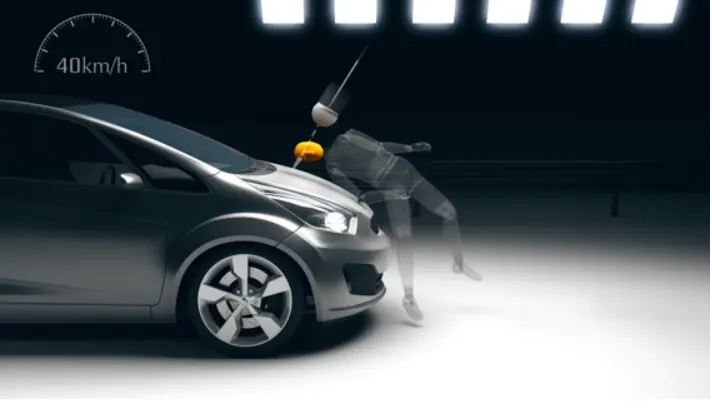
Upper leg impact - The facility carries out the test at the vehicle speed of 40 km/h. An adult upper leg form impactor is used in a series of impact tests and then the impact sites are assessed. The protection is then rated as good, adequate, marginal, weak or poor. The test procedure allows to check the energy-absorbing capacity of the structures of a vehicle and also check whether the geometry of the vehicle allows mitigation of injuries.
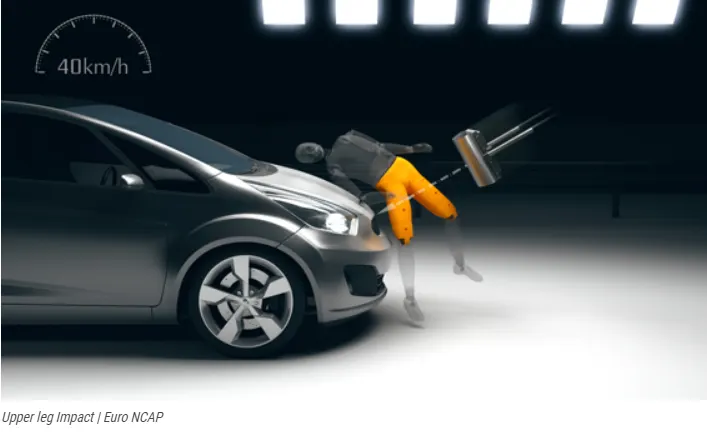
lower leg impact- Euro NCAP carries the test at the same speed standard as the above ones. It uses an adult leg impactor and a series of tests are carried out. Impact sites are then assessed and the protection rating is offered.
3.NVH (Noise vibration and harshness) - Noise is any undesirable sound, usually unpleasant in nature. Vibration is any motion, shaking or trembling, that can be felt or seen when an object moves back and forth or up and down. Harshness is a ride quality issue where the vehicle's response to the road transmits sharply to the customer.
Noise is unwanted sound or unwanted disturbance in an electronic signal. Acoustic noise is energy transmitted to the air that causes an audible disturbance. Tools such as acoustic intensity mapping and combustion/mechanical noise separation can be used to identify the best method of noise reduction.
Vibration is an oscillation that causes noise and disturbance. Vibration is generally of concern due to the physical effects which can cause disturbance to people, disruption in electrical systems, and failure or breakdown in mechanical systems. Shakers and controllers are techniques used to test vibration issues.
Harshness is generally used to describe the severity and discomfort associated with both vibration and noise. It is a qualitative system based on desired characteristics rather than on quantifiable measurements.
HOOD AND ITS COMPONENTS
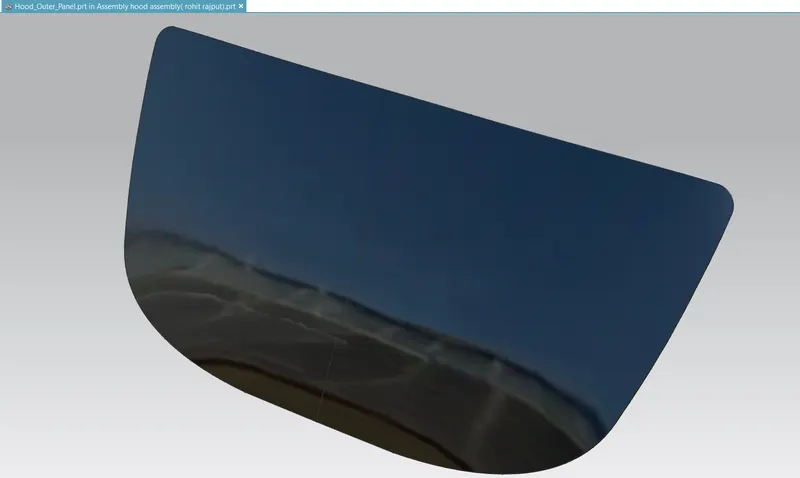
Hood outer pannel - It is the outer most surface of the hood which provides the complete finishing aspect for the customer.
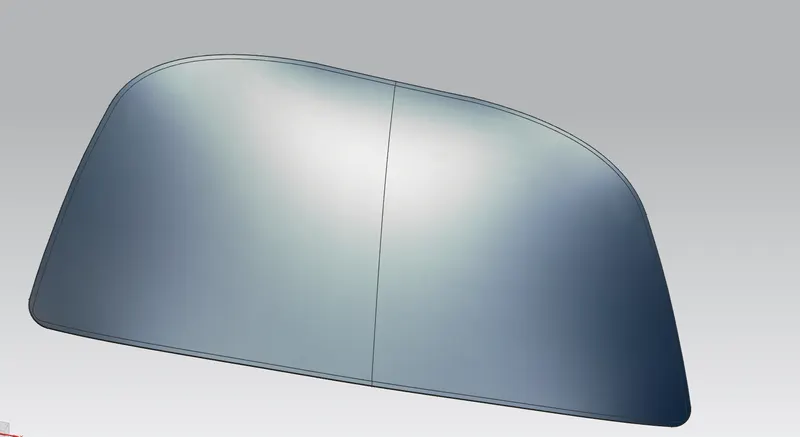
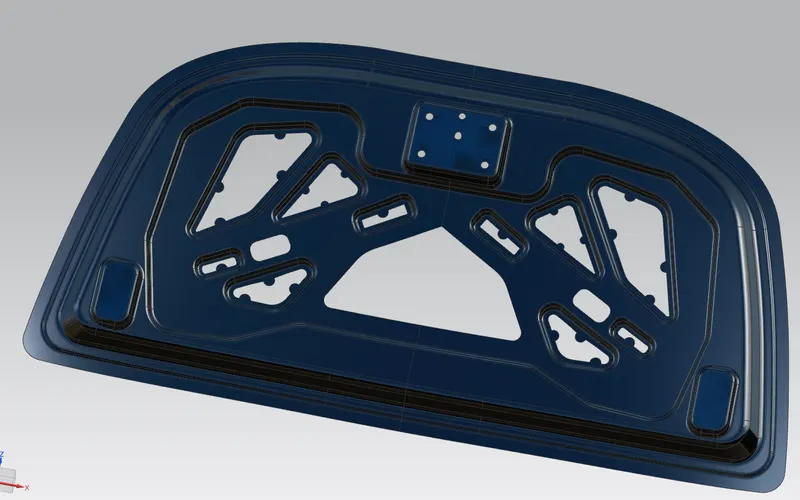
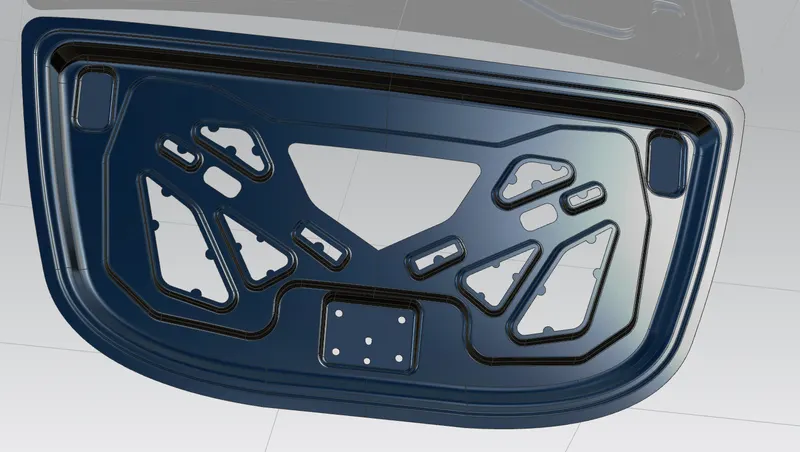
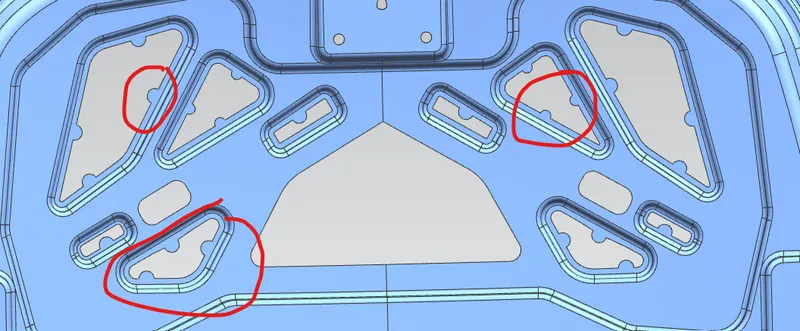
Hood iner panel -
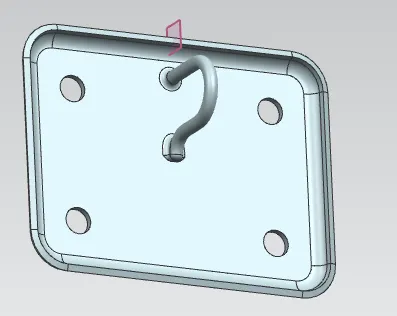
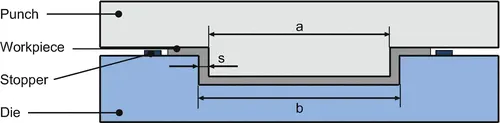
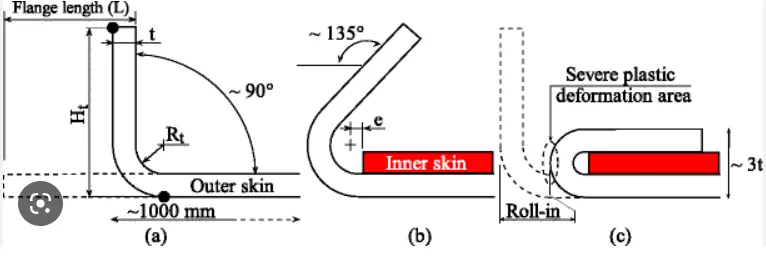
Hemming and seaming are two similar metalworking processes in which a sheet metal edge is rolled over onto itself. Hemming is the process in which the edge is rolled flush to itself, while a seam joins the edges of two materials.
Hems are commonly used to reinforce an edge, hide burrs and rough edges, and improve appearance.
Seams are commonly used in the food industry on canned goods, on amusement park cars, in metal roofing (with a roof seamer), and in the automotive industry.