Hood design-Week 2
AIM :
To design the hood of a car with the given input Outer panel and its dimensions.
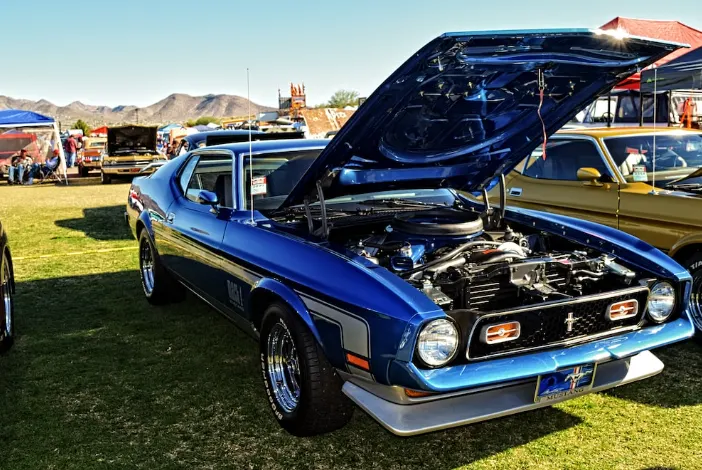
1. Design Hood Outer Panel, Inner Panel and the necessary Reinforcements by following the Master section mentioned with the Design parameter explained in the videos. Submit an ASSEMBLY of Hood Inner Panel, Outer Panel, Latch, Hinge and the Reinforcements. Need to include all Part files and assembly file as a zip file along with the report.
Answer:
Hood Design attached with Part files and assembly file as a zip file along with the report
2. A detailed report about the Hood Design which includes a detailed explanation about Hood and its components, Latch Trajectory, Mastic data, Emboss definitions, and details on Manufacturing process like Deep-drawing and Hemming, and all the parameters followed in the design?
Hood Assembly:
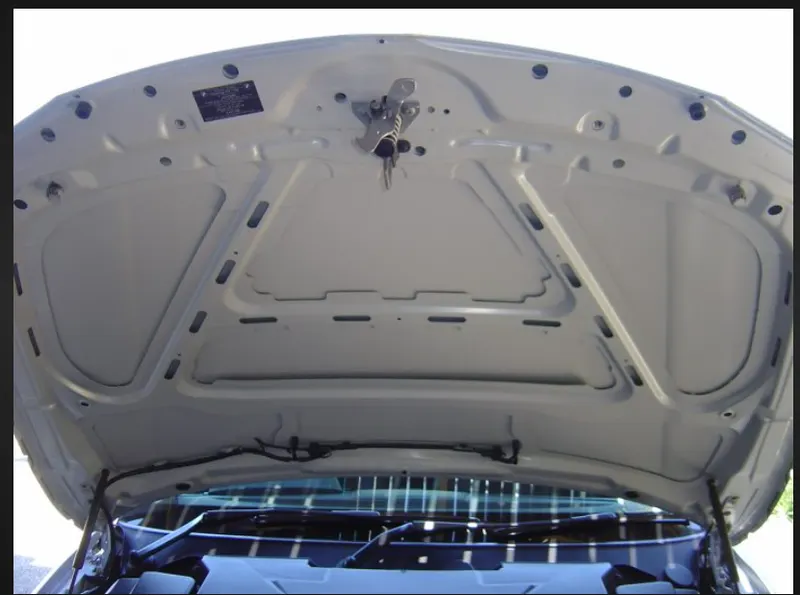
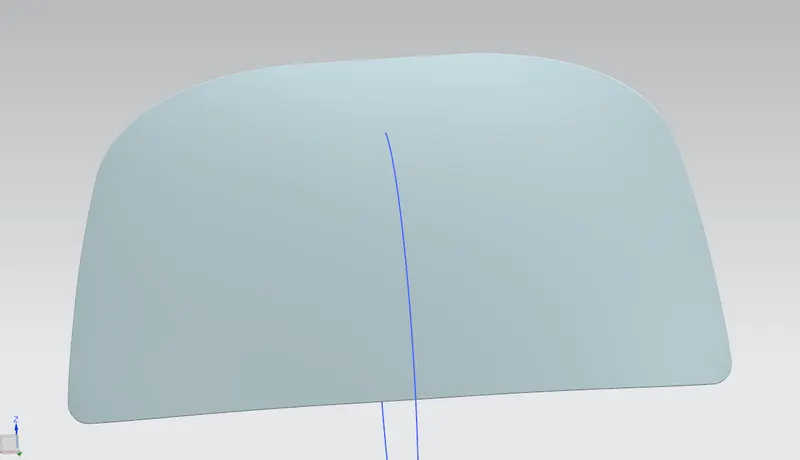
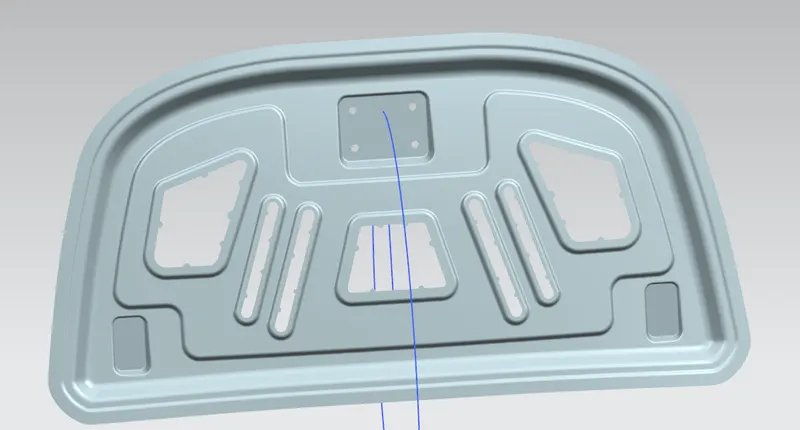
Hood is the important part of the BIW components. A hood provides protection and easy access to engine, battery etc. The hood consists of two panels hood outer panel and hood inner panel. The hood outer panel is for the styling factor for the car, no mechanical feature like dent, welding etc. The hood inner panel design is to provide strength, rigidity and when crash happens the impact force will be dispersed evenly all over the hood.
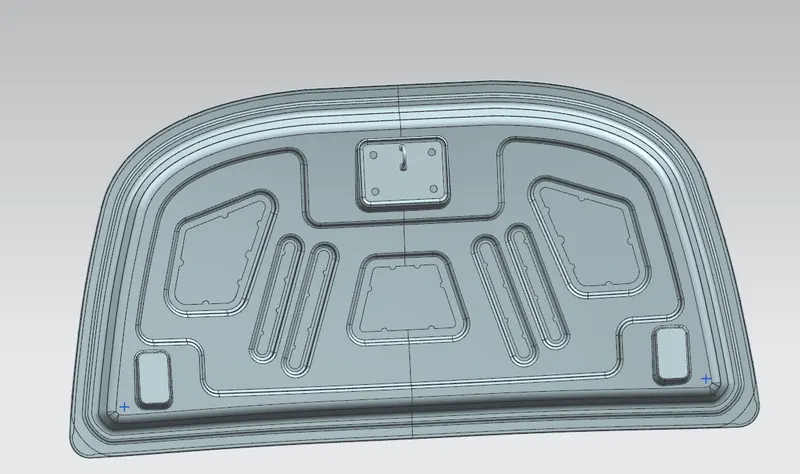
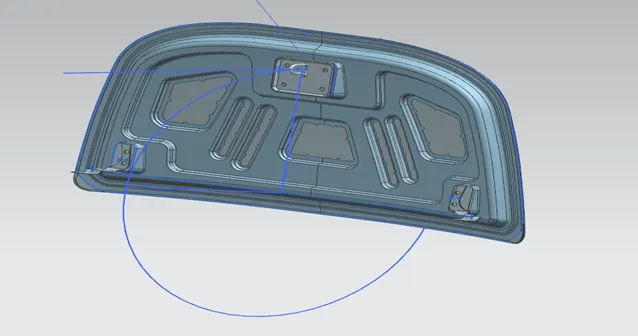
Latch trajectory:
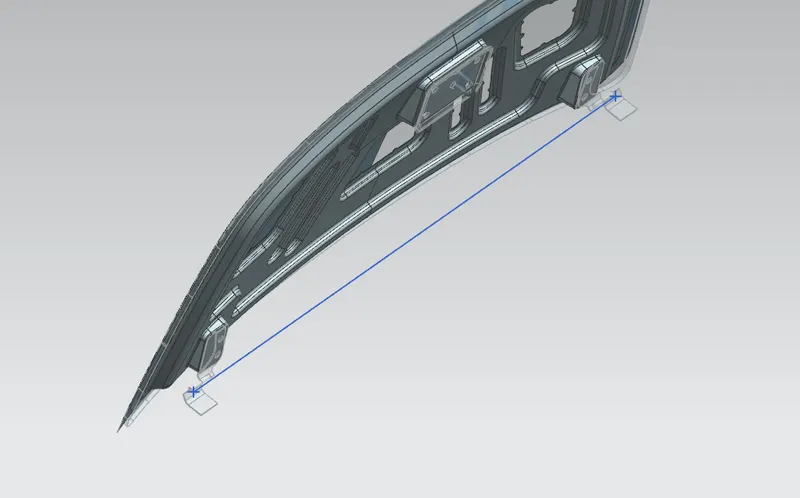
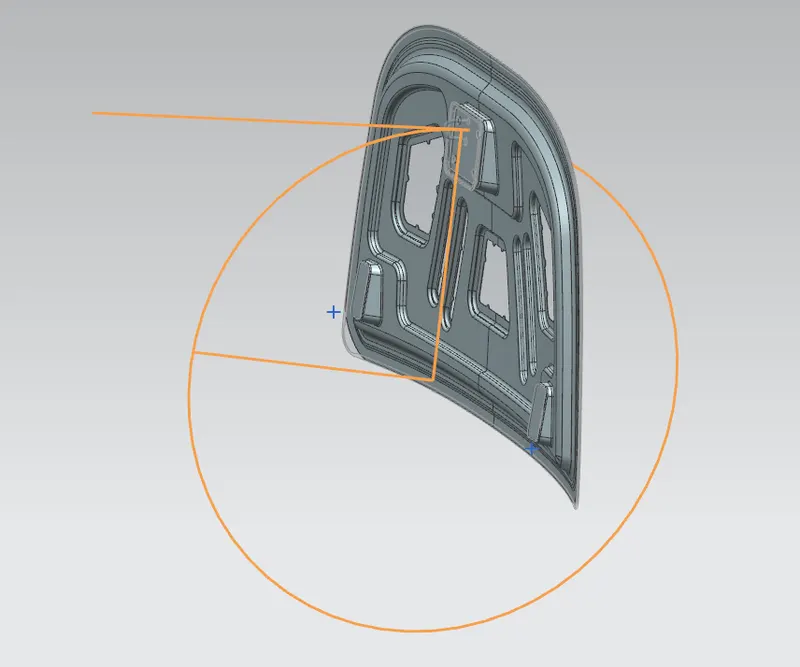
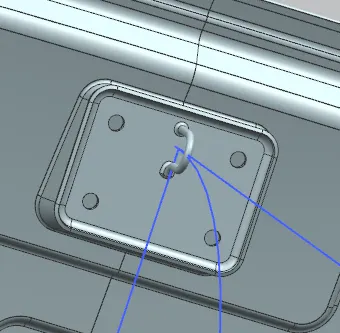
Latch trajectory means a line passes through hinge, with that midpoint of the line circle is drawn to direct the hight of the striker and the striker should be tangent to the circle. This will help the lock and striker to positioning in a proper way.
Mastic:
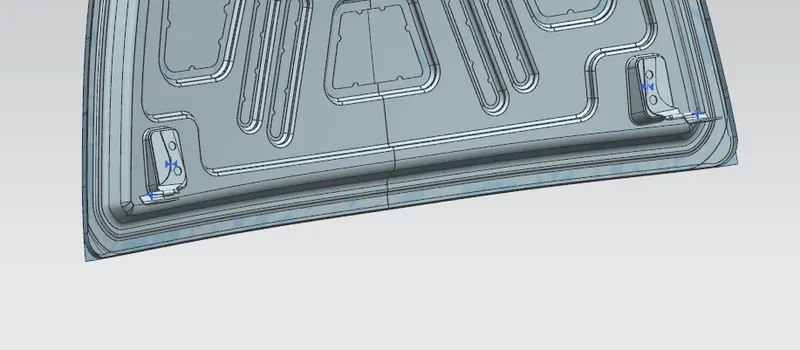
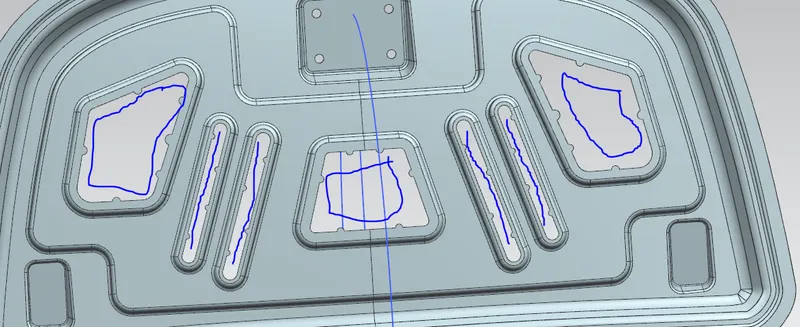
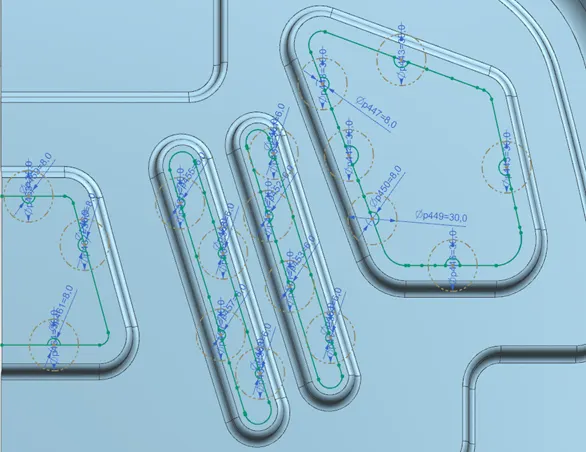
This will stick both the outer panel and the inner panel with gap distance of 5mm, the positioning of the sealant should be in a proper for strengthening purpose and spread diameter will be 30mm.
Mastic points are shown below figures.
HEMMING OPERATION :
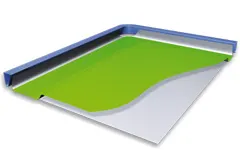
Hemming is a forming operation in which the edges of the sheet are folded or folded over another part in order to achieve a tight fit. Normally hemming operations are used to connect parts together, to improve the appearance of a part and to reinforce part edges.
In car part production, hemming is used in assembly as a secondary operation after deep drawing, trimming and flanging operations to join two sheet metal parts (outer and inner) together. Typical parts for this type of assembly are hoods, doors, trunk lids and fenders.
The accuracy of the hemming operation is very important since it affects the appearance of the surface and surface quality. Material deformations, which occur during the hemming process, can lead to dimensional variations and other defects in parts. Typical hemming defects are splits or wrinkles in the flange, material overlaps in the corner areas or material roll-in. This is why it is important to use simulation tools in order to, on the one hand, better understand the hemming process and, on the other hand, significantly reduce the number of “trial and error” loops during tryout und production.
There are various types of hemming operations:
- Conventional die hemming
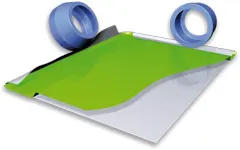
- Roll hemming
Conventional die hemming :
Conventional die hemming is suitable for mass production. In die hemming, the flange is folded over the entire length with a hemming tool. Normally the actual hemming is a result of a forming operation in which the flange is formed with a hemming tool after the drawing and trimming operations have been completed. The formed flange is then hemmed in several process steps. These steps include, for example, the pre-hemming and final hemming depending on the respective opening angle of the flange. Production plants for conventional die hemming are very expensive, but the cycle times are very low.
Roll hemming :
Roll hemming is carried out incrementally with a hemming roller. An industrial robot guides the hemming roller and forms the flange. Roll hemming operation can also be divided into several pre-hemming and final hemming process steps. Roll hemming is very flexible to use and tool costs are significantly lower as compared to those of conventional die hemming. However, the cycle times are much higher since the hemming is realized using a hemming roller which follows a defined path.
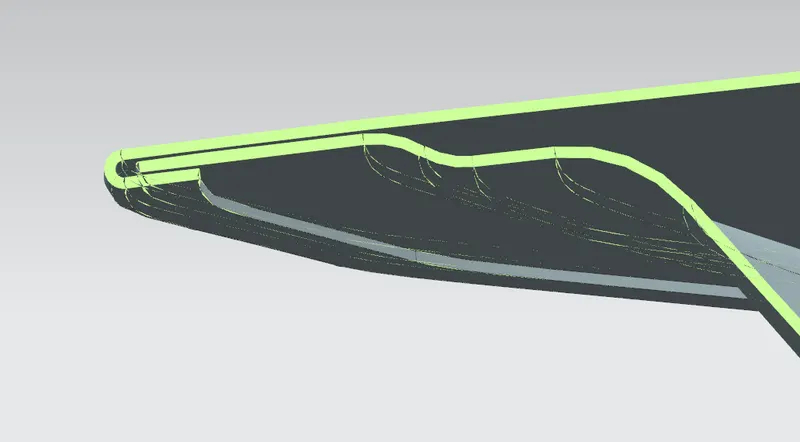
A corner reliefs are provided at the edges of hemmed part to provide corner reliefs.
Deep Drawing:
Deep drawing is a metal forming operation in which the sheet metal is stretched into a desired shape by the mechanical action of a punch.
The punch pushes the sheet metal blank downward and forces it into a die cavity which ultimately forms a shape of the desired part.
During the deep drawing operation, the tensile forces cause the sheet metal blank to plastically deform into a cup shaped part.
Generally the term deep drawing is referred to a drawn part which has depth more than its diameter.
The parts drawn by using a deep drawing process can have different cross sections like straight cross section, tapered cross section as well as cylindrical and rectangular parts can be drawn.
For deep drawing operation, the ductile metals like brass, copper, aluminum and mild steel show good drawability even at room temperature.

Hood Outer:
Hood Inner Panel:
Hinge:
Latch and Striker Mechanism:
a line will be drawn between the left and right side and it is the horizontal line of the hood whenever it is moving.
The latch/Striker is position from the basis of hinges centre point.
Two points is marked from the two hinge axis and a line is drawn from the two points.
A midpoint is taken from the line for positioning the latch.