Hood design-Week 2
CAR-HOOD (BONET) DESIGN
AIM-
To understand the mechanism and design a car-hood, with consideration to the safety features and rules. The tasks performed are :
- Design the inner and the outer panel of the hood taking into account the weight, safety regulations & vibrations.
- Provide Hinge and Striker positioning.
- Provide necessary reinforcements.
DATA TO BE USED -
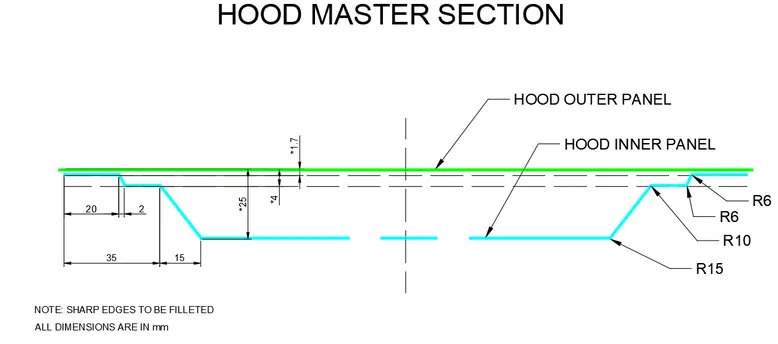
- Master sketch
- Front and rear relief
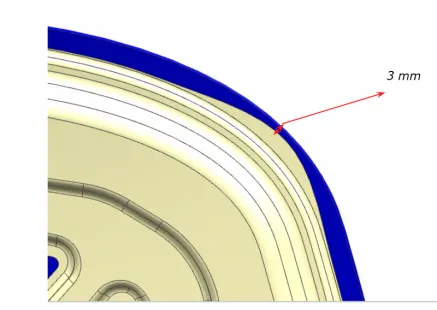
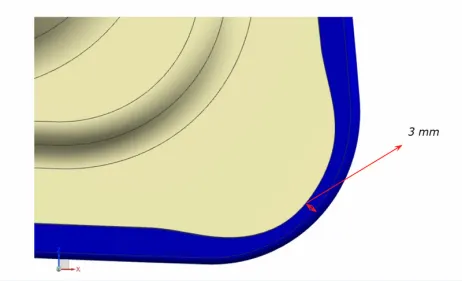
- Outer Panel Thickness - 0.75mm
- Inner Panel Thickness - 0.75mm
- Reinforcement Thickness - 1.50mm
INTRODUCTION -
A car hood, also called a “bonnet”, is the part that covers the engine bay of a front-engine vehicle. It protects the engine and connected parts from the environment, without compromising the access for repairs and maintenance. Car hoods can be constructed from steel, aluminum, carbon-fibre, dry carbon or fibreglass. A concealed latch/striker component is most commonly used to lock the hood. It can be released by a mechanism found below the steering wheel dashboard. Hoods sometimes contain a hood scoop or a power bulge to allow for greater engine capacity and to increase airflow for engine air intake and cooling.
- It gives access to the engine compartment which enable the repair and maintenance.
- It protects all the enclosed components from the weather conditions, water, dust etc.
- It helps to create a good aerodynamic surface to reduce air resistance while driving.
Hood assembly includes inner panel, outer panel, hinges, latch-striker, reinforcements and hood support.The inner and outer panels are joined through the process of hemming and also by using the adhesive named mastic sealant. Spot weld can also be done wherever necessary. Construction of the hood is in such a way that it increases the hood’s capability to absorb the energy impacted during crashes, also the safety of the passengers. It should also be designed with consideration to pedestrian safety.
Hood structure is vulnerable to the vibrations. The source of the vibrations could be from the engine generated vibrations or due to the unevenness in the road surface or the aerodynamics of the vehicle while in motion. Excessive vibrations adversely affects the ride comfort, and also make the structure susceptible to fatigue failure. Too much vibrations also causes the risk of it getting unlocked during motion. Because of the need to reduce the weight of the vehicle, the thickness of the bonnet and the amount of material used has to be reduced to minimum without affecting it’s structural integrity.
PARTS OF A CAR-HOOD -
- Inner Panel
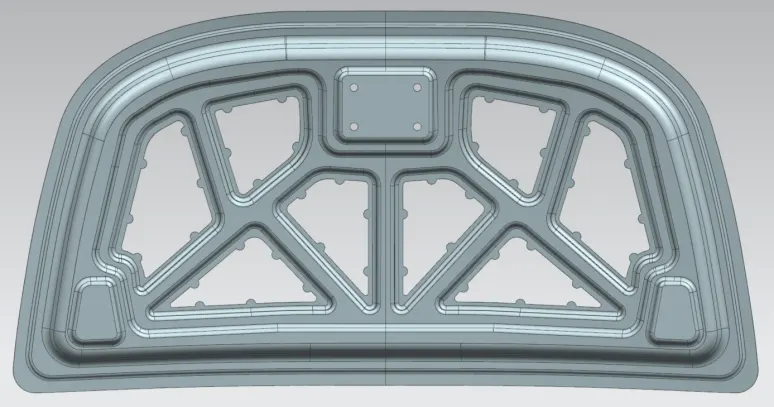
Inner panel is structural support of the hood. It consists of different embosses and hole at different places. Weight control of the hood is done while designing the inner panel. The safety criteria concerning crashes and pedestrians are controlled by the design of hood inner panel. It is designed in such a way that all the forces acting on the hood is controlled in the safest ways possible. Inner panel thickness is 0.75mm.
- Outer Panel
Outer panel is nothing but a outer skin of inner panel. Otherwise called as a cover of inner panel. It is the part, which gives luxurious look to the hood or bonnet. Outer pannel and inner pannel cannot join by any welding process like spot welding or rivet, which spoil the outer look of a car.The outer pannel is generally extracted model from the prototype design.
- Emboss
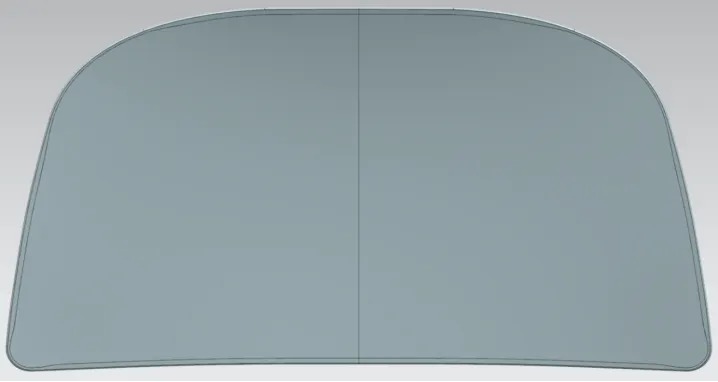
The geometry is based on provided the master section. The embosses are given in the inner panel and are made according to the diversion of the load path in case of an impact on the hood. The component is designed to divert the force away from the passengers into the hinges,. The emboss depth is kept at a maximum of 5mm so that the part is manufactured easily by deep drawing or stamping processes, without loss of strength of the material.
- Hinge
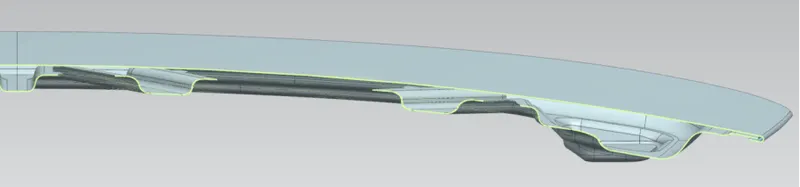
It’s provide at either sides of the hood and connects the hood with the body of the car. It’s positioning should be in such a way that the hood completely opens and the user’s head clears the edge of the hood. Hinge itself is an assembled product with at least three main parts - a component to connect to the hood inner panel, a hinge system and a component that connects to the car body.
- Striker
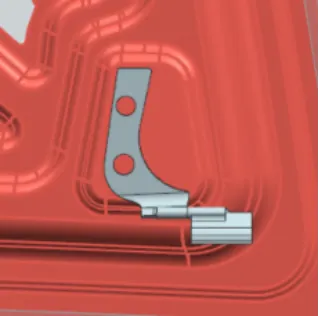
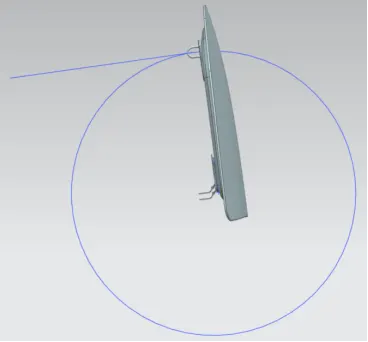
The Striker and latch is used to lock the hood in place firmly and the latch is released usually from the mechanism under the steering wheel side dashboard. It’s designed taking into consideration the trajectory at which the hood closes, which has the axis coinciding and parallel with the hinge axis. The radius of the trajectory is the perpendicular distance from the hinge axis to the middle of the striker.
- Hood Support
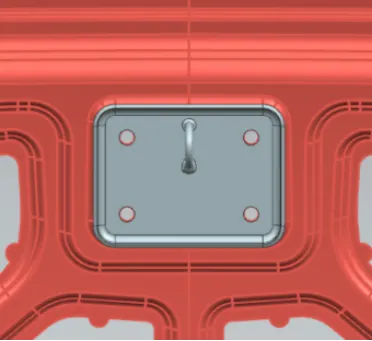
Also known as a hood lift support or a hood strut, is used to pop-up the hood of the car, so the the engine and related components present under the hood is easily accessible for repair and maintenance. It determines the opening angle of the hood. There are two types of supports -
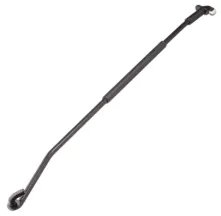
- Support Rod :
Its widely used because it’s easy and cheap to manufacture. The user has to manually lift open the hood and lock it in at the space provided to keep the hood open. Usually there is only one support rod only on one side of the engine compartment.
- Gas Stays :
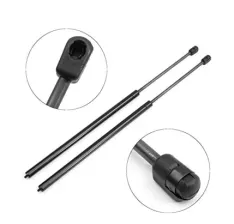
It’s a pneumatic piston-rod system filled mostly with Nitrogen gas and lubricating oil. The hood will open completely with little force. There is need for two gas stays at either sides of the engine compartment, otherwise a single piston won’t be able to hold the weight of the hood.
- Reinforcement
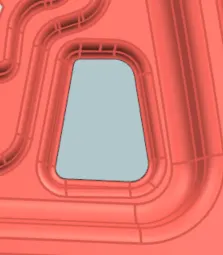
The external components, striker and hinge, that needs to be connected onto the inner panel. This would cause the structural integrity to fail. Thus, necessary reinforcements with more thickness than the sheet-metal is to be given. This prevents failure due to imbalance in load. The reinforcements are to be welded onto the inner panel according to the requirements from the design team, usually spot welding is used
MASTIC POINTS -
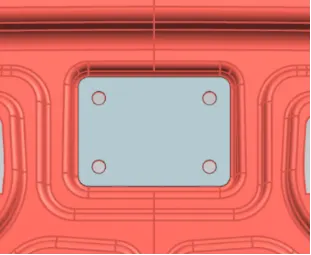
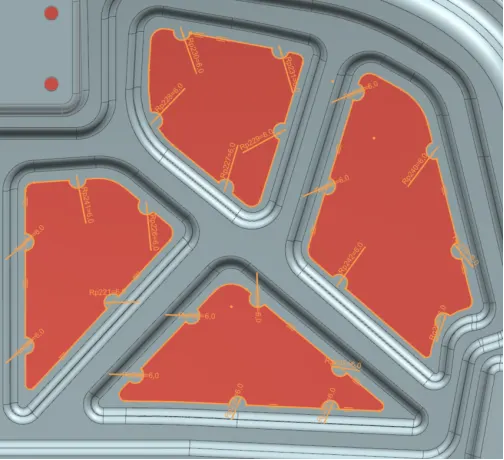
The Mastic sealant is a type of adhesive used to fill the gap in between inner and outer panel. It’s an elastic rubber like compound which expands after curing, thus filling the gap. This sealant is applied at mastic points designed on the inner panel. These mastic points are of 5-7mm in diameter and have an effective area of 80mm diameter. They make the inner and outer panel into one structure, while keeping it’s flexibility and structural properties. These also allow the outer panel to reform in-case of minor deformations.
MANUFACTURING PROCESS -
- Hemming
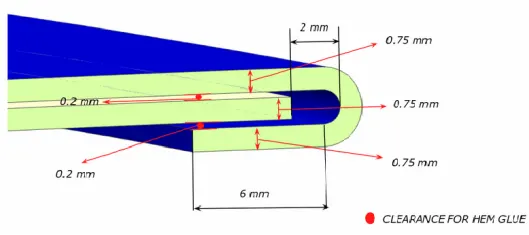
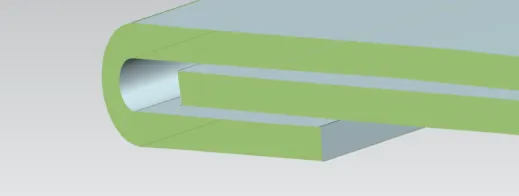
Hemming is a sheet metal forming proces in which the edge of the larger sheet metal is rolled to a U-shape (i.e. 180°), over the smaller sheet to hide the edges and to make it into one single unit. The outer panel can’t have any blemishes or visible metal works due to the need for aesthetics, thus hemming provides a neat and clean finish to the whole car-hood. It also reinforces the edges of the panel.
- Deep Drawing
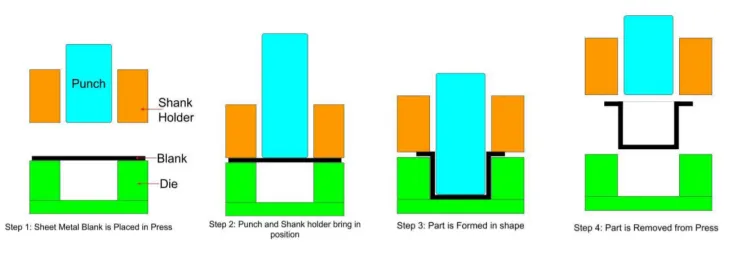
This is a sheet metal forming process in which a sheet metal blank is radially drawn, by a mechanical punch, into a forming the desired shape with the use of a die.
SAFETY CRITERIA -
There are 2 main safety criteria to be followed while designing a hood :
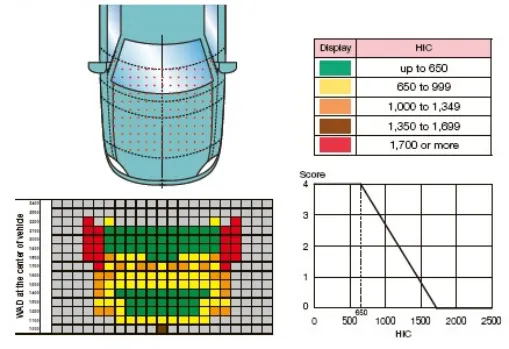
- Pedestrian safety
The hood is to be designed in such a way that in case of a accident with a pedestrian, the hood would crumble and absorb the impact rather than transmit the force onto the pedestrian.
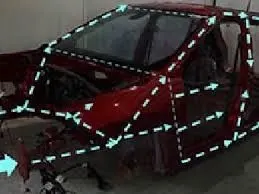
- Passenger safety
In case of a crash, the hood should break and the forces should be transferred through the A-pillars and the car body to the ground. Thus reducing the impact force from acting on the passengers.
CONCLUSION -
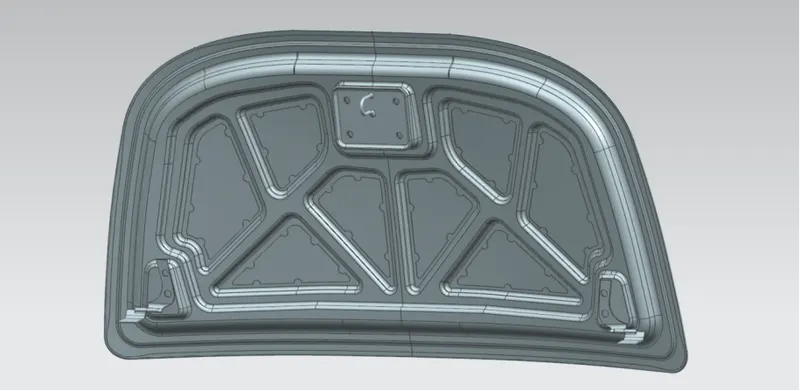
The car-hood and it’s parts are designed based on the required conditions according to the given data. They are assembled together to complete the design.