Fender Design - Wheel Arch Challenge
Overview of Fender Regulations
Fender regulations play a crucial role in ensuring road safety and vehicle performance by mitigating the impact of debris, water, and other hazards on vehicles and pedestrians. This report provides a concise overview of the different fender regulations that govern the design and functionality of fenders in automobiles.
- Function of Fenders: Fenders are an integral part of a vehicle's bodywork and serve multiple functions, including Protecting the vehicle's body from road debris, such as stones, gravel, and mud. Preventing water spray and splashes from reaching pedestrians, other vehicles, and the windshield. Enhancing aerodynamics by reducing air turbulence around the wheels. Contributing to the overall aesthetic appearance of the vehicle.
- US Federal Motor Vehicle Safety Standards (FMVSS): The United States has established specific regulations for vehicle fenders through FMVSS. These standards primarily focus on performance requirements, such as impact resistance, coverage, and material durability. FMVSS 108 specifies lighting requirements for fenders, including reflectors and side marker lights, to enhance visibility and safety.
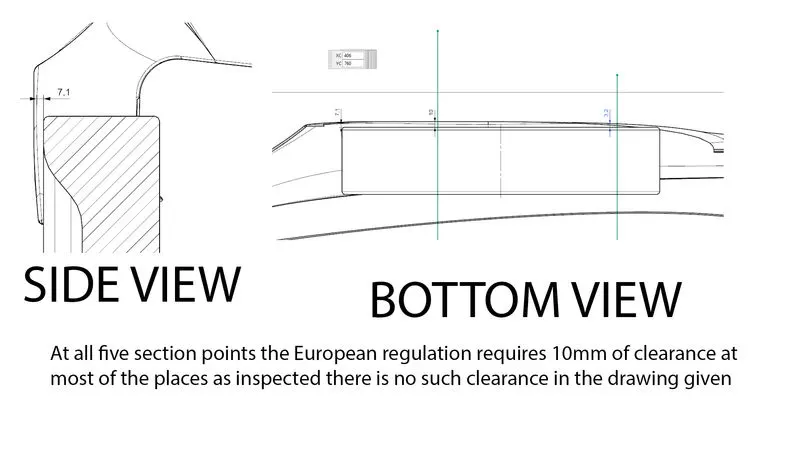
- European Union (EU) Regulations: In the European Union, fender regulations are primarily governed by the European Whole Vehicle Type Approval (WVTA) framework. EU regulations emphasize various aspects of fender design, including dimensions, strength, and protection against water and debris projection. These regulations aim to ensure consistent safety standards across EU member states.
- Ministry of Land, Infrastructure, Transport and Tourism (MLIT) Japan: The MLIT is the governing body responsible for establishing fender regulations in Japan. These regulations are outlined in various documents, including technical standards and guidelines. The MLIT works to ensure that vehicles on Japanese roads meet the necessary safety and performance criteria. Fender regulations in Japan specify design and dimensional requirements to ensure proper vehicle protection and compliance. These regulations cover aspects such as fender width, coverage, and strength. Fenders must be designed to provide adequate protection against debris, water splashes, and other hazards.
- International Standards: The International Organization for Standardization (ISO) has developed international standards that provide guidance on fender design, performance, and testing. ISO 16348 addresses the resistance of fenders to impacts, while ISO 17367 specifies the requirements for fenders used on motorcycles. These standards facilitate global harmonization and ensure quality and safety in fender manufacturing.
- Local and Regional Regulations: In addition to national and international standards, local and regional authorities may have specific regulations regarding fenders. These regulations might pertain to modifications, such as aftermarket fender installations, and may include restrictions on dimensions, protrusions, and functionality.
Conclusion:
Fender regulations are essential for maintaining road safety, protecting vehicles, and enhancing overall vehicle performance. These regulations, established at various levels, set standards for fender design, durability, and functionality. Compliance with these regulations ensures that vehicles are equipped with fenders that offer adequate protection against debris, water, and other hazards, contributing to safer and more efficient transportation systems.