Fender Design Challenge
Fender design challenge
Fender
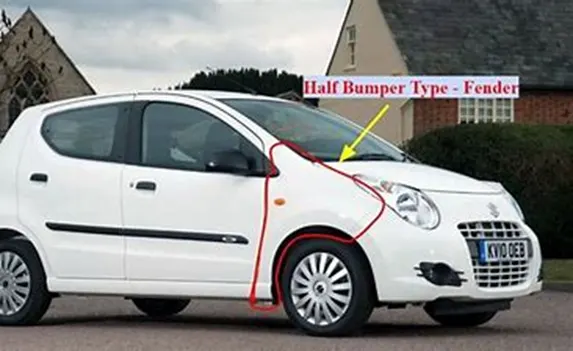
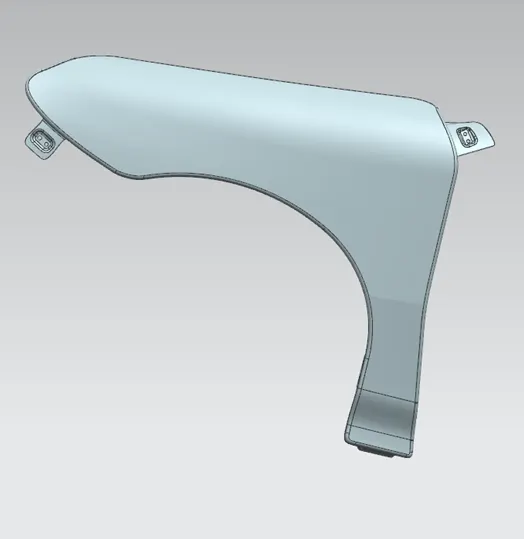
A fender is automobile sheet-metal part which is placed above the wheel region. The fenders include front and rear fender. It is one of the aesthetic component of the automobile.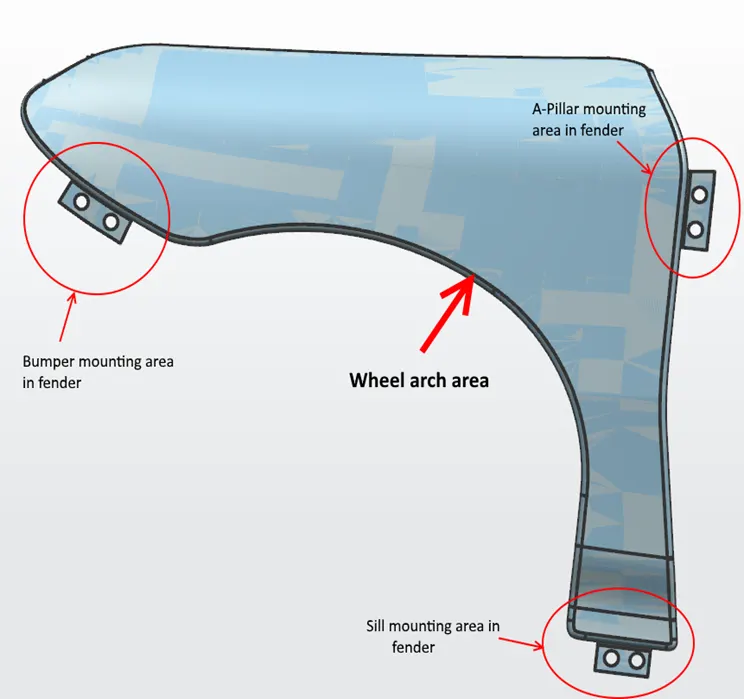
It may include additional features of having side indicators attached to it.
The region surrounding the car wheels are constant exposed to dirt, sand particles, small stones and other damaging materials. As the wheel is in direct contact with the road, all the dirt and components of the road tend to stick to the treads of the wheel in motion and at higher speeds tend to throw out of the wheel, directly hitting the components surrounding the wheel. So a fender is provided to guard the rest component of the vehicles from such dirts.
Functions and objectives of the fender
- The fender should be rigid enough to stay in place at all times due to heavy vibration.
- It should prevent any contact of the dirt and rocks with the main component of the vehicle namely car engine.
- It is responsible for the reduction of vibration and noise transferred to the passenger from the road, hence these should also be checked.
- The fender should also protect the passengers inside the car during a side impact collision, accident and should only minimally damage any pedestrian. The fender design should be in a such a manner that the impact created during collision should be fully absorbed by the fender itself.
- It also should have the provisions for clamping with car body, headlights, baffles, A pillar, etc…
Types of fender
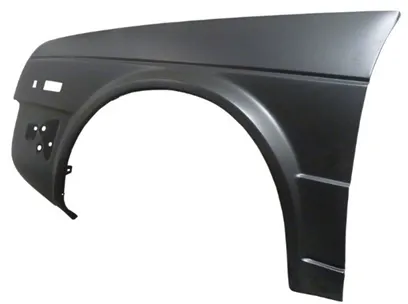
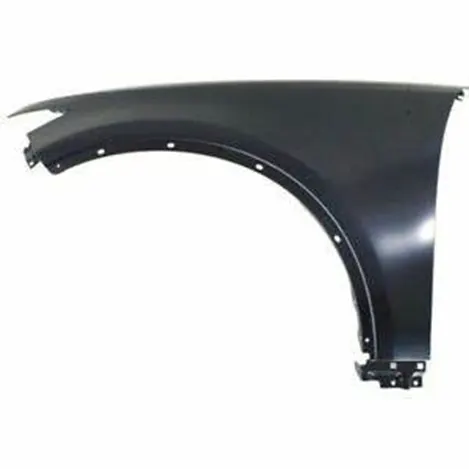
There are two types of fender namely, full bumper and half bumper. The difference between them are the full bumper has more area covered that the half bumper. The cost of full bumper is more than that of half bumper because of the mould and die design. Design of full bumper is complex and costlier process.
Full bumper
Half bumper
Attachments parts:
- Body:
The car body is the main structure of the vehicle. It forms the skeleton of the car. All the aesthetic parts of the car is fastened to the body.
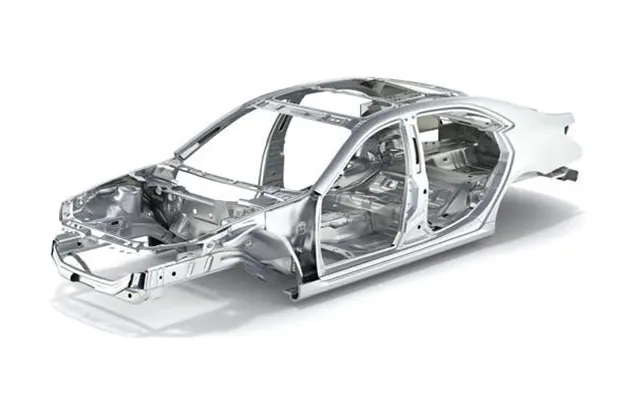
- A pillar:
A pillar is the first vertical structure of any car. It is where the front glass is fixed.
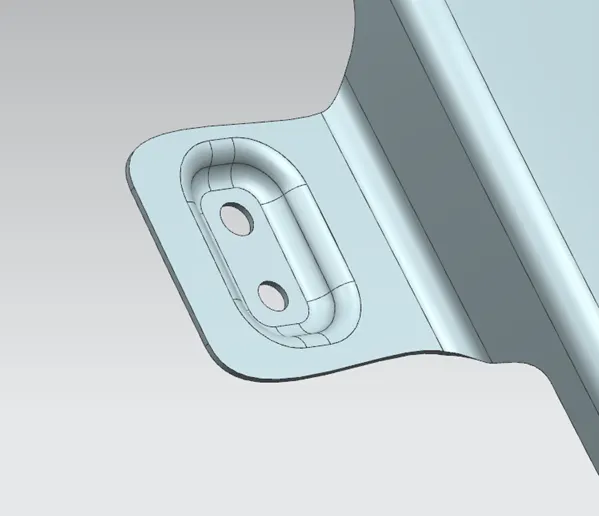
- Sill:
The sill is the bottom region of the car body where the front fender and rear fender is attached. The 15-16 part in below image is the sill of a car.
- Drip :
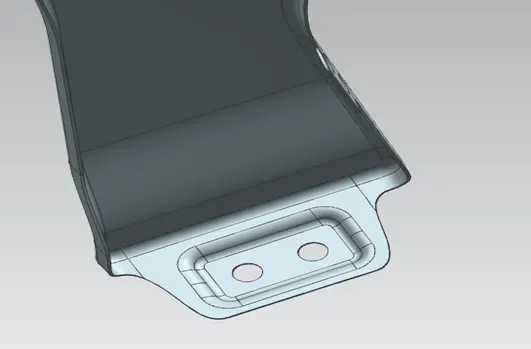
Drip area is the main attachment area of the fender to the car body inside the engine compartment. This part should have the higher stiffness to prevent the part from vibrations from wheel and engine.
5 Bumper mounting
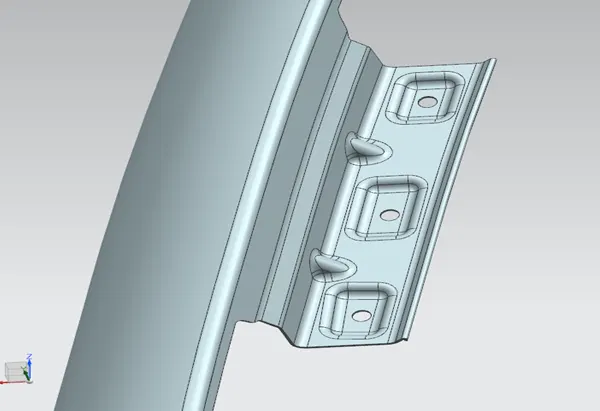
It is used to fix the plastic bumper to the fender with the help of fasteners.
Wheel arch area /Baffel area is provided with holes
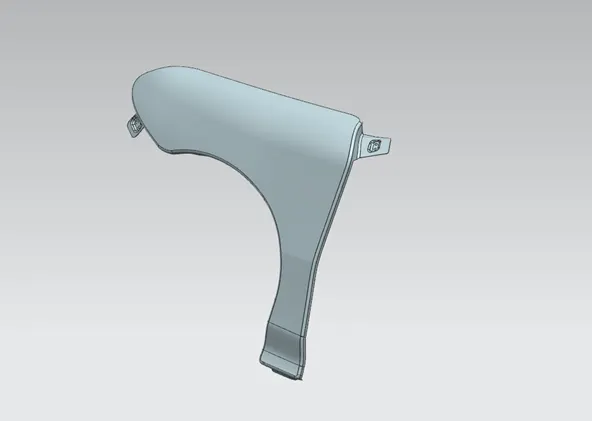
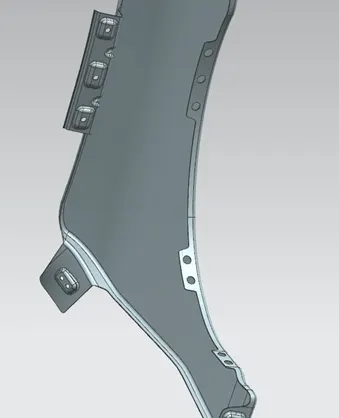
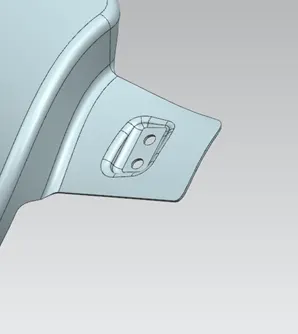
Design Procedure:
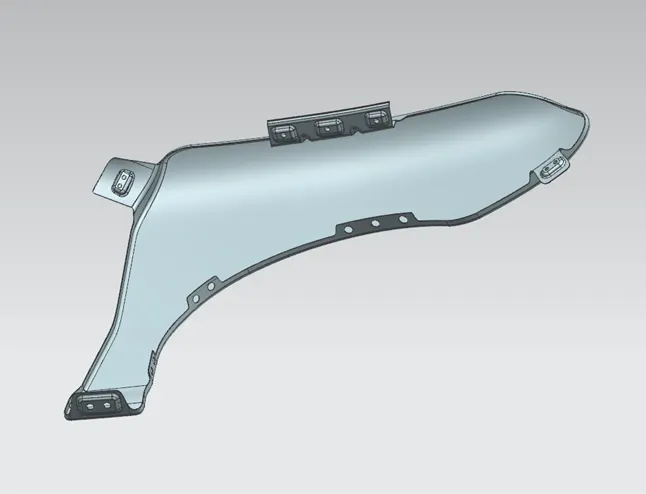
- The class A surface and master section data is provided.
- The thickness of the part is 0.75 mm as per the data.
- The drip area is developed as per the master section data.
- The tools used include, offset face, offset curve, trim surface, curve on face, etc…
- The emboss for required attachments is given used datum plane, emboss surface, sketch commands.
- The provision for the fasteners is given with holes in the flanges.
- The flanges for the baffles are given at required regions.
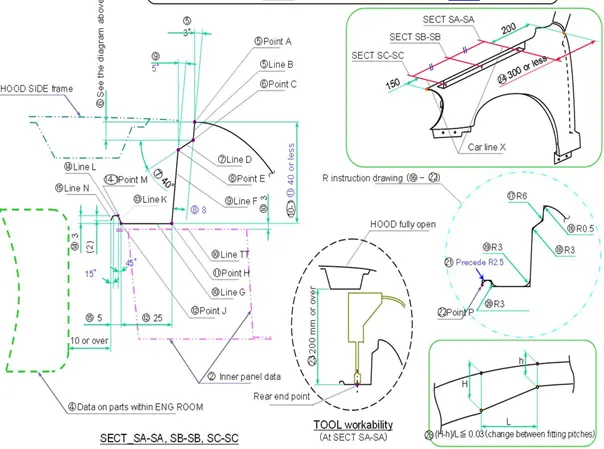
Conclusion:
The Design and engineering features are appropriately added as per master data and master section provided.