Fender Design Challenge
Objective: To Desgin fender using nx cad and desging A pillar mounting, Drip mounting ,wheel arch mounting and sill mounting
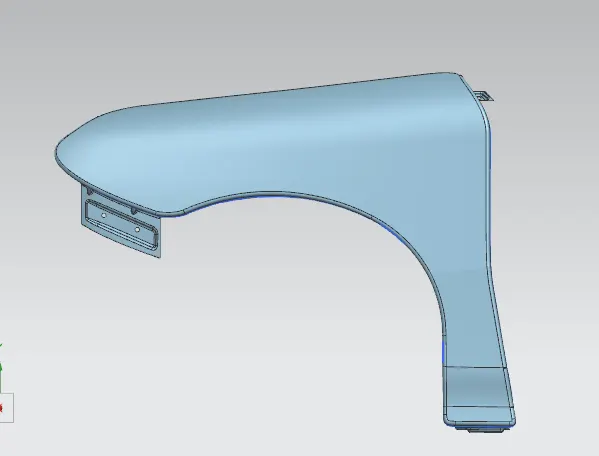
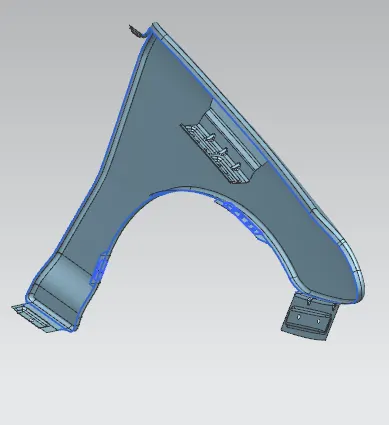
Introduction:The portion of an automobile, motorbike, or other vehicle body that frames a wheel well is referred to as a fender (the fender underside). Its main function is to keep sand, dirt, pebbles, liquids, and other road spray from being propelled into the air by rotating tyres. Fenders are usually stiff and can be destroyed if they come into touch with the road.
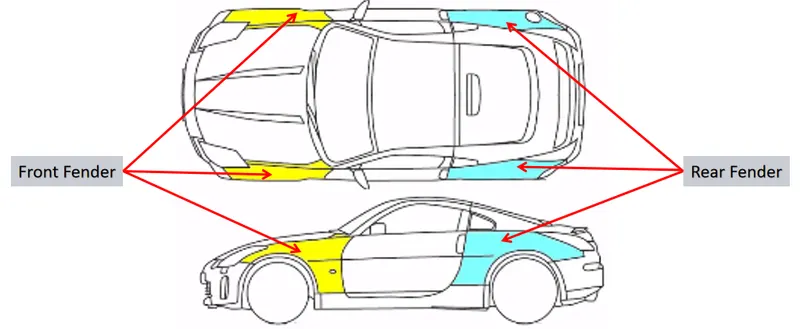
As the tyre rolls over the ground, sticky elements like mud can stick to the smooth outside tyre surface, while smooth loose items like stones can become momentarily lodged in the tread grooves. As the tyre transmits kinetic energy to the connected items, these materials can be expelled off the tire's surface at high speeds. The top of a moving vehicle's tyre rotates upward and forward, potentially throwing items into the air onto other cars or people in front of the vehicle.
The purpose of a fender is pretty simple. Its purpose is to keep mud, rocks, and other road debris from being thrown around by the tires. In other words, the fender is a housing for the wheels that keeps road debris contained. If there was nothing covering the wheels, all kinds of debris would be kicked up by the rotating tires.
The fender not only protects your car from sustaining damage from road debris but it prevents this debris from being thrown up at other vehicles on the road. This is why vehicles with large, oversized tires are often required by law to install fender flares.
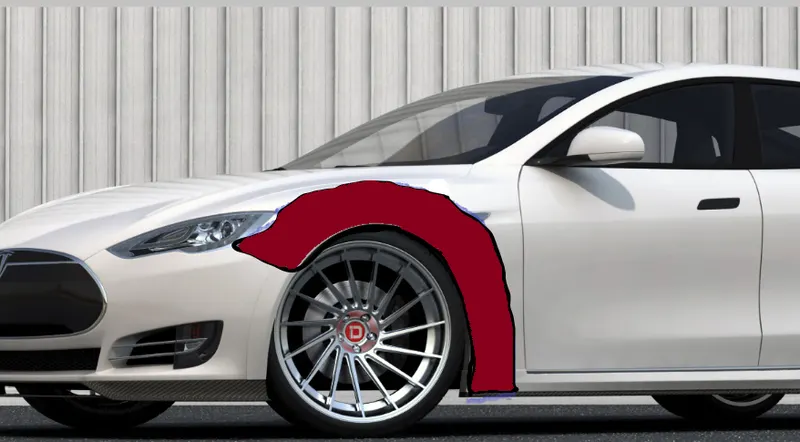
Type of fenders:
Full bumpers:
This style of bumper isn't often utilised since it produces more scrap during the production process. There is greater waste in the steel or aluminium blank used to make this kind. This kind is not cost-effective to produce. It also unavoidably raises the material cost. If we utilise a whole bumper, the material must be aluminium or steel, as these are the most common materials for fenders. This increase in material consumption in bumpers may raise the proportion of weight and, as a result, impair vehicle performance. In today's bumpers, plastic material components are used. Plastics have a strong proclivity for absorbing shock and impact forces.
HALF bumper
The most frequent type of fender is this one. The disadvantages of a complete bumper are addressed in this design, and scrap management substantially reduces the blank area of wastage during production. By significantly expanding the blank size, 50 percent of waste is minimised when two fenders are made from a single steel or aluminium blank. This design also allows for the use of plastic components in the bumper. As a result, it will be easier to save a considerable amount of weight and considerably improve the vehicle's performance.
Purpose of fender:
Cleanliness:
Protect the car, occupants and passersby from items, water, mud, snow, ice, thrown off the tires as you drive.
Safety:
Protects pedestrians from the wheel, e.g. its better to be it by a laterally moving fender than a rolling tire, keeps loose, streaming items from being wrapped up in a rolling wheel.
Aerodynamics:
Smooths the car profile so you don't get a lot of drag off the uncovered wheels. Some fenders are enclosed on the side for this.
General appearance:
Looks better with fenders, gives a finished look, looks more streamlined.
Material used in FENDER Design:
You can find modern fenders made from steel, aluminum, thermoplastic, and fiberglass. Steel is the most rigid and abrasion-resistant material used in making fenders. They offer the best protection from large debris and are less likely to dent. Aluminum offers the strength of metal without the heaviness of steel.
Desgin considerstaions:
According to the desgin reuirments given in the current project we will be planning according to that we have to focus on speficic area
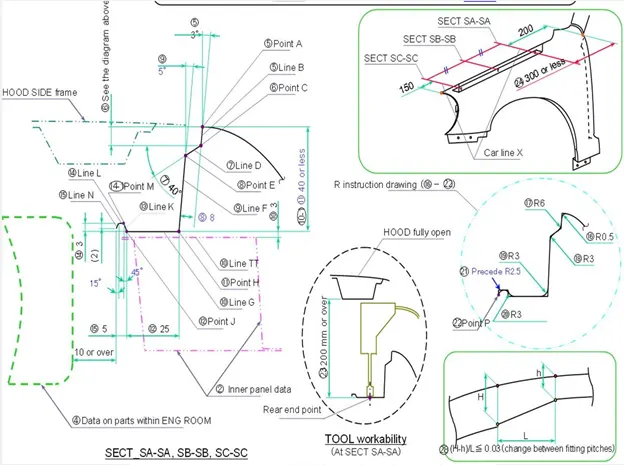
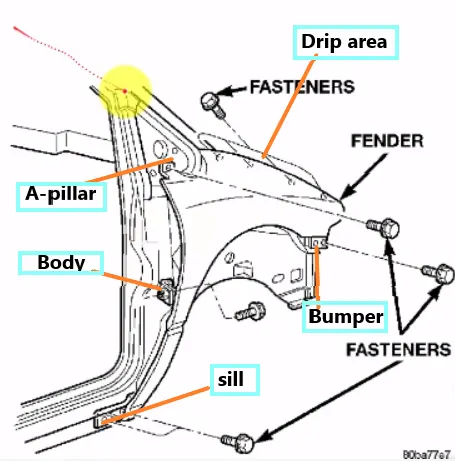
Mounting points:
1. A Pillar
2.Drip MOUNTING
3.SILL mounting
4. WHEEL Arch/splash cover mount
5.Head light mounting
THERE ARE SERVAL AREAS OF MOUNTING OF FENDERS
Desgin parameters on each points and process
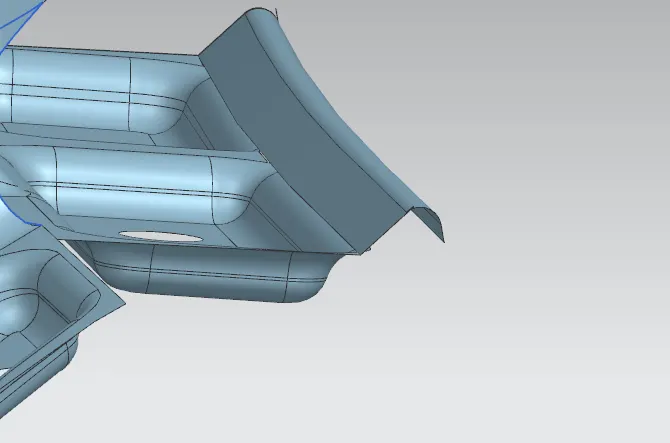
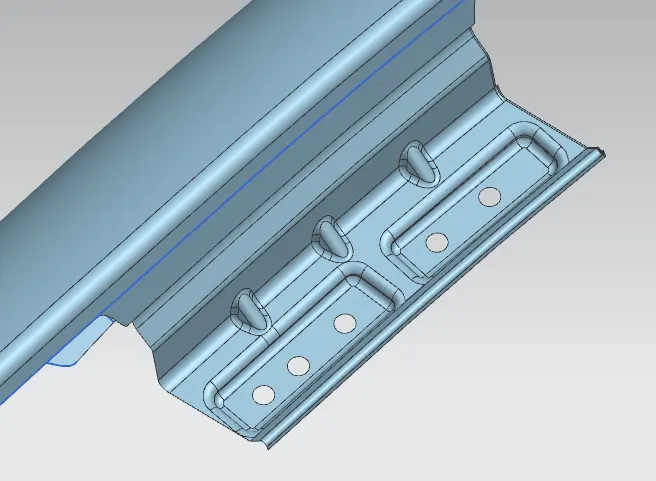
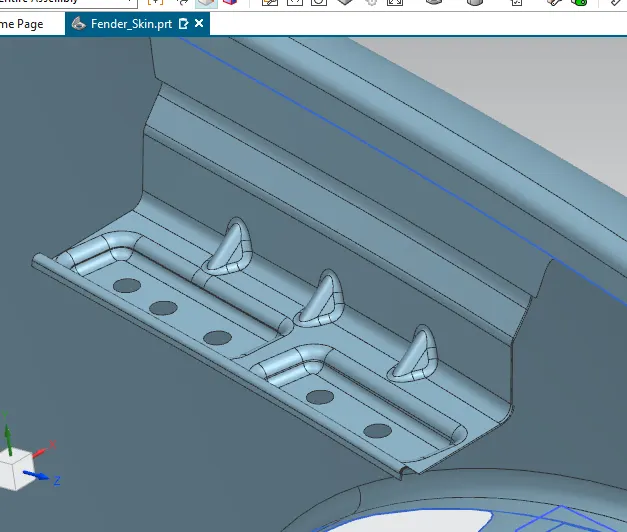
Drip area mounting:
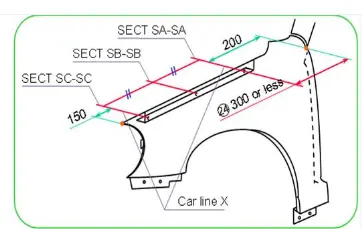
One of the most important section in the fender region is the drip mounting that basically connects the hood and fenders. since it is specfically desgin to we need to pay extra atteintion this part where required
the length should be according to the requeiment and it distance should be roughly 200mm from the cowl mounting or the a pilar mouting. the distance from the hedlight motin g region should be around 150mm
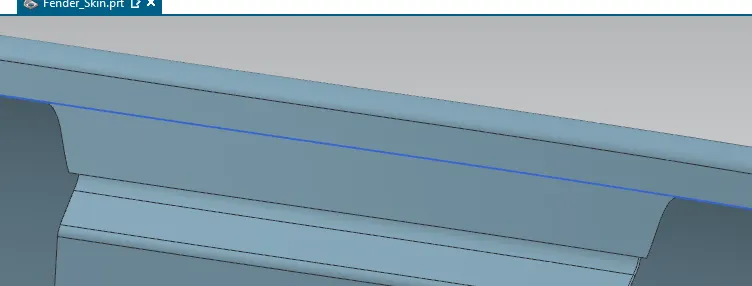
now to genrate use curve on surface and trim sheet comand to make the particular plhange
now to genrate the plange on the angle we will be using extend sheet and extend it according to the requirments. hence it will be on the deggeres and will have the exact areas
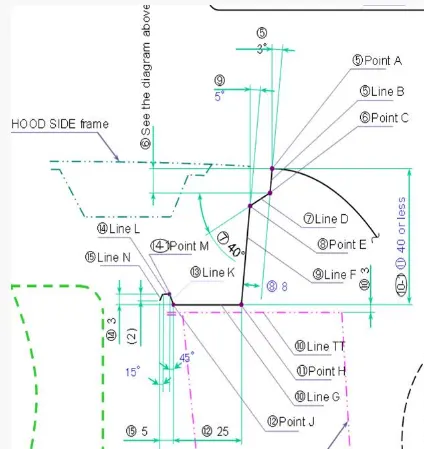
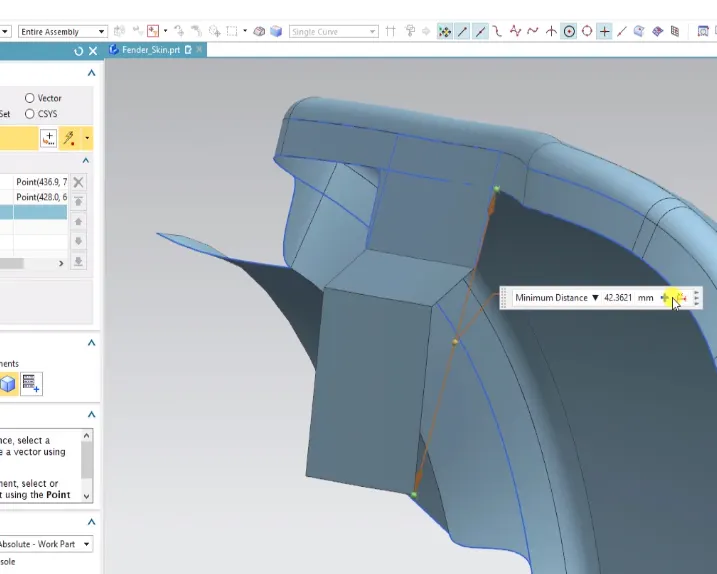
and by solving the pythogersoes equation we will be complelting the oter struture of the drip mouting to create this
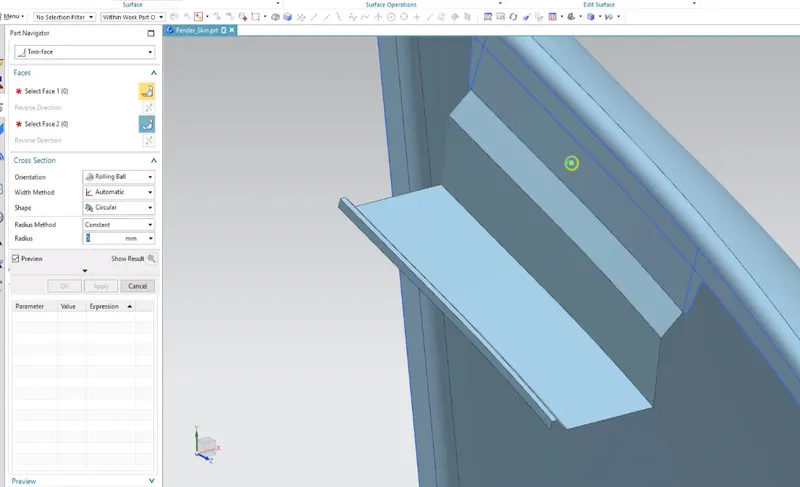
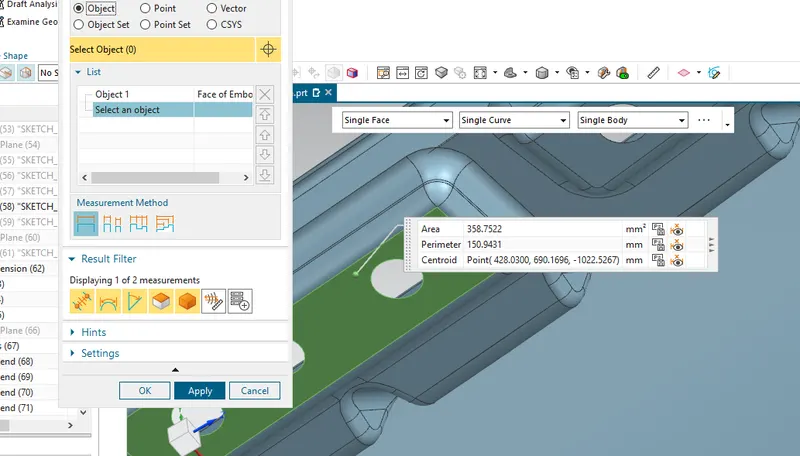
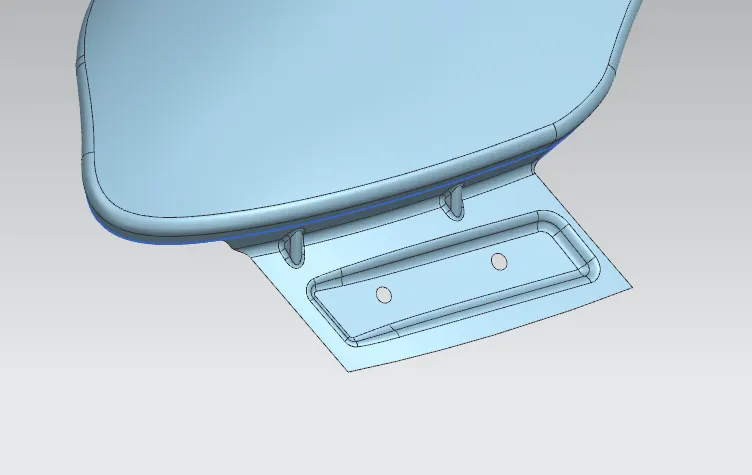
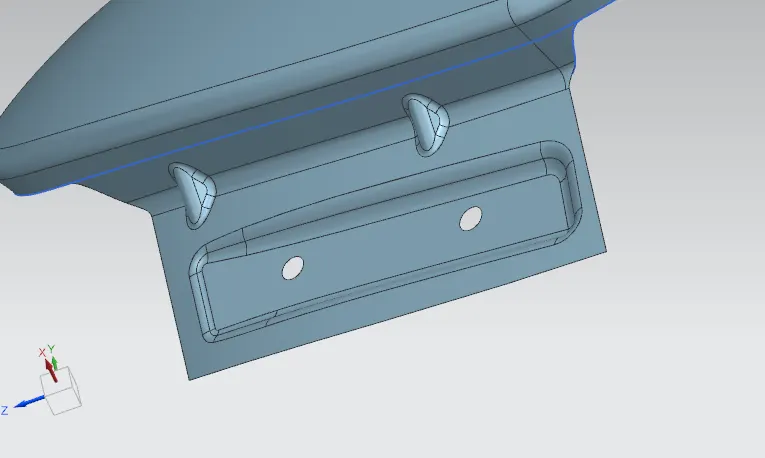
now to make the edge blends and give darts in this region since it is a very big region so we have to create dart as a supporting structure. now with the help of the sketch comand desgin the sockets in such a way that the holes are in the middle.crerate emboss using this comand important point to remeber since we are dealing with this area we want the surface not to have any curvatures. check it with annalysis . apply edge bend on the 3 face surface to give it proper curve coners
A pillar mounting:
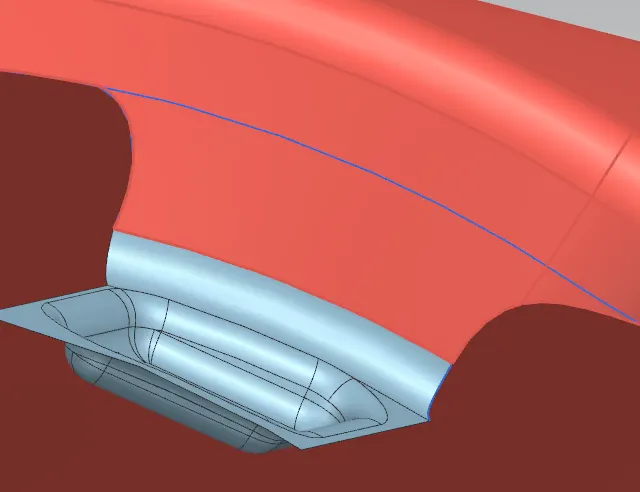
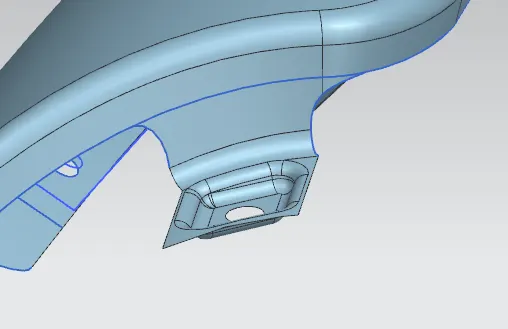
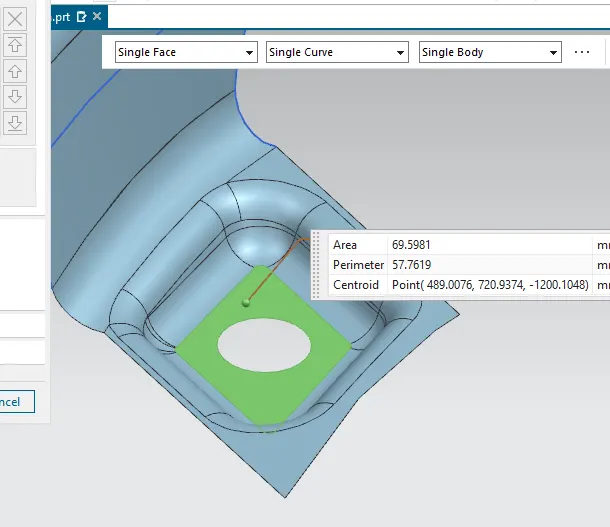
since a pillar mounting doesnt have tight desging constains we will be extendind the sheet in the dirretion and creating the whole socket. we do need to rember since it is supposed to join the cowl area or the a pillar it should not have curvature.
we will be foucing on not to create any sharp edges and willl be using trim and bridge curve comands to provide a smooth edges.direction of the emboss created is very important.
SILL MOUNTING:
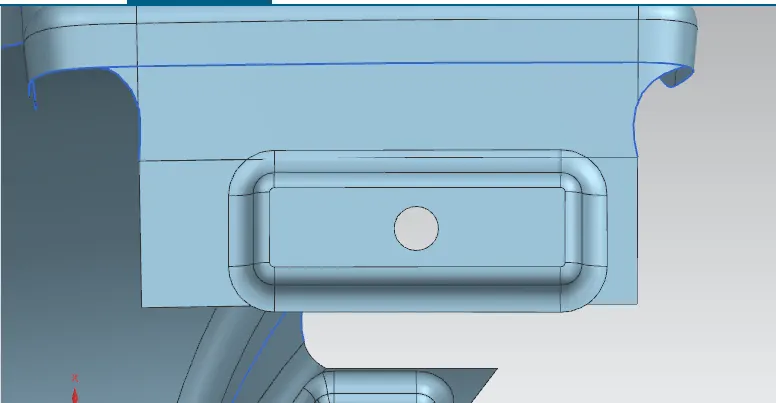
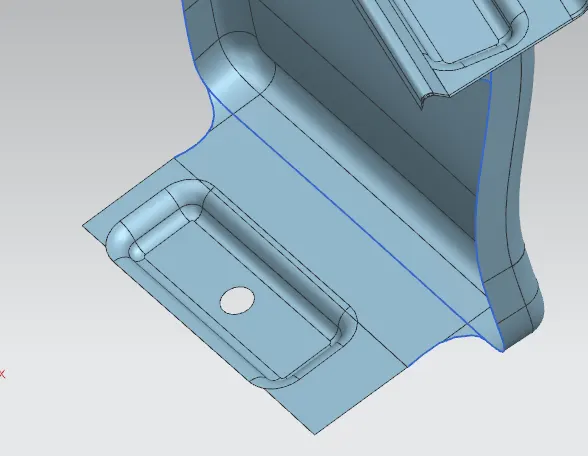
Sill mounting will be used to connect the fender with the lowe part of the wheel arch. here we will be extending the surface and creating a smooth surface.we will be foucing on not to create any sharp edges and willl be using trim and bridge curve comands to provide a smooth edges.direction of the emboss created is very important.
Head mounting:
One of the most important section in the fender region is the HEAD mounting that basically connects the hood and fenders. since it is specfically desgin to we need to pay extra atteintion this part where required
the length should be according to the requeiment. LAW EXTENSION can be used to genrate the surface normal to the surface.we will be foucing on not to create any sharp edges and willl be using trim and bridge curve comands to provide a smooth edges.direction of the emboss created is very important. since it is a big componet we will be using darts to strength the flange. create face blendes on the sides and on the darts.
WHEEL ARCHS mount/splash cover mount:
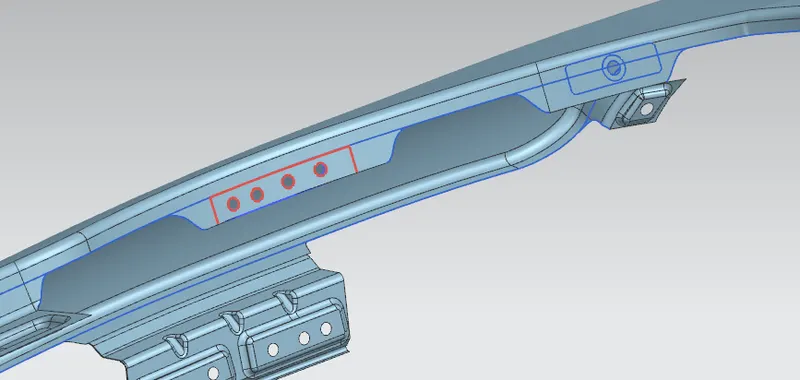
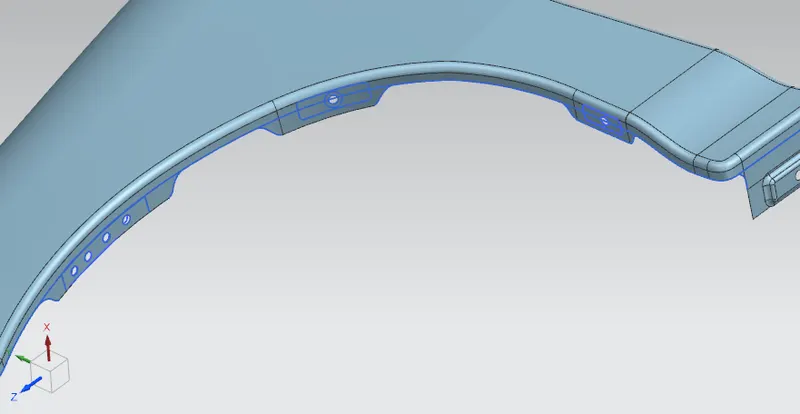
SINCE NO COMPONENTS WILL BE DRICETELY STICK ON THESE SURFACES WE WILL BE JUST CREATE THE FLANGE AND NOT THE EMBOSSES. we will be trim the sheet and skecthing the particular shape on the surfaces
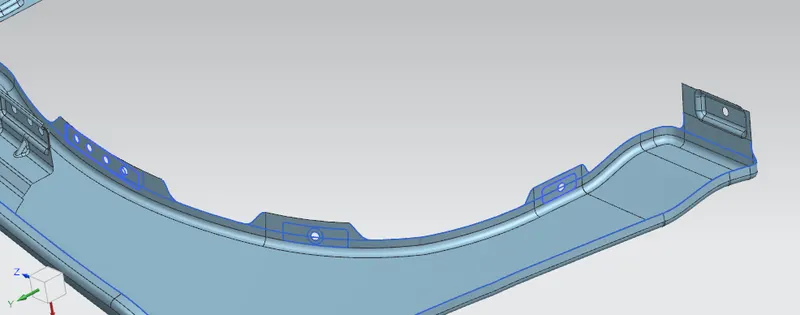
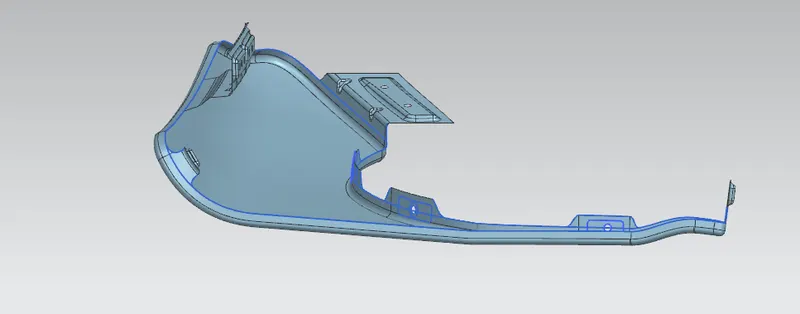
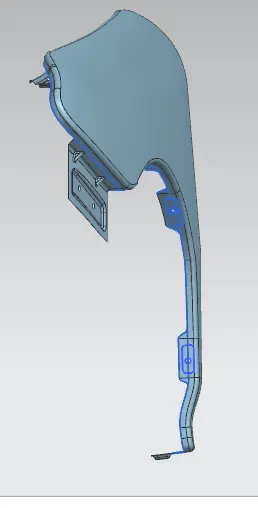
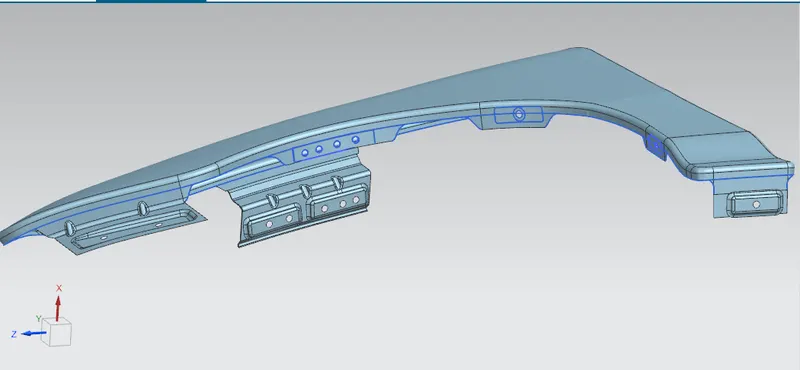
VEIW OF FE3NDER:
Conclusion :
THE DESGIN OF FENDER AND AS WELL AS ALL THE MOUNTING AREAS LIKE DRIP, SILL ..ETC WAS COMPLETED USING NX CAD USING ALL THE DESGIN REQUIRMEENT AND MASTER REFERNCES .