Fender Design Challenge
FENDER DESIGN
AIM :
To design the car fender according to the given design parameters related to industry standards.
FENDER :
The part of the car covering the wheel has two very different names depending on whether you’re coming from a British viewpoint or an American one.
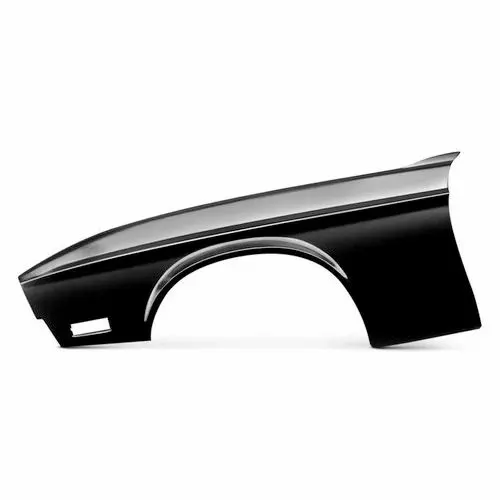
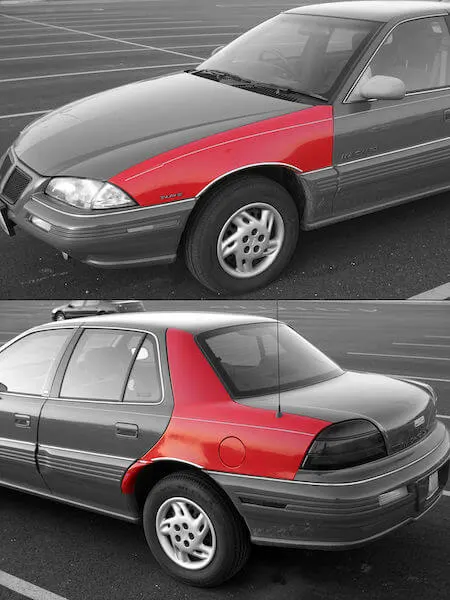
Although nowadays the fender/wing covering the wheel is very much part of the overall car body, in the early days of car design the wheels were more remote from the chassis, and so to stop all manner of grubby bits flicking up at high speed from the wheels into other road users (and all over your own gleaming coachwork) there needed to be some kind of extra guard.
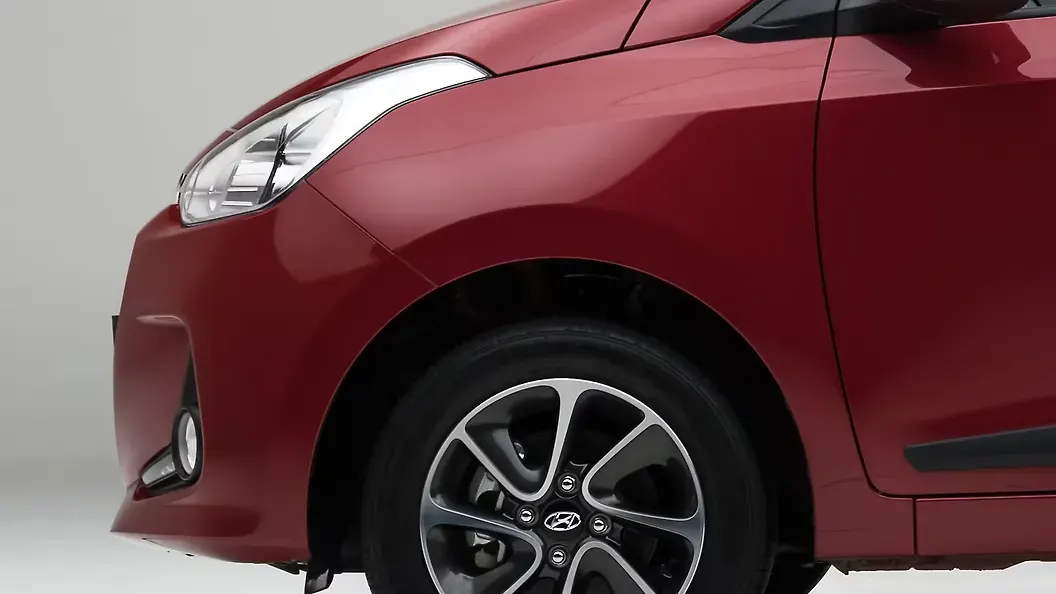
To the British designers of the day these extra panels sticking out from the main body – with sweeping, flowing curves – resembled the wings of birds, and so the name was given. Over the years the name has stuck to some extent, but with the wheels of modern cars becoming ever more integrated into the overall form of the car the idea of a ‘wing’ seems a bit vague, and so these are often now simply called ‘arches’ or ‘panels’ (or ‘bumpers’ if they’re at the points likely to make contact with other vehicles, like the front and back). Indeed the term ‘wing’ to a British youngster would usually conjure up images of a spoiler attached to the back of a car.
In the US these wheel-covers were given a name which reflected their purpose rather than the way they looked, and so the piece of metal which guards the detritus flying up from the road was called the ‘fender’ – literally fending off the attack of the muddy roads. As time went on this function still applied, and therefore so did the name. In the states, a small incident that might be called a ‘bump’ by a Brit where the bumper makes contact with something, would often be called a ‘fender bender’.
USES OF FENDER :
- Get other vehicles or pedestrians on the road side dirty
- Hurt pedestrians
- Scratch the bodies of other vehicles
- Cause minor, and even major damage to other vehicles
TYPES OF FENDER:
There are mainly two types of fenders :
1. Half bumper type
This half bumper type is used for mainly cost and material cutting purpose as this type is also provides ease of manufacturing and the strength is also improved for half bumper type fender.
2. Full bumper type
The full bumper type model is used in the olden days this creates much wastage of material and the unnecessery cost is increased.
INPUT DESIGN PARAMETERS:
MOUNTINGS :
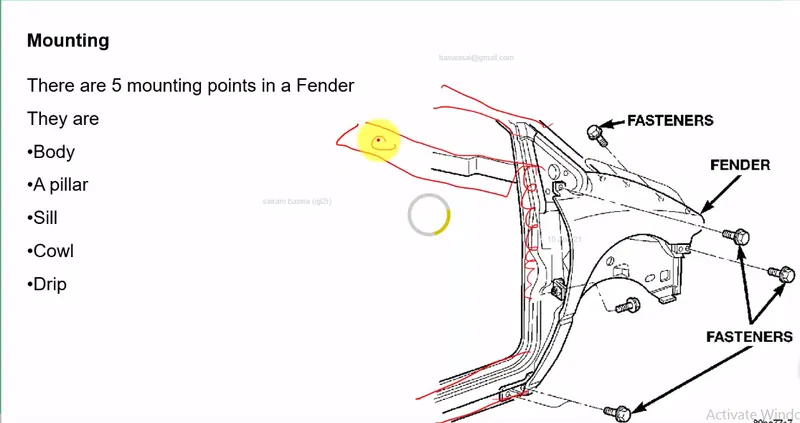
DESIGN OF DRIP :
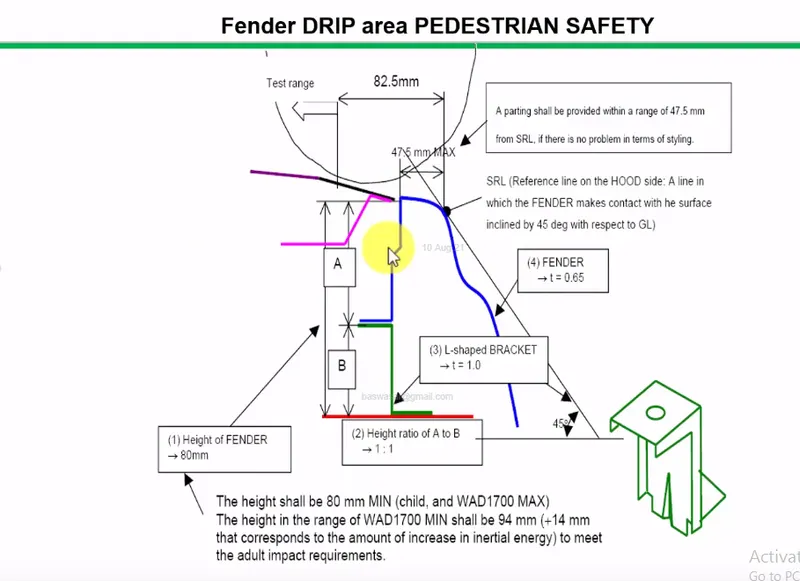
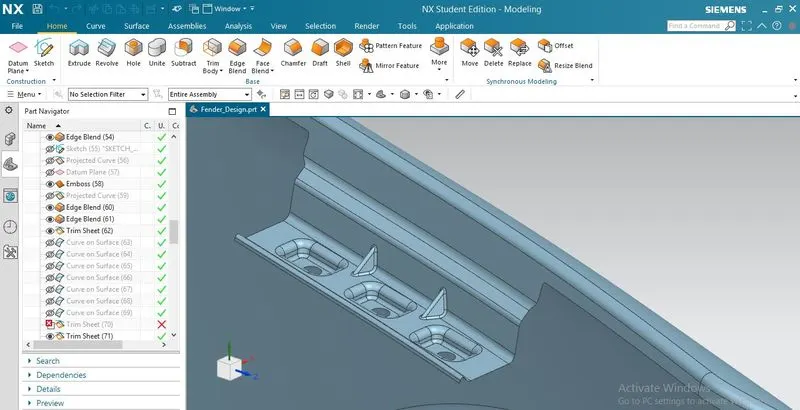
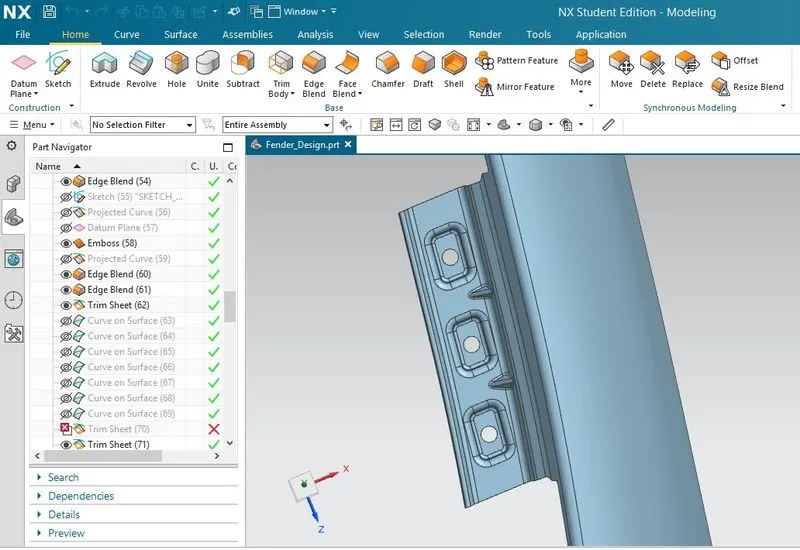
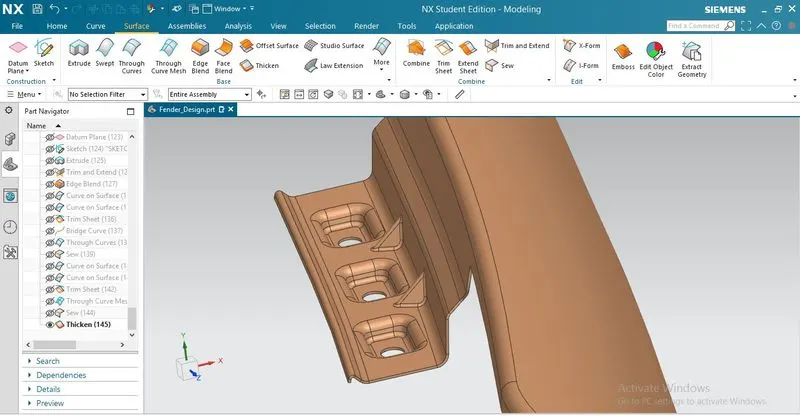
- The curve selection command is used for creating curves on the surface of flange to trim the extra sheet metal.
- The position is considered as 200 mm from cowl and 150 mm from headlight position.
- The flange should be about 7 degree, then 40 degree down and 5 degree down which should be total length of 40 mm or less from top of fender.
- Then the flat length of 25 mm is given.
- The last projection is followed as per dimensions using pythogrous theorem.
- Then the flange holes were created for mouting points.
A-PILLAR MOUNT DESIGN :
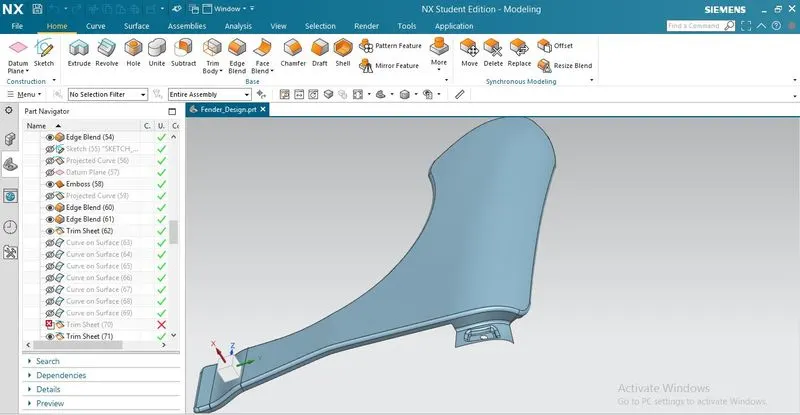
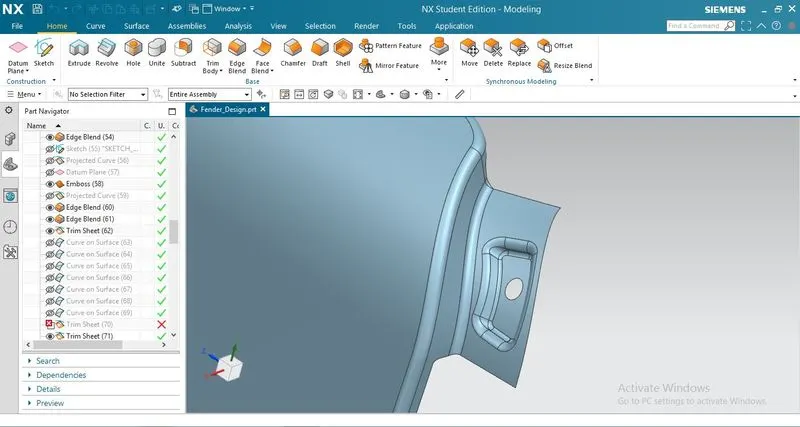
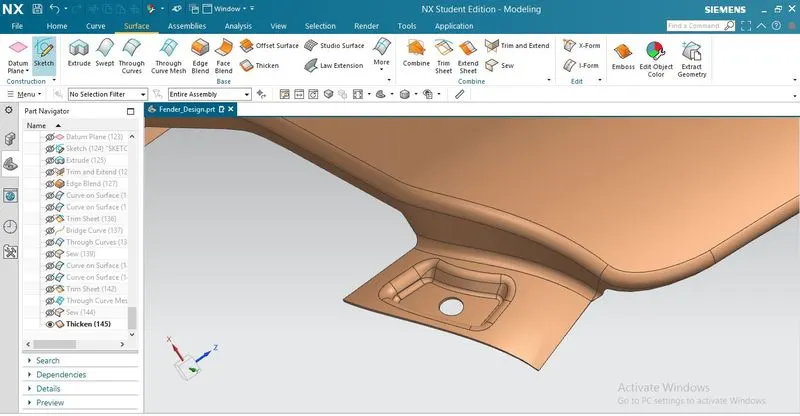
- The consideration is taken from the place at cowl is placed.
- It is taken at the back of the drip mount.
BUMPER MOUNTING :
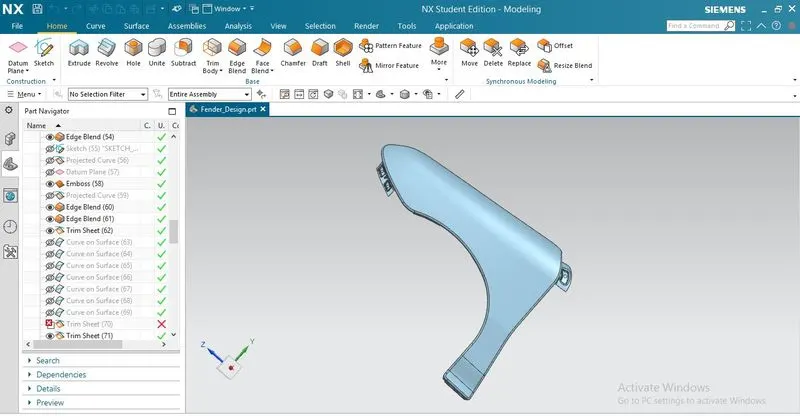
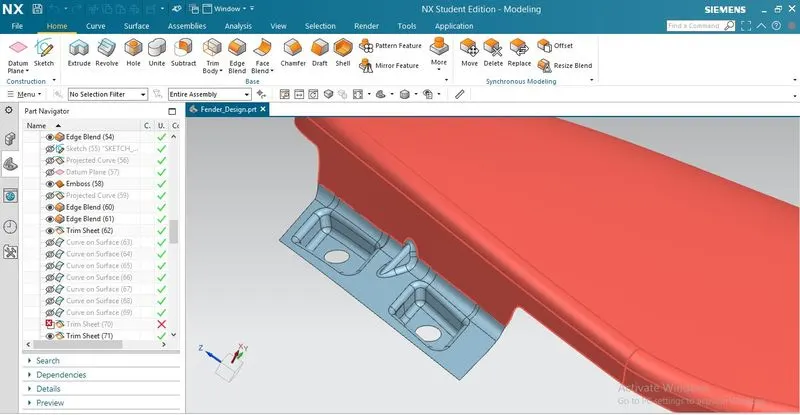
- The bumper mounting is placed at the mating of head light position.
- This is also has a flange with holes for mountings.
SILL MOUNTINGS :
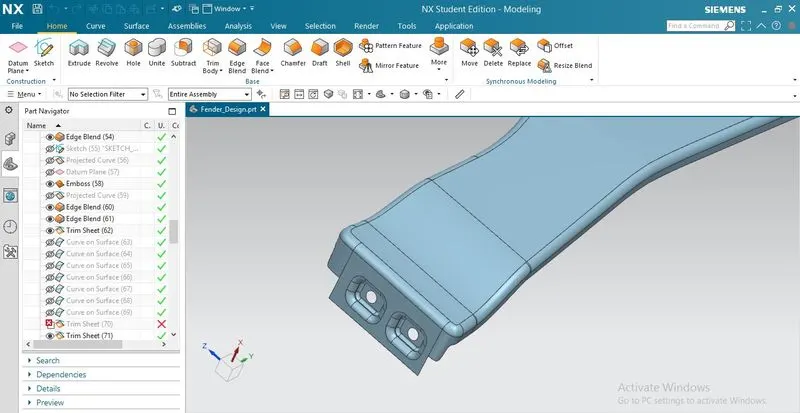
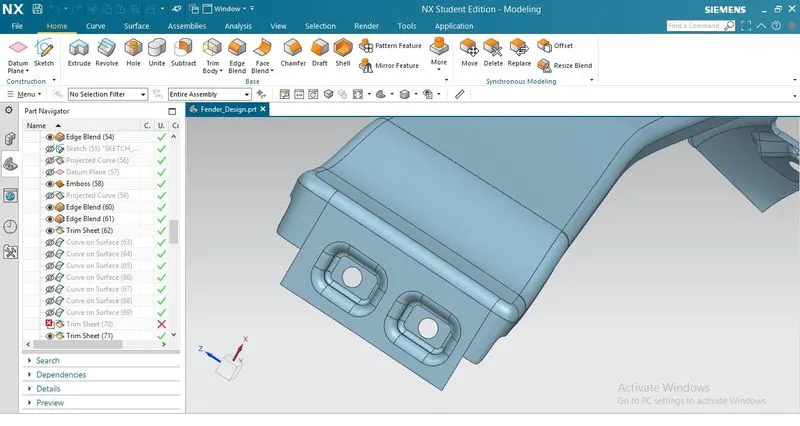
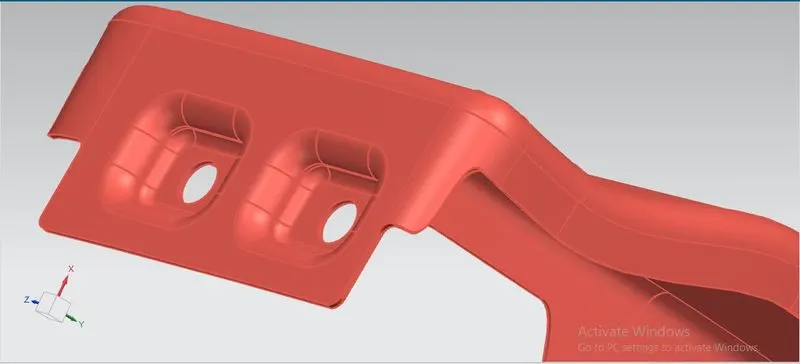
- The sill mounting is done by extension of sill area flange
- After extension of flange holes were made for mountings.
- Embosses were created for the hole moounting points that provides more strength.
WHEEL ARCH MOUNTINGS :
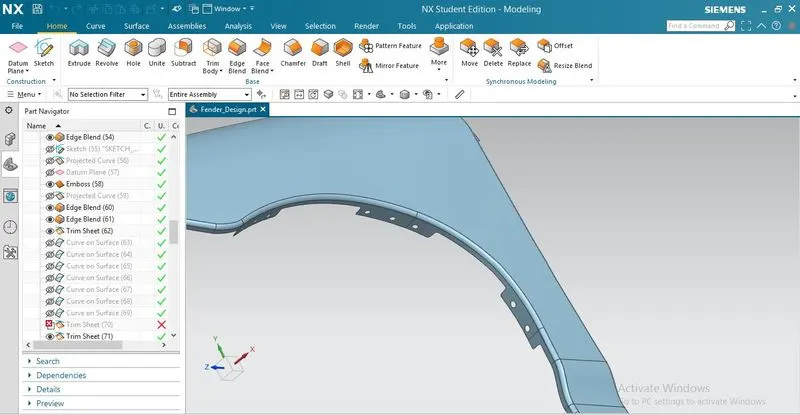
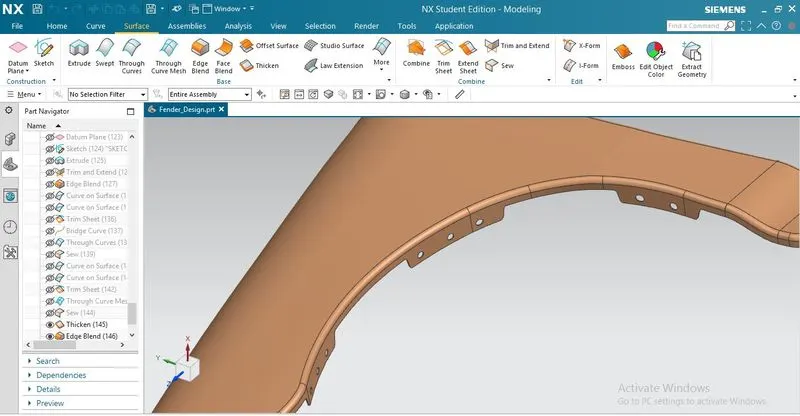
- The wheel arch design is always depends on regulations based on different countries like European, Japan, US etc.
- The flange provided for the wheel arch is provided with just holes for push pin clips to mount wheel arch.
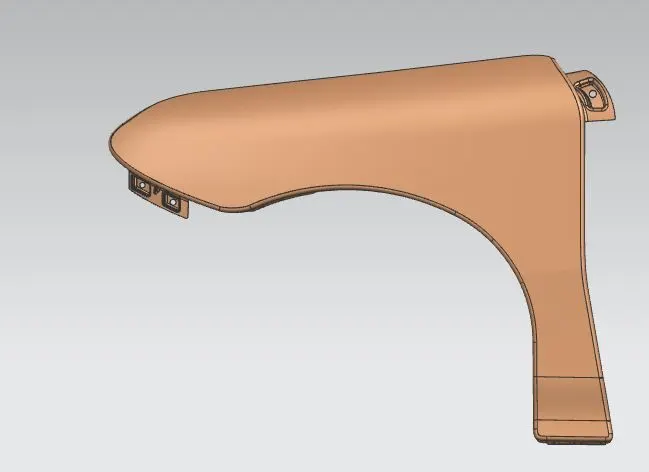
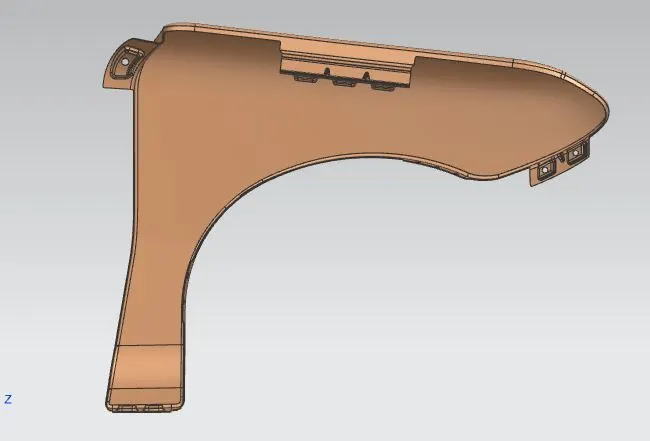
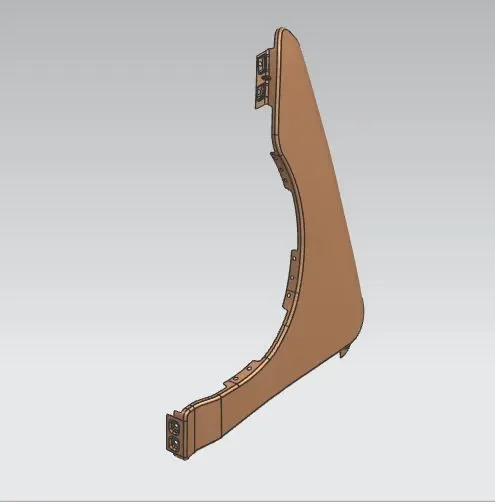
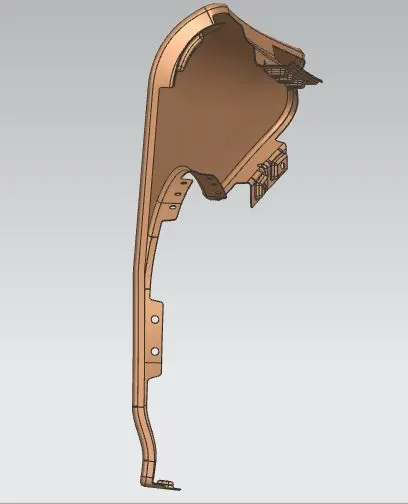
DIFFERENT VIEWS OF FENDER :
GOOGLE DRIVE LINK :