Fender Design
FENDER DESIGN
FENDER - Fender is a side closing component for the engine compartment. It`s major role to avoid chipping of sand, small stones and mud particles inside the engine compartment when the wheels rotate. Fender also plays a major role to prevent injuries for the pedestrians.
Type Of Fender – Here is two type of fender –
1 – Full bumper type
2 – Half bumper type
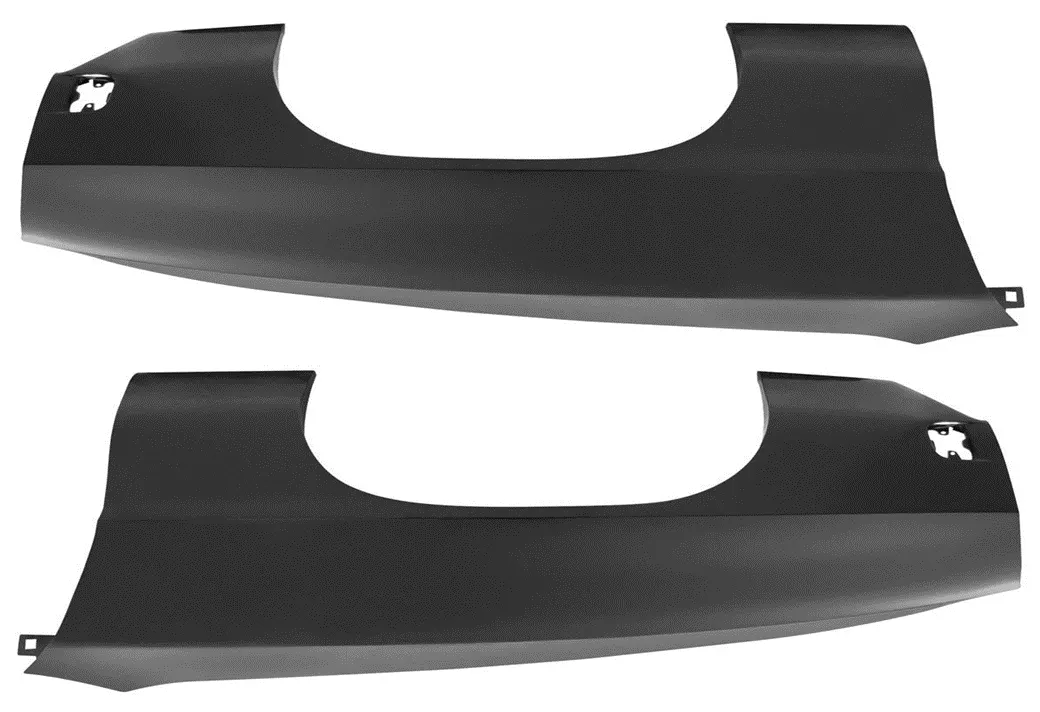
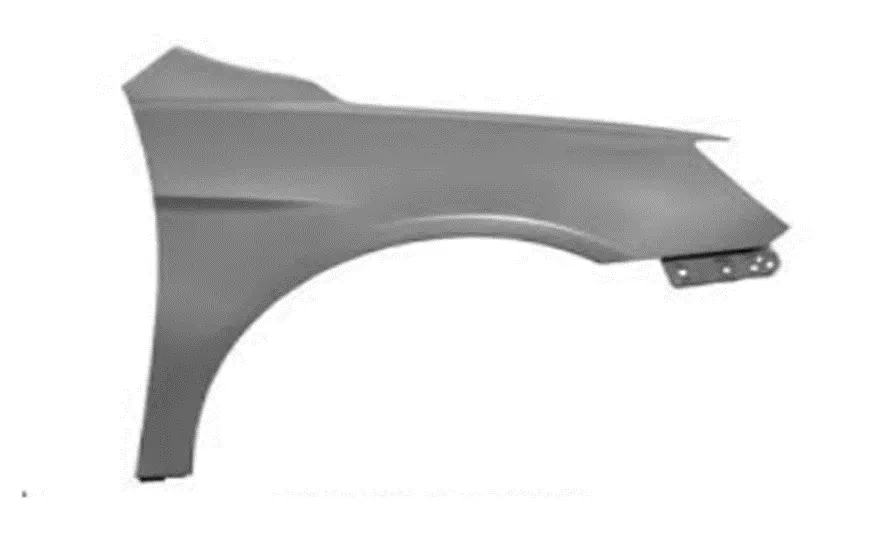
A full type bumper covers the entire width of the front or rear of the vehicle, while a half type bumper covers only a portion of the width, usually the centre. Full type bumpers offer more protection for the fenders, flares, and tires, but they may also reduce the approach and departure angles and the tire articulation when off-roading. Half type bumpers are more common on off-road vehicles, as they allow the tires to access more terrain and overcome obstacles more easily, but they also expose the fenders, flares, and suspension parts to potential damage.
Full bumper type fender take more material from half bumper type and they also havy in weight and for a vehicle we need to reduce the weight so now these days we majorly use half type of bumper. Here is one more difference that we can make two half type of bumper instead of making one full type of bumper. It`s take less time to create a half bumper type of fender.
Full Type Bumper -
Half Bumper Type –
Purpose of fender design - The primary purpose of fender is to protect the wheel and prevent road debris such as rocks, sand, and mud from being thrown into the air by the spinning tire and absorb the impact upon collision, minimizing the damage to the main body.
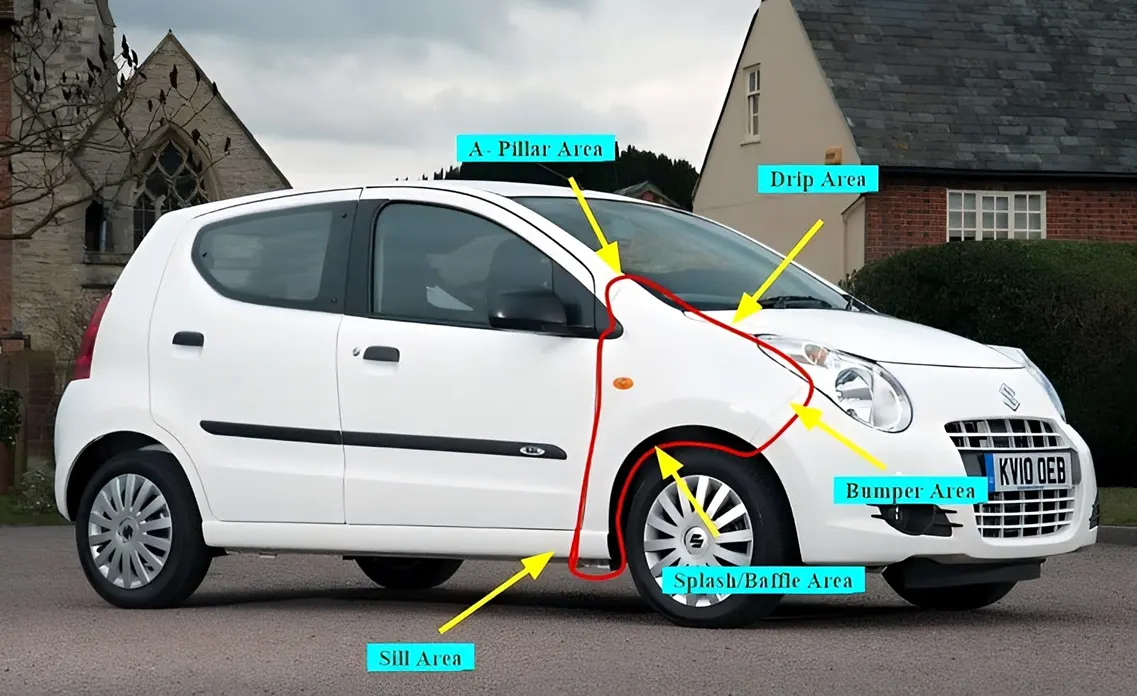
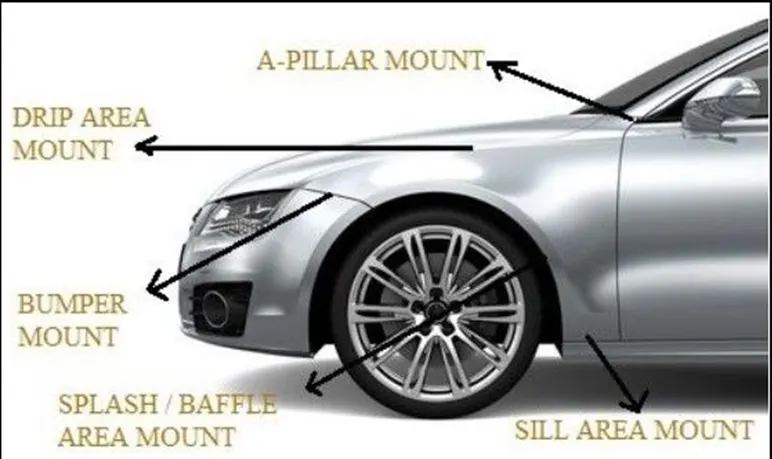
Mounting areas of fender –
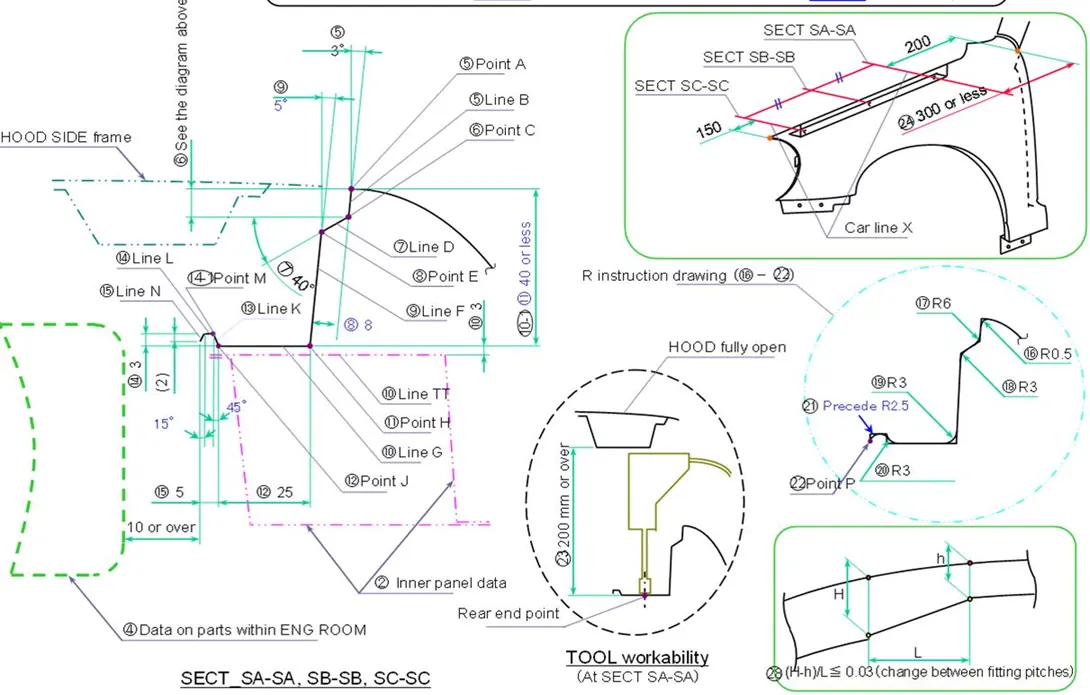
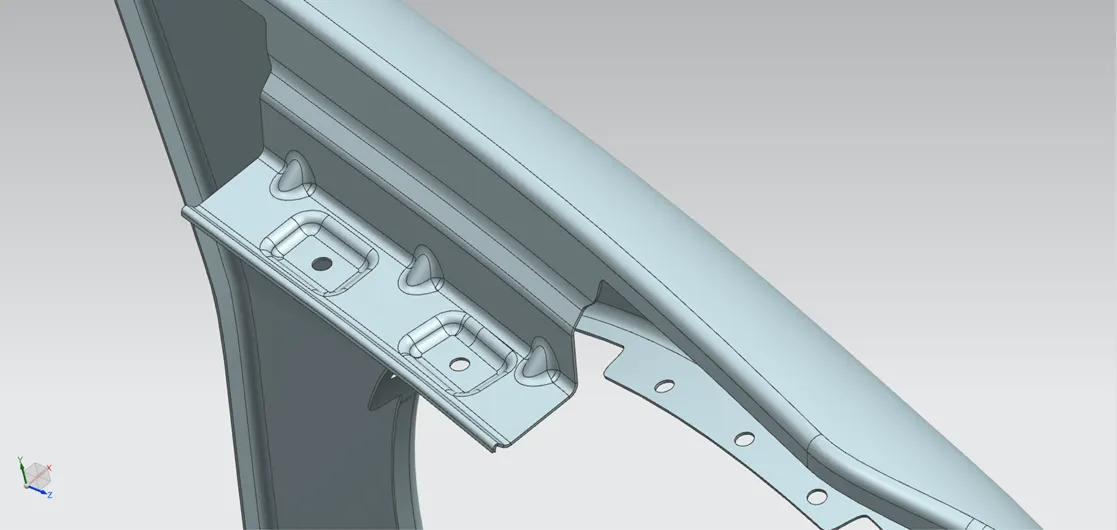
1. Drip Area: This is designed to prevent water from entering the engine compartment. A clearance of 150mm from the front-end for headlight fittings and 200mm clearance from the rear- end for the wiper motor assembly is maintained while designing the drip area.
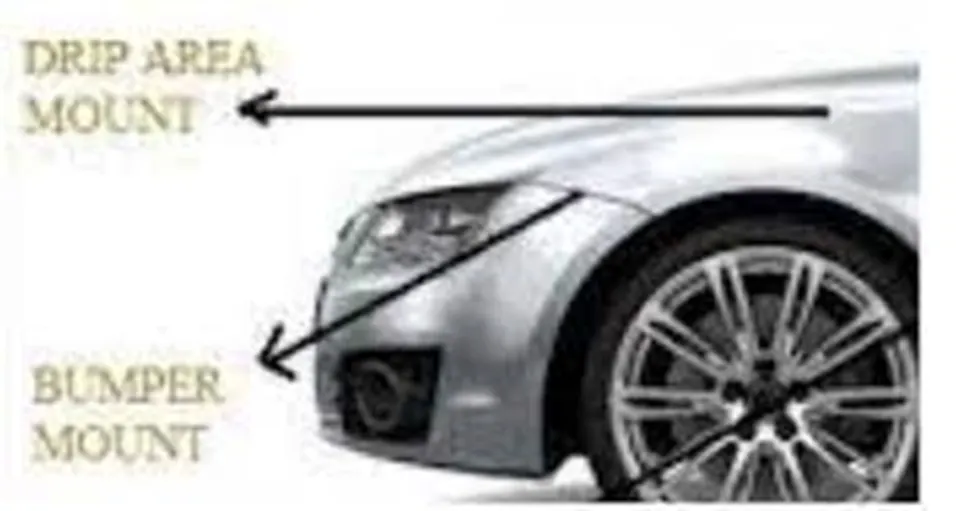
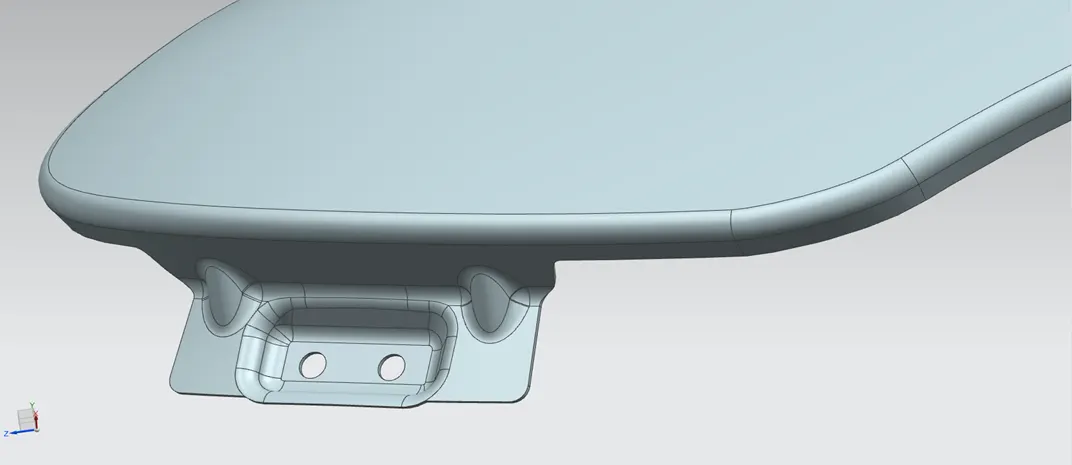
2. Bumper Mount: This is where the fender connects to the vehicle’s bumper.
3. Sill Mount: This is the area where the fender attaches to the vehicle’s sill.
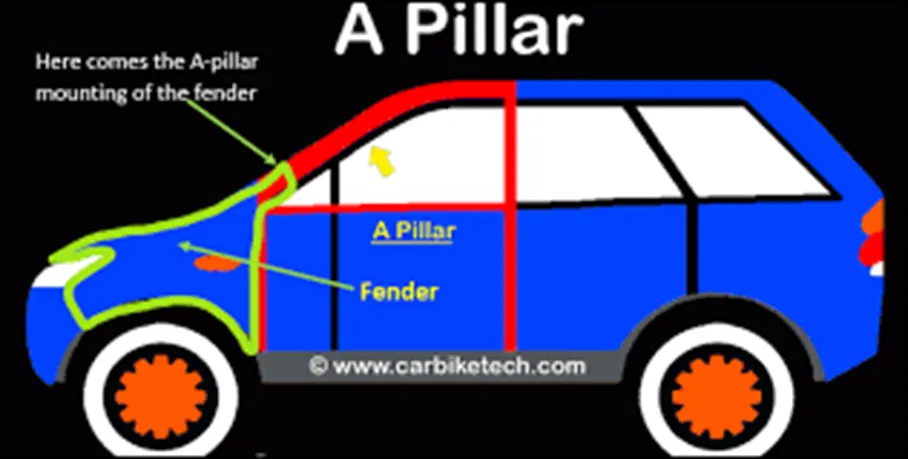
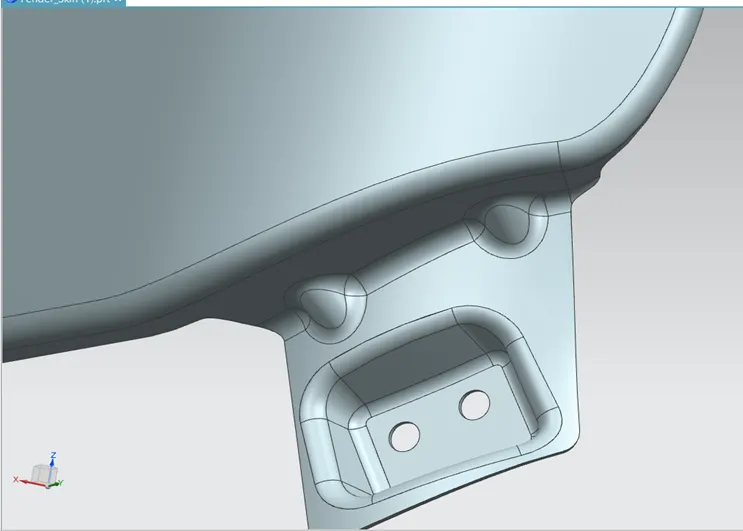
4. A-Pillar Mount: This is the point where the fender is attached to the A-pillar of the vehicle.
Each of these mounting points plays a crucial role in the overall function and stability of the fender.
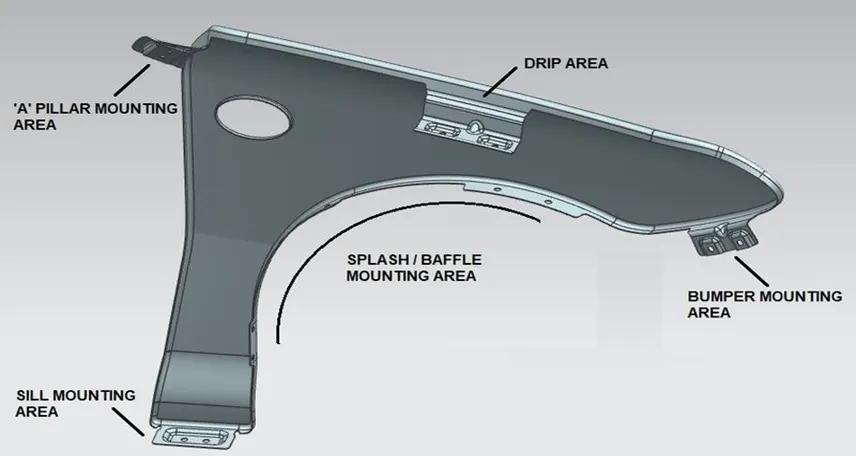
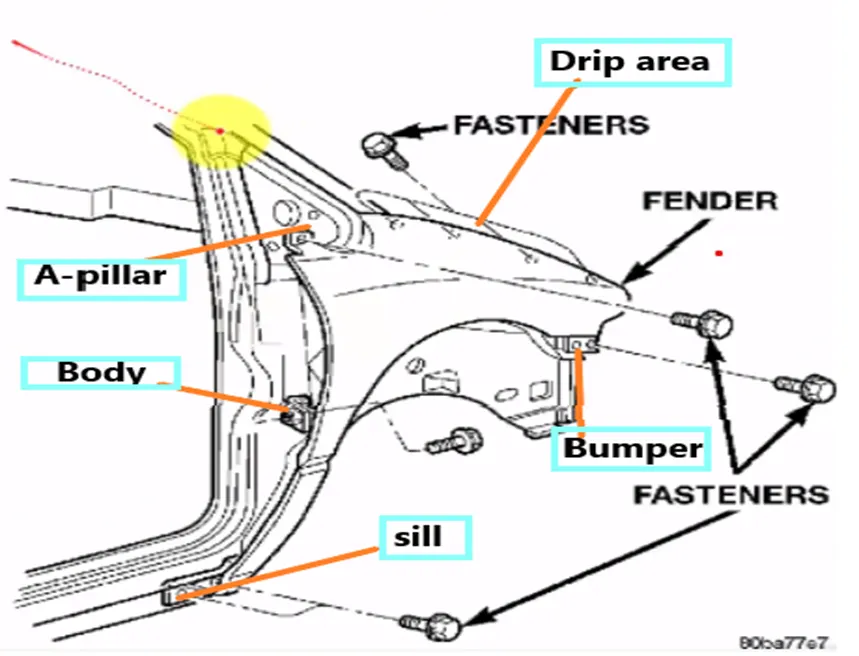
DRIP AREA MOUNT – Designing data of drip area mount.
BUMPER MOUNT –
SILL MOUNT AREA –
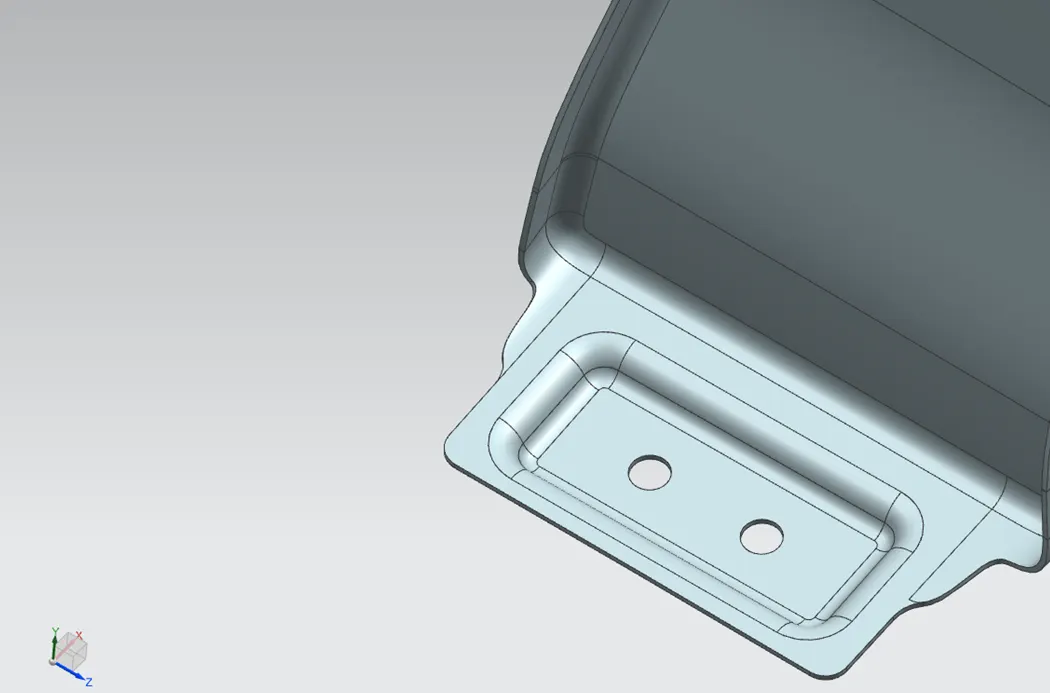
A PILLAR MOUNT –
BAFFELE MOUNT AREA –
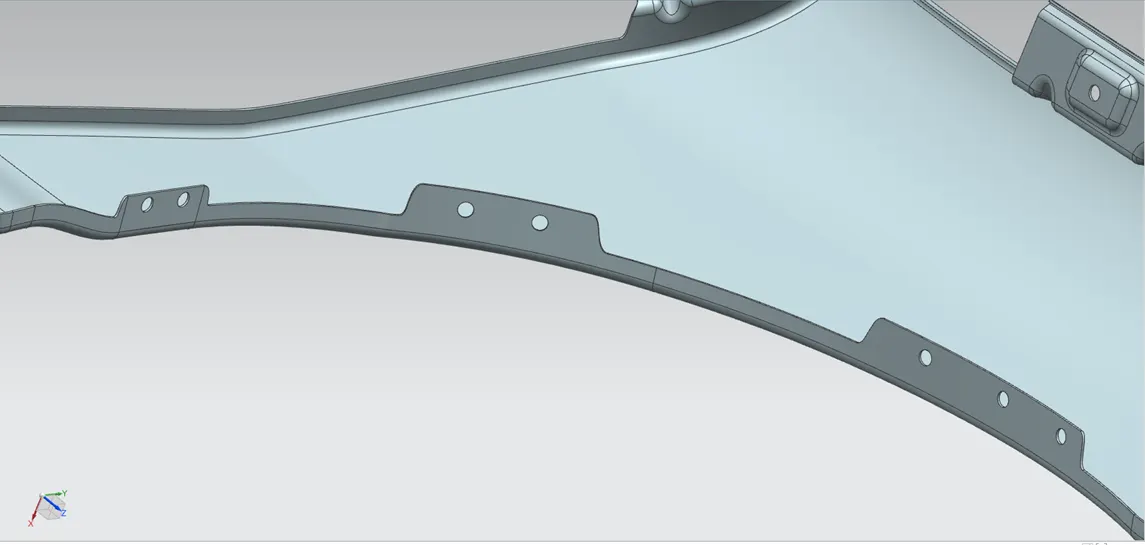
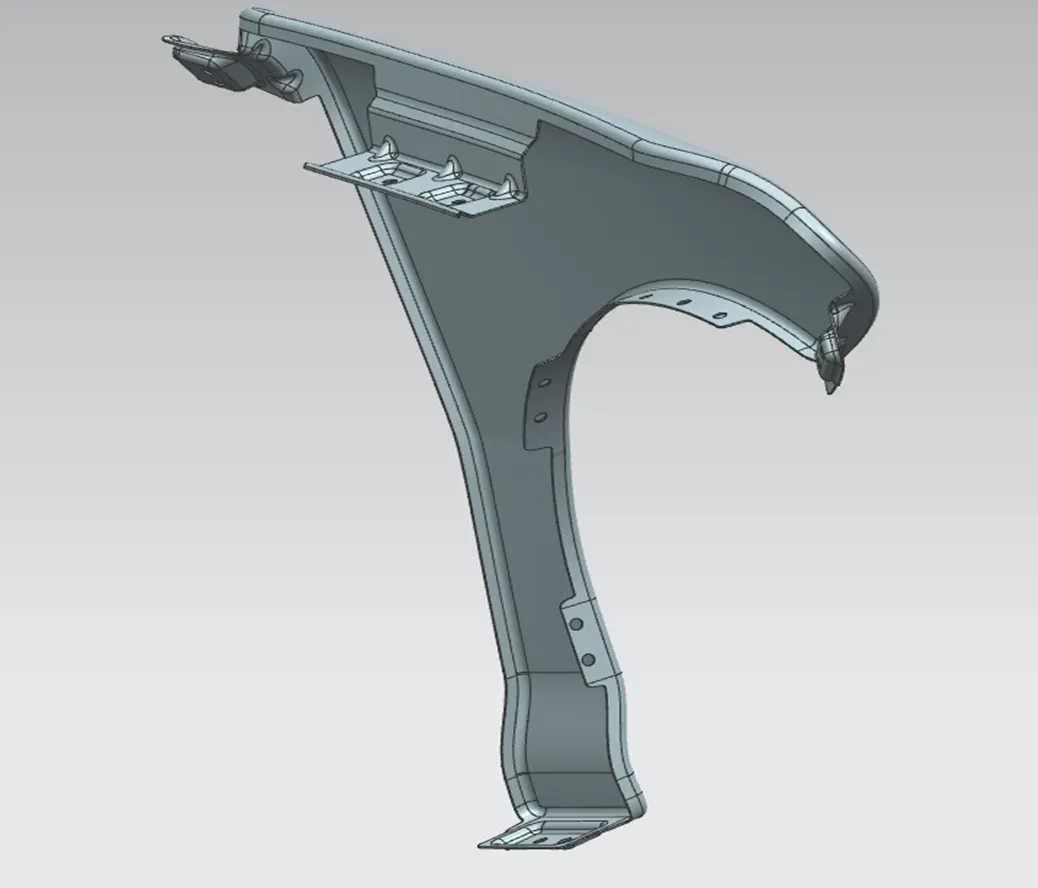
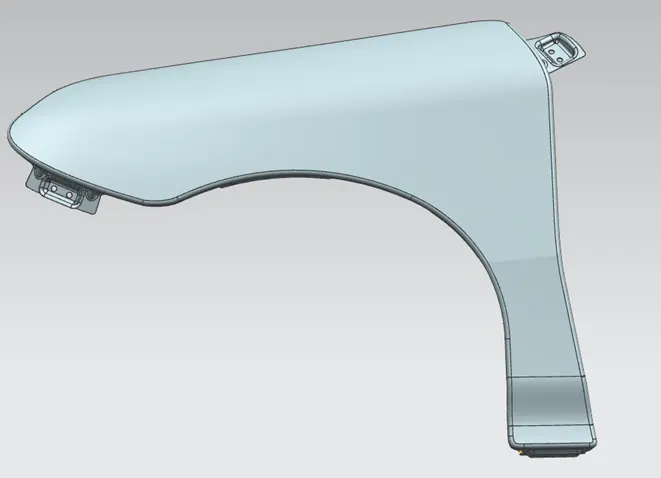
Full design of fender with its component –
Manufacturing process – There are several process used to manufacture the fender.
1-Unfolding and Shearing:
2-Machining Small Parts:
3-Oil Pressing and Punching:
4- Installation and welding
Design parameters of fender –
1 Drip area -
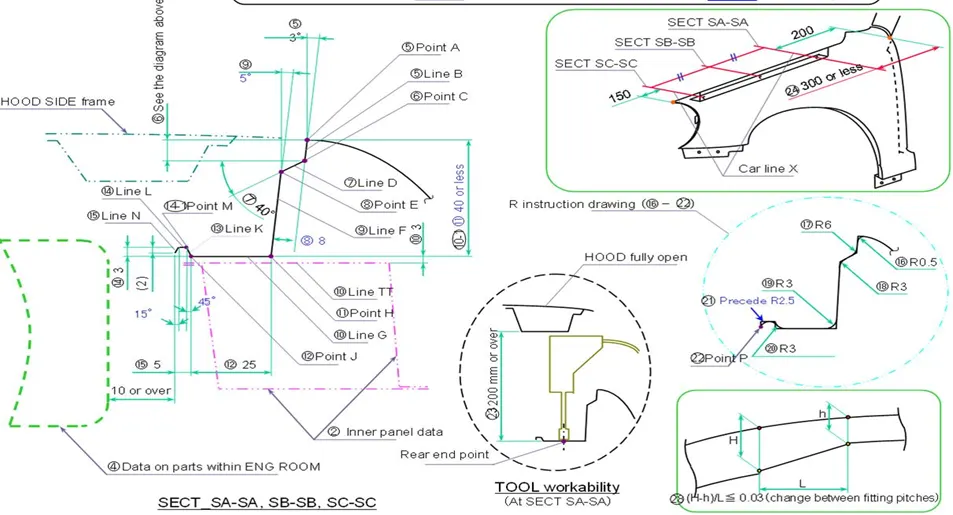
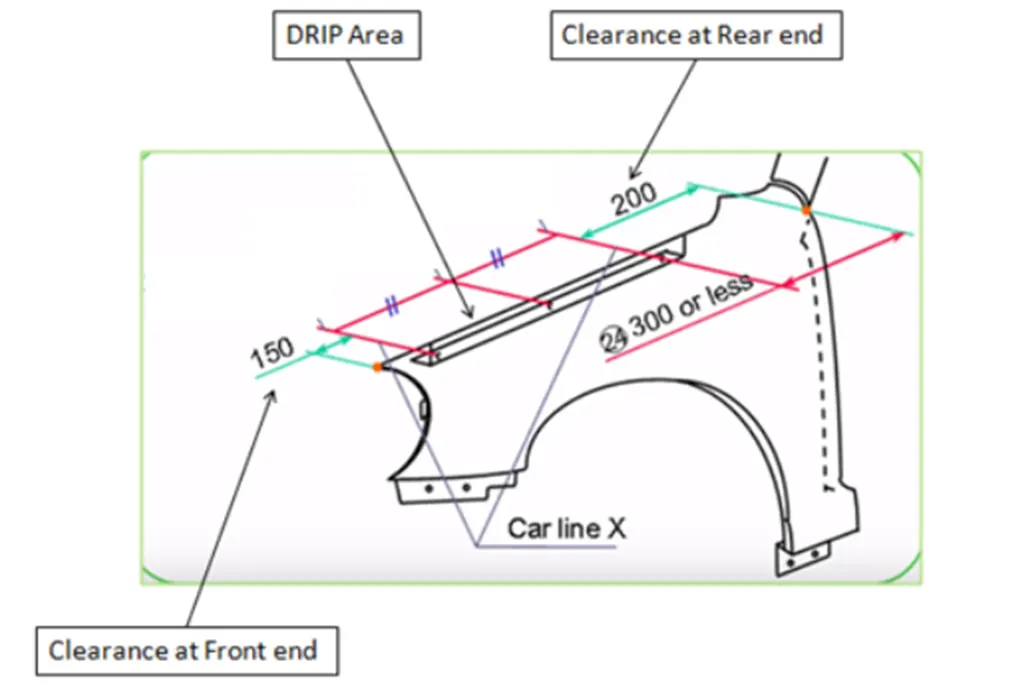
2- Wheel arch area – there are three types to define wheel arch are.
1. Japan requirement-
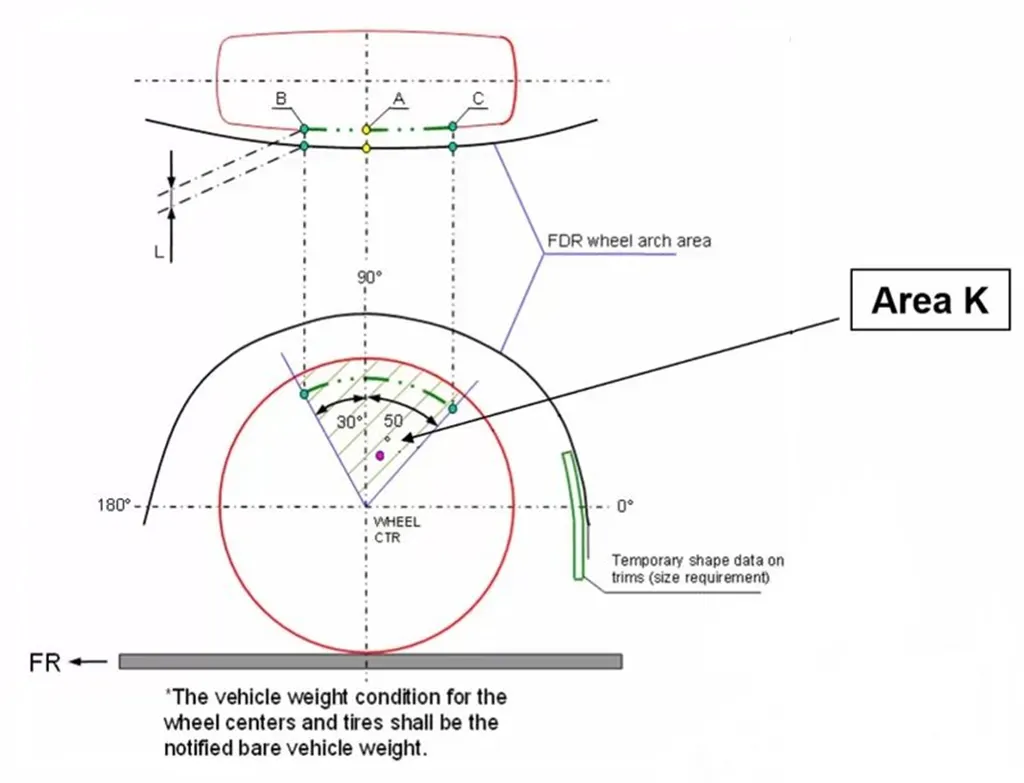
Measure clearance of tire, hub, cap and fender in three different positions with K and produce clearance check chart to validate.
Clearance must be greater than 5 mm in all position.
Wheel guard requirement – The value of (a) shall be more than 5 mm at a line 30 degree forward and 50 degree rearward from the central vertical axis of axis of wheel.
2. European regulation requirement-
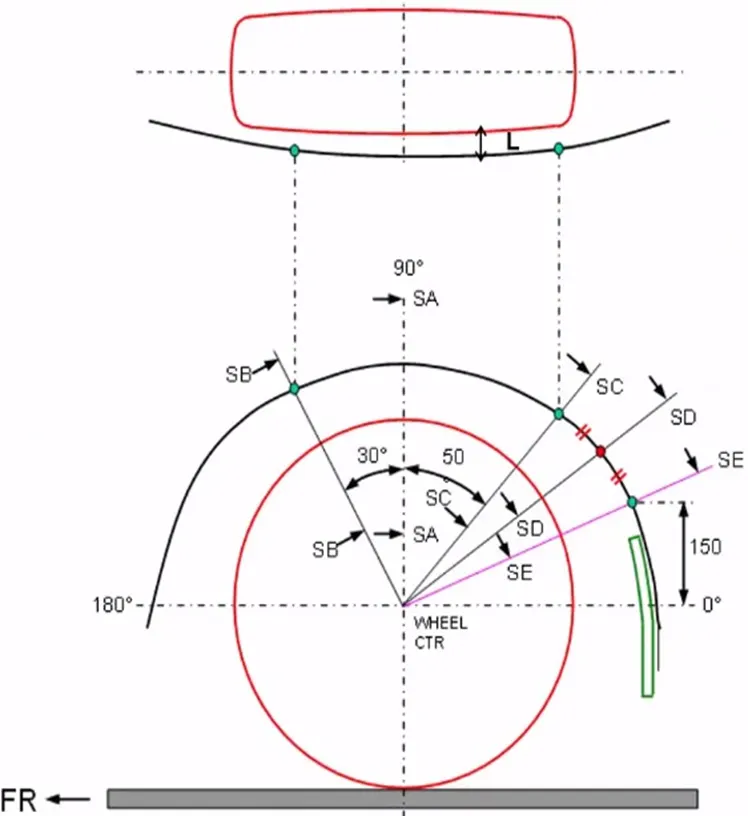
Measure CL at sections SA-SA, SB-SB, SC-SC, SD-SD, SE-SE and produce CL check chart to validate.
At all 5 sections the CL L value should be greater than 10 mm to satisfy the European regulations.
Wheel guard requirement – The value of (a) shall be more than 5 at a line 30 degree forward and 50 degree rearward from the central vertical axis of axis of wheel.
3. US regulation requirement-
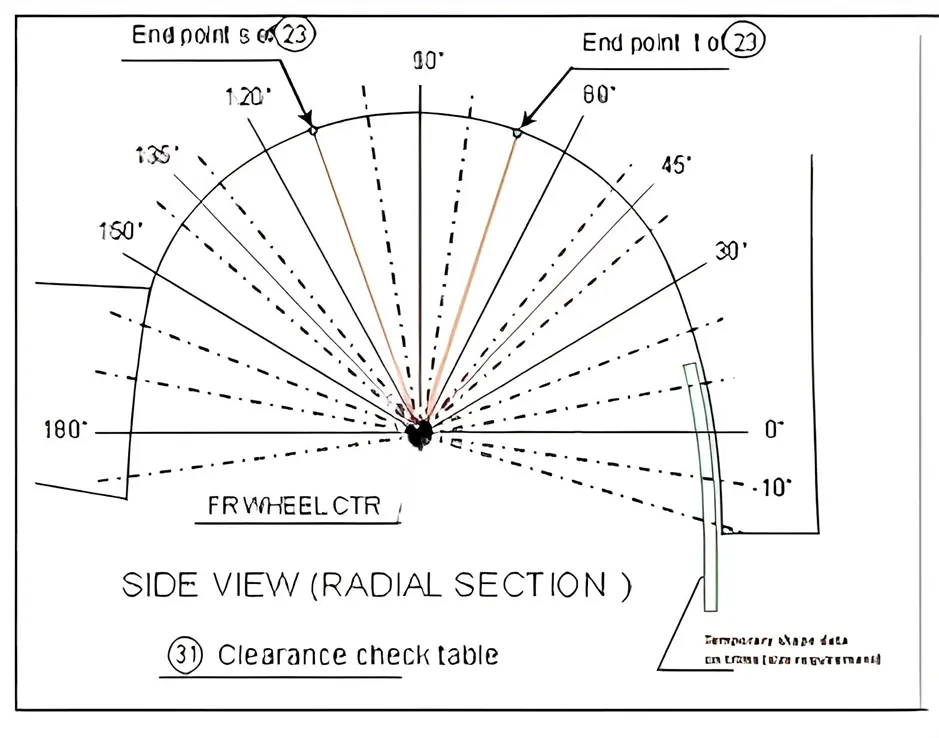
Make clearance check details on all position from -100 degree to +100 degree and make the clearance check table.
All value should be greater than 5 mm.
The value of (a) shall be more than 5 mm at a line 30 degree forward and 50 degree rearward from the central vertical axis of axis of wheel.
Note – The thickness of fender is 0.75mm.