Fender Design
Fender Design
Fender
Fender is the American English term for the part of an automobile, motorcycle or other vehicle body that frames a wheel well (the fender underside). Its primary purpose is to prevent sand, mud, rocks, liquids, and other road spray from being thrown into the air by the rotating tire. Fenders are typically rigid and can be damaged by contact with the road surface.
Sticky materials, such as mud, may adhere to the smooth outer tire surface, while smooth loose objects, such as stones, can become temporarily embedded in the tread grooves as the tire rolls over the ground. These materials can be ejected from the surface of the tire at high velocity as the tire imparts kinetic energy to the attached objects. For a vehicle moving forward, the top of the tire is rotating upward and forward, and can throw objects into the air at other vehicles or pedestrians in front of the vehicle.
The purpose of a fender is pretty simple. Its purpose is to keep mud, rocks, and other road debris from being thrown around by the tires. In other words, the fender is a housing for the wheels that keeps road debris contained. If there was nothing covering the wheels, all kinds of debris would be kicked up by the rotating tires.
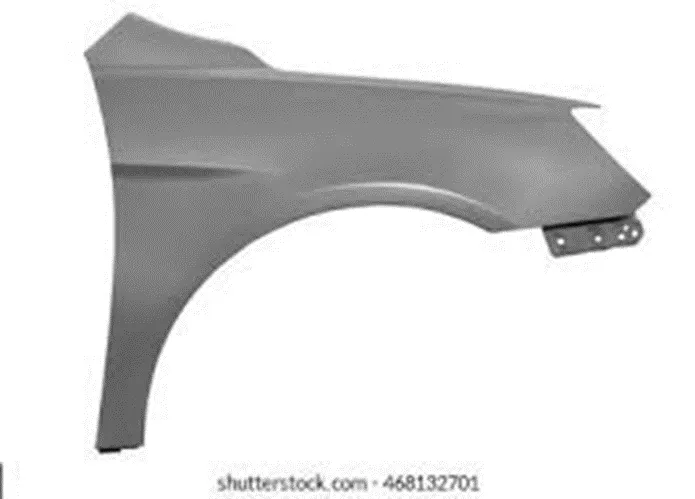
What Is The Purpose Of A Fender On A Car?
The purpose of a fender is pretty simple. Its purpose is to keep mud, rocks, and other road debris from being thrown around by the tires. In other words, the fender is a housing for the wheels that keeps road debris contained. If there was nothing covering the wheels, all kinds of debris would be kicked up by the rotating tires. The fender not only protects your car from sustaining damage from road debris but it prevents this debris from being thrown up at other vehicles on the road. This is why vehicles with large, oversized tires are often required by law to install fender flares.
Types of fenders
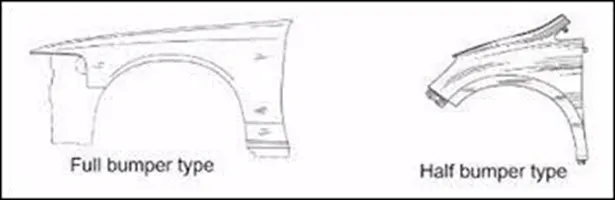
1. FULL BUMPER TYPE:
The full bumper type fender was used in old cars, it covers the full area until the front lighting. But it has a lot of sheet metal material which is unnecessary and increases the weight of the fender. This type of fenders are no longer used in automobiles
2. HALF BUMPER TYPE:
Mainly half bumper type is used in automobiles. It is basically related to scrap management. Half bumper type leads to less wastage of the blank.
We are changed from full bumper type to half bumper type to reduce the scrap rate per blank. In the full bumper, we can only produce one Fender per blank, whereas as a half bumper type we can produce 2 fenders per blank.
MOUNTING
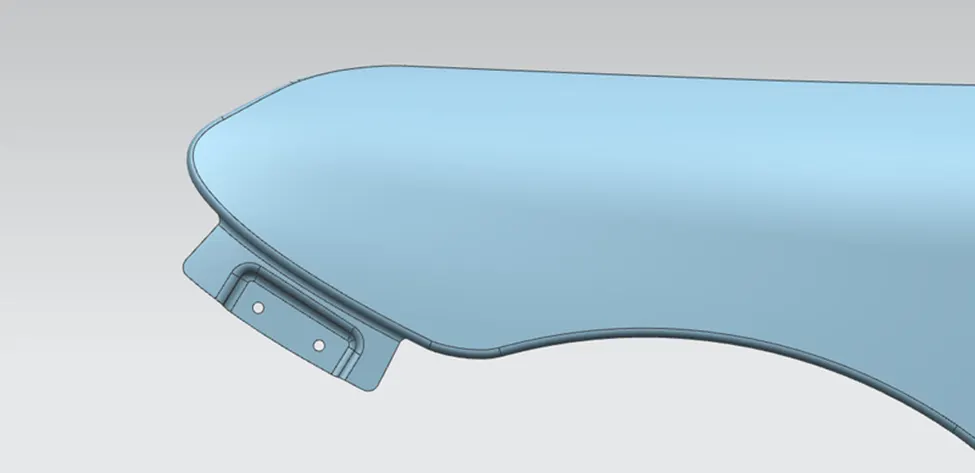
<!-- [if !supportLists]-->1. <!--[endif]-->Bumper area:- The bumper area on to the fender is created in order to join the fender with the bumper.
<!-- [if !supportLists]-->2. <!--[endif]-->Drip area:- :- The drip area is the area between the closed hood condition and the fender. Basically it is the mounting created on to the fender for joining purpose.
<!-- [if !supportLists]-->3. <!--[endif]-->A Pillar area:- The A pillar area is the upper area of the fender where the mounting is created in order to join the fender with the A pillar.
<!-- [if !supportLists]-->4. <!--[endif]-->Sill area:- This is the bottom area of the fender where the mounting is created in order to join the fender with the body.
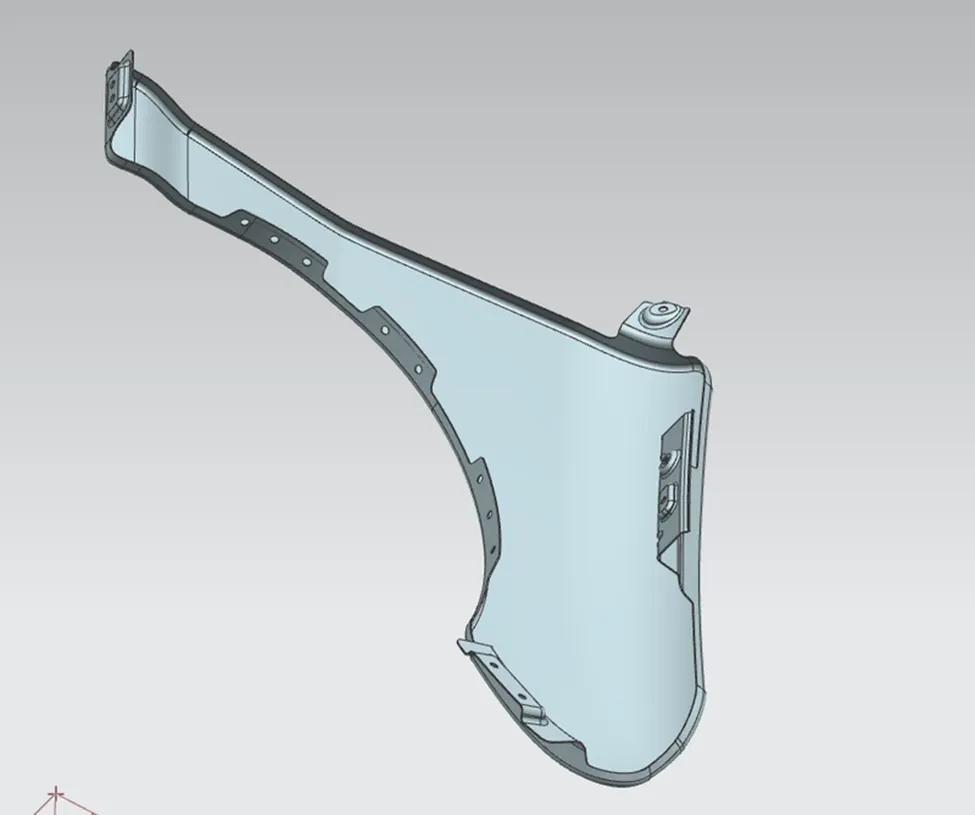
<!-- [if !supportLists]-->5. <!--[endif]-->Baffle area:- Baffle area is the inner curve area of the fender which is used to mount splash or baffle in order to protect the automotive from the unwanted stones and water entering the engine compartment.
Given data for Designing Fender<!--[endif]-->
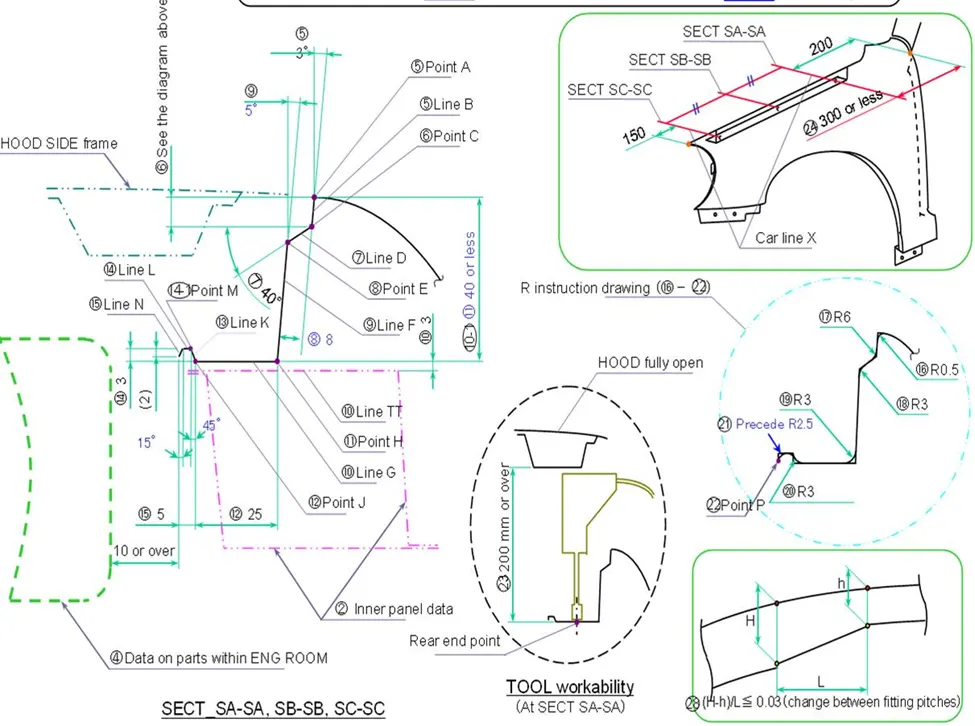
Given class A surface
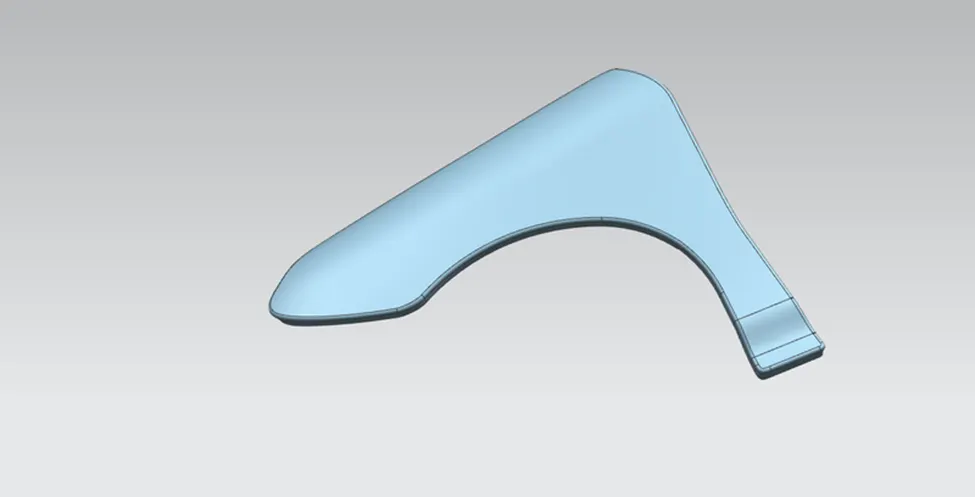
surface with all the mountings
Crate all the mountings using the given mastersections
step 1 : Create the Drip Area
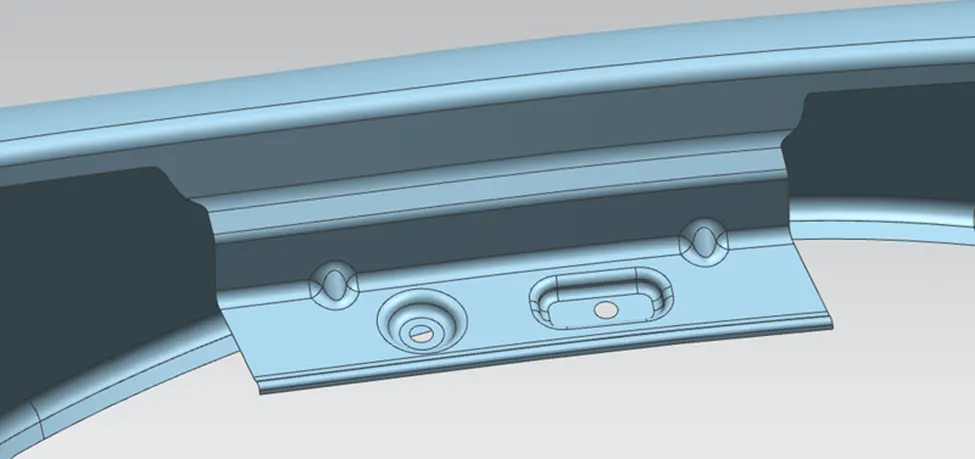
step 2 : Create A pillar Mount
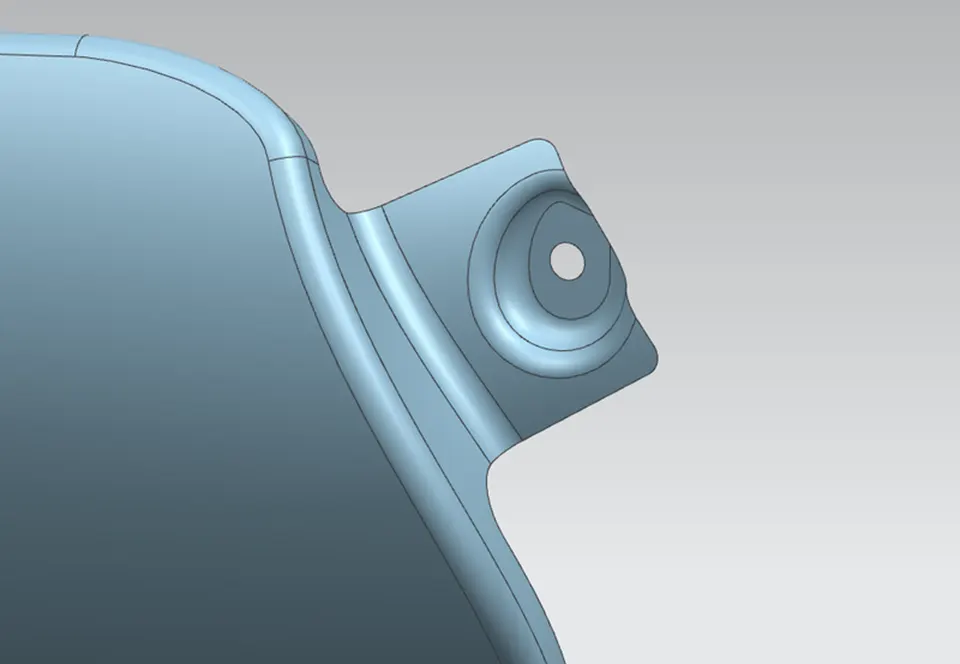
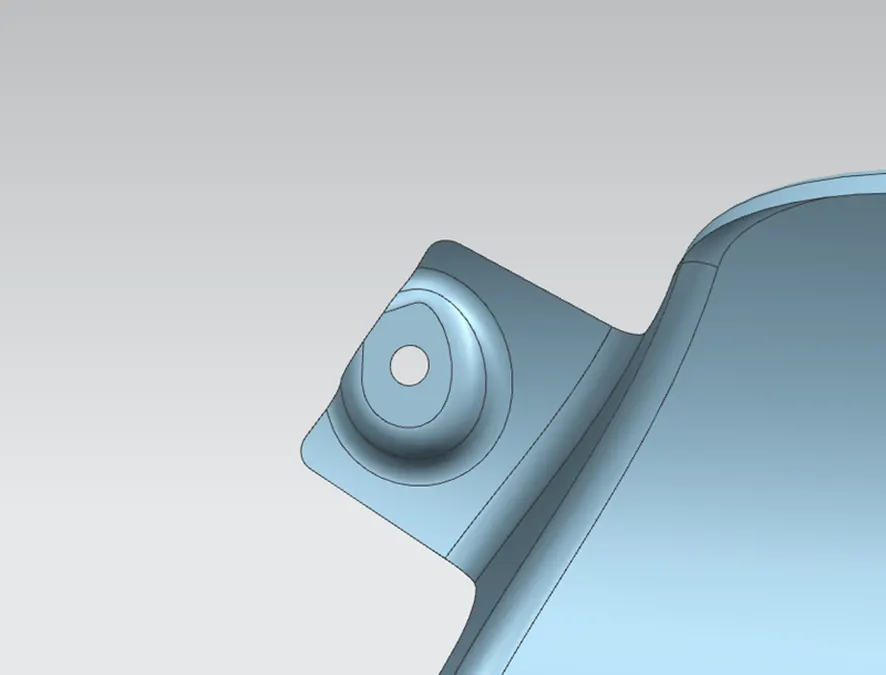
step 3 : Create Bumper Mount
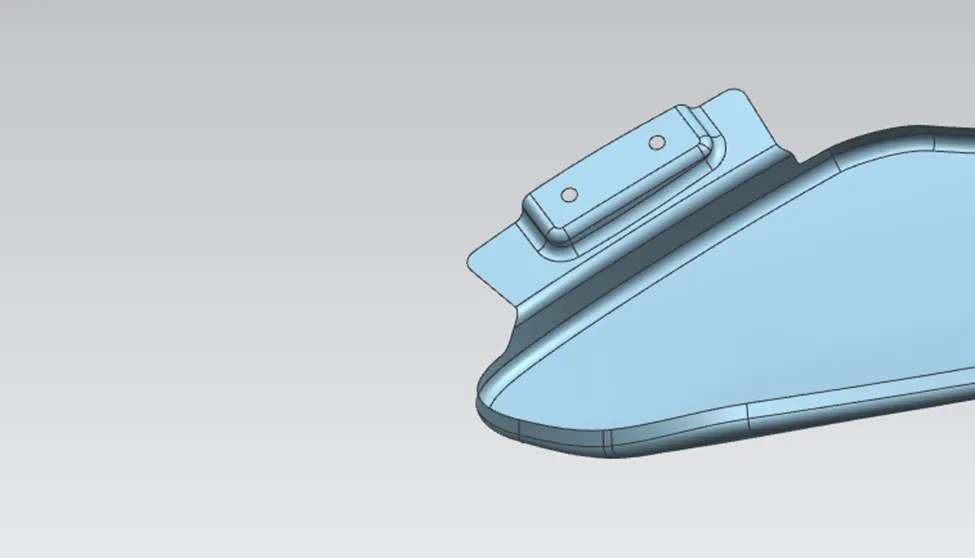
step 4 : Sill Mount
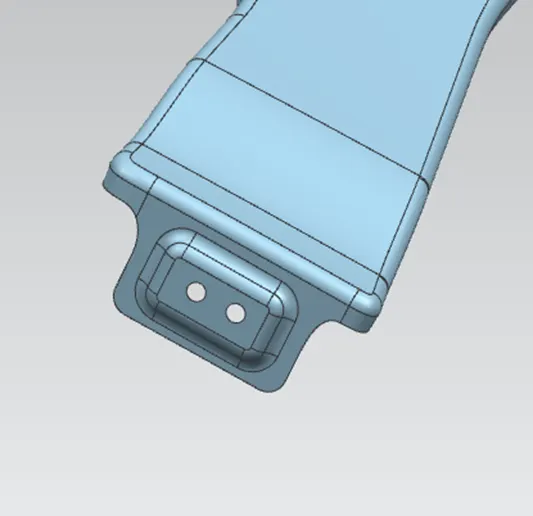
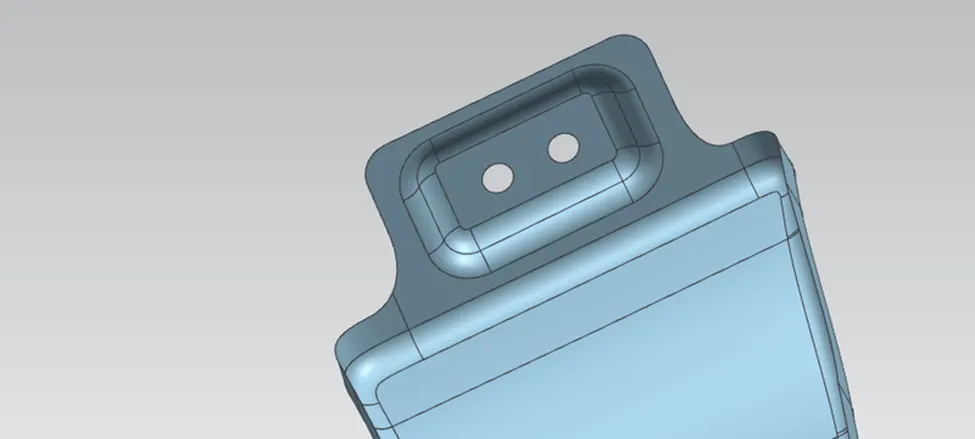
step 4 : Baffle mount
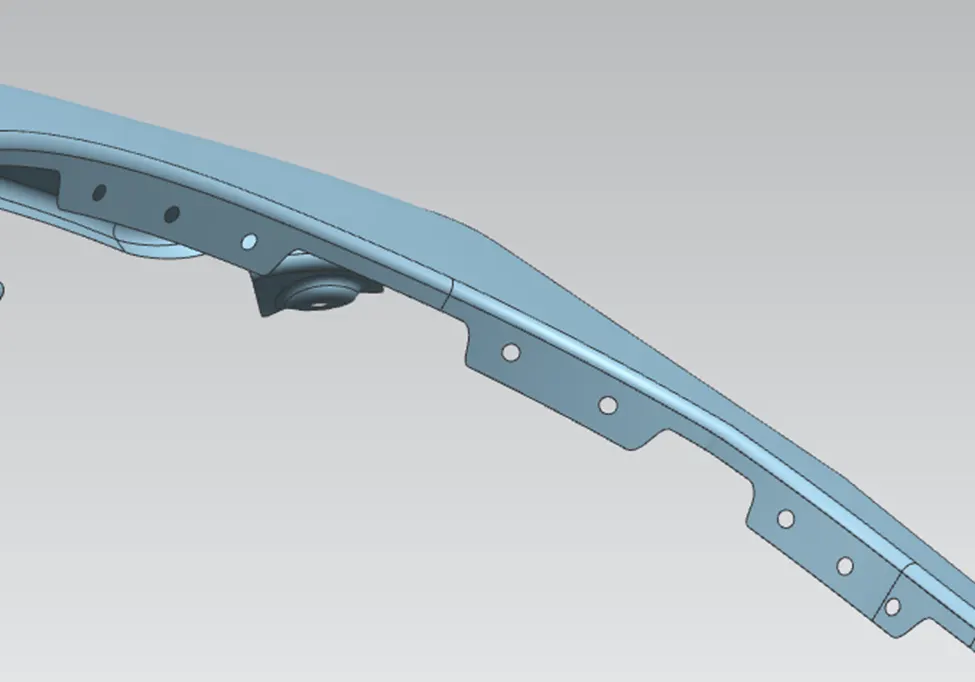
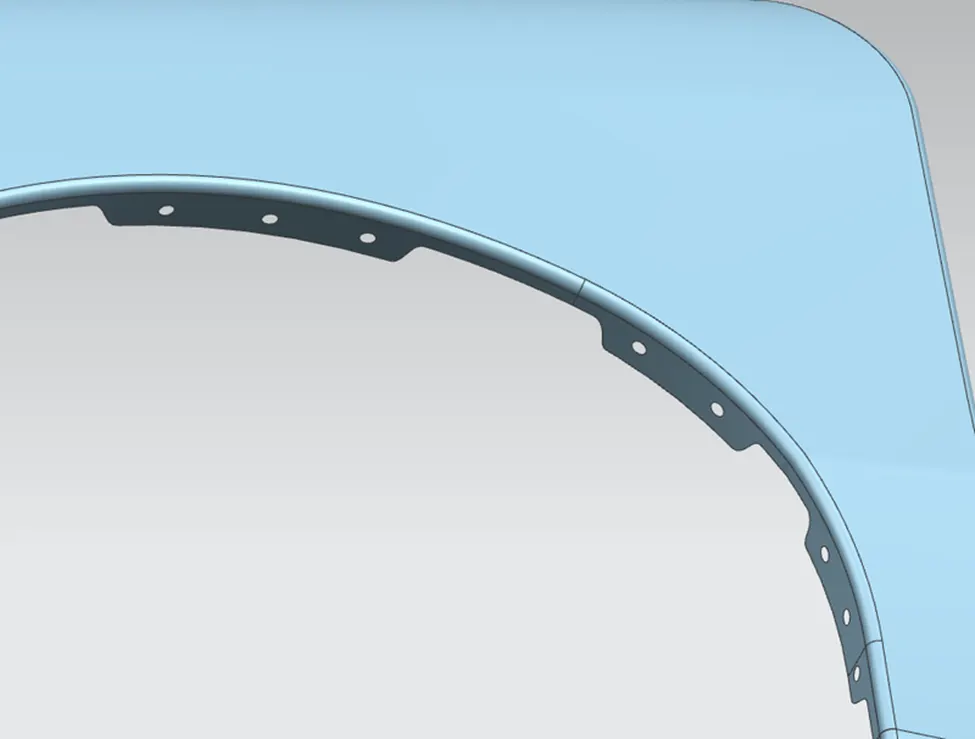
final trim without thicken
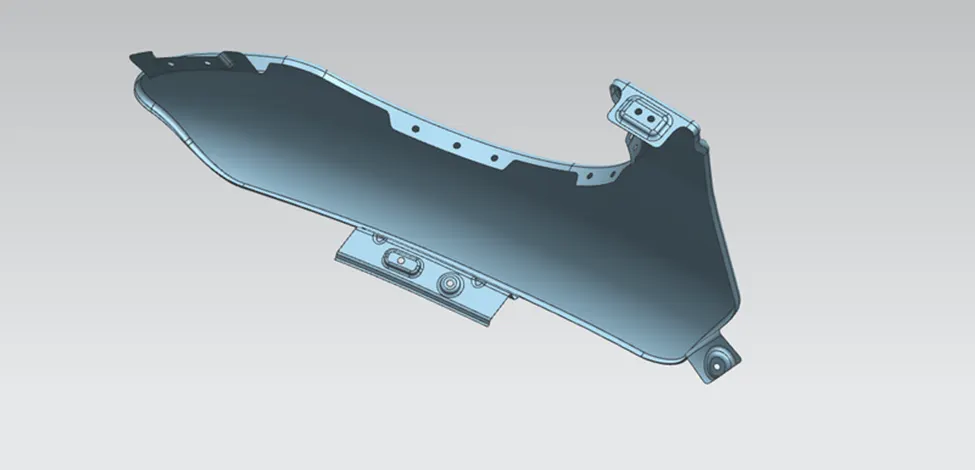
after creating all this mounting we thicken the surface by 0.75mm
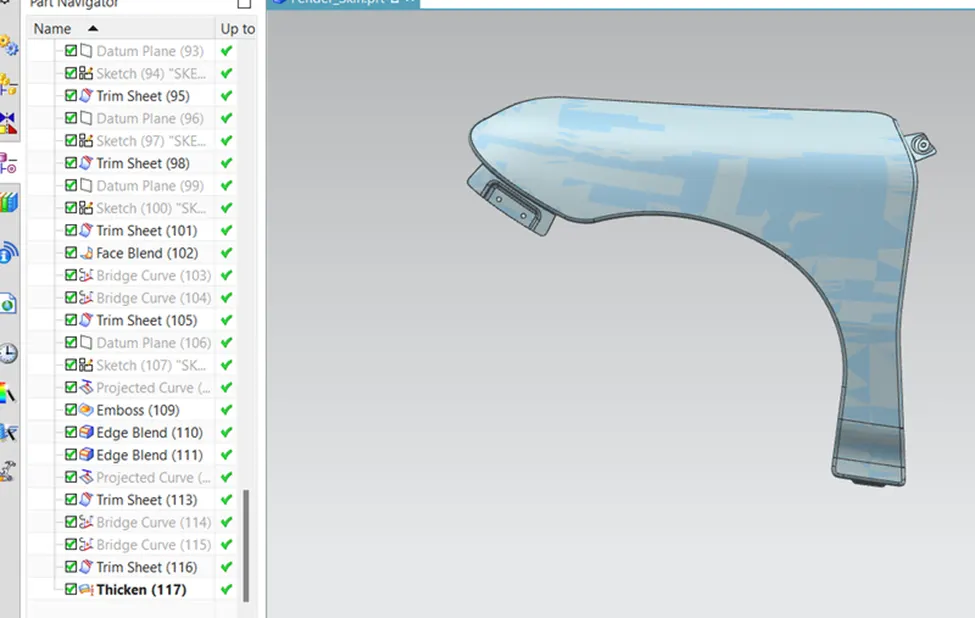
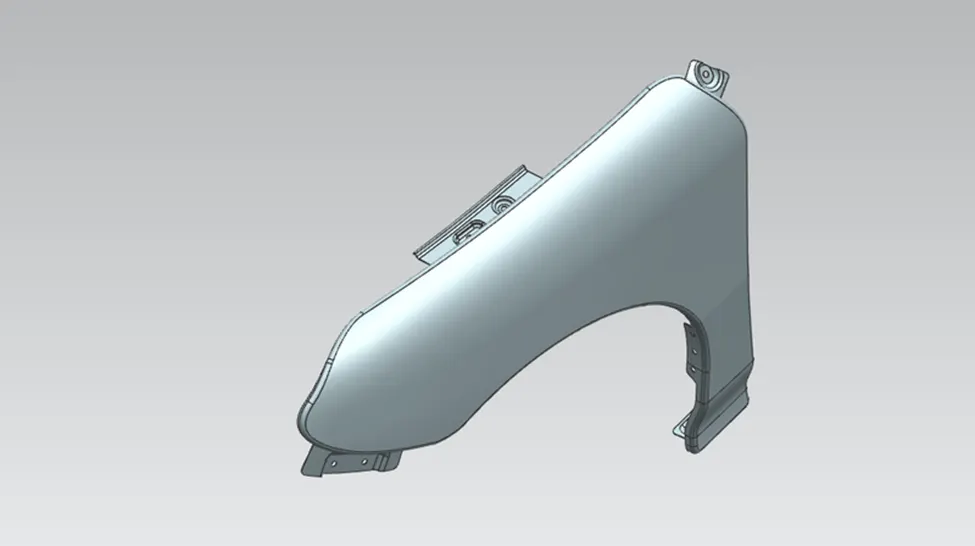
Final thicken fender design view (thicken=0.75mm)
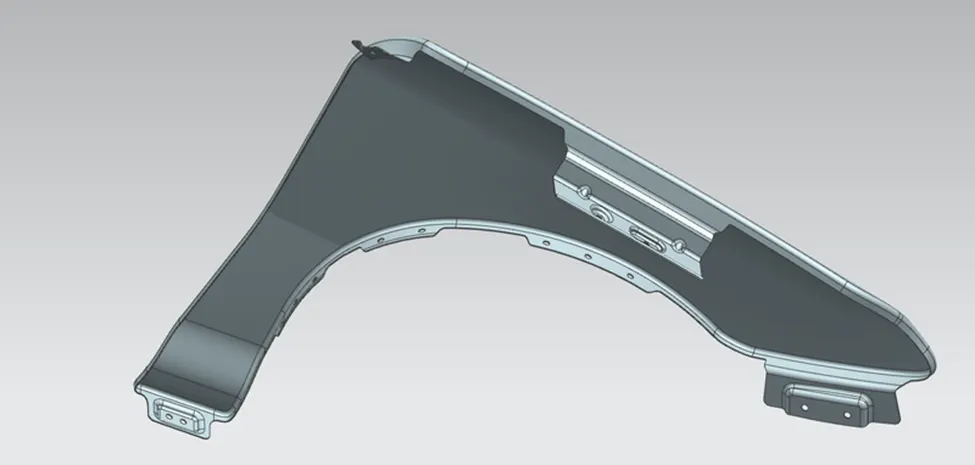
tree structure