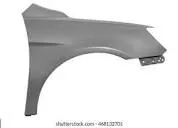
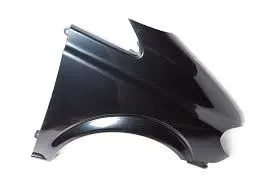
Fender Design
REPORT OF FENDER:
Introduction: Fenders play a crucial role in protecting vehicles, vessels, and structures from damage caused by impacts and collisions. Fender design involves various considerations such as the type of mount, manufacturing process, and design parameters. This report aims to provide an overview of fender design, including different mounts, the manufacturing process, and key design parameters.
- Types of Fender Mounts: Fenders can be mounted in different ways depending on the application and desired functionality. Here are some common types of fender mounts:
a. Chain and Tire Net: This mount consists of chains or nets attached to the fender, enabling it to be hung vertically. It is commonly used in marine applications, such as dock fenders, where vertical or angular impact protection is required.
b. U-Bolt and Slide Plate: U-bolt and slide plate mounts are suitable for fixed structures and can be bolted to a dock or wall. They allow for easy installation and adjustment, making them popular for various applications, including marinas and piers.
c. Bolts and Straps: Bolts and straps provide a secure mounting system for fenders in both marine and automotive applications. They typically involve the use of metal brackets and straps that can be fastened to the fender and the desired structure.
d. Hook and Loop: This mount type utilizes a hook and loop fastening system, where the fender is attached to a structure using straps with hook and loop fasteners. It offers quick and easy installation while providing flexibility in positioning the fender.
- Fender Manufacturing Process: The manufacturing process of fenders involves several steps, which may vary depending on the material used (e.g., rubber, foam, or plastic). Here is a general overview of the fender manufacturing process:
a. Material Selection: The choice of material depends on the application, durability requirements, and cost considerations. Common materials include rubber, foam, or plastic compounds.
b. Molding: Most fenders are manufactured through a molding process. For rubber fenders, this typically involves compression or injection molding, where the rubber material is shaped using molds under heat and pressure. Foam and plastic fenders may also involve extrusion or thermoforming processes.
c. Reinforcement: Reinforcement materials such as fabric, steel bars, or fibers are often added during the manufacturing process to enhance the fender's strength and structural integrity.
d. Finishing: After molding and reinforcement, the fenders undergo trimming, cutting, and surface finishing processes to achieve the desired shape, size, and appearance. This may include painting, coating, or adding protective layers to increase weather resistance.
- Design Parameters: Designing a fender involves considering various parameters to ensure optimal performance and longevity. Here are some key design parameters:
a. Energy Absorption: Fenders should be designed to absorb and dissipate impact energy, reducing the transmitted force to protected structures. The material composition, shape, and size of the fender play a crucial role in determining its energy absorption capabilities.
b. Reaction Force and Deflection: The reaction force and deflection of the fender upon impact determine its ability to provide adequate protection. The design should strike a balance between minimizing reaction force to the protected structure while maintaining an appropriate deflection to absorb the impact energy.
c. Durability: Fenders should be designed to withstand repeated impacts and harsh environmental conditions without significant degradation. Factors such as material selection, reinforcement, and surface protection coatings contribute to the overall durability of the fender.
d. Installation and Maintenance: Considerations for easy installation, adjustment, and maintenance are essential. Fenders should have appropriate mounting systems that allow for straightforward installation and regular inspection or replacement if necessary.
Conclusion: Fender design encompasses various aspects, including mount types, the manufacturing process, and design parameters. By understanding these elements, engineers and designers can develop fenders that provide effective protection against impacts while ensuring durability and ease of installation. The continual advancement in materials and manufacturing techniques will further contribute to the improvement of fender design in the future.
IMAGES OF FENDER: