Fender Design
Introduction:
A fender is an automotive component which sits over the wheel preventing chipping of debris such as small stones as well as throwing out mud caused by tyres. The fender is a sheet metal component made from usually the same material as other car body such as steel and aluminium. Sometimes it can be made of plastic, fiberglass and carbon fibre as needed. Its manufacturing follows a normal sheet metal forming process including cutting and deep drawing. The plane sheet metal is cut (sheared) and fed into the die of required fender. This is a deep drawing process. The cavity of the die presses against the core with sheet metal in between creating the desired shape of the fender. The excess material is again cut with the help of blanking process and the fender is ready.
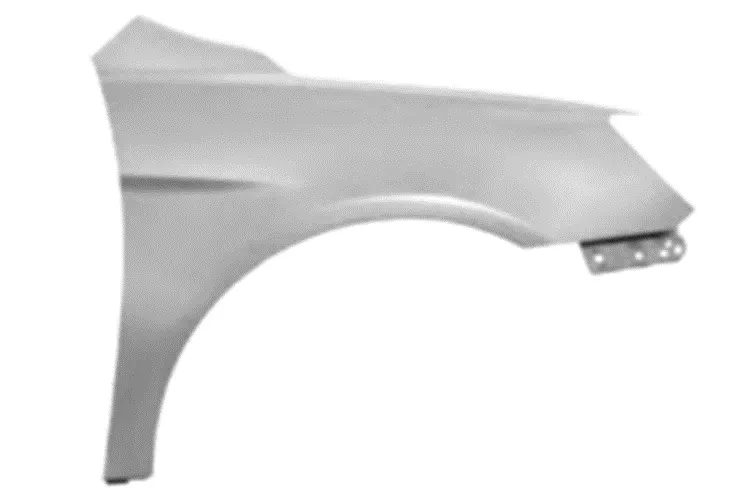
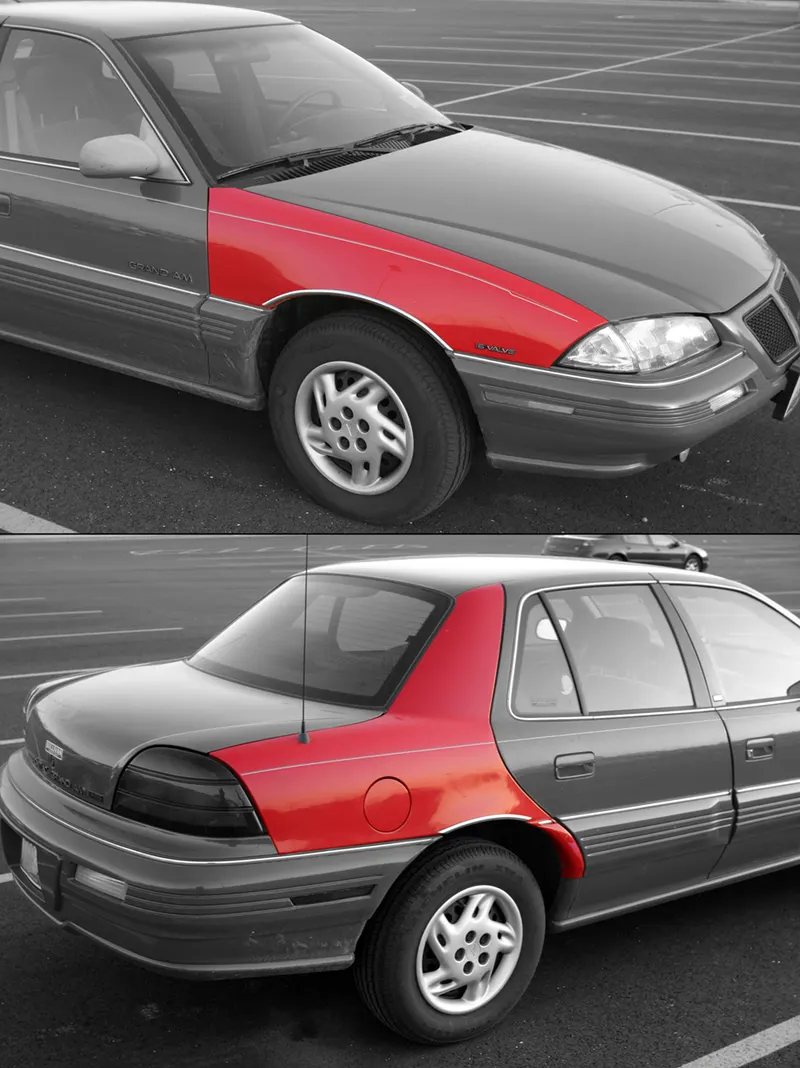
(Sheet metal Fender) (Front and Rear Fenders)
This fender is again classified into two types, half bumper type and full bumper type. The half bumper type fender is most used in common cars as it is cost effective. It only covers the SIDE front profile of the car hence it is a short part as compared to full bumper type fender. This type covers the SIDE front profile as well as some part of bumper. They are used on luxury vehicles to give them aesthetic look.
Fender Mountings:
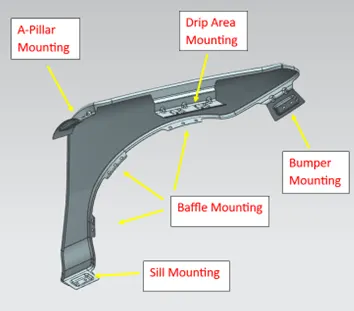
As it can be observed, the fender is mounted at the sides of a vehicle over the wheel area. It has different mounting points for attachment. These include A-Pillar mounting, sill mounting, bumper mounting and drip area mounting. Additionally, the mountings for baffle are also there on the fender. Baffle is a plastic component which protects that inner side of the vehicle from chipping debris.
Aim:
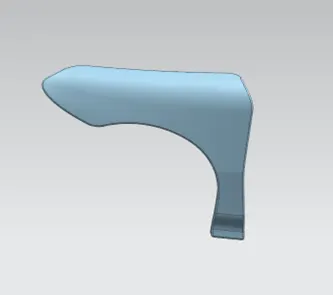
In this project, the objective is to create these mountings from the given surface.
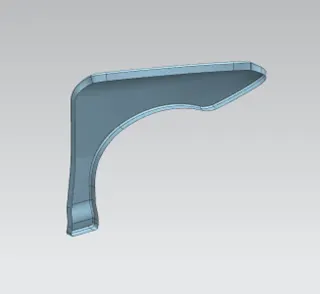
Design Methodology:
A master section for drip area mounting is provided which shows the position of the mounting from A-Pillar as well as from the very front of the fender. The distance between the engine room and the mounting is given. All necessary angles for each surface are provided. From given data following mounting is created.
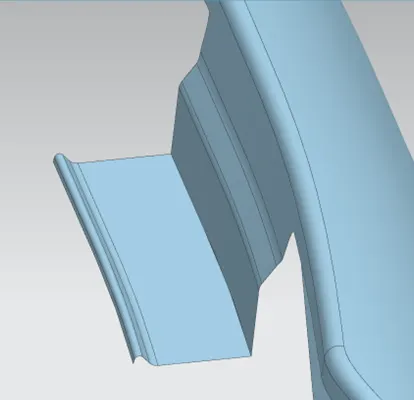
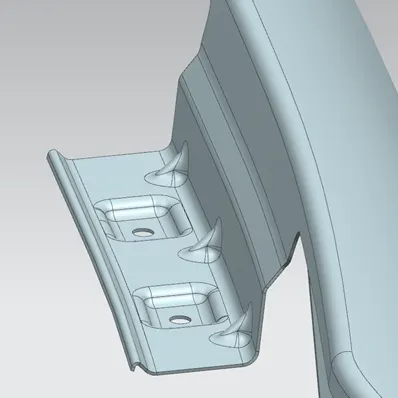
The darts are created to provide the mounting strength needed to resist bending. At the mounting points emboss is proveded for more strength.
Similarly, all other mountings are created.
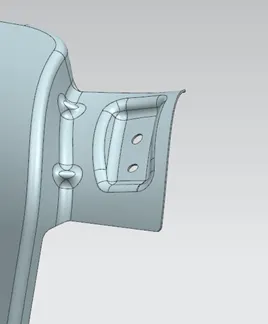
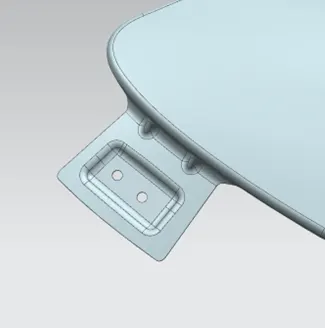
(A-Pillar Mounting) (Bumper Mounting)
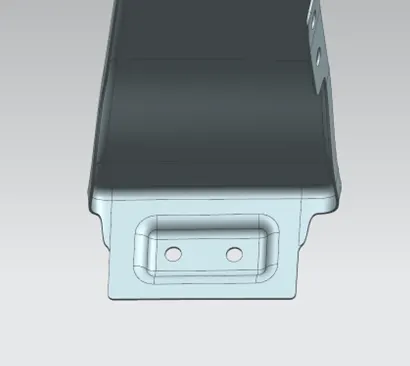
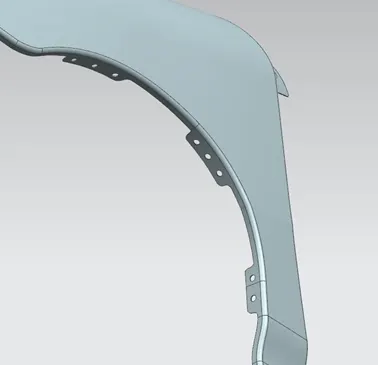
(Sill Mounting) (Baffle Mounting)
Design parameters considered-
Since it’s a sheet metal component all fillets are of minimum radius 3.75 mm.
All sharp edges are filleted.
Darts are provided wherever needed.