Design of backdoor
DESIGN OF BACKDOOR
Objective: To design Back door of car using the given outer panel
INTRODUCTION TO BACKDOOR
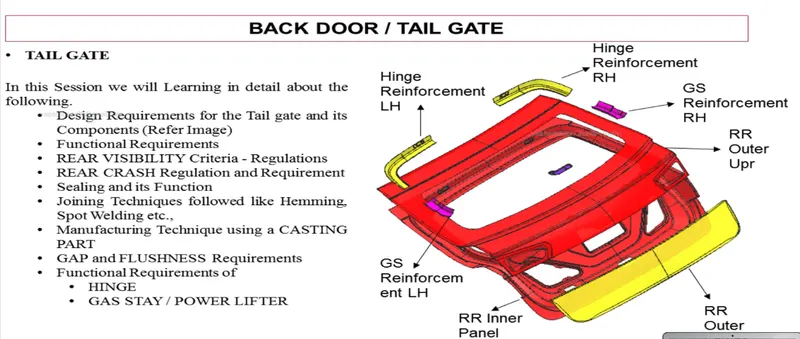
The back door is a hinged door/tailgate at the rear of the vehicle. It may be used for loading and unloading cargo, or to get passengers in and out, in case there are seats present at the rear. The back door comprises of certain components which form the back door assembly together.
TYPES OF BACKDOOR
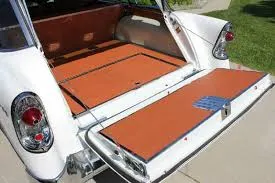
The door or opening of a cargo area may be hinged at the top, side & bottom. If the door hinged in the bottom it is called as a tailgate.
1. Top mounted
2. Side mounted doors
3. Bottom type
1.Top mounted:
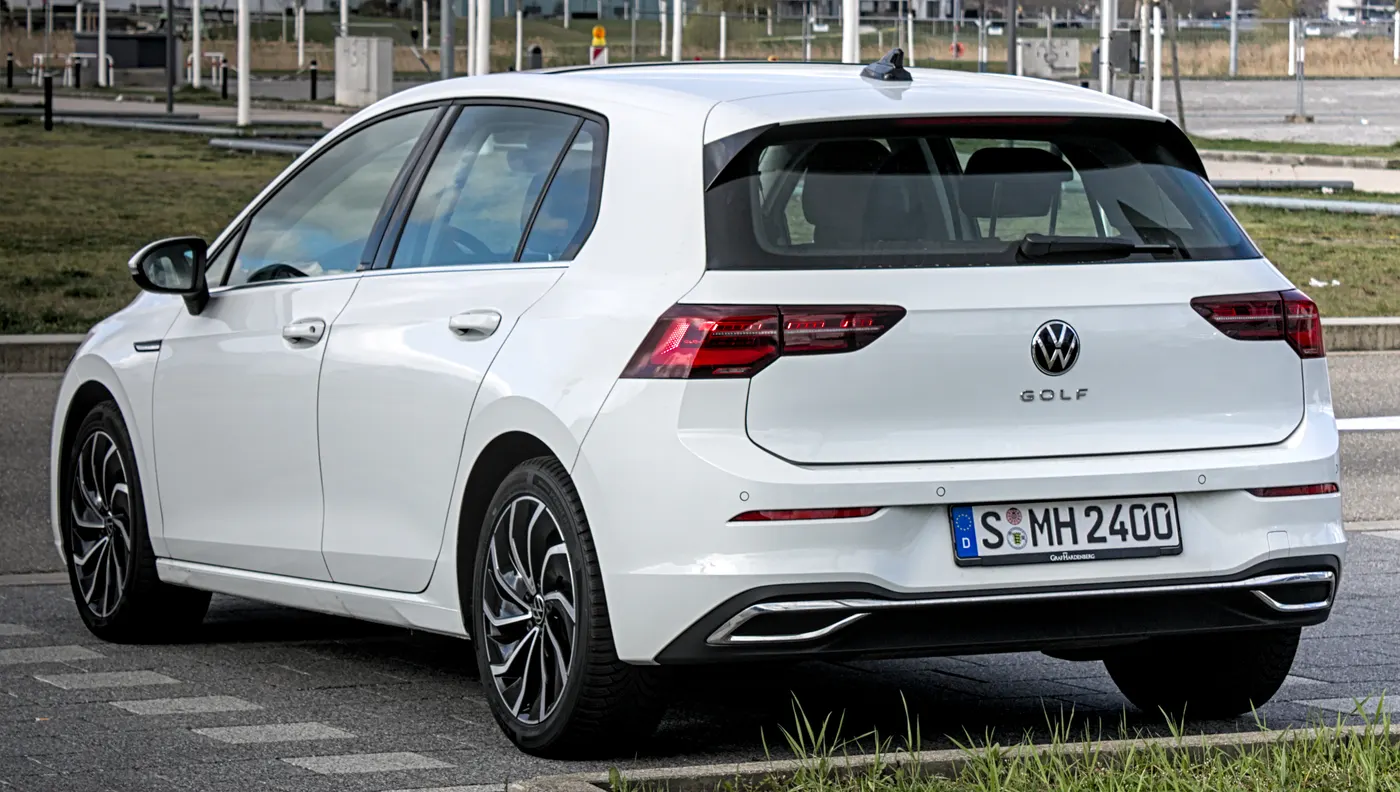
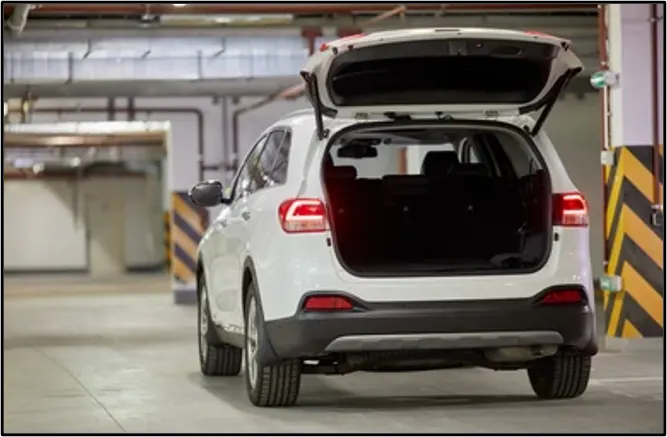
This type of back doors is used in a station wagon, pickup trunk and some of the spot utility vehicles. Today's modern cars use top mounted tailgating system which are both powered and also gas stay supported. These top mounted tailgates provide greater rear visibility compared to side mounted or backdoor which have center pillars in it.
2.Side mounted door:
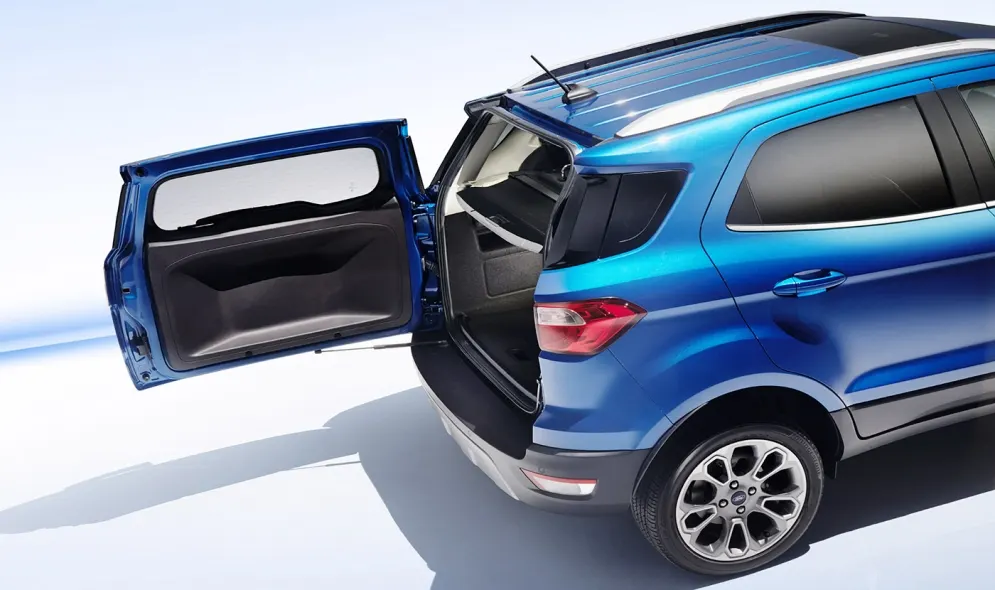
The side mounted doors are the one which is used in the van type MPVs, SUVs, pickup truck vehicles. These side mounted doors or barn doors are a lot easier compare to top mounted doors. These doors are generally smaller in size and can be easily accessed. These doors are more convenient for the goods handlers for long pipe and lengthy components where one door is kept open. These door also save accidental head impacts. It is a lot easier to load and unload items in the side mounted doors.
3.Bottom type:
This bottom type type backdoor system are used in the car type such as car, pickup truck and some luxuary SUVs. These are the most convenient type of back door in which the bottom split is used as a support or even as a table for the tour going people.
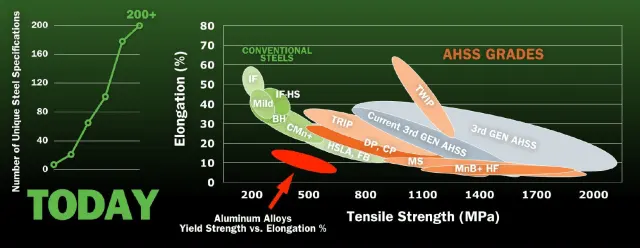
COMPARISION OF ALUMINIUM AND STEEL FOR MANUFACTURING
aluminum-bodied vehicles are safer than their steel counterparts thanks to better energy absorption, larger crush zones that fold more predictably and larger overall size.
While aluminum can be easily recycled through advanced processes, steel has the advantage of being the most recycled material in the world. The recycling process of steel is simpler, too: Its ferrous property allows for easy scrapyard sorting, and all alloys of steel can be melted together and remixed to produce any alloy of steel. Aluminum, on the other hand, is costlier to recycle, requiring the different grades to be separated before melting to preserve the grades.
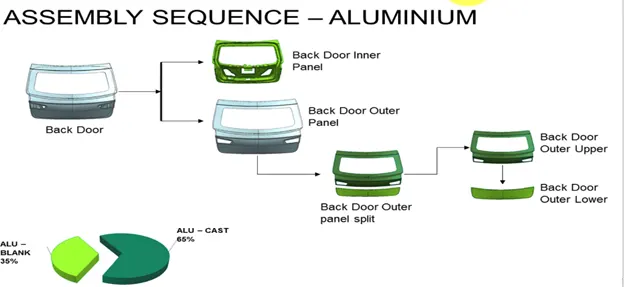
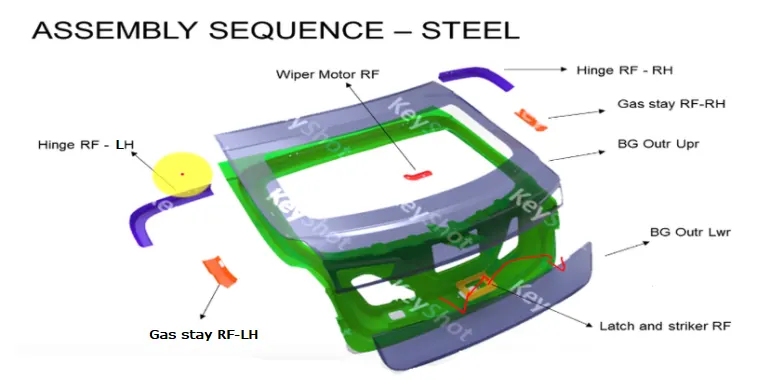
| Aluminium | Steel | |
| Parts | Parts are casted | Parts are stamped |
| Reinforcements | Reinforcements can be neglected | Reinforcements are necessary |
| Thickness | Thickness can be varied | Thickness should be uniform |
| Weight | Lighter in weight | heavier in weight |
| Cost | Costly as compared to Steel | Cheap as compared to Aluminium |
| No. Of components | Less No. of components | More No. of components |
Components to be designed:
Outer panel
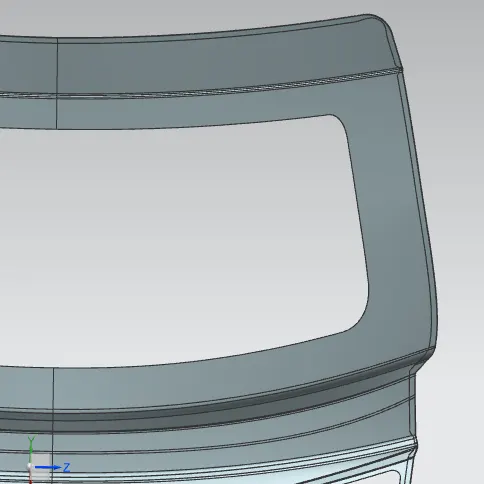
It is the outer styling skin surface of the back door. It is provided with multistage coatings which has property of scratch resistance, rust prevention etc. It is wrapped around the inner panel through hemming process.
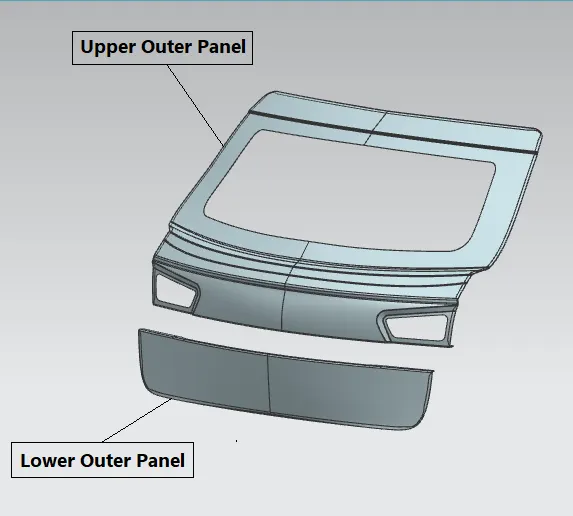
Hemming
Hemming is a forming operation in which the edges of the sheet are folded over another part in order to achieve a tight fit. Usually hemming operations are used to connect parts together, to improve the appearance of a part and to reinforce part edges. In car part production, hemming is used in assembly as a secondary operation after deep drawing, trimming and flanging operations to join two sheet metal parts (outer and inner) together. Typical parts for this type of assembly are hoods, doors, trunk lids and fenders.
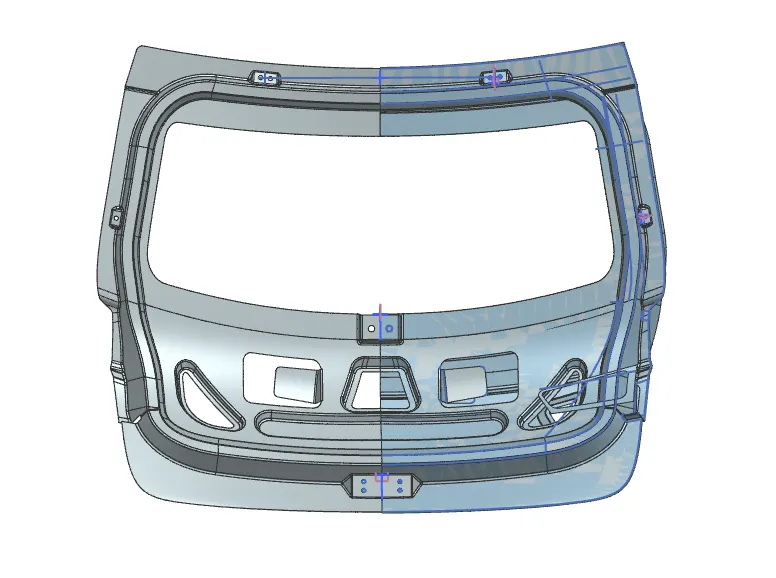
Inner Panel
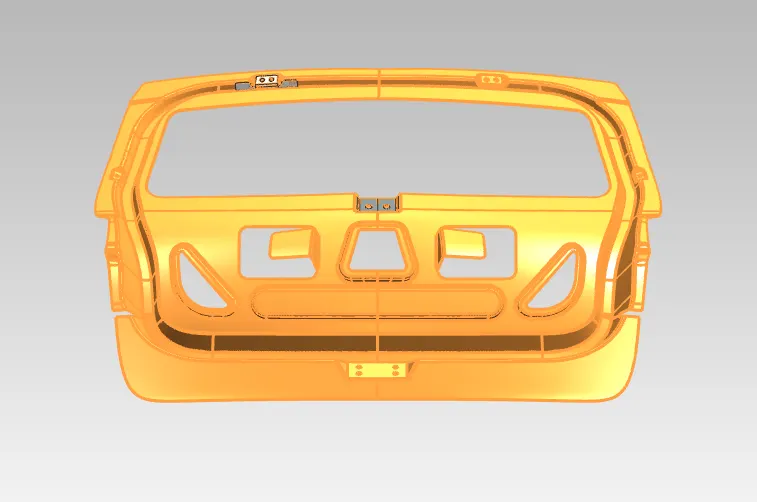
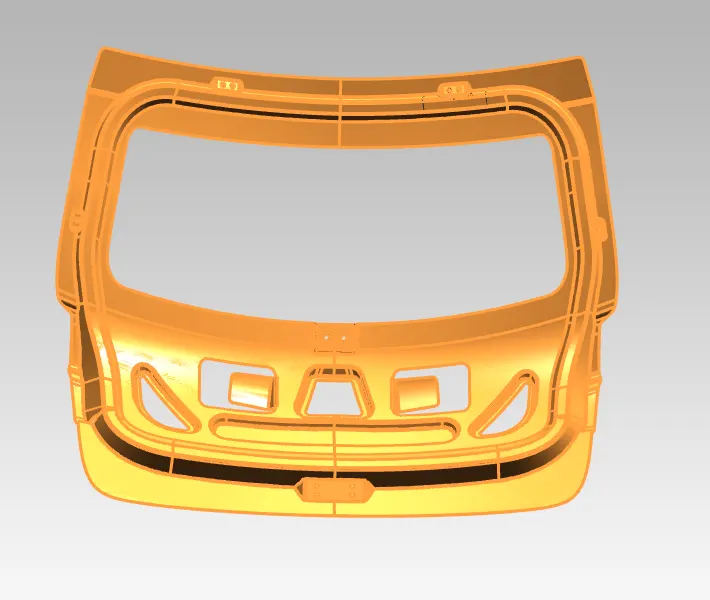
The inner panel is one of the most important components of backdoor assembly. It provides strength and helps in dissipation of forces outside the part with the help of embosses made on it. It helps in mounting of accessories like hinges, wiper motor, gas stay, latch & striker etc.
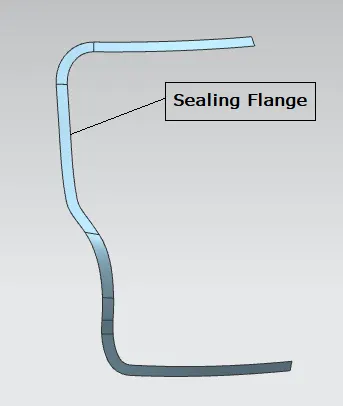
Sealing Flange
It is that section of the inner panel which enables the backdoor to sit over the rear body side of the car. Its design is important as it decides how a backdoor is mounted on the rear body side of the car and also restricts any external matter to enter inside the vehicle.
Mastic Sealants
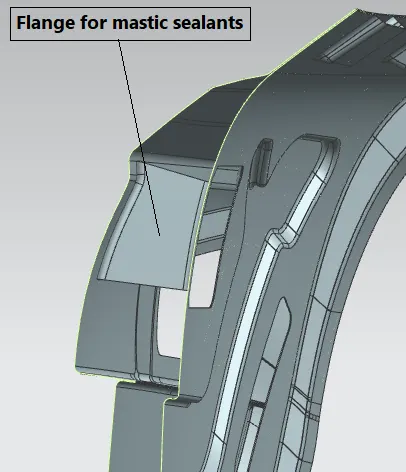
As we know the outer panel gives the aesthetic look to the vehicle, so we can’t use bolting or spot welding or any other joining technique which damages the aesthetic looks of the panel. Thus mastic sealants are used for joining the Inner panel elements with outer panel. A maximum gap of 5mm is to be maintained in between parts where mastics are to be applied.
Reinforcements
Reinforcements are generally placed to increase the strength of the panel in localized areas which is relatively small compared to sheet metal parts for absorbing loads imposed thereon and dissipating such loads throughout the panel assembly to help maintain rigidity of the panel assembly. The reinforcements are usually 1-1.5mm thick as opposed to 0.75mm thick panel used in this part.
Hinge reinforcements
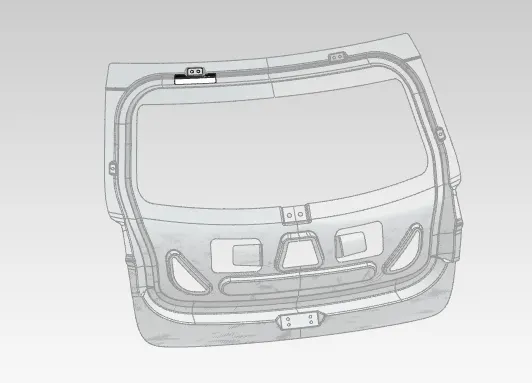
Hinge is a pivot mechanism which supports the total weight of the backdoor. So reinforcements are added for strength and rigidity.
Gas stay reinforcements
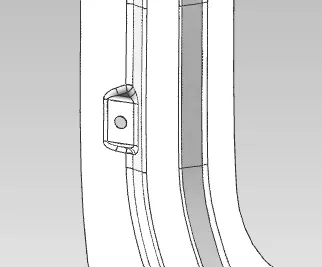
Gas stay is used to lift the backdoor automatically and is used to support the backdoor in its open position. It can be of Two types Semi-automated and fully automated.
Wiper Motor reinforcement
Wiper is used to wipeout the dust particles/water on the windshield glass which affects the rear visibility. It is actuated by the motor which is mounted on the inner panel. Due to vibration and heat of the motor, inner panel gets deformed which results in loss of strength & rigidity of the panel thus leading to poor NVH. So reinforcement is provided to avoid these conditions.
Latch and Striker reinforcement
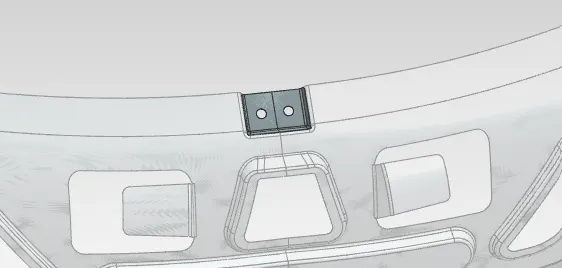
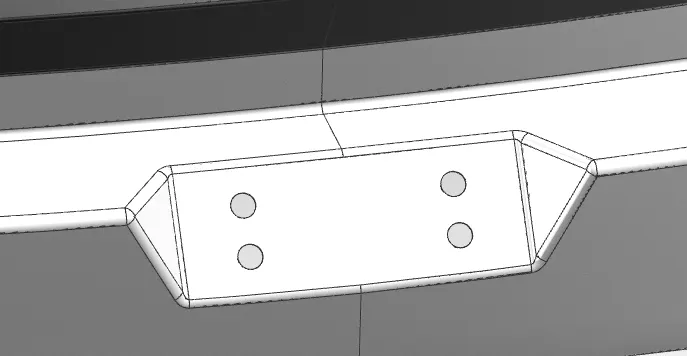
In the bottom part of the panel emboss is created for placemnet of latch and striker assembly. There is over slamming and abusing while opening and closing of the door, thus arising the need for reinforcement to be placed.
Design considerations
- Rear visibility
- Boot space & accessibility
- Sealing Flange
- Support structures like hinges and gas stays.
- Mounts for wiper motor, tail lamps and other wiring loops
- Rear crash regulations
- Joining techniques such as hemming, spot welding etc.
- Gap and flush requirements
Draft analysis
Draft Analysis command enables us to detect if the part we have drafted can be easily ejected or not. It also give insights about the critical zones, so that appropriate changes in the design can be made if needed.
Conclusion:
By appling solid and sheet modelling methodoligies and accord of Engineering Standards, the design of backdoor was complete using NX CAD